NoonPost NoonPost

NoonPost

  • Home
  • Politics
  • Economy
  • Society
  • Culture
  • Files
  • Long Reads
  • Podcast
AR
Notification Show More
نون بوست
“There Are Nights I Can’t Close My Eyes”: How Gazans Are Living in Homes on the Brink of Collapse
نون بوست
From al-Jolani to Ahmad al-Shara: The Evolution of Syria’s New Leader
نون بوست
When Political Islam Receded in Egypt: Who Filled the Void?
نون بوست
An Extension of Genocide: Gaza’s Detainees Speak Out
نون بوست
A Tightrope Between Survival and Sovereignty: The Syrian Government Faces Normalization Pressures
نون بوست
American Aircraft Carriers: Has the Era of “100,000 Tons of Diplomacy” Ended?
نون بوست
U.S. Regime‑Change Policies: Why They Are Destined to Fail
نون بوست
Transformations of Israeli Judaism: Between the Victim Complex and the Colonizer’s Doctrine
نون بوست
The Gulf’s Balancing Act: Iran, Israel, and Hidden Links
نون بوست
Iraq–Turkey Oil Export Treaty: Why Did Ankara Cancel It After 52 Years?
نون بوست
Syria’s Northeast on Edge: QSD Between Ankara and Damascus
نون بوست
Has Europe Changed Its Stance on Israel… or Just Its Language?
NoonPost NoonPost
AR
Notification Show More
نون بوست
“There Are Nights I Can’t Close My Eyes”: How Gazans Are Living in Homes on the Brink of Collapse
نون بوست
From al-Jolani to Ahmad al-Shara: The Evolution of Syria’s New Leader
نون بوست
When Political Islam Receded in Egypt: Who Filled the Void?
نون بوست
An Extension of Genocide: Gaza’s Detainees Speak Out
نون بوست
A Tightrope Between Survival and Sovereignty: The Syrian Government Faces Normalization Pressures
نون بوست
American Aircraft Carriers: Has the Era of “100,000 Tons of Diplomacy” Ended?
نون بوست
U.S. Regime‑Change Policies: Why They Are Destined to Fail
نون بوست
Transformations of Israeli Judaism: Between the Victim Complex and the Colonizer’s Doctrine
نون بوست
The Gulf’s Balancing Act: Iran, Israel, and Hidden Links
نون بوست
Iraq–Turkey Oil Export Treaty: Why Did Ankara Cancel It After 52 Years?
نون بوست
Syria’s Northeast on Edge: QSD Between Ankara and Damascus
نون بوست
Has Europe Changed Its Stance on Israel… or Just Its Language?
Follow US

Institutionalizing Thuggery: Egypt’s Parallel Violence Since 2013

عبد الحميد أحمد
Ahmed Abdelhalim Published 26 March ,2026
Share
نون بوست
نون بوست
Cairo, Anadolu

Since July 2013, Egypt has witnessed a sharp rise in the influence of “thug” groups in public life, particularly in the streets and on university campuses. These networks, initially loosely organized and operating under the patronage of various power centers—including state security agencies and affiliated businessmen—have gradually evolved into more structured entities with functional titles.

How did the regime weaponize these groups to suppress dissent, especially in universities and public squares? How were they deployed during parliamentary and presidential elections? And how did their increasing organization impact efforts to subdue Egyptian society?

Universities and Public Squares During Elections

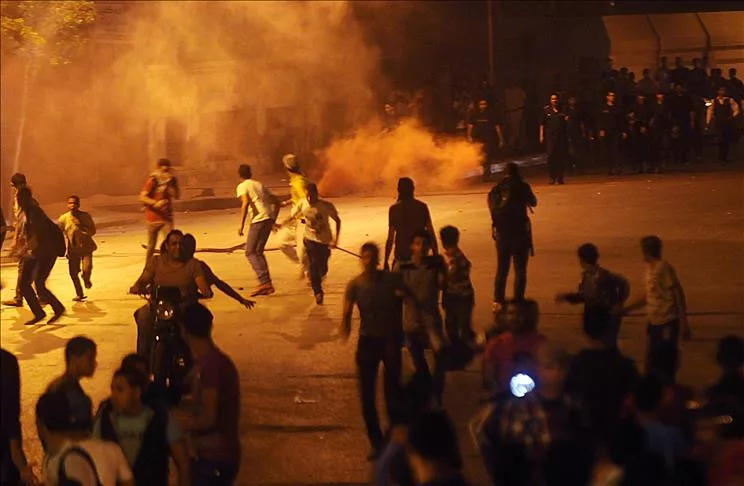
In Cairo and across the country, the years following 2013 were marked by organized assaults on student-led demonstrations opposing the new regime. Security forces at several universities reportedly unleashed “civilians,” acting under the supervision of Interior Ministry officers, to attack protestors.

Eventually, security forces themselves began storming campuses, violently dispersing protests and leading to hundreds of arrests and multiple injuries and deaths. In one tragic incident in October 2014, a student was shot dead by police at the Faculty of Engineering at Alexandria University.

In public squares, these groups emerged as parallel forces directed by official security agencies to suppress protests against the new regime. Dozens of masked young men known as “thugs” infiltrated peaceful protests to sow chaos and derail demonstrations using violence.

This became especially evident during and after the dispersals of the Rabaa and Nahda sit-ins, when these groups spread across Egypt, attacking and torching businesses affiliated with the Muslim Brotherhood and assaulting anyone suspected of opposing the dispersals or the emerging authoritarian order.

A Human Rights Watch report noted that Egyptian security forces transported these armed groups in private buses to break up peaceful demonstrations, later rewarding them with free meat and immunity from prosecution.

These thug networks were also deployed during presidential and parliamentary elections. In the 2023 presidential race, opposition candidate Ahmed Tantawy announced his withdrawal, citing targeted harassment by the regime and its thugs. His supporters were reportedly blocked from issuing the power-of-attorney documents required for his nomination.

Several media and human rights organizations documented campaigns led by the National Security Agency, with the backing of pro-regime political parties, using large groups of outlaws to coerce citizens into surrendering their national ID cards for use in falsified nominations. These events marked the beginning of an organized, state-sanctioned system of violence—particularly visible during key political junctures such as elections.

Networks and Their Relationship with Security Agencies

It is nearly impossible to separate these groups from the broader state security apparatus, particularly the National Security Agency, the Criminal Investigations Department, and General Intelligence. They are often viewed as an unofficial extension of state security.

In fact, President Abdel Fattah el-Sisi himself once publicly boasted about the state’s ability to unleash thugs to destroy Egypt, underscoring his—and his security agencies’—deep involvement in managing and exploiting these networks for authoritarian control.

Despite an August 2013 Interior Ministry announcement banning the so-called “popular committees,” the move proved largely symbolic. The state continued to rely on similar actors under new names and institutional covers.

Major private security companies—such as Falcon were formed under the supervision of state agencies. In 2014, Falcon even released a promotional video showcasing a “rapid support and intervention unit” operating in tandem with police to secure universities and public spaces.

Falcon later formally assumed responsibility for security at dozens of universities and major public events, effectively integrating a parallel security force into the official apparatus.

Over time, these networks evolved from informal gangs led by former convicts into structured entities backed by influential businessmen. One of the most prominent figures is Sabri Nakhnoukh, infamously dubbed the “President of the Republic of Thuggery” in Egypt. Nakhnoukh took over the Falcon security group, appearing in photos on social media chairing its board meetings.

Falcon has since become one of Egypt’s largest security firms, commanding nearly 62% of the market even before Nakhnoukh’s takeover.

Its funding reportedly stems from business elites close to the regime, who provide both economic and political cover. Notably, Nakhnoukh had previously been convicted in several thuggery-related cases before receiving a presidential pardon directly from Sisi in mid-2018.

Following his release, observers questioned whether he had been tapped by the state to head a new empire of organized violence an empire with deep historical roots predating the 2011 revolution.

The Impact of Thuggery on the Public Sphere

This strategic maneuvering by the regime has led to the gradual erosion of Egypt’s public sphere. These tactics succeeded in silencing dissent without the need for overt state violence eschewing uniformed forces in favor of plausibly deniable actors. But the cost has been high.

The state has forfeited its claim to a monopoly on security by outsourcing enforcement to lawless groups, whose actions cannot be fully controlled. This has endangered ordinary citizens, making journalistic activity or protest inherently risky.

High-profile attacks on individuals like human rights lawyer Gamal Eid and political activist Ahmed Douma are emblematic of this threat.

These networks have played a critical role in enabling the regime to crush grassroots opposition—particularly Islamist movements—after 2013. The division of labor between the regime and the thugs appears increasingly sophisticated: while police have withdrawn somewhat from direct violence, especially on campuses, these semi-armed groups now perform the state’s “dirty work.”

Yet the long-term dependence on such networks may pose a grave risk. Their loyalty is conditional, not institutional. The security they offer is not grounded in law, but in allegiance. And while this policy may yield short-term stability, it creates the specter of uncontrolled violence. As thugs gain power, the state’s ability to rein them in diminishes.

This dynamic threatens to unravel Egypt’s social fabric, stifling civic activism and prompting urgent questions about how to achieve real stability and public trust without perpetuating a cycle of lawless violence.

In the end, by organizing, funding, and jointly administering thug networks with business elites and security officials, the regime has made them a core instrument in suppressing public opposition—especially during elections and referendums. Egypt’s security apparatus, and the political authoritarianism it underpins, understands that these networks are essential to its dominance over society.

Given the scale of Egypt’s population, no security agency alone can maintain control—especially in the event of mass unrest, as seen during the January 28, 2011 “Friday of Rage,” when police forces collapsed under the weight of public fury.

The regime’s response has been to construct a civilian “security” apparatus rooted in thug networks—an indispensable part of its strategy for repression, domination, and control in a country simmering with poverty and rage.

Download this article as PDF
Share this Article
Facebook Twitter Whatsapp Whatsapp Telegram Email Copy Link
عبد الحميد أحمد
By عبد الحميد أحمد صحيفة الرأي العام السودانية
Follow:
Previous Article نون بوست “With Every Report, We Ask: Are We Next?” – Assassination Haunts Gaza’s Journalists
Next Article نون بوست “We’re Not Facing One War”: Gazans Struggle with Thirst and Contamination

Read More

  • U.S. Regime‑Change Policies: Why They Are Destined to Fail U.S. Regime‑Change Policies: Why They Are Destined to Fail
  • The Gulf’s Balancing Act: Iran, Israel, and Hidden Links
  • Iraq–Turkey Oil Export Treaty: Why Did Ankara Cancel It After 52 Years?
  • Syria’s Northeast on Edge: QSD Between Ankara and Damascus
  • Has Europe Changed Its Stance on Israel… or Just Its Language?
part of the design
NoonPost Weekly Newsletter

You May Also Like

U.S. Regime‑Change Policies: Why They Are Destined to Fail

U.S. Regime‑Change Policies: Why They Are Destined to Fail

إسراء سيد Esraa sayed 8 April ,2026
The Gulf’s Balancing Act: Iran, Israel, and Hidden Links

The Gulf’s Balancing Act: Iran, Israel, and Hidden Links

فريق التحرير Noon Post 8 April ,2026
Iraq–Turkey Oil Export Treaty: Why Did Ankara Cancel It After 52 Years?

Iraq–Turkey Oil Export Treaty: Why Did Ankara Cancel It After 52 Years?

فريق التحرير Noon Post 8 April ,2026

الجواز السوري بعد خمس سنوات من الحرب

إبراهيم عبه
إبراهيم عبه Published 6 January ,2016
Share
_262963787

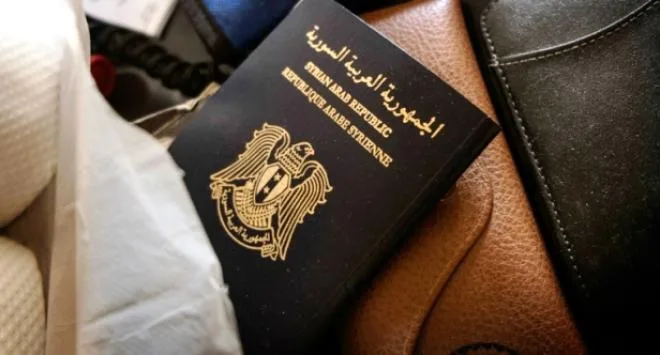
أقرت حكومة النظام السوري السنة الماضية قانونًا يقضي بمنح الجواز السوري لجميع المواطنين السوريين بدون استثناء، مؤكدةً نفيها القاطع لجميع الشائعات التي انتشرت حينها والتي كانت تتحدث عن عزم حكومة النظام سحب الجنسية السورية من بعض المطلوبين الأمنيين والعسكريين، خطوة النظام جاءت بعد قانون أقرته الحكومة بعد الثورة في شهر مايو 2013 يقضي بوجوب استصدار موافقة أمنية كخطوة لتجديد جوازات السفر، وهذا ما منع مئات الآلاف من السوريين من حقهم بالحصول على جواز سفر، رأى مراقبون أن الخطوة الجديدة بالسماح للسوريين بتجديد جوازات سفرهم تهدف بالدرجة الأولى لقطع الطريق على المزورين وتجار الجوازات السورية في السوق السوداء وذلك يعود بالطبع لحاجة النظام الماسة للنقد بعد أن عانى من قلة موارده المالية لسنوات.

سيتم تطبيق قانون التجديد في السفارات السورية في الخارج، والتي أصبح عددها 39 فقط بعد أن تم إغلاق الكثير منها نتيجة الحصار السياسي الذي تم فرضه على الحكومة السورية بعد الثورة.

قانون التجديد الذي صدر في شهر أبريل 2015 يسمح بإصدار الجوازات وتجديدها بدون موافقة أمنية مقابل مبلغ 400 دولار للجواز الجديد بمدة سنتين ثم يُضاف عليه بعد ذلك لاصقتي تجديد على التوالي مدة كل واحدة منهما سنتين وتكلفة كل واحدة منهما 200 دولار، لتصبح المدة 6 سنوات والتكلفة الإجمالية 800 دولار، وبذلك يصبح الجواز السوري أغلى جواز في العالم على الإطلاق بعد تخطيه الجواز التركي والذي تربع في المركز الأول كأغلى جواز في العالم لسنوات عديدة، حيث إن تكلفة الجواز التركي الجديد حاليًا 200 دولار لمدة 10 سنوات وهو ما يعني 20 دولارًا للسنة الواحدة، بينما تبلغ تكلفة السنة الواحدة على الجواز السوري 135 دولارًا وهو سبعة أضعاف التكلفة للجواز التركي تقريبًا!

ومع التكلفة الكبيرة للجواز السوري فإن أهميته كوثيقة تسهل حرية التنقل تضاءلت كثيرًا اليوم، فلم يعد يخول لصاحبه الدخول سوى إلى 31 دولة بدون إجراءات مسبقة، وهو رقم ضئيل جدًا يجعله يقبع في ذيل قائمة تصنيف الجوازات حول العالم.

وبعد أن فرضت تركيا الفيزا كشرط لدخول السوريين إليها مؤخرًا؛ لم يعد هناك أي دولة من الدول الحدودية مع سوريا تستقبل السوريين الهاربين من أتون الحرب في بلادهم، فحتى تركيا التي أعلنت أن القرار لا يشمل القادمين من البوابات البرية بين البلدين لم تذكر أن هذه البوابات مغلقة في وجه السوريين منذ أكثر من سنة بدون سبب واضح ولا تاريخ محدد لإعادة فتحها، ولا شك أن القرار التركي الأخير سيصعب حركة السوريين كثيرًا ويضيق عليهم، فتركيا كانت المتنفس الوحيد فعليًا لهم.

وبالحديث عن تسهيلات التنقل الممنوحة لحملة الجواز السوري حتى شهر يناير 2016 فهي على النحو التالي:

أولًا: الدول التي لا تشترط على السوريين فيزا لدخولها 8 دول وهي: اليمن (90 يومًا)، السودان (30 يومًا)، موريتانيا (90 يومًا)، ماليزيا (90 يومًا)، إيران (90 يومًا)، الإكوادور (90 يومًا)، هاييتي (90 يومًا)*، ودومينيكا (21 يومًا)*.

*هذه الدول تسمح لأي شخص من أي جنسية بدخولها لفترات متفاوتة بدون فيزا عدا رعايا الدول التي لها مشاكل سياسية معها.

ثانيًا: الدول التي تمنح السوريين “فيزا عند الوصول VOA” بموجب مبلغ مالي وعددها 19 دولة وهي: طاجيكستان (45 يومًا)، بنغلاديش (30 يومًا)، كمبوديا (30 يومًا)، تنزانيا (90 يومًا)، موزمبيق (30 يومًا)، غينيا بيساو (90 يومًا)، أوغندا (90 يومًا)**، توغو (7 أيام)**، مدغشقر (90 يومًا)**، جزر الرأس الأخضر (30 يومًا)**، جزر المالديف (30 يومًا)**، جزر سيشل (30 يومًا)**، تيمور الشرقية (30 يومًا)**، جزر بالاو (30 يومًا)**، ساموا (60 يومًا)**، جزر ميكرونيزيا الاتحادية (30 يومًا)**، جزر كوك (31 يومًا)**، نييوي (30 يومًا)**، وتوفالو (30 يومًا)**.

**هذه الدول تسمح لأي شخص من أي جنسية بالحصول على “فيزا عند الوصول VOA”.

ثالثًا: الدول التي تسمح للسوريين بإصدار الفيزا الإلكترونية كإجراء روتيني قبل دخولها وعددها 4 دول وهي: رواندا، ساو تومي وبرينسب، مونتسيرات، وسانت كيتس ونيفيس.

ومن الناحية المعاكسة فإن الدول التي فرضت قوانين لتقييد دخول السوريين إليها بعد عام 2011 كانت على النحو التالي:

أولًا: الدول التي فرضت على السوريين فيزا بعد عام 2011: ليبيا (يوليو 2012)، مصر (يوليو 2013)، الجزائر (نوفمبر 2014)، الأردن (ديسمبر 2014)، لبنان (يناير 2015)، جزر القمر (فبراير 2015)، الصومال (مارس 2015)، وتركيا (يناير 2016).

ثانيًا: الدول التي منعت السوريين تمامًا من الدخول إليها أو التقديم على فيزا من سفاراتها بعد 2011: الكويت (سبتمبر 2011)، سريلانكا (فبراير 2014)، وليبيا (يناير 2015).

بهذا يصبح الجواز السوري أغلى جواز في العالم، وهو في الوقت نفسه خامس أسوأ جواز في العالم من حيث عدد الدول التي يُسمح لحامله بالدخول إليها بدون إجراءات مسبقة “31 دولة فقط”، ولا يليه في المرتبة سوى الجواز الباكستاني، الصومالي، العراقي، والأفغاني، وقبل عام 2011 كان الجواز السوري يحتل المركز الـ 12 كأسوأ جواز في العالم ولكن انحداره هذا جاء بعد أن تقدم عليه كل من الجواز الفلسطيني، الإريتري، اللبناني، السوداني، الليبي، واليمني ليهبط بسبب ذلك سبعة مراكز خلال خمسة أعوام ومن المحتمل جدًا أن يستمر في الهبوط ما دام الوضع السياسي لسوريا يزداد سوءًا بدون أفق لحل قريب.

TAGGED: اقتصاد اللاجئيين السوريين ، الجواز السوري ، السياسة الخارجية السورية
TAGGED: الأزمة السورية
Download this article as PDF
Share this Article
Facebook Twitter Whatsapp Whatsapp Telegram Email Copy Link
إبراهيم عبه
By إبراهيم عبه سوري مقيم في السويد، حاصل على بكالوريوس في هندسة العمارة، عمل لفترة كمحاضر جامعي مهتم بالوضع الحالي في سوريا خصوصاً والوطن العربي عموماً
Follow:
Next Article نون بوست The Stigma of “ISIS”: A Heavy Legacy Haunting Women and Children of Former Members

Read More

  • U.S. Regime‑Change Policies: Why They Are Destined to Fail U.S. Regime‑Change Policies: Why They Are Destined to Fail
  • The Gulf’s Balancing Act: Iran, Israel, and Hidden Links
  • Iraq–Turkey Oil Export Treaty: Why Did Ankara Cancel It After 52 Years?
  • Syria’s Northeast on Edge: QSD Between Ankara and Damascus
  • Has Europe Changed Its Stance on Israel… or Just Its Language?
part of the design
NoonPost Weekly Newsletter
dark

An independent media platform founded in 2013, rooted in slow journalism, producing in-depth reports, analysis, and multimedia content to offer deeper perspectives on the news, led by a diverse young team from several Arab countries.

  • Politics
  • Society
  • Rights & Liberties
  • Opinions
  • History
  • Sports
  • Education
  • Technology
  • Economy
  • Media
  • Arts & Literature
  • Entrepreneurship
  • Travel
  • Cinema & Drama
  • Food
  • Health
  • Culture
  • Latest Reports
  • Files
  • Long Reads
  • Interviews
  • Podcast
  • Interactive
  • Encyclopedia
  • In Pictures
  • About Us
  • Our Writers
  • Write for Us
  • Editorial Policy
  • Advanced Search
Some rights reserved under a Creative Commons license

Removed from favorites

Undo
Go to mobile version