





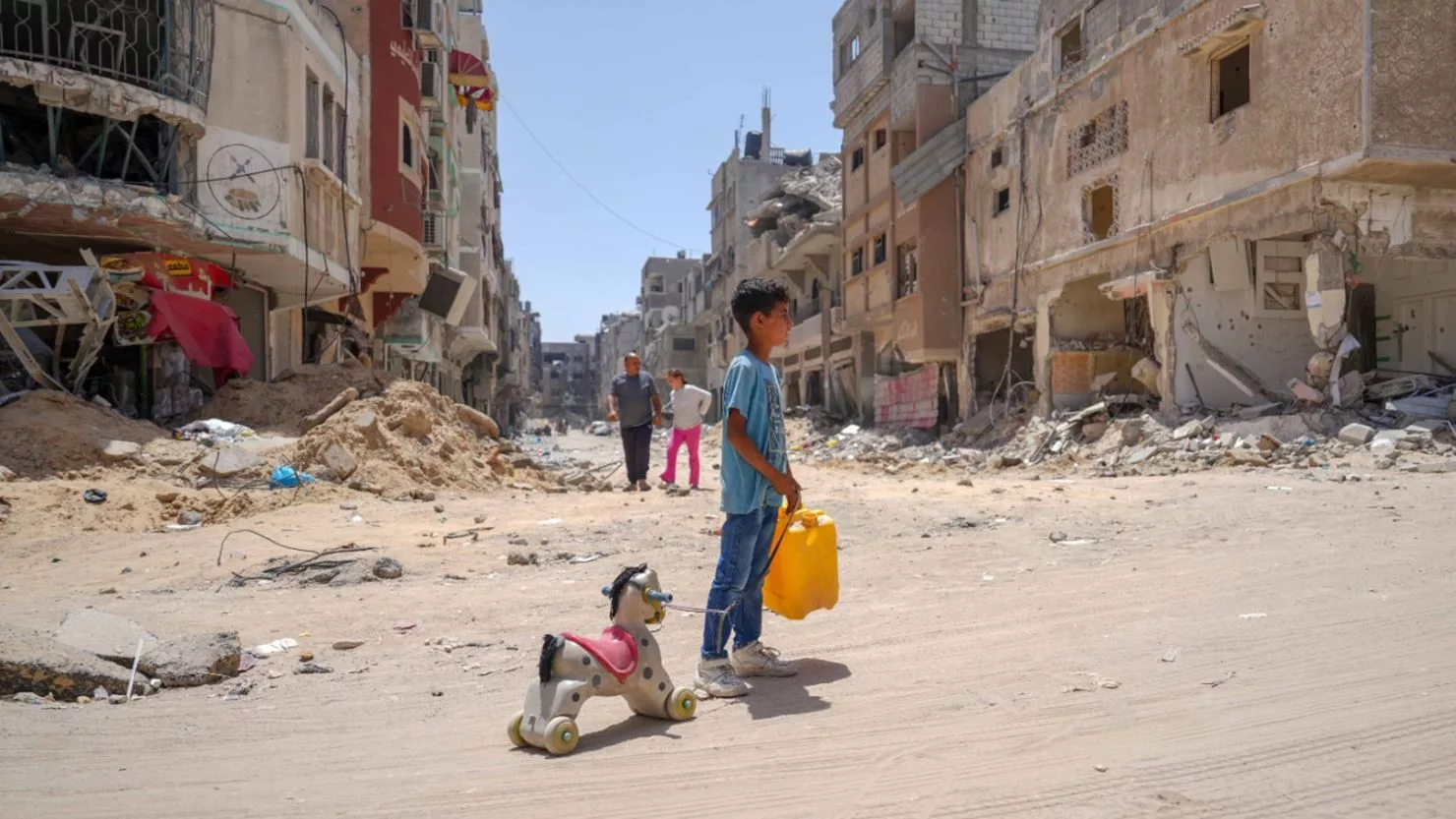
Israel continues to tighten its blockade on the Gaza Strip, compounding the suffering of its residents as essential services grind to a halt. Municipalities have entered a state of total collapse, rendered incapable of fulfilling their basic functions due to fuel shortages and a ban on the entry of vital supplies.
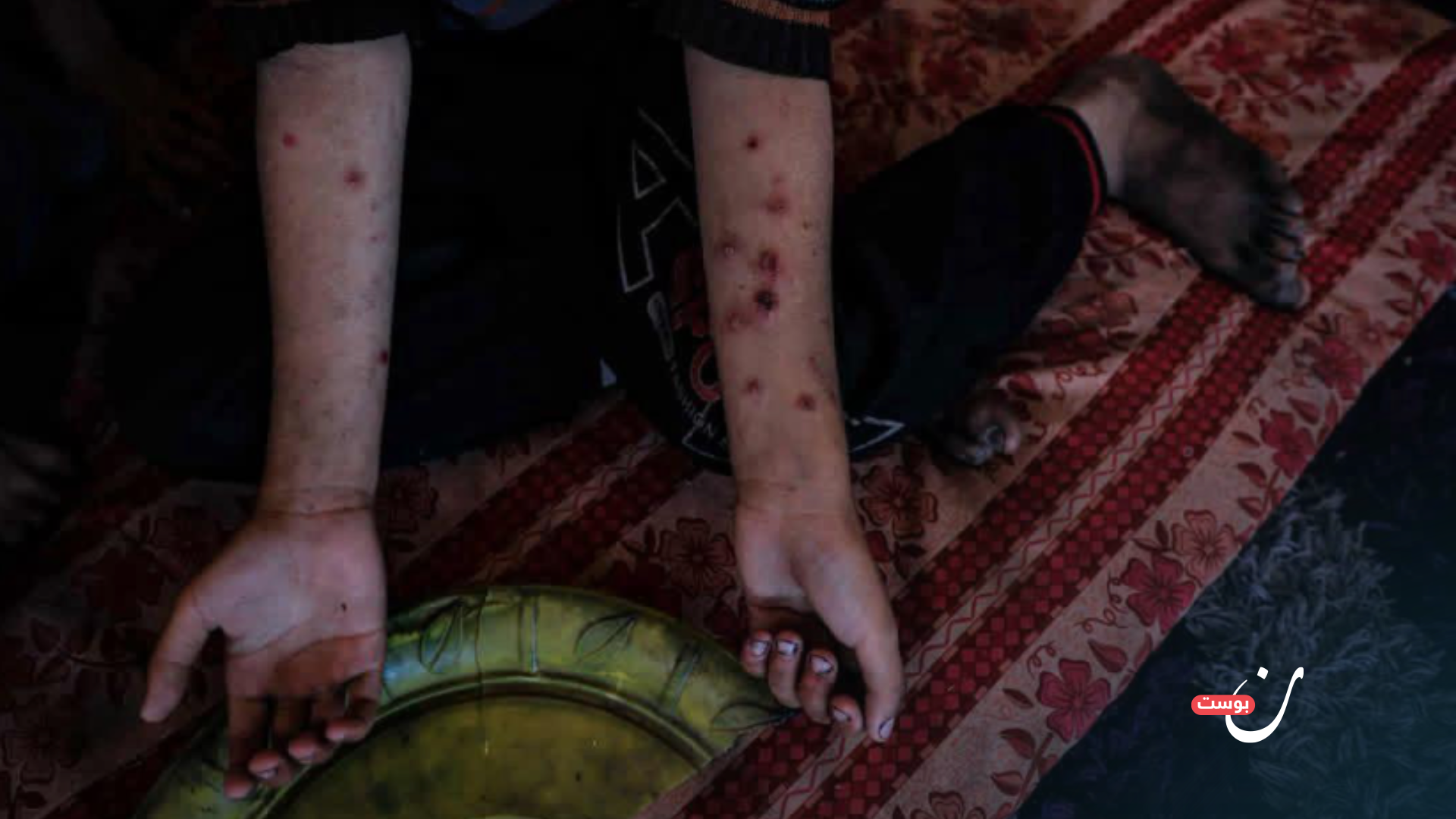
The shutdown of most wells, desalination plants, and pumping stations has triggered a new crisis: unprecedented levels of thirst and water contamination. This has led to the spread of skin diseases and an explosion in the population of harmful insects.
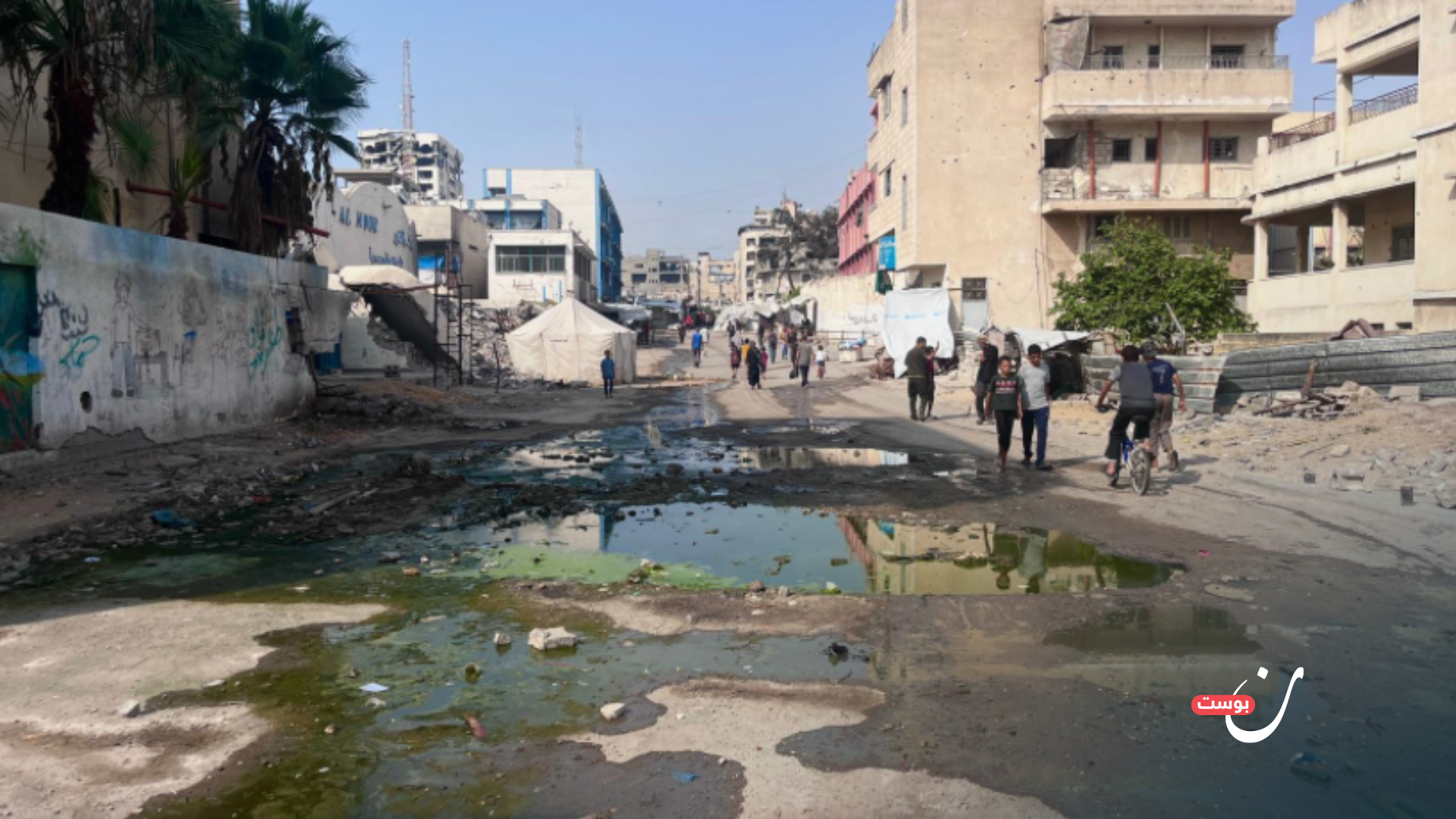
Adham al-Madhoun, one of the displaced people living in a tent near Gaza’s university district, stands in front of his shelter, visibly distressed by the pools of sewage flooding the area and the foul smells and swarms of mosquitoes and other insects they attract.
“We’re not facing one war,” he tells Noon Post. “We’re enduring multiple wars simultaneously sewage and environmental pollution, and the water crisis that affects every aspect of our daily lives, including drinking.”
He explains that he sometimes walks for nearly two hours to find water for his family of ten, with demand surging during the scorching summer months.
“Sometimes we go two full days without any water in the tent,” Adham adds. “Those days are brutally hard—especially on the children. They need to shower twice a day. Sometimes they cry uncontrollably from the heat, begging for water to cool their exhausted bodies.”
But the crisis doesn’t end there. Garbage accumulation has become another major concern. The stench has led to a dramatic rise in flies and mosquitoes, turning the shutdown of municipal services into yet another burden on residents.
Children and Skin Disease
Ayman al-Rafati is another among thousands grappling with the catastrophic fallout of municipal collapse. Skin diseases have become rampant among children. Ayman lives in a tent opposite the Sheikh Radwan pond, now surrounded by piles of garbage and stagnant water turned dark green, buzzing with insects that torment them, especially at night.
“My children are suffering from new skin conditions caused by mosquito bites and harmful insects,” he tells Noon Post. “Sadly, there’s no treatment available in Gaza due to the Israeli blockade and the ban on all medical supplies.”
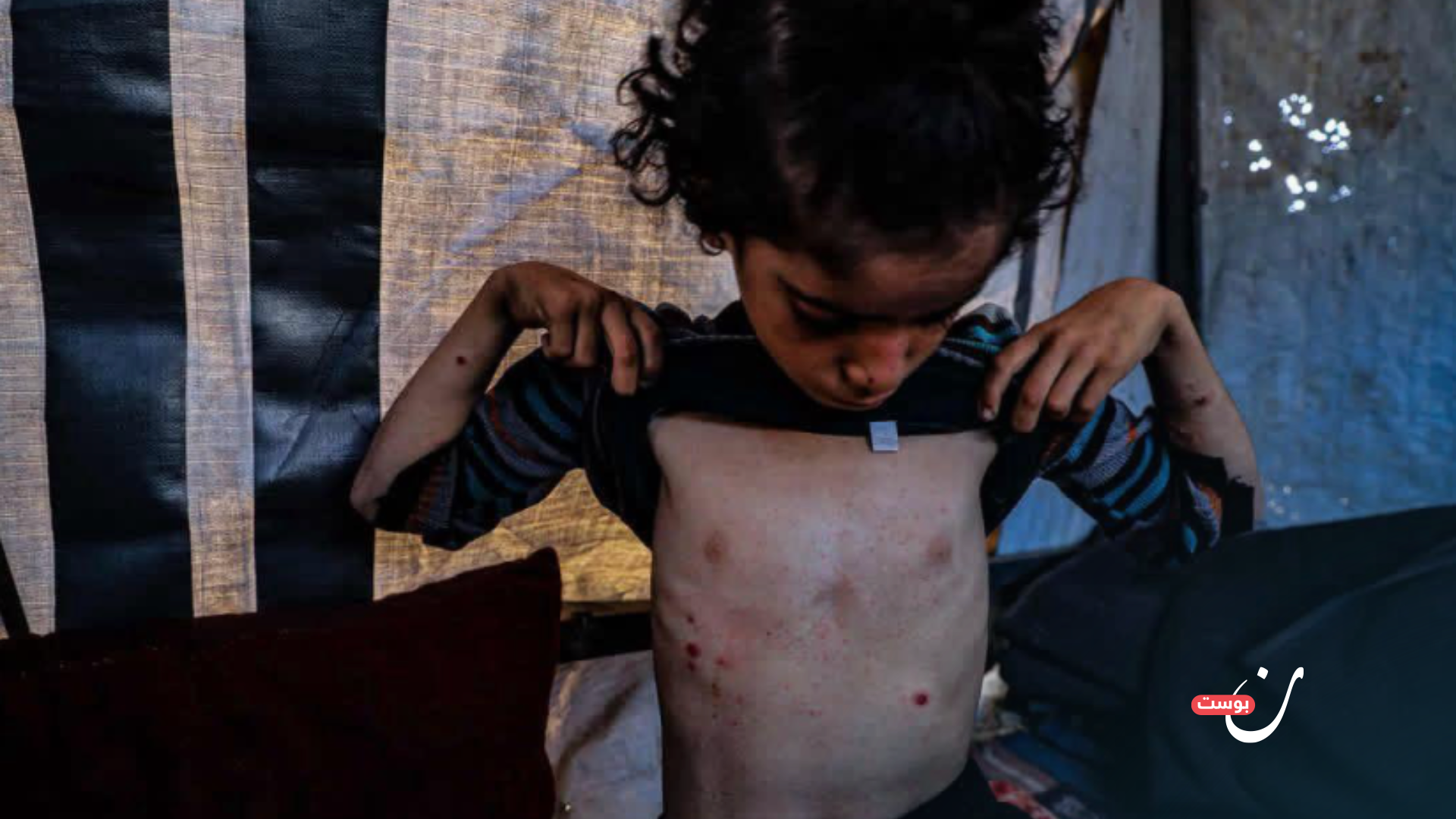
Ayman, father of six, says all his children are affected by skin issues, and he fears these conditions may lead to more serious illnesses. The lack of clean water for hygiene only worsens their situation, as does the shortage of safe drinking water. The stench of sewage and piles of garbage leave them gasping for breath and vulnerable to respiratory illnesses.
He expresses hope that the war will end soon and that Gaza’s municipality will resume its operations—particularly the urgent need to drain the contaminated Sheikh Radwan pond and alleviate the suffering of displaced families, especially children.
UNICEF had earlier warned that “children in Gaza face harsh conditions amid skin diseases, unsanitary environments, and unrelenting hostilities.”
The Burden of Hauling Water
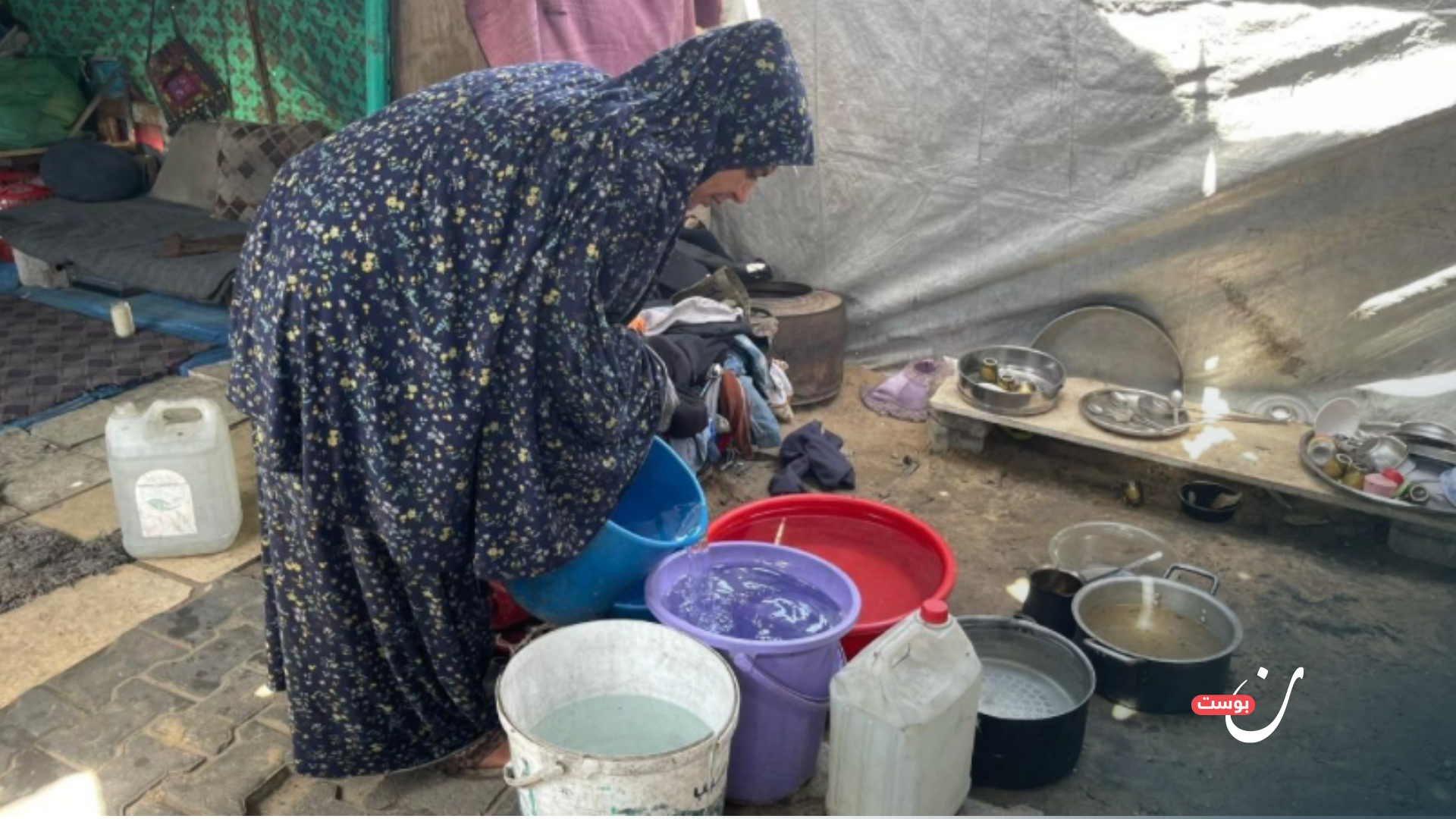
Noura al-Lahham, displaced and living in Gaza’s Yarmouk Stadium with her family, is facing another kind of suffering: hauling drinking and usable water. Her ordeal worsened after the death of her son Ahmad, 14, who was killed while trying to bring flour for the family.
“I never imagined I’d have to take on such exhausting duties as carrying water from far-off places,” Noura says. “I feel my spine curving, and my shoulders ache like never before.”
She explains that the Israeli blockade has worsened the crisis, paralyzing municipal services to the point where they can no longer supply water consistently. With all services disrupted, she now moves from place to place in search of water.
“How long must we go on suffering like this? Where is the world while Gaza bleeds?” she asks. “We’ve started wishing for death, especially after the latest ground invasion and yet another wave of displacement.”
Severing the Lifeline
Assem al-Nabeeh, spokesperson for Gaza Municipality, says Israeli ground operations have expanded across most of Gaza City, forcing a mass displacement toward central and western neighborhoods.
Entire areas—such as Shujaiya, Tuffah, and Zeitoun neighborhoods, as well as Jabalia, Beit Lahia, and Beit Hanoun—have been almost completely destroyed, he tells Noon Post. These areas represent the largest sections of these towns.
He explains that critical zones and infrastructure have been decimated, with extensive damage to schools, hospitals, and water wells. “The municipality has lost most of its assets due to Israeli destruction,” he says, noting that over 85 percent of heavy machinery and water wells were destroyed even before the latest ground offensive. He fears the actual damage could be even greater.
Al-Nabeeh emphasizes that the municipality is currently carrying out only emergency operations, which fall far short of meeting residents’ needs. “If the war continues,” he warns, “so will the suffering. The municipality may soon be unable to provide even the most basic services—especially water, which is the lifeblood of our people.”


