NoonPost NoonPost

NoonPost

  • Home
  • Politics
  • Economy
  • Society
  • Culture
  • Files
  • Long Reads
  • Podcast
AR
Notification Show More
نون بوست
“There Are Nights I Can’t Close My Eyes”: How Gazans Are Living in Homes on the Brink of Collapse
نون بوست
From al-Jolani to Ahmad al-Shara: The Evolution of Syria’s New Leader
نون بوست
When Political Islam Receded in Egypt: Who Filled the Void?
نون بوست
An Extension of Genocide: Gaza’s Detainees Speak Out
نون بوست
A Tightrope Between Survival and Sovereignty: The Syrian Government Faces Normalization Pressures
نون بوست
American Aircraft Carriers: Has the Era of “100,000 Tons of Diplomacy” Ended?
نون بوست
U.S. Regime‑Change Policies: Why They Are Destined to Fail
نون بوست
Transformations of Israeli Judaism: Between the Victim Complex and the Colonizer’s Doctrine
نون بوست
The Gulf’s Balancing Act: Iran, Israel, and Hidden Links
نون بوست
Iraq–Turkey Oil Export Treaty: Why Did Ankara Cancel It After 52 Years?
نون بوست
Syria’s Northeast on Edge: QSD Between Ankara and Damascus
نون بوست
Has Europe Changed Its Stance on Israel… or Just Its Language?
NoonPost NoonPost
AR
Notification Show More
نون بوست
“There Are Nights I Can’t Close My Eyes”: How Gazans Are Living in Homes on the Brink of Collapse
نون بوست
From al-Jolani to Ahmad al-Shara: The Evolution of Syria’s New Leader
نون بوست
When Political Islam Receded in Egypt: Who Filled the Void?
نون بوست
An Extension of Genocide: Gaza’s Detainees Speak Out
نون بوست
A Tightrope Between Survival and Sovereignty: The Syrian Government Faces Normalization Pressures
نون بوست
American Aircraft Carriers: Has the Era of “100,000 Tons of Diplomacy” Ended?
نون بوست
U.S. Regime‑Change Policies: Why They Are Destined to Fail
نون بوست
Transformations of Israeli Judaism: Between the Victim Complex and the Colonizer’s Doctrine
نون بوست
The Gulf’s Balancing Act: Iran, Israel, and Hidden Links
نون بوست
Iraq–Turkey Oil Export Treaty: Why Did Ankara Cancel It After 52 Years?
نون بوست
Syria’s Northeast on Edge: QSD Between Ankara and Damascus
نون بوست
Has Europe Changed Its Stance on Israel… or Just Its Language?
Follow US

“Gaza’s Journalists Have Written History That Will Endure for Generations” – An Interview with Tamer Al‑Mashhal

أحمد الطناني
Ahmad Tanani Published 26 March ,2026
Share
نون بوست
نون بوست

Since the first day of the genocide in the Gaza Strip, Palestinian journalists have been at the forefront of the Israeli war machine’s target list—a calculated attempt to silence the voice, kill the image, and prevent the story from reaching the world.

In this context, Al Jazeera emerged as one of the most important platforms whose broadcast never faltered; its correspondents’ voices never left the air. Yet, in return, it bore the brunt of the systematic targeting of its offices and field teams, leading to the martyrdom of reporters and cameramen, severe injuries, and the targeting of families whose stories have now become part of the memory of this tragedy.

Recently, in the north of the Strip, there was the brutal assassination of an Al Jazeera press team: six journalists, including correspondents Anas Al‑Sharif and Mohammad Qureiqa, were martyred in another episode in the targeting of sound and image. Despite this, coverage never halted; the camera remained witness, the microphone present, and images flowed from the heart of Gaza to screens around the globe.

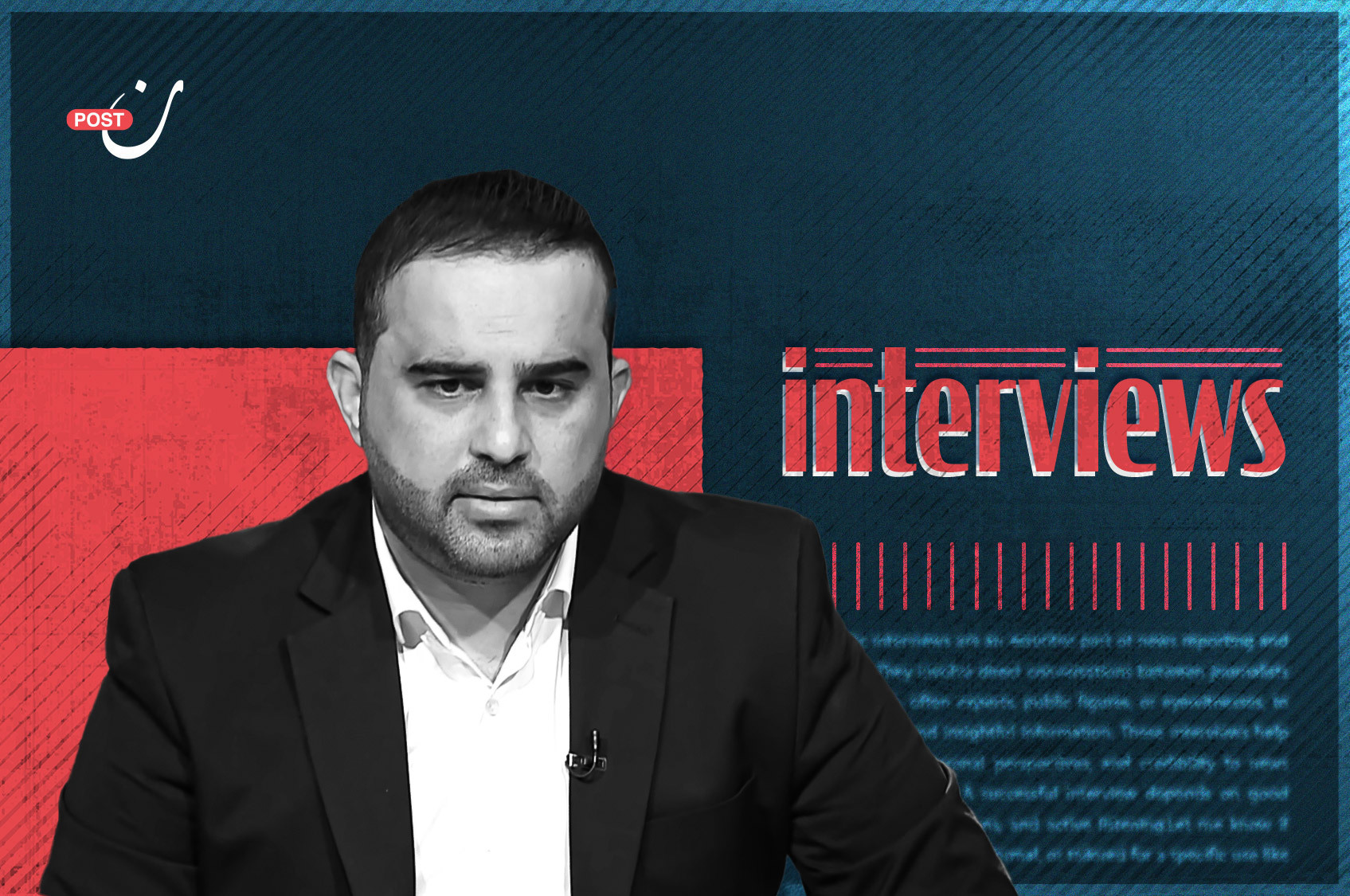
In an exclusive interview with Noon Post, we spoke with Tamer Al‑Mashhal a central figure in managing this coverage at Al Jazeera about the profession and the human dimension: How did Al Jazeera confront threats and pressure? How did it balance safety with ethical and professional responsibility? And how were stories of starvation and targeting transformed into a counter‑narrative that broke through attempts at silencing and redefined journalism’s role in wartime?

On Al Jazeera’s pivotal role amid ongoing genocide:

“Al Jazeera has indeed faced enormous challenges in sustaining coverage,” he says, noting the heavy price paid in the targeting of Palestinian journalists and media staff in Gaza. Their office was bombed, field teams were targeted—resulting in nearly ten martyrdoms among Al Jazeera’s crew on Gaza’s ground, along with numerous injuries.

Families of colleagues were affected too; the tragedy of Wail Al‑Dahdouh’s family stands as a powerful example. Despite this steep cost, Al Jazeera’s coverage persisted because colleagues in the field—sons of Gaza, children of the land and the nation—insisted on staying and fulfilling the mission. It was indispensable that Al Jazeera remain loyal to them, committed to its responsibility in the face of their resolve.

Al Jazeera strove to support colleagues in the field by providing essential resources, amplifying their voices, rallying international solidarity, and pushing for legal accountability against those responsible for the crimes targeting journalists.

He underscores: “Today, everyone in Gaza is within the targeting circle without exception and Al Jazeera journalists are no exception. We speak of nearly 240 Palestinian journalists who have been martyred during this ongoing genocide.”

On continuing coverage amid blockade and operational isolation:

With the Gaza Strip closed and no new crews allowed in, Al Jazeera could not deploy external reinforcements. The decisions to continue coverage, determine locations, and manage forms of reporting were entrusted solely to journalists on the ground. “They are the ones to decide what is most appropriate, best under the conditions that ensure their safety,” he says. Their unwavering commitment earned the organization’s support and guidance, helping to ensure that the message remained present, powerful, and professional.

On the emergence of young journalists as symbols of professional courage:

This war redefined media work under extreme conditions. With the wounding of colleagues such as Wail Al‑Dahdouh, and many others forced out, Al Jazeera witnessed the emergence of numerous young correspondents who became milestones in coverage.

Anas Al‑Sharif, Ismail Al‑Ghoul, Mohammad Qureiqa, among others, offered coverage rich with vitality and forged deep bonds with viewers. Their loss elicited intense grief and their professionalism and credibility became trusted sources for international institutions and living testimony to the atrocities committed by occupying forces.

In cases such as famine, the images these journalists captured particularly by Anas Al‑Sharif and Mohammad Qureiqa brought the tragedy to international attention and triggered massive pressure. The campaign of targeting against Anas particularly was a direct attempt to silence the voice and deter journalists in Gaza.

Yet, the coverage did not cease; new colleagues continued the mission. This is a land we know, and we are its sons part of a journalistic family that will not tire until the truth is conveyed.

On personal targeting amid organized incitement:

Al Jazeera and Tamer Al‑Mashhal personally have faced continuous incitement and threats, intended to undermine professional coverage through smear campaigns and intimidation. For him, these threats mean nothing. What matters is the safety of colleagues in the field and perseverance in the mission. The targeting of journalists, he stresses, is a sign that the message is succeeding, that the professionalism of Palestinian journalists is succeeding, and that truth will prevail in the end.

On dealing with injuries, martyrdom, and evacuations:

Evacuating seriously injured colleagues depended on circumstances. Wail Al‑Dahdouh, who suffered grievous injuries and lost much of his family, managed to leave for medical treatment, as did correspondent Ismail Abu Omar. But journalist Ahmed Mattar, despite relentless efforts, was not granted permission to leave. For others like Fadi Al‑Wahidi and Ali Al‑Attar, a major campaign did manage to secure their evacuation for treatment. In all cases, decisions—on evacuation, movement, or internal displacement were left to the journalists themselves. Al Jazeera supports them, and remains loyal, whether they remain in Gaza or leave, with or without their families.

On famine coverage and its global impact:

Al Jazeera’s reporting on famine was critical in exposing an undeniable reality. The footage of Anas and Mohammad’s emotional, urgent documentation was broadcast globally and mobilized public opinion. The campaign to eliminate them was meant to kill that impact and silence truth. But coverage continued, and the immense public response and outcry over the assassination of these reporters demonstrated the triumph of journalism. The targeting, he adds, is a criminal hallmark of those wanting to kill the message.

On deeply human bonds with fallen colleagues:

Tamer reflects on his personal connection to Anas Al‑Sharif, Mohammad Qureiqa, Ismail Al‑Ghoul, and others not merely professional ties but kinship of the heart. Their passing was profound grief: “We cry from anguish and sorrow as friends and loved ones before colleagues. Their families are an obligation on us, and we remain true to that trust.” He recalls two moments that remain etched in his memory:

  • When Wail Al‑Dahdouh, having just lost family in an attack, nonetheless reported the death of Tamer’s relative at the hospital an unimaginable act of compassion amid tragedy.

  • When Ismail Al‑Ghoul, despite famine and hardship, sought out flour for Tamer’s family, refusing any reward except a prayer an embodiment of selflessness.

Anas also sent a tearful voice message announcing his father’s death these deeply human moments remain guiding beacons amidst devastation.

Closing message to journalists:

“You have made history in journalism that the world will remember, and generations will learn from a testament to professionalism, perseverance, determination in the face of a murderous occupation that kills journalists. This was the only place in the world closed to global journalists, yet its brave journalists stayed, performed with professionalism, humanity, patriotism, and determination.

They became pioneers symbols that redefined journalism: Ismail Al‑Ghoul, with his short yet impactful career; Anas Al‑Sharif in just 22 months; Mohammad Qureiqa in a few months each left a profound legacy. To all our colleagues: we stand with you. We will not betray the trust or the mission. Despite all the pain, we are certain that truth will prevail and this occupation, through its crimes and targeting of journalists, will inevitably be defeated by the truth, whether in the long or short term.”

Download this article as PDF
Share this Article
Facebook Twitter Whatsapp Whatsapp Telegram Email Copy Link
أحمد الطناني
By أحمد الطناني كاتب وباحث في الشأن السياسي
Follow:
Previous Article نون بوست Uprooting Olive Trees as a Prelude to Silent Displacement: Al-Mughayyir Village Bears Witness
Next Article نون بوست The Agony of Uprooting from Gaza: “Evacuation is killing me… I feel like my heart will explode”

Read More

  • U.S. Regime‑Change Policies: Why They Are Destined to Fail U.S. Regime‑Change Policies: Why They Are Destined to Fail
  • The Gulf’s Balancing Act: Iran, Israel, and Hidden Links
  • Iraq–Turkey Oil Export Treaty: Why Did Ankara Cancel It After 52 Years?
  • Syria’s Northeast on Edge: QSD Between Ankara and Damascus
  • Has Europe Changed Its Stance on Israel… or Just Its Language?
part of the design
NoonPost Weekly Newsletter

You May Also Like

U.S. Regime‑Change Policies: Why They Are Destined to Fail

U.S. Regime‑Change Policies: Why They Are Destined to Fail

إسراء سيد Esraa sayed 8 April ,2026
The Gulf’s Balancing Act: Iran, Israel, and Hidden Links

The Gulf’s Balancing Act: Iran, Israel, and Hidden Links

فريق التحرير Noon Post 8 April ,2026
Iraq–Turkey Oil Export Treaty: Why Did Ankara Cancel It After 52 Years?

Iraq–Turkey Oil Export Treaty: Why Did Ankara Cancel It After 52 Years?

فريق التحرير Noon Post 8 April ,2026

انعقاد ملتقى للمرأة العربية في ألمانيا

فريق التحرير
Noon Post Published 7 January ,2016
Share
12511564_10208061597915114_1589551766_n

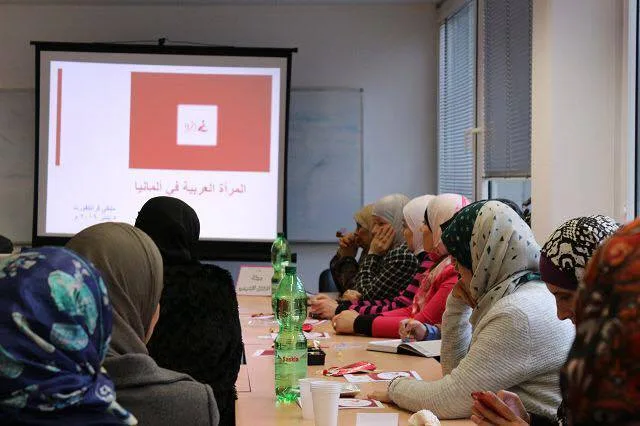
نظمت جمعية المرأة العربية في ألمانيا ملتقى حضرته نحو 50 سيدة لمناقشة أهم مجريات الأمور التي تهم المرأة العربية في ألمانيا، وقد أقبل الحضور على الملتقى من كافة المدن الألمانية فرانكفورت، ماينز، دارمشتات، بون، بيكوم، وجيرمارسهايم.

افتتح المؤتمر بكلمة من الأستاذ بكلية الإنسانية الأوروبية في فرانكفورت طه عامر، والتي تكلم فيها عن دور المرأة في المجتمع وأسسها في نشأة جيل محافظ على لغته وحضارته، وتحدث أيضًا عن دعم الإسلام للمرأة في كل الميادين وحثها على طلب العلم والمعرفة ليكونا لها عون في الاندماج الصحي في المجتمع الألماني، كما عرض دور الكلية الأوروبية الإنسانية وبرامجها، ودورها في تعليم فقة الشريعة الذي يتناسب مع الحياة في أوروبا.

بينما تحدثت علياء كيوان مديرة جمعية المرأة العربية في ألمانيا عن دور المرأة العربية الريادي في تنشئة جيل واعٍ، كما  شاركت الحضور وصلات حوارية عن تجاربهن، وركزت في حديثها على أهمية الاندماج الصحي في كافة المجالات لإثبات دور المرأة العربية وسط النساء الأوروبيات، وعدم تهميش نفسها وتسليم نفسها للفراغ.

خصصت الجمعية لتلك الفقرة ورشة عمل في نهاية الملتقى تحت عنوان “اكتشفي نفسك”، كما عرضت بعض إنجازات الجمعية بدايةً من نشأة مجلة المرأة العربية وكذلك راديو وتطبيقات خاصة بالجمعية، وحثت الجمعية الحضور على المشاركة بقوة في تفعيل المجلة بمشاركة خبراتهن وتفعيل دورهن في نشر العلم والمعرفة الذي لديهن داخل صفحات المجلة.

انتهى النقاش بدور جمعية المرأة العربية في ألمانيا وتبنيها أساس الشبكة التعاونية والاتحاد وتوزيع الخبرات وتبادل العمل مع كافة المؤسسات الأهلية، معتبرةً هذا الهدف هو أهم أهدافها للتطور وإعطاء الفرص للجميع للمشاركة، كما أعلنت كيوان عن إمكانية الانتساب المجاني والتعاون في العمل، فيما سجلت نحو 30 سيدة جديدة عضويتهن في الجمعية.

وقبل فتح طاولة حوارية بين المشاركات لتعريف كل مشاركة بدورها في الحياة، ومناقشة التحديات التي تواجه المرأة وكيفية مواجهتها وكيفية إحراز نجاحات، أعلنت الجمعية عن تنظيم دورات نوعية للمرأة العربية تهتم بالتربية والتنمية البشرية والتوعية الأسرية، وكذلك ورش عمل في كل المدن الألمانية تتناسب مع طبيعة الحياة في ألمانيا.

الجمعية لم تنس الأطفال في الملتقى الذي أقامته، فقد تحدثت ميساء بدر إحدى العضوات المؤسسات للجمعية عن أهمية الأنشطة للأطفال في تعزيز ثقتهم بأنفسهم وحبهم لدينهم وعروبتهم بطرق بسيطة وحديثة، كما أُقيمت طاولة للأطفال الذين حضروا مع بعض المشاركات للحديث فيما بينهم عن مجلة الطفل العربي التي تشرف عليها الجمعية، كما أتاحت الجمعية المجال لطفلة مشاركة تدعى أنس تريبل لتصوير الملتقى، وأشارت الجمعية إلى أنها ستقدم الدعم للطفلة لتعمل في هذا المجال باحترافية أكبر، متعبرةً أن هذا مثال لتفعيل دور الأطفال من خلال الجمعية.

هذا وقد نُقلت فعاليات الملتقى مباشرة على راديو المرأة العربية في ألمانيا الذي أسسته الجمعية، فيما حضرت عدة عضوات مؤسسات الملتقى بجانب المشاركات الـ 50 اللاتي أتين من عدة مدن ألمانية.

https://soundcloud.com/arabischefrauen/1-1

جمعية المرأة العربية هي جهة مستقلة لا تتبع تنظيمات حزبية أو دينية، بحسب ما صرح مؤسسوها، وقد بدأت أولى نشاطاتها كمجموعات مميزة حوارية على مواقع التواصل الاجتماعي، وشارك فيها قرابة 1200 عضوة من كافة ألمانيا، ومن ثم أسست الجمعية مجلة المرأة العربية، والتي تعتبر أول مجلة إلكترونية ناطقة باللغة العربية تهم المرأة والأسرة العربية في المجتمع الألماني، لتتمكن الجمعية من خلالها من إيصال نشاطاتها وأفكارها لأوسع شريحة للسيدات والرجال، كما أسست الجمعية تطبيقات تعمل على كافة الهواتف الذكية للمساعدة في نشر أفكارها بين السيدات العربيات في ألمانيا.

TAGGED: العرب في ألمانيا ، المرأة العربية في ألمانيا ، مبادرات ، مجلات ، نشاط المرأة العربية في الغرب
Download this article as PDF
Share this Article
Facebook Twitter Whatsapp Whatsapp Telegram Email Copy Link
فريق التحرير
By فريق التحرير تقارير يعدها فريق تحرير نون بوست.
Follow:
Next Article نون بوست The Stigma of “ISIS”: A Heavy Legacy Haunting Women and Children of Former Members

Read More

  • U.S. Regime‑Change Policies: Why They Are Destined to Fail U.S. Regime‑Change Policies: Why They Are Destined to Fail
  • The Gulf’s Balancing Act: Iran, Israel, and Hidden Links
  • Iraq–Turkey Oil Export Treaty: Why Did Ankara Cancel It After 52 Years?
  • Syria’s Northeast on Edge: QSD Between Ankara and Damascus
  • Has Europe Changed Its Stance on Israel… or Just Its Language?
part of the design
NoonPost Weekly Newsletter

You May Also Like

U.S. Regime‑Change Policies: Why They Are Destined to Fail

U.S. Regime‑Change Policies: Why They Are Destined to Fail

إسراء سيد Esraa sayed 8 April ,2026
The Gulf’s Balancing Act: Iran, Israel, and Hidden Links

The Gulf’s Balancing Act: Iran, Israel, and Hidden Links

فريق التحرير Noon Post 8 April ,2026
Iraq–Turkey Oil Export Treaty: Why Did Ankara Cancel It After 52 Years?

Iraq–Turkey Oil Export Treaty: Why Did Ankara Cancel It After 52 Years?

فريق التحرير Noon Post 8 April ,2026
dark

An independent media platform founded in 2013, rooted in slow journalism, producing in-depth reports, analysis, and multimedia content to offer deeper perspectives on the news, led by a diverse young team from several Arab countries.

  • Politics
  • Society
  • Rights & Liberties
  • Opinions
  • History
  • Sports
  • Education
  • Technology
  • Economy
  • Media
  • Arts & Literature
  • Entrepreneurship
  • Travel
  • Cinema & Drama
  • Food
  • Health
  • Culture
  • Latest Reports
  • Files
  • Long Reads
  • Interviews
  • Podcast
  • Interactive
  • Encyclopedia
  • In Pictures
  • About Us
  • Our Writers
  • Write for Us
  • Editorial Policy
  • Advanced Search
Some rights reserved under a Creative Commons license

Removed from favorites

Undo
Go to mobile version