NoonPost NoonPost

NoonPost

  • Home
  • Politics
  • Economy
  • Society
  • Culture
  • Files
  • Long Reads
  • Podcast
AR
Notification Show More
نون بوست
“There Are Nights I Can’t Close My Eyes”: How Gazans Are Living in Homes on the Brink of Collapse
نون بوست
From al-Jolani to Ahmad al-Shara: The Evolution of Syria’s New Leader
نون بوست
When Political Islam Receded in Egypt: Who Filled the Void?
نون بوست
An Extension of Genocide: Gaza’s Detainees Speak Out
نون بوست
A Tightrope Between Survival and Sovereignty: The Syrian Government Faces Normalization Pressures
نون بوست
American Aircraft Carriers: Has the Era of “100,000 Tons of Diplomacy” Ended?
نون بوست
U.S. Regime‑Change Policies: Why They Are Destined to Fail
نون بوست
Transformations of Israeli Judaism: Between the Victim Complex and the Colonizer’s Doctrine
نون بوست
The Gulf’s Balancing Act: Iran, Israel, and Hidden Links
نون بوست
Iraq–Turkey Oil Export Treaty: Why Did Ankara Cancel It After 52 Years?
نون بوست
Syria’s Northeast on Edge: QSD Between Ankara and Damascus
نون بوست
Has Europe Changed Its Stance on Israel… or Just Its Language?
NoonPost NoonPost
AR
Notification Show More
نون بوست
“There Are Nights I Can’t Close My Eyes”: How Gazans Are Living in Homes on the Brink of Collapse
نون بوست
From al-Jolani to Ahmad al-Shara: The Evolution of Syria’s New Leader
نون بوست
When Political Islam Receded in Egypt: Who Filled the Void?
نون بوست
An Extension of Genocide: Gaza’s Detainees Speak Out
نون بوست
A Tightrope Between Survival and Sovereignty: The Syrian Government Faces Normalization Pressures
نون بوست
American Aircraft Carriers: Has the Era of “100,000 Tons of Diplomacy” Ended?
نون بوست
U.S. Regime‑Change Policies: Why They Are Destined to Fail
نون بوست
Transformations of Israeli Judaism: Between the Victim Complex and the Colonizer’s Doctrine
نون بوست
The Gulf’s Balancing Act: Iran, Israel, and Hidden Links
نون بوست
Iraq–Turkey Oil Export Treaty: Why Did Ankara Cancel It After 52 Years?
نون بوست
Syria’s Northeast on Edge: QSD Between Ankara and Damascus
نون بوست
Has Europe Changed Its Stance on Israel… or Just Its Language?
Follow US

Has the Army Shifted Its Priorities? Kordofan Before Darfur?

فريق التحرير
Noon Post Published 26 March ,2026
Share
نون بوست
نون بوست
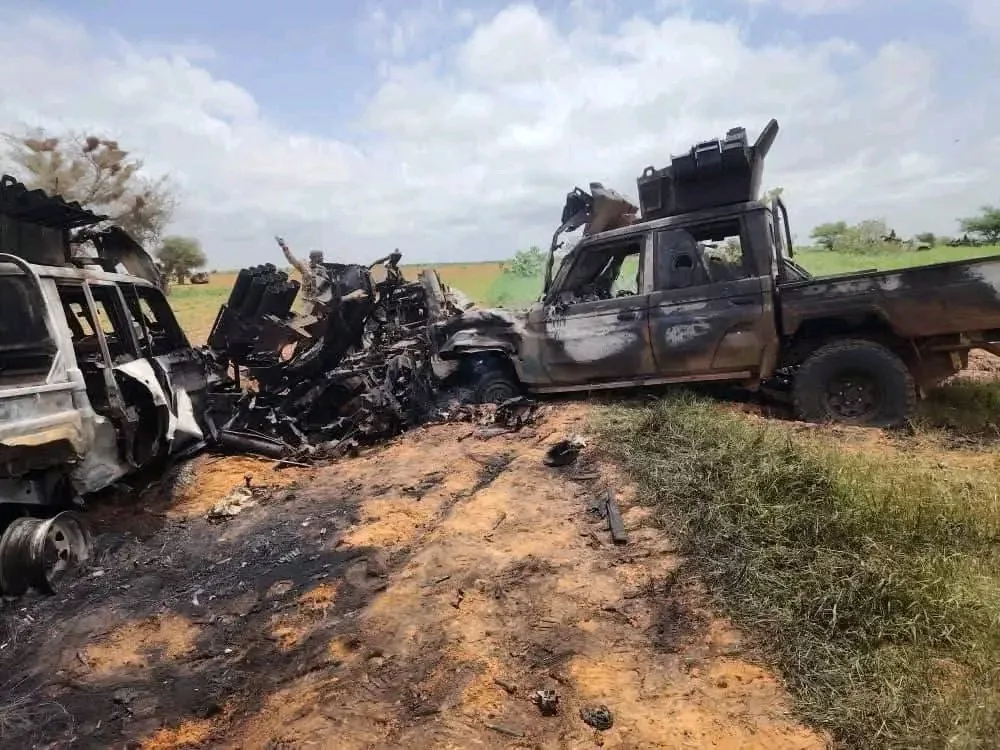
Burned-out military vehicles reveal the ferocity of the battles in Kordofan.

On Wednesday, August 20, forces aligned with the Sudanese army were ambushed in a deadly attack near the town of Umm Qoudd in the vicinity of El-Obeid, the largest city in Greater Kordofan. The following day, army-aligned forces managed to retake the area after fierce clashes.

The back-and-forth control of towns and cities across Kordofan—which comprises North, South, and West Kordofan—has become a defining feature of the war in the region. These battles are not about holding exposed towns but rather about dominating supply routes and resources, winning local community support, and ultimately ensuring complete control by exhausting and disorienting the enemy.

The Rapid Support Forces (RSF), leveraging their mobility and the ability to call for swift reinforcements in open terrains where they enjoy local support, have successfully thwarted recent advances toward eastern and northern Darfur. These attempts had been launched from El-Obeid in North Kordofan and Al-Khuwei in the west. This might have prompted the army to reconsider its strategy.

“The Great Vaza’a”

The new strategy appears to be a temporary shift away from Darfur, focusing instead on opening the 160-kilometer road connecting El-Obeid to Dilling. This route includes several strategic locations such as Al-Hammadi, Al-Dibibat, and Tayba, in addition to dozens of smaller villages. The goal is to disrupt RSF attempts to take over South Kordofan and allow the army to maneuver into areas east of the road.

Earlier this month, the North Kordofan government launched a new campaign called “The Great Vaza’a,” comprising auxiliary forces fighting alongside the army. This new front works in coordination with “Operation Al-Sayyad” to reopen the El-Obeid–Dilling route.

Two days after the operation was launched, Sovereign Council head and army commander Abdel Fattah al-Burhan visited a military site in Kordofan. He was followed a day later by his deputy, Yasser Al-Atta. The army’s official spokesperson was also seen in the region.

Special Forces units—trained in launching highly effective surprise attacks—have begun targeting RSF positions to pave the way for decisive ground battles after identifying militia weaknesses and deployment zones.

Although al-Burhan has decreed that all allied forces operate under the army’s command, many continue to act independently, as was the case in Umm Qoudd. Forces such as the al-Baraa bin Malik Brigade, which lost several field commanders in the clash, the Sudan Shield Forces, and the Joint Armed Movements all continue to carry out missions on their own.

Such independence poses a significant risk, exposing these units to RSF ambushes. The RSF is no longer a cohesive force but rather fragmented militias comprised of men from tribes across Darfur and Kordofan, familiar with the terrain but incapable of withstanding a coordinated offensive.

Obstacles—But Not Insurmountable

The rainy season, peaking in August and September, poses serious logistical challenges. Thick grass and muddy terrain make movement along dirt roads difficult and prevent the deployment of heavy military equipment like tanks and artillery. In response, the army has leaned on its allies, who are better equipped to operate with 4×4 vehicles, while offering them aerial support via drones and warplanes.

This strategy diverges from the urban warfare the army waged in Sennar, Al-Jazira, and Khartoum, where it succeeded by cutting off RSF supply lines and neutralizing their hallmark strategy of rapid, swarm-style offensives. In Kordofan, the objective is attrition.

Achieving that goal requires disregarding time and casualties and focusing instead on breaking the militia’s cohesion by severing it from its support base—locally referred to as “hawadin.” These civilian networks provide vital social cover for the RSF. Undermining this support will trigger the eventual collapse of RSF units, one after the other.

This doesn’t happen through force alone. It requires building trust with tribal leaders, persuading them, and ensuring immunity for their sons fighting with the RSF. The army recognized this early and has toned down its rhetoric, stopped branding RSF sympathizers as traitors, and begun recruiting tribal leaders.

For decades, these leaders have pledged allegiance to whoever controls their areas by force. Their support of the RSF was driven by pragmatism. But if the army gains the upper hand, they’re likely to switch sides just as quickly.

This is why Al-Hammadi—the first major settlement the army encounters on its march from El-Obeid to Dilling—is a key obstacle. The area is home to the Hawazma tribe, known for its loyalty to the RSF. Though the army seized Al-Hammadi on May 13 and advanced as far as Al-Dibibat, it soon had to retreat to El-Obeid.

A Tactical Pivot That Might Work

To secure full control of the El-Obeid–Dilling route, the army must retake Al-Hammadi, Al-Dibibat, and Tayba. Having previously reached the first two towns, Tayba remains the main hurdle. Strategically located, Tayba connects three vital roads linking Al-Dibibat, Dilling, and Abu Zabad.

For the army, Tayba represents a serious challenge: it serves as a supply route for the RSF, either from Abu Zabad or from the Sudan People’s Liberation Movement-North (SPLM–N) in Lagawa. As such, the army has been dropping weapons, equipment, and funds to its Dilling base to facilitate an advance toward Tayba and sever RSF supply lines.

The failure to move from Dilling to Tayba allowed the RSF to recapture Al-Dibibat. The group then began forcibly evacuating the town, which is primarily inhabited by the Kenana tribe a group known to oppose the RSF and lean toward the army.

Why the Army Needs the Road

Securing the El-Obeid–Dilling route would achieve two primary objectives. First, it would reconnect army forces stationed in towns east of the road—such as Dalami, Abu Jubeiha, Abu Kershola, and Rashad—with their main base in El-Obeid. This would ensure consistent supply lines and put pressure on RSF and SPLM–N positions west of the road, including in Abu Zabad, Al-Fula, and other parts of West Kordofan.

Second, it would weaken military coordination between the RSF and SPLM–N in the town of Habila by besieging their forces and cutting off western supply routes—setting the stage for a potential takeover.

If successful, this maneuver would enable the army to push into West Kordofan—especially if its forces in Babanusa can break through—ultimately easing the way toward East Darfur. This would be particularly feasible given that tribal loyalties in West Kordofan, including among the Misseriya tribe, are split between the army and the RSF.

The humanitarian crisis in Dilling and Kadugli, where many residents now survive by foraging wild plants due to food shortages and a collapse of medical services, is directly tied to military movements. Reopening the road would allow critical supplies and medicine to flow in from El-Obeid by land.

SPLM–N is trying to weaken the army’s grip on Dilling and Kadugli by besieging them and cutting off aid, hoping to break army defenses over time. It is likely betting on fatigue and attrition among army ranks before launching a full assault.

The only way the army can thwart that plan is by swiftly securing the El-Obeid–Dilling route. That would allow it to assert control over most of South Kordofan—except for long-standing SPLM–N strongholds like Kauda.

Current indicators suggest the army is capable of reopening the road and reconnecting its forces across North and South Kordofan in preparation for a push westward. But before it can launch an offensive into East Darfur, it must first resolve the complexities of local alliances.

Download this article as PDF
Share this Article
Facebook Twitter Whatsapp Whatsapp Telegram Email Copy Link
فريق التحرير
By فريق التحرير تقارير يعدها فريق تحرير نون بوست.
Follow:
Previous Article نون بوست The Agony of Uprooting from Gaza: “Evacuation is killing me… I feel like my heart will explode”
Next Article نون بوست Ankara and Damascus: A Military Alliance Shaping Syria’s Post-QSD Future

Read More

  • U.S. Regime‑Change Policies: Why They Are Destined to Fail U.S. Regime‑Change Policies: Why They Are Destined to Fail
  • The Gulf’s Balancing Act: Iran, Israel, and Hidden Links
  • Iraq–Turkey Oil Export Treaty: Why Did Ankara Cancel It After 52 Years?
  • Syria’s Northeast on Edge: QSD Between Ankara and Damascus
  • Has Europe Changed Its Stance on Israel… or Just Its Language?
part of the design
NoonPost Weekly Newsletter

You May Also Like

U.S. Regime‑Change Policies: Why They Are Destined to Fail

U.S. Regime‑Change Policies: Why They Are Destined to Fail

إسراء سيد Esraa sayed 8 April ,2026
The Gulf’s Balancing Act: Iran, Israel, and Hidden Links

The Gulf’s Balancing Act: Iran, Israel, and Hidden Links

فريق التحرير Noon Post 8 April ,2026
Iraq–Turkey Oil Export Treaty: Why Did Ankara Cancel It After 52 Years?

Iraq–Turkey Oil Export Treaty: Why Did Ankara Cancel It After 52 Years?

فريق التحرير Noon Post 8 April ,2026

هل دقت طبول الحرب في ليبيا؟

خليل كلاعي
خليل كلاعي Published 9 January ,2016
Share
257321

تتصدر الواقع الليبي اليوم مشاهد عدة قواسمها المشتركة التعقيد والتشتت، فالحل الليبي اليوم ليس بيد طرف أو طرفين أو حتى ثلاثة أطراف بل بيد أطراف كثيرة لدى كل منها خلافات داخلية وتجاذبات وانقسامات وهو ما يطرح أكثر من تساؤل حول نجاعة أي مقترح للحل وحول قدرته على الصمود في وجه تشعّب وتناقض خيارات وأولويات أطراف النزاع.

يأتي المشهد الليبي الأبرز من المنطقة الشرقية هناك حيث يخوض اللواء المتقاعد خليفة خفتر قتالاً عنيفًا ضد حرس المنشآت النفطية الذي يتزعمه إبراهيم الجضران.

فيما سبق لم يكن هناك خلاف يذكر بين الرجلين ولم ينخرط حرس المنشآت النفطية في أي قتال ضد حفتر، لكن زعيمه الجضران تعرض لهجوم استهدف موكبه في سبتمبر من العام الماضي واتهم الجضران آنذاك حفتر بالوقوف وراء هذا الهجوم ولم يعقب هذا الاتهام أي قتال أو مواجهة بين الطرفين، لكن حفتر قرر فجأة قصف أجدابيا واستهداف منطقة الهلال النفطي مباشرة بعد توقيع الاتفاق الليبي برعاية أممية وعلى ما يبدو فإن لهذا التحرك العسكري المفاجئ أسبابه المنطقية؛ فالاتفاق السياسي الليبي يقضي بشغور كافة المناصب العسكرية العليا أيام قليلة قبل استلام الحكومة الجديدة لمهامها مما يعني قطعًا خروج حفتر من المشهد وحفتر يعلم تمام العلم أن خروجه من المشهد الآن يعني قطعًا خروجًا نهائيًا لا عودة بعده إلى أي من مواقع التأثير أو القرار، فإذا أضفنا لهذا المعطى معطى آخر يفيد بتأييد الجضران للاتفاق الليبي برعاية أممية تكون خلاصة هذا التجاذب عقابًا من حفتر للجضران على موقفه ذلك.

ومن الواضح أن حفتر بدأ يستشعر في الآونة خطرًا وجوديًا حقيقيًا وهو ما دفعه للتحرّك عسكريًا ضد خصومه كما حدث مع الجضران وكذلك سياسيًا كما حدث مع إبراهيم الدباشي مندوب ليبيا لدى الأمم المتحدة الذي قررت الحكومة المؤقتة الليبية بشكل مفاجئ إقالته أيامًا فقط بعد تصريح إعلامي قال فيه إن على حفتر مغادرة المشهد، لم يشفع للرجل أنه من المحسوبين على الحكومة المؤقتة ولم يشفع له دفاعه المستميت عن شرعية البرلمان بعد أن قضت المحكمة الدستورية بحله وبعدم شرعيّته.

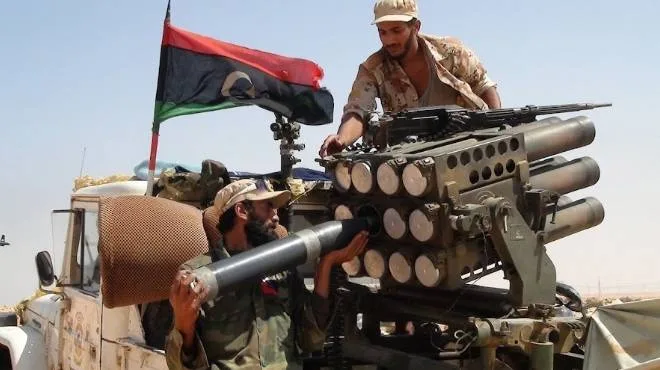
على كل حال فإن حفتر لم يكن الوحيد الذي قرر فجأة التحرك عسكريًا على محور أجدابيا وقصفها بالطائرات واستهداف حرس المنشآت النفطية؛ فتنظيم الدولة المتقوقع على نفسه في سرت منذ أشهر قرر هو الأخر فجأة التحرك باتجاه نفس المحور لاستهداف الهلال النفطي وتحديدًا منطقة الموانئ النفطية في التقاء عجيب بين حفتر وتنظيم الدولة ليس أعجب منه إلا أن يطلب حرس المنشآت دعمًا جويًا عاجلاً من قيادة سلاح الجو التابعة لحفتر حتى يتمكن من صد هجوم  تنظيم الدولة على ميناء السدرة أكبر الموانئ النفطية في البلاد فيقابل طلبه بالرفض وسبب ذلك حسب محمد المنفور قائد سلاح الجو في عملية الكرامة أنه لم يتلق أي أوامر بالتعامل مع تقدم تنظيم الدولة نحو ميناء السدرة على العكس من هذا الموقف فإن سلاح الجو التابع لرئاسة الأركان التابعة بدورها لسلطة المؤتمر الوطني العام تدخل بشكل تلقائي وقصف أرتالاً لتنظيم الدولة كانت تنوي التقدم نحو ميناء السدرة.

تأتي أحداث الأيام الأخيرة في منطقة الهلال النفطي لتزيد من سخونة الأحداث المتلاحقة على المستوى السياسي والتي تتباين معالمها بين الشرق والغرب؛ فعلى الجانب الشرقي من ليبيا يرفض رئيس البرلمان عقيلة صالح الاتفاق السياسي الليبي برعاية أممية ويلتقي برئيس المؤتمر نوري أبو سهمين لأول مرة منذ انفجار الخلاف بين البرلمان والمؤتمر والأكيد أن الأسباب التي تدفع عقيلة صالح لرفض الاتفاق السياسي برعاية أممية مختلفة عن الأسباب التي من أجلها يرفض النوري أبو سهمين هذا الاتفاق ولسائل أن يسأل كيف لرئيس البرلمان أن يرفض اتفاقًا هندسه مبعوث الأمم المتحدة السابق برناردينو ليون تكون فيه الشرعية كلها للبرلمان بينما يفقد فيه المؤتمر الوطني العام كل شرعية له (الكلام لبرناردينو ليون مع وزير الخارجية الإماراتي في مراسلته التي سربتها صحيفة الغارديان البريطانية).

هنا كما في سياق إقالة ابراهيم الدباشي مندوب ليبيا لدى الأمم المتحدة لا يمكن أن يُفهَمَ رفض عقيلة صالح للاتفاق السياسي برعاية أممية إلا في إطار موقع حفتر في المشهد الجديد الذي يظل موضوعًا إشكاليًا رغم وضوح الاتفاق السياسي في هذا الشأن، بل يبدو أن الاختلاف حول موضوع حفتر مثل إشكالاً رئيسيًا في أولى اجتماعات مجلس الدولة رغم كونه الطرف المناط بعهدته تطبيق بنود واستحقاقات الاتفاق السياسي ورغم التقاء المبعوث الأممي الحالي مارتن كوبلر بعقيلة صالح وتصريح هذا الأخير بأن لديه استعدادًا مبدئيًا للقبول بالاتفاق السياسي في إطار الأمم المتحدة إلا أنه ظل يناور من خلاله إلقائه بمسؤولية القبول أو الرفض على عاتق مجلس النواب بينما يفشل مجلس النواب في الاجتماع ثلاث مرات متتالية منذ توقيع الاتفاق السياسي بالصخيرات لسبب غريب وهو عدم اكتمال النصاب القانوني للاجتماع.

في الجانب الغربي من ليبيا هناك أيضا رفض مطلق للاتفاق السياسي برعاية أممية وإصرار على أن يكون الاتفاق ليبيًا ليبيًا دون أي وصاية خارجية، وتشهد العاصمة الليبية طرابلس منذ توقيع اتفاق الصخيرات فعاليات شعبية متواصلة رافضة لهذا الاتفاق، أهم هذه الفعاليات شهدتها العاصمة بالتزامن مع الاحتفال بالذكرى الرابعة والستين لاستقلال ليبيا، حيث شهدت موكبًا احتفاليًا رسميًا عمت فيه جماهير غفيرة ميدان الشهداء وحضرت أعلام الثورة وألوانها وشعاراتها وصور الشّهداء وأسمائهم وعائلاتهم  وحضر في منصة الاحتفالية الرسمية رئيس المؤتمر الوطني العام نوري أبو سهمين ورئيس حكومة الإنقاذ المنبثقة عن المؤتمر خليفة الغويل، إلى جانبهما جلس عبد السلام جاد الله العبيدي رئيس الأركان العامة للجيش الليبي، وإلى جانب كل هؤلاء جلس جمع من الوزراء والقادة العسكريين والأمنيين والمسؤولين الرسميين في تراتبية ونظام واستعرض الحاضرون في موكب الاحتفال هذا وحدات نظامية من الجيش والشرطة ترافقها من سماء طرابلس طلعات مكثفة للطيران الحربي.

اجتمعت كل هذه العلامات لترسم عن الجانب الغربي من ليبيا صورة الدولة المتماسكة كاملة المؤسسات مكتملة الأركان في الوقت الّذي تروّج جل وسائل الإعلام العالمية عن هذا الجانب أنه يعيش وضع اللادولة وفي الوقت الّذي تحاول فيه حكومة الإنقاذ التعامل مع مشاكل جمة على رأسها إدماج النازحين ومكافحة التضخم والقضاء على حوادث الخطف والسرقة.

يرفض المؤتمر الوطني العام في شخص رئيسه نوري أبو سهمين الاتفاق السياسي الذي رعته الأمم المتحدة ويرى نائبه الثاني عوض عبد الصادق أن الاتفاق ليس واضحًا في مسألة مغادرة حفتر للمشهد كما أنه لا يقدم ما يكفي من الضمانات للمحافظة على مكتسبات ثورة الـ17 من فبراير، ورغم ما يقوم به مارتن كوبلر من رحلات مكوكية ومساعٍ حثيثة لإقناع المؤتمر بالقبول بالاتفاق السياسي إلا أنه ينسى كما تنسى الأمم المتحدة ضرورة الاعتذار عن الخطيئة التي قام بها المبعوث السابق برناردينو ليون الذي تبين من خلال الرسائل التي نشرتها صحيفة الغارديان والتي لم ينف ليون صحتها اعترافه بانحيازه إلى البرلمان على حساب المؤتمر الوطني العام بل وإقراره بقيامه بدور تخريبي يهدف إلى إحداث خلاف بين الإسلاميين المشاركين في الحوار.

اختار مارتن كوبلر المرور إلى السرعة القصوى وفرض توقيع هذا الاتفاق بنوع من القوة واكتفى بدعوة بقية الأطراف إلى الانضمام إليه مستفيدًا من حضور نائبي رئيسي المؤتمر والبرلمان صالح المخزوم ومحمد شعيب إلى جانبه لكن حالة الانقسام بين الكتائب والتشكيلات المسلحة وتباين مواقفها حول الحكومة المنبثقة عن الاتفاق الأممي تنبئ بأن حكومة الوفاق الوطني هذه إذا كتب لها أن تتشكل في الآجال المنصوص عليها بنص الاتفاق ستكون حكومة لاجئة كل ما تحتكم عليه هو الاعتراف الدولي بينما لا تملك أيًا من أوراق السيادة على الأرض.

وبينما يعمل مستشار كوبلر الأمني الجنرال الإيطالي باولو سيرا على ما قال أنها ترتيبات أمنية لكي تستلم حكومة الوفاق الوطني الحكم بسلاسة، يؤكد عضو المجلس الرئاسي أحمد معيتيق قبول 52 تشكيلاً مسلحًا للاتفاق السياسي واستعداهم للمشاركة في تأمين حكومة الوفاق الوطني، وعلى خلاف ذلك  ترفض فصائل مسلحة وازنة الاعتراف بشرعية هذه الحكومة وترفض الاتفاق السياسي برمّته فضلاً على رئاسة أركان الجيش الليبي التي أكدت في أكثر من مناسبة بأنها لن تتلقى الأوامر إلا من مؤسسة المؤتمر الوطني العام، وبين الموافقين على الاتفاق والرافضين له في الجهتين يغادر منتسبو تنظيم الدولة قوقعتهم في سرت فيهاجمون الهلال النفطي ويفجّرون في زليطن ويتوعدون مصراطة وطرابلس بالانتقام، ويتابع المجتمع الدولي الوضع بشيء من الحذر وبكثير من التوجَس ويخشى أن يتسبب دخول حكومة ثالثة (حكومة الوفاق الوطني) على الخط من تزايد الانقسام بين أطراف النزاع كما سبق وحذر من ذلك عضو المؤتمر الوطني العام عبد القادر الحويلي قائلاً: “لن تأتي هذه الحكومة إلى طرابلس إلا إذا كانت الأمم المتحدة تريد الحرب”.

لا يبدو الاتفاق الليبي الليبي واضحًا ومفصلاً وممنهجًا كما الاتفاق السياسي الذي رعته الأمم المتحدة والذي أخذ في الحسبان البيئة السياسية الليبية المعقدة والمتشظية بشكل كبير، ولا تبدو فرص نجاحه حقيقية، كما أن الاتفاق الأممي بشكله الحالي لا يتوفر على ضمانات حدية بعدم انحراف الأمور نحو محاصرة الأطراف الإسلامية والانتقام منهم من قِبل معارضيهم أو من قِبل اتباع القذافي الذين أوجدوا لأنفسهم في مجلس النواب موطئ قدم أو عبر إحدى حماقات حفتر المدعوم إماراتيًا ومصريًا.

يراقب المجتمع الدولي كل هذا المشهد ويضع يده على قلبه خوفًا من تمدد تنظيم الدولة أو هو يتظاهر بذلك، ومهما يكن من أمر فلن تغامر أي دولة مهما كانت معنية بمكافحة خطر الإرهاب بإرسال قوات برية إلى رمال الصحاري الليبية المتحركة، هنا السلاح كثير ونوعي والذخيرة أكثر وخسائر أي قوة أجنبية على الأرض ستكون جسيمة  لهذا السبب وفي أقصى الحالات ستتدخل قوات جوية بريطانية أو إيطالية أو فرنسية لقصف معسكرات التنظيم بهدف إضعافه امام أي قوة محلية.

عدا ذلك ستحاول الأمم المتحدة ترويض رافضي الاتفاق ترغيبًا بتوسيع المشاركة وتقديم ضمانات إضافية أو تهديدًا بالعقوبات الدولية، وفي كل الأحوال فإن آجال تشكيل الحكومة الجديدة وفق نص الاتفاق السياسي برعاية أممية قد شارفت على الانتهاء وبانتهائها  تأتي لحظة الحقيقة ليتبين الجميع حينئذ حسابات الحقل وحسابات البيدر.

TAGGED: أزمة الحكومة في ليبيا ، الأزمة الليبية ، الإسلاميون في ليبيا ، الاتفاق الليبي ، البرلمان الليبي
TAGGED: الأزمة الليبية
Download this article as PDF
Share this Article
Facebook Twitter Whatsapp Whatsapp Telegram Email Copy Link
خليل كلاعي
By خليل كلاعي كاتب وإعلامي تونسي
Follow:
Next Article نون بوست The Stigma of “ISIS”: A Heavy Legacy Haunting Women and Children of Former Members

Read More

  • U.S. Regime‑Change Policies: Why They Are Destined to Fail U.S. Regime‑Change Policies: Why They Are Destined to Fail
  • The Gulf’s Balancing Act: Iran, Israel, and Hidden Links
  • Iraq–Turkey Oil Export Treaty: Why Did Ankara Cancel It After 52 Years?
  • Syria’s Northeast on Edge: QSD Between Ankara and Damascus
  • Has Europe Changed Its Stance on Israel… or Just Its Language?
part of the design
NoonPost Weekly Newsletter
dark

An independent media platform founded in 2013, rooted in slow journalism, producing in-depth reports, analysis, and multimedia content to offer deeper perspectives on the news, led by a diverse young team from several Arab countries.

  • Politics
  • Society
  • Rights & Liberties
  • Opinions
  • History
  • Sports
  • Education
  • Technology
  • Economy
  • Media
  • Arts & Literature
  • Entrepreneurship
  • Travel
  • Cinema & Drama
  • Food
  • Health
  • Culture
  • Latest Reports
  • Files
  • Long Reads
  • Interviews
  • Podcast
  • Interactive
  • Encyclopedia
  • In Pictures
  • About Us
  • Our Writers
  • Write for Us
  • Editorial Policy
  • Advanced Search
Some rights reserved under a Creative Commons license

Removed from favorites

Undo
Go to mobile version