

NoonPost NoonPost

NoonPost

  • Home
  • Politics
  • Economy
  • Society
  • Culture
  • Files
  • Long Reads
  • Podcast
AR
Notification Show More
نون بوست
“There Are Nights I Can’t Close My Eyes”: How Gazans Are Living in Homes on the Brink of Collapse
نون بوست
From al-Jolani to Ahmad al-Shara: The Evolution of Syria’s New Leader
نون بوست
When Political Islam Receded in Egypt: Who Filled the Void?
نون بوست
An Extension of Genocide: Gaza’s Detainees Speak Out
نون بوست
A Tightrope Between Survival and Sovereignty: The Syrian Government Faces Normalization Pressures
نون بوست
American Aircraft Carriers: Has the Era of “100,000 Tons of Diplomacy” Ended?
نون بوست
U.S. Regime‑Change Policies: Why They Are Destined to Fail
نون بوست
Transformations of Israeli Judaism: Between the Victim Complex and the Colonizer’s Doctrine
نون بوست
The Gulf’s Balancing Act: Iran, Israel, and Hidden Links
نون بوست
Iraq–Turkey Oil Export Treaty: Why Did Ankara Cancel It After 52 Years?
نون بوست
Syria’s Northeast on Edge: QSD Between Ankara and Damascus
نون بوست
Has Europe Changed Its Stance on Israel… or Just Its Language?
NoonPost NoonPost
AR
Notification Show More
نون بوست
“There Are Nights I Can’t Close My Eyes”: How Gazans Are Living in Homes on the Brink of Collapse
نون بوست
From al-Jolani to Ahmad al-Shara: The Evolution of Syria’s New Leader
نون بوست
When Political Islam Receded in Egypt: Who Filled the Void?
نون بوست
An Extension of Genocide: Gaza’s Detainees Speak Out
نون بوست
A Tightrope Between Survival and Sovereignty: The Syrian Government Faces Normalization Pressures
نون بوست
American Aircraft Carriers: Has the Era of “100,000 Tons of Diplomacy” Ended?
نون بوست
U.S. Regime‑Change Policies: Why They Are Destined to Fail
نون بوست
Transformations of Israeli Judaism: Between the Victim Complex and the Colonizer’s Doctrine
نون بوست
The Gulf’s Balancing Act: Iran, Israel, and Hidden Links
نون بوست
Iraq–Turkey Oil Export Treaty: Why Did Ankara Cancel It After 52 Years?
نون بوست
Syria’s Northeast on Edge: QSD Between Ankara and Damascus
نون بوست
Has Europe Changed Its Stance on Israel… or Just Its Language?
Follow US

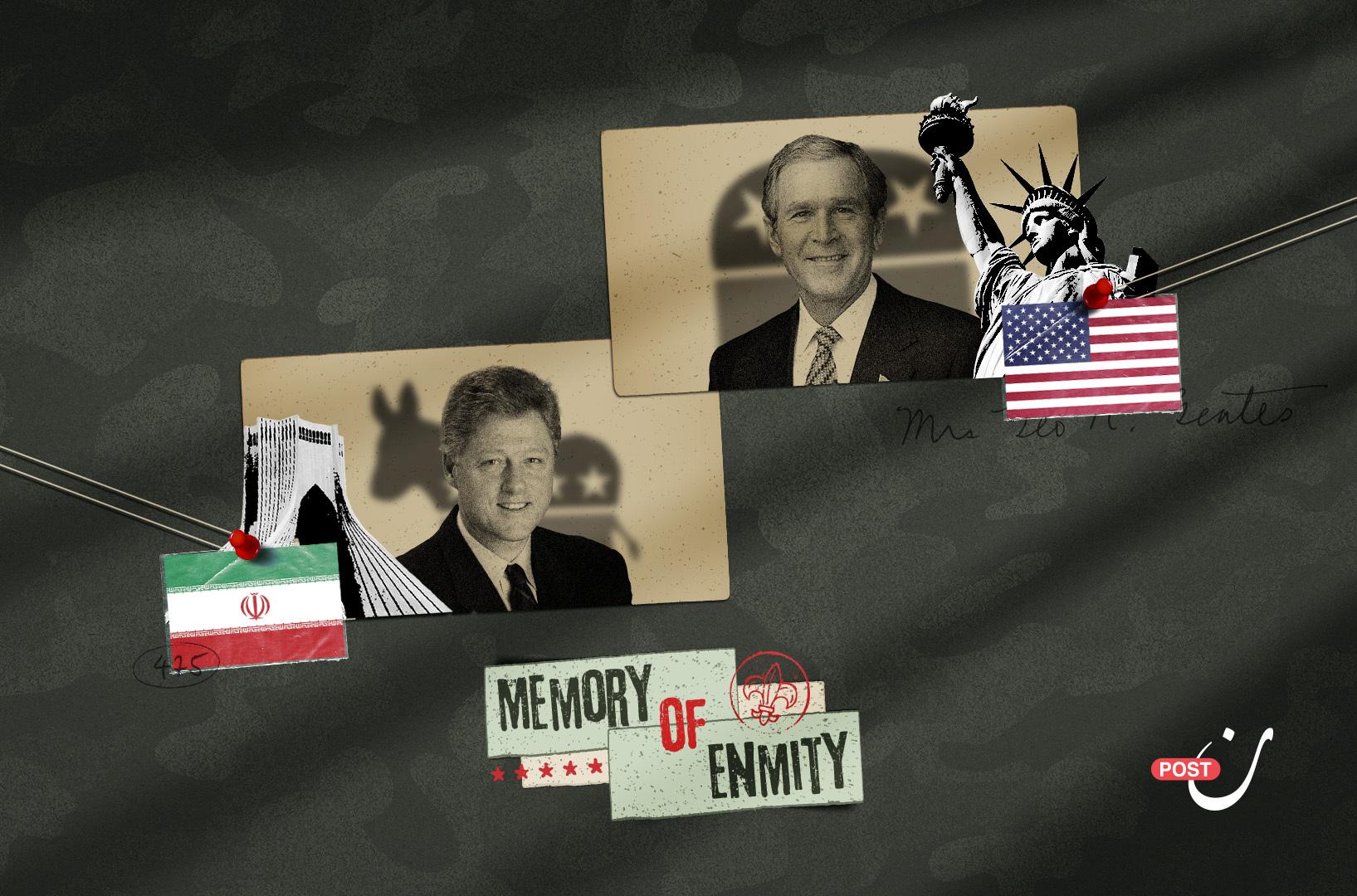
Washington and Tehran: Between Republican Bluster and Democratic Snake Diplomacy

هبة بعيرات
Hiba Birat Published 26 March ,2026
Share
نون بوست
نون بوست

For decades, Tehran has been a pivotal axis in U.S. foreign policy, shaping much of its domestic political landscape as the perpetual external enemy that Washington must continue to confront in the name of “defending civilization.”

Like many contentious issues, the Iran file is a source of sharp dispute between America’s two dominant parties, converging at times but diverging in ways that can decisively influence elections and determine the assessment of administrations.

How has each party dealt with Tehran? Are there substantive differences between Democratic and Republican strategies? Have successive administrations pursued clear policies toward Iran? What do electoral constituencies think? And has much changed since the so-called “zero hour,” when Trump struck Iran’s nuclear facilities? This article attempts to answer these questions and more.

Much Noise, Little Substance

Republican policy toward Tehran reflects a general pattern in their rhetoric: a split between slogans and reality. Republicans tend to inflate their discourse when it comes to Washington’s adversaries, demanding firmness and decisive strikes, yet the reality reveals pragmatism and inconsistency signaling the limits of what American policy can and cannot achieve.

Since the first year of the Islamic Revolution, Tehran has dominated U.S. domestic politics and become a hot topic in electoral debates. Because Democratic president Jimmy Carter failed to resolve the hostage crisis with sufficient speed, he lost the election to Ronald Reagan. Reagan claimed the crisis revealed Carter’s weakness and hesitation, insisting that “no dictatorship would have dared commit such an act if I were president.”

It was a familiar Republican refrain boasting of strength that supposedly compels adversaries to submit while in fact responding to circumstances created by the international environment. Iranians, furious at Carter for hosting the Shah and imposing the first U.S. sanctions on the regime, delivered him a final humiliation by releasing the American hostages on Reagan’s very first day in office. History seemed to repeat itself.

Reagan, who styled himself as tough and heroic, secretly engaged with the Supreme Leader. His two presidential terms were marked more by deception and manipulation toward Tehran than by determination to curb threats.

His administration played a double game in the first Gulf War, arming both Saddam Hussein and Iran with American weapons in a bid to weaken both regimes a strategy that ended with the Iran-Contra scandal, when weapons were sold to Tehran in defiance of Congress.

George H.W. Bush, by contrast, showed little appetite for attacking Iran. On the contrary, he signaled willingness to extend a hand of cooperation if Tehran curbed its regional influence and released the American hostages held by Hezbollah in the late 1980s. That never happened.

George W. Bush’s administration again displayed the disconnect between rhetoric and reality. He branded Iran part of the “Axis of Evil” alongside Iraq and North Korea, hoping his “War on Terror” would accelerate toward toppling Tehran’s regime. His administration openly encouraged attacks on Iranian targets in response to militias striking U.S. troops in Iraq.

Yet Iran was never attacked. Reports later suggested that Bush even blocked an Israeli strike on Iranian nuclear sites, preferring instead to escalate economic and UN sanctions rather than risk a regional war that would engulf U.S. interests.

Trump’s first administration fit squarely into the Republican mold: a great deal of bluster, very little follow-through. Trump surrounded himself with hardliners like Secretary of State Mike Pompeo and National Security Adviser John Bolton, eager to strike Iranian soil. Yet his unprecedented threats produced only the assassination of Qassem Soleimani, limited strikes against Iran’s regional militias, and scrapped plans for bombing Iran itself.

Trump’s withdrawal from Obama’s nuclear deal and his “maximum pressure” sanctions campaign reflected the traditional Republican preference for silent warfare over direct confrontation.

True to form, Trump did not seek war so much as political points: pairing “maximum pressure” with an offer of a so-called “grand bargain” to end Iran’s nuclear and missile programs in exchange for lifting sanctions—an offer Tehran flatly rejected, awaiting instead the Democrats’ return to power.

Even Trump’s eventual strike on Iran’s nuclear facilities was no long-term strategy, but a reaction meant to project American resolve under pressure from pro-Israel lobbies. Many analysts described it as underwhelming, symbolic rather than decisive, more a signal to contain war than ignite it. Israeli voices complained the strike had barely dented Iran’s nuclear program, delaying it by only a few months and calling for a far more powerful and effective U.S. attack.

Interventionists vs. Isolationists

Republicans have waged a “shadow war” against Tehran: thunderous slogans, accusations that Democrats are weak, claims of toughness—yet on the ground, far less aggressive policies. GOP administrations have leaned heavily on economic sanctions, global isolation, and targeted strikes against Iranian interests and proxies, while carefully avoiding direct blows inside Iran that might provoke devastating retaliation.

But the party itself is divided. On one side stand the “interventionists,” such as Senators Ted Cruz, Lindsey Graham, and Kevin Cramer, who argue for direct military strikes on Iranian soil to eliminate its threat to Washington and Israel.

On the other side are the “isolationists,” represented by figures like Tucker Carlson, Steve Bannon, Rand Paul, and Marjorie Taylor Greene most aligned with Trump’s “America First” MAGA movement. They insist Washington should avoid foreign entanglements and focus on domestic security and economic reform.

Trump’s contemplation of strikes on Iran triggered open warfare between these factions. Before the strike, only 22% of Republicans supported military intervention; afterward, support among GOP voters jumped to 68%. The episode revealed once again that slogans do not match reality, and that isolationists ultimately avoid a real collision with the party’s foreign policy machinery.

Democrats: Snake Diplomacy

Bill Clinton largely followed George H.W. Bush’s path of containment and isolation, steering clear of direct confrontation. With Iran weighed down by sanctions, cut off from diplomatic ties, and mistrusted as a theocratic state, Clinton had little room for his signature style of outreach. Hezbollah’s role in undermining his prized “Middle East peace process” further limited any overtures.

In the early 1990s, Clinton announced a “dual containment” strategy aimed at curbing both Iraq and Iran as hostile powers. Iran, though, was treated as the graver threat, targeted through expanded sanctions blocking investment, diplomatic campaigns against its sponsorship of terrorism, and the establishment of U.S. bases in the Gulf to deter Tehran’s regional ambitions.

Clinton imposed additional sanctions not only on Iran itself but also on any government or actor assisting its weapons of mass destruction programs. In 1994, he signed Executive Order 12938 declaring a national emergency over Iran’s WMD efforts, authorizing sanctions and export bans on dual-use goods. Later amendments extended penalties to non-Iranian actors, including Russians.

In 2000, on the eve of leaving office, Clinton signed the Iran Nonproliferation Act, imposing sanctions on Russian entities for aiding Iran’s military program. At the same time, suspicions of Iranian involvement in the 1996 Khobar Towers bombing in Saudi Arabia, which killed U.S. airmen, cemented Iran’s image as a terrorist sponsor in U.S. foreign policy.

Clinton made modest gestures of reconciliation. Secretary of State Madeleine Albright apologized for the CIA’s role in the 1953 coup that toppled Prime Minister Mohammad Mossadegh and promised to ease sanctions on Iranian goods such as food, carpets, and aircraft parts. Tehran dismissed the effort as meaningless.

Barack Obama took a different path, extending a diplomatic hand. Despite initially expanding sanctions after Mahmoud Ahmadinejad’s disputed 2009 reelection and subsequent opposition protests, Obama eventually launched secret talks that led to the 2015 nuclear deal (JCPOA).

Under the agreement, Iran shipped out nearly all of its declared enriched uranium in exchange for sanctions relief and reintegration into global markets.

For Democrats, the deal was the crown jewel of diplomacy: avoiding war, constraining Iran’s nuclear ambitions, and securing U.S. and Israeli interests without open conflict. Republicans, however, decried it as madness—unfreezing billions for a hostile regime, endangering Israel, and betraying U.S. security.

Joe Biden, running in 2020, promised a clean break from Trump’s “maximum pressure” and pledged to revive the nuclear deal. The Democratic platform even called for ending America’s “endless war with Iran.” Yet once in office, Biden hesitated.

Legal obstacles, Israeli pressure, and congressional opposition limited his moves. He authorized partial sanctions relief and prisoner exchanges, but stopped short of fully rejoining the JCPOA. Tehran, in turn, resumed nuclear enrichment beyond agreed limits.

Biden’s tenure, critics argue, has lacked a coherent Iran policy: cautious gestures, limited sanctions relief, but no strategic breakthrough. Tehran, for its part, has grown increasingly dismissive of U.S. commitments.

Importantly, Democrats have never treated Iran as an equal counterpart. Even while shaking hands and smiling for cameras, they openly label Iran a terrorist state destabilizing the Middle East. Their true aim, critics say, is to strengthen Iranian opposition movements whenever possible, rather than normalize relations with the Islamic Republic.

A Partisan Battlefield

Republicans have consistently attacked Democratic “appeasement” of Tehran. Conservative author Kenneth Timmerman, in The Iranian House: Tales of Revolution, Oppression, War, and Conspiracy, accuses Democrats from Clinton to Obama to Biden of seeking to placate Tehran at the expense of U.S. security.

Outlets like the New York Post have claimed that Democrats are swayed by an “Iran lobby” in Washington, pointing to the Iranian-American Council (AIC), founded in the 1990s, which pushed for U.S. investment in Iranian oil and gas.

Republicans also accuse John Kerry, Obama’s secretary of state, of excessive zeal in pursuing ties with Tehran—citing his Iranian-American son-in-law, his push to bring Iran into the World Trade Organization, and his advocacy for loosening post-9/11 visa restrictions.

Even Vice President Kamala Harris has been accused by Republican media of being influenced by Iranian-American advocacy groups, with speculation that she might appoint Philip Gordon, a key architect of the Obama-era nuclear deal, as secretary of state if she wins in 2024.

rump’s Strike and Voter Reactions

A CBS poll after Trump’s strike on Iran’s nuclear facilities showed 44% of Americans supported it, while 56% opposed. Support was overwhelming among Republicans (85%), especially within the MAGA movement (94%). Democrats, by contrast, opposed it by nearly universal margins.

Only 44% of Americans expressed strong fear of a war with Iran, while 21% were indifferent. Democrats were far more fearful (94%) than Republicans (62%). Still, 89% of Republicans approved of Trump’s handling of the Iran file, compared to just 14% of Democrats.

Democrats demanded that Trump seek congressional approval for such strikes, with 91% supporting the requirement, compared to only 30% of Republicans.

For Trump, the strike rallied his populist base, portraying him as a leader who “means what he says.” Democrats, however, sought to delegitimize the move as reckless and unconstitutional. Yet many stopped short of outright opposition, mindful of Israel’s strong interest in curbing Iran’s nuclear program.

History, however, undermines both sides’ claims. Though Congress alone holds the constitutional power to declare war, presidents from both parties have bypassed it in practice from Clinton’s strikes in the Balkans, to Obama’s Libya intervention, to Biden’s attacks on Iranian proxies in Yemen and Syria.

Republican Speaker Mike Johnson even noted that since World War II, presidents had authorized 125 military actions without seeking congressional approval.

Ultimately, Republicans and Democrats agree on one thing: a nuclear-armed Iran would be an intolerable threat to U.S. national security. But on every other front whether diplomacy, sanctions, or military strikes they remain bitterly divided.

The result has been a four-decade pattern of inconsistency: Republicans roaring loudly but striking cautiously, Democrats smiling across negotiating tables while quietly tightening sanctions. From Reagan to Biden, U.S. policy toward Tehran has swung between “maximum pressure” and what one analyst dubbed “toxic diplomacy.”

As J Street’s Jay Solomon once described them, these are “America’s Iran wars” a blend of bravado, half-measures, and miscalculations that have shaped Washington’s approach to Tehran for generations.

Download this article as PDF
Share this Article
Facebook Twitter Whatsapp Whatsapp Telegram Email Copy Link
هبة بعيرات
By هبة بعيرات كاتبة، ومحامية ممارسة في ولاية نيويورك الأمريكية، ماجستير في القانون الدولي وحقوق الإنسان.
Follow:
Previous Article نون بوست Western Division Over Gaza: Humanity Crumbles Before the Arms Lobby
Next Article نون بوست Tents in the Rain: Yemen’s Schools in a Time of War

Read More

  • U.S. Regime‑Change Policies: Why They Are Destined to Fail U.S. Regime‑Change Policies: Why They Are Destined to Fail
  • The Gulf’s Balancing Act: Iran, Israel, and Hidden Links
  • Iraq–Turkey Oil Export Treaty: Why Did Ankara Cancel It After 52 Years?
  • Syria’s Northeast on Edge: QSD Between Ankara and Damascus
  • Has Europe Changed Its Stance on Israel… or Just Its Language?
part of the design
NoonPost Weekly Newsletter

You May Also Like

U.S. Regime‑Change Policies: Why They Are Destined to Fail

U.S. Regime‑Change Policies: Why They Are Destined to Fail

إسراء سيد Esraa sayed 8 April ,2026
The Gulf’s Balancing Act: Iran, Israel, and Hidden Links

The Gulf’s Balancing Act: Iran, Israel, and Hidden Links

فريق التحرير Noon Post 8 April ,2026
Iraq–Turkey Oil Export Treaty: Why Did Ankara Cancel It After 52 Years?

Iraq–Turkey Oil Export Treaty: Why Did Ankara Cancel It After 52 Years?

فريق التحرير Noon Post 8 April ,2026

نظرة على المخرج تارنتينو من خلال فيلمه الأخير “المكروهون الثمانية”

فاروق الفرشيشي
فاروق الفرشيشي Published 11 January ,2016
Share
hateful-eight-tv-spot

يقول المخرج الأمريكي كوينتن تارنتينو ناقلاً عن المخرج جو دانتي: “يوجد نوعان من هواة الأفلام، يوجد أولئك الذين يحبون الأفلام، ويوجد أولئك الذين يحبون الأفلام التي يحبونها! وأنا من الصنف الأول حتمًا”، لكن الرجل لا ينفك يقدم أفلامًا لا تصلح إلا لجماعة الصنف الثاني، أفلام لأولئك الذين يعشقون سينما تارنتينو عشقًا خاصًا، ويبدو أنه من العسير أن تقنع شخصًا بالقيمة الفنية لهذه الأعمال، خصوصًا إذا كان من بين أولئك الذين يبحثون عن جدوى لها، لذلك، فإن كنت من بين أولئك الذين لا يستسيغون Django Unchained أو يعتبرون Pulp Fiction فيلمًا تافهًا أو فاشلاً، فلا أعتقد أن هذا المقال سيغير رأيك، أما أولئك الذين لا يعرفون الرجل، ولا يعرفون أعماله، فدعوني أقدم لكم سينما هذا الرجل، من خلال آخر أعماله: “المكروهون الثمانية”.

منذ سنة ونيف تسرب نص “المكروهين الثمانية” إلى العموم، وقرر تارنتينو عدم نقله إلى السينما، والاكتفاء بنشره في كتاب، لكن صاموائيل جاكسون وبعض الممثلين الآخرين، وقد أعجبوا بالنص، أقنعوه بتغيير رأيه والشروع في العمل، لقد حارب تارنتينو كثيرًا من أجل هذا الفيلم، فأرغم الموزعين على تزويد نحو 70 قاعة سينما بما يسمح بمشاهدة نسخة السبعين مليمترًا، كما أحرج شركة ديزني كثيرًا لتكف ضغطها على قاعات السينما وتفسح لفيلمه مجالاً بعد احتكار فيلم حرب النجوم للقاعات خلال عطلة الشتاء.

لقد كان هذا الفيلم تجربة ممتعة ومربكة في آن، ورغم اعتيادي على أعمال كوينتن تارنتينو وأفكاره، إلا أن الفيلم نجح في إرباكي ودفعي إلى ذلك السؤال الذي يندر أن يُسأل في نهاية فيلم: ماذا أراد المخرج تحديدًا؟

ولمعرفة ذلك، دعونا نكتشف المكروهين الثمانية، من خلال ثمانية نقاط أساسية تميز سينما هذا الرجل.

1ـ العنوان

يهتم كوينتن كثيرًا بالشكل حتى في تفاصيله التي قد لا تعني لنا شيئًا، ففي أعماله السينمائية الثمانية، يصر على أن يكون عنوان الفيلم وقائمة الممثلين وغيرهم في بداية الفيلم، ومن جملة ثمانية أعمال له، ستة منها أظهرت العنوان باللون الأصفر الفاقع (الاستثناء لـ Kill Bill الذي يغزو اللون الأصفر بالفعل معلقاته الإشهارية، ودجانغو المحرر الذي اتخذ عنوانه لون الدم). ويتغير نمط الخط المستعمل بتغير جنس الفيلم، حتى إنه يمكننا بسهولة تمييز جنس الفيلم من خلال خط العنوان، ولقد كان الخط المستعمل في المكروهين الثمانية ذات الخط الذي نجده في “ذات مرة في الغرب” أشهر أفلام الوسترن على الإطلاق.

المكروهون الثمانية هو فيلمه الثامن، وهو يصر في معلقات أفلامه أن يذكر رقم الفيلم كأن لعداده نهاية معلومة مسبقًا (كان قد أعلن أنه لن يخرج أكثر من عشرة أفلام)، لكنه في هذه المرة، يرقم الفيلم لا في المعلقة فقط بل في بداية الفيلم، ربما لاتفاق رقم الفيلم مع العنوان، وفي ذلك أيضًا إشارة جميلة إلى المخرج الإيطالي الشهير فريديريكو فليني الذي قام بالشيء نفسه في (8 ونصف).

اهتمام كوينتن بالشكل ليس جانبيًا، بل هو مهم جدًا لفهم أفلامه، ذلك أنه كثيرًا ما يتهم بفراغ المحتوى أو سطحية الأفكار، وهي اتهامات سخيفة جًدا، لأن تارنتينو نفسه لا يبحث أصلاً عن تقديم محتوى ما، إن المحتوى الحقيقي لأعماله هو الشكل والغاية الحقيقية لما يقدمه هي الوسيلة نفسها.

2ـ الموسيقى

ليس من باب المصادفة أن تكون أغلب شخصيات تارنتينو مغرمة بالموسيقى، فهذا الرجل يجعل من الموسيقى جزءًا مهمًا من عمله، يعتمد تارنتينو على الأعمال الموسيقية المتوفرة لتشكيل موسيقى الفيلم، ولم يحدث أبدًا أن اعتمد على موسيقى أصلية، في هذا الفيلم، يكسر تارنتينو قاعدته، ويوكل مهمة الموسيقى إلى أحد عمالقة الموسيقى السينمائية، ذلك الذي اشتهر بفضل أعماله الخالدة في أفلام السباغيتي، ونعني به إينيو موريكوني Ennio Morricone، ورغم كل ما قيل عن الخلاف الذي حدث بين الرجلين حول استخدام تارنتينو لموسيقى الرجل في فيلمه السابق، فقد حدث ما تمناه الجميع، وقدم موريكوني قطعًا موسيقية عبقرية لهذا الفيلم، لعل أهمها هو مقطع الافتتاحية الذي احتفى به تارنتينو أيما احتفاء، ولكن سنندهش كثيرًا لو فاز موريكوني بأوسكار الموسيقى الأصلية لهذا العام.

3ـ لقطة صندوق السيارة

صنع تركيز تارنتينو على الشكل والأسلوبية المفرطة، مجموعة من العناصر التي يمكن لأي مشاهد من خلالها أن يتعرف على  أفلامه بمجرد مشاهدة لقطة أو اثنتين منها، وإذا كان العنوان أحد هذه العناصر، فإن أهمها برأيي هو طريقة التصوير، فمن المستحيل مثلاً أن يخلو فيلم له من لقطة صندوق السيارة Trunk Shot، وهي طريقة تصوير بسيطة تقضي بأن ينظر الممثل إلى شخص (أو شيء) ما في صندوق سيارة، فتتحول الكاميرا إلى عين لذلك الشخص (الشيء)، ويتحدث الممثل وهو ينظر إلى الكاميرا كأنه ينظر إلى عين مخاطبه، نظرة فوقية فيها الكثير من التسلط والتحكم.

لقد اعتمد تارنتينو على هذه اللقطة حتى في مشاهد ليس فيها سيارة، ومنها فيلم المكروهين الثمانية، فنجد صامويل جاكسون ينظر إلى الجسد المسجى أرضًا، في مشهد لن ينسى، لكن تارنتينو لم يتوقف عن هذه التفاصيل الروتينية؛ لقد مثل المكروهون الثمانية تحديًا تقنيًا مثيرًا، فاستعملت له عدسة تصوير ضخمة كتلك التي كانت تستعمل في الخمسينات والستينات، مع أفلام خالدة من قبيل “ذات مرة في الغرب” و”بين هور”، وصار استعمالها في وقتنا الحالي نادرًا.

إن فكرة تارنتينو هي إعادة المشاهد إلى الحقبة الذهبية لهوليود، حين يمتد الفيلم لساعات تتخللها راحة قصيرة، وحين كان الذهاب إلى السينما مناسبة سعيدة يلبس الناس فيها أجمل الثياب ويحتفلون، ولقد أجاد تارينتينو ذلك إلى حد بدت فيها الراحة بين شطري الفيلم ضرورية جدًا ومساهمة بقسط كبير في طابعه التشويقي.

أما التحدي فقد كان اعتماد هذه العدسة في مكان مغلق كذلك الذي جرت فيه أغلب أحداث الفيلم، يقول مايكل مادسن، إن الكاميرا كانت تلتقط كل زوايا المكان، بحيث لم يكن بوسع الشخصيات الخروج عن إطار الصورة بمجرد انتهاء أقوالهم، كان على الجميع أن يواصل أداء دوره ولو كان في ركين بعيد عن مجريات الأحداث، لقد احتوى الفيلم على مشاهد كثيرة تضم أكثر من أربعة أشخاص دفعة واحدة، وكان ذلك مما يزيد من تعقيد التصوير، والتمثيل، ومن استحقاق العمل.

4 ـ الجنس

تكمن قيمة سينما تارنتينو في تلاعبه بالأجناس السينمائية؛ حيث يحاول في كل مرة أن يفكك عناصر جنس سينمائي ما، ويعيد تركيبه بشكل يتجاوز به الجنس نفسه، في فيلم المكروهين الثمانية، لم يكن عسيرًا أن نلحظ كيف تجاوز تارنتينو جنس الويسترن، ما كان عسيرًا هو أن نجد في الفيلم ما يجعله من هذا الجنس! لقد تحولت صحراء الغرب الرملية إلى صحراء جليدية مخيفة، وتحول الصمت الذي يعم أغلب المشاهد التي تسبق القتال، إلى مجادلات ممتعة في أغلبها لولا الإفراط فيها، وتحول التفكير الباطني الذي يمارسه جون واين أو كلينت إيستوود بعيونهما، إلى تفكير مسموع يمارسه صاموائيل جاكسون على طريقة المفتش بوارو في روايات أغاثا كريستي! لقد فتح تارنتينو خلال الفيلم، نافذة مفاجئة على قصص الجريمة والغموض، فإذا نحن أمام جريمة قتل، وإذا نحن نتساءل “من فعلها؟”.

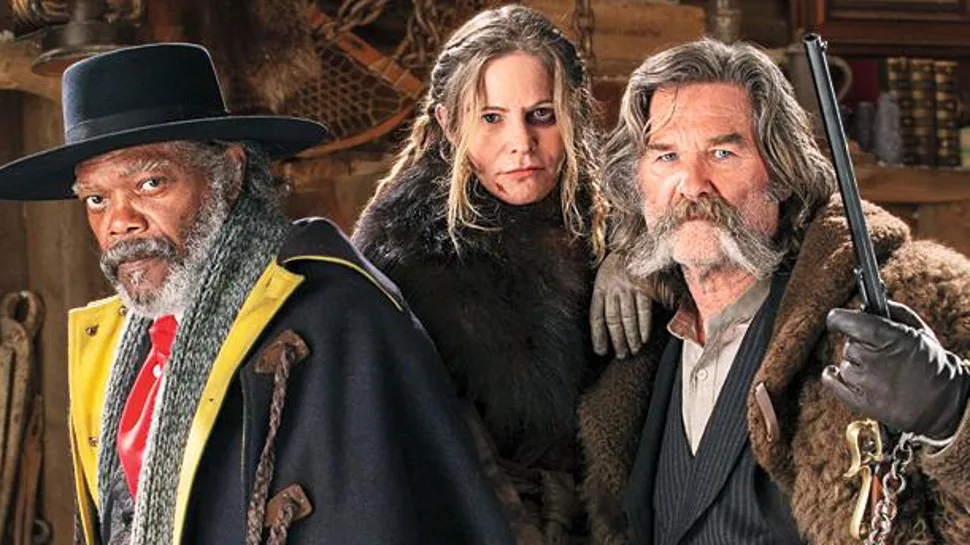
يروي الفيلم قصة جلاد “كورت روسل” يقبض على مجرمة مطلوبة للعدالة “جنفر جيزن لي”، ويرحل بها إلى حيث يفترض شنقها، في الطريق يقابل صائد مجرمين “صامويل جاكسون” وشريف البلدة الجديد “غوغلينغ”، وترغمه العاصفة الثلجية على التوقف عند نزل تغيب عنه صاحبته وزوجها، وينوبهما مكسيكي غريب، داخل النزل، كان هناك جلاد البلدة، ورجلان آخران، وهو ما أثار حفيظة الجلاد، إن أحد هؤلاء، ليس كما يبدو عليه، وإن هناك مؤامرة خفية لإنقاذ المجرمة دومرغيو.

يبدو أن تارنتينو يغالطنا، فهو لا يستعمل سينما الويسترن بقدرما يستعمل عالم الويسترن ذاته، إنه لا يستخدم شخصية المكسيكي كما قدمها المبدع إيلي والاش في (الطيب، والشرير والقبيح)، بقدرما كان يستخدم شخصية المكسيكي كما قدمتها كتب التاريخ، فهل يمكن أن نتحدث هنا عن تجاوز للجنس أم إنه تجاوز تارنتينو لطرقه القديمة؟

5ـ الممثلون

يؤكد كل أولئك الذين تعاملوا مع تارنتينو أنه شخص مهووس جدًا فيما يتعلق بأعماله، حين يشرح لممثل ما دوره في الفيلم، فإنه يروي له قصة حياة شخصيته كلها، متى ولد، أين، من هم أبواه، متى ظهر شاربه، لماذا يحب قصة الشعر هذه، ماهو لونه المفضل، وهي تفاصيل يحددها حتى لأكثر شخصياته ثانوية، بحيث يصبح مجال اجتهاد الممثل صغيرًا جدًا، لكن لحسن الحظ، فإن تارنتينو يعد شخصياته وفي ذهنه من سيلبسها مسبقًا ونادرا ما حدث أنه لم يفكر في المؤدي قبل خلق الشخصية (حدث ذلك في فيلم الأوغاد المغمورون Inglorious Basterds وكاد يوقف العمل لولا أن عثر على كريستوفر والتز).

لذلك كان طبيعيا أن نجد في المكروهين الثمانية ذات الأسماء التي تعودنا حضورها في سينما تارنتينو: كورت روسل، تيم روث، مايكل مادسن، والتون غوغينز، وزوي بيل، وخصوصا صاموائيل جاكسون، الذي يعتبر المفتاح الرئيسي لأعمال كوينتن، فقد شارك معه في كل أفلامه تقريبًا ولو بصوته، لم يمنع ذلك من الاعتماد على آخرين لن نستغرب وجودهم في قادم أعمال تارنتينو، وخصوصًا الممثلة جنيفر جيسن لي، التي لن نستغرب ترشيحها للأوسكار عن أفضل دور ثانوي.

أعتقد أن أداء الممثلين كان متميزًا، واستطاع أغلبهم التعبير بدقة عن مميزات شخصيتهـ وعبر المكروهين الثمانية خصوصًا، يقدم لنا كوينتن صورة مصغرة عن المجتمع الأمريكي خلال حقبة ما بعد الحرب الأهلية الحرجة، سنجد رجل القانون، ورجل العدالة، ورجل الحرب، ورجل الثور، سنجد الأسود، والأبيض والمكسيكي، والمرأة والشيخ المسن، والشاب اليافع، ومن خلال العاصفة الثلجية، يجبر تارنتينو كل هؤلاء الأوغاد على التواصل، وينقل لنا عبر حواراته البارعة، مكامن هذه الشخصيات وعلاقاتها بالآخر، في تحليل متميز لشخصية الأمريكي خلال نهاية القرن التاسع عشر، هل قلت إن المحتوى لا يعني تارنتينو كثيرًا؟ فما الذي يحدث مع هذا الفيلم؟

6ـ الحوار

لو أن هناك محتوى مهمًا في أفلام تارنتينو، فهي الحوارات العبقرية التي يجريها على ألسنة شخصياته، والتي في غالب الأحيان لا تتعلق بأحداث الفيلم! إن الحوار بالنسبة إلى تارنتينو هو امتداد للشخصية، وهو بذلك أهم من الأحداث نفسها، ولئن حافظ المخرج على قيمة الحوار في المكروهين الثمانية، فقد بدا أن الأحاديث الجانبية لا وجود لها، وأن كل الحوارات متعلقة بشكل أو بآخر بما سيحدث لاحقًا.

7ـ العنف

ماذا يمكن أن نتوقع من اجتماع 8 شخصيات كريهة في مكان واحد ناءٍ إبان الحرب الأهلية الأمريكية؟ الكثير من العنف طبعًا، وتارنتينو يقتفي أثر العنف أينما وجد، لقد اتهم المخرج بنزوعه المنحرف إلى العنف، وإلى أنه بطريقة أو بأخرى يبتذله إلى أن يجعله ممكنًا في الأذهان، لكن المسألة أبسط من ذلك بكثير عند الرجل، إن العنف عنده مادة جمالية لا أكثر، شيء أشبه باستعمال الفنان التشكيلي للبهارات في لوحاته، لا يقصد منها أي شيء سوى المتعة ذاتها، يضفي كوينتن على المشهد العنيف مبالغات مضحكة أحيانًا، لتذكير المشاهد دائمًا أن ما يراه ليس حقيقيًا، الإفراط في العنف هو جزء من إفراطه في الأسلوبية، إن سينما تارنتينو هي سينما عن السينما أساسًا.

ما يبدو مختلفا في المكروهين الثمانية، هو أن العنف لا يبدو إفراطًا في الأسلوبية بقدر ما يبدو أحيانًا إفراطًا في التاريخ! لقد شدني إصراره على تفجير الأجساد مع كل طلقة رصاص، وهو أمر لم نألفه في أفلام الويسترن التقليدية، بل لعلنا لم نره في أي أغلب الأفلام التقليدية، فأي الصورتين أقرب إلى الواقع؟ رصاص يثقب الرأس؟ أم يفجره وقد انطلق من مسافة لا تتجاوز المترين؟ هل يعمد تارنتينو إلى فسخ تلك الصورة التي صنعتها أفلام الويسترن التقليدية واستبدالها بأخرى أكثر إخلاصًا للواقع؟ إن هذه الفكرة تخالف كثيرًا طرق تارنتينو التقليلدية، ولكنها تتماشى مع ما قدمه في أفلامه الأخيرة، حيث يبدو الرجل أكثر تفاعلاً مع التاريخ وأكثر تمردًا على السينما.

من المؤكد أن العنف في المكروهين الثمانية يتخذ بعدًا مختلفًا تمامًا عن أفلامه السابقة، لقد أخرج هذا الفيلم، في وقت حرج في حياة المخرج، حيث تعرض لاتهامات كثيرة من قِبل الشرطة على خلفية مشاركته في الاحتجاجات العارمة التي تسبب فيها قتل شرطي أمريكي لرجل أسود، إن هذه الحادثة مرتبطة بالفيلم ارتباطًا وثيقًا، لأنها لا تعكس فقط الموقف الحقيقي لتارنتينو من العنف، بل لأنها أيضًا ألقت بظلالها على شخصيات الفيلم، لقد غمر العنف صورة العدالة نفسها، ورغم طبيعة المشهد الأخير “الشاعرية”، فإننا لا يمكن أن نتجاهل عنفه.

كذلك لم يخلُ الحوار من العنف، فاستعملت كلمة “زنجي” المهينة بشكل غير طبيعي واستعملت النكات العنصرية إلى حد مزعج مهما كان انفتاح المشاهد وتقبله لسياق المشهد، وطال العنف النساء والشيوخ واللاتينيين، بشكل يجعلنا مرتبكين أمام ما يفعله تارنتينو، حتمًا نحن لسنا أمام محاولة لابتذال العنف، بقدرما نحن أمام محاولة لإبرازه، لقد تأسس تاريخ هذه البلاد على كم مفرط من العنف والكراهية.

8ـ الانتقام عبر إعادة كتابة التاريخ

يمثل الانتقام المحور الرئيسي لأعمال تارنتينو، يحرك دافع الانتقام أغلب شخصياته، ويبدو أن تارنتينو يكره كثيرًا صورة الضحية المسكين، ويحاول الانتصار للمظلومين بجعلهم أقوياء قادرين على الإجابة عن الظلم بظلم أشد، إن تارنتينو يكره أن نشعر بشيء من الشفقة تجاه ضحايا التاريخ، ويفضل أن نشعر بقوتهم، وبأنهم قساة مخيفون كغيرهم، ربما لذلك يصعب أن نجد في أفلام تارنتينو شخصية يمكن أن توصف على أنها “جيدة”، إنهم إما قتلة (Kill Bill) أو أفراد عصابة (Pulp fiction) أو مهربون (Jackie Brown) أو أوغاد ساديون (Inglorious Bastards) أو صائدو مجرمين بلا رحمة (Django)، ولكنهم في الآن نفسه يمثلون فئة ظلمها التاريخ طويلاً (النساء، يهود ألمانيا، عبيد أمريكا)

ولم يبد “المكروهون الثمانية” استثناء، فالرائد ماركويز وارن “صموائيل جاكسون” لا يبدو مكترثًا كثيرًا بالقضايا التي يساندها (الحرب الأهلية، صيد المجرمين) بقدرما هو مكترث بالانتقام من الرجل الأبيض، كما كان الانتقام دافعًا رئيسيًا للأحداث ومغذيًا لها (ماحدث مع الرائد والجنرال العجوز)، وكان أيضًا أساس العلاقة بين أهم رجلين في الفيلم، الرائد ماركويز “صموائيل جاكسون” والشريف كريس مانكس “والتون غوغنز”، لقد مثل هذان الرجلان كل الخصومات التي يبحث عنها تارينتينو (الأبيض والأسود، الشماليُ والجنوبي، الأسود المتهم بالعنف المفرط، والشريف ممثل الدولة أو الشرطة لنكون أكثر وضوحًا)، ولأنني لا أريد فضح أحداث الفيلم، فسأكتفي بالقول إن تارنتينو ينتقم بشكل مغاير تماًما لما عهدناه عليه، لقد انتقم من الكراهية، وقام بشنقها عاليًا، فهل هذا ما نسميه “النضج الفكري”؟ أم إنه فقط يعكس تجربة المخرج المريرة مع واقعه؟

لا أعتقد أن “المكروهين الثمانية” هو أفضل أفلام كوينتن تارنتينو، وأعتقد أنه بخروجه عن عالمه التقليدي قد انتقص من قيمة العمل فنيًا، لكنه مع ذلك، عمل على قدر كبير من الجمال والاتقان ويحمل كمًا لابأس به من المتعة، لقد تساءلت جريدة لوموند الفرنسية عن الرسالة التي يبعثها تارنتينو من خلال فيلم يحتوي على قدر هائل من العنصرية تجاه السود والنساء، وهو تساؤل غريب برأيي، ليس لأن تارنتينو هو أساسًا ذلك الرجل الذي لا ينبغي أن تنتظر منه رسائل في أعماله، وإنما لأن “المكروهين الثمانية” كان استثناءً بنظري، وكان يحمل رسالة إلى مجتمعه، تلك هي رسالة إبراهام لينكولن.

اسم الفيلم : المكروهون الثمانية The Hateful Eight

المخرج : كوينتن تارنتينو Quentin Tarantino

تاريخ الصدور: 25 ديسمبر 2015

النوع: ويسترن، غموض، تاريخ، ميلودراما

مدة العرض : ثلاث ساعات تقريبًا

البطولة : Samuel L. Jackson, Kurt Russel, Jennifer Jason Leigh, Walton Goggings

TAGGED: السينما ، السينما الأمريكية ، فيلم ، مخرجين السينما
Download this article as PDF
Share this Article
Facebook Twitter Whatsapp Whatsapp Telegram Email Copy Link
فاروق الفرشيشي
By فاروق الفرشيشي مهندس برمجيات ومدوّن مهتمّ بعالم السينما. صدرت له مجموعة قصصية بعنوان "الخروج عن الخطّ"
Follow:
Next Article نون بوست The Stigma of “ISIS”: A Heavy Legacy Haunting Women and Children of Former Members

Read More

  • U.S. Regime‑Change Policies: Why They Are Destined to Fail U.S. Regime‑Change Policies: Why They Are Destined to Fail
  • The Gulf’s Balancing Act: Iran, Israel, and Hidden Links
  • Iraq–Turkey Oil Export Treaty: Why Did Ankara Cancel It After 52 Years?
  • Syria’s Northeast on Edge: QSD Between Ankara and Damascus
  • Has Europe Changed Its Stance on Israel… or Just Its Language?
part of the design
NoonPost Weekly Newsletter

You May Also Like

U.S. Regime‑Change Policies: Why They Are Destined to Fail

U.S. Regime‑Change Policies: Why They Are Destined to Fail

إسراء سيد Esraa sayed 8 April ,2026
The Gulf’s Balancing Act: Iran, Israel, and Hidden Links

The Gulf’s Balancing Act: Iran, Israel, and Hidden Links

فريق التحرير Noon Post 8 April ,2026
Iraq–Turkey Oil Export Treaty: Why Did Ankara Cancel It After 52 Years?

Iraq–Turkey Oil Export Treaty: Why Did Ankara Cancel It After 52 Years?

فريق التحرير Noon Post 8 April ,2026
dark

An independent media platform founded in 2013, rooted in slow journalism, producing in-depth reports, analysis, and multimedia content to offer deeper perspectives on the news, led by a diverse young team from several Arab countries.

  • Politics
  • Society
  • Rights & Liberties
  • Opinions
  • History
  • Sports
  • Education
  • Technology
  • Economy
  • Media
  • Arts & Literature
  • Entrepreneurship
  • Travel
  • Cinema & Drama
  • Food
  • Health
  • Culture
  • Latest Reports
  • Files
  • Long Reads
  • Interviews
  • Podcast
  • Interactive
  • Encyclopedia
  • In Pictures
  • About Us
  • Our Writers
  • Write for Us
  • Editorial Policy
  • Advanced Search
Some rights reserved under a Creative Commons license

Removed from favorites

Undo
Go to mobile version