NoonPost NoonPost

NoonPost

  • Home
  • Politics
  • Economy
  • Society
  • Culture
  • Files
  • Long Reads
  • Podcast
AR
Notification Show More
نون بوست
“There Are Nights I Can’t Close My Eyes”: How Gazans Are Living in Homes on the Brink of Collapse
نون بوست
From al-Jolani to Ahmad al-Shara: The Evolution of Syria’s New Leader
نون بوست
When Political Islam Receded in Egypt: Who Filled the Void?
نون بوست
An Extension of Genocide: Gaza’s Detainees Speak Out
نون بوست
A Tightrope Between Survival and Sovereignty: The Syrian Government Faces Normalization Pressures
نون بوست
American Aircraft Carriers: Has the Era of “100,000 Tons of Diplomacy” Ended?
نون بوست
U.S. Regime‑Change Policies: Why They Are Destined to Fail
نون بوست
Transformations of Israeli Judaism: Between the Victim Complex and the Colonizer’s Doctrine
نون بوست
The Gulf’s Balancing Act: Iran, Israel, and Hidden Links
نون بوست
Iraq–Turkey Oil Export Treaty: Why Did Ankara Cancel It After 52 Years?
نون بوست
Syria’s Northeast on Edge: QSD Between Ankara and Damascus
نون بوست
Has Europe Changed Its Stance on Israel… or Just Its Language?
NoonPost NoonPost
AR
Notification Show More
نون بوست
“There Are Nights I Can’t Close My Eyes”: How Gazans Are Living in Homes on the Brink of Collapse
نون بوست
From al-Jolani to Ahmad al-Shara: The Evolution of Syria’s New Leader
نون بوست
When Political Islam Receded in Egypt: Who Filled the Void?
نون بوست
An Extension of Genocide: Gaza’s Detainees Speak Out
نون بوست
A Tightrope Between Survival and Sovereignty: The Syrian Government Faces Normalization Pressures
نون بوست
American Aircraft Carriers: Has the Era of “100,000 Tons of Diplomacy” Ended?
نون بوست
U.S. Regime‑Change Policies: Why They Are Destined to Fail
نون بوست
Transformations of Israeli Judaism: Between the Victim Complex and the Colonizer’s Doctrine
نون بوست
The Gulf’s Balancing Act: Iran, Israel, and Hidden Links
نون بوست
Iraq–Turkey Oil Export Treaty: Why Did Ankara Cancel It After 52 Years?
نون بوست
Syria’s Northeast on Edge: QSD Between Ankara and Damascus
نون بوست
Has Europe Changed Its Stance on Israel… or Just Its Language?
Follow US

Can Washington Succeed in Taking the Lead on Sudan’s Crisis?

فريق التحرير
Noon Post Published 26 March ,2026
Share
نون بوست
نون بوست

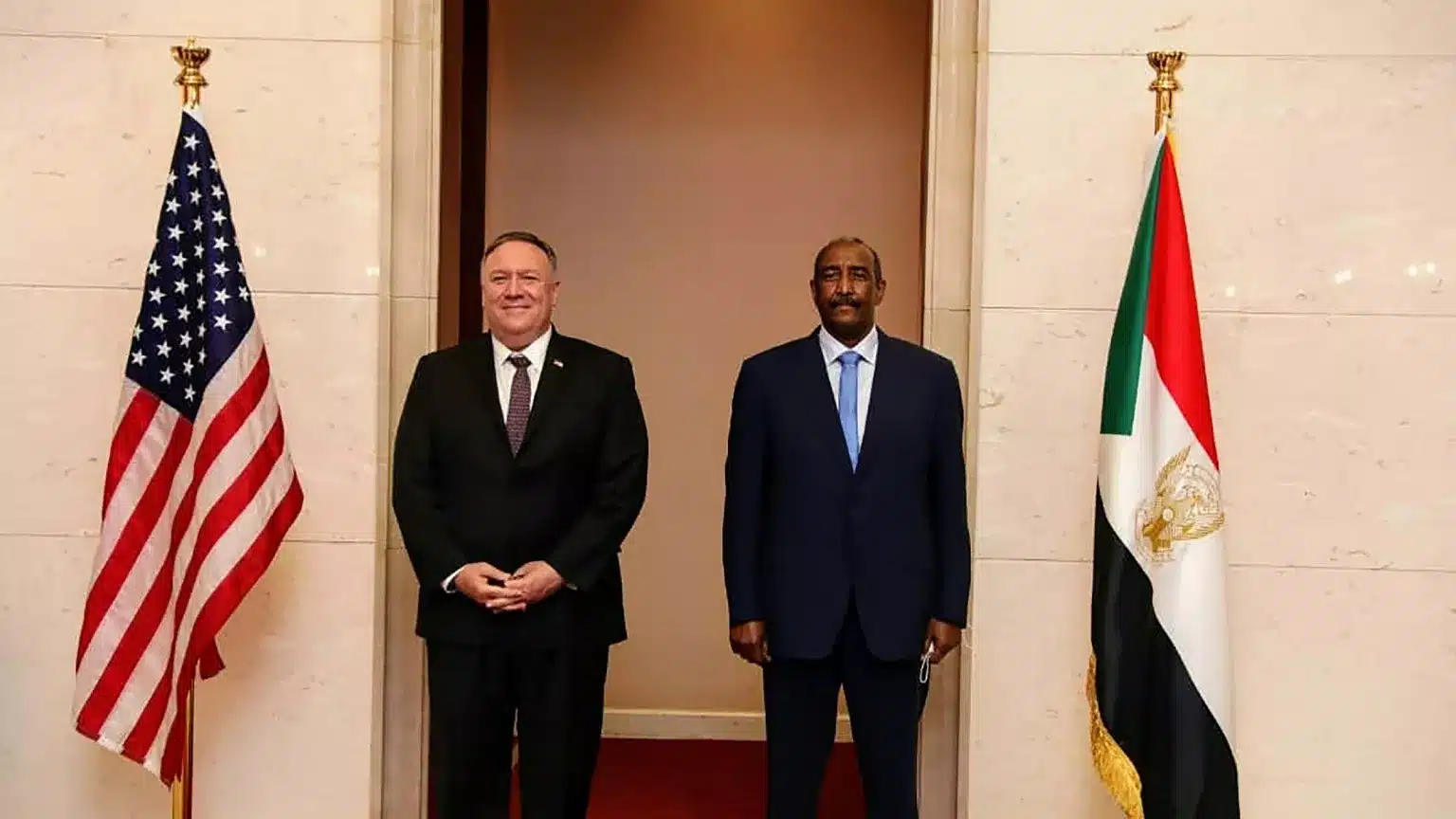
On August 11, General Abdel Fattah al-Burhan, head of Sudan’s Sovereign Council and commander of the army, departed the coastal city of Port Sudan on an unannounced visit to Switzerland to meet with Mossad Boules, senior advisor to the U.S. president for African affairs.

The meeting—held in Zurich and representing the highest-level contact between the two countries since the October 25, 2021 coup carried out by the army and Rapid Support Forces (RSF)—focused on ending the conflict, facilitating humanitarian aid, combating terrorism, and the prospect of direct negotiations with the UAE.

U.S.-Sudan relations had improved significantly after the ousting of President Omar al-Bashir in 2019. Washington supported Sudan’s civilian-led transitional government by removing the country from its list of state sponsors of terrorism, upgrading diplomatic relations, and more. However, ties soured following the coup, which the U.S. condemned as a power grab.

Since then, the U.S. has not actively pursued a Sudan strategy independently, nor has it engaged in high-level talks, including the negotiations held in Jeddah between the Sudanese army and the RSF—talks that were co-mediated by Saudi Arabia.

That mediation process was suspended in late 2023 after both parties failed to implement confidence-building measures, such as withdrawing troops from cities and detaining key figures from the former regime.

Ongoing Deadlock

In August 2024, the U.S. attempted to convene talks in Geneva between the army and RSF. However, the army refused to participate unless the RSF first implemented provisions of the Jeddah Declaration. A government delegation was sent, but no negotiations took place.

At the time, the UN, African Union, Intergovernmental Authority on Development (IGAD), the U.S., UAE, Saudi Arabia, Egypt, and Switzerland all deliberated on the crisis. This led to the formation of the “United” coalition, tasked with ending the war, establishing peace, protecting civilians, and ensuring the delivery of humanitarian aid.

Despite these efforts, U.S. Special Envoy for Sudan Tom Perriello’s visits to Arab and African nations, as well as to Sudan itself, failed to make meaningful progress in bringing the warring parties back to the table. The same applied to the “United” coalition.

Perriello, who took the role after U.S. Ambassador John Godfrey’s resignation following Donald Trump’s return to power, left the position, leaving a vacuum. The Biden administration sought to fill it through the “Quad” group (U.S., Saudi Arabia, UAE, and Egypt), which had planned a meeting for July 29. That meeting was postponed due to disagreements over the final communiqué.

Multiple attempts to resolve the conflict through regional engagement—including a UK-led initiative to establish an international contact group during a London conference marking two years since the war began—have also failed.

Throughout this period, the U.S. has preferred to involve others rather than lead efforts to pressure Sudan’s army and the RSF back into talks. The recent meeting between Burhan and Boules marks a notable shift, suggesting Washington may now be ready to act alone.

Why the Shift Now?

The U.S. Congress had already moved to designate the RSF as a terrorist organization, aiming to prevent any country—including the UAE—from supplying it with arms. The Burhan-Boules meeting may represent the start of a new phase in which Washington takes control of the Sudan file, amid conflicting regional interests.

As part of its new approach, Washington has offered the Sudanese army a strong incentive: renewed cooperation on counterterrorism and direct bilateral relations, in support of its conflict-resolution plan.

Political analyst Tayseer Awadullah wrote on Facebook that the counterterrorism cooperation proposal is likely the result of a thorough U.S. assessment of Sudan’s institutional capacity to participate meaningfully. She noted that such cooperation could yield intelligence, security, and military benefits for Sudan, including joint training programs, political reforms, and reintegration into the global financial system.

The Sudanese army’s refusal to grant Russia or Iran military bases on the Red Sea coast—despite repeated requests in exchange for military support—positions it favorably in the eyes of the U.S., which may now be willing to sideline regional partners to secure its interests in Sudan as the conflict drags on.

Dr. Musab Mohamed Ali, professor of political science at Nilein University, observes that the U.S. changed its approach after the political and military stalemate that followed failed negotiations in Jeddah and Geneva. Speaking to Noon Post, he noted that Washington now appears determined to achieve a breakthrough.

“The Burhan-Boules meeting signals U.S. intent to ally with Sudan on counterterrorism, which effectively means supporting the army and building a partnership with it—unlike other countries that oppose the army and RSF sharing power in the post-war period,” he said.

He added, “This meeting could be the beginning of a resolution, especially after the Quad’s collapse. Washington is trying to take the lead by prioritizing a ceasefire and humanitarian aid. Its counterterrorism offer can be seen as a strategic incentive to push the army toward flexibility on political matters.”

Dr. Musab also highlighted the emerging U.S.-Turkey alignment on the Red Sea, noting Ankara’s offer to develop Port Sudan as part of a broader regional influence agenda, which aligns with Washington’s counterterrorism goals.

Is Washington Trying to Go It Alone in Sudan?

The U.S. Congress’s move to label the RSF a terrorist group makes cooperation with it legally and politically untenable. Widespread public outrage over the RSF’s atrocities further justifies Washington’s support for Burhan’s request to exclude the group from post-war political arrangements.

Washington’s renewed interest in Sudan may also reflect a desire to reassert its influence in Africa, particularly as Russian presence wanes. Sudan represents a strategic gateway to the Horn of Africa and East Africa. A U.S.-led solution would likely center on backing the army as the backbone of the state while eventually pressuring for a broader civilian authority.

Egypt is unlikely to object, as it supports continued army control. Saudi Arabia also favors stability in eastern Sudan to ensure the security of the Red Sea. While the UAE may obstruct any settlement, it lacks the tools to do much beyond sowing chaos.

The real challenge lies within Sudan itself. The war has caused massive destruction, a deep humanitarian crisis, and the proliferation of armed groups. Political factions are fractured, and ethnic polarization is rampant.

Nonetheless, the army—seeking to move the seat of power from Port Sudan back to Khartoum by October—may regain control, especially given the external support it has received during the conflict.

The Sudanese army is known for avoiding decisive battles, preferring to ensure stability and secure supply lines before retaking RSF-held areas in Kordofan and Darfur. This caution may also help it strike deals that allow it to stay in power longer.

For now, the U.S. is unlikely to press for a civilian transition, focusing instead on securing a ceasefire and addressing humanitarian needs. A direct dialogue between Khartoum and Abu Dhabi—brokered by Washington—could potentially end Emirati support for the RSF, which may collapse if its supply lines are severed.

In the end, the Burhan-Boules meeting reflects a significant shift in U.S. policy toward Sudan, with Washington appearing intent on leading the peace process alone. Previous multilateral approaches have only deepened the crisis. Whether this new course succeeds will depend on Washington’s ability to balance internal and external interests.

One final possibility—though difficult to implement—cannot be ruled out: that Washington might tacitly back the RSF’s unspoken aim of separating Darfur and parts of Kordofan from Sudan should it capture El Fasher, the last major urban stronghold under army control. This, paradoxically, could pave the way toward restoring stability in the rest of Sudan.

Download this article as PDF
Share this Article
Facebook Twitter Whatsapp Whatsapp Telegram Email Copy Link
فريق التحرير
By فريق التحرير تقارير يعدها فريق تحرير نون بوست.
Follow:
Previous Article نون بوست Freed Prisoners and the Shadows of Prisons That Never Vanish
Next Article نون بوست The New Gas Deal: Windfall for Israel, Heavy Burden for Egypt

Read More

  • U.S. Regime‑Change Policies: Why They Are Destined to Fail U.S. Regime‑Change Policies: Why They Are Destined to Fail
  • The Gulf’s Balancing Act: Iran, Israel, and Hidden Links
  • Iraq–Turkey Oil Export Treaty: Why Did Ankara Cancel It After 52 Years?
  • Syria’s Northeast on Edge: QSD Between Ankara and Damascus
  • Has Europe Changed Its Stance on Israel… or Just Its Language?
part of the design
NoonPost Weekly Newsletter

You May Also Like

U.S. Regime‑Change Policies: Why They Are Destined to Fail

U.S. Regime‑Change Policies: Why They Are Destined to Fail

إسراء سيد Esraa sayed 8 April ,2026
The Gulf’s Balancing Act: Iran, Israel, and Hidden Links

The Gulf’s Balancing Act: Iran, Israel, and Hidden Links

فريق التحرير Noon Post 8 April ,2026
Iraq–Turkey Oil Export Treaty: Why Did Ankara Cancel It After 52 Years?

Iraq–Turkey Oil Export Treaty: Why Did Ankara Cancel It After 52 Years?

فريق التحرير Noon Post 8 April ,2026

تفاصيل ليلة الإفراج عن نائب المراقب العام لإخوان الأردن

رائد رمان
رائد رمان Published 16 January ,2016
Share
2014112195055243734_19

قضى نائب المراقب العام لجماعة الإخوان المسلمين زكي بني أرشيد حكمًا بالسجن وصل إلى العام ونصف العام في سجن ماركا، بتهمة “تعكير صفو العلاقات مع دولة شقيقة”، وفق ما أسند له مدعي عام محكمة أمن الدولة، وذلك بعد أن كتب على صفحته في “فيسبوك”، انتقاد لدولة الإمارات، لوضعها جماعة الإخوان المسلمين ضمن لائحة الجماعات الإرهابية.

297 يومًا قضاها بني أرشيد في سجنه، وكان من المفترض أن يفرج عنه ظهر يوم الإثنين بتاريخ 4 يناير، ولكن إدارة سجن ماركا، قامت بالإفراج عنه قبل ساعات من فجر يوم الإثنين، مسجلة بذلك سابقة هي الأولى من نوعها، وذلك بالإفراج عن سجين سياسي، قبل انقضاء مدة حكمه بالكامل، وفقًا لما بينه عبد القادر الخطيب، محامي الدفاع عن بني أرشيد.

وقال الخطيب في تصريحات خاصة “تفاجأت بخروج موكلي قبل موعد انقضاء حكمه بساعات، فقد أخبرتني إدارة السجن قبلها بيوم أن موكلي سيخرج ظهر يوم الإثنين، موعد انقضاء كامل مدة الحكم، ولكن الذي حصل أن إدارة السجن، طلبت من موكلي فجر الإثنين الاستعداد للإفراج، حيث قامت بإيصاله في سيارة أمن إلى منزله في حوالي الساعة الواحدة فجرًا”.

وفسر الخطيب قرار الإفراج عن موكله قبل موعده قائلاً: “يبدو أن إدارة سجن ماركا، قررت الإفراج عن موكلي فجرًا والناس نيام، وذلك لتفويت الفرصة على أنصاره ومؤيديه من التجمع والحشد أمام بوابة السجن، من أجل الاحتفاء به إكرامًا له، وإعلاءً من شأنه كما كان معلنًا من قبل، حيث دعت جماعة الإخوان المسلمين إلى التجمع أمام بوابة سجن ماركا لاستقبال موكلي عند خروجه وتهنئته بالإفراج”.

بني أرشيد طلب وكالات قانونية لمساجين لا يملكون مالاً

وتابع الخطيب حديثه عن أحوال موكله بني أرشيد داخل السجن بقوله “كان نائب المراقب العام لجماعة الإخوان محبوبًا جدًا من نزلاء مهجعه داخل سجن ماركا، وكذلك من الأمن في داخل السجن، فقد كان يحظى باحترام الجميع، حتى إن إدارة السجن عملت على تكريمه مع آخرين، وذلك بالسماح لأسرته بزيارته وتناول طعام الإفطار معه في رمضان الماضي”.

وواصل رئيس لجنة الحريات في حزب جبهة العمل الإسلامي حديثه عن موكله قائلاً: “من اللفتات الإنسانية التي تميز بها موكلي داخل السجن، أنه قد مر عليّ مدة من الزمن لم أزره في سجنه، وذلك بعد النطق بالحكم، وكان قد أعطى رقم هاتفي لأحد المفرج عنهم، وطلب منه الاتصال بي، وإخباري أنه يريد أن أزوره في السجن، وبالفعل قمت بزيارته بعد الاتصال الهاتفي، وإذ به يطلب مني أن أقبل وكالات قانونية لمساجين داخل السجن لا يملكون مالا من أجل توكيل محام”.

وكشف الخطيب أن الشيخ بني أرشيد، طلب منه تحديد موعد زيارة للنزلاء الذين كانوا برفقته في مهجعه، للاطمئنان عليهم وعلى أحوالهم، ولكن إدارة السجن رفضت طلب بني أرشيد دون إبداء الأسباب.

وأضاف محامي الدفاع “تقدم موكلي داخل سجنه، بشكوى قضائية ضد صحيفة الرأي، بتهمتي التحريض والإساءة، وذلك لنشرها معلومات إبان مثول بني أرشيد أمام القضاء، اعتبرها موكلي أنها ستؤثر على مسار القضية التي كانت ما زالت منظورة أمام هيئة قضائية”.

وبين الخطيب أن القضية ما زالت منظورة أمام المدعي العام، على أن يتم إحالتها إلى المحكمة خلال الأيام القليلة المقبلة، منوها إلى أنه سبق أن أقام بني أرشيد قضية ضد صحيفة الرأي، حيث حصل على تعويض مالي من الصحيفة بعد أن حكمت المحكمة لصالحه.

وحول مذكرات نائب المراقب العام، قال الخطيب: “إن موكلي كان يدون ويكتب كل الأحداث التي مرت به داخل السجن، وكان يحفظها على أوراق خاصة به، ولكن عند اقتراب موعد الإفراج عنه، قامت إدارة السجن بمصادرة المذكرات، الأمر الذي أغضب موكلي، في الوقت الذي يعتبر فيه قرار إدارة السجن مخالفًا لقانون السجون، إذ ينص القانون على تسليم المفرج عنه كل مستلزماته وحاجياته الخاصة، ويمنع مصادرتها”.

وأردف الخطيب قائلاً: “قمت بمراجعة إدارة السجن حول المذكرات، وطلبت منها تسليمها لموكلي، فوعدت الإدارة بتسليمها ولكن بعد تدقيقها وقراءتها”.

النزلاء أقاموا حفل وداع لبني أرشيد

من ناحيته، أكد علي بني أرشيد نجل الشيخ، أن إدارة سجن ماركا، فاجأت العائلة عندما أحضرت الشيخ إلى المنزل فجر يوم الإثنين، أي قبل موعد الإفراج بساعات، وهم لم يكونوا يتوقعوا هذا الأمر، حيث كانوا يهيئون أنفسهم لاستقباله ظهر يوم الإثنين.

وقال علي حول أول ما طلبه والده عند الوصول إلى المنزل فجر الإثنين: “كان أول طلب لوالدي من والدتي، هو إعداد فنجان قهوة، لأنه لم ير أن قهوة السجن كالقهوة التي كان يشربها في المنزل”.

علي بني أرشيد، اعتذر عن الاسترسال في الحديث عن أحوال والده داخل السجن أو ليلة الإفراج عنه، نزولاً عند رغبة والده، ولكنه أكد أن النزلاء في مهجع والده، أقاموا له حفلة وداع صغيرة، مع عشاء بسيط، وذلك قبل الإفراج عنه بلحظات، لتهنئته بمناسبة الإفراج والسلام عليه، وشكره على مواقفه معهم.

 بني أرشيد عاكف على مبادرة إصلاحية

في النهاية، وحول المبادرة التي أعلن عنها نائب المراقب العام لجماعة الإخوان المسلمين زكي بني أرشيد، حاولنا معرفة عناوينها وبنودها وأهدافها، ولكن لم تحصل على إجابة وافية شافية.

فقد اكتفى مصدر داخل جماعة الإخوان بالقول إن “المبادرة التي أعلن عنها نائب المراقب العام، قد خطرت له في سجنه، وهو الآن عاكف مع الأطراف أصحاب العلاقة، ذوي الاختصاص، لدراسة المبادرة ومناقشتها، والسير في إجراءاتها لتخرج بالصورة النهائية”.

وتوقع المصدر قيام بني أرشيد بعقد مؤتمر صحفي قريبًا، لشرح بنود مبادرته، وتوضيح أهدافها، ووسائلها التي ستعمل على تحقيقها على أرض الواقع من أجل إنجاحها ورؤيتها النور.

إلى ذلك، يتساءل مراقبون ومهتمون بالشأن الإخواني، إن كانت مبادرة بني أرشيد الغامضة ستنجح في ظل التشظي والخلاف الذي تعيشه جماعة الإخوان المسلمين؟ وهل تعجل بني أرشيد في طرح مبادرته التي يصعب نجاحها وتقبلها بعد أن توسع الرتق على الراتق؟

فالمبادرة التي حسب المتوقع، سيتم عرضها من قِبل بني أرشيد على قيادة الجماعة للداخل الإخواني وللخارج السياسي، ينتظرها الكل بعد جريان كثير من المياه تحت الأقدام، فالمشهد اختلف، حيث يتطلب قراءة مغايرة للمعطيات والتحديات التي تواجه جماعة الإخوان المسلمين، فهل ستنجح المبادرة أم ستصبح كسابقتها؟

المصدر: أردن الإخبارية

TAGGED: إخوان الأردن ، الإخوان المسلمون في الأردن ، الإفراج عن زكي بني أرشيد ، حزب جبهة العمل الإسلامي
Download this article as PDF
Share this Article
Facebook Twitter Whatsapp Whatsapp Telegram Email Copy Link
رائد رمان
By رائد رمان صحفي أردني
Follow:
Next Article نون بوست The Stigma of “ISIS”: A Heavy Legacy Haunting Women and Children of Former Members

Read More

  • U.S. Regime‑Change Policies: Why They Are Destined to Fail U.S. Regime‑Change Policies: Why They Are Destined to Fail
  • The Gulf’s Balancing Act: Iran, Israel, and Hidden Links
  • Iraq–Turkey Oil Export Treaty: Why Did Ankara Cancel It After 52 Years?
  • Syria’s Northeast on Edge: QSD Between Ankara and Damascus
  • Has Europe Changed Its Stance on Israel… or Just Its Language?
part of the design
NoonPost Weekly Newsletter

You May Also Like

U.S. Regime‑Change Policies: Why They Are Destined to Fail

U.S. Regime‑Change Policies: Why They Are Destined to Fail

إسراء سيد Esraa sayed 8 April ,2026
The Gulf’s Balancing Act: Iran, Israel, and Hidden Links

The Gulf’s Balancing Act: Iran, Israel, and Hidden Links

فريق التحرير Noon Post 8 April ,2026
Iraq–Turkey Oil Export Treaty: Why Did Ankara Cancel It After 52 Years?

Iraq–Turkey Oil Export Treaty: Why Did Ankara Cancel It After 52 Years?

فريق التحرير Noon Post 8 April ,2026
dark

An independent media platform founded in 2013, rooted in slow journalism, producing in-depth reports, analysis, and multimedia content to offer deeper perspectives on the news, led by a diverse young team from several Arab countries.

  • Politics
  • Society
  • Rights & Liberties
  • Opinions
  • History
  • Sports
  • Education
  • Technology
  • Economy
  • Media
  • Arts & Literature
  • Entrepreneurship
  • Travel
  • Cinema & Drama
  • Food
  • Health
  • Culture
  • Latest Reports
  • Files
  • Long Reads
  • Interviews
  • Podcast
  • Interactive
  • Encyclopedia
  • In Pictures
  • About Us
  • Our Writers
  • Write for Us
  • Editorial Policy
  • Advanced Search
Some rights reserved under a Creative Commons license

Removed from favorites

Undo
Go to mobile version