NoonPost NoonPost

NoonPost

  • Home
  • Politics
  • Economy
  • Society
  • Culture
  • Files
  • Long Reads
  • Podcast
AR
Notification Show More
نون بوست
“There Are Nights I Can’t Close My Eyes”: How Gazans Are Living in Homes on the Brink of Collapse
نون بوست
From al-Jolani to Ahmad al-Shara: The Evolution of Syria’s New Leader
نون بوست
When Political Islam Receded in Egypt: Who Filled the Void?
نون بوست
An Extension of Genocide: Gaza’s Detainees Speak Out
نون بوست
A Tightrope Between Survival and Sovereignty: The Syrian Government Faces Normalization Pressures
نون بوست
American Aircraft Carriers: Has the Era of “100,000 Tons of Diplomacy” Ended?
نون بوست
U.S. Regime‑Change Policies: Why They Are Destined to Fail
نون بوست
Transformations of Israeli Judaism: Between the Victim Complex and the Colonizer’s Doctrine
نون بوست
The Gulf’s Balancing Act: Iran, Israel, and Hidden Links
نون بوست
Iraq–Turkey Oil Export Treaty: Why Did Ankara Cancel It After 52 Years?
نون بوست
Syria’s Northeast on Edge: QSD Between Ankara and Damascus
نون بوست
Has Europe Changed Its Stance on Israel… or Just Its Language?
NoonPost NoonPost
AR
Notification Show More
نون بوست
“There Are Nights I Can’t Close My Eyes”: How Gazans Are Living in Homes on the Brink of Collapse
نون بوست
From al-Jolani to Ahmad al-Shara: The Evolution of Syria’s New Leader
نون بوست
When Political Islam Receded in Egypt: Who Filled the Void?
نون بوست
An Extension of Genocide: Gaza’s Detainees Speak Out
نون بوست
A Tightrope Between Survival and Sovereignty: The Syrian Government Faces Normalization Pressures
نون بوست
American Aircraft Carriers: Has the Era of “100,000 Tons of Diplomacy” Ended?
نون بوست
U.S. Regime‑Change Policies: Why They Are Destined to Fail
نون بوست
Transformations of Israeli Judaism: Between the Victim Complex and the Colonizer’s Doctrine
نون بوست
The Gulf’s Balancing Act: Iran, Israel, and Hidden Links
نون بوست
Iraq–Turkey Oil Export Treaty: Why Did Ankara Cancel It After 52 Years?
نون بوست
Syria’s Northeast on Edge: QSD Between Ankara and Damascus
نون بوست
Has Europe Changed Its Stance on Israel… or Just Its Language?
Follow US

From Stage to Statecraft: Why Egyptian Artists Have Been Sidestepped from Riyadh Season

فريق التحرير
Noon Post Published 26 March ,2026
Share
نون بوست
نون بوست

“With absolute bluntness, we go to Saudi Arabia to get money,” declared Egyptian actor Bayoumi Fouad often described as “more Saudi than Saudis themselves” highlighting how Riyadh Season once served as a lucrative “livelihood gateway” for Egyptian artists. Yet that very gateway an open stage in one of the region’s largest cultural spectacles is now being shut.

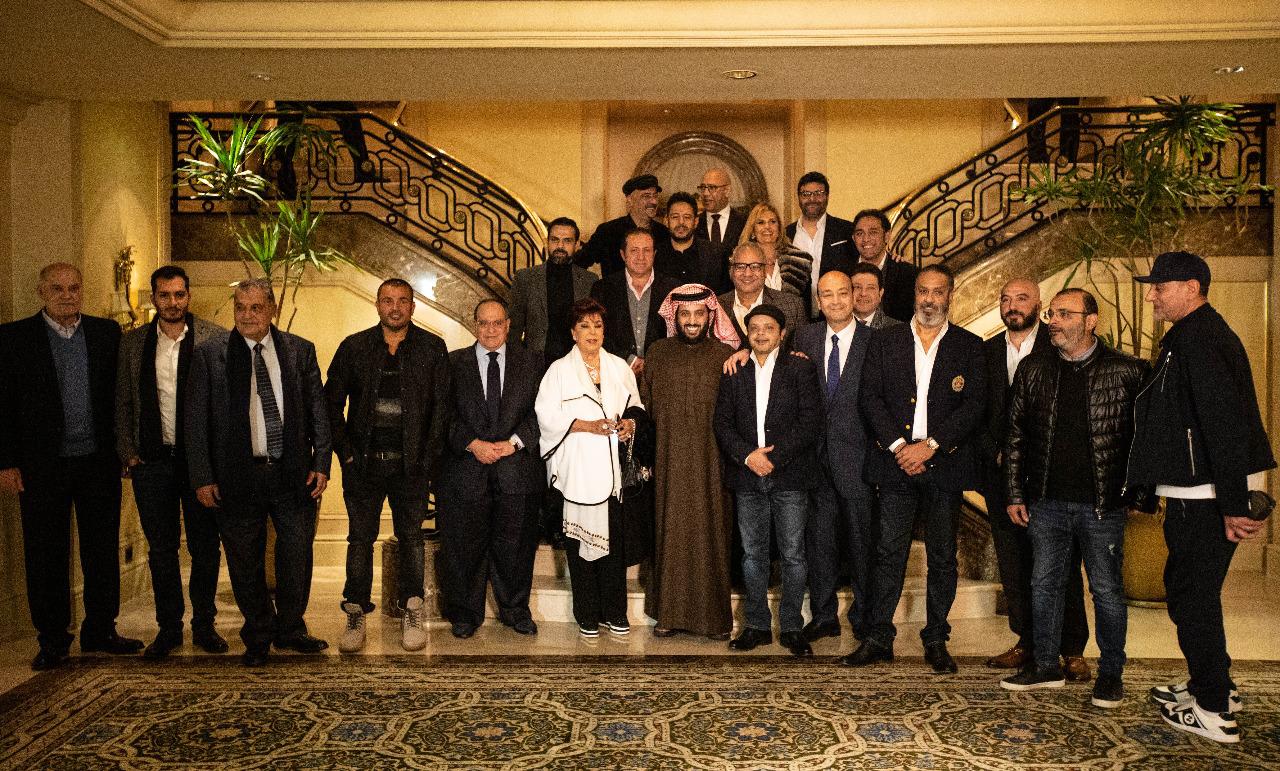
Just days ago, Turki Al‑Sheikh, head of Saudi Arabia’s General Entertainment Authority, delivered a startling announcement about the upcoming Riyadh Season: after drawing more than 19 million global visitors in its previous edition, the event would now rely primarily on Saudi and Gulf singers and theater performers, with opportunities extended to Syrians and international acts—but notably silent on Egyptian participation.

What matters most is not only what the “advisor” did say, but what he conspicuously omitted: Egyptian artists, who played a foundational role in Riyadh’s events since its launch six years ago and were deeply cherished by both Al‑Sheikh and Saudi audiences—even some granted Saudi citizenship—have been erased from the narrative.

Though the move appears cultural on its surface, it swiftly ventures into political terrain, reframing the event’s exclusion of Egyptians as emblematic of the intricate perhaps strained dynamics between Cairo and Riyadh. Does this mark a shift in regional soft power, or have political fissures finally spilled into the cultural realm?

The End of a Honeymoon with Egyptian Artists

Since its inception in 2019, Riyadh Season has become one of the largest entertainment festivals in the region, featuring grand concerts, theatrical productions, and mass gatherings.

Under Al‑Sheikh’s oversight a figure both revered and feared the festival showcased celebrated Arab artists, especially from Egypt and Lebanon, whose appearances filled venues, aired on television, and occasionally provoked controversy regarding cultural propriety.

A recent social media post by Al‑Sheikh praising Syrian theater (without mention of Egypt) suddenly read like a dramatic breakup with the posting of a photo featuring Syrian star Ayman Zidan confirming the shift.

Egyptian artists, who had answered the call to participate in 2023 even as Gaza endured deadly bombings, shouldered public criticism at home and yet had helped revive Riyadh Season’s momentum. Now, they find themselves replaced by Syrian artists.

Moreover, this shift follows Al‑Sheikh’s earlier mocking of Egyptian Transport and Industry Minister Kamel El‑Wazir over road construction costs a context that fans political subtext.

Egyptian responses have been mixed: ex‑Minister of Information Anas El‑Feki framed the decision as open to interpretation was there fatigue with Egyptian criticism, an artistic repetition, or simply changing festival strategy?

Meanwhile, Egyptian–Saudi media figure Amr Adib, usually aligned with the Egyptian regime, staunchly defended Al‑Sheikh, turning the debate into a broader media spectacle.

Comedian Mohamed Henedy himself holding Saudi citizenship offered neither criticism nor defense, merely thanking Saudi Arabia and Al‑Sheikh for their past support. Social media in Egypt ranged from derision accusing the artists of “selling out”—to indignation or self‑reflection on Egypt’s own infrastructure and artistic potential.

Some Egyptians doubted Riyadh Season’s success absent Egyptian talent, while others interpreted the move as symbolic of Riyadh distancing itself from Cairo’s cultural dominance.

A Soft Blow to Egyptian Livelihoods

Riyadh Season has long been a major economic platform for Egyptian artists providing performance contracts in a rising Saudi entertainment market. Many in Egypt understood that criticizing Al‑Sheikh risked “having one’s livelihood cut off.”

The exclusion underscores the reach of the Saudi entertainment apparatus, which invests heavily in Egyptian production entities, broadcast channels, and content distribution networks. Egypt, in turn, reaped financial opportunities but with that came vulnerability.

Excluding prominent Egyptian artists is more than a cultural loss; it threatens cultural exchange, artistic investment, and broader professional opportunities. There is even concern it could spill into other sectors tourism, investment, and beyond—at a time when Saudi financial support has been stabilizing Egypt’s faltering economy under Sisi’s rule.

More Than an Artistic Gesture

Al‑Sheikh’s decision cannot be viewed in isolation from Egypt‑Saudi political shifts. Their relationship has fluctuated between collaboration and tension spanning sports, culture, and economic aid. More recently, Egyptian audiences criticized a Saudi-supported film starring Ahmed Helmy, seen as perpetuating negative stereotypes of Egyptians.

Al‑Sheikh frames the move as nurturing local and Gulf arts. Yet the implications are broader: it could represent Saudi Arabia’s push for regional cultural sovereignty asserting its emerging entertainment industry amid a traditionally Egypt‑dominated Arab cultural sphere.

This strategy may also serve as a symbolic message to Egypt’s leadership suggesting that Saudi Arabia no longer views Egypt solely as a trusted cultural ally. Rather, Riyadh may be signaling impatience with a system it deems overly extractive and strategically passive.

Simultaneously, the decision comes as regional tensions rise particularly over Gaza. Many argue the festival, amid humanitarian crisis, could have emphasized Arab solidarity instead. Excluding Egyptian artists in that context has drawn criticism for skewing priorities from empathy to spectacle.

Will the Rift Surface?

A decision of this magnitude likely has backing from Saudi leadership not merely a personal whim of Al‑Sheikh. While public bilateral cooperation remains, the warmth has noticeably cooled. Shared interests on Sudan or Red Sea security have not quelled deeper disagreements—over Syria’s reintegration, Egypt’s growing ties with Iran, or contentious issues like Tiran and Sanafir islands.

Such tensions have eroded trust and the sheen of alignment. Cultural disengagement, especially from Egyptian contributors, may deepen that divide. The consequences could reverberate across diplomatic, economic, and cultural spheres.

Ultimately, Al‑Sheikh’s decision is a litmus test for Egypt–Saudi rapprochement amid mounting regional uncertainty. For two of the Arab world’s most powerful nations, the cost of tension is high and cultural estrangement may signal deeper distances ahead.

Download this article as PDF
Share this Article
Facebook Twitter Whatsapp Whatsapp Telegram Email Copy Link
فريق التحرير
By فريق التحرير تقارير يعدها فريق تحرير نون بوست.
Follow:
Previous Article نون بوست Anas Al-Sharif… Gaza’s Voice Silenced by Obscurity
Next Article نون بوست Why Has Egypt Shifted from Exporting Gas to Israel to Importing It?

Read More

  • U.S. Regime‑Change Policies: Why They Are Destined to Fail U.S. Regime‑Change Policies: Why They Are Destined to Fail
  • The Gulf’s Balancing Act: Iran, Israel, and Hidden Links
  • Iraq–Turkey Oil Export Treaty: Why Did Ankara Cancel It After 52 Years?
  • Syria’s Northeast on Edge: QSD Between Ankara and Damascus
  • Has Europe Changed Its Stance on Israel… or Just Its Language?
part of the design
NoonPost Weekly Newsletter

You May Also Like

U.S. Regime‑Change Policies: Why They Are Destined to Fail

U.S. Regime‑Change Policies: Why They Are Destined to Fail

إسراء سيد Esraa sayed 8 April ,2026
The Gulf’s Balancing Act: Iran, Israel, and Hidden Links

The Gulf’s Balancing Act: Iran, Israel, and Hidden Links

فريق التحرير Noon Post 8 April ,2026
Iraq–Turkey Oil Export Treaty: Why Did Ankara Cancel It After 52 Years?

Iraq–Turkey Oil Export Treaty: Why Did Ankara Cancel It After 52 Years?

فريق التحرير Noon Post 8 April ,2026

تعرّف على المغربية ليلى علوي التي قتلها تنظيم القاعدة

فريق التحرير
Noon Post Published 20 January ,2016
Share
dcb4be1ad00341428aefbb27e1d566ae_18

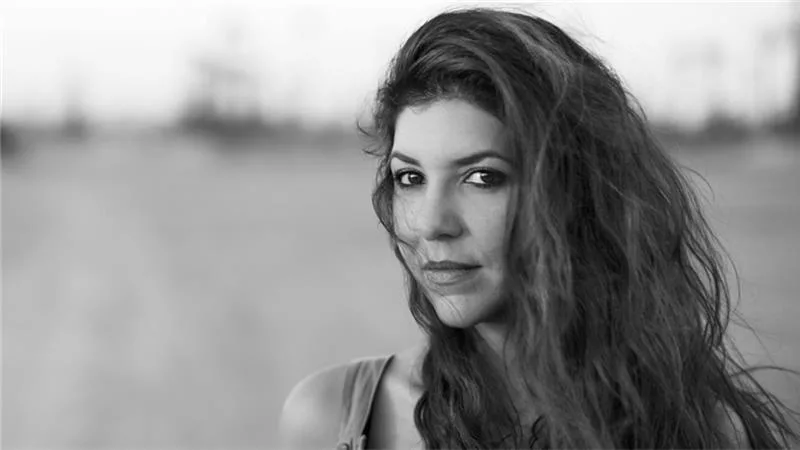
“ليلى علوي” المصورة المغربية التي قتلها مسلحون تابعون لتنظيم القاعدة، إحدى المجموعات المنضوية تحت لواء  تنظيم القاعدة في بلاد المغرب الإسلامي، إثر هجوم مسلح في بوركينا فاسو قتل 32 آخرين في مشروع تصويري يتبع لمنظمة العفو الدولية بخصوص حقوق المرأة الأسبوع الماضي، تأثرت ليلى بجراح في البطن والرئتين والكلية والقدم، لتبقى في المشفى وسط طلبات ملحة من أهلها للسلطات الفرنسية ليتم نقلها إلى فرنسا، البلد التي تحمل جنسيته، لتتلقى العلاج الأفضل، إلا أن ليلى لم تستطع أن تقاوم ووافتها المنية صباح الإثنين الماضي بعد مُضي ثلاث ليال في المشفى بعد الحادث، ليتم ترتيب نقلها للمغرب بأمر ورسوم ملكية بأمر الملك محمد السادس.

أعلنت القاعدة عن مسؤوليتها عن عملية الهجوم المسلح وأعلنت أسماء مرتكبي الحادث، من ماتوا أيضًا إثر تبادل إطلاق النار مع حراسة الفندق طبقًا لتقرير Euronews، حيث أشعل مرتكبو الحادث النار في الفندق بعد إطلاق النار على رواده، يعدّ الحادث من أعنف الأحداث الإرهابية التي شهدتها بوركينا فاسو حيث تم اختطاف 126 أسيرًا من الفندق تم إطلاق سراحهم فيما بعد، كما يوضح الحادث تصاعدات مقلقة حول التشدد الإسلامي في غرب أفريقيا.

صرحت والدة ليلى لوكالات الأنباء بأنها ألحت لمدة ثلاث ليال على السلطات الفرنسية بأن تقوم بنقل ليلى إلى فرنسا لتلقي العمليات الجراحية المناسبة، إلا أن حالة ليلى كانت تسوء يوميًا لتعرضها لطلقات نارية عدة مرات في القدمين والذراع والرئتين أدت لفقدانها الكثير من الدم قبل أن يتم نقلها إلى مستشفى حكومي، حيث خضعت لعملية جراحية دامت لأكثر من ست ساعات، إلا أن ليلى أصيبت بعدة نوبات قلبية أدت آخرها لوفاتها في صباح يوم الإثنين الماضي.

من هي ليلى علوي؟

مصورة مغربية فرنسية ماهرة في عمر الثالثة والثلاثين، ولدت في فرنسا وأكملت دراسة التصوير في جامعة The City في نيويورك، عملت على العديد من المشاريع التصويرية الخاصة باللاجئين والمهاجرين، وبخاصة في القضية السورية، حيث قامت منذ 2013 بتصوير العديد من الألبومات الخاصة بحالة اللاجئين السوريين في الأردن ولبنان بعنوان “الناطرين” وعنوان “بدون جواز سفر”، كما صوّرت في أحد مشروعاتها الخاصة معاناة المهاجرين غير الشرعيين، وبخاصة الأفارقة منهم، ورحلات عبورهم المرعبة للوصول إلى الشواطئ الأوروبية بعنوان “العبور”، حيث قامت بتوثيقه فوتوغرافيًا وفي صورة كليب فيديو يصوّر الرحلة من عين المهاجر نفسه، كما يصور حكايات خاصة عاشها المهاجرون ما قبل وأثناء الرحلة.


 الفيديو الخاص بمشروع “العبور” الذي يصور رحلة المهاجرين

تميّزت ليلى في أعمالها بالتركيز على التنوع الثقافي ومفهوم الهوية، فإسهامتها في التصوير تلخصت في التركيز على رؤية من في إطار الصورة نفسه عن الصورة وعن الحدث، ليتميز العمل بواقعية اجتماعية جمالية، انتشر عملها الفني عالميًا منذ 2009، كان آخرها معرض Maison Européenne de la Photographie  في باريس بعنوان “المغاربة”، عرضت فيه ليلى صورًا مختلفة لزوايا مختلفة من المجتمع المغربي بعد أن قضت أيامًا معهم لتعرض الصور بالطريقة المميزة لعملها وهي الصور من وجهة نظر من يتم تصويرهم وليس من وجهة نظر المصوّر.

صور من معرض “المغاربة”، تصوير ليلى علوي

نون بوست


نون بوست

نون بوست

من ألبوم ” ناطرين” من مخيمات الأردن ولبنان للاجئين

نون بوست


نون بوست

مشروع بوركينا فاسو الذي أنهته القاعدة قبل أن يبدأ

نون بوست

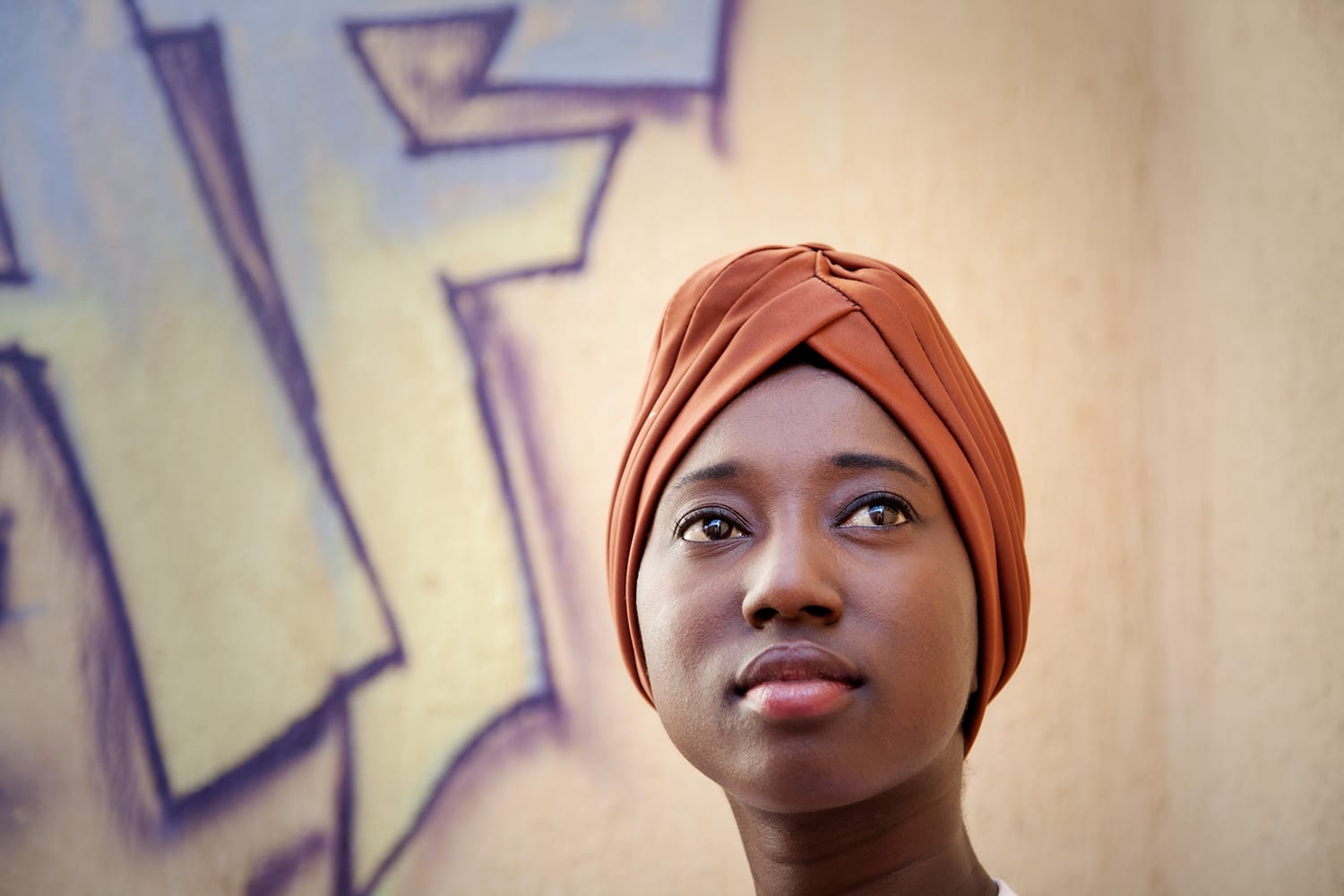
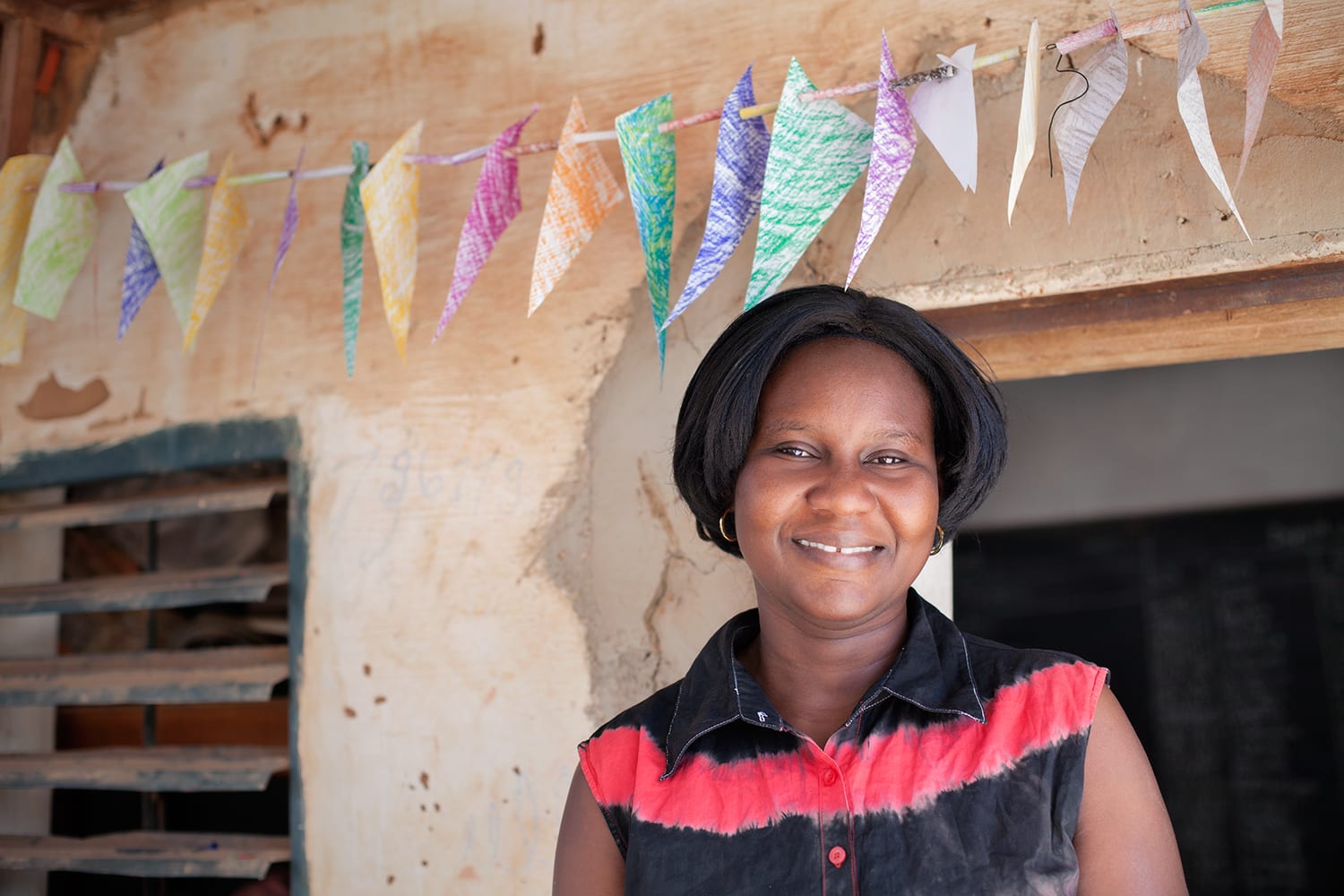
مليكة، إحدى الفتيات التي التقطت لهن ليلى صورة في 13 يناير  2016 ضمن مشروع ” جسدي من حقي”، كواحد من المشروعات التي تعمل عليها من أجل حقوق المرأة في الحقوق الجنسية والصحة الإنجابية

نون بوست

مارتينا كابوريه، التقطت ليلى لها صورة في 13 يناير ضمن مشروع حقوق المرأة ” جسدي من حقي”، وهي تعمل كرئيسة لملجأ يأوي فتيات تعرضن للعنف الجنسي أو الزواج القسري أو الحمل المبكر

في حوار سابق لها مع الجزيرة وصفت ليلى فنها المهتم بقضية اللاجئين والمهاجرين بأنها قضية مغروسة فيها منذ الصغر، حيث ذكرت الوقت الذي كانت تعيش في المغرب في سن المراهقة، كانت قصص عابري البحر المتوسط قضايا يومية في الأخبار بالنسبة لها، وكانت تعلم في قرارة نفسها بأن الظلم الاجتماعي والعنف الاجتماعي والسياسي تسببوا في موت كل هؤلاء الضحايا غرقًا في البحر، كما ذكرت ليلى بأن جنسيتها الفرنسية أعطتها الميزة في التحرك بحرية عبر الحدود، لتبدأ دراستها في مدينة نيويورك حيث واجهت هي الأخرى تساؤلات حول الهوية والثقافة، ومن هنا بدأ اهتمامها بالثقافات الفرعية والأقليات والمجموعات المُهمشة، حيث قررت استخدام صوتها ونشاطها الاجتماعي من خلال كاميرتها.

صرحت منظمة العفو الدولية بعد الحادث بحزنها على الحادث الأليم الذي أفقدهم المصورة الموهوبة ليلى علوي التي أرسلوها في مهمة لتصوير مشروع خاص بحقوق المرأة في غرب أفريقيا، وستقوم المنظمة بتدبير كل ما يخص عملية نقل جثمانها إلى المغرب بالتعاون مع السلطات المغربية، كما ستقوم بتأمين احتياجات عائلتها.

للاطلاع على أعمال المصورة الراحلة ليلى علوي

TAGGED: التصوير الفوتوغرافي ، الفن ، تنظيم القاعدة
Download this article as PDF
Share this Article
Facebook Twitter Whatsapp Whatsapp Telegram Email Copy Link
فريق التحرير
By فريق التحرير تقارير يعدها فريق تحرير نون بوست.
Follow:
Next Article نون بوست The Stigma of “ISIS”: A Heavy Legacy Haunting Women and Children of Former Members

Read More

  • U.S. Regime‑Change Policies: Why They Are Destined to Fail U.S. Regime‑Change Policies: Why They Are Destined to Fail
  • The Gulf’s Balancing Act: Iran, Israel, and Hidden Links
  • Iraq–Turkey Oil Export Treaty: Why Did Ankara Cancel It After 52 Years?
  • Syria’s Northeast on Edge: QSD Between Ankara and Damascus
  • Has Europe Changed Its Stance on Israel… or Just Its Language?
part of the design
NoonPost Weekly Newsletter

You May Also Like

U.S. Regime‑Change Policies: Why They Are Destined to Fail

U.S. Regime‑Change Policies: Why They Are Destined to Fail

إسراء سيد Esraa sayed 8 April ,2026
The Gulf’s Balancing Act: Iran, Israel, and Hidden Links

The Gulf’s Balancing Act: Iran, Israel, and Hidden Links

فريق التحرير Noon Post 8 April ,2026
Iraq–Turkey Oil Export Treaty: Why Did Ankara Cancel It After 52 Years?

Iraq–Turkey Oil Export Treaty: Why Did Ankara Cancel It After 52 Years?

فريق التحرير Noon Post 8 April ,2026
dark

An independent media platform founded in 2013, rooted in slow journalism, producing in-depth reports, analysis, and multimedia content to offer deeper perspectives on the news, led by a diverse young team from several Arab countries.

  • Politics
  • Society
  • Rights & Liberties
  • Opinions
  • History
  • Sports
  • Education
  • Technology
  • Economy
  • Media
  • Arts & Literature
  • Entrepreneurship
  • Travel
  • Cinema & Drama
  • Food
  • Health
  • Culture
  • Latest Reports
  • Files
  • Long Reads
  • Interviews
  • Podcast
  • Interactive
  • Encyclopedia
  • In Pictures
  • About Us
  • Our Writers
  • Write for Us
  • Editorial Policy
  • Advanced Search
Some rights reserved under a Creative Commons license

Removed from favorites

Undo
Go to mobile version