NoonPost NoonPost

NoonPost

  • Home
  • Politics
  • Economy
  • Society
  • Culture
  • Files
  • Long Reads
  • Podcast
AR
Notification Show More
نون بوست
“There Are Nights I Can’t Close My Eyes”: How Gazans Are Living in Homes on the Brink of Collapse
نون بوست
From al-Jolani to Ahmad al-Shara: The Evolution of Syria’s New Leader
نون بوست
When Political Islam Receded in Egypt: Who Filled the Void?
نون بوست
An Extension of Genocide: Gaza’s Detainees Speak Out
نون بوست
A Tightrope Between Survival and Sovereignty: The Syrian Government Faces Normalization Pressures
نون بوست
American Aircraft Carriers: Has the Era of “100,000 Tons of Diplomacy” Ended?
نون بوست
U.S. Regime‑Change Policies: Why They Are Destined to Fail
نون بوست
Transformations of Israeli Judaism: Between the Victim Complex and the Colonizer’s Doctrine
نون بوست
The Gulf’s Balancing Act: Iran, Israel, and Hidden Links
نون بوست
Iraq–Turkey Oil Export Treaty: Why Did Ankara Cancel It After 52 Years?
نون بوست
Syria’s Northeast on Edge: QSD Between Ankara and Damascus
نون بوست
Has Europe Changed Its Stance on Israel… or Just Its Language?
NoonPost NoonPost
AR
Notification Show More
نون بوست
“There Are Nights I Can’t Close My Eyes”: How Gazans Are Living in Homes on the Brink of Collapse
نون بوست
From al-Jolani to Ahmad al-Shara: The Evolution of Syria’s New Leader
نون بوست
When Political Islam Receded in Egypt: Who Filled the Void?
نون بوست
An Extension of Genocide: Gaza’s Detainees Speak Out
نون بوست
A Tightrope Between Survival and Sovereignty: The Syrian Government Faces Normalization Pressures
نون بوست
American Aircraft Carriers: Has the Era of “100,000 Tons of Diplomacy” Ended?
نون بوست
U.S. Regime‑Change Policies: Why They Are Destined to Fail
نون بوست
Transformations of Israeli Judaism: Between the Victim Complex and the Colonizer’s Doctrine
نون بوست
The Gulf’s Balancing Act: Iran, Israel, and Hidden Links
نون بوست
Iraq–Turkey Oil Export Treaty: Why Did Ankara Cancel It After 52 Years?
نون بوست
Syria’s Northeast on Edge: QSD Between Ankara and Damascus
نون بوست
Has Europe Changed Its Stance on Israel… or Just Its Language?
Follow US

Assassination of Anas al-Sharif: A Final Attempt to Silence the Truth

يمان الدالاتي
Yaman Dalati Published 26 March ,2026
Share
نون بوست
نون بوست

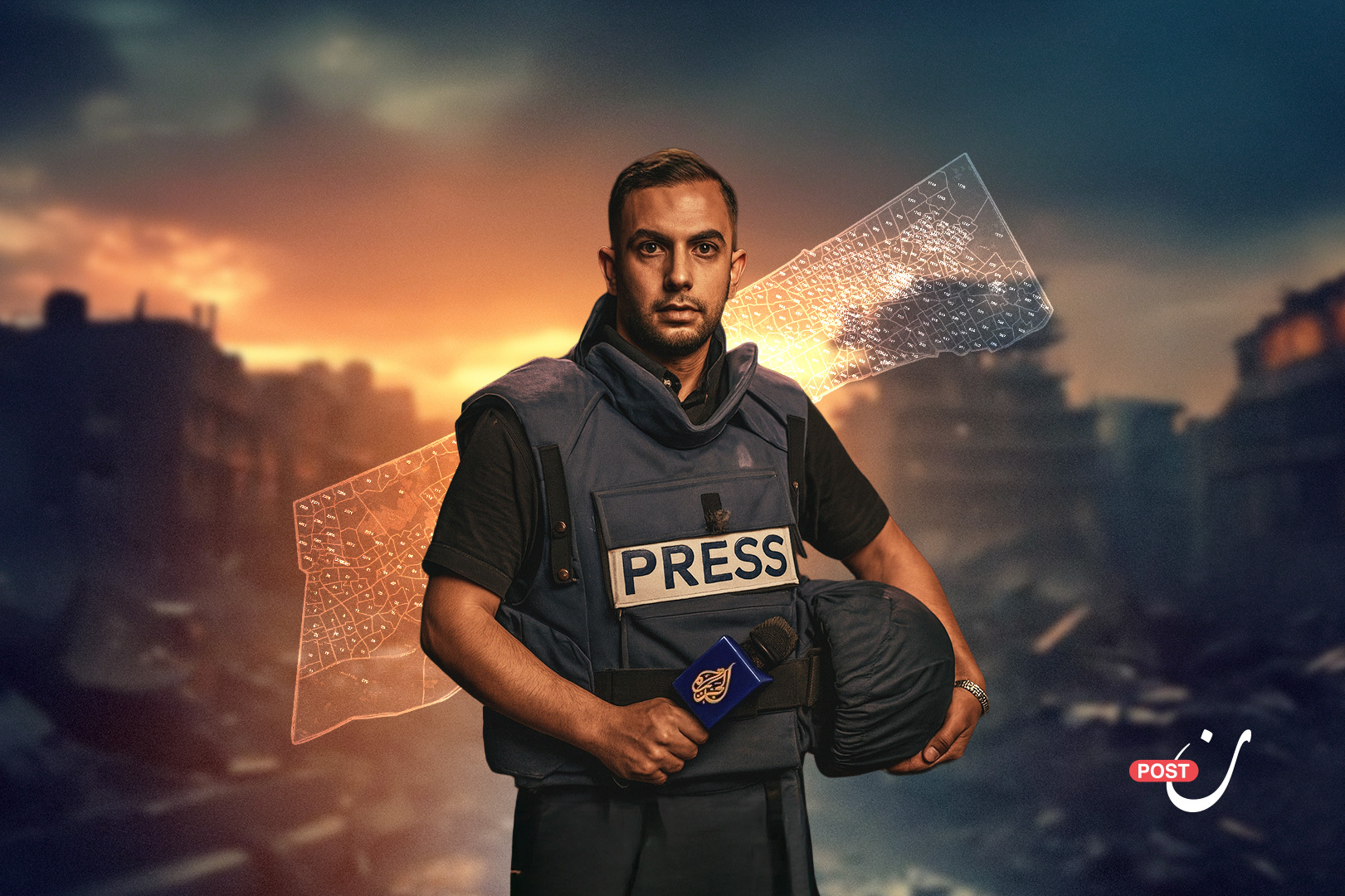
On the 675th day of Israel’s war of annihilation in Gaza, the media arena lost one of its most fearless voices with the killing of Palestinian journalist Anas al-Sharif, Al Jazeera’s correspondent, in an Israeli strike that targeted the journalists’ tent near al-Shifa Hospital.

He was fulfilling his professional duty, documenting atrocities and conveying the truth. The strike also injured his colleagues — correspondent Mohammed Qreiqa and cameramen Ibrahim Zahir and Mohammed Noufel — sparking a wave of condemnation.

Al Jazeera issued a statement holding the Israeli army and government responsible for the deaths of its correspondents, calling it “a deliberate attack on press freedom.” The network noted the incident occurred amid an ongoing “humanitarian catastrophe” in Gaza, adding that Anas and several colleagues had previously faced incitement and threats from Israeli military officials.

With his death, the number of journalists killed in Gaza rises to 238 — a grim toll reflecting the price media professionals pay, carrying their cameras and voices into the heart of tragedy to bear witness until their final moments.

Anas al-Sharif: A Symbol of Truth in Gaza

Anas was more than a field correspondent — he was a symbol of courage in one of the world’s most dangerous reporting environments. From the outset of his career, he went where others stepped back, determined to expose Israeli brutality and reveal the scale of Palestinian suffering to the world.

Born in 1996 in the Jabalia refugee camp in northern Gaza, Anas grew up in the city of Jabalia, attending UNRWA and Palestinian Ministry of Education schools. In 2014, he enrolled at Al-Aqsa University, graduating with a degree in radio and television in 2018. He began his career volunteering with the North Media Network before joining Al Jazeera as a correspondent.

As his reporting gained prominence, Anas became a clear target for the Israeli military. He faced repeated death threats and public accusations from Israeli ministers, alleging ties to Hamas — charges he denied. Undeterred, he continued covering the war on the ground.

The war claimed dozens of his family members, including his father, who was killed in an Israeli airstrike on December 11, 2023, during a bombing campaign that devastated residential neighborhoods. He returned to reporting within hours, refusing to be silenced by grief.

Anas held a special place in the hearts of Palestinians and supporters worldwide. Millions followed his coverage for its accuracy and integrity. In Gaza, he was a steadfast voice for its people amid global silence.

A Direct Strike at the Word

On Sunday evening, the area around al-Shifa Hospital became the scene of another targeted killing of Palestinian journalists. An Israeli drone struck the journalists’ tent, fully aware it served as shelter for media crews.

The attack killed Anas, journalist Mohammed al-Khaldi, cameraman Moamen Aliwa, and seven others, according to al-Shifa Medical Complex director Dr. Mohammed Abu Salmiya.

Anas’s final appearance on air came just hours before his death, during Al Jazeera’s noon news bulletin, reporting on the rising death toll from hunger and malnutrition, especially among children.

In a subsequent statement, the Israeli army admitted targeting Anas, claiming he was “a terrorist disguised as a journalist” and a Hamas cell leader. These allegations echoed months of incitement against him following his extensive coverage of Gaza’s starvation crisis.

The army asserted it had “intelligence and documents” proving his Hamas affiliation, citing alleged lists, training records, phone directories, and payroll files as “conclusive evidence.”

This narrative aligned with repeated attacks on Anas by Israeli military spokesperson Avichay Adraee, who had publicly targeted him three times since the war began. The last such attack came in late July 2025, when Adraee accused him of being “one of six Al Jazeera journalists affiliated with Hamas or Islamic Jihad” — claims the network categorically denied. Anas had described these accusations as “incitement” and an attempt to silence him.

Global Outcry and Condemnation

The killing drew sharp condemnation from media and human rights circles worldwide, seen as a blatant assault on truth and press freedom. Organizations including Reporters Without Borders and the Committee to Protect Journalists denounced the attack, noting that killing journalists in Gaza has become a systematic policy to conceal events on the ground.

In the UK, the assistant general secretary of the National Union of Journalists called the killings “another horrific act in the war on journalism,” describing them as a direct targeting of Al Jazeera.

At the United Nations, Irene Khan, the special rapporteur on freedom of opinion and expression, said the Israeli army “is trying to kill the truth but will not succeed,” calling Anas “a courageous journalist” who had told her personally of his resolve to keep exposing reality despite the risks.

In the United States, the National Press Club expressed deep sorrow, with its president calling Anas “a distinguished journalist” and noting he was among more than 200 journalists killed since the war began.

In Palestine, Hamas mourned Anas and Mohammed Qreiqa, calling their killing “a barbaric crime that exceeds all bounds of fascism and brutality,” warning it could pave the way for a major atrocity in Gaza City. The movement urged the international community, particularly the UN Security Council, to condemn the killings and take immediate action to halt unprecedented violations of international law and hold Israeli leaders accountable.

A Final Testament

“If these words reach you, know that Israel has succeeded in killing me and silencing my voice. God knows I gave everything in me to be a pillar and a voice for my people, from the moment I opened my eyes in the alleys of Jabalia camp. My hope was to live long enough to return with my family and loved ones to occupied Asqalan, but God’s will was done.”

With these words, Anas Jamal al-Sharif departed, leaving behind a testament to Palestine and Gaza’s people, urging the defense of its oppressed children who never had the chance to dream or live in safety, their bodies crushed under thousands of tons of Israeli bombs and missiles.

“I entrust you with Palestine, the jewel of the Muslim crown and the heartbeat of every free soul in this world. Do not let chains silence you, nor borders halt you. Be the bridges toward liberating the land and its people, until the sun of dignity and freedom rises over our stolen homeland.”

Download this article as PDF
Share this Article
Facebook Twitter Whatsapp Whatsapp Telegram Email Copy Link
يمان الدالاتي
By يمان الدالاتي صحفية ومحررة في موقع نون بوست
Follow:
Previous Article نون بوست Why Has Egypt Shifted from Exporting Gas to Israel to Importing It?
Next Article نون بوست The Settlers: Israeli Atrocities Are Not Limited to Gaza

Read More

  • U.S. Regime‑Change Policies: Why They Are Destined to Fail U.S. Regime‑Change Policies: Why They Are Destined to Fail
  • The Gulf’s Balancing Act: Iran, Israel, and Hidden Links
  • Iraq–Turkey Oil Export Treaty: Why Did Ankara Cancel It After 52 Years?
  • Syria’s Northeast on Edge: QSD Between Ankara and Damascus
  • Has Europe Changed Its Stance on Israel… or Just Its Language?
part of the design
NoonPost Weekly Newsletter

You May Also Like

U.S. Regime‑Change Policies: Why They Are Destined to Fail

U.S. Regime‑Change Policies: Why They Are Destined to Fail

إسراء سيد Esraa sayed 8 April ,2026
The Gulf’s Balancing Act: Iran, Israel, and Hidden Links

The Gulf’s Balancing Act: Iran, Israel, and Hidden Links

فريق التحرير Noon Post 8 April ,2026
Iraq–Turkey Oil Export Treaty: Why Did Ankara Cancel It After 52 Years?

Iraq–Turkey Oil Export Treaty: Why Did Ankara Cancel It After 52 Years?

فريق التحرير Noon Post 8 April ,2026

حصار الموصل هل ينتهي بتمور الاحتلال؟

أحمد الملاح
أحمد الملاح Published 21 January ,2016
Share
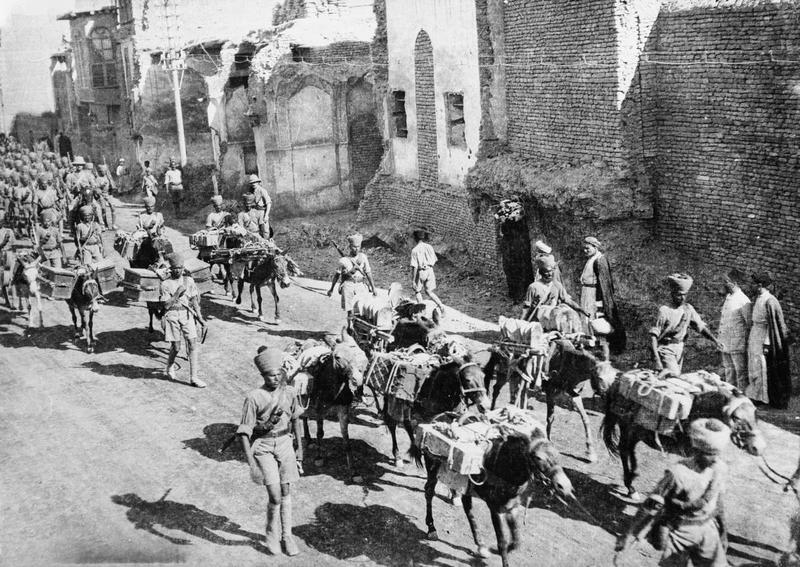
indian_army_transport_section_moves_along_new_street_baghdad_during_the_entry_of_british_forces_into_the_city_on_11_march_191-2

تبدأ الحكاية مع الحصار عام 1743 حينما قرر حاكم إيران الملقب بنادر شاه، الحرب على الدولة العثمانية بحجة عدم قبول الأخيرة بالاعتراف بالمذهب الإثني عشري كمذهب من المذاهب الإسلامية الرسمية؛ الأمر الذي دفع جيوش الشاه للزحف إلى العراق وحصار واقتحام المدن العراقية حتى وصل الأمر لحصار مدينة الموصل بعد استباحة كركوك وأربيل.

استمر حصار الموصل من قِبل جيش نادر شاه لمدة 40 يومًا، تم دك المدينة المحاطة بقلعة باشطابية الشهيرة بالمدافع وتجويع أكبر الولايات العثمانية شمال العراق وسوريا آنذاك، ولكن أهالي المدينة قرروا الصمود بعد مجموعة تحصينات قام بها الأهالي بقيادة والي الموصل حسين باشا الجليلي لأن السلطان العثماني لم يكن بحال اقتصادي وسياسي يسمح بإرسال المعونات أو المقاتلين للولايات، واستمرت المعركة حتى تسلل أحد رجال والي الموصل لمعسكر نادر شاه وغرس خنجر في وسادته محملًا برسالة من والي الموصل ليدرك نادر في الصباح أن المدينة لن تهزم فتم الاتفاق على الصلح والانسحاب بجيشه مسجلًا نصرًا تاريخيًا ما يزال أهالي مدينة الموصل يتفاخرون به.

بعد أقل من قرنين من الحصار تتكرر المأساة ولكن بشكل مختلف حين تضرب المجاعة المدينة خلال الحرب العالمية الأولى التي شاركت الدولة العثمانية فيها تحديدًا في عام 1917، فلم ينزل المطر في مناطق ما تسمى بالجزيرة (المناطق المحصورة ما بين دجلة والفرات) وكانت الموصل أكبر تلك المدن المتأثرة بالمجاعة؛ فبلغت الأمور بالناس أن بدأت بأكل القطط والكلاب ووصل الأمر لجريمة أكل لحوم البشر التي هزت كيان الدولة العثمانية آنذاك!

آكل لحوم البشر المجرم عبود أبو القلية

ملخص حادثة أكل لحوم البشر والتي تنتهي عندما أقدم أحد الأشخاص ليتناول في السوق شيئًا من اللحم المطبوخ مع البسمنة على نار هادئة المسماة بالعامية (القلية) فلاحظ في فمه شيئًا صلبًا فلفظه وتفحصه فإذا هو سلامية لإصبع صغير وهي عظمة لا توجد في الدواب، فشك في الأمر وأبلغ الشرطة.

ألقت الشرطة القبض على عبّود وزوجته خجّاوة وتمت مداهمة بيتهم، وأثناء التفتيش اُكتشف بئر ملئ بالرؤوس البشرية لأطفال صغار كما وجد رأس لأعرابي بضفائر وعضام لبقايا بشرية.

أثناء التحقيق اعترف عبود وزوجته بذبحهما لهؤلاء الأطفال، حيث نشر حوار بين الحاكم وزوجة عبود في إحدى المجلات التركية آنذاك على النحو التالي:

الحاكم: كيف أقدمتما على هذا العمل؟

المرأة: جعنا واحتملنا الجوع إلى حد لا يطاق وقت الحصار، فاتفقنا أخيرًاعلى أكل الهررة، وهكذا كان، وبقينا نصطادها ونأكلها إلى أن نفدت، فبدأنا نأكل الكلاب ونفدت أيضًا وكان لحمها أطيب وأشهى من لحم الهررة، فجربنا أكل لحوم البشر.

الحاكم: بمن بدأتما أولاً؟

المرأة: بامرأة عجوز خنقناها وطبخناها في قدر كبير، إلا أننا قضينا كل تلك الليلة نتقيأ لأن لحمها كان دسمًا، ثم ذبحنا ولدًا صغيرًا فوجدنا لحمه في غاية اللذة والجودة.

الحاكم: وكيف كنتم تصطادون الأولاد؟

المرأة: بواسطة ابننا، كان يأتي كل يوم بواحد بحيلة اللعب معه، فنخنقه ونأكله وندفن عظامه في هوة عميقة حفرناها داخل بيتنا.

الحاكم: كم ولدًا أكلتما؟

المرأة: لا أذكر تمامًا ولكن يمكن إحصاءهم من عدد جماجمهم.

وحكم عليهما بالإعدام في ساحة باب الطوب وسط مدينة الموصل، وفي يوم الاعدام مر عبود وزوجته بين حشود من المتفرجين الساخطين وهم يشتموه ويلعنوه، لم يبد الندم على عبود رغم ذلك، فقد كان يرد على الشتيمة بمثلها معتقد أنه لم يذنب وأن الحكومة هي من دفعته إلى هذا العمل بتجويعه دون الالتفات لما يعاني.

نون بوست

عبود وزوجته خلال إعدامهم في ساحة باب الطوب وسط مدينة الموصل 

نون بوست

عبود وزوجته خجّاوة

كيف انتهت مجاعة الموصل؟ 

انتهت قصة مجاعة الموصل بدخول الاحتلال البريطاني للمدينة محملًا بالتمور من الجنوب العراقي، منهين بذلك فصل من أقبح الفصول التي مرت بها البشرية من مأسٍ حتى تم تبرير أكل لقطط والكلاب وصولًا للحوم الأطفال البشرية، واستبشر الناس فرحين بالإنجليز رغم معرفتهم أنه احتلال لكن احتلال يحمل التمر ويسد الجوع! ورغم العقل الجمعي الذي تحمله المدينة حول مقاومة الإنكليز لكن الجوع كان أقسى من الصمود.

تأثيرات الحصار والمجاعة على الحياة الاجتماعية لسكان الموصل

حصار الموصل وماله من تأثير على المدينة في موضوع حفر السراديب والأنفاق وطمر المكتنزات استمر لقرون من الزمن، ولكن المجاعة كان لها الأثر البالغ على المدينة فدخل الأمر في تكوين شخصية الموصلي ليكون حذر ومستعد لمواجهة المجاعة وأي أمر مستعجل بتخطيط طويل مسبق.

لذلك تجد في كل بيت موصلي حتى المتعففين مايسمى ببيت المأونة ويلفض بالعامية (بيت الموْني) ليخزن فيه الحبوب والزيوت والطعام المجفف تحسبًا للطارئ، حتى في سنوات الرخاء في سبعينات القرن الماضي حافظ الموصليون على تلك الطبائع التخزينية فقد أصبحت جزءًا منهم لذلك كانوا الأكثر قدرة على تحمل فترة الحصار الأمريكي في تسعينات القرن الماضي على العراق، وقد وصل الأمر لتفاصيل حياة الموصلي بشكل أعمق فلا تجد موصلي يخرج بسيارته ولا يحمل معه عجلة احتياط وبعض أدوات التصليح وعلبة مياه وغيرها من التفاصيل التي تدل على الحرص المبالغ فيه، وكل من يعاشر شخص موصلي سيجد ذلك الحرص والتنظيم المبالغ فيه في كثير من الأحيان الذي قد يكون مصدر للمدح والذم بحسب الزاوية التي تتابع فيها الأمور.

القصص المؤلمة أمثال قصة المجرم عبود وزوجته تسربت عبر الأجيال لتكون جزءًا من أهازيج الأمهات للأطفال لتخويفهم من اللعب خارج المنزل وتحذيرهم من الخطف، وغيرها من أحاديث وقصص المجاعة والحصار والحرب التي كنت أستمتع في طفولتي بالإنصات لجدتي – رحمها الله – وهي ترويها، كان أبرزها عندما فرض العثمانيون على جدي إطعام عدد من الجنود قسرًا لأنه من أعيان ومقتدري المدينة، ولأن الدولة العثمانية لا تمتلك ما تطعم به جنودها في ذلك الوقت في نهاية القرن التاسع عشر وبداية القرن العشرين.

حصار الموصل المتجدد وقصص الجوع الحالية

تلك التأثيرات لم تكد تنتهي حتى تجد لها مبرر يعيدها ويوقد جذوتها من جديد، فلم تمض على مجاعة 1917 قرن حتى تم حصار المدينة بشكل جديد لتجوع مرة ثانية بين مطرقة الحكومة العراقية متمثلة بقطع الرواتب والمساعدات وبين سندان داعش الذي يذبح ويقتل من يحاول الخروج من المدينة.

حكايات متجددة عاينتها بنفسي من أشخاص تمكنوا من الهرب من المدينة بأعجوبة ومخاطرة كبيرة، تتحدث عن جوع يدب بالمدينة بصمت؛ فذلك أستاذ الإعدادية الموظف في وزارة التربية العراقية لم يستلم راتبه منذ ما يقترب من عام وهو يبيع في أحد أسواق المدينة الشعبية كأس به حبات من الرمان المجهز للأكل يحمله على رأسه ليبيعه بقيمة 20 سنتًا أو ما يعادل 250 دينارًا عراقيًا أو نصف ليرة تركية ليسد جوع أطفاله التي حرمتهم الدولة العراقية من حقهم وتتعنت داعش أن يخرجوا إلى مدينة ثانية يجدوا فيها العيش الكريم.

تتكرر المأساة مع عائلة ثانية لا تمتلك معيل فتجمع الخبز اليابس وعندما يتذمر الأطفال يوضع لهم في الماء بعض أصباغ العصائر الملونة لينقع فيها الخبز ويؤكل.

إلى اليوم لم تصل الموصل للمرحلة التي تجعل منهم يأكلون القطط والكلاب ويظهر فيهم عبود وخجّاوة، ولكن سير الأحداث لا يبشر بخير، فنحن ننحدر بقوة، بين من لا يهمها حتى لو قتل من في المدينة جميعًا مادام شعارها يطبق “باقية وتتمدد”، وقوة ثانية تعتبر الموصل مذنبة بذنب للأسف لم ترتكبه وعليها أن تدفع الثمن، وتجاهل دولي تام، فهل نصل إلى مجاعة جديدة تنتهي بتمر الاحتلال البريطاني؟ أم يكون لحكومة بغداد والمجتمع الدولي رأي آخر؟

TAGGED: التحالف الدولي ضد داعش ، الوضع العراقي ، تجويع ، تحرير الموصل ، حصار المدن
TAGGED: داعش
Download this article as PDF
Share this Article
Facebook Twitter Whatsapp Whatsapp Telegram Email Copy Link
أحمد الملاح
By أحمد الملاح كاتب وباحث عراقي، دكتوراه في تاريخ القانون، محرر أول في نون بوست
Follow:
Next Article نون بوست The Stigma of “ISIS”: A Heavy Legacy Haunting Women and Children of Former Members
part of the design
NoonPost Weekly Newsletter
dark

An independent media platform founded in 2013, rooted in slow journalism, producing in-depth reports, analysis, and multimedia content to offer deeper perspectives on the news, led by a diverse young team from several Arab countries.

  • Politics
  • Society
  • Rights & Liberties
  • Opinions
  • History
  • Sports
  • Education
  • Technology
  • Economy
  • Media
  • Arts & Literature
  • Entrepreneurship
  • Travel
  • Cinema & Drama
  • Food
  • Health
  • Culture
  • Latest Reports
  • Files
  • Long Reads
  • Interviews
  • Podcast
  • Interactive
  • Encyclopedia
  • In Pictures
  • About Us
  • Our Writers
  • Write for Us
  • Editorial Policy
  • Advanced Search
Some rights reserved under a Creative Commons license

Removed from favorites

Undo
Go to mobile version