



NoonPost NoonPost

NoonPost

  • Home
  • Politics
  • Economy
  • Society
  • Culture
  • Files
  • Long Reads
  • Podcast
AR
Notification Show More
نون بوست
“There Are Nights I Can’t Close My Eyes”: How Gazans Are Living in Homes on the Brink of Collapse
نون بوست
From al-Jolani to Ahmad al-Shara: The Evolution of Syria’s New Leader
نون بوست
When Political Islam Receded in Egypt: Who Filled the Void?
نون بوست
An Extension of Genocide: Gaza’s Detainees Speak Out
نون بوست
A Tightrope Between Survival and Sovereignty: The Syrian Government Faces Normalization Pressures
نون بوست
American Aircraft Carriers: Has the Era of “100,000 Tons of Diplomacy” Ended?
نون بوست
U.S. Regime‑Change Policies: Why They Are Destined to Fail
نون بوست
Transformations of Israeli Judaism: Between the Victim Complex and the Colonizer’s Doctrine
نون بوست
The Gulf’s Balancing Act: Iran, Israel, and Hidden Links
نون بوست
Iraq–Turkey Oil Export Treaty: Why Did Ankara Cancel It After 52 Years?
نون بوست
Syria’s Northeast on Edge: QSD Between Ankara and Damascus
نون بوست
Has Europe Changed Its Stance on Israel… or Just Its Language?
NoonPost NoonPost
AR
Notification Show More
نون بوست
“There Are Nights I Can’t Close My Eyes”: How Gazans Are Living in Homes on the Brink of Collapse
نون بوست
From al-Jolani to Ahmad al-Shara: The Evolution of Syria’s New Leader
نون بوست
When Political Islam Receded in Egypt: Who Filled the Void?
نون بوست
An Extension of Genocide: Gaza’s Detainees Speak Out
نون بوست
A Tightrope Between Survival and Sovereignty: The Syrian Government Faces Normalization Pressures
نون بوست
American Aircraft Carriers: Has the Era of “100,000 Tons of Diplomacy” Ended?
نون بوست
U.S. Regime‑Change Policies: Why They Are Destined to Fail
نون بوست
Transformations of Israeli Judaism: Between the Victim Complex and the Colonizer’s Doctrine
نون بوست
The Gulf’s Balancing Act: Iran, Israel, and Hidden Links
نون بوست
Iraq–Turkey Oil Export Treaty: Why Did Ankara Cancel It After 52 Years?
نون بوست
Syria’s Northeast on Edge: QSD Between Ankara and Damascus
نون بوست
Has Europe Changed Its Stance on Israel… or Just Its Language?
Follow US

Between India and Pakistan: The Yemeni Diaspora

فريق التحرير
Noon Post Published 26 March ,2026
Share
نون بوست
نون بوست

When tensions between India and Pakistan flared on April 22, escalating into mutual military strikes, the world watched with deep concern. The two nuclear-armed neighbors have a long history of conflict, and fears mounted that this latest round could spiral into a broader confrontation. Arab countries called on both sides to exercise restraint and avoid further military escalation.

In Yemen, however, social media became a battleground of its own — with some users rallying behind Pakistan, others siding with India, and a larger, more pragmatic majority arguing that Yemenis had no business taking sides in a distant conflict while their own country has been mired in war for over a decade.

This heated online discourse soon cast a shadow over Yemenis living in India and Pakistan. But how has it affected them, and what is life like now for these communities?

Hurdles in India

For Yemenis in India, daily life is already fraught with restrictions. They are denied basic rights such as freedom of movement, access to education, hospital treatment, the ability to receive funds or aid, and even the right to rent housing. A 2021 report by the Euro-Mediterranean Human Rights Monitor highlighted these challenges.

India nevertheless remains a preferred destination for many Yemeni patients seeking medical care. According to the Observer Research Foundation (ORF), some 100,000 Yemenis reside permanently in India, alongside hundreds of students and short-term visitors — most arriving for medical tourism. Yet even these visitors are not spared from discrimination and hardship.

Recently, India tightened visa and residency requirements for Yemenis. While authorities have not officially explained why, activists told Noon Post that Indian officials hinted at dissatisfaction with the behavior of certain Yemeni activists during the brief India–Pakistan conflict.
نون بوست
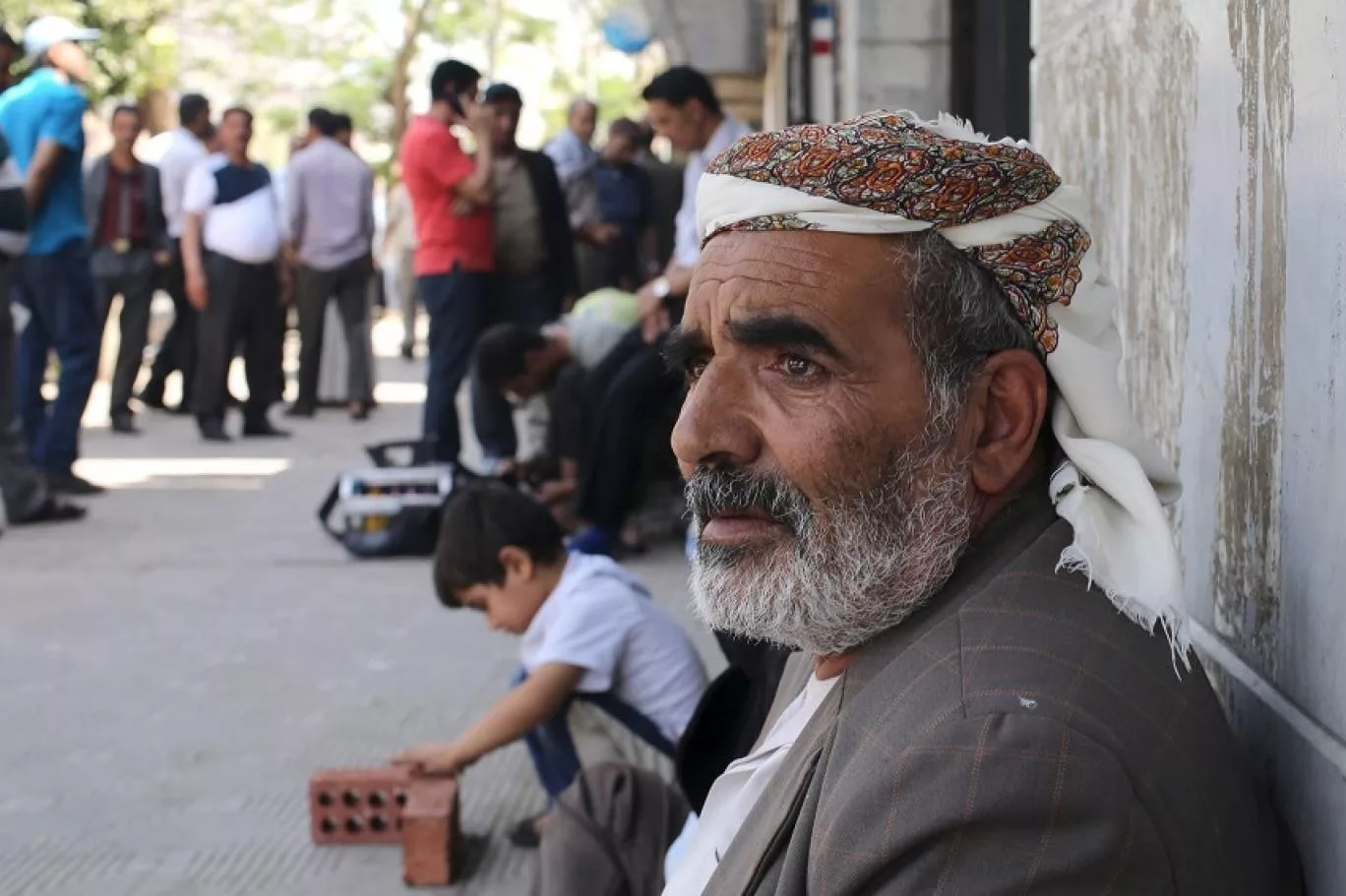
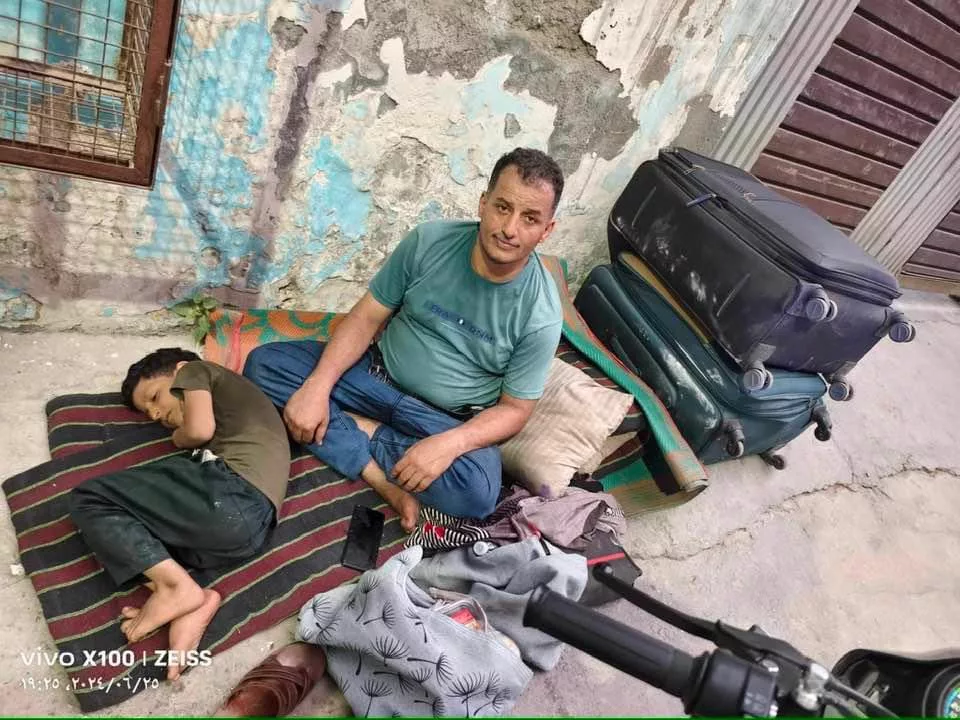
A Yemeni man with a child in India struggling due to the lack of financial aid from the Yemeni government.

In March, Indian authorities arrested Yemeni national Khaled al-Khudmi and his wife Khadija al-Nashri, placing their children under strict house arrest.

Activist Mohammed al-Rubu’i rejected the idea that this treatment was linked solely to the latest India–Pakistan flare-up, insisting it had been a persistent problem.

Al-Khudmi’s troubles date back to 2015, when his family of seven entered India on medical visas while he came on a work visa that expired in 2016 — complicating his legal status, according to the US-based Center for Justice.

Mohammed Wa’alan, a 41-year-old Yemeni caring for his brother in India for the past three years, told Noon Post that Yemenis are struggling with soaring medical costs and being barred from working to support themselves. “Many Yemenis whose treatment requires years of stay have been forced to return home because they can’t pay rent or cover medical expenses,” he said.

Yahya Ghubar, consul at the Yemeni Embassy in India, advised Yemenis to avoid political discussion while in the country. He explained that all arrivals must register with the nearest police station within 14 days or risk being denied exit at the airport — losing the cost of their ticket in the process. He added that India has recently enacted even stricter regulations.

Arrests in Pakistan

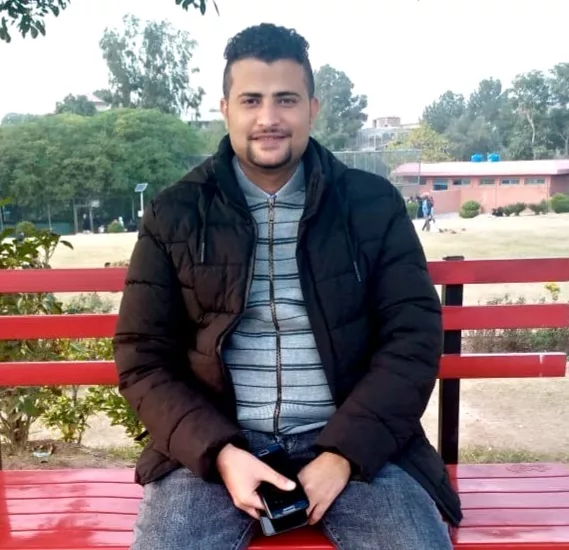
Conditions for Yemenis in Pakistan are not much better. Students and activists face arrests by Islamabad’s security forces. On May 13, Khaled al-Shurabi, president of the Yemeni Students’ Union in Pakistan, vanished after leaving his residence. His whereabouts remain unknown.

Yemeni activists accused Pakistani intelligence of detaining him over his human rights work. In a statement, al-Shurabi’s family urged the Yemeni government to intervene and secure his release.

Abdul Fattah, speaking to Noon Post, criticized the Yemeni Embassy’s silence, saying the case could only mean one of two things: “Either he is in the custody of Pakistani security forces, or he is missing.
نون بوست
The president of Yemen’s Students’ Union in Pakistan, forcibly disappeared.

If the latter is true, the embassy should publicly announce it and help locate him.” He accused the embassy of turning a blind eye, implying that al-Shurabi’s disappearance served its interests.

More than 5,000 Yemenis live across Pakistan, mostly in Karachi, followed by Lahore and Islamabad. Over 100 students are enrolled in Pakistani universities, including 40 on government scholarships, according to embassy data.

Yemen and Pakistan established diplomatic relations in 1981. Ties remained cordial for decades but cooled after Pakistan’s parliament declared neutrality in 2015, declining Saudi Arabia’s request to send troops to Yemen for the Saudi-led “Decisive Storm” campaign against the Houthis. Islamabad justified its stance by saying it sought to avoid sectarian strife at home.

Hopes for Improvement

In both India and Pakistan, it is common to see Yemenis protesting — over delayed stipends for students, or wounded and ill citizens awaiting financial aid from their government. Many also report falling victim to scams, particularly in India.

Yemeni activists hope conditions for the diaspora will improve, but most believe this will only happen once Yemen itself stabilizes. The country remains divided between Houthi forces in the north and factions aligned with the internationally recognized government in the south, neither of which seem particularly concerned with the welfare of their citizens abroad.

Journalist Radwan al-Hamdani told Noon Post that Yemenis in India and Pakistan must avoid entanglement in domestic politics or conflicts, respect local laws, and steer clear of hostile campaigns. Journalist Saleh al-Salmi, however, disagrees, arguing that Yemenis have a religious duty to side with Pakistan — even at personal cost.
Download this article as PDF
Share this Article
Facebook Twitter Whatsapp Whatsapp Telegram Email Copy Link
فريق التحرير
By فريق التحرير تقارير يعدها فريق تحرير نون بوست.
Follow:
Previous Article نون بوست Turkey Develops Sudan’s Ports: Is the Red Sea Closing to the UAE?
Next Article نون بوست From Wounded Memory to Regional Expansion: Iran’s Grand Strategy Unveiled

Read More

  • U.S. Regime‑Change Policies: Why They Are Destined to Fail U.S. Regime‑Change Policies: Why They Are Destined to Fail
  • The Gulf’s Balancing Act: Iran, Israel, and Hidden Links
  • Iraq–Turkey Oil Export Treaty: Why Did Ankara Cancel It After 52 Years?
  • Syria’s Northeast on Edge: QSD Between Ankara and Damascus
  • Has Europe Changed Its Stance on Israel… or Just Its Language?
part of the design
NoonPost Weekly Newsletter

You May Also Like

U.S. Regime‑Change Policies: Why They Are Destined to Fail

U.S. Regime‑Change Policies: Why They Are Destined to Fail

إسراء سيد Esraa sayed 8 April ,2026
The Gulf’s Balancing Act: Iran, Israel, and Hidden Links

The Gulf’s Balancing Act: Iran, Israel, and Hidden Links

فريق التحرير Noon Post 8 April ,2026
Iraq–Turkey Oil Export Treaty: Why Did Ankara Cancel It After 52 Years?

Iraq–Turkey Oil Export Treaty: Why Did Ankara Cancel It After 52 Years?

فريق التحرير Noon Post 8 April ,2026

محمد القيق: صحفي يخوض معركة الإضراب ضد الاحتلال منذ شهرين

شيماء الحديدي
شيماء الحديدي Published 22 January ,2016
Share
12540837_1670073149930599_3295533147599432023_n

يدخل الأسير الصحفي محمد القيق يومه الـ59 في إضرابه عن الطعام بسجون الاحتلال الإسرائيلي، بالرغم من خطورة وضعه الصحي ومعرفته بذلك، إلا أن الحرية في نظر الصحفي الفلسطيني تستحق هذه المخاطرة، فمطالبته المشروعة بأن يتم الإفراج الفوري عنه دون شروط هو الخيار الوحيد للعدول عن إضرابه الذي قد يودي بحياته مع تدهور وضعه الصحي.

أسرة القيق أكدت أن حالته الصحية في تدهورٍ مستمر وخطير بما يهدد بإصابته بنزيف دماغي، وأوضحت أن كل يوم جديد يدخله القيق في إضرابه عن الطعام تزداد مرحلة الخطورة الشديدة على حياته التي قد تؤدي إلى فقدانه الحياة أو إصابته بإعاقة مستمرة في أحد أعضائه، وطالبت الأسرة مرارًا الرئاسة الفلسطينية وحكومة الوفاق الوطني للتحرك من أجل إنقاذ حياته، لكن تلك النداءات لم تلق صدٍ لديها.

الصحفي الفلسطيني الذي لم يتجاوز الثلاثة وثلاثين من عمره أعلن عن بدء معركته في أمعاءٍ خاوية في 24 من نوفمبر من العام 2015، أي بعد ثلاثة أيام من اعتقاله، وذلك تعبيرًا منه عن رفضه الاعتقال الإداري من قبل السلطات الإسرائيلية، وتنديدًا بالمعاملة السيئة التي يلقاها، وتعرضه للتعذيب، وتهديده بتطويل فترة اعتقاله.

نون بوست

خلال الأيام القليلة الماضية دخل القيق عدة أزمات صحية، وتعرض لإغماءات متكررة اضطرت الطاقم الطبي بمستشفى العفولة الصهيوني المحتجز فيها بإنعاش قلبه كي يستعيد وعيه، حيث نقلته إلى قسم العناية المكثفة،  فالأسير بدا عليه علامات ضعفٍ وهزال شديدين، لا يستطيع معهما الوقوف على قدميه.

 كما يعاني من أوجاعٍ بعضلات جسده تشتد في الجهة اليمنى من خاصرته، وكذلك أوجاع في أطرافه وعينيه التي احمرتان كثيرًا،  فيما فقد نحو 25 كيلو جرام من وزنه، ووصل لمرحلة غاية في الخطورة يخشى معها الأطباء من إصابته بنزيف دماغي أو تلف بأحد الوظائف الحيوية بجسده، ورغم هذا فإن سلطات الاحتلال تخشى منه، إذ تكبل إحدى يديه وإحدى قدميه في السرير، كما تحطيه بحراسة مشددة مكونة من نحو ستة سجانين.

كانت”لجنة الأخلاق” والمنعقدة وفقًا لقانون إدارة سجون الاحتلال أقرت بإعطائه سوائل مدعمة في الوريد عن طريق الأنابيب بعد دخوله مرحلة خطرة، بعد أن أخبرته بأنهم سيقومون بعلاجه قسرًا، وقام مجموعة سجانين بثبيت يديه وقدميه بالقوة، وحقنه الأطباء بالمدعمات عبر الوريد لثلاثة أيام، وحاولوا أيضًا الضغط عليه من أجل كسر إضرابه، لكن القيق أصر على توقيف تلك السوائل والمدعمات، بعد تفاجئه أن اللجنة تعطيها له عقب تعرضه لغيبوبة.

التخوف هنا من تكرار موضوع العلاج القسري أو التغذية القسرية، والتي ربما قد تسبب تأثير عكسي على صحة الصحفي الأسير وتعرض حياته للخطر، فيشهد العام 1980 على ذلك، عندما لقى ثلاثة من الأسرى حتفهم بعد تطبيق سلطات الاحتلال التغذية القسرية خلال إضراب سجن نفحة، خاصةً وأنه قد صدر قانون إسرائيلي أواخر يوليو الماضي  يسمح بإطعام الأسرى بطريقة قسرية في حال تعرض حياتهم للخطر.

قانون التغذية القسرية للأسرى الفلسطينيين المضربين عن الطعام الذي أقره الكنيست الإسرائيلي بالقراءتين الثانية والثالثة في يوليو من العام الماضي، اعتبره الكثيرين أنه أداة للتعذيب حيث يمنح السجون الإسرائيلية صلاحية استخدام القوة واقتحام جسد الأسير وربطه بكرسي وتكبيله، وإدخال أنابيب التغذية لأنفه بالقوة، وتلك القوة مع الإجبار على التغذية ربما قد تتسبب في وفاة المضربين عن الطعام، وكان هذا أيضًا رأي نقابة الأطباء الإسرائيلية نفسها، لكن سلطات الاحتلال طبقت القانون حيث أنها لا تأبه لحياة الأسرى ولا لمعاناتهم حتى.

نون بوست

حتى أن الإضراب عن الطعام الذي يعتبر وسيلة الاحتجاج الوحيدة التي تتاح للأسير في سجون الاحتلال من أجل تحقيق مطالب مشروعة متعلقة بتحسين شروط الحياة في السجون، أو للمطالبة بالإفراج عنهم إذا تم اعتقالهم إداريًا دون محاكمة، باتت غير متاحة بعد إقرار هذا القانون، فوسيلة القيق للتعبير عن رفضه للظلم والتضييق الواقعين عليه أصبحت محاربة أيضًا في ظل قانون يجُبرالأسير على التغذية دونًا عنه.

زوجة القيق فيحاء شلش رغم تخوفها وطفليها من تحول صورة زوجها الأسير إلى صورة شهيد، إلا أنها أكدت بأنها لن تكل عن تنظيم الفاعليات اليومية لمحاولة تحريك الرأي العام المحلي والدولي، عل ذلك يساهم في تدخل بعض المنظمات والهيئات لإنقاذ حياته ومساندته في معركته تلك، موضحةً أن كل ثانية تمضي وكل تحرك شعبي يؤثر على مسار الإضراب ويعجل في انتصار الأسير”، وترى من تلك الفاعليات كما يرى زوجها سلاحًا ربما يعيد له حريته، أو على الأقل يسمح له من خلال برؤية أسرته الممنوعة من زيارته.

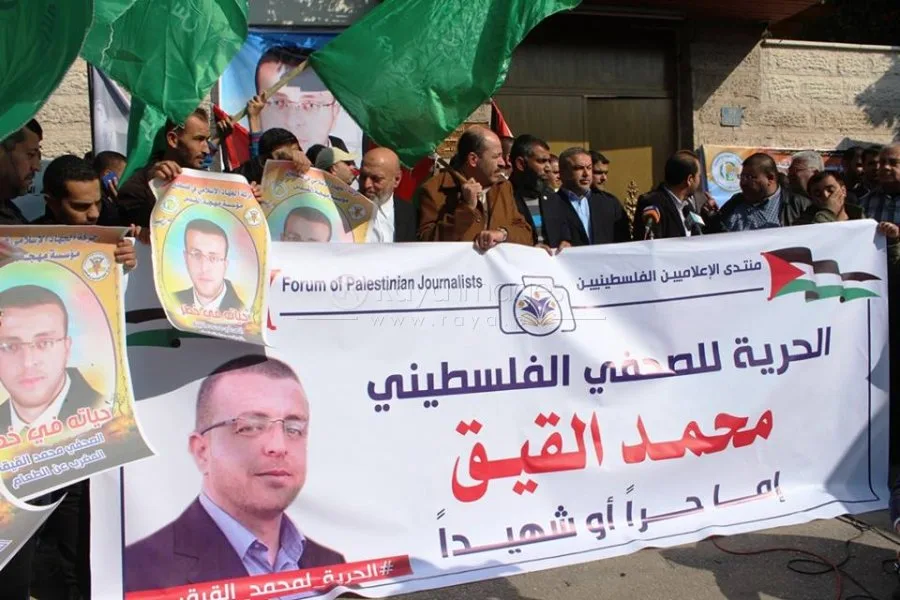
وزارة الأسرى والمحررين أقامت خيمة تضامنية مع الأسير القيق، تشهد مشاركات واسعة من إعلاميين وحقوقيين ومؤسسات مختصة بالمجالين، وذلك تضامنًا معه وتأكيدًا على حقه في الإفراج الفوري، من جانبهم نفذ زملاء القيق في المهنة إضرابًا ليومٍ واحد تضامنًا مع زميلهم الأسير المضرب عن الطعام، بعد إعلان نقابة الصحفيين الفلسطينيين عن الإضراب شارك به عشرات الصحفيين في 20 يناير الماضي.

نون بوست

 الاتحاد الدولي للصحفيين كان قد أعرب عن قلقه الشديد حول صحة الصحفي محمد القيق، وطالب على لسان أمينه العام “أنتوني بلانجي” بالإفراج الفوري عن القيق، مذكرًا إسرائيل بالتزامها بعدم سجن الصحفيين بسبب عملهم، بينما تطالب نقابة الصحفيين الاتحاد الدولي للصحفيين بأخذ خطواتٍ فعالة كتجميد عضوية اتحاد الصحفيين الإسرائيليين، ردًا على مثل تلك الانتهاكات بحق الصحفيين.

 الصحفي الذي يعيش على الماء فقط منذ قرابة الشهرين، هو مراسل تلفزيوني لقناة مجد الفضائية السعودية في الضفة الغربية، اعتقلته قوات الاحتلال في 21 نوفمبر الماضي عقب دهم منزله في بلدة أبو قش، شمالي رام الله، وتم تحويله للاعتقال الإداري مدة 6 أشهر قابلة للتجديد إلى أجل غير مسمى، وذلك منذ منتصف ديسمبر الماضي، حيث احتجز في السجن الإنفرادي بسجن مجدو، وذلك بعد شهر قضاه في التحقيقات بمركز “الجلمة العسكري” التابع للمخابرات الإسرائيلية، شمال فلسطين المحتلة، فيما حٌرم من زيارة محامية لفترة وكذلك أسرته.

نون بوست

كان مدير الوحدة القانونية في نادي الأسير المحامي جواد بولس قد قدم التماسًا القريبة أمام المحكمة العليا للاحتلال  للمطالبة بالإفراج عنه، حيث حددت 25 فبراير للنظر في الالتماس، أي بعد أكثر من شهرٍ من الآن، وهو ما يعني استهتار المحكمة بحياة الأسير المضرب عن الطعام، جاءت تلك الخطوة بعد رفض المحكمة العسكرية في “عوفر” الاستئناف المقدم باسمه، في تهمٍ غير معلنة، وذلك لأن السلطات الإسرائيلية تعتبر ملفه “سري”.

ذلك الاعتقال لم يكن الأول الذي يطال الصحفي محمد القيق، فكان قد اعتقل مرةً لمدة 16 شهرًا خلال العام 2008، ولم يكن ذلك بسبب مهنته كصحفي بل كان لنشاطه الطلابي، لكن يبدو أن النشاطين الطلابي والإعلامي جريمة في نظر سلطات الاحتلال الإسرائيلي.

القيق رغم أنه ليس المضرب الأول ولا الأخير في سجون الاحتلال الإسرائيلي، إلا أن قضيته أعادت تحريك الرأي العام الفلسطيني نحو قضايا الأسرى الذين يتجاوز عددهم 7000 أسير وأسيرة –بحسب إحصاءات-، ويوجد منهم نحو 450 معتقلًا إداريًا دون محاكمات وضعهم كوضع القيق.

 كما أعادت الاهتمام لقضايا الصحفيين الذين تطالهم انتهاكات إسرائيل، خاصةً وأن عمل القيق الصحفي هو المتسبب في اعتقاله الأخير، وأيضًا المعتقلين المضربين عن الطعام، حيث أن هناك أسيران آخران يضربان عن الطعام حاليًا، أطولهما مدةً هو الأسير الأردني عبد الله أبو جابر إذ أنه مضرب منذ 60 يومًا، للمطالبة بنقله إلى الأردن لإتمام محكوميته هناك، أما الأسير حسن شوكة فتجاوز إضرابه الشهر للمطالبة بإنهاء اعتقاله الإداري.

TAGGED: إضراب الأسرى عن الطعام ، الأسرى الفلسطينيين ، التضامن مع المعتقلين ، حقوق الصحفي
TAGGED: الحقوق والحريات
Download this article as PDF
Share this Article
Facebook Twitter Whatsapp Whatsapp Telegram Email Copy Link
شيماء الحديدي
By شيماء الحديدي صحافية مصرية وباحثة في الشأن الحقوقي
Follow:
Next Article نون بوست The Stigma of “ISIS”: A Heavy Legacy Haunting Women and Children of Former Members

Read More

  • U.S. Regime‑Change Policies: Why They Are Destined to Fail U.S. Regime‑Change Policies: Why They Are Destined to Fail
  • The Gulf’s Balancing Act: Iran, Israel, and Hidden Links
  • Iraq–Turkey Oil Export Treaty: Why Did Ankara Cancel It After 52 Years?
  • Syria’s Northeast on Edge: QSD Between Ankara and Damascus
  • Has Europe Changed Its Stance on Israel… or Just Its Language?
part of the design
NoonPost Weekly Newsletter
dark

An independent media platform founded in 2013, rooted in slow journalism, producing in-depth reports, analysis, and multimedia content to offer deeper perspectives on the news, led by a diverse young team from several Arab countries.

  • Politics
  • Society
  • Rights & Liberties
  • Opinions
  • History
  • Sports
  • Education
  • Technology
  • Economy
  • Media
  • Arts & Literature
  • Entrepreneurship
  • Travel
  • Cinema & Drama
  • Food
  • Health
  • Culture
  • Latest Reports
  • Files
  • Long Reads
  • Interviews
  • Podcast
  • Interactive
  • Encyclopedia
  • In Pictures
  • About Us
  • Our Writers
  • Write for Us
  • Editorial Policy
  • Advanced Search
Some rights reserved under a Creative Commons license

Removed from favorites

Undo
Go to mobile version