NoonPost NoonPost

NoonPost

  • Home
  • Politics
  • Economy
  • Society
  • Culture
  • Files
  • Long Reads
  • Podcast
AR
Notification Show More
نون بوست
“There Are Nights I Can’t Close My Eyes”: How Gazans Are Living in Homes on the Brink of Collapse
نون بوست
From al-Jolani to Ahmad al-Shara: The Evolution of Syria’s New Leader
نون بوست
When Political Islam Receded in Egypt: Who Filled the Void?
نون بوست
An Extension of Genocide: Gaza’s Detainees Speak Out
نون بوست
A Tightrope Between Survival and Sovereignty: The Syrian Government Faces Normalization Pressures
نون بوست
American Aircraft Carriers: Has the Era of “100,000 Tons of Diplomacy” Ended?
نون بوست
U.S. Regime‑Change Policies: Why They Are Destined to Fail
نون بوست
Transformations of Israeli Judaism: Between the Victim Complex and the Colonizer’s Doctrine
نون بوست
The Gulf’s Balancing Act: Iran, Israel, and Hidden Links
نون بوست
Iraq–Turkey Oil Export Treaty: Why Did Ankara Cancel It After 52 Years?
نون بوست
Syria’s Northeast on Edge: QSD Between Ankara and Damascus
نون بوست
Has Europe Changed Its Stance on Israel… or Just Its Language?
NoonPost NoonPost
AR
Notification Show More
نون بوست
“There Are Nights I Can’t Close My Eyes”: How Gazans Are Living in Homes on the Brink of Collapse
نون بوست
From al-Jolani to Ahmad al-Shara: The Evolution of Syria’s New Leader
نون بوست
When Political Islam Receded in Egypt: Who Filled the Void?
نون بوست
An Extension of Genocide: Gaza’s Detainees Speak Out
نون بوست
A Tightrope Between Survival and Sovereignty: The Syrian Government Faces Normalization Pressures
نون بوست
American Aircraft Carriers: Has the Era of “100,000 Tons of Diplomacy” Ended?
نون بوست
U.S. Regime‑Change Policies: Why They Are Destined to Fail
نون بوست
Transformations of Israeli Judaism: Between the Victim Complex and the Colonizer’s Doctrine
نون بوست
The Gulf’s Balancing Act: Iran, Israel, and Hidden Links
نون بوست
Iraq–Turkey Oil Export Treaty: Why Did Ankara Cancel It After 52 Years?
نون بوست
Syria’s Northeast on Edge: QSD Between Ankara and Damascus
نون بوست
Has Europe Changed Its Stance on Israel… or Just Its Language?
Follow US

The Dimensions of Egypt’s TikTok Celebrity Arrest Campaign

عبد الحميد أحمد
Ahmed Abdelhalim Published 26 March ,2026
Share
نون بوست
نون بوست

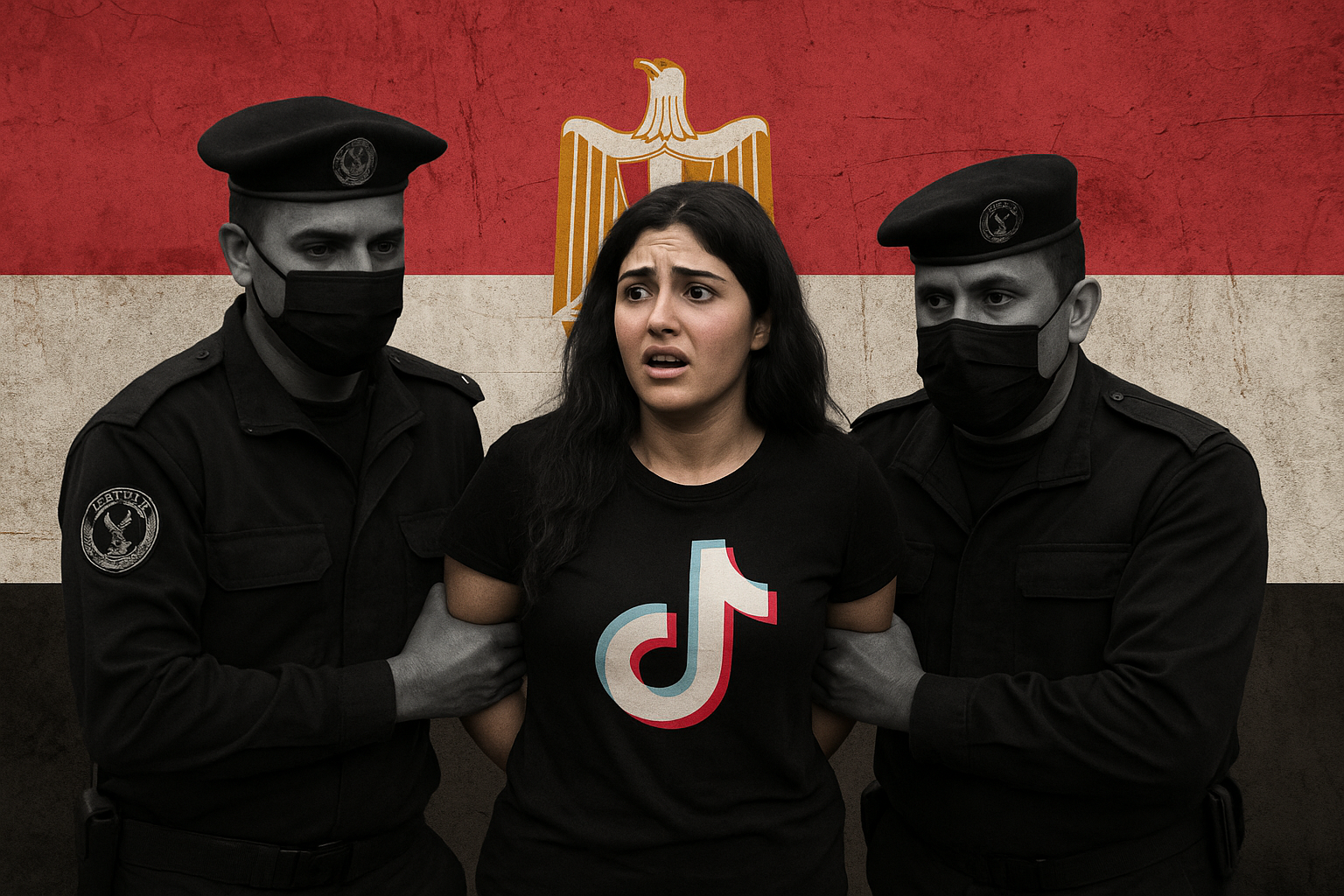
In recent days, Egyptian security forces have arrested a number of TikTok celebrities, accusing them of violating “Egyptian family values,” publishing “inappropriate content,” and committing other recurring, often criminally framed, offenses.

Yet, beyond these stated charges lie deeper political and security-related motives. What are they? And before we answer that, how did millions of Egyptians end up on TikTok in the first place?

Authoritarian Repression

Social media platforms have created new lifestyles in recent years, particularly through apps offering games, challenges, and video-based interactions aimed at socializing.

Among them is TikTok, which has made a huge splash in Egypt, especially among Generation Z. Today, more than 32 million Egyptians use the app—a remarkable increase from the roughly 5 million users in its early years in Egypt, since late 2017.

This surge is not just about passing time or making friends. In recent years, TikTok introduced challenge-based games allowing users to open chat rooms with others. Through these challenges, and the viewer donations that come with them, users can earn substantial income in the form of virtual gifts converted into cash.
نون بوست

For many, TikTok became an easy way to make money in a country plagued by deepening poverty due to authoritarian economic mismanagement that has neglected citizens’ needs.

Beyond financial gain, TikTok offers fame—especially to those with comedic or satirical appeal. This recognition fulfills a psychological need: to be seen and acknowledged.

According to German philosopher Axel Honneth, people strive for recognition, and many TikTok users come from working-class or marginalized backgrounds long denied it. Social media fame can even open doors to careers in entertainment and advertising, making the platform a springboard for broader opportunities.

This phenomenon cannot be separated from Egypt’s emptied public sphere. This generation has grown up under the repressive post–July 2013 regime, which has drained public life of political engagement, intellectual debate, civic participation, and cultural expression.

With protest, activism, and even independent thought suppressed through imprisonment, torture, enforced disappearances, and intimidation, young people have channeled their energy into online spaces—most prominently TikTok.

How the State Thinks
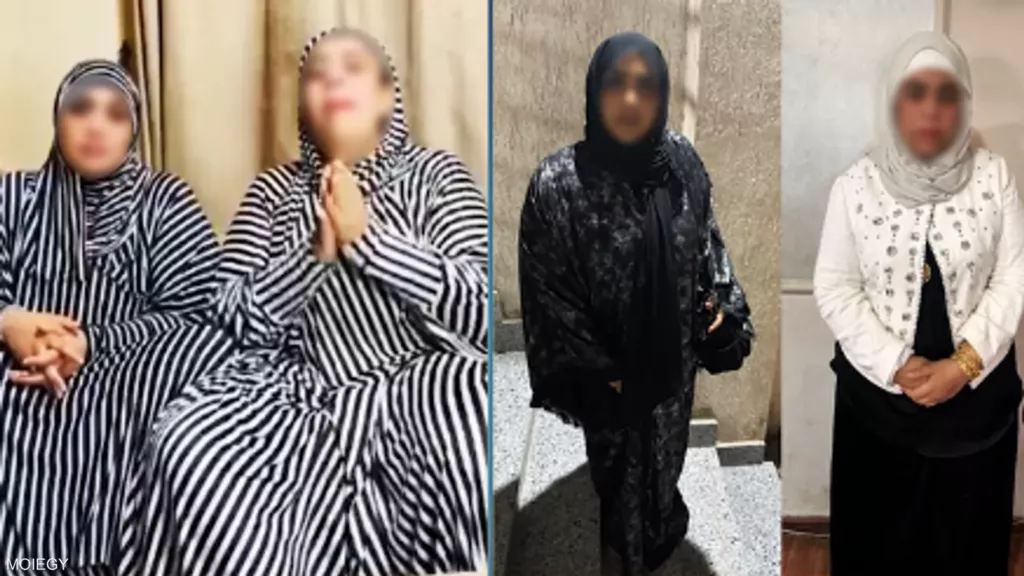
In recent days, police have arrested numerous TikTok creators. The Interior Ministry’s official explanation centers on “inappropriate content” and “attacks on Egyptian family values.”

These accusations are hardly new; in past years, other young men and women on similar platforms have been prosecuted and sentenced to prison or fined. Often, additional charges—such as human trafficking, as in the case of Haneen Hossam, or money laundering, as alleged against the recently arrested “Suzy the Jordanian”—have been added.

Charges related to “violating Egyptian family values” or breaching public morality are inherently vague, with no fixed legal definition. What constitutes “immorality” is decided by the state—not society.

In Egypt, morality is selectively enforced: online spaces are tightly policed for sexual innuendo or suggestive content, while similar behavior in television shows, films, and certain elite spaces—such as luxury resorts along the North Coast—goes unpunished.

This reflects the class-based nature of moral enforcement. The state imposes its “ethical” code most harshly on certain socio-economic groups, particularly those for whom rapid wealth accumulation is frowned upon. A notable example occurred months ago, when YouTuber Ahmed Abou Zeid was arrested for allegedly holding large sums of US dollars without a clear source.

Though he proved his earnings came from YouTube—a legal and state-regulated activity—authorities confiscated his money, later releasing him without compensation or further legal process. This illustrates how social class influences both moral judgment and the right to financial gain.

The Absence of Justice and Reform

Money laundering was also cited in the latest arrests. The Interior Ministry accused “Suzy the Jordanian” of laundering approximately 15 million Egyptian pounds allegedly earned from TikTok, allegedly concealed through real estate purchases. The investigation is ongoing.

However, for many of those arrested—including content creator and podcast host Mohamed Abdel Aaty—the only charges so far are “violating public values” and sharing “inappropriate content.” They face no specific criminal allegations like human trafficking, fraud, or drug possession.

Over time, new layers are often added to such cases, introducing criminal charges without undermining the core pattern: selective moral enforcement targeting middle and lower classes, on the regime’s terms, not society’s.

The problem goes deeper than moral policing. Egypt’s justice system often bypasses due process, with politically sensitive cases shaped not in courtrooms but in National Security offices—an entity that operates above judicial oversight and claims ultimate authority over the nation’s security.

Meanwhile, Egyptian prisons serve as factories of human degradation, with harsh, dehumanizing conditions in blatant violation of constitutional guarantees for humane treatment of inmates.

Ultimately, the Egyptian regime monitors the digital sphere through the Public Prosecution’s monitoring unit and cybercrime police, imposing its moral and punitive vision through repression, selectivity, and violence—rather than dialogue, reform, or opening public space for political and intellectual participation.

This punitive system operates outside any genuine framework of justice—one that would apply equally across classes, free from the influence of powerful security bodies. Instead, it reinforces an unjust, inhumane cycle that harms both individuals and society at large.

Download this article as PDF
Share this Article
Facebook Twitter Whatsapp Whatsapp Telegram Email Copy Link
عبد الحميد أحمد
By عبد الحميد أحمد صحيفة الرأي العام السودانية
Follow:
Previous Article نون بوست From Wounded Memory to Regional Expansion: Iran’s Grand Strategy Unveiled
Next Article نون بوست Gaza’s Wounded Between Disability and Neglect

Read More

  • U.S. Regime‑Change Policies: Why They Are Destined to Fail U.S. Regime‑Change Policies: Why They Are Destined to Fail
  • The Gulf’s Balancing Act: Iran, Israel, and Hidden Links
  • Iraq–Turkey Oil Export Treaty: Why Did Ankara Cancel It After 52 Years?
  • Syria’s Northeast on Edge: QSD Between Ankara and Damascus
  • Has Europe Changed Its Stance on Israel… or Just Its Language?
part of the design
NoonPost Weekly Newsletter

You May Also Like

U.S. Regime‑Change Policies: Why They Are Destined to Fail

U.S. Regime‑Change Policies: Why They Are Destined to Fail

إسراء سيد Esraa sayed 8 April ,2026
The Gulf’s Balancing Act: Iran, Israel, and Hidden Links

The Gulf’s Balancing Act: Iran, Israel, and Hidden Links

فريق التحرير Noon Post 8 April ,2026
Iraq–Turkey Oil Export Treaty: Why Did Ankara Cancel It After 52 Years?

Iraq–Turkey Oil Export Treaty: Why Did Ankara Cancel It After 52 Years?

فريق التحرير Noon Post 8 April ,2026

20 فبراير.. خلاصات وقراءات في الربيع

حفيظ زرزان
حفيظ زرزان Published 27 January ,2016
Share
lrby_lrby

كان لا بد بعد مرور مدة ليست باليسيرة بعد هبوب رياح ما سمي بالربيع، إعادة قراءة المشهد العربي والمغربي خاصة، هذا الأخير الذي تميز عن باقي الحراكات بنضج أطرافه وسلميته وعدم إغراق البلد في الدماء والأشلاء، كما وقع في سوريا أو اليمن، حين انسحبت منه جماعة العدل والإحسان وما واكب ذلك من انتقادات تبين بعدها أنها كانت لحظة موفقة وتقديرًا سياسيًا رصينًا ورزينًا من تنظيم سلمي ينبذ العنف.

وأولى الخلاصات التي أعتقد أن كثيرين مثلي وقفوا عليها هي أن الاستبداد الذي امتد لقرون لا يمكن إسقاطه في لحظة، ثم مدى استعداد اليساريين والإسلاميين للحوار والتعاقد حول العيش المشترك وما يترتب على ذلك من تنازلات وتفاهمات ووثيقة تأسيسية ملزمة كما وقع بتونس، بارك الله التغيير الجاري بها، مع تسجيل كثير من الملاحظات والعقبات.

كان هناك تنازل كبير لحركة النهضة يمكن للمتتبع تسجيله، مع ما واكب التجربة برمتها من مطبات وألغام “الإرهاب” التي تتلقف طريق البناء وتزيد العناء، لكن على العموم تجربة تسير بخطى ثابتة لتكون المثال في المنطقة إن لم تتدخل الأيادي.

أما مصر فكان للعسكر ولازال اليد الطولى في الحياة السياسية، واستغل سذاجة الكثيرين ونقص تجربتهم، وأخطأت الحركة الإسلامية هناك حين استولت على كل شيء، وتبعها اليسار حين أخفق في تحديد خصمه بدقة، وأخفقت التجربة الانتقالية مع أول رئيس مدني منتخب، وقلتها لأصدقائي يومئذ، على خلاف التجربة المغاربية بأرض الزيتون.

أما التجربة المغربية فكانت مغايرة تمامًا، وتم الالتفاف على المطالب من جهاز تعامل بدهاء وذكاء مع الحراك ولعب على تناقضات الأطراف وتلاعب بالأسماء والأهواء، فصعد الإسلاميون ليؤسسوا المسرحية، وتحدث الناس عن دستور جديد وصلاحيات واسعة ولا شيء، الإسلاميون تم الزج بهم في انسجام تام مع الموجة العارمة التي اجتاحت المنطقة وما لهم قرار.

ما يهمني في كل هذا المرور السريع على التجارب، هو أن أسجل الملاحظات التالية:

– إن من رفعوا شعار إسقاط النظام واختصروه في أشخاص وأسماء، سرعان ما فهموا الأمور ولو بعد فوات الأوان، وعلموا أن الأمر أعقد وأكبر من مجرد رمز يسقط، بل هي منظومة كاملة من الفساد والاستبداد أو ما اصطلحوا عليه بالدولة العميقة والتغيير يتطلب أكثر من لحظة ثورية، وهو ما يتطلب وعيًا متزايدًا ضروريًا لفهم البنية التي تشكلت مع السنين، ومختلف العلاقات والتوازنات وبناء الآلية التنظيمية الضرورية والقوة اللازمة وتحضير البدائل بدل المعارضات الفارغة، التي سرعان ما تستجيب تحت مسمى “الاختراق الديمقراطي” إلى التفاوضات، وتقبل بأنصاف الحلول، ثم سرعان ما يتم حرقها كما وقع بمصر أو المغرب.

– هناك دائمًا أطراف توجد في اللعبة القديمة، تغير جلدها مع الوضع الجديد وتعود للمشهد وعبر أطراف مشاركة في الحراكات أو الثورات، مثال تونس.

– تصنيف القوى المشاركة لا يجب أن يتم على أساس يساري وآخر إسلامي، بقدر ما يكون من هو مع الاستبداد ومن هو ضده.

– الحوار هو الآلية الوحيدة القادرة على حل كل المشاكل بعيدًا عن العنف والتدخل الخارجي والأجندات والفزاعات والإخفاقات.

– إن الإسلاميين رقم يصعب تجاوزه حاليًا، فهم حاضرون بقوة ولهم امتداد جماهيري كبير، ماداموا ينبذون العنف ولهم مشروع مجتمعي واضح ويومنون بالديمقراطية والتعددية والحل السياسي، فيجب أن يفسح لهم المجال من رفاقهم اليساريين، لتتلاقح التجارب وتوضيح الرؤى والتصورات، والتواصل المكثف وتعميق المشترك بينهم بعيدًا عن التخوين والتكفير، والصراع الفارغ الذي ضيع على الأمة طاقاتها من الجانبين.

– الحماس والمراهقة والعبثية وشعارات الثورة الحمراء والصبيانية، لن تبني وطنًا ولن تؤسس لغد أحسن، بقدر ما تعيد إنتاج الصراع، وتفويت الفرص على أمة تتوق للحرية والكرامة والتي ستصلها اليوم أو غدًا ولا شك، وبالتالي فكل الشباب العربي مطالب بالتكوين والدراسة وتعميق الاطلاع والإلمام بالساحة والأحداث والمناهج والمشاريع المجتمعية وتجارب الأمم في تدبير الاختلاف والاحترام والتأسيس لثقافة المشترك، وتعلم الإنصات واتساع الأفق وبعد النظر وعدم التسرع، فالبناء ليس كالهدم، وما أسرع النزقية والحذلقة والظهور والكلام، لكن الممارسة والمراس هي المعول عليه.

TAGGED: الاسلام السياسي ، الثورة التونسية ، الثورة السورية ، الثورة الليبية ، الثورة المصرية
TAGGED: الربيع العربي
Download this article as PDF
Share this Article
Facebook Twitter Whatsapp Whatsapp Telegram Email Copy Link
حفيظ زرزان
By حفيظ زرزان كاتب وباحث مغربي
Follow:
Next Article نون بوست The Stigma of “ISIS”: A Heavy Legacy Haunting Women and Children of Former Members
part of the design
NoonPost Weekly Newsletter
dark

An independent media platform founded in 2013, rooted in slow journalism, producing in-depth reports, analysis, and multimedia content to offer deeper perspectives on the news, led by a diverse young team from several Arab countries.

  • Politics
  • Society
  • Rights & Liberties
  • Opinions
  • History
  • Sports
  • Education
  • Technology
  • Economy
  • Media
  • Arts & Literature
  • Entrepreneurship
  • Travel
  • Cinema & Drama
  • Food
  • Health
  • Culture
  • Latest Reports
  • Files
  • Long Reads
  • Interviews
  • Podcast
  • Interactive
  • Encyclopedia
  • In Pictures
  • About Us
  • Our Writers
  • Write for Us
  • Editorial Policy
  • Advanced Search
Some rights reserved under a Creative Commons license

Removed from favorites

Undo
Go to mobile version