





NoonPost NoonPost

NoonPost

  • Home
  • Politics
  • Economy
  • Society
  • Culture
  • Files
  • Long Reads
  • Podcast
AR
Notification Show More
نون بوست
“There Are Nights I Can’t Close My Eyes”: How Gazans Are Living in Homes on the Brink of Collapse
نون بوست
From al-Jolani to Ahmad al-Shara: The Evolution of Syria’s New Leader
نون بوست
When Political Islam Receded in Egypt: Who Filled the Void?
نون بوست
An Extension of Genocide: Gaza’s Detainees Speak Out
نون بوست
A Tightrope Between Survival and Sovereignty: The Syrian Government Faces Normalization Pressures
نون بوست
American Aircraft Carriers: Has the Era of “100,000 Tons of Diplomacy” Ended?
نون بوست
U.S. Regime‑Change Policies: Why They Are Destined to Fail
نون بوست
Transformations of Israeli Judaism: Between the Victim Complex and the Colonizer’s Doctrine
نون بوست
The Gulf’s Balancing Act: Iran, Israel, and Hidden Links
نون بوست
Iraq–Turkey Oil Export Treaty: Why Did Ankara Cancel It After 52 Years?
نون بوست
Syria’s Northeast on Edge: QSD Between Ankara and Damascus
نون بوست
Has Europe Changed Its Stance on Israel… or Just Its Language?
NoonPost NoonPost
AR
Notification Show More
نون بوست
“There Are Nights I Can’t Close My Eyes”: How Gazans Are Living in Homes on the Brink of Collapse
نون بوست
From al-Jolani to Ahmad al-Shara: The Evolution of Syria’s New Leader
نون بوست
When Political Islam Receded in Egypt: Who Filled the Void?
نون بوست
An Extension of Genocide: Gaza’s Detainees Speak Out
نون بوست
A Tightrope Between Survival and Sovereignty: The Syrian Government Faces Normalization Pressures
نون بوست
American Aircraft Carriers: Has the Era of “100,000 Tons of Diplomacy” Ended?
نون بوست
U.S. Regime‑Change Policies: Why They Are Destined to Fail
نون بوست
Transformations of Israeli Judaism: Between the Victim Complex and the Colonizer’s Doctrine
نون بوست
The Gulf’s Balancing Act: Iran, Israel, and Hidden Links
نون بوست
Iraq–Turkey Oil Export Treaty: Why Did Ankara Cancel It After 52 Years?
نون بوست
Syria’s Northeast on Edge: QSD Between Ankara and Damascus
نون بوست
Has Europe Changed Its Stance on Israel… or Just Its Language?
Follow US

Islamists and Perpetual Imprisonment Under Sisi: Why?

أحمد سيف النصر
Ahmed Seif EL-Nasr Published 26 March ,2026
Share
نون بوست
نون بوست

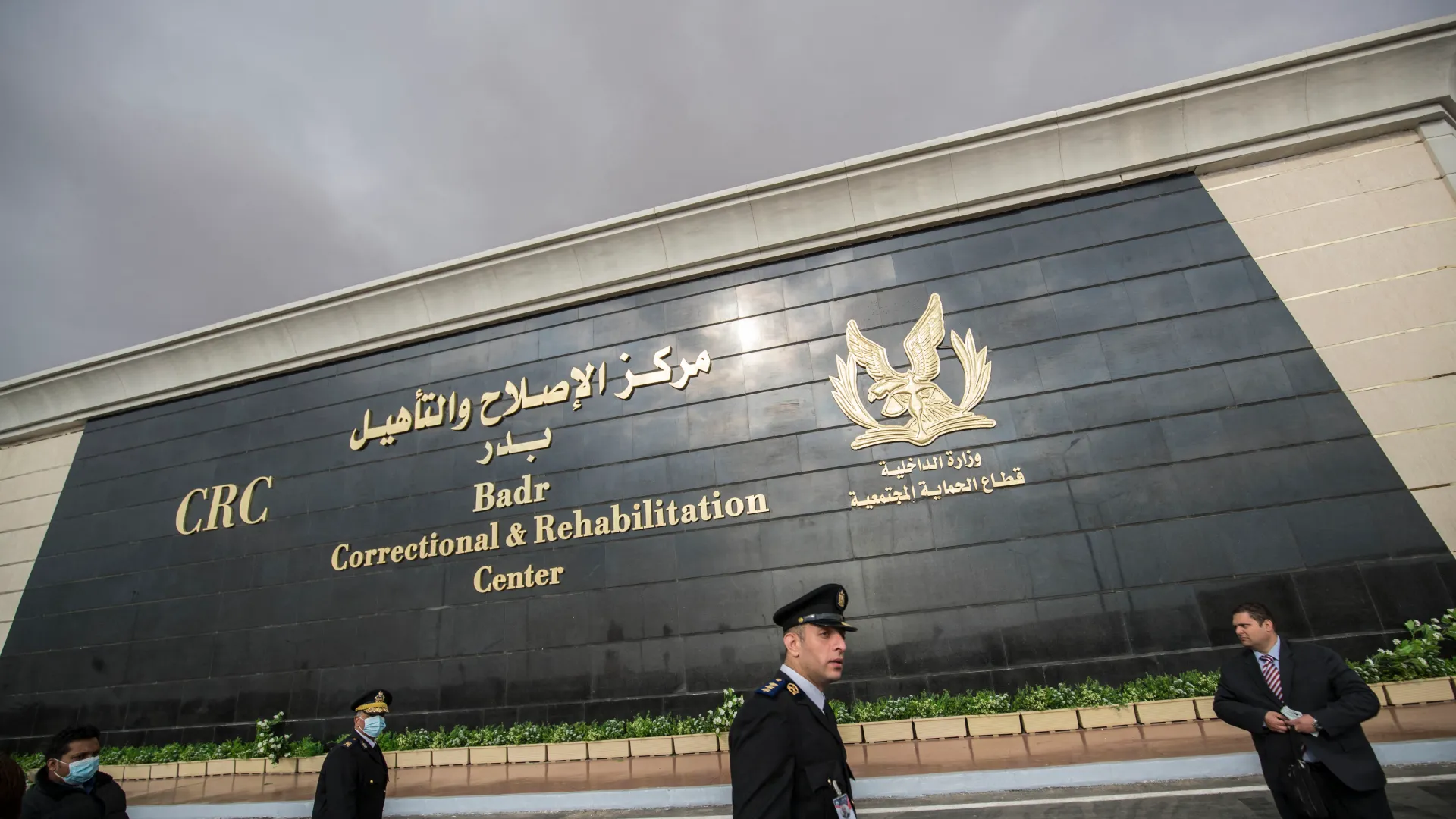
“I, along with dozens of others in Sector 2 of Badr 3 Prison, have begun a full and open-ended hunger strike as of July 1, 2025, in protest against the inhumane conditions we are subjected to. I do not know whether this cry will reach those with conscience, or whether it will remain an isolated scream, trapped along with its bearer inside Sector 2 of Badr 3 Prison.”

This message, published last month by Aisha Abdel Rahman, speaks on behalf of her father, senior Muslim Brotherhood leader Abdel Rahman al-Barr, who—like thousands of others—is suffering behind bars in Egypt.

Through this message and dozens of others smuggled out of Egypt’s prisons since July 2013, we glimpse the harsh reality endured by detainees, especially Islamist leaders. Why, we ask, are Islamists subject to such exceptional persecution compared to other political prisoners? And what are the prospects for their release amid the current domestic, regional, and international context?

Suicides and Growing Despair

Political detainees in Egypt can no longer endure life behind bars. It is a life defined by pain and deprivation—no adequate food or drink, no clean air, no humane sleep, and hardly any family visits to momentarily reconnect with life through a loved one’s embrace. It is a life that slowly erodes the self under the weight of carceral practices.

This suffering varies by prison and by inmate, depending on classification by the National Security Agency, which monitors and controls political prisoners. For years, prisoners and their families have resorted to leaked letters and rights campaigns, appealing to everyone from the president to the Grand Imam of al-Azhar, pleading for their release under state-approved conditions. But these calls have fallen on deaf ears.

Islamist leaders—particularly from the Muslim Brotherhood—have borne the brunt of this suffering. Most were arrested within weeks or months after the July 2013 coup, meaning they’ve been imprisoned for nearly twelve years. From the beginning, they were placed in solitary confinement, stripped of all legal rights that might ease their suffering—denied radios, books, writing materials, even family or lawyer visits. The only time they are seen is during court sessions, behind iron cages.
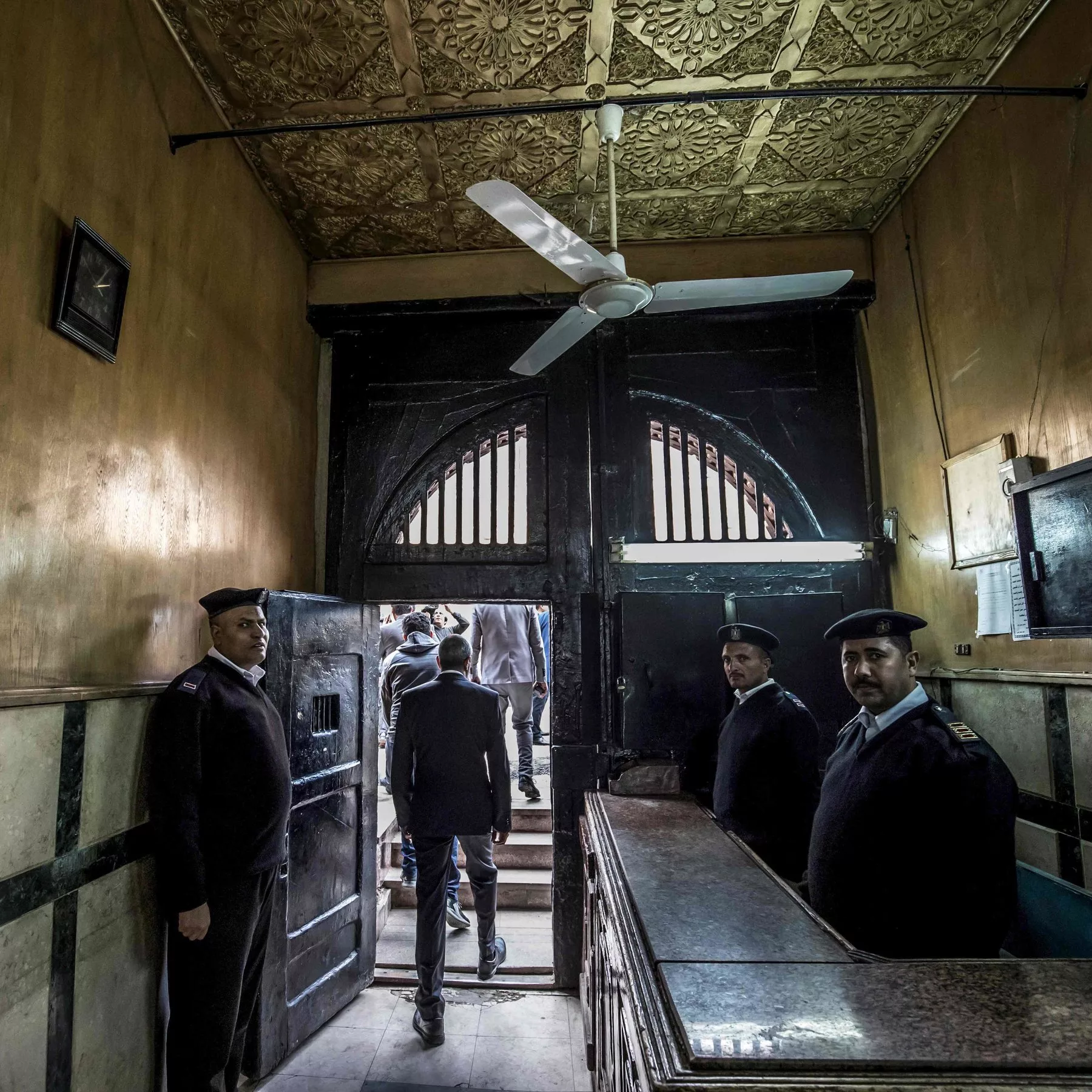
نون بوست
Tora Prison, located outside Cairo. Credit: Khaled Desouki / France-Presse.

During those hearings, Brotherhood leaders such as Bassem Ouda, Mohamed Badie, the late Mahdi Akef, and Hazem Salah Abu Ismail have all testified to the unbearable conditions they face. Their harrowing accounts of life inside prison have stirred public sympathy and media attention to the cruelty and vengeance inflicted upon them.

Years of such relentless abuse—compounded by recent developments in Badr 3—have driven many prisoners to seek escape by any means, whether through hunger strikes or even suicide. These desperate acts are cries to the outside world—Egyptian society, human rights organizations, and government officials—pleading for rescue from what they describe as both a moral and legal crime committed against them.

Why Does the Regime Target Them?

Islamist leaders—above all, the Muslim Brotherhood—have been singled out for especially harsh treatment because of the personal and political hostility that President Abdel Fattah el-Sisi harbors toward them.

Sisi, who led the military coup against the Brotherhood in July 2013, holds deeply entrenched animosity, stemming from his direct interactions and ideological conflicts with several Brotherhood figures between February 2011 and July 2013—notably Khairat El-Shater and Mohamed El-Beltagy.

He also bears a personal grudge against Hazem Salah Abu Ismail, a vocal critic who repeatedly warned the Brotherhood about Sisi’s ambitions. Abu Ismail often labeled Sisi a “dramatic actor” in televised interviews. The same applies to former Wasat Party leader and lawyer Essam Sultan, who directly accused Sisi by name of orchestrating the July 3 coup.

These personal vendettas were even dramatized in the third season of the TV series The Choice, in which actor Yasser Galal portrayed Sisi. The series reenacted tense exchanges between Sisi, as defense minister, and Brotherhood leaders, depicting Khairat El-Shater as threatening Egypt’s military with terrorism and civil unrest.

Days after the episode aired, Sisi publicly referred to the encounter during the state-organized “Egyptian Family Iftar,” recounting how El-Shater had wagged his finger and warned the military for over 40 minutes.

Such remarks, along with the president’s ongoing public denunciations of the Brotherhood and the so-called “forces of evil,” reflect a punitive, deeply personal memory that has shaped a carceral policy of humiliation and vengeance against these prisoners.

The Future of Islamists Behind Bars

Over time, this punitive approach has evolved into an entrenched political and security doctrine. Politically, the regime views the continued incarceration of Islamists as essential to its survival, rooted in its founding narrative: that the Brotherhood are enemies of the state, bent on destabilizing Egypt and threatening the army. If their imprisonment was initially framed as a necessity, their release now appears ideologically unthinkable.

Moreover, keeping them behind bars helps marginalize political Islam in Egypt, a current that has historically demonstrated a potent capacity for mobilization and grassroots organization. As a result, the regime has shown no willingness to improve prison conditions or entertain their release.

From a security standpoint—closely aligned with the political—authorities fear that releasing thousands of Islamist leaders and youth might embolden them to speak out about the horrors they endured. Some may seek revenge—not necessarily from ideological motives, but as a human response to years of torment. To preclude this, the security establishment prefers to keep them imprisoned, avoiding even the possibility of peaceful or violent mobilization.

Yet these fears are contradicted by the prisoners’ own letters. Many—especially young detainees—have explicitly pledged not to return to politics. They ask only for their freedom: to live as normal human beings, to eat, sleep, breathe, and rejoin their families. Families and public figures have launched initiatives under the banner of “Freedom, and nothing more,” highlighting the toll this ordeal has taken on both prisoners and their loved ones. Still, the regime has remained unmoved.

At present, there appears to be neither political will nor moral inclination within the Sisi regime to release political prisoners. The periodic presidential amnesty lists consistently exclude Islamists and their leaders. Historically, when authoritarian regimes have viewed a once-ruling or powerful opposition group as an existential threat, such enmity has only ended with the demise of the regime itself.

This was the case under Gamal Abdel Nasser—Brotherhood leaders were not released until after his death and Anwar Sadat’s ascent to power.

Therefore, it is likely that the status quo will persist under President Sisi, whose rule currently faces little internal or external pressure to change course. The world today is witnessing a surge of far-right authoritarianism and open massacres that global institutions seem powerless to stop. Against this backdrop, it’s hard to imagine that Egypt’s political prisoners will be rescued by an international conscience that has already grown numb.

Download this article as PDF
Share this Article
Facebook Twitter Whatsapp Whatsapp Telegram Email Copy Link
أحمد سيف النصر
By أحمد سيف النصر كاتب وصحفي مصري
Follow:
Previous Article نون بوست This is how Israel Conceals the Crime of Starvation in Gaza
Next Article نون بوست Al-Aqsa Raids Signal a Tectonic Shift

Read More

  • U.S. Regime‑Change Policies: Why They Are Destined to Fail U.S. Regime‑Change Policies: Why They Are Destined to Fail
  • The Gulf’s Balancing Act: Iran, Israel, and Hidden Links
  • Iraq–Turkey Oil Export Treaty: Why Did Ankara Cancel It After 52 Years?
  • Syria’s Northeast on Edge: QSD Between Ankara and Damascus
  • Has Europe Changed Its Stance on Israel… or Just Its Language?
part of the design
NoonPost Weekly Newsletter

You May Also Like

U.S. Regime‑Change Policies: Why They Are Destined to Fail

U.S. Regime‑Change Policies: Why They Are Destined to Fail

إسراء سيد Esraa sayed 8 April ,2026
The Gulf’s Balancing Act: Iran, Israel, and Hidden Links

The Gulf’s Balancing Act: Iran, Israel, and Hidden Links

فريق التحرير Noon Post 8 April ,2026
Iraq–Turkey Oil Export Treaty: Why Did Ankara Cancel It After 52 Years?

Iraq–Turkey Oil Export Treaty: Why Did Ankara Cancel It After 52 Years?

فريق التحرير Noon Post 8 April ,2026

الاحتلال الغربي العسكري أم داعش.. أيهما نختار؟

أحمد سليط
أحمد سليط Published 27 January ,2016
Share
310104db-e575-4e67-8964-9bd5dbae2aa7

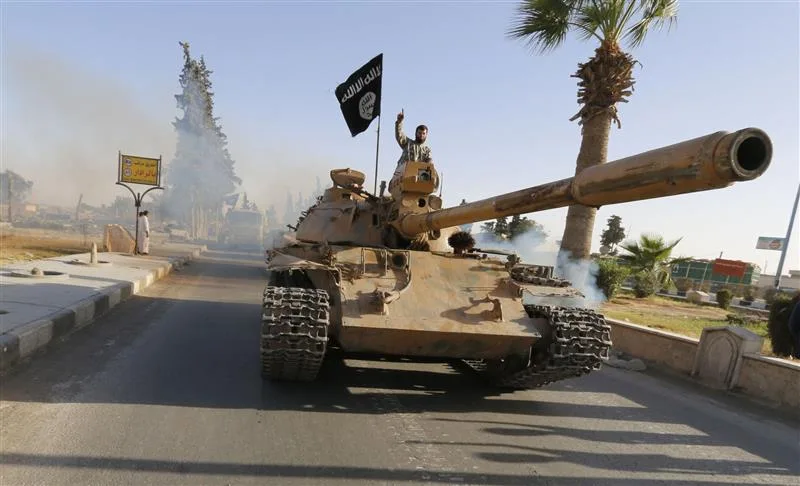
تُلوح عدد من الأنظمة الغربية في عدد من المحافل الدولية، بخطورة تنظيم الدولة الإسلامية وتصوره على أنه “وحش” يجب محاربته ودفعه لأنه خطر على الوجود بأسره، أما الطريقة الوحيدة لمواجهة التنظيم وخطر تمدده بحسب هذه الأنظمة، التحالفات العسكرية التي تقودها هذه الدول الغربية في العالم العربي بالإضافة لتفاوض الشعوب المضطهدة مع الأنظمة الاستبدادية القمعية.

وتحاول هذه الدول عبر عدد من المحافل الدولية أن تروج وتجمل صورة التدخل الغربي في العراق وسورية، لتصور للعالم وخاصة للعرب أن المنطقة العربية أمام خيارين لا ثالث لهما، إما القبول بالاحتلال العسكري الغربي للمنطقة العربية أو إطلاق “وحش” تنظيم الدولة الإسلامية على هذه المنطقة.

وترويج هذه الدول الغربية لتنظيم الدولة على أساس أنه فزاعة ووحش داخلي يهدد أمن واستقرار وأرواح العالم وبخاصة المنطقة العربية، مما يُسهل لهذه الدول تسويق مشروعها الاحتلالي للمنطقة أو حتى الإبقاء على الأنظمة الاستبدادية القمعية ومشروعها الرجعي الدموي الذي يخدم في الأساس الغرب.

ولا يخفى على متابع للشأن السوري بشكل خاص، تصريحات بعض القيادات والنخب التي تدعي أن منظومة القمع العربية التي واجهت الربيع العربي بالسلاح والرصاص والدماء أفضل من “الوحش الداعشي”، وبمعادلة بسيطة جدا نجد أن التصور الغربي الرسمي للمنطقة العربية ما بعد الربيع العربي لا يريد التكيف مع الواقع الجديد والتعامل مع الشباب العربي الجديد الرافض للهيمنة الغربية والوصاية الأجنبية على مصائر الشعوب ومستقبل الشباب.

والسؤال هنا، أيهما أقوى إرادة الثوار أم هيمنة الغرب ومنظوماته الرجعية؟! والسؤال الأكبر، ماذا يجب أن نفعل؟

ولنتفق أولًا أن تنظيم الدولة الإسلامية وكل التنظيمات التي تُحسب على قائمة التطرف في الميزان الإسلامي لا في الغربي، خرجت من رحم منظومة القمع العربية، وأن الشباب المنتمي لهذه التنظيمات رأى كل ما لا يتوقعه أعتى مجرم من قمع وقتل وتعذيب وسلخ وجلد وشبح (وإلخ..) على يد هذه الأنظمة وداخل سجونها بيد أبناء جلدته، والمعادلة معروفة؛ الظلم يولد التطرف.

إذًا بالمنطق البسيط جدًا، كيف للشعوب العربية أن تقبل التفاوض مع الأنظمة التي قمعتها وقتلتها وشردتها وصنعت الفزاعة التي تهدد الشعوب اليوم؟! كيف لهذه الشعوب أن تقبل بأن تجلس لتحارب داعش مع من صنع تطرف داعش؟

وبعد هذه الاستنتاجات المعروفة لنا جميعًا، الأنظمة العربية القمعية لا تقل خطورة عن داعش بالنسبة للشعوب وبالنسبة للغرب أيضًا.

لذلك على الغرب أن يفهم هذه المعادلات البسيطة وأن يتقبلها، وألا يساهم في صنع أنظمة ومنظومات قمعية إذا أراد أن يجلس بأمان دون تهديد أو وعيد، وعلى القادة الغربيين ألا يسارعوا لمباركة الانقلابات العسكرية أو التدخلات الأجنبية في الشرق الأوسط.

الحل في صراع الأفكار لا يكون بإطلاق النار، فالأفكار لا تحارب إلا بالأفكار، ولا يمكن القضاء على التطرف بكل أشكاله وأنواعه ومسمياته وألوانه في المشرق على الأقل إلا ببناء مجتمعات معتدلة وإزالة المرض قبل العرض، ولا يمكن القضاء على داعش وأخواتها ومن يدور في فلكها إلا بإزالة الأنظمة القمعية العربية الاستبدادية ثم ببناء مجتمعات إسلامية شورية تتعامل مع العدل والحرية والشورى كقيم عليا لا تقبل التفاوض.

TAGGED: الأنظمة الغربية ، الاتفاق بين داعش والنظام السوري ، الاحتلال الأمريكي للعراق ، التحالف الدولي ضد داعش ، تنظيم الدولة الإسلامية
TAGGED: داعش
Download this article as PDF
Share this Article
Facebook Twitter Whatsapp Whatsapp Telegram Email Copy Link
أحمد سليط
By أحمد سليط كاتب وباحث فلسطيني، طالب علوم سياسية وعلاقات دولية
Follow:
Next Article نون بوست The Stigma of “ISIS”: A Heavy Legacy Haunting Women and Children of Former Members
part of the design
NoonPost Weekly Newsletter
dark

An independent media platform founded in 2013, rooted in slow journalism, producing in-depth reports, analysis, and multimedia content to offer deeper perspectives on the news, led by a diverse young team from several Arab countries.

  • Politics
  • Society
  • Rights & Liberties
  • Opinions
  • History
  • Sports
  • Education
  • Technology
  • Economy
  • Media
  • Arts & Literature
  • Entrepreneurship
  • Travel
  • Cinema & Drama
  • Food
  • Health
  • Culture
  • Latest Reports
  • Files
  • Long Reads
  • Interviews
  • Podcast
  • Interactive
  • Encyclopedia
  • In Pictures
  • About Us
  • Our Writers
  • Write for Us
  • Editorial Policy
  • Advanced Search
Some rights reserved under a Creative Commons license

Removed from favorites

Undo
Go to mobile version