NoonPost NoonPost

NoonPost

  • Home
  • Politics
  • Economy
  • Society
  • Culture
  • Files
  • Long Reads
  • Podcast
AR
Notification Show More
نون بوست
“There Are Nights I Can’t Close My Eyes”: How Gazans Are Living in Homes on the Brink of Collapse
نون بوست
From al-Jolani to Ahmad al-Shara: The Evolution of Syria’s New Leader
نون بوست
When Political Islam Receded in Egypt: Who Filled the Void?
نون بوست
An Extension of Genocide: Gaza’s Detainees Speak Out
نون بوست
A Tightrope Between Survival and Sovereignty: The Syrian Government Faces Normalization Pressures
نون بوست
American Aircraft Carriers: Has the Era of “100,000 Tons of Diplomacy” Ended?
نون بوست
U.S. Regime‑Change Policies: Why They Are Destined to Fail
نون بوست
Transformations of Israeli Judaism: Between the Victim Complex and the Colonizer’s Doctrine
نون بوست
The Gulf’s Balancing Act: Iran, Israel, and Hidden Links
نون بوست
Iraq–Turkey Oil Export Treaty: Why Did Ankara Cancel It After 52 Years?
نون بوست
Syria’s Northeast on Edge: QSD Between Ankara and Damascus
نون بوست
Has Europe Changed Its Stance on Israel… or Just Its Language?
NoonPost NoonPost
AR
Notification Show More
نون بوست
“There Are Nights I Can’t Close My Eyes”: How Gazans Are Living in Homes on the Brink of Collapse
نون بوست
From al-Jolani to Ahmad al-Shara: The Evolution of Syria’s New Leader
نون بوست
When Political Islam Receded in Egypt: Who Filled the Void?
نون بوست
An Extension of Genocide: Gaza’s Detainees Speak Out
نون بوست
A Tightrope Between Survival and Sovereignty: The Syrian Government Faces Normalization Pressures
نون بوست
American Aircraft Carriers: Has the Era of “100,000 Tons of Diplomacy” Ended?
نون بوست
U.S. Regime‑Change Policies: Why They Are Destined to Fail
نون بوست
Transformations of Israeli Judaism: Between the Victim Complex and the Colonizer’s Doctrine
نون بوست
The Gulf’s Balancing Act: Iran, Israel, and Hidden Links
نون بوست
Iraq–Turkey Oil Export Treaty: Why Did Ankara Cancel It After 52 Years?
نون بوست
Syria’s Northeast on Edge: QSD Between Ankara and Damascus
نون بوست
Has Europe Changed Its Stance on Israel… or Just Its Language?
Follow US

Al-Aqsa Raids Signal a Tectonic Shift

عماد عنان
Emad Anan Published 26 March ,2026
Share
نون بوست
نون بوست

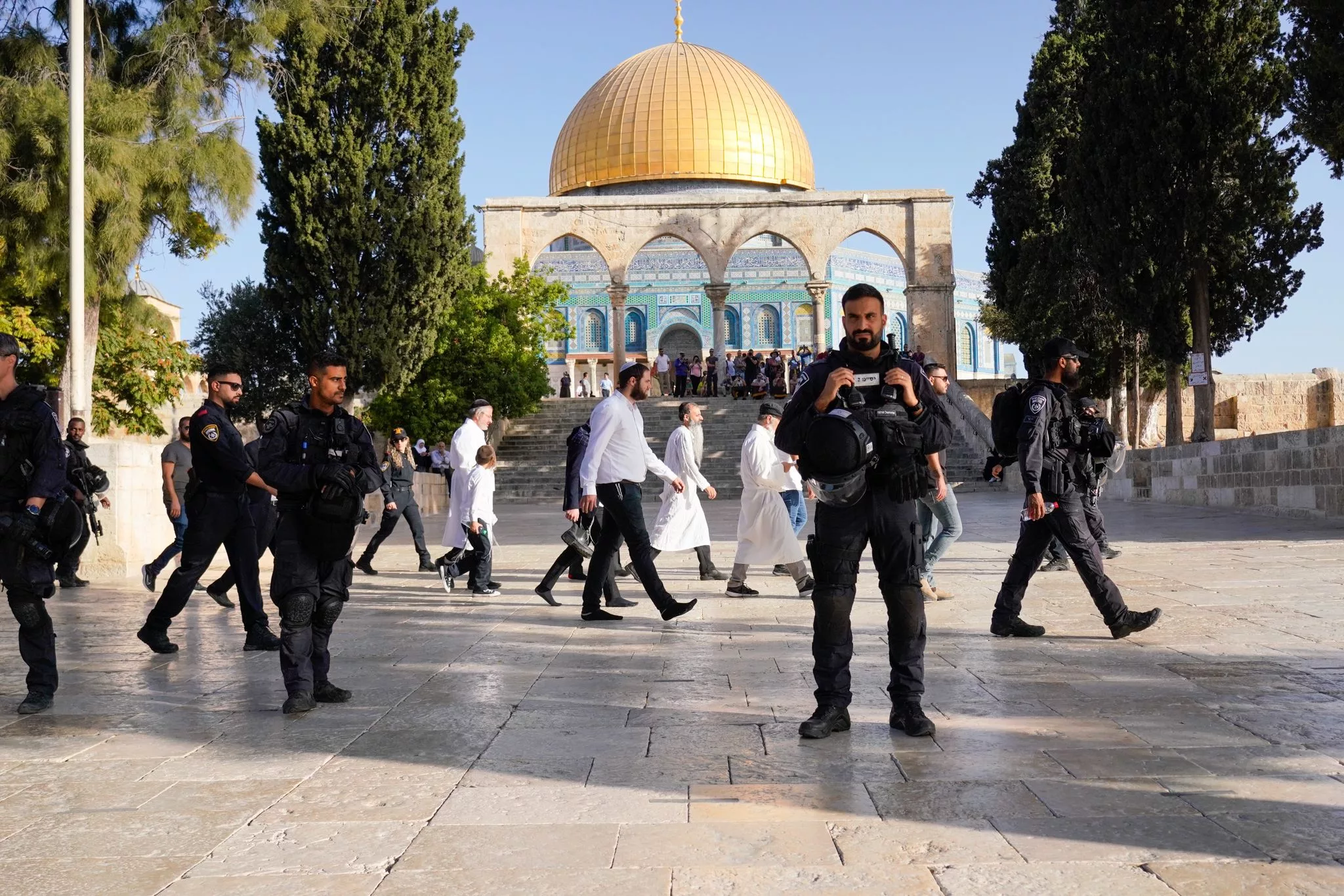
On Sunday, August 3, 2025, nearly 4,000 extremist settlers stormed the courtyards of the Al-Aqsa Mosque in what has been described as the largest such incursion in a single day since the occupation began.

Leading the charge were Israel’s National Security Minister Itamar Ben-Gvir, Knesset members Amit Halevi and Sharren Haskel from the Likud party, and Negev and Galilee Development Minister Yitzhak Wasserlauf.

For the first time, six groups of settlers were allowed to enter the compound simultaneously, one every ten minutes through the Moroccan Gate. Each group, numbering in the dozens, performed Talmudic prayers across various sections of the mosque with complete freedom.

Canopies were erected outside to shield them from the sun as they waited, while extremist organizations provided free transportation and tour guides—all under the protection and coordination of Israeli police. These measures were part of commemorations for what they refer to as the “Destruction of the Temple.”

This unprecedented brazenness has raised serious questions about the absence of meaningful reaction to what appears to be state-sanctioned provocation. Above all, it revives a crucial question: where is the Hashemite Custodianship, and where is the Jerusalem Committee—both tasked with protecting Al-Aqsa and countering Israeli violations?

A Raid Unlike Any Before

Since General Mordechai Gur stormed Al-Aqsa with Israeli troops in 1967, raised the Israeli flag over the Dome of the Rock, and burned Qur’ans, the mosque has not witnessed a raid of this magnitude.

This event was exceptional not just in scale but in nature. Nearly 4,000 settlers entered in one day, performing what is known as the “Priestly Blessing” across the entire mosque compound. The ritual—where rabbis raise their hands over followers while chanting passages from the Book of Numbers—was no longer confined to the eastern section.

Unlike previous quiet incursions, this time the settlers chanted loudly, their voices echoing beyond the mosque’s walls. According to Mazen Al-Jaabari of the Jerusalem National and Civic Work Committee, these acts were religious in form but political in essence—engineered by religious Zionist parties, especially those led by Ben-Gvir.

He emphasized that the ceremony took place across the entire Marwani Prayer Hall, marking a significant expansion in settler activity. The mass participation of political figures indicates this was a calculated mobilization, likely to be leveraged in election campaigns as a show of strength to religious Zionist constituents. The goal is clear: incremental control of Al-Aqsa and de facto partition by time and space.

Jaabari noted that reaching 5,000 settlers in a single raid has long been a strategic aim of extremist groups. Their open display of Torah scrolls near the bridge to the Moroccan Gate underlines their intent to introduce Jewish religious paraphernalia into the sacred site—a symbolic step toward turning Al-Aqsa into a temple.

Ben-Gvir, who has stormed the site 11 times recently, is racing to cement a policy of Judaizing Islamic and Christian holy sites. The Israeli police, acting under his authority, referred to the raiders in a statement as “pilgrims,” pledging to facilitate their rituals.
نون بوست
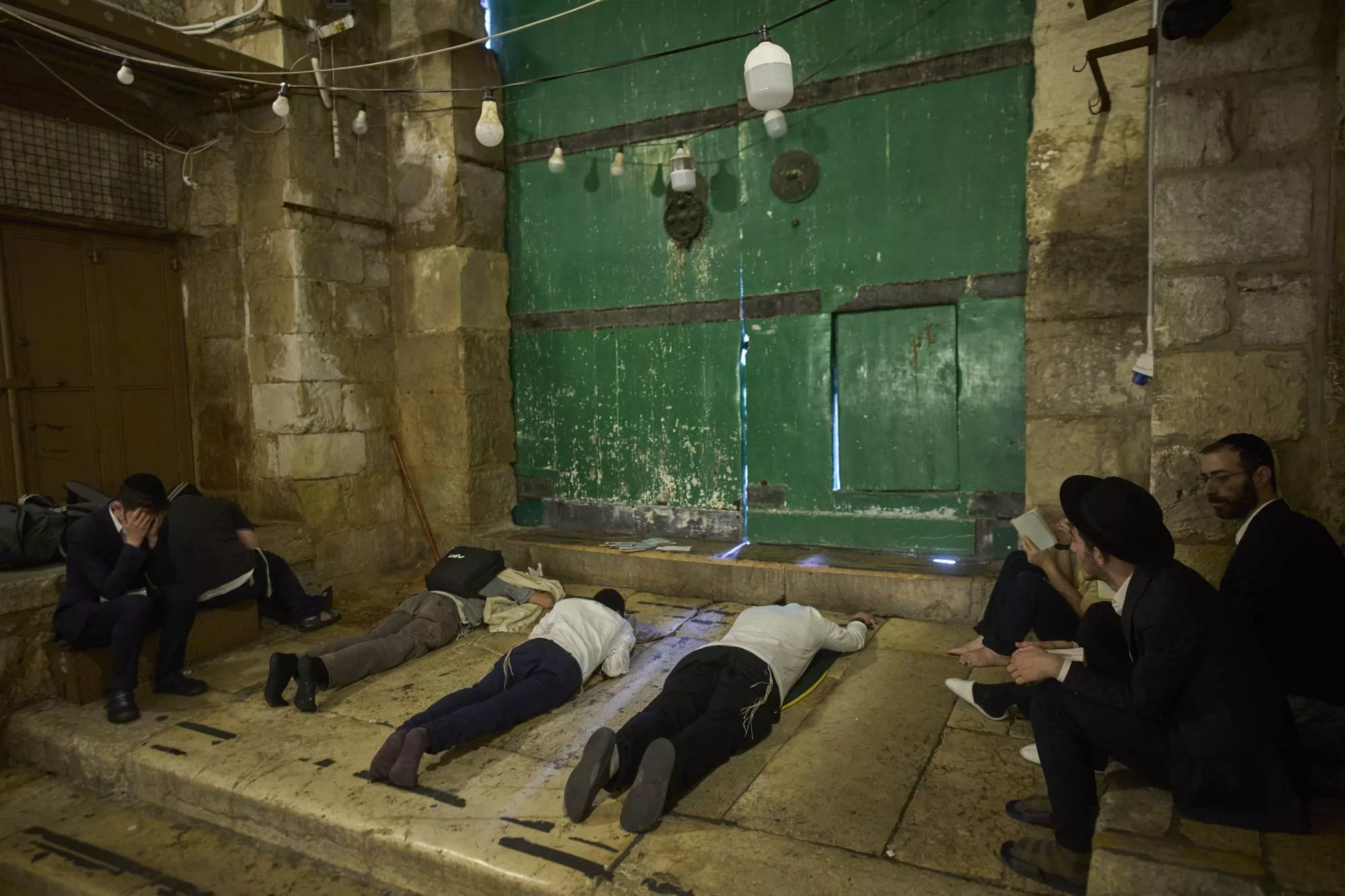
Settlers pray near one of the gates of the Al-Haram Al-Sharif compound on Sunday (AP).

This statement, Jaabari warns, carries a dangerous implication: it marks a shift from mere incursions to officially sanctioned religious activity. The Israeli authorities are no longer merely permitting settlers to sing and dance in the mosque—they are now punishing any police officer who intervenes. This signals an end to the historical “status quo” governing Al-Aqsa since before Israel’s occupation of East Jerusalem in 1967.

An Attempt to Enforce New Realities

The latest raid is part of a broader effort by Israeli authorities to impose new facts on the ground by military force. The event served as a public spectacle meant to prepare domestic opinion for what is being dubbed “a renewed covenant to remove Al-Aqsa and build the Third Temple.”

The Islamic Waqf in Jerusalem condemned the participation of Israeli ministers and lawmakers, under heavy police protection, describing the event as a militarization of the sanctuary and a blatant challenge to the Hashemite Custodianship and international law.

Experts warn that these developments mirror the gradual Judaization of the Ibrahimi Mosque in Hebron after the 1994 massacre, amid mounting international apathy and growing Arab and Muslim complacency.

Raids on Al-Aqsa have evolved from sporadic individual acts into a systematic and central pillar of a long-term settler colonial project. The goal: to legitimize a new “status quo” that divides the mosque temporally and spatially, eventually turning it from a purely Islamic site into a shared public space within an extremist expansionist vision.

Where Is the Hashemite Custodianship?

Each incursion raises immediate questions about the Hashemite Custodianship and the role of Amman. Under the 1994 Wadi Araba peace treaty with Israel, Jordan is recognized as the official custodian of Islamic holy sites in Jerusalem, particularly Al-Aqsa.

Yet, the response from Jordan’s Foreign Ministry was limited to a familiar denunciation: a press release calling the raid a “dangerous violation of the status quo” and a breach of international law. It reaffirmed that Al-Aqsa, with its 144 dunums, is an exclusive Muslim place of worship and that Israel has no sovereignty over it.

This statement joins a long list of similar declarations—dozens if not hundreds—offering condemnation without concrete action. Many such statements are nearly identical, falling short of the legal and historical responsibilities that come with Jordan’s custodianship.

This inaction has emboldened extremists within Israel, encouraging efforts to dismantle Jordanian oversight and claim full Israeli sovereignty over the site. In 2014, Likud Knesset member Moshe Feiglin formally proposed that the Knesset debate removing Jordan’s custodianship altogether, declaring: “He who controls the Temple Mount controls the land.”

Among Jordanians, this perceived helplessness has sparked widespread public anger. Activists have repeatedly urged the government to act—but to no avail. When the authorities did respond, it was often by silencing dissent.

In August 2024, Jordanian security forces arrested activist Israa Zahir for holding a handwritten sign reading “Where is the Hashemite Custodianship?” outside the Israeli embassy in Amman.

Year after year, under the constraints of Wadi Araba and its passive political framework, Jordan’s role has steadily eroded. Today, the symbolic keys to Al-Aqsa are slipping away—not just to Israel, but also to competing regional powers eager to claim guardianship over Islamic holy sites.

What About the Jerusalem Committee?

A similar critique applies to the Jerusalem Committee, established in 1975 by the Organization of Islamic Cooperation and chaired by the King of Morocco. While its mission is to protect the sanctity of Jerusalem and defend its Arab and Islamic identity, it too merely issued a statement warning of “unprecedented escalation” and accusing the Israeli government of turning parts of Al-Aqsa into a de facto synagogue.

The committee, tasked with engaging international organizations and advising member states on protecting the city, claimed that Israel is exploiting global distraction by the ongoing war in Gaza to accelerate its Judaization efforts.

But after more than 20 sessions since 1979, the committee has taken no tangible steps. It has relied solely on statements and periodic meetings that have never translated into decisive action.

Both the Hashemite Custodianship and the Jerusalem Committee are constrained by governments that maintain normalized relations with Israel and are driven by self-serving pragmatism. These approaches have led them to surrender core national and religious responsibilities, reframing passivity as political realism—even if the cost is abandoning Al-Aqsa to Judaization.

A History of Betrayal

What happened on August 3, 2025, was not an isolated event—it was the culmination of decades of incursions and violations since 1967. What is new is the boldness: open Talmudic rituals, loud prayers across the compound, state protection, and the presence of prominent political and security figures.

Throughout this history, one constant remains: Arab and Islamic complicity. Official responses rarely go beyond dramatic speeches and empty condemnations—words that pacify the public but change nothing.

Since Egypt’s peace treaty with Israel in 1979, and the subsequent normalization deals by Jordan, the UAE, Bahrain, Morocco, and Sudan, the fate of Al-Aqsa has entered an existential crisis.

Faced with pro-Israel policies backed by Washington, Jordan has abdicated its custodianship role. Morocco has sidestepped its obligations via the Jerusalem Committee. The OIC remains in deep slumber, while the rest of the so-called Muslim world watches in silence—as if this were a foreign issue of no concern.

In this vacuum, Israel has found the perfect environment to execute its plans: to assert sovereignty over Al-Aqsa and the wider sanctuaries and to realize its long-held dream of spatial and temporal division of the mosque.

With no unified stance or meaningful resistance, Al-Aqsa is left to bear the cost of normalization, the burden of humiliating compromises, and the price of surrendering to a Zionist agenda aimed at crushing the very grassroots resistance that has long stood as the mosque’s last line of defense.

Download this article as PDF
Share this Article
Facebook Twitter Whatsapp Whatsapp Telegram Email Copy Link
عماد عنان
By عماد عنان كاتب صحفي وباحث في الإعلام الدولي
Follow:
Previous Article نون بوست Islamists and Perpetual Imprisonment Under Sisi: Why?
Next Article نون بوست Between an Exhausted Army and the Far Right’s Ambitions: What’s Next for Gaza?

Read More

  • U.S. Regime‑Change Policies: Why They Are Destined to Fail U.S. Regime‑Change Policies: Why They Are Destined to Fail
  • The Gulf’s Balancing Act: Iran, Israel, and Hidden Links
  • Iraq–Turkey Oil Export Treaty: Why Did Ankara Cancel It After 52 Years?
  • Syria’s Northeast on Edge: QSD Between Ankara and Damascus
  • Has Europe Changed Its Stance on Israel… or Just Its Language?
part of the design
NoonPost Weekly Newsletter

You May Also Like

U.S. Regime‑Change Policies: Why They Are Destined to Fail

U.S. Regime‑Change Policies: Why They Are Destined to Fail

إسراء سيد Esraa sayed 8 April ,2026
The Gulf’s Balancing Act: Iran, Israel, and Hidden Links

The Gulf’s Balancing Act: Iran, Israel, and Hidden Links

فريق التحرير Noon Post 8 April ,2026
Iraq–Turkey Oil Export Treaty: Why Did Ankara Cancel It After 52 Years?

Iraq–Turkey Oil Export Treaty: Why Did Ankara Cancel It After 52 Years?

فريق التحرير Noon Post 8 April ,2026

هل يكون فيروس زيكا الوباء القادم إلى الشرق؟

فريق التحرير
Noon Post Published 27 January ,2016
Share
Zika-virus

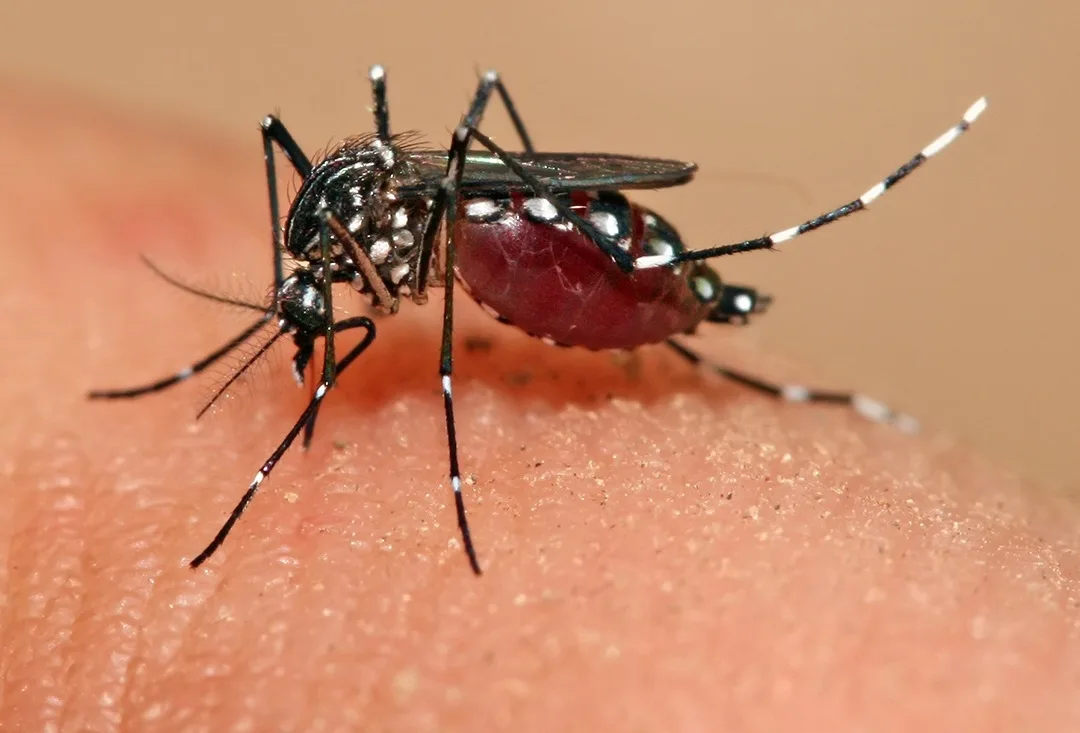
بدأ فيروس ينتقل عن طريق البعوض يدعى “زيكا” بالانتشار ليؤثر على أجزاء كبيرة من أمريكا اللاتينية ومنطقة البحر الكاريبي وغيرها من المناطق الأخرى.

حتى الآن أفاد 21 بلدًا وإقليمًا عن حالات إصابة بالزيكا، حيث تضاعف عدد البلدان المصابة خلال مدة شهر واحد فقط، وذلك وفقًا للتقرير الذي صدر في 21 يناير عن خبراء من منظمة الصحة للبلدان الأمريكية (PAHO)، الذراع الإقليمي لمنظمة الصحة العالمية (WHO)، وتبعًا لماركوس إسبينال، رئيس قسم الأمراض المعدية في (PAHO / WHO)، فمن المتوقع أن ينتشر هذا الفيروس في كل من أمريكا اللاتينية ومنطقة البحر الكاريبي.

تم التعرف على هذا الفيروس لأول مرة في أوغندا في قرود الريص في عام 1947، ولكنه لم يعرف في الأمريكتين حتى عام 2014، وهو مرض عادة ما يكون خفيفًا نسبيًا، لكن منظمة الصحة الأمريكية تقول بأنه قد يكون مرتبطًا بحالات تلف في الدماغ لدى الأطفال حديثي الولادة في البرازيل.

بحسب إسبينال فإن هناك أدلة قوية ومتزايدة على أن للزيكا دور في هذا الأمر، ولكن استنتاج الأسباب والنتائج قد يكون أكثر صعوبة للإثبات.

الموطن الأصلي لفيروس الزيكا هو في آسيا وأفريقيا، وانتشاره لا يزال محصورًا بمناطق محددة ومعروفة، ويقوم الباحثون الآن بوضع خارطة متوقعة لانتشار الفيروس تقوم بتتبع المسافرين من مطارات البرازيل، البلد الذي يضم أعلى معدلات الإصابة بفيروس الزيكا، في الفترة الواقعة ما بين شهر سبتمبر لعام 2014 وأغسطس 2015، حيث تبين بأن 65% من هؤلاء المسافرين غادروا للأمريكيتين و27% لأوروبا و5% توجهوا إلى آسيا.

مع وجود بعض التقارير غير المؤكدة التي تشير إلى انتشار الفيروس في مناطق غرب آسيا وشمال أفريقيا، كمصر وليبيا، ليشكل جائحة طبية هناك، نبين لكم فيما يلي بعض الحقائق عن زيكا:

– ينتشر فيروس زيكا بين الأشخاص عن طريق لدغة البعوضة تدعى بالبعوضة الزاعجة المصرية، وهو نفس نوع البعوض الذي ينقل حمى الضنك، وداء شكونغنا، والحمى الصفراء، وحتى الآن لم يتم التوصل إلى لقاح لعلاج الزيكا.

– عادة ما يكون فيروس زيكا خفيفًا نسبيًا، ولا تتعدى أعراضه الطفح الجلدي والحمى وآلام العضلات والمفاصل، لمدة تصل إلى سبعة أيام، ولا يستدعي دخول الأشخاص المصابين به للعلاج في المستشفى.

– بشكل عام، فإن فيروس الزيكا يحتاج إلى ناقل ليصيب الأشخاص، وهذا الناقل هو البعوض، بمعنى أن الفيروس لا يتنقل عمومًا عن طريق الهواء أو عن طريق الملامسة ما بين البشر، ولكن تم ملاحظة وجود الفيروس ضمن سائل منوي بشري، وقد وصفت حالة واحدة من انتقال الفيروس عن طريق الاتصال الجنسي من شخص إلى آخر، ولكن لم يتم تأكيدها.

– يمكن للفيروس أن ينتقل عن طريق الدم، ولكن هذا أمر نادر، لذلك ينبغي اتباع التوصيات المعتادة للنقل الآمن للدم.

– تبعًا لمنظمة الصحة في الأمريكيتين، فلا وجود لدليل على أن فيروس الزيكا يمكن أن يسبب الموت، ولكن تم الإبلاغ عن حالات متفرقة من مضاعفات أكثر خطورة لدى الأشخاص الذين كانوا مصابين بالأمراض أو حالات أخرى قبل إصابتهم بالفيروس، تسببت بوفاتهم.

– يشير الباحثون في البرازيل وبلدان الأمريكيتين إلى أن هناك أدلة متزايدة على أن فيروس الزيكا يرتبط بالصعل، وهو اضطراب عصبي يولد فيه الأطفال برؤوس وعقول أصغر من المعتاد، ولكن هذه الارتباطات لم يتم تأكيدها بأدلة حاسمة بعد.

– في شمال شرق البرازيل، كانت هناك زيادة ملحوظة في حالات الأطفال حديثي الولادة المصابين بالصعل، حيث أشارت وزارة الصحة البرازيلية إلى أن عدد الحالات المشتبه فيها من الصعل لدى الأطفال حديثي الولادة قد ارتفعت من حوالي 360 حالة في 10 يناير إلى 3893 حالة في 16 من ذات الشهر.

– يعمل الباحثون على اكتشاف آثار فيروس زيكا على النساء الحوامل والأطفال حديثي الولادة، ولكن تبعًا لمنظمة الصحة الأمريكية، فإن احتمال انتقال فيروس الزيكا من الأمهات المصابات إلى الأطفال أثناء الحمل أو الولادة هو احتمال “محدود للغاية”.

– تمتلك البرازيل أعلى معدلات للإصابة، تليها في ذلك كولومبيا، كما تم الإبلاغ عن حالات تفشي زيكا في الإكوادور، السلفادور، غواتيمالا، هايتي، هندوراس، المكسيك، بنما، باراغواي، بورتوريكو، سورينام، وفنزويلا، ويوجد بعض التقارير غير المؤكدة عن إصابات في مصر وليبيا وغيرها من البلدان.

أماكن النشاط الحالية لفيروس الزيكا

بحسب وزارة الصحة الكولومبية، فإن فيروس الزيكا قد أصاب حتى الآن حوالي 13.500 شخص في جميع أنحاء البلاد، ويمكن أن يصل عدد الإصابات إلى 700.000 حالة هذا العام.

نصحت وزارة الصحة الكولومبية النساء بتأخير حدوث الحمل لمدة ستة إلى ثمانية أشهر لتجنب المخاطر المحتملة التي قد ترتبط بفيروس الزيكا على الأجنة.

لم تبلّغ جامايكا عن أي حالات مؤكدة من الإصابة بالزيكا، ولكن وزارة الصحة أوصت النساء هناك أيضًا بتأخير حدوث الحمل لفترة تتراوح بين ستة أشهر إلى 12 شهرًا، كما نصحت السلفادور النساء بتجنب حدوث حمل حتى عام 2018.

كان المركز الأمريكي لمكافحة الأمراض والوقاية منها قد حذر النساء الحوامل وفي وقت سابق من هذا الشهر بتجنب السفر إلى 14 دولة ومنطقة في أمريكا اللاتينية ومنطقة البحر الكاريبي المتضررة من الفيروس.

واحد من كل أربعة أشخاص مصابين بالزيكا تظهر عليهم أعراضها، في حين تبقى العديد من حالات الإصابة بالزيكا غير مكتشفة، مما يجعل من الصعب تقدير الحجم الحقيقي للإنتشار في الأمريكيتين، حيث تشير منظمات الصحة في البلدان المتضررة بأنه لا يوجد تقديرات موثوقة لعدد حالات الإصابة في المنطقة، وبناء على التقارير الواردة من البلدان المتضررة، تقدر منظمة الصحة الأمريكية أن هناك 60.000 حالة على الأقل يشتبه بكونها زيكا، على الرغم من أنه يعتقد بأن الأرقام الحقيقية أعلى من ذلك بكثير.

ما هي التدابير التي يجب اتخاذها لمنع العدوى بفيروس زيكا؟

تتضمن إجراءات الوقاية خفض أسراب البعوض وتجنب لدغاتها التي تحدث بشكل رئيسي خلال النهار، كما أن القضاء والسيطرة على مواقع تكاثر البعوضة الزاعجة المصرية يقلل من احتمالات انتقال الزيكا وداء شكونغنا وحمى الضنك، ومن جانب آخر يجب أن يكون هناك استجابة متكاملة، تشمل العمل في العديد من المجالات، بما في ذلك الصحة والتعليم والبيئة.

للقضاء والسيطرة على البعوض، فمن المستحسن:

– تفادي السماح للمياه الراكدة بالتجمع في الحاويات في الهواء الطلق كي لا تصبح مواقع لتكاثر البعوض.

– تغطية خزانات المياه المنزلية حتى لا يتمكن البعوض من الوصول إليها.

– تجنب تراكم القمامة، ووضعها في أكياس بلاستيكية مغلقة وإبقائها في حاويات مغلقة.

– تسليك مصارف المياه التي يمكن أن تتراكم فيها المياه الراكدة.

– استخدام الشاشات والناموسيات على النوافذ والأبواب لتقليل الاحتكاك بين البعوض والبشر.

للوقاية من لدغات البعوض، فمن المستحسن أن يقوم الأشخاص الذين يعيشون في المناطق التي توجد فيها حالات المرض، وكذلك المسافرين، وخصوصًا النساء الحوامل:

– تغطية المناطق المكشوفة للدغات البعوض من خلال ارتداء ملابس ذات أكمام طويلة، وارتداء السراويل الطويلة، واستخدم القبعات.

– استخدام المواد الطاردة للبعوض والموصى بها من قِبل السلطات الصحية.

– النوم تحت الناموسيات.

أخيرًا، يجب على الأشخاص الذين يعانون من أعراض الزيكا وحمى الضنك أو داء شكونغنا زيارة المراكز الصحية.

TAGGED: البعوض ، انتشار فيروس زيكا ، فيروس زيكا
TAGGED: الصحة
Download this article as PDF
Share this Article
Facebook Twitter Whatsapp Whatsapp Telegram Email Copy Link
فريق التحرير
By فريق التحرير تقارير يعدها فريق تحرير نون بوست.
Follow:
Next Article نون بوست The Stigma of “ISIS”: A Heavy Legacy Haunting Women and Children of Former Members

Read More

  • U.S. Regime‑Change Policies: Why They Are Destined to Fail U.S. Regime‑Change Policies: Why They Are Destined to Fail
  • The Gulf’s Balancing Act: Iran, Israel, and Hidden Links
  • Iraq–Turkey Oil Export Treaty: Why Did Ankara Cancel It After 52 Years?
  • Syria’s Northeast on Edge: QSD Between Ankara and Damascus
  • Has Europe Changed Its Stance on Israel… or Just Its Language?
part of the design
NoonPost Weekly Newsletter
dark

An independent media platform founded in 2013, rooted in slow journalism, producing in-depth reports, analysis, and multimedia content to offer deeper perspectives on the news, led by a diverse young team from several Arab countries.

  • Politics
  • Society
  • Rights & Liberties
  • Opinions
  • History
  • Sports
  • Education
  • Technology
  • Economy
  • Media
  • Arts & Literature
  • Entrepreneurship
  • Travel
  • Cinema & Drama
  • Food
  • Health
  • Culture
  • Latest Reports
  • Files
  • Long Reads
  • Interviews
  • Podcast
  • Interactive
  • Encyclopedia
  • In Pictures
  • About Us
  • Our Writers
  • Write for Us
  • Editorial Policy
  • Advanced Search
Some rights reserved under a Creative Commons license

Removed from favorites

Undo
Go to mobile version