





NoonPost NoonPost

NoonPost

  • Home
  • Politics
  • Economy
  • Society
  • Culture
  • Files
  • Long Reads
  • Podcast
AR
Notification Show More
نون بوست
“There Are Nights I Can’t Close My Eyes”: How Gazans Are Living in Homes on the Brink of Collapse
نون بوست
From al-Jolani to Ahmad al-Shara: The Evolution of Syria’s New Leader
نون بوست
When Political Islam Receded in Egypt: Who Filled the Void?
نون بوست
An Extension of Genocide: Gaza’s Detainees Speak Out
نون بوست
A Tightrope Between Survival and Sovereignty: The Syrian Government Faces Normalization Pressures
نون بوست
American Aircraft Carriers: Has the Era of “100,000 Tons of Diplomacy” Ended?
نون بوست
U.S. Regime‑Change Policies: Why They Are Destined to Fail
نون بوست
Transformations of Israeli Judaism: Between the Victim Complex and the Colonizer’s Doctrine
نون بوست
The Gulf’s Balancing Act: Iran, Israel, and Hidden Links
نون بوست
Iraq–Turkey Oil Export Treaty: Why Did Ankara Cancel It After 52 Years?
نون بوست
Syria’s Northeast on Edge: QSD Between Ankara and Damascus
نون بوست
Has Europe Changed Its Stance on Israel… or Just Its Language?
NoonPost NoonPost
AR
Notification Show More
نون بوست
“There Are Nights I Can’t Close My Eyes”: How Gazans Are Living in Homes on the Brink of Collapse
نون بوست
From al-Jolani to Ahmad al-Shara: The Evolution of Syria’s New Leader
نون بوست
When Political Islam Receded in Egypt: Who Filled the Void?
نون بوست
An Extension of Genocide: Gaza’s Detainees Speak Out
نون بوست
A Tightrope Between Survival and Sovereignty: The Syrian Government Faces Normalization Pressures
نون بوست
American Aircraft Carriers: Has the Era of “100,000 Tons of Diplomacy” Ended?
نون بوست
U.S. Regime‑Change Policies: Why They Are Destined to Fail
نون بوست
Transformations of Israeli Judaism: Between the Victim Complex and the Colonizer’s Doctrine
نون بوست
The Gulf’s Balancing Act: Iran, Israel, and Hidden Links
نون بوست
Iraq–Turkey Oil Export Treaty: Why Did Ankara Cancel It After 52 Years?
نون بوست
Syria’s Northeast on Edge: QSD Between Ankara and Damascus
نون بوست
Has Europe Changed Its Stance on Israel… or Just Its Language?
Follow US

Between an Exhausted Army and the Far Right’s Ambitions: What’s Next for Gaza?

أحمد الطناني
Ahmad Tanani Published 26 March ,2026
Share
نون بوست
نون بوست
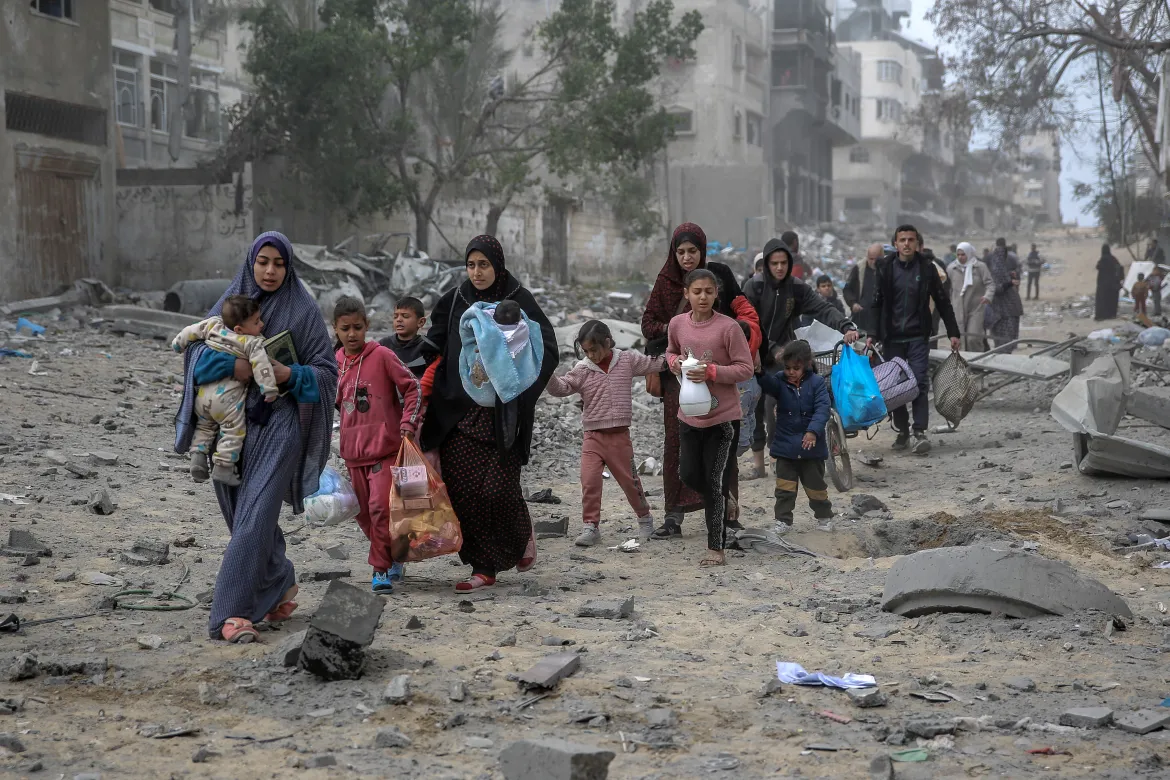
Palestinians flee an area in Gaza City that was targeted by Israeli airstrikes. [AFP]

With the official end of “Operation Gideon’s Chariots,” a military campaign launched by the Israeli army against the Gaza Strip, which had been touted as “decisive” and “highly impactful,” debate has once again flared within Israel’s security cabinet over the war’s future and the next strategic steps.

This debate has been anything but smooth. It has rekindled memories of earlier tensions with dismissed Defense Minister Yoav Gallant and outgoing Chief of Staff Herzi Halevi, both of whom have come under fierce criticism from Religious Zionist ministers who blame them for the failure to achieve the war’s goals.

Despite changes in context, details, and personnel, Prime Minister Benjamin Netanyahu continues to play his familiar game of managing and exacerbating tensions between his far-right allies and the professional echelons—particularly the military. He exploits these disputes both domestically and internationally to cast himself as the “savior” and solution-bearer, while in reality, he remains the epicenter of the crisis.

This political crisis is unfolding at a critical moment. It coincides with what had been a promising negotiation track, which was abruptly derailed after U.S. envoy Steve Wietkopf withdrew the American delegation—an act widely seen as aligning with Netanyahu’s desire to avoid any serious commitments that might constrain his political and strategic calculations. As a result, the situation has entered a deadlock, requiring a clear decision on the next phase of war in Gaza.

Annexation and Settlement Dreams Resurface

With hopes for a negotiated deal fading, leaders of the far-right Israeli establishment have escalated their demands regarding Gaza’s future, reviving long-held ambitions to reverse the so-called “historic mistake” of the 2005 disengagement plan, which dismantled Israeli settlements in the Strip and saw the army’s withdrawal.

In this context, far-right National Security Minister Itamar Ben Gvir renewed calls for reoccupying Gaza and expelling its Palestinian residents. In a post on X, he declared: “We must return home—to [the settlements of] Gush Katif, to every part of Gaza,” adding, “The ones who should leave are the enemies,” referring to the Palestinian population.

Ben Gvir, who once lived in Gush Katif with his wife before the 2005 evacuation, reminded followers that the settlement block had stretched from Rafah to the outskirts of Deir al-Balah on confiscated Palestinian land.

During a provocative visit to the Al-Aqsa Mosque compound on the occasion of the Jewish commemoration of the “Temple’s Destruction,” Ben Gvir reiterated his hardline positions. In a video filmed onsite, he advocated for “the complete occupation of Gaza and the declaration of Israeli sovereignty over it,” asserting that “eliminating every Hamas member and encouraging voluntary migration are the path to retrieving the hostages and winning the war.”

Finance Minister Bezalel Smotrich was quick to follow suit, claiming the U.S. had given a “green light” for transforming Gaza into a tourist zone after occupation and expulsion of its residents. “We have the opportunity to relocate Gaza’s population to other countries, and we’re working on it,” he stated. “We will occupy Gaza and make it an integral part of Israel.”

Smotrich also opposed any partial hostage deal, urging Netanyahu to “slam the door shut on this option” and immediately order a ground invasion. He emphasized the need for what he termed a “humanitarian separation plan,” aimed at subduing Hamas and releasing hostages without preconditions—or else razing Gaza entirely.

These extreme stances have spilled into the security cabinet’s deliberations. A heated clash erupted between Smotrich and new Chief of Staff Herzi Halevi’s successor, Eyal Zamir. According to Yedioth Ahronoth, Zamir warned that occupying Gaza in full would take years. Smotrich, however, insisted on his aggressive plan, snapping, “We miss Halevi,” in a thinly veiled jab—underscoring deepening tensions between military leadership and far-right ministers.

Amid these escalations, Haaretz reported that Netanyahu floated a proposal to occupy parts of Gaza to appease Smotrich and dissuade him from resigning in protest over what he termed Israel’s “permissiveness” in allowing humanitarian aid into the Strip.

No “Strategic Clarity”… and Conflicting Goals

In a recent security cabinet session, Chief of Staff Zamir laid out the military’s position bluntly: the army had reached the limits of its operational capacity, and a ceasefire coupled with a prisoner swap was now the most realistic and necessary path forward.

Netanyahu and his inner circle rejected this outright, accusing Zamir in closed-door meetings of “defeatism” and undermining the war’s “potential for victory.”

According to Israel’s public broadcaster, Zamir made it clear that the war’s goals had become contradictory. He argued that it was impossible to simultaneously retrieve hostages and destroy Hamas completely. He called for a definitive political decision, rather than leaving the military to operate amid strategic ambiguity.

Political analyst Nahum Barnea, writing in Yedioth Ahronoth’s weekend supplement, warned that the Israeli army now faces a defining crossroads—not just in Gaza, but in the strained relationship between military and political leadership. The rift between Zamir and the political echelon, he argued, is a deep crisis rather than a mere disagreement over strategy.

Israeli Army Radio reported “escalating tensions” between Zamir and Netanyahu’s government, noting that the Chief of Staff has repeatedly demanded strategic clarity regarding the next phase. Zamir reportedly warned that the security cabinet hasn’t convened in weeks and that the military “is not receiving clear directives about the future.”

Privately, Zamir has cautioned that prolonged deployment in Gaza endangers soldiers and serves Hamas’s interests. Analysts say the army has already begun to reduce troop numbers and reposition forces—preparing for a possible transitional phase even before a ceasefire or deal is reached.

According to military estimates cited by Army Radio, full occupation of Gaza is technically feasible but would take months, and rooting out Hamas above and below ground could take years.

Maariv reported that the military “doesn’t know what the political leadership wants regarding the war’s future.” Netanyahu, the paper said, ignored Zamir’s request to present updated military plans, further eroding trust within decision-making circles.

Hostages and the Illusion of a “Decisive Victory”

Government assessments remain conflicted, especially as the army resists further escalation while international pressure mounts over harrowing images of famine in Gaza—pressure that threatens both Israel’s global image and the core of its military strategy.

Netanyahu continues to allow friction between far-right ministers and military brass to fester, using it as a double-edged tool: domestic pressure and strategic signaling to the U.S., mediators, and even to Hamas. But this tactic, while politically expedient, offers no clear path forward.

He now faces two stark choices: accept a hostage deal backed by the military or pursue full-scale occupation, the preferred route of the far-right.

Israeli media reported that the security cabinet is set to hold a decisive meeting to address these dilemmas. According to Yedioth Ahronoth, three main options are on the table:

  1. Occupy targeted areas such as central camps and Gaza City—where some hostages may still be alive—while evacuating civilians to the south.

  2. Encircle Gaza City and nearby camps, conducting intense aerial bombardments to wear down resistance without a full ground invasion.

  3. Maintain the status quo and pursue the faltering negotiation track.

The third option appears increasingly unrealistic, as key Israeli decision-makers believe Hamas has no interest in a deal under Israeli terms. Some hostage families are now urging the government to abandon the pursuit of total victory and focus instead on retrieving their loved ones—even if that means ending the war without achieving maximalist goals.

Following the conclusion of Steve Wietkopf’s visit, Israeli officials have started hinting at a shift toward renewed military action. Hebrew media quoted a political source—believed to be from Netanyahu’s office—saying: “We’re in discussions with the Americans, and there’s growing understanding that Hamas is not interested in a deal. The Prime Minister is therefore pushing for military action to free the hostages.”

Channel 11 described this as a direct signal that a large-scale military campaign may be next—potentially culminating in full occupation of Gaza under the banner of “freeing hostages by force.”

“Total Victory” or “Comprehensive Solution”?

As internal Israeli debate intensifies, signs of a shift in U.S. policy are emerging—especially following pivotal remarks by envoy Steve Wietkopf, which dealt a fatal blow to recent negotiations and now appear to pressure Netanyahu to choose a definitive course of action.

Wietkopf has begun discussing “alternative options” for releasing hostages—clear evidence of declining faith in negotiations. Former President Donald Trump also weighed in, offering Netanyahu unambiguous support for ending the matter militarily: “I think Hamas wants death—that’s terrible… It’s time to finish the job.” He added, “Israel will have to fight. They’ll have to clear the area… get rid of them.”

Later, Wietkopf floated the idea of a “comprehensive solution”—one that would dismantle Hamas rule, disarm the group, and release hostages in exchange for ending the war. While the proposal carries American backing, it risks further complicating negotiations, as it aims to secure through diplomacy what Israel’s military could not accomplish by force.

Netanyahu appears unenthusiastic about this U.S. proposal. He seems to favor a more limited hostage deal that avoids major concessions and allows for continued military operations—serving his broader strategic goal of population transfer and long-term dominance.

Meanwhile, the Palestinian resistance, led by Hamas’s armed wing, the Qassam Brigades, has signaled—via spokesman Abu Ubaida—that the current window of opportunity may not remain open much longer. The chance to release ten hostages as part of a wide-ranging deal may soon be off the table.

Ultimately, Gaza appears headed into yet another chapter of suffering, as political stagnation persists and Israel reverts to increasingly aggressive strategies. The bleakest of these entails the continuation of blockade, starvation, and destruction—following nearly two years of relentless war.

Download this article as PDF
Share this Article
Facebook Twitter Whatsapp Whatsapp Telegram Email Copy Link
أحمد الطناني
By أحمد الطناني كاتب وباحث في الشأن السياسي
Follow:
Previous Article نون بوست Al-Aqsa Raids Signal a Tectonic Shift
Next Article نون بوست Sectarian Disinformation: How Truth Is Lost in the New Syria

Read More

  • U.S. Regime‑Change Policies: Why They Are Destined to Fail U.S. Regime‑Change Policies: Why They Are Destined to Fail
  • The Gulf’s Balancing Act: Iran, Israel, and Hidden Links
  • Iraq–Turkey Oil Export Treaty: Why Did Ankara Cancel It After 52 Years?
  • Syria’s Northeast on Edge: QSD Between Ankara and Damascus
  • Has Europe Changed Its Stance on Israel… or Just Its Language?
part of the design
NoonPost Weekly Newsletter

You May Also Like

U.S. Regime‑Change Policies: Why They Are Destined to Fail

U.S. Regime‑Change Policies: Why They Are Destined to Fail

إسراء سيد Esraa sayed 8 April ,2026
The Gulf’s Balancing Act: Iran, Israel, and Hidden Links

The Gulf’s Balancing Act: Iran, Israel, and Hidden Links

فريق التحرير Noon Post 8 April ,2026
Iraq–Turkey Oil Export Treaty: Why Did Ankara Cancel It After 52 Years?

Iraq–Turkey Oil Export Treaty: Why Did Ankara Cancel It After 52 Years?

فريق التحرير Noon Post 8 April ,2026

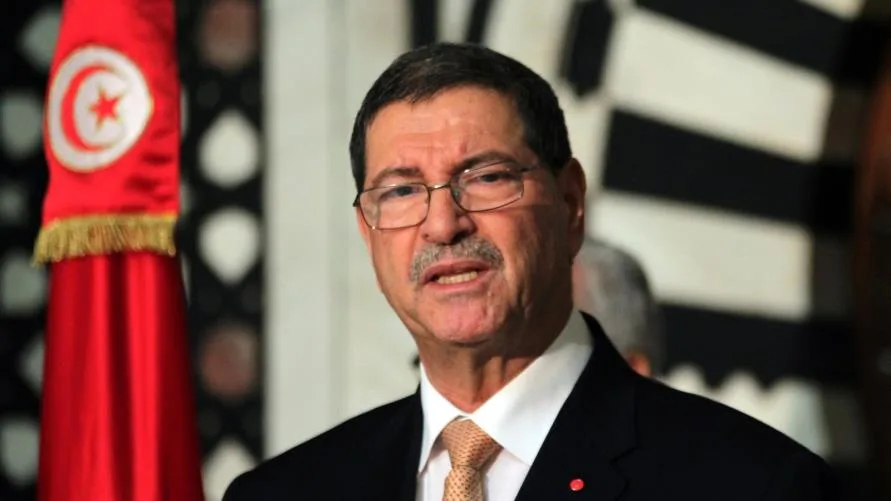
كلمة رئيس الحكومة التونسية أمام البرلمان: وضع البلاد صعب

فريق التحرير
Noon Post Published 27 January ,2016
Share
501

قال رئيس الحكومة التونسية الحبيب الصيد ان  وضع بلاده صعب،الأمر الذي أثر على قدرة الدولة في التشغيل.

وأكد الصيد خلال كلمة له ألقاها اليوم في البرلمان على ضرورة تفهم وضع البلاد وقال “على الجميع تفهم الوضع الصعب الذي تمر به البلاد”.

وأرجع الصيد هذا الوضع إلى الضربات الإرهابية التي شهدتها تونس السنة الماضية والتي أثرت كثيرًا على الاقتصاد وخاصة القطاع السياحي حسب قوله، مضيفًا “كما أن الوضع في ليبيا يؤثر على تونس”. 

وقدم رئيس الحكومة التونسية خلال جلسة عامة بالبرلمان خصصت لمناقشة وضع البلاد، الوثيقة التوجيهية للمخطط الخماسي للتنمية المبرمج للفترة من 2016 إلى 2020، وذكر فيها أن الحكومة بدأت في النظر إلى مشاكل محافظة القصرين قبل أن تندلع الاحتجاجات. 

وتأتي هذه الجلسة استجابةً لدعوات الأحزاب بالبرلمان في اتجاه تشخيص الوضع العام بالبلاد والسعي إلى إيجاد حلول لمشاكل البطالة والتنمية، وذلك على خلفية موجة الاحتجاجات المطالبة بالتشغيل والتنمية في عدّة مناطق منذ أسبوعين.

وأشار الصيد إلى أنه “لا يمكن أن ننجز كل شيء واتخذنا إجراءات خصوصية لتحسين الوضع ولم نقم بإصلاحات جذرية، سنجد حلاً ظرفيًا وليس نهائيًا، لدينا بعض الحلول وشرعنا فيها لا تهم الجميع وهي حلول ناقصة، ومن واجب الحكومة إيجاد حل للبطالة وهي من أول الأولويات”.

وشهدت مدن تونسية مختلفة طيلة الأسبوع الماضي تحركات احتجاجية للمطالبة بالتشغيل ومكافحة الفساد، وانطلقت الاحتجاجات في محافظة القصرين غرب البلاد بعد أن تجمع عدد من الشباب احتجاجًا على ما أسموه “تلاعبًا من قِبل السلطة المحلية في قائمة أسماء المعينين في وظائف حكومية”، وذلك إثر وفاة شاب متأثرًا بإصابات نتجت عن صعق كهربائي، بعد تسلقه لأحد أعمدة الإنارة احتجاجًا على خلو قائمة كشوف المعينين بالوظائف من اسمه.

من جهته أكد وزير التشغيل والتكوين المهني، زياد العذاري، أن الدولة ليس بإمكانها استيعاب كافة العاطلين عن العمل في الوظيفة العمومية وأن الحل يكمن في القطاع الخاص، وأوضح العذاري أن الدولة ستنهار لو تم استيعاب كافة العاطلين عن العمل، مشيرًا إلى أن دورها يكمن في تأهيل طالبي الشغل وتأطيرهم ومرافقتهم ودفعهم لبعث المشاريع وتحسين مهاراتهم، مما يسمح باستيعابهم في سوق الشغل.

وأضاف أن مشكلة التشغيل تتطلب إصلاحات حقيقية وجذرية وليس مجرّد مسكنات وحلول ترقيعية، مؤكدًا أنه يجب العمل على دفع الاستثمار في الجهات وتطوير منظومة بعث المشاريع الصغرى وتشجيع روح المبادرة لدى طالبي الشغل.

وقال العذاري إن الدولة لها طاقة استيعاب محدودة، مشيرًا إلى أنه سيتم انتداب 16 ألف عاطل عن العمل خلال سنة 2016 في الوظيفة العمومية.

بدوره قال رئيس البرلمان التونسي محمد الناصر: “لا بدّ من مساهمة الجميع في إيجاد الحلول المناسبة لمشكلة التشغيل بتعاون بين الحكومة والأحزاب والمنظمات الوطنية والمجتمع المدني”، مضيفًا “على أنّ دور الحكومة يبقى في المقام الأول، ذلك أن لها أن تضع الخطة الملائمة للاستثمار في القطاعات ذات أكبر قيمة مضافة وأكثر طاقة تشغيلية، إلى جانب إصلاح جذري في مناهج التعليم والتكوين، خطة وطنية متكاملة، تكون محلّ توافق واسع وتضمن تكافؤ الحظوظ لكل التونسيين كما تؤمّن الحد الأدنى من الدخل ومن الحماية الاجتماعية لكل أسرة تونسية”.

ومن المنتظر أن يؤدي محمد الناصر ووفد نيابي مرافق له زيارة عمل إلى روما يومي 28 و29 يناير 2016 يلتقي خلالها رئيس مجلس الشيوخ السيد Pietro Grasso ونظيرته رئيسة مجلس النواب الإيطالي السيدة Laura Boldrini وعدد من الشخصيات الرسمية، كما سيلتقي الجالية التونسية المقيمة بإيطاليا.

وتهدف الزيارة البرلمانية إلى فتح آفاق تشغيلية جديدة للشباب التونسي العاطل عن العمل وللتباحث في ملف التونسيين المفقودين في إيطاليا وملف الهجرة غير الشرعية، بالإضافة إلى تفعيل الدبلوماسية البرلمانية بهدف دعم موقع تونس الاقتصادي لدى الشريك الإيطالي بصفة خاصة والأوروبي بصفة عامة، كما سيتم توقيع مذكرة تفاهم بين البرلمانين التونسي والإيطالي لتعزيز العلاقات الثنائية وبلورة المواقف في إطار الجمعية البرلمانية للاتحاد من أجل المتوسط والمؤسسات البرلمانية الإقليمية والدولية.

من جهة أخرى قال رئيس الحكومة التونسية الحبيب الصيد: إن “بعض المندسين كانوا في صفوف المتظاهرين السلميين الذين عبروا عن موقفهم من التشغيل والتنمية، وأشخاص استغلوا الوضع والاحتقان لدى الشباب، ونحن على بينّة على ما وقع في البلاد”، وأوضح الصيد أن بعض العصابات الإرهابية استغلت الوضع لبث سمومها وإصدار بلاغات تدعو إلى انهيار الدولة والانقضاض عليها.

وتابع الصيد في كلمته، “نقول لهذه الأطراف أن تونس حاليًا منيعة وملتفة وتدافع عن الأسس والانتقال الديمقراطي، وأنهم غير قادرين على المس من هذا الانتقال، لأن الشعب التونسي كافة يقف يدًا واحدة للدفاع عن حرمة بلادنا والنمط الديمقراطي الجمهوري الذي اخترناه لبلادنا”، وبيّن الصيد أن الشعب متماسك وقوات الأمن والجيش جاهزون للذود عن أمن البلاد.

واعتبر رئيس الحكومة أن التظاهر السلمي وقع التعامل معه بكل حرفية، ومواقف الأحزاب والمجتمع المدني كان لها دور كبير في تهدئة الأوضاع، وأفاد بأن “الاحتجاجات انطلقت سلمية، واستغلت للتعدي على الأمن العام والممتلكات العامة والخاصة، وتطورت العملية من منطقة إلى عدة مناطق لذلك اضطررنا إلى إعلان حظر التجول وهو ما حسّن الوضع كثيرًا”.

وشهدت مدن تونسية خلال التحركات الاحتجاجية التي نفذها عاطلون عن العمل الأسبوع الماضي مواجهات بين قوات الأمن وعدد من الشبان نتيجة محاولة اقتحام مقرات سيادية والقيام بعمليات نهب طالت بعض المحلات التجارية الكبرى.

تعاني تونس من وضع اقتصادي صعب ونسبة نمو لم تتجاوز 0.5% في 2015، بينما شهدت نسبة البطالة خلال الثلث الأخير من العام الماضي ارتفاعًا إلى حدود 15.3% مقابل 15% خلال الثلث الأول من نفس السنة بحسب ما كشف عنه المعهد الوطني للإحصاء.

وأبرزت نتائج المسح الوطني حول السكان والتشغيل للثلث الأخير من سنة 2015 أن عدد العاطلين عن العمل يقدر بـ 612.3 ألف عاطل منهم 242 ألف حاصل على شهادة جامعية عليا من مجموع السكان النشيطين الذي بلغ عددهم 3 ملايين و392 ألف.

TAGGED: الاحتجاجات في تونس ، البرلمان التونسي ، البطالة في تونس ، التشغيل في تونس
Download this article as PDF
Share this Article
Facebook Twitter Whatsapp Whatsapp Telegram Email Copy Link
فريق التحرير
By فريق التحرير تقارير يعدها فريق تحرير نون بوست.
Follow:
Next Article نون بوست The Stigma of “ISIS”: A Heavy Legacy Haunting Women and Children of Former Members

Read More

  • U.S. Regime‑Change Policies: Why They Are Destined to Fail U.S. Regime‑Change Policies: Why They Are Destined to Fail
  • The Gulf’s Balancing Act: Iran, Israel, and Hidden Links
  • Iraq–Turkey Oil Export Treaty: Why Did Ankara Cancel It After 52 Years?
  • Syria’s Northeast on Edge: QSD Between Ankara and Damascus
  • Has Europe Changed Its Stance on Israel… or Just Its Language?
part of the design
NoonPost Weekly Newsletter

You May Also Like

U.S. Regime‑Change Policies: Why They Are Destined to Fail

U.S. Regime‑Change Policies: Why They Are Destined to Fail

إسراء سيد Esraa sayed 8 April ,2026
The Gulf’s Balancing Act: Iran, Israel, and Hidden Links

The Gulf’s Balancing Act: Iran, Israel, and Hidden Links

فريق التحرير Noon Post 8 April ,2026
Iraq–Turkey Oil Export Treaty: Why Did Ankara Cancel It After 52 Years?

Iraq–Turkey Oil Export Treaty: Why Did Ankara Cancel It After 52 Years?

فريق التحرير Noon Post 8 April ,2026
dark

An independent media platform founded in 2013, rooted in slow journalism, producing in-depth reports, analysis, and multimedia content to offer deeper perspectives on the news, led by a diverse young team from several Arab countries.

  • Politics
  • Society
  • Rights & Liberties
  • Opinions
  • History
  • Sports
  • Education
  • Technology
  • Economy
  • Media
  • Arts & Literature
  • Entrepreneurship
  • Travel
  • Cinema & Drama
  • Food
  • Health
  • Culture
  • Latest Reports
  • Files
  • Long Reads
  • Interviews
  • Podcast
  • Interactive
  • Encyclopedia
  • In Pictures
  • About Us
  • Our Writers
  • Write for Us
  • Editorial Policy
  • Advanced Search
Some rights reserved under a Creative Commons license

Removed from favorites

Undo
Go to mobile version