
NoonPost NoonPost

NoonPost

  • Home
  • Politics
  • Economy
  • Society
  • Culture
  • Files
  • Long Reads
  • Podcast
AR
Notification Show More
نون بوست
“There Are Nights I Can’t Close My Eyes”: How Gazans Are Living in Homes on the Brink of Collapse
نون بوست
From al-Jolani to Ahmad al-Shara: The Evolution of Syria’s New Leader
نون بوست
When Political Islam Receded in Egypt: Who Filled the Void?
نون بوست
An Extension of Genocide: Gaza’s Detainees Speak Out
نون بوست
A Tightrope Between Survival and Sovereignty: The Syrian Government Faces Normalization Pressures
نون بوست
American Aircraft Carriers: Has the Era of “100,000 Tons of Diplomacy” Ended?
نون بوست
U.S. Regime‑Change Policies: Why They Are Destined to Fail
نون بوست
Transformations of Israeli Judaism: Between the Victim Complex and the Colonizer’s Doctrine
نون بوست
The Gulf’s Balancing Act: Iran, Israel, and Hidden Links
نون بوست
Iraq–Turkey Oil Export Treaty: Why Did Ankara Cancel It After 52 Years?
نون بوست
Syria’s Northeast on Edge: QSD Between Ankara and Damascus
نون بوست
Has Europe Changed Its Stance on Israel… or Just Its Language?
NoonPost NoonPost
AR
Notification Show More
نون بوست
“There Are Nights I Can’t Close My Eyes”: How Gazans Are Living in Homes on the Brink of Collapse
نون بوست
From al-Jolani to Ahmad al-Shara: The Evolution of Syria’s New Leader
نون بوست
When Political Islam Receded in Egypt: Who Filled the Void?
نون بوست
An Extension of Genocide: Gaza’s Detainees Speak Out
نون بوست
A Tightrope Between Survival and Sovereignty: The Syrian Government Faces Normalization Pressures
نون بوست
American Aircraft Carriers: Has the Era of “100,000 Tons of Diplomacy” Ended?
نون بوست
U.S. Regime‑Change Policies: Why They Are Destined to Fail
نون بوست
Transformations of Israeli Judaism: Between the Victim Complex and the Colonizer’s Doctrine
نون بوست
The Gulf’s Balancing Act: Iran, Israel, and Hidden Links
نون بوست
Iraq–Turkey Oil Export Treaty: Why Did Ankara Cancel It After 52 Years?
نون بوست
Syria’s Northeast on Edge: QSD Between Ankara and Damascus
نون بوست
Has Europe Changed Its Stance on Israel… or Just Its Language?
Follow US

Israel Turns Starvation in Gaza into a Strategy of Subjugation

عماد عنان
Emad Anan Published 26 March ,2026
Share
نون بوست

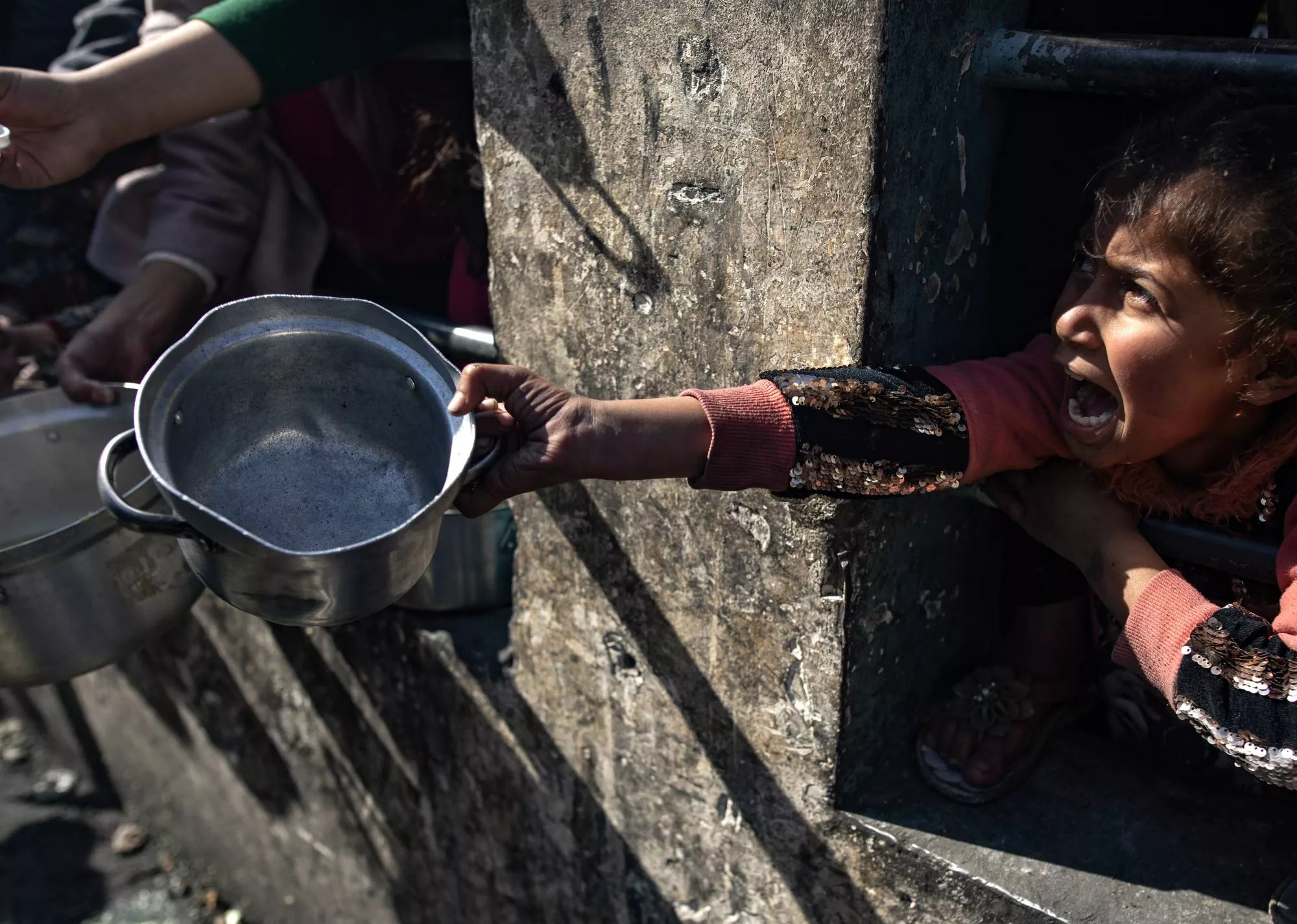
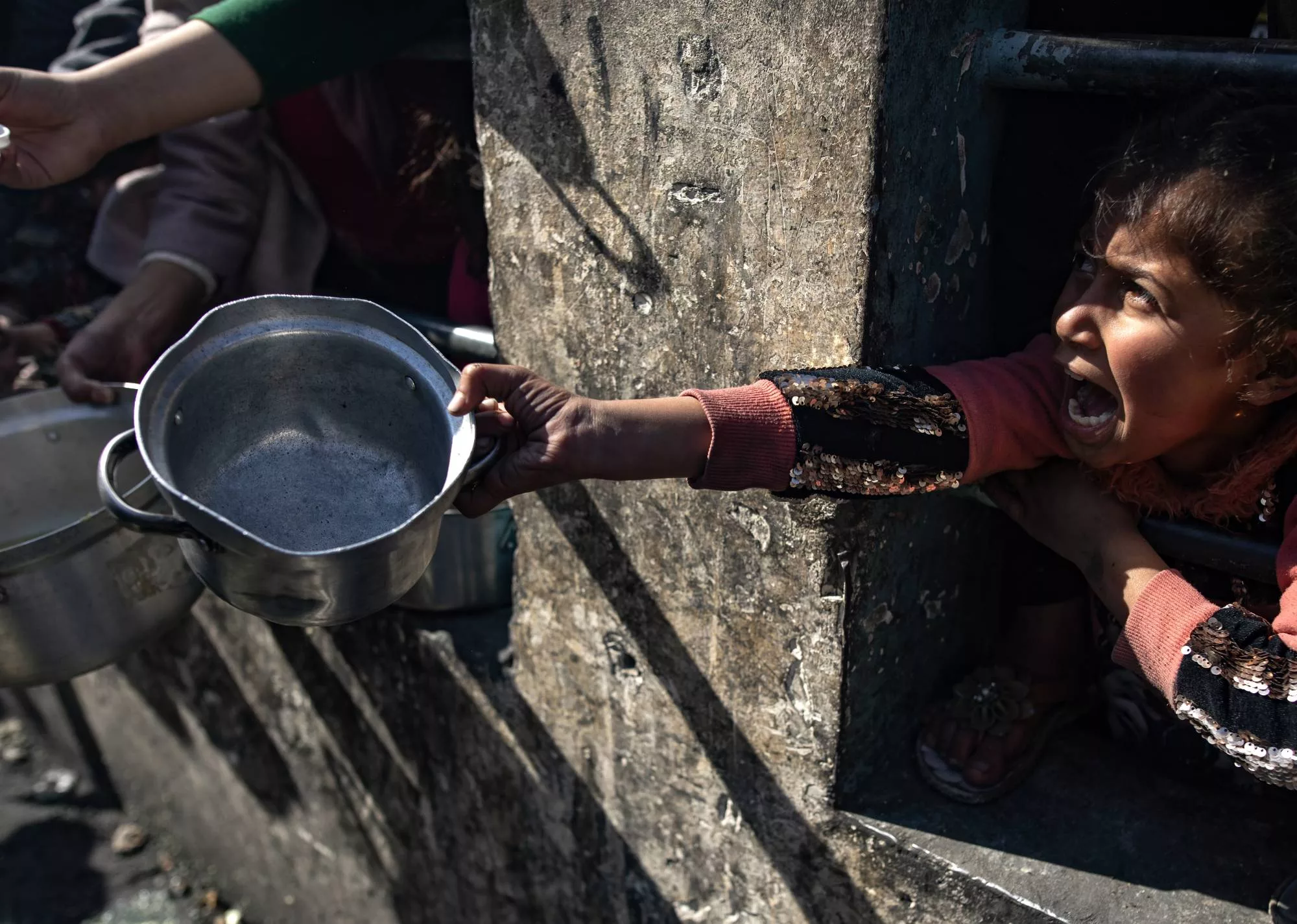
“No voice today is louder than the rumble of empty stomachs, no story precedes the scream of hunger in Gaza’s streets. Hunger has wounded the old before the young. We, and our people, are not living—we are simply waiting to die: by airstrikes, starvation, or thirst.”

With these haunting words, Palestinian journalist and Al Jazeera correspondent Anas Al-Sharif described the catastrophic conditions endured by the people of Gaza.
نون بوست

Bodies collapse, flowers wither, lives are extinguished. Skeletons pierce through skin. Hunger fills homes, and silent screams rise from empty stomachs. Life writes its final chapters as a people teeter on the edge of an abyss, while the world watches from afar—hands on cheeks, shedding fleeting tears to soothe a comatose conscience.

Humanity’s heart has stopped beating; justice is gasping its last breath on a ventilator. The world suffers from a swelling of failure, paralysis of empathy, and a grotesque inflation of betrayal.

Two million people in Gaza are facing one of the most egregious acts of genocide in modern history—a systematic starvation campaign that transforms the human right to food and water into a weapon of collective punishment. An entire population has been placed on a slow-moving death list. If not killed by bombardment, they will surely perish from hunger.

Those desperate enough to risk their lives for a bag of flour or a scrap of bread often return as corpses, victims of so-called “aid distribution points” that are, in reality, death traps.

What is happening in Gaza defies all expectations and transcends every historical record of racism and brutality. An entire nation is being driven to death by starvation. The scenes are horrifying—images that shatter the foundations of moral conscience and expose the fragility of so-called civilization. This is not a film; it is a real-time broadcast of suffering, a dystopian documentary more visceral than The Great Famine of Mao, Mr. Jones, or Black ’47.

Official Famine Declaration Looms

Israel has engineered hunger and thirst as a primary weapon in its war against Gaza, especially since the resumption of hostilities on March 18. The starvation campaign has escalated through a tightly coordinated strategy: sealing border crossings, blocking aid convoys, and replacing them with what are now called “death points.”

Over 100 people are dying each day in Gaza, either from starvation itself or from attacks at these deadly aid distribution centers. All indicators suggest Gaza meets the criteria for a formal famine declaration: 20% of the population facing extreme hunger, and 30% of children suffering from acute malnutrition and wasting.

According to Gaza’s Government Media Office, 650,000 children—out of the 2.4 million living in the Strip—are at risk of dying from hunger-related causes. Around 60,000 pregnant women face critical risks due to lack of food and medical care. UNICEF reports that 112 children are hospitalized daily with severe malnutrition, while 620 people have already died of hunger—70 of them since June alone.

Since October 2023, Israel has waged a comprehensive campaign of genocide in Gaza—combining bombing, starvation, destruction, and forced displacement. The toll: over 199,000 Palestinians killed or injured, the majority being women and children. More than 9,000 remain missing. Hundreds of thousands are displaced. Starvation has claimed countless lives.

The Architecture of Starvation

Israel’s starvation campaign is not haphazard. It is deliberate, calculated, and racist. Each step is meticulously planned and timed. This is not merely a blockade or a refusal to allow food aid into Gaza. It is a multi-layered assault on every facet of survival.

Hospitals have no fuel. Bakeries lack subsidized flour. There are no tents for the displaced, no clean water, no safe zones, and not even shrouds for the dead. Economic lifelines have been severed—banks are shut, salaries frozen, and financial aid blocked. Crisis profiteers run amok under Israeli protection, exploiting a defenseless population with no accountability.

Once starvation became an effective pressure tool, Israel escalated it into a strategy of humiliation. Aid centers, managed by U.S.-linked institutions under Israeli control, have become instruments of submission. Media platforms have circulated images of people reduced to desperation at these sites, now infamous as death traps.

Meanwhile, UNRWA has been restricted. The agency declared that it holds enough food in Egyptian warehouses near the Rafah crossing to feed Gaza’s population for three months, and urged Israel to lift the blockade. In a post on X, UNRWA warned: “Lift the siege. Allow us to deliver food and medicine. One million Palestinian lives hang in the balance.”

A Catastrophe Beyond Words

In Gaza, hunger now wields the power of the Angel of Death. It devours children, breaks women, and hollows men’s bones. Life has completely collapsed under the weight of a genocidal war and the moral decay of a silent world—neighbors and kin, not just enemies, are complicit.

“We learned to live with hunger two or three months ago, but now it’s unbearable. There’s nothing left in the house to ration. Over a month has passed, and I haven’t had a piece of bread for my sick child,” said Palestinian journalist Mohammed Khalil, breaking down in tears.

In an interview with Noon Post, Khalil added, “We’re dying slowly. Death is closer than life. If Israeli drones don’t kill us, hunger and thirst will. Our strength is gone. We’ve endured a 20-month genocide unlike anything in recent human history.”

He condemned the “war profiteers” who worsen the crisis by charging up to 45% on money transfers. “If I try to withdraw $1,000, I only get $550,” he said. Food prices have skyrocketed: flour now costs $50 per kilo (once $2), tomatoes jumped from 1 to 70 shekels ($20.80), lentils from 1 to 60 shekels ($17.80).

Another journalist, Basheer Abu Al-Shaar, driven by starvation, offered his only source of income—his Canon D80 camera—in exchange for a bag of flour. In a desperate Facebook post, he wrote, “I just want one bag of flour. I can’t watch my children sleep on empty stomachs anymore.”

His plea was not an isolated cry, but a thunderous scream that echoes the pain of an entire population. The images speak louder than words: skeletal children, frail elderly collapsing from hunger, and women lining up outside soup kitchens, pleading: “We’re suffocating, moving from one charity to another, and we still find nothing. What did we do to deserve this?”

From Weapon to Strategy

Gaza’s hunger is no longer a tool for negotiation—it is a strategy of domination. What Israel is doing transcends any traditional notion of political pressure. Starving a population into submission, with no avenue of survival, defies even the cruelest interpretations of war conduct.

The real aim is not just to pressure Hamas, but to collectively punish all Palestinians—to “recondition their consciousness” after October 7. Scenes of humiliation serve Israeli psychological satisfaction, healing the trauma inflicted by the Al-Aqsa Flood operation.

Israel’s cruelty now exceeds that of Nazi leader Adolf Hitler, who used starvation as a control mechanism without pushing his people to the brink of death. He believed if people were too full, they’d demand political rights; if too starved, they’d revolt. He sought a middle ground. Netanyahu and his generals, however, are embracing utter annihilation—unrestrained and intentional.

As the world stands by, watching this grotesque crime, the silence is deafening. Statements of concern ring hollow. The international community is complicit through inaction, stained by the disgrace of duplicity.

But if this is the position of the so-called global order, what of the Arab and Muslim nations? The supposed defenders of Palestine? No political rationale, no strategic justification, can excuse their shameful paralysis.

The borders remain sealed, ears turned deaf. If this atrocity doesn’t stir them to action—what will? Whose hands will carry the blood of Gaza’s starving children? Justice may be delayed, but retribution, as history teaches, is inevitable.


Download this article as PDF
Share this Article
Facebook Twitter Whatsapp Whatsapp Telegram Email Copy Link
عماد عنان
By عماد عنان كاتب صحفي وباحث في الإعلام الدولي
Follow:
Previous Article نون بوست From Aid to the Frontlines: How the Houthi Militia Undermined Yemen’s Relief Network
Next Article نون بوست The Lost Mecca: Ziauddin Sardar’s Pilgrimage Experience Amid Expansion and Demolition

Read More

  • U.S. Regime‑Change Policies: Why They Are Destined to Fail U.S. Regime‑Change Policies: Why They Are Destined to Fail
  • The Gulf’s Balancing Act: Iran, Israel, and Hidden Links
  • Iraq–Turkey Oil Export Treaty: Why Did Ankara Cancel It After 52 Years?
  • Syria’s Northeast on Edge: QSD Between Ankara and Damascus
  • Has Europe Changed Its Stance on Israel… or Just Its Language?
part of the design
NoonPost Weekly Newsletter

You May Also Like

U.S. Regime‑Change Policies: Why They Are Destined to Fail

U.S. Regime‑Change Policies: Why They Are Destined to Fail

إسراء سيد Esraa sayed 8 April ,2026
The Gulf’s Balancing Act: Iran, Israel, and Hidden Links

The Gulf’s Balancing Act: Iran, Israel, and Hidden Links

فريق التحرير Noon Post 8 April ,2026
Iraq–Turkey Oil Export Treaty: Why Did Ankara Cancel It After 52 Years?

Iraq–Turkey Oil Export Treaty: Why Did Ankara Cancel It After 52 Years?

فريق التحرير Noon Post 8 April ,2026

10 أفلام ستغير رأيك في السينما الرومانسية

فاروق الفرشيشي
فاروق الفرشيشي Published 10 February ,2016
Share
citylights

أعتقد أن فكرتنا عن السينما الرومانسية مشوهة كثيرًا، ويعود السبب أساسًا إلى صناعة السينما نفسها التي تحاول النفاذ إلى جيب المشاهد قبل النفاذ إلى روحه، والحقيقة أن الرومانسية في الفن صعبة بقدر ما تبدو بسيطة، لأن ما يفصل بين العبقرية والابتذال هنا، خيطٌ رفيع يزداد سمكًا كلما ازداد الذوقُ جودة، ولأن الجودة لا تزداد إلا بتلك الأعمال الفنية العبقرية، فإن المرء يجد نفسه في حلقة مفرغة من الأعمال السيئة التي تزيد من الذوق سوءًا وترغيبًا في أعمال أكثر سوءًا.

إن أكثر الأفلام الرومانسية رواجًا هي تلك الأفلام الأمريكية التي تضم جملة من الأنماط (patterns) الدرامية المتكررة بشكل مكثف، مع الحفاظ على شخصيات وعلاقات شديدة السطحية وأحادية الأوجه في أغلب الأحيان، ويتم التعويل فيها تمامًا على موسيقى الخلفية والمفاجآت الدرامية لابتزاز المشاهد عاطفيًا.

إن المشكل غالبًا ليس قصة الحب في ذاتها (لأن الحب هو ذاته في أغلب الأحيان)، وإنما بعض المعرقلات الخارجية، مثل المرض والحرب والكبرياء أحيانًا، وكل ما يمكن أن يثير شفقة المشاهد تجاه أحد المتحابين، كما تتميز هذه القصص في الكثير من الأحيان بطابعها المرح ومشاهد الكوميديا وهو ما جعل هذه الأفلام في الغالب تندرج ضمن ما سمي بالكوميديا الرومانسية، أما الشخصيات فغالبًا ما تكون رائعة مثالية عدا عيب وحيد يتم العمل عليه لاستخراج حبكة الفيلم (الرجل متهور، أو المرأة لعوب، إلخ)، وعادة ما يكون هناك شخصية مساعدة مرحة وكثيرة الإضحاك.

تقدم هذه الأفلام كمية من العواطف تكفي لتبليل المناديل، ولو بشيء من التكلف، وهي في ذلك تشبه أفلام الرعب (والتي أفضل تسميتها سينما الفزع)، كلاهما قد يكون مسليًا ومفيدًا لمجابهة بعض الاختلالات النفسية، لكن لا يمكن التوقف عند هذه الأعمال للحكم على السينما الرومانسية.

سأحاول أن أقدم إليكم جملة من الأعمال السينمائية المؤسسة على علاقة حب بين شخصين (هناك تلك العلاقات المعقدة التي تتجاوز الشخصين مثل رائعة إيليا كازان “عربة قطار اسمها الرغبة”)، ولقد تغافلتُ في هذه القائمة عن تلك الأعمال التي تعتمد على قصة الحب للحديث عن أشياء أخرى (مثل فيلم فورست غامب، ومصير أميلي بولان المدهش)، إن هذه الأعمال، فضلاً عن حسن صنعتها، مدهشة في إبداعها وأفكارها وتعبيراتها السينمائية، وتدعو المشاهد إلى التفكير في الحب بقدرما تثير الحاجة إليه.

نون بوست

10 ـ مزاج للحب Fa yeung nin wa ـ (2000)

هو الاسم الذي اختاره المخرج وونغ كار- واي (Wong Kar Wai) لفيلمه الأشهر، والحقيقة أن هذا الرجل البارز في سينما الموجة الجديدة الثانية، عُرف بأعمال مهمة أخرى لكن يبدو أن الطابع الرومانسي لهذا الفيلم كان عونًا كبيرًا لرواجه تجاريًا، يقص لنا كار واي تفاصيل علاقة غريبة بين رجل وامرأة اكتشفا أن زوجيهما يخونانهما معًا، إن ألمهما المشترك في مختلف أبعاده، وإن العاطفة بينهما لن تجد نارًا أشد توقدًا لها من نار الانتقام، لكن ذلك يعني أن ينحُوَا منحى زوجيهما الذي أداناه.

تتميز سينما كار واي بهذا التداخل المرهف بين الجمالي في الصورة، والمربك في المعنى، ولقد ترجم هذا الفيلم فلسفة وونغ كار واي السينمائية تمامًا.

نون بوست

9 ـ ألعاب صبيانية Jeux d’enfants ـ (2003)

من أعجب بفيلم المصير المدهش لأمِلي بولان Le fabuleux destin d’Amélie Poulain فسيعجب حتمًا بهذا الفيلم، ولئن كان فيلم أملي متمحورًا أساسًا حول الشخصية الرئيسية وتعاملها مع مختلف عناصر الحياة (بما فيها الحب) فإن هذا الفيلم يدور أساسًا حول العلاقة الملتبسة بين بطلي الفيلم جوليان “غليوم كاني Guillaume Canet” وصوفي “ماريون كوتيار Marion Cotillard” إنه الفيلم الذي اتخذ أساسًا لفكرته، تلك القولة الشهيرة لابن حزم: الحب أعزك الله أوله هزل وآخره جد، فكيف يتحول الحب من الهزل إلى الجد؟ وهل من الجدي التعامل مع الحب بمنتهى الهزل؟

إنها تلك الأسئلة التي سوف تراودك وأنت تتابع تطور لعبة “هل تستطيع” التي دأبا عليها منذ طفولتهما، إلى شيء مرضي لا يكاد يحتمل، فمن يخرج فائزًا في لعبة الحب هذه؟

نون بوست

8 ـ حب Amour ـ (2012)

يقدم لنا المخرج الألماني مايكل هانِكه تصوره الفريد عن الحب من خلال قصة زوجين عجوزين يعيشان لحظات حبهما الأخيرة، يكشف لنا من خلال عدسته الصارمة المراقبة الصامتة الهادئة يوميات جورج وآن وهما يستقبلان بعد سن الثمانين شللاً أقعد الزوجة وجعل الزوج يجاهد للحفاظ على حياة كريمة لكليهما، وصورة مشرقة لحبهما الكبير.

إنها المعركة الأخيرة بين الحلم والواقع، بين ما يجعل القلب ينبض وما يجعله يتوقف عن النبض، إنها المعركة بين الحياة والموت، وبين الحب والعجز، يمكن للمرء من خلال هذا الفيلم أن يكتشف أن الصورة السينمائية قادرة على صنع التفاعل العاطفي من دون الحاجة إلى التكلف والانفعال المفرط والموسيقى الهستيرية، إن الحقيقة وحدها كافية.

نون بوست

7 ـ ضائع في الترجمة Lost in Translation ـ (2003)

شارلوت الفتاة الفاتنة الصغيرة التي تمثلها سكارلت جونسون، تأتي إلى طوكيو مع زوجها المصور الفوتوغرافي اللامع، لتجد نفسها وحيدة ومعزولة في مدينة لا تفهمها، في نفس الوقت الذي يحط فيه الممثل الكهل المعروف بوب “بيل موراي” الرحال في نفس الفندق، لأداء إشهار تجاري في طوكيو، يجد الرجل نفسه في دوامة الوحدة والعزلة ذاتها التي فيها شارلوت، لم يكن لقاؤهما في الفندق إذًا صدفة بقدر ما كان حتميًا.

إن عادة قصص الحب، أن تنشأ وسط سياقات استثنائية مختلفة، لكن في هذا الفيلم، يبدو أن الحب هو الاسثنائي، إنه كل ما لم يحصل بين بوب وشارلوت، إنه تلك القصة التي يفترض أن تحدث بينهما، إنها تلك التفاصيل الخفية التي تشي بما لا يوجد، في عبقرية ليست تعرف سرها سوى المخرجةُ صوفيا كوبولا، ولعلها في النهاية مجرد تفاصيلٍ ضاعت في الترجمة.

نون بوست

6 ـ قبل الشروق Before Sunrise ـ (1995)

أعتقد أن الفيلم أشهر من تقديمه، إنه بداية الثلاثية الرومانسية الشهيرة للمخرج الأمريكي المتميز ريتشارد لينكلايتر، يروي الفيلم تفاصيل اللقاء المدهش الذي جمع بين الأمريكي جيسي (إيثان هاوك) والفرنسية سيلين (جولي دلبي) في قطار يقف بهما في فيينا، فاسحًا المجال لليلة وحيدة يتعرفان خلالها على بعضهما البعض قبل أن يشد كل منهما الرحال إلى بلاده، هو أحد الأفلام النادرة التي تعتمد أحداثها أساسًا على الحوار لا غير، الحوار وحده من يكشف لنا طبيعة الشخصيتين وخفاياهما وهو الذي يدفع بكليهما إلى اتخاذ القرار وتغيير القناعات.

إن ما يجعل هذا الفيلم ساحرًا، هو تلك الصورة الجميلة والمختلفة عن المتحابين، فلِسيلين وجيسي مواضيع أخرى غير التغني كلٌ بصاحبه، وغير المشاعر والعراقيل التي تحول دون وصالهما، بل هما يوغلان في ذلك الذي جمع بينهما وجعل كلا منهما يهتم بالآخر: ذاته نفسها، يتحدثان عن كل شيء، ويستمتعان إلى آخر رمق من الليل بحديثهما، ويمتعان المشاهد، ويجعلانه يحلم بليلة لا كتلك التي تغنت بها أم كلثوم، وإنما ليلة من التفاعل الروحي الجميل.

نون بوست

5 ـ إشراقة أبدية لعقل طاهر Eternal Sunshine of the spotless mind ـ (2004)

حين شاهدتُ الممثل الكوميدي الشهير جيم كاري في معلقة الفيلم، استغربت أن يكون للعمل علاقة بالرومانسية، لكنني كنت مخطئًا تمامًا، إن هذا الفيلم ذا الاسم الغريب، أحد أفضل أعماله وهو أيضًا أحد أفضل أعمال الرائعة كايت وينسلت، وتكمن عبقرية الفيلم في الخلطة العجيبة التي جمعت بين الرومانسية والخيال العلمي.

تصل العلاقة بين جويل “جيم كاري” وكليمانتين “كايت ونسليت” إلى نهايتها، ورغم الحب الكبير بينهما يقتنعان بأن الحل يكمن في أن ينسى كل منهما صاحبه حرفيًا، في عالمهما المستقبلي، يمكن للطبيب أن ينتزع من ذاكرتك تمامًا كل أثر لأي شخص تريده، لكن فقط حينما نسي كلٌ منهما الآخر، فهما عمق العلاقة التي تربط بينهما.

إن الخيال العلمي هنا ليس زخرفيًا بقدر ما هو جزء مهم من حبكة الأحداث، ولقد ساهمت هذه الطرافة في إيجاد مذاق خاص لرومانسية الفيلم، فضلاً عن أداء البطلين الذي يخضع لأي تقييم، وإنما يفرض عليك الاستمتاع فحسب.

نون بوست

4 ـ إفطار عند تيفاني Breakfast at Tiffany’s ـ (1961)

في هذا الفيلم الكلاسيكي الشهير من الستينات، تقدم لنا الساحرة أودري هيبورن Audrey Hepburn دور فتاة جميلة تحاول ممارسة بورجوازيتها وإبدائها والانتفاع منها، وسط مجتمع نيويورك الراقي والمنافق، وتلعب الصدف دورها لتلتقيَ بباول “جورج بيبرد” وتبدأ العلاقة الملتبسة بينهما التي تختل فيها الحدود بين الحب والصداقة، وتتأرجح فيها المشاعر بين التلميح والتصريح، وتكتشف خلالها هولي “أودري هيبورن” كم تخفي من الضعف خلف قناع بورجوازيتها الزائفة.

يعتبر هذا الفيلم أيقونة سينمائية مهمة ولقد خلدت أودراي هيبورن في سجل هوليود بفضل هذا الدور التاريخي الذي عبر بإتقان كبير عن التقلبات الحضارية والاجتماعية التي شهدتها الولايات المتحدة والعالم الغربي في تلك الفترة.

نون بوست

3 ـ الدار البيضاء أو Casablanca ـ (1942)

إنه الفيلم الكلاسيكي الشهير، أحد أهم معالم هوليود في عصرها الذهبي، يعتبر هذا الفيلم ملحمة حقيقية جمعت تقريبًا كل شيء في أقل من ساعتين من المشاهد السينمائية العالية الجودة، يذهب بنا الفيلم إلى المدينة المغربية الجميلة، في أوج الحرب العالمية الثانية، حيث تحولت الدار البيضاء إلى أكبر احتشاد للجواسيس وضباط المخابرات في العالم، ووسط هذا الصراع الخفي الحامي، تولد قصة الحب المفاجئة بين الأمريكي المهاجر ريك “همفري بوغارد” وزوجة أحد المقاومين التشيكسلوفاكيين للنظام النازي، إلـزا “إنغريد برغمان”، ويصبح الفرار من هذا العالم الرهيب نوعًا آخر من المقاومة.

صنف معهد الأفلام الأمريكي هذا الفيلم على أنه ثاني أعظم فيلم هوليودي على الإطلاق – بعد فيلم المواطن كاين – واعتبره أعظم قصة حب صورتها السينما، ومنه مشاهد عديدة واقتباسات تعتبر أيقونات سينمائية شهيرة كثيرًا ما تقلد.

نون بوست

2 ـ آني هال Annie Hall ـ (1977)

إنه الفيلم الذي يذكره أي شخصٍ حينما يسمع اسم وودي آلن، ذلك المخرج الأمريكي غريب الأطوار، المثقف، الساخر، الممتع، المؤذي، بأفكاره وتعبيراته المتفردة، لقد قدم وودي آلن أرق أعماله وأكثرها جمالاً منذ بداياته، من خلال الاعتماد على شخصيته الفريدة (أجل هو نفسه بطل الفيلم، ويمثل تقريبًا شخصيته ولكن باسم ألفي سينغر) والتي سيستعملها في أغلب أعماله اللاحقة، وعلى شخصية آني هال الاستثنائية (ديان كيتون) التي ملأ حضورها المشهد رغم الكاريزما الذهنية التي يتمتع بها وودي آلن.

تقدم المعلقة الفيلم على أنه “ما يكاد يكون قصةَ حب”، وبهذا النفس الساخر المتفلسف، يروي لنا ألفي سينغر تفاصيل علاقته بآني هال، منذ أن التقاها لأول مرة، إلى أن افترقا، مرورًا بكل تلك اللحظات التي تميز كل علاقة حب، على أن تلك اللحظات لا يمكن أن تخرج من ذهن عصابي عبقري كذهن وودي آلن، على شاكلة اللحظات القابعة في ذاكراتنا، إنها لحظات ساحرة، ساخرة، محدَودبة أو مقعرة أو أي شكل متمرد آخر، آني هال، هي تلك التجربة الساحرة التي تجعل من النهايات الحزينة أمرًا ثانويًا جدًا.

نون بوست

1 ـ أنوار المدينة City Lights ـ (1931)

أجل، إنه تحفة تشارلي تشابلن الخالدة، ذلك الفيلم الذي كتبه وأخرجه وقام ببطولته العبقري البريطاني هو أعظم ما صنف كوميديا رومانسية، وهو برأيي أهم أعمال هذا الرجل إلى جانب أعجوبة “عصور حديثة”، يستعيد تشابلن في الفيلم شخصية المتشرد الشهيرة (The tramp)، ليقابل في شوارع المدينة العامرة، امرأة كفيفة جميلة تبيع الورود.

يقع المتشرد في هوى بائعة الورود، ويقرر أن يجد لها المال الكافي لتجريَ عملية جراحية لاستعادة بصرها، وتتكفل رحلة البحث بخلق الملحمة الساخرة من هذه الحضارة المهيبة التي تخفي خلف عظمة تماثيلها، وأبهة أثريائها، وبذخ احتفالاتها، أمراضًا وعاهات، وأنها ربما تفتقر إلى الحب الذي يملكه متشرد يعيش خلف أنوار المدينة.

TAGGED: أفلام ، أفلام خالدة ، أفلام رومانسية ، السينما
Download this article as PDF
Share this Article
Facebook Twitter Whatsapp Whatsapp Telegram Email Copy Link
فاروق الفرشيشي
By فاروق الفرشيشي مهندس برمجيات ومدوّن مهتمّ بعالم السينما. صدرت له مجموعة قصصية بعنوان "الخروج عن الخطّ"
Follow:
Next Article نون بوست The Stigma of “ISIS”: A Heavy Legacy Haunting Women and Children of Former Members

Read More

  • U.S. Regime‑Change Policies: Why They Are Destined to Fail U.S. Regime‑Change Policies: Why They Are Destined to Fail
  • The Gulf’s Balancing Act: Iran, Israel, and Hidden Links
  • Iraq–Turkey Oil Export Treaty: Why Did Ankara Cancel It After 52 Years?
  • Syria’s Northeast on Edge: QSD Between Ankara and Damascus
  • Has Europe Changed Its Stance on Israel… or Just Its Language?
part of the design
NoonPost Weekly Newsletter

You May Also Like

U.S. Regime‑Change Policies: Why They Are Destined to Fail

U.S. Regime‑Change Policies: Why They Are Destined to Fail

إسراء سيد Esraa sayed 8 April ,2026
The Gulf’s Balancing Act: Iran, Israel, and Hidden Links

The Gulf’s Balancing Act: Iran, Israel, and Hidden Links

فريق التحرير Noon Post 8 April ,2026
Iraq–Turkey Oil Export Treaty: Why Did Ankara Cancel It After 52 Years?

Iraq–Turkey Oil Export Treaty: Why Did Ankara Cancel It After 52 Years?

فريق التحرير Noon Post 8 April ,2026
dark

An independent media platform founded in 2013, rooted in slow journalism, producing in-depth reports, analysis, and multimedia content to offer deeper perspectives on the news, led by a diverse young team from several Arab countries.

  • Politics
  • Society
  • Rights & Liberties
  • Opinions
  • History
  • Sports
  • Education
  • Technology
  • Economy
  • Media
  • Arts & Literature
  • Entrepreneurship
  • Travel
  • Cinema & Drama
  • Food
  • Health
  • Culture
  • Latest Reports
  • Files
  • Long Reads
  • Interviews
  • Podcast
  • Interactive
  • Encyclopedia
  • In Pictures
  • About Us
  • Our Writers
  • Write for Us
  • Editorial Policy
  • Advanced Search
Some rights reserved under a Creative Commons license

Removed from favorites

Undo
Go to mobile version