كان يسأل بانزعاج: هل مازلت تنعت ما يجري على الأرض بالثورة، بعد كل هذا الكم من الانحراف والتشويه الذي نالها؟
أجبت: وهل اندثر الإسلام بالرغم من عظم تشويه المسلمين له اليوم؟
قال: إذًا لا بد أن نفرق بين الأصل وغايته، وبين أفعال الممارسين.
قلت: لقد أفتيت نفسك.
حين تكون في جمع من السوريين ممن أيدوا الثورة، وطرحت عليهم عنوان المقال، سريعًا وبلا مقدمات سينقسم الحاضرون إلى ثلاثة فرق:
الأول: سيرفض مسمى الثورة، معتبرًا أنها قد ماتت منذ بدء حمل السلاح في سورية.
الثاني: يرفض الحديث عن مستقبل الثورة كونها انحرفت عن مسارها، وأصحبت تعج بالمتطرفين الإسلاميين والإرهابيين.
الثالث: يرفض مسمى ثورة، كون الحاصل على الأرض جهادًا ومعركة ضد الاستعمار العلوي الكافر لسوريا السنية المسلمة.
عزيزي القارئ إذا كنت أحد الأصناف الثلاثة آنفة الذكر، أنصحك بشدة أن تغلق رابط المقال، وأن تدعو لصاحبه بالرشد والصحوة من عالم الأحلام الذي يعيش فيه.
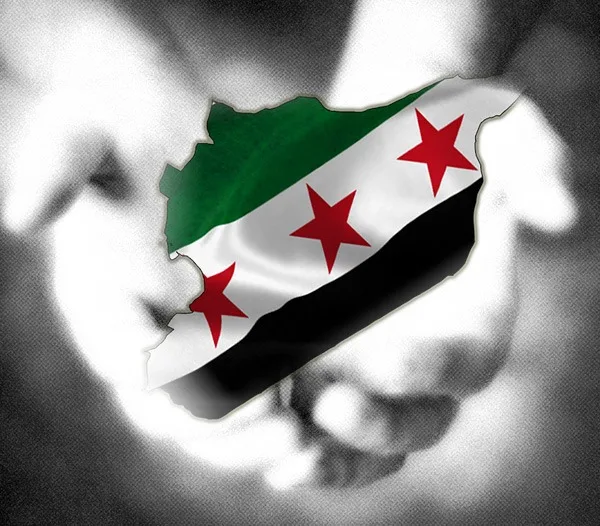
في هذا المقال سأتبع طريقة ذكر المعلومات مع التحليل، أكثر من السرد الكتابي، بحكم أنه قد كثر الحديث في هذا الموضوع، وقد شارفنا على أبواب السنة الخامسة لثورة من أعظم الثورات على مر التاريخ (الثورة السورية المجيدة).
طبيعة الصراع
عندما انفجر الغضب الشعبي تحت مسمى ثورة التي بدأت من درعا ودمشق، لم يكن يخطر على بال أحد ما ستؤول إليه طبيعة الصراع، ولا حجم الدماء التي ستراق في هذا الطريق الثوري، ولا عن حساسية الوضع الجغرافي السياسي لسوريا، وحجم الأطماع الدولية فيها، ولا عن عمق الانقسامات التي ستحصل بين الثوار، من إسلامين وجيش حر، ثم إلى متطرفين ومعتدلين، وبالتأكيد لم يخطر ببال أحدنا أن تصبح مصطلحات غريبة مثل: ثوار فنادق وناشط ومثقف، هي محور صراعنا الافتراضي على شبكات التواصل الاجتماعي، وشاشات التلفزة بشقيها، صاحبة شكر نعمة المطر والأخرى صاحبة المجسمات، كل ذلك ما كان ليخطر ببال أحد، فالانفجار لا يمكن التنبؤ بوقت وقوعه، ولا بحجم انتشاره ولا بملامحه المستقبلية.
بيد أنه من الواضح وجود أسباب مشتركة قديمة وعميقة، جعلت شرارة الانفجار الشعبي يسري كالنار في الهشيم داخل الجسد الجغرافي السوري، مدينة تلو مدينة، وريف تلو ريف، دون ترتيب أو تخطيط، أهم هذه الأسباب هو القهر والذل الممنهج، الذي مارسه النظام السوري على مدى عقود فوق أكتاف المواطن الجائع الفقير المعدم، إضافة إلى الحقد الطبقي الذي زرعه النظام، عن طريق استخدامه الطائفة العلوية في بناء النسيج الاجتماعي بدور طبقة الأشراف، وما دونهم طبقة العبيد، تفصل بينهما طبقة المستفيدين، تعدى استعمال هذا الأمر ليصل إلى كل أنماط الحياة في سوريا، وخاصة في بناء مؤسسات الدولة الشكلية، ومنها المؤسسة العسكرية المسؤولة الأولى عن كم الدماء والأرواح التي حصدت لمئات الآلاف من السوريين، هي إذًا قضية انتفاض لكرامة مهدرة، ورفض لذل وطائفية غرست في أوصال الشعب على مر عقود.
لكن، كون أن الثورة خرجت بمطالب محقة وعادلة، لم يعد له تأثير كبير على ما يجري حاليًا على الأرض، فطبيعة الصراع تحولت إلى صراع طائفي مذهبي في عنوانه الأبرز، خاصة بعد التدخل السافر والعلني لكل من إيران وأداتها حزب الله، إضافة للمليشيات الشيعية العراقية والأفغانية في الدفاع عن بقايا نظام الأسد من طرف، ومن طرف آخر دخول مقاتلي الشرق والغرب في الجانب الآخر، والظهور تحت تشكيلات سنية تعلن انتماءها للقاعدة، أو لمن هم أشد منها تطرفًا تحت ذريعة الجهاد.
يمكن فصل ما آل إليه الصراع، إلى مصالح الأطراف الخارجية المؤثرة في القضية السورية، وإلى بناء منهجي خلف حقدًا طبقيًا دفينًا مارسه النظام طيلة أيام حكمه.
الأطراف المؤثرة في القضية السورية
عند الحديث عن مستقبل أمر ما، فلا بد أولًا من حصر الأطراف المؤثرة فيه سلبًا وإيجابًا، في الثورة السورية أصبح من السهولة بمكان الحديث عن الأطراف المؤثرة فيها كأطراف نزاع أساسية، خاصة بعد انقضاء عامها الرابع، وفشل المعارضة السياسية بتكوين جسم وطني، يكون له ثقل حقيقي في المحافل الدولية.
بذلك يمكننا تقسيم تلك الأطراف بحسب جغرافيتها إلى سورية ودولية كما يلي:
أولاً: على الصعيد السوري
تكاد تنحصر عملية التأثير بملف الثورة السورية ضمن العمليات العسكرية التي تقوم بها التنظيمات الثورية الأكثر فاعلية على الأرض أمثال حركة أحرار الشام والجبهة الشامية وجيش الإسلام وفيلق الشام وجبهة الجنوب في درعا.
أما على الصعيد السياسي فمازال مشهد الانقسام تلو الانقسام والتقاذف اللفظي والمراهقة السياسية وتقاسم المصالح والتخوين هو سيد الموقف بين مختلف أطياف المعارضة السورية الداخلية منها والخارجية وعلى رأسها الائتلاف وهيئة التنسيق، مما كان له دور في انعدام التأثير على القرار الدولي السياسي وأيضًا خلق حاجز وهوّة كبيرة بين المعارضة وبين العمل الثوري على الأرض.
ثانيًا: على الصعيد الدولي
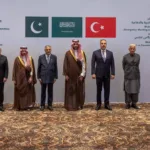
الطرف الأول: (تركيا، السعودية، قطر)
يتعامل هذا الفريق مع مختلف الأفعال الصادرة عن الأرض السورية وتطوراتها في سياق متصل، منذ بداية الثورة وإلى اليوم، وبناء على ذلك تنصب جهوده السياسة (المعلنة والضمنية) على إسقاط نظام الأسد، والتنظيمات الدينية المتطرفة في آن واحد، كما يدعو لتأسيس مرحلة انتقالية كخطوة ثانية يتم فيها تأسيس القوانين الناظمة للدستور، وآليات الانتخاب وبناء مؤسسات الدولة.
تتقاطع مصالح هذه الدول مع كل من شأنه أن يضرب النفوذ الإيراني في المنطقة العربية، والذي أصبح إسقاط النظام السوري الخطوة الأهم فيه، بعد ارتباطه بمشروع إيران وجودًا وعدمًا، وتهديده للاستقرار التركي، بحكم الحدود الطويلة المتصلة بين البلدين.
الطرف الثاني: (روسيا، إيران، الإمارات)
أما الفريق الثاني فتنصب جهوده في دعم وتمكين الأسد عسكريًا على الأرض، وتهدئة العواصف السياسية التي تثار عليه من قبل المنظمات الدولية والحقوقية، والتي تدعو المجتمع السياسي الدولي إلى التعامل معه كمجرم حرب.
تحرص روسيا على كل الحرص عل بقاء الأسد كواجهة لمستعمرتها الأخيرة في الشرق الأوسط، مقابل النفوذ الأمريكي المتمدد في المنطقة العربية، أما إيران فتشارك بالجهد والمال والمليشيات الشيعية؛ حفاظًا على استكمال مشروعها النفوذي الذي يهدف للهيمنة على الدول العربية، وضرب دول الخليج في العمق.
أما الإمارات فحرصها على دعم الأسد يأتي انطلاقًا من حملتها الكبيرة التي تقودها ضد رياح التغيير الشعبية التي هبت على المنطقة منذ عام 2011، مما جعلها حجرَ أساسٍ في كل ثورة مضادة حاول بها أزلام الأنظمة الساقطة أن يعودوا إلى سدة الحكم.
الطرف الثالث: (أمريكا، أوروبا)
يعتبر هذا الفريق هو صاحب القرار الحقيقي في توجيه دفة المسار السياسي في القضية السورية في كلا الاتجاهين، وبحكم أن السياسة الأمريكية تعتمد البرجماتية البحتة في اتخاذ قرارتها، وبما أن الحراك الشعبي في الثورة على الأرض لا رأس حقيقي له، بحيث يمكن التأثير عليه أو التخاطب معه، أو قيادته بشكل كامل، ولا التنبؤ بملامحه المستقبلية، بحكم غياب طرح مشروع تغير شامل، ونظرًا للمصالح المختلفة التي يرتبط بها هذا الفريق مع كلا الطرفين الدوليين المتناحرين آنفي الذكر، من أجل كل ذلك لم نرَ إلى الآن موقفًا صريحًا جازمًا، اتجاه كل ما فعله النظام السوري من جرائم بحق الشعب موثقة لدى المنظمات الدولية، وإنما تصريحات ومواقف متأرجحة تقيم بحسب تحقيق المصلحة لأمريكا وأوروبا.
طريق الخروج (صناعة المستقبل)
عوامل الحسم على الأرض
عندما نحلل نوع الصراع المسلح الجاري على الأرض من الناحية العسكرية، نجد أننا نعيش الآن فيما يسمى عسكريًا “الحرب وسط الناس”.
لهذه الحرب شروط ثلاثة لمن أراد أن يكسبها:
1- الحاضنة الشعبية (كون طبيعة الحرب هي وسط الناس، فالذي ينجح في كسب أكبر قاعدة شعبية يحقق أول عوامل الحسم).
2- الأسلحة النوعية: بعيدًا عن نوع البراميل والطائرات والدبابات، فإن الأسلحة الحاسمة في حرب طبيعتها كالتي نعيشها اليوم هي (أجهزة اتصال آمنة، مضادات الدروع والطائرات، القناصات، مناظير ليلية) فقط.
3- فريق مدرب على مستوى عالٍ، لإعداد الخطط الطويلة والمفاجئة واستخدام تكتيك الدفاع أكثر من الهجوم.
ولا تغيب أهمية صياغة خطاب إعلامي واعٍ، يستوعب الظروف السياسية، ويحرص على الانعكاس الإيجابي لكل ما يجري على الأرض في الساحة الدولية.
أما من الناحية السياسية
– لا بد من اتخاذ قرار واضح بإعلان الدول التي تتقاطع معها مصالح الثورة سياسيًا، كدول مساندة وراعية لمشروع التغيير وبشكل رسمي، خاصة بعد غياب طرف سوري سياسي فاعل.
– تحديد الأسباب والمصالح التي تتسبب باستمرار دعم الفريق الداعم للأسد، والعمل على تفتيتها أو تحييدها من خلال الجماعات الثورية، التي تعمل على الأرض، وأيضًا من خلال الدول التي تساند الحراك الثوري سياسيًا وعسكريًا.
– صياغة خطاب إعلامي وسياسي شامل، والتواصل به مع الدول صانعة القرار السياسي، أمريكا وأوروبا، مع الحرص على إنهاء مصادر القلق على المصالح التي تخشى هذه الدول زوالها في حال تمت عملية التغيير في سوريا.
أما ما عدا ذلك فستبقى طبيعة الحرب كما هي عليه الآن، حرب استنزاف لا غالب ولا مغلوب، وستبقى أرواح الشعب المكلوم تصعد إلى ربها، وهي تدعو على قاتلها وتدعو معه على كل من خرج لنصرتها فخان قضيتها، وقدمها قرابينا لمصلحة جماعة أو حزب أو تيار.