NoonPost NoonPost

NoonPost

  • Home
  • Politics
  • Economy
  • Society
  • Culture
  • Files
  • Long Reads
  • Podcast
AR
Notification Show More
نون بوست
“There Are Nights I Can’t Close My Eyes”: How Gazans Are Living in Homes on the Brink of Collapse
نون بوست
From al-Jolani to Ahmad al-Shara: The Evolution of Syria’s New Leader
نون بوست
When Political Islam Receded in Egypt: Who Filled the Void?
نون بوست
An Extension of Genocide: Gaza’s Detainees Speak Out
نون بوست
A Tightrope Between Survival and Sovereignty: The Syrian Government Faces Normalization Pressures
نون بوست
American Aircraft Carriers: Has the Era of “100,000 Tons of Diplomacy” Ended?
نون بوست
U.S. Regime‑Change Policies: Why They Are Destined to Fail
نون بوست
Transformations of Israeli Judaism: Between the Victim Complex and the Colonizer’s Doctrine
نون بوست
The Gulf’s Balancing Act: Iran, Israel, and Hidden Links
نون بوست
Iraq–Turkey Oil Export Treaty: Why Did Ankara Cancel It After 52 Years?
نون بوست
Syria’s Northeast on Edge: QSD Between Ankara and Damascus
نون بوست
Has Europe Changed Its Stance on Israel… or Just Its Language?
NoonPost NoonPost
AR
Notification Show More
نون بوست
“There Are Nights I Can’t Close My Eyes”: How Gazans Are Living in Homes on the Brink of Collapse
نون بوست
From al-Jolani to Ahmad al-Shara: The Evolution of Syria’s New Leader
نون بوست
When Political Islam Receded in Egypt: Who Filled the Void?
نون بوست
An Extension of Genocide: Gaza’s Detainees Speak Out
نون بوست
A Tightrope Between Survival and Sovereignty: The Syrian Government Faces Normalization Pressures
نون بوست
American Aircraft Carriers: Has the Era of “100,000 Tons of Diplomacy” Ended?
نون بوست
U.S. Regime‑Change Policies: Why They Are Destined to Fail
نون بوست
Transformations of Israeli Judaism: Between the Victim Complex and the Colonizer’s Doctrine
نون بوست
The Gulf’s Balancing Act: Iran, Israel, and Hidden Links
نون بوست
Iraq–Turkey Oil Export Treaty: Why Did Ankara Cancel It After 52 Years?
نون بوست
Syria’s Northeast on Edge: QSD Between Ankara and Damascus
نون بوست
Has Europe Changed Its Stance on Israel… or Just Its Language?
Follow US

The PKK Between a Bitter Peace and a Difficult Future

فريق التحرير
Noon Post Published 26 March ,2026
Share
نون بوست
نون بوست

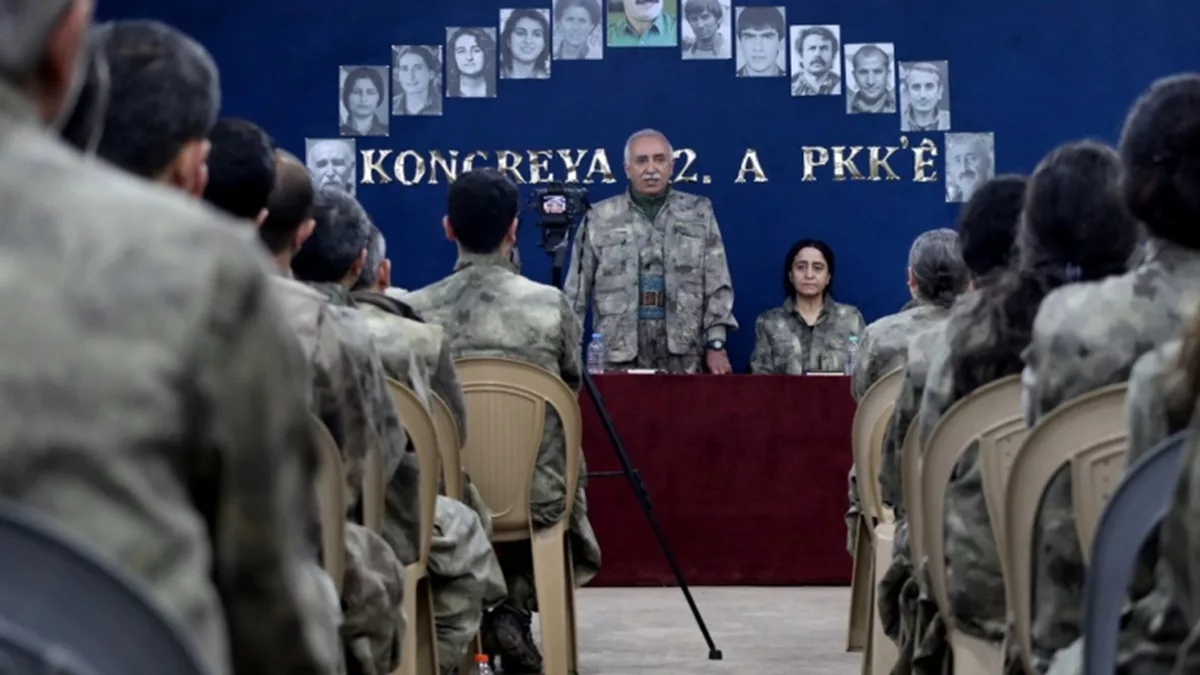
In his first video statement in years, released on Wednesday, July 9, Abdullah Öcalan, the imprisoned leader of the Kurdistan Workers’ Party (PKK), called on party members to begin the process of disarmament and transition toward a new political phase with Ankara.

The move, aimed at resolving the Kurdish question with the Turkish state, could mark the end of nearly four decades of armed conflict and signal the beginning of a new chapter in Turkish–PKK relations.

Öcalan appeared from İmralı prison, located in the Sea of Marmara, where he is held alongside several detained PKK leaders. His message reflected a clear recognition of the impossibility of sustaining armed struggle amid shifting regional dynamics—particularly after the decline of various militant groups across the Middle East.

This time, his call appeared more resolute than during his previous appearance in April, when he reportedly feared resistance from the party’s second-tier leadership, which had formed an alternative power base in the Qandil Mountains.

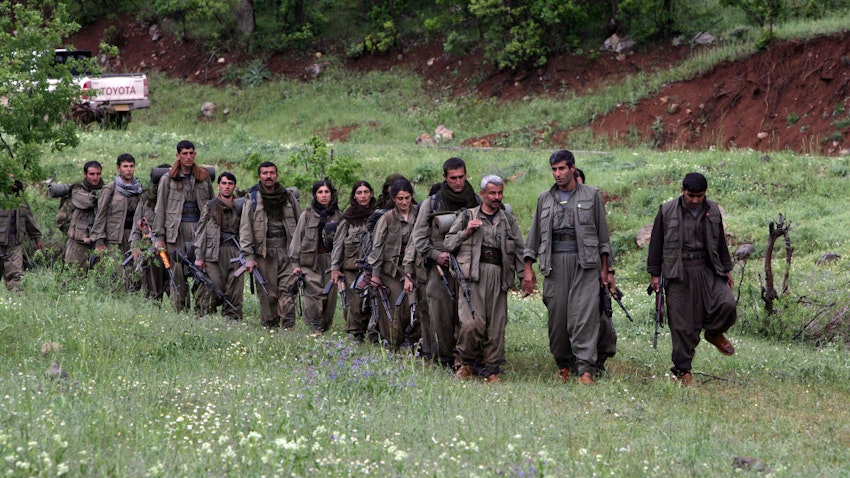
Although the first phase of the disarmament process is expected to begin early next week—specifically on July 11 and 12—in the city of Sulaymaniyah in Iraqi Kurdistan, with the arrival of some 40 PKK fighters over the past two days, this step is viewed as only the initial test of intent between both sides, rather than a definitive shift.

A Difficult Start and Mutual Distrust

Despite Turkish intelligence chief İbrahim Kalın’s arrival in Baghdad on July 9 and his meetings with Prime Minister Mohammed Shia’ Al-Sudani and National Security Advisor Qasim Al-Araji to discuss forming a joint Iraqi–Turkish committee to oversee disarmament, the success of such efforts remains in doubt.

The PKK insists on surrendering its weapons in Sulaymaniyah, not Erbil—a reflection of its close ties with the Patriotic Union of Kurdistan (PUK), led by Bafel Talabani.

Turkey, meanwhile, is pushing for the next stages to be held in Erbil. President of the Kurdistan Region Nechirvan Barzani played a key role in facilitating talks between a delegation from the pro-Öcalan Peoples’ Equality and Democracy Party and the Turkish government.

These talks helped Öcalan persuade party leaders and fighters to accept disarmament and eventual dissolution. Still, trust between the two sides remains elusive.

Much of that mistrust stems from years of bloody conflict between the PKK’s Qandil leadership and the Turkish military. The party lost significant territory and, at times, operated without Öcalan’s direct influence—especially as Iran increasingly sought to use the PKK as a lever in its own standoff with Turkey.

Moreover, significant factions within the PKK remain staunchly opposed to full disarmament without a complete withdrawal of Turkish forces from northern Iraq.

Another looming challenge: intelligence reports from northern Iraq indicate that the PKK has relocated much of its heavy weaponry—including artillery and drones—to its Hakurk camp on the Iran–Iraq border. This move, allegedly made at Iran’s request (as Iran had previously supplied some of the arms), is likely a preemptive effort to keep these weapons from falling into Turkish or Kurdish Regional Government hands.

In coordination with Iraq, a plan has emerged to relocate disarmed PKK members to the al-Kuwair refugee camp west of Nineveh province. Originally established by the United Nations in 1982 to shelter PKK fighters and their families fleeing Turkey, the camp has now been rehabilitated. It is intended as a temporary political asylum site for the fighters while Ankara and Baghdad negotiate their legal status.

Turkey and the Politics of Leverage

There is little doubt that recent geopolitical shifts—such as the collapse of the Assad regime’s authority in Syria, Donald Trump’s rise to the US presidency, and Iran’s regional unraveling—have presented Ankara with an opportunity to reposition itself regionally. Turkey’s strategic recalibration has also been reinforced by its growing acceptance as a regional guarantor, even by Israel, as evidenced by recent agreements concerning Syria.

The PKK leadership appears to have made a calculated reading of these regional dynamics. The party also recognized the significance of recent shifts in Turkish political discourse—particularly President Recep Tayyip Erdoğan’s domestic need for de-escalation, supported by his far-right coalition partner, the Nationalist Movement Party (MHP). These factors combined to create a rare opportunity for establishing long-term peace in Turkey.
نون بوست

The newly launched peace initiative between Ankara and the PKK is highly domestic in character, lacking any involvement from foreign mediators or third parties. Rather than culminating with disarmament, the process begins there. While the armed struggle may soon end, the Kurdish issue will evolve into a broader political, civic, and democratic challenge. This is just the beginning—and it will take far more than declarations to see it through.

President Erdoğan, speaking to members of the Justice and Development Party (AKP) on July 9, underscored that Turkey would not allow any attempts to sabotage the disarmament process. He expressed hope that it would be completed as soon as possible, signaling a longer-term political investment.

A Future Fraught with Risk

Kurdish politics in the post-PKK era could prove transformative. Addressing the Kurdish question requires reimagining Turkish citizenship and national identity to inclusively recognize Kurdish heritage. While the Kurdish issue is not the sole cause of Turkey’s democratic malaise, it remains the most persistent and deeply entrenched.

Its effects have included hyper-centralization of the state and a legal environment hostile to freedom of expression, political activity, and party organization. The specter of “Kurdish separatism” and PKK violence has long justified Turkey’s authoritarian reflexes. Yet, resolving the PKK conflict could gradually create a less securitized and more open political arena—one in which Turkish democracy may begin to flourish.

Furthermore, Ankara views dialogue with the PKK as an opportunity to neutralize two of its most problematic regional adversaries: Iran and France—both of which have strategically benefited from leveraging the PKK against Turkey. Pulling this card from their hands may help Turkey close a major chapter of regional and European diplomatic friction, especially in areas where Iran’s influence has become particularly entrenched.

Download this article as PDF
Share this Article
Facebook Twitter Whatsapp Whatsapp Telegram Email Copy Link
فريق التحرير
By فريق التحرير تقارير يعدها فريق تحرير نون بوست.
Follow:
Previous Article نون بوست The Hajj Journey of Sikandar Begum
Next Article نون بوست “Redeployment” Map: An Israeli Ploy Returns Gaza to the Frontlines of Displacement

Read More

  • U.S. Regime‑Change Policies: Why They Are Destined to Fail U.S. Regime‑Change Policies: Why They Are Destined to Fail
  • The Gulf’s Balancing Act: Iran, Israel, and Hidden Links
  • Iraq–Turkey Oil Export Treaty: Why Did Ankara Cancel It After 52 Years?
  • Syria’s Northeast on Edge: QSD Between Ankara and Damascus
  • Has Europe Changed Its Stance on Israel… or Just Its Language?
part of the design
NoonPost Weekly Newsletter

You May Also Like

U.S. Regime‑Change Policies: Why They Are Destined to Fail

U.S. Regime‑Change Policies: Why They Are Destined to Fail

إسراء سيد Esraa sayed 8 April ,2026
The Gulf’s Balancing Act: Iran, Israel, and Hidden Links

The Gulf’s Balancing Act: Iran, Israel, and Hidden Links

فريق التحرير Noon Post 8 April ,2026
Iraq–Turkey Oil Export Treaty: Why Did Ankara Cancel It After 52 Years?

Iraq–Turkey Oil Export Treaty: Why Did Ankara Cancel It After 52 Years?

فريق التحرير Noon Post 8 April ,2026

تعرف على أهم ملاعب الكرة العالمية

أيهم المدرس
أيهم المدرس Published 18 February ,2016
Share
estadios2014

مسارح الأحداث

تعتبر ملاعب كرة القدم أحد أهم مقاييس تطور اللعبة في المدن والبلدان، فالبلدان الأرقى كرويا هي تلك التي تتمتع بالملاعب الأفضل، وليس لزاما أن يكون الملعب الأفضل هو الأكثر اتساعا، فهناك عوامل أكثر أهمية تحدد درجة تقييم الملعب، كجودة عشبه، أريحية مدرجاته، سلامة أركانه، وتناسق بنيانه، فضلا عن عوامل تاريخية تتعلق بعراقة الملعب وأهمية المباريات والأحداث التي احتضنها عبر تاريخه.

سنجوب معكم فيما يلي أركان المعمورة، لنتعرف على أهم وأفضل 10 ملاعب عالمية، من خلال التقرير التالي المزود بأهم المعلومات والصور ومقاطع الفيديو:

ملعب ويمبلي – لندن – إنجلترا

نون بوست

أحد أجمل ملاعب الكرة العالمية وأكثرها عراقة، يتسع لـ 90 ألف متفرج، وهو الأكبر في بريطانيا، ويعد الملعب الرسمي المعتمد للمنتخب الإنجليزي، افتتح رسميًا عام 1923، وخضع لعملية ترميم جذرية عام 2007 ليصبح اسمه (ويمبلي الجديد)، وهو يعد تحفة معمارية حقيقية بقوسه المضيء وسقفه المتحرك الذي يغطي أكبر نسبة مقاعد في العالم، وقد استضاف الملعب فعاليات رياضية هامة عبر تاريخه، أبرزها مباراة نهائي كأس العالم 1966، ونهائي بطولة أمم أوروبا 1996، كما احتضن نهائي دوري أبطال أوروبا 7 مرات آخرها عام 2013، إضافة إلى استضافته أهم فعاليات دورتي الأولمبياد الصيفي اللتان أقيمتا في لندن عامي 1948 و2012.

ملعب ماراكانا – ريو دي جانيرو – البرازيل

نون بوست

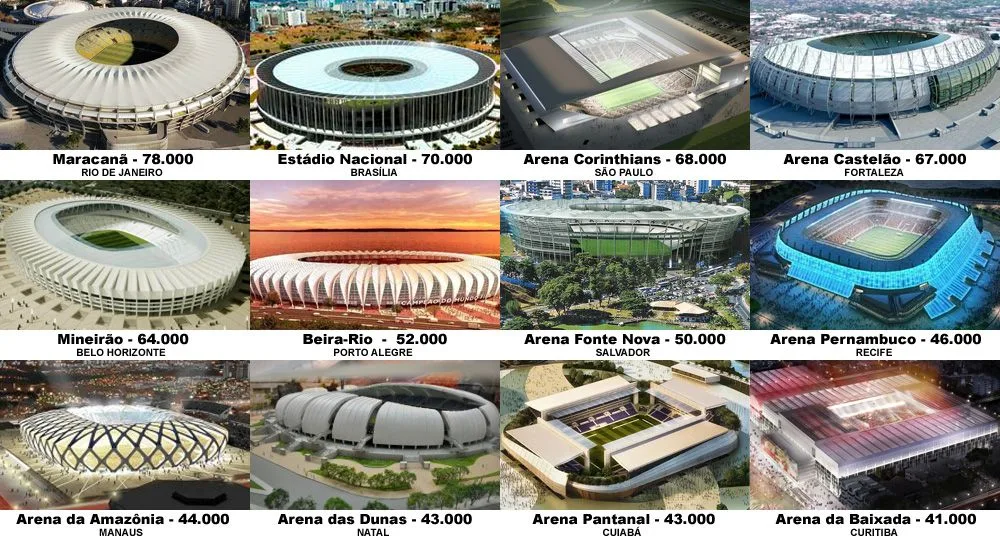
من أشهر ملاعب أمريكا اللاتينية والعالم، اسمه الرسمي (ملعب الصحفي ماريو فيليو)، افتتح عام 1950 وكان يتسع لـ 130 ألف متفرج، ولكنه خضع لأعمال صيانة وإعادة ترميم، إثر انهيار جزء من مدرجاته عام 1992، مما قلص سعته إلى حوالي 78 ألف، يحتضن الماراكانا جميع مباريات أندية ريو دي جانيرو الـ 4 الرئيسية: فلامينغو، بوتافوغو، فلومينيزي، وفاسكو دي غاما، إضافة لاحتضانه أهم مباريات منتخب السامبا، وقد شهدت مدرجاته أكبر حضور جماهيري في تاريخ الكرة (199 ألف متفرج)، وذلك خلال مباراة نهائي مونديال 1950 بين الأورغواي والبرازيل، كما احتضن نهائي مونديال 2014 الأخير، وسيكون مسرحًا لأهم فعاليات أوليمبياد الريو القادم.

ملعب كاب نو – برشلونة – إسبانيا

نون بوست

ملعب النادي الكتالوني الشهير، شُيد عام 1957 تحت اسم (كامب نو) أي الملعب الجديد بالكتالونية، وخضع لعدة تحسينات وتوسيعات آخرها عام 2007، حيث أصبح يتسع لـ 99 ألف متفرج جعلته الملعب الأكبر في القارة العجوز، سبق أن استضاف الكثير من الأحداث الرياضية الهامة عبر تاريخه، كمباراة افتتاح كأس العالم 1982، وبعض مباريات بطولة أمم أوروبا 1964، ونهائي دوري أبطال أوروبا عامي 1989 و1999، إضافة لاحتضانه جل فعاليات أوليمبياد برشلونة عام 1992.

ملعب سانياغو برنابيو – مدريد – إسبانيا

نون بوست

قلعة نادي ريال مدريد العريق، افتُتح عام 1947 تحت اسم (ملعب ضاحية شامارتين)، قبل أن يحمل اسم الرئيس التاريخي للنادي الملكي عام 1955، وقد كانت مدرجاته تتسع لحوالي 125 ألف متفرج، ولكن سعته قلصت إلى 85 ألفًا من أجل تأمين راحة أكبر للجماهير، وقد استضاف العديد من الأحداث الرياضية، أبرزها مباراة نهائي مونديال 1982، ونهائي بطولة أمم أوروبا 1964، إضافة لاحتضانه نهائي دوري أبطال أوروبا 4 مرات، آخرها عام 2010.

استاد دو فرانس – سان دوني – فرنسا

نون بوست

أحدث ملاعب أوروبا الكبرى، افتتح عام 1998 في ضاحية سان دوني القريبة من العاصمة باريس، ليصبح الملعب الرسمي الخاص بالمنتخب الفرنسي، وهو يتسع لحوالي 81 ألف متفرج تجعله الأكبر على مستوى فرنسا، وقد حظي بشرف استضافة مباراة نهائي كأس العالم 1998، إضافة إلى نهائي دوري أبطال أوروبا عامي 2000 و2006، ومن المنتظر ينتظر أن يستضيف نهائي بطولة أمم أوروبا في يوليو القادم.

ملعب سان سيرو – ميلانو – إيطاليا

نون بوست

أكبر الملاعب الإيطالية وأجملها، تأسس رسميًا عام 1926، وخضع لعدة عمليات ترميم وإعادة تهيئة آخرها عام 1989، حيث استقرت سعته عند 80 ألف متفرج، وهو الملعب الرسمي الخاص بقطبي مدينة ميلانو: ميلان والإنتر، ولكن جماهير الإنتر تطلق عليه اسم (جوزيبي ميانزا) وهو أحد نجوم ناديها القدامى، فيما تفضل جماهير الميلان تسميته (سان سيرو)، وهو اسم المنطقة التي يقع فيها، وقد كان الملعب شاهدًا على عدد من أهم الأحداث الرياضية، كبعض مباريات مونديالي 1934 و1990، ونهائي دوري أبطال أوروبا 3 مرات آخرها عام 2001، وستكون المرة الرابعة في مايو القادم، عندما يستضيف سان سيرو نهائي النسخة الحالية.

ملعب الأوليمبيكو – روما – إيطاليا

نون بوست

معقل ناديي العاصمة الإيطالية روما ولاتسيو، افتتح عام 1937، وخضع لعدة عمليات ترميم وتحسين، آخرها عام 1990، حيث تقلصت سعته إلى 70 ألف متفرج بعدما كانت 90 ألفًا، وقد استضاف الأوليمبيكو عبر تاريخه مجموعة من الأحداث الهامة، على رأسها مباراتا نهائي كأس العالم 1990، وأمم أوروبا 1980، ونهائي دوري أبطال أوروبا 4 مرات آخرها عام 2004، إضافة إلى احتضانه أهم فعاليات أولمبياد روما 1960.

ملعب أولد ترافورد – مانشستر – بريطانيا

نون بوست

يسمى بمسرح الأحلام، وهو معقل نادي الشياطين الحمر مانشستر يونايتد، وقد تأسس عام 1910 في حي ترافورد وسط مدينة مانشستر، ولكنه تعرض للتدمير عام 1941، عندما قصفته الطائرات الألمانية خلال الحرب العالمية الثانية، وبقي خارجًا عن الخدمة حتى عام 1949 حيث أعيد ترميمه، وقد استضاف بعض مباريات مونديال 1966 وأمم أوروبا 1996، ونهائي دوري أبطال أوروبا عام 2003.

ملعب سيغنال إيدونا بارك – دورتموند – ألمانيا

نون بوست

أفضل وأكبر الملاعب الألمانية بسعة 81 ألف متفرج، وهو معقل نادي بروشيا دورتموند، أنشئ عام 1974 تحت اسم (فيستفالن) وهو اسم المقاطعة التي تقع ضمنها مدينة دورتموند، قبل أن تشتري شركة (سيغنال إيدونا) حقوق رعاية الملعب عام 2010 فيكتسب اسمه الحالي، وقد استضاف عددا من مباريات مونديالي 1974 و2006، إضافة إلى استضافته نهائي كأس الاتحاد الأوروبي عام 2001.


نون بوست

أكبر وأفضل ملاعب البرتغال، واسمه يعني (النور) بالبرتغالية، شُيد عام 2003 ليصبح مقرًا لنادي بنفيكا ذي الشعبية الكبرى في بلاده، وهو يتسع لما يربو عن 65 ألف متفرج، وقد احتضن نهائي بطولة أمم أوروبا عام 2004، كما استضاف نهائي دوري أبطال أوروبا عام 2014.

ملاعب أخرى حول العالم


ترتيب أكبر 10 ملاعب في العالم من حيث السعة

في القارة الأوروبية، تبرز العديد من ملاعب كبار الأندية، كإليانز أرينا معقل بايرن ميونيخ، وأنفيلد العريق معقل ليفربول، وستامفورد بريدج معقل تشيلسي اللندني، واستاد الإمارات معقل جاره أرسنال، وملعب الاتحاد معقل مانشستر سيتي، وأمستردام أرينا معقل نادي أياكس الهولندي، إضافة إلى بعض ملاعب المدن الكبرى، كاستاد أتاتورك في إسطنبول، ولوجينكي في موسكو، والاستاد الأولمبي في برلين، ونظيره في مدينة ميونيخ.

وبعيدًا عن القارة الأوروبية تبرز بعض الملاعب العالمية الهامة، كالآزتيكا في العاصمة المكسيكية، وروز بول في ولاية كاليفورنيا الأمريكية، ولابومبونيرا في العاصمة الآرجنتينية، والملعب الأثري في العاصمة البيروفية، وسوكر سيتي في جوهانسبورغ بجنوب إفريقيا، وملعب الشهداء في الكونغو كينشاسا، واستاد ملبورن في أستراليا.

أما في القارة الآسيوية، فيتواجد الملعب الأكبر سعة في العالم حاليا، وهو ملعب رونجرادو 1 مايو في كوريا الشمالية بسعة 150 ألف متفرج، وهناك أيضا عدة ملاعب أخرى بسعات كبيرة ضمن القارة الآسيوية، كملاعب بكين الوطني وجوانجشو وشنغهاي في الصين، وسالت ليك في الهند، وبوكيت جليل في ماليزيا، وغيلورا بونغ كارنو في أندونيسيا، واستاد آزادي في إيران.

أهم ملاعب العالم العربي

نون بوست

ملعب برج العرب بالإسكندرية أكبر الملاعب العربية

تزخر مدننا العربية – وخاصة في القسم الأفريقي – بالعديد من الملاعب الرائعة، على رأسها ملعب برج العرب في الاسكندرية، والذي يتسع لـ 86 ألف متفرج ويعتبر تحفة عمرانية بارزة على المستوى الأفريقي والعالمي، إلى جانب استاد القاهرة الدولي الشهير، ومركب محمد الخامس في الدار البيضاء بالمغرب، واستاد 5 جويلية في العاصمة الجزائر، والملعب الأولمبي في رادس بتونس.

أما في القسم الآسيوي، فتوجد بعض الملاعب الممتازة، كالجوهرة المشعة بجدة، الملك فهد بالرياض، المدينة الرياضية بالبصرة، جابر الأحمد بالكويت، مدينة زايد الرياضية بأبو ظبي، خليفة الدولي بالدوحة، إضافة إلى ملعب حلب الدولي في سورية، والذي حولته الحرب الضروس التي تدور رحاها في المدينة الشمالية إلى أحجار وأطلال، تبكي بحرقة ذكرى أيام كانت ترقص فيها مدرجات الملعب على وقع هتاف وأهازيج 75 ألفا من أبناء حلب الشهباء.

 أفضل 10 ملاعب عربيّة إضافةً لملعب برج العرب

TAGGED: أفضل ملاعب كرة القدم ، إحتراف كرة القدم ، ملاعب كرة القدم
TAGGED: كرة القدم
Download this article as PDF
Share this Article
Facebook Twitter Whatsapp Whatsapp Telegram Email Copy Link
أيهم المدرس
By أيهم المدرس كاتب سوري مهتم بالشأن الرياضي
Follow:
Next Article نون بوست The Stigma of “ISIS”: A Heavy Legacy Haunting Women and Children of Former Members
part of the design
NoonPost Weekly Newsletter
dark

An independent media platform founded in 2013, rooted in slow journalism, producing in-depth reports, analysis, and multimedia content to offer deeper perspectives on the news, led by a diverse young team from several Arab countries.

  • Politics
  • Society
  • Rights & Liberties
  • Opinions
  • History
  • Sports
  • Education
  • Technology
  • Economy
  • Media
  • Arts & Literature
  • Entrepreneurship
  • Travel
  • Cinema & Drama
  • Food
  • Health
  • Culture
  • Latest Reports
  • Files
  • Long Reads
  • Interviews
  • Podcast
  • Interactive
  • Encyclopedia
  • In Pictures
  • About Us
  • Our Writers
  • Write for Us
  • Editorial Policy
  • Advanced Search
Some rights reserved under a Creative Commons license

Removed from favorites

Undo
Go to mobile version