NoonPost NoonPost

NoonPost

  • Home
  • Politics
  • Economy
  • Society
  • Culture
  • Files
  • Long Reads
  • Podcast
AR
Notification Show More
نون بوست
“There Are Nights I Can’t Close My Eyes”: How Gazans Are Living in Homes on the Brink of Collapse
نون بوست
From al-Jolani to Ahmad al-Shara: The Evolution of Syria’s New Leader
نون بوست
When Political Islam Receded in Egypt: Who Filled the Void?
نون بوست
An Extension of Genocide: Gaza’s Detainees Speak Out
نون بوست
A Tightrope Between Survival and Sovereignty: The Syrian Government Faces Normalization Pressures
نون بوست
American Aircraft Carriers: Has the Era of “100,000 Tons of Diplomacy” Ended?
نون بوست
U.S. Regime‑Change Policies: Why They Are Destined to Fail
نون بوست
Transformations of Israeli Judaism: Between the Victim Complex and the Colonizer’s Doctrine
نون بوست
The Gulf’s Balancing Act: Iran, Israel, and Hidden Links
نون بوست
Iraq–Turkey Oil Export Treaty: Why Did Ankara Cancel It After 52 Years?
نون بوست
Syria’s Northeast on Edge: QSD Between Ankara and Damascus
نون بوست
Has Europe Changed Its Stance on Israel… or Just Its Language?
NoonPost NoonPost
AR
Notification Show More
نون بوست
“There Are Nights I Can’t Close My Eyes”: How Gazans Are Living in Homes on the Brink of Collapse
نون بوست
From al-Jolani to Ahmad al-Shara: The Evolution of Syria’s New Leader
نون بوست
When Political Islam Receded in Egypt: Who Filled the Void?
نون بوست
An Extension of Genocide: Gaza’s Detainees Speak Out
نون بوست
A Tightrope Between Survival and Sovereignty: The Syrian Government Faces Normalization Pressures
نون بوست
American Aircraft Carriers: Has the Era of “100,000 Tons of Diplomacy” Ended?
نون بوست
U.S. Regime‑Change Policies: Why They Are Destined to Fail
نون بوست
Transformations of Israeli Judaism: Between the Victim Complex and the Colonizer’s Doctrine
نون بوست
The Gulf’s Balancing Act: Iran, Israel, and Hidden Links
نون بوست
Iraq–Turkey Oil Export Treaty: Why Did Ankara Cancel It After 52 Years?
نون بوست
Syria’s Northeast on Edge: QSD Between Ankara and Damascus
نون بوست
Has Europe Changed Its Stance on Israel… or Just Its Language?
Follow US

Red Lines and Airstrikes: The Iran–Israel Standoff

فريق التحرير
Noon Post Published 26 March ,2026
Share
نون بوست
نون بوست

With the direct military confrontation between Iran and Israel now behind them, attention has shifted to the “day after” the war. The central question emerging is what the regional landscape and new rules of engagement will look like—especially as the United States rushes to re-engineer the region in a way that cements Israeli dominance, granting “freedom of movement” for Israeli military operations across a much broader area.

Although the Iranian regime remained intact after the confrontation, the full impact of Israel’s strike is still being assessed—particularly regarding long-range offensive capabilities. Meanwhile, rebuilding Iran’s air defenses has become an urgent priority, viewed as essential to reestablish strategic balance and deterrence.

On the other side, Israel is racing to normalize its “freedom of movement” over Iranian airspace. Its air force has already carried out deep strikes within Iran, crossing previously inviolable red lines. Israel’s objective now is to solidify this advantage by continuing to degrade Tehran’s nuclear and offensive capabilities.

This leaves Iran confronting a crucial test: can it restore its image of deterrence and enforce new rules to prevent a slide into further rounds of unchecked strikes?

No One Is Immune

Shortly after a U.S.-brokered ceasefire, Israeli Defense Minister Yoav Gallant (Yisrael Katz in the original) announced military orders to prepare an “executive plan against Iran,” prioritizing air superiority, thwarting Iran’s nuclear and missile advancements, and countering its ongoing hostile activity toward Israel.

He described the recent military operation—dubbed “Ascending Lion,” lasting 12 days—as merely a precursor to a “new Israeli policy”: “no one is immune.” The Israeli military’s success in “neutralizing Iran’s air defenses,” “destroying missile production facilities,” and “eliminating security officials and nuclear-linked scientists” was both highlighted and celebrated.

Yet, further Israeli analysis made it clear that the ceasefire—mediated by the U.S.—did not signify the end of the confrontation, but rather a transition into a more complex and dangerous phase. As reported by Haaretz, Israeli security assessments in Tel Aviv now focus not on if combat will resume, but on when and where .

Despite the relative calm, Israel persists in treating the halt of Iran’s nuclear project as a “national purpose,” while Iran remains determined to proceed with its programs, resisting military coercion. The head of Mossad, David Barnea, affirmed, “we will stay there as we have… we know these programs well,” a statement observers interpreted as indicating the ongoing nature of the confrontation.
نون بوست
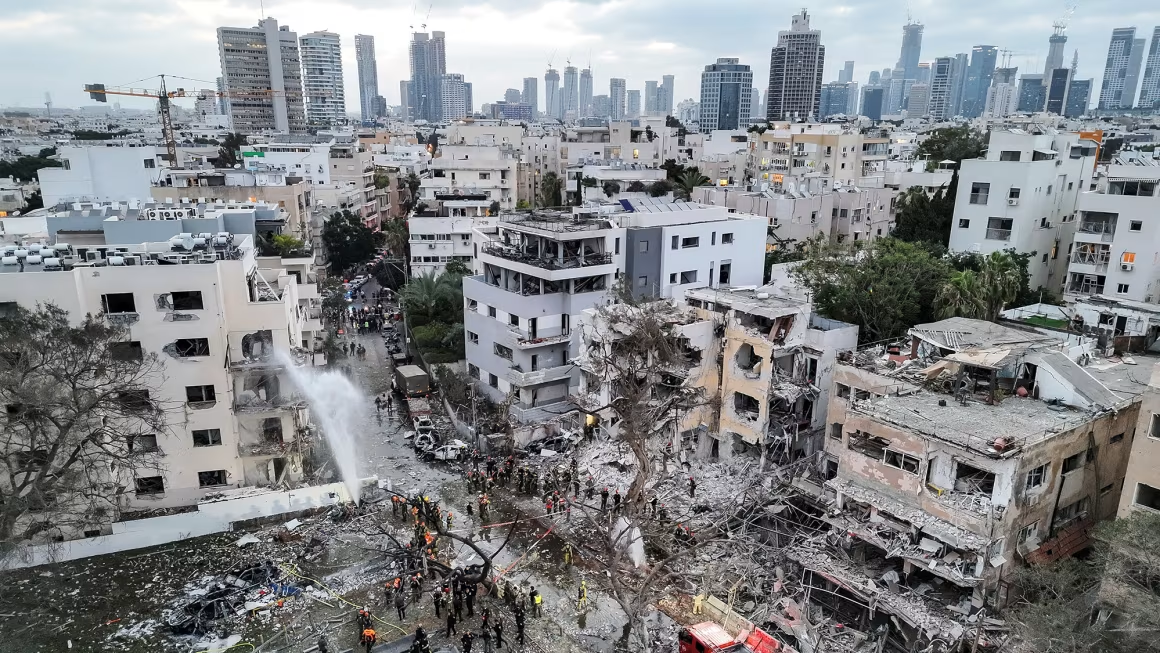
Damage over residential homes at the impact site following missile attack from Iran on Israel, in Tel Aviv June 16, 2025. Moshe Mizrahi/Reuters

The ceasefire, it seems, did not arise from a strategic settlement, but from a provisional alignment of interests. Israel seized tactical gains: crippling Iranian nuclear infrastructure and military bases; Iran, in turn, avoided escalation into a broader conflict with the U.S.

There were no explicit provisions to halt Iran’s nuclear or long-range missile developments—nor mechanisms for oversight or permanent communication channels—leaving the ceasefire vulnerable to sudden collapse, whether triggered by a missile from Lebanon, a drone from Yemen, or strikes in Syria .

That’s why Prime Minister Benjamin Netanyahu’s planned visit to Washington takes on amplified significance. Israel aims to lock in “freedom of movement” and secure explicit U.S. backing for preemptive actions against Iran, akin to recent operations in Lebanon. Israeli public broadcaster Kan reports that Netanyahu seeks written guarantees from President Trump ensuring Israel’s ability to strike proactively against Tehran .

Kan also indicates that Israel is advocating for a post-Gaza war framework tying its military freedom to broader regional arrangements, reinforcing its role as a dominant security player .

The intention is clear: leverage the postwar pause to cement Israel’s dominance, continue eroding Iran’s specialized capabilities, and bar any Iranian rebound—all under sustained political and military protection by Washington. The emerging regional reality: “No safe haven, no immunity.”

Iran’s Race Against Time

Iran recognizes that the war is far from over. The June 24 ceasefire is seen as a fragile truce in a prolonged engagement. Tehran’s immediate strategy focuses on restoring defensive capabilities and enhancing deterrence in preparation for a likely—and more intense—next round.

Iran has publicly voiced “serious doubts” regarding Israel’s commitment to the ceasefire, and sent a formal letter to the UN Secretary-General attributing responsibility to Israel and the U.S., calling for reparations due to the aggression . Foreign Minister Abbas Araqchi described the attacks as a “systematic aggression,” while Chief of Staff Maj‑Gen Abdolrahim Mousavi insisted that Iran had not initiated the war but “responded with full force” and remains ready to do so again . He stated that although “Israel requested a ceasefire to regroup,” if Iran is compelled, “the next round will be fiercer” .

Revolutionary Guard advisor Ibrahim Jabbari claimed Iran launched “200 missiles on Tel Aviv” in its initial retaliation and noted that Iran retains unexercised capabilities. He warned that any new Israeli aggression would destabilize global energy, potentially expanding the conflict’s economic battleground .

On the Israeli side, Yedioth Ahronoth reported that Iran has already begun recovering—particularly in its air defense capacities—resuming anti-aircraft missile launches and reinstating radar systems. The newspaper cautioned that this could lead to a prolonged war of attrition in the absence of a clear diplomatic path .

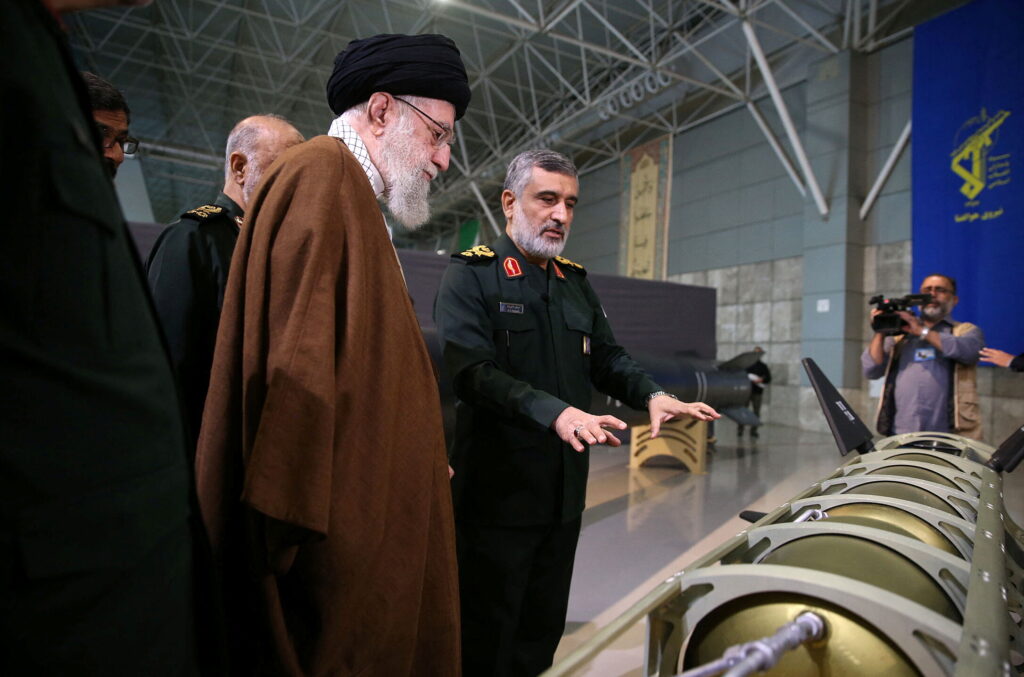
U.S. intelligence has also observed Iranian naval preparations in the Gulf, including reportedly loading mines onto vessels—interpreted as possible preparations to blockade the Strait of Hormuz. A symbolic parliamentary vote in Iran even supported blocking the strait following strikes on Fordow, Natanz, and Isfahan.

Whether actual mining occurred remains unconfirmed, but the intention sends a clear deterrent message.
نون بوست

Iran’s most immediate challenge lies in reconstructing its air defenses—not only acquiring advanced systems from Russia or China but also integrating them effectively in the face of cyber intrusions, espionage, and constant surveillance by U.S. and Israeli satellites.

Despite its strategic ties with Moscow and Beijing, Iran’s experience with foreign arms suppliers has been inconsistent. Delays and hesitations inhibited delivery or operational support during the recent fighting, and Tehran still lacks a secure and reliable supply chain to effectively rebuild and sustain its defenses.

Iran now faces a complex, time-sensitive equation: to rebuild deterrence while preparing for a possible sudden escalation—yet avoid being lured into a costly war of attrition. How Tehran strikes that balance will play a decisive role in shaping the next phase, not only for its direct confrontation with Israel but for regional security more broadly.

Systematic Attrition or New Rules of Engagement?

The latest developments suggest the region is tilting toward a potential flashpoint. Israel is increasingly committed to institutionalizing a norm of offensive “freedom of movement,” conducting strikes under U.S. cover to preempt any Iranian resurgence—an extension of its campaign against Iran-aligned forces across Gaza, Lebanon, Syria, Iraq, and Yemen since October 7, 2023.

This strategy aims at a form of methodical attrition, targeting not just core Iranian assets, but the operational infrastructure of the resistance axis. Ironically, this same pressure could amplify the destabilization of regional resistance networks while attempting to prevent them from coalescing into renewed confrontation.

The head of the IAEA recently suggested that Iran could resume enriched uranium production within months despite the damage to its nuclear installations. That projection, possibly used to justify further Israeli strikes, could help build a “target bank,” as mentioned by Minister Gallant.

Meanwhile, Israel has reportedly assassinated a member of the IRGC-Quds Force near Beirut, illustrating the expansion of its operational footprint across multiple theaters. This approach—reminiscent of Israel’s “war between wars” doctrine—aims for sustained containment without full-scale war, yet keeps the region in a near-perpetual state of tension.

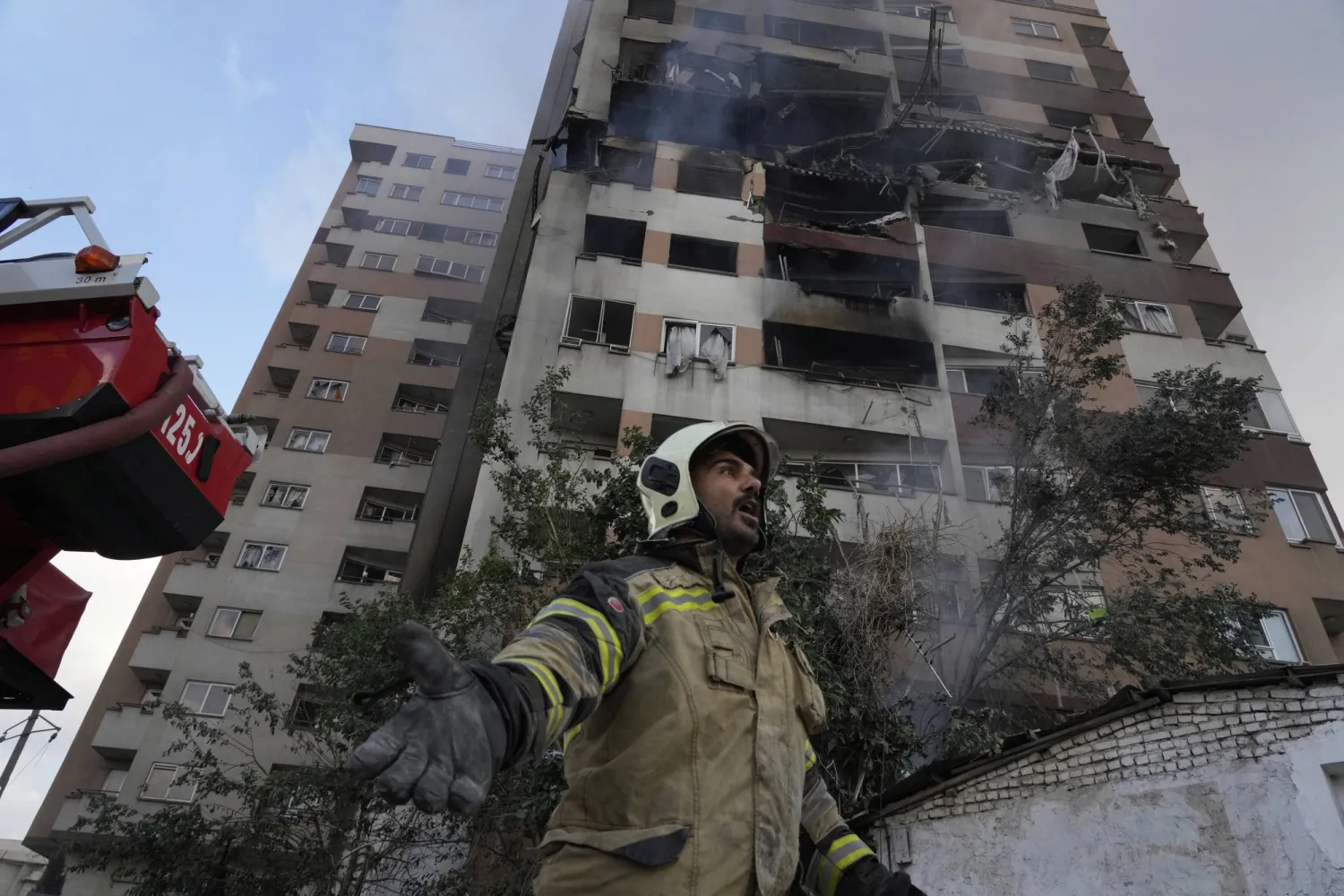
The danger intensifies if Israel steps into sovereign Iranian territory, targeting facilities or individuals within Iran itself. While limited external strikes might be absorbed, any attack inside Iran risks triggering a direct response—especially given Tehran’s stern warnings that it will “break the rules of engagement” if its “red lines” are crossed.

Were Iran to respond openly, revealing readiness for full confrontation, Israel might find itself forced to reconsider its campaign style—especially if deterrence dynamics shift and preemptive strikes provoke uncontrollable escalation.

Alternatively, if Israel is not met with decisive Iranian pushback, it may continue its strategy of successive strikes, broadening its targeting scope. This would sustain a high-tension regional context, all but void of diplomatic mechanisms capable of managing or de-escalating conflict.

Download this article as PDF
Share this Article
Facebook Twitter Whatsapp Whatsapp Telegram Email Copy Link
فريق التحرير
By فريق التحرير تقارير يعدها فريق تحرير نون بوست.
Follow:
Previous Article نون بوست Are Iraq’s Militias Facing a Silent Shutdown?
Next Article نون بوست From Damascus to the Kaʿba: Julbī’s Pilgrimage

Read More

  • U.S. Regime‑Change Policies: Why They Are Destined to Fail U.S. Regime‑Change Policies: Why They Are Destined to Fail
  • The Gulf’s Balancing Act: Iran, Israel, and Hidden Links
  • Iraq–Turkey Oil Export Treaty: Why Did Ankara Cancel It After 52 Years?
  • Syria’s Northeast on Edge: QSD Between Ankara and Damascus
  • Has Europe Changed Its Stance on Israel… or Just Its Language?
part of the design
NoonPost Weekly Newsletter

You May Also Like

U.S. Regime‑Change Policies: Why They Are Destined to Fail

U.S. Regime‑Change Policies: Why They Are Destined to Fail

إسراء سيد Esraa sayed 8 April ,2026
The Gulf’s Balancing Act: Iran, Israel, and Hidden Links

The Gulf’s Balancing Act: Iran, Israel, and Hidden Links

فريق التحرير Noon Post 8 April ,2026
Iraq–Turkey Oil Export Treaty: Why Did Ankara Cancel It After 52 Years?

Iraq–Turkey Oil Export Treaty: Why Did Ankara Cancel It After 52 Years?

فريق التحرير Noon Post 8 April ,2026

ليفربول ومانشستر سيتي في نهائي كأس الرابطة الإنجليزية

أيهم المدرس
أيهم المدرس Published 25 February ,2016
Share
2592442

كأس الكابيتال وان

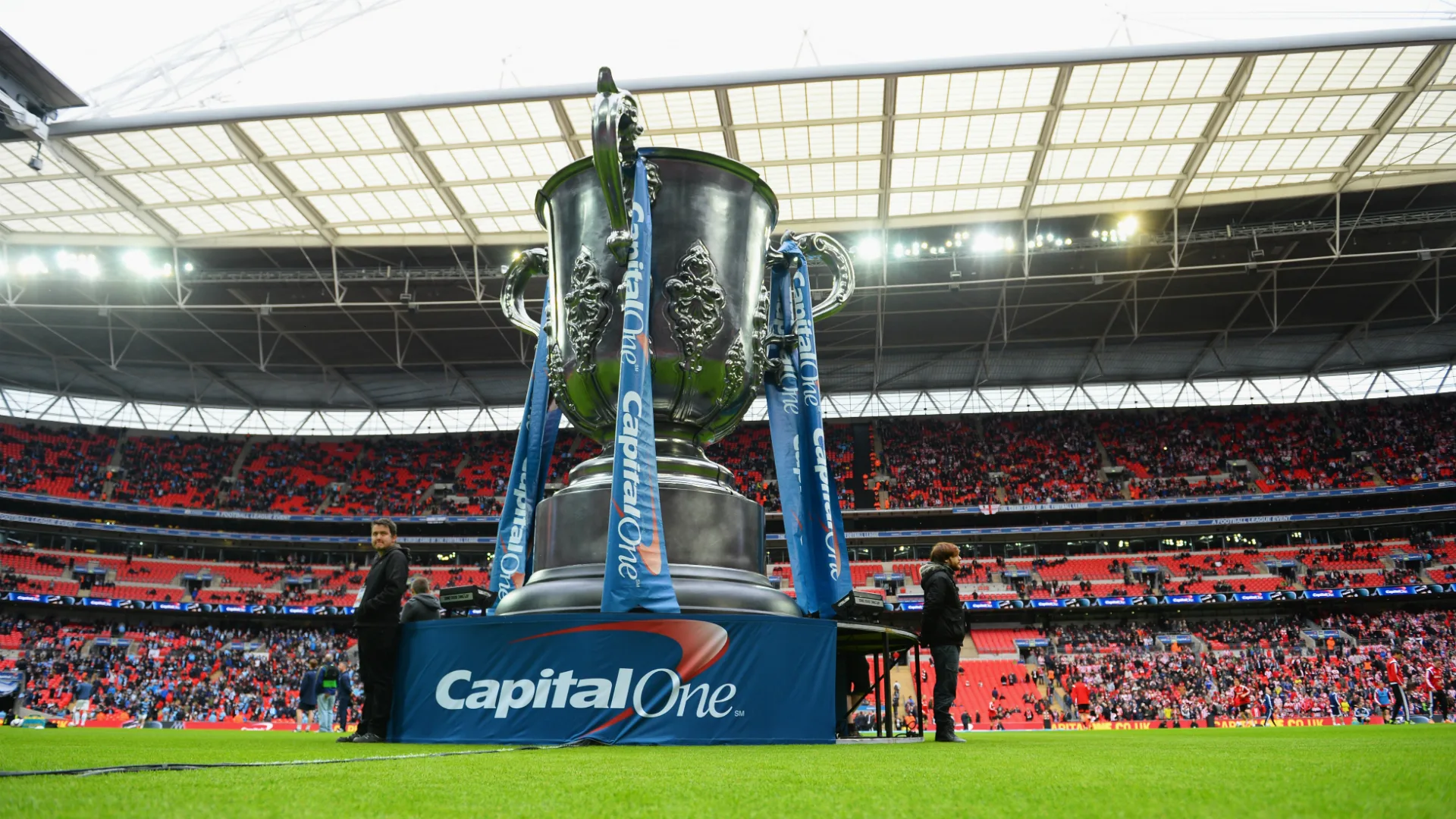
بطولة كأس رابطة المحترفين الإنجليزية، أو (Capital One Cup) كما يطلق عليها حاليًا، هي ثالث بطولات إنجلترا من حيث الأهمية بعد بطولتي الدوري وكأس الاتحاد، ولكن أهميتها تضاعفت هذا الموسم ببلوغ اثنين من أهم أعمدة الكرة الإنجليزية مباراتها النهائية، هما:

ليفربول: صاحب التاريخ العريق الحافل والحاضر الفقير المتواضع، ومانشستر سيتي: فريق الأثرياء الذي حوله سخاء ملاكه الجدد إلى منافس جدي على جميع الألقاب الممكنة.

فماذا عن اللقب الأول لهذا العام في البطولات الأوروبية الكبرى؟ وما هي العقبات التي استطاع الفريقان تجاوزها وصولًا إلى المحطة الختامية؟ وما هي حظوظهما في الظفر بلقب قد يمثل سلم الإنقاذ لموسمهما المحلي المخيب؟ وما هي إمكانياتهما الفنية والتكتيكية المتاحة في تلك المباراة؟

كل تلك الأسئلة وغيرها، سنجيب عنها في سياق التقرير التالي، والذي نفتتحه بنبذة تاريخية عن البطولة:

تاريخ بطولة كأس الرابطة

نون بوست

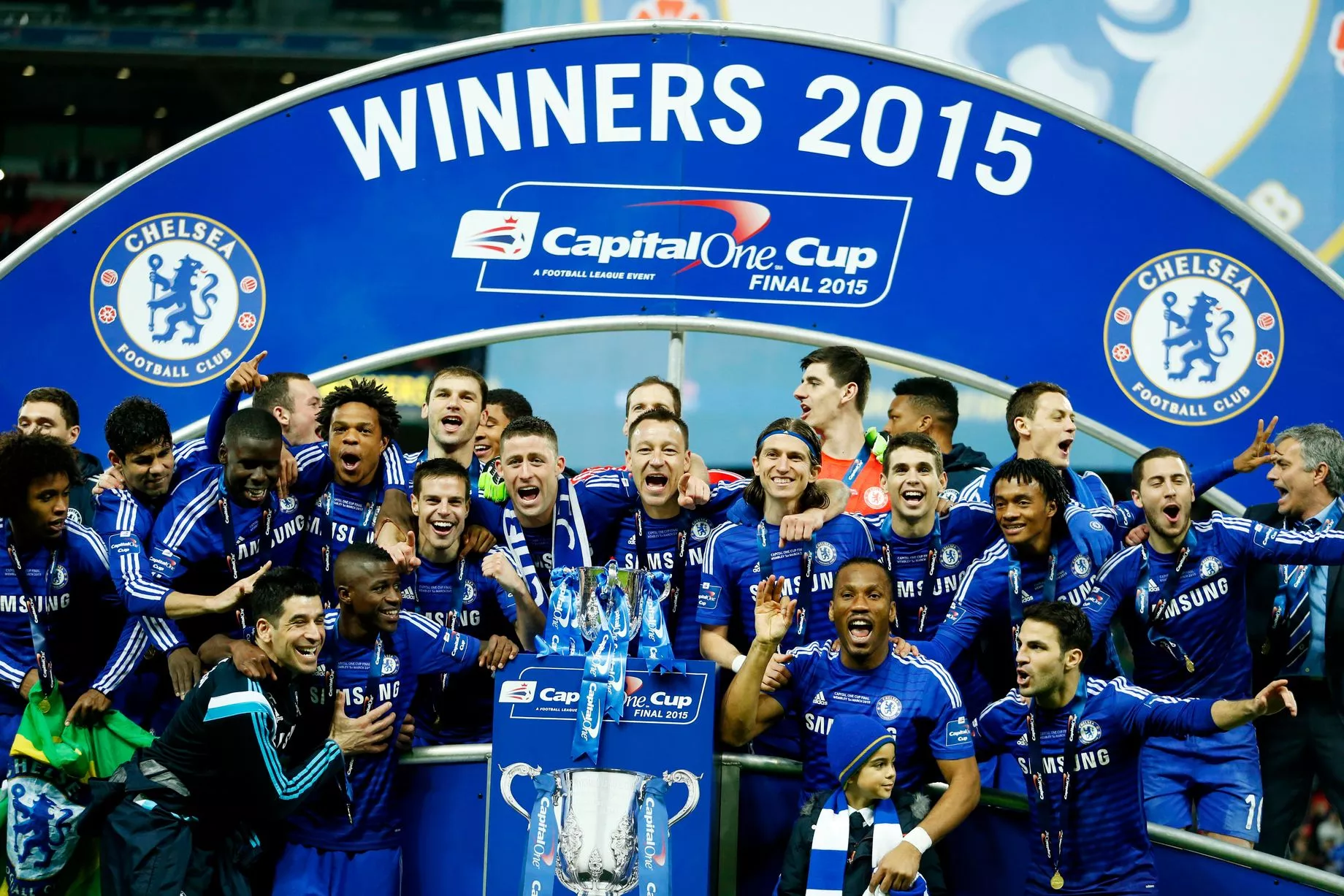
تشيلسي بطل النسخة الماضية

يعود تاريخ كأس الرابطة إلى مطلع الستينات من القرن الماضي، حين اقترح الحكم الدولي الإنجليزي السابق ورئيس منظمة الفيفا بين عامي 1961 و1974، السير ستانلي روس، أن تقام مسابقة جديدة خاصة بأندية إنجلترا وويلز إضافةً لبطولتي الدوري والكأس، وذلك بهدف دعم كرة القدم في البلاد، عبر تأمين مصادر دخل إضافية للأندية، وتوفير فرص مواتية لظهور اللاعبين وتحقيق الألقاب، وقد لاقى اقتراحه ترحيبًا لدى رابطة الأندية الإنجليزية، التي اتفق أعضاؤها على إقامة البطولة الأولى اعتبارًا من موسم 1960-1961، على أن تحمل اسم (League Cup) أي كأس الرابطة، وقد حقق نادي أستنفيلا لقب النسخة الأولى من البطولة، بعد تفوقه في النهائي على روثرهام يونايتد بنتيجة (3-2) في مجموع مباراتي الذهاب والإياب.

قانون البطولة منذ تأسيسها وحتى يومنا هذا، يعتمد مبدأ خروج المغلوب دون خوض دوري مجموعات، وقد كانت المباريات النهائية للبطولة تقام من مرحلتي ذهاب وإياب في النسخ الـ 6 الأولى، قبل أن يصبح النهائي مقتصرًا على مباراة واحدة بدءًا من عام 1967، وينص القانون الحالي للمسابقة على مشاركة 92 فريقًا فيها، تتضمن أندية الدوري الممتاز الـ 20، إضافةً إلى 72 ناديًا من الدرجات الأدنى.

أما تسميتها بـ (Capital one Cup)، فتعود إلى عقد مع الجهة الراعية للبطولة منذ عام 2012، وقبل ذلك كانت البطولة تسمى بـ (Carling Cup) نسبةً إلى رعاتها السابقين.

الرقم القياسي لعدد مرات الفوز بهذه البطولة يحمله ليفربول برصيد 8 ألقاب، يليه كل من أستنفيلا وتشيلسي برصيد 5 ألقاب لكل منهما، ومن ثم تأتي أندية: مانشستر يونايتد، توتنهام، ونوتنغهام فورست، بـ 4 ألقاب لكل منها، أما لقب بطولة العام الماضي فقد ذهب لتشيلسي، بعد فوزه في النهائي على جاره اللندني توتنهام بهدفين نظيفين.

ليفربول ومانشستر سيتي

نون بوست

مانشستر سيتي بطل نسخة عام 2014

رغم ظهورهما مجتمعَين 15 مرةً في نهائي البطولة عبر نسخها الـ 55 الماضية، إلا أن الناديين لم يسبق أن تواجها في أية مباراة نهائية سابقة، فألقاب ليفربول الـ 8 أحرز 4 منها بشكل متتال بين عامي 1981 و1984، إضافةً إلى 4 أخرى أعوام: 1995، 2001، 2003، و2012، كما خسر النهائي 3 مرات أعوام: 1978، 1987، و2005، أما مانشستر سيتي فقد أحرز 3 ألقاب أعوام: 1970، 1976، و2014، وخسر نهائي عام 1974.

وبينما مثل إحراز السيتيزن لقب عام 2014 على حساب سندرلاند في النهائي بنتيجة 3-1، مفتاحًا لتتويج الفريق بلقب الدوري الإنجليزي الممتاز في العام ذاته، مثل إحراز الليفر لقبه الثامن في هذه المسابقة، بفوزه الصعب في نهائي عام 2012 على كارديف سيتي بفارق ركلات الترجيح بعد التعادل 2-2، آخر عهد للفريق الأحمر بالبطولات، حيث غاب عن منصات التتويج نهائيًا منذ ذلك التاريخ.

الطريق نحو النهائي

نون بوست

من فرحة لاعبي ليفربول بتجاوزهم ستوك سيتي في نصف النهائي

بدأ الفريقان مشوارهما في بطولة هذا العام من الدور الثالث، حيث اكتسح مان سيتي مضيفه سندرلاند بنتيجة 4-1، فيما احتاج الليفر لضربات الترجيح من أجل التخلص من عقبة ضيفه كارلايل القادم من الدرجة الثالثة، وفي دور الـ 16 تابع السيتيزن اكتساحه فتغلب على ضيفه كريستال بالاس بنتيجة 5-1، فيما اكتفى الريدز بانتصار صعب على ضيفه بورتموث بهدف وحيد.

وفي ربع النهائي تجاوز مان سيتي ضيفه هال سيتي بنتيجة 4-1، وقلده الليفر باكتساحه مضيفه ساوثامبتن بنتيجة 6-1، لينتقل الفريقان إلى نصف النهائي، حيث خاضا مواجهتين صعبتين، فتفوق السيتيزن على إيفرتون – جار ليفربول اللدود – بمجموع لقائي الذهاب والإياب، بعد أن تجاوز هزيمته بنتيجة 1-2 في ملعب خصمه، بفوز عريض بنتيجة 3-1 في ملعب الاتحاد، فيما لم يستطع الريدز التخلص من كابوس ستوك سيتي إلا عبر ركلات الترجيح، بعد أن تبادل الفريقان الفوز في مباراتي الذهاب والإياب بهدف نظيف.

نظرة فنية تكتيكية

نون بوست

جانب من آخر مباراةٍ جمعت بين الفريقين

يعتمد الألماني يورغن كلوب منذ قدومه لتدريب ليفربول في أكتوبر الماضي على خطة 4-2-3-1، وهي الخطة ذاتها التي كان ينتهجها مع فريقه السابق بروشيا دورتموند، والتي حقق من خلالها نجاحات كبيرة، وخاصةً في مواجهة الفرق الكبرى، حيث تعتمد الخطة على ثبات رباعي الدفاع الخلفي مع دعمه بجهود لاعبي محور الوسط ذوي الميول الدفاعية، مع ترك مهمة شن الهجمات المرتدة الخاطفة لرباعي خط المقدمة الذي يتميز بالسرعة والمهارة، وبالمقابل، يلعب التشيلي مانويل بيلغريني عادةً بخطة 4-4-2 التقليدية، معتمدًا على امتلاكه العديد من أصحاب المهارات العالية في خط الوسط، مما يمكنه من امتلاك الكرة والإطباق على مرمى خصومه.

وستكون مهمة التعامل مع الغيابات الوازنة في التشكيلتين، هي العامل المشترك لدى المدربين، والذي قد يكون الفيصل في ترجيح كفة أحدهما على حساب الآخر، فغياب كل من المدافعين الأساسيين سكيرتل ولوفيرن سيجبر كلوب على الاعتماد على الثنائي البديل ساخو وكولو توريه أمام حارس المرمى مينوليه، فيما سيكمل الظهيران كلاين وألبيرتو مورينو قوام رباعي الدفاع الخلفي، أما لاعبا المحور المتاحان في خط الوسط فهما إيمري جان والكابتن هندرسون، في ظل إصابة جو ألين وابتعاد لوكاس ليفا عن مستواه، وتكمن نقطة قوة الفريق الكبرى في ثلاثي صناعة اللعب المميز المكون من: كوتينهو، فيرمينيو، وميلنر، الذي سيعوض غياب لالانا، فيما تحوم الشكوك حول هوية المهاجم الأساسي الذي سيدفع به كلوب، أيكون أوريجي أم بنتيكي؟ أم يلجأ للحل الثالث بإشراك فيرمينيو كمهاجم وتعويض مكانه بالجناح الشاب إيبي؟

أما في الجهة المقابلة، فرغم اكتمال صفوف الخط الخلفي بعودة القائد كومباني من الإصابة، ليلعب بجانب الثلاثي زاباليتا، أوتاميندي، وكولاروف، أمام الحارس جو هارت، إلا أن سلسلة الإصابات التي ضربت خط الوسط، وطالت نجمي الفريق دي بروين ونافاس، إضافةً إلى البديلين ديلف ونصري، جعلت خيارات بيلغريني محدودةً، ومحصورةً باستعمال الثنائي البرازيلي فيرناندو وفيرناندينيو كلاعبي محور، مع تقديم الدبابة يايا توريه للعب دور صانع اللعب الهجومي، إلى جانب الكناري العائد من الإصابة دافيد سيلفا، مع ترك مهمة تسجيل الأهداف للثنائي الرهيب أغويرو ورحيم ستيرلينغ، مع إمكانية إقحام الواعد إيهيناتشو كبديل ممتاز.

سيناريو اللقاء المتوقع هو استحواذ السيتيزن على الكرة واكتفاء الريدز بممارسة الهجوم المرتد، والذي قد يتحول إلى سلاح فتاك في حال فشل بيلغريني في إغلاق مناطقه الخلفية، كما حدث في آخر مباراة بين الفريقين في الدوري، والتي انتهت برباعية ليفربولية في قلب ملعب الاتحاد، أما إذا خالف كلوب التوقعات وبدأ مهاجمًا، طمعًا بضمان فوز مبكر، فقد ينقلب السحر على الساحر، وينجح بيلغريني وجنوده في تصفية حسابهم مع كتيبة الريدز.

المكان والزمان

مساء الأحد 28 فبراير عند الساعة 7,30 بتوقيت مكة المكرمة (4,30 بتوقيت غرينتش)، من المتوقع أن تمتلأ مدرجات ملعب ويمبلي الشهير بلندن عن بكرة أبيها انتظارًا للنهائي المرتقب، علمًا بأن نهائي العام الماضي شهد حضور 89294 متفرجًا، في رقم قياسي أعاد للأذهان ذكريات حقبة الثمانينات الإنجليزية الرائعة، والتي يأمل عشاق الريدز بإحياء ذكرى نجاحاتهم فيها، فيما يأمل أنصار السيتيزن بلقب جديد يعزز مشروعهم في التحول إلى قوة كروية إنجليزية وعالمية.

آخر ما يجدر ذكره أن إدارة المباراة أسندت إلى الحكم الدولي الإنجليزي مايكل أوليفر صاحب الـ 31 عامًا.

TAGGED: أبرز مهاجمي كرة القدم ، أفضل ملاعب كرة القدم ، احتراف كرة القدم ، الدوري الإنجليزي ، كأس رابطة المحترفين الإنجليزية
TAGGED: كرة القدم
Download this article as PDF
Share this Article
Facebook Twitter Whatsapp Whatsapp Telegram Email Copy Link
أيهم المدرس
By أيهم المدرس كاتب سوري مهتم بالشأن الرياضي
Follow:
Next Article نون بوست The Stigma of “ISIS”: A Heavy Legacy Haunting Women and Children of Former Members

Read More

  • U.S. Regime‑Change Policies: Why They Are Destined to Fail U.S. Regime‑Change Policies: Why They Are Destined to Fail
  • The Gulf’s Balancing Act: Iran, Israel, and Hidden Links
  • Iraq–Turkey Oil Export Treaty: Why Did Ankara Cancel It After 52 Years?
  • Syria’s Northeast on Edge: QSD Between Ankara and Damascus
  • Has Europe Changed Its Stance on Israel… or Just Its Language?
part of the design
NoonPost Weekly Newsletter
dark

An independent media platform founded in 2013, rooted in slow journalism, producing in-depth reports, analysis, and multimedia content to offer deeper perspectives on the news, led by a diverse young team from several Arab countries.

  • Politics
  • Society
  • Rights & Liberties
  • Opinions
  • History
  • Sports
  • Education
  • Technology
  • Economy
  • Media
  • Arts & Literature
  • Entrepreneurship
  • Travel
  • Cinema & Drama
  • Food
  • Health
  • Culture
  • Latest Reports
  • Files
  • Long Reads
  • Interviews
  • Podcast
  • Interactive
  • Encyclopedia
  • In Pictures
  • About Us
  • Our Writers
  • Write for Us
  • Editorial Policy
  • Advanced Search
Some rights reserved under a Creative Commons license

Removed from favorites

Undo
Go to mobile version