NoonPost NoonPost

NoonPost

  • Home
  • Politics
  • Economy
  • Society
  • Culture
  • Files
  • Long Reads
  • Podcast
AR
Notification Show More
نون بوست
“There Are Nights I Can’t Close My Eyes”: How Gazans Are Living in Homes on the Brink of Collapse
نون بوست
From al-Jolani to Ahmad al-Shara: The Evolution of Syria’s New Leader
نون بوست
When Political Islam Receded in Egypt: Who Filled the Void?
نون بوست
An Extension of Genocide: Gaza’s Detainees Speak Out
نون بوست
A Tightrope Between Survival and Sovereignty: The Syrian Government Faces Normalization Pressures
نون بوست
American Aircraft Carriers: Has the Era of “100,000 Tons of Diplomacy” Ended?
نون بوست
U.S. Regime‑Change Policies: Why They Are Destined to Fail
نون بوست
Transformations of Israeli Judaism: Between the Victim Complex and the Colonizer’s Doctrine
نون بوست
The Gulf’s Balancing Act: Iran, Israel, and Hidden Links
نون بوست
Iraq–Turkey Oil Export Treaty: Why Did Ankara Cancel It After 52 Years?
نون بوست
Syria’s Northeast on Edge: QSD Between Ankara and Damascus
نون بوست
Has Europe Changed Its Stance on Israel… or Just Its Language?
NoonPost NoonPost
AR
Notification Show More
نون بوست
“There Are Nights I Can’t Close My Eyes”: How Gazans Are Living in Homes on the Brink of Collapse
نون بوست
From al-Jolani to Ahmad al-Shara: The Evolution of Syria’s New Leader
نون بوست
When Political Islam Receded in Egypt: Who Filled the Void?
نون بوست
An Extension of Genocide: Gaza’s Detainees Speak Out
نون بوست
A Tightrope Between Survival and Sovereignty: The Syrian Government Faces Normalization Pressures
نون بوست
American Aircraft Carriers: Has the Era of “100,000 Tons of Diplomacy” Ended?
نون بوست
U.S. Regime‑Change Policies: Why They Are Destined to Fail
نون بوست
Transformations of Israeli Judaism: Between the Victim Complex and the Colonizer’s Doctrine
نون بوست
The Gulf’s Balancing Act: Iran, Israel, and Hidden Links
نون بوست
Iraq–Turkey Oil Export Treaty: Why Did Ankara Cancel It After 52 Years?
نون بوست
Syria’s Northeast on Edge: QSD Between Ankara and Damascus
نون بوست
Has Europe Changed Its Stance on Israel… or Just Its Language?
Follow US

How Gaza Became the Most Complex Non‑Conventional Battlefield

أحمد الطناني
Ahmad Tanani Published 26 March ,2026
Share
نون بوست

The Palestinian resistance in Gaza has demonstrated a unique tenacity in withstanding the military might of the Israeli occupation. Its armed infrastructure has sustained ongoing operations—whether resisting ground incursions or launching continuous rocket strikes.

Over the past year and more, this has manifested in a remarkable display of resolve and operational capability. Gaza’s environment poses an extraordinary challenge: its topography is exposed and “scorched,” severely limiting the scope for conventional maneuver warfare.

Added to that, the territory is under constant Israeli intelligence surveillance—radars, advanced monitoring systems, satellites, and state‑of‑the‑art drones.

Faced with these constraints, the resistance devised creative defensive methods tailored to reality. Its strategy focuses on absorbing major assaults—especially intense aerial bombardments—inflicting maximum damage on invading forces while minimizing loss of personnel and equipment.
نون بوست

To this end, it avoided fixed defense lines and instead relied on mobility and concealment to disrupt enemy advances. On the ground, the resistance drew lessons from urban warfare worldwide and adapted them to Gaza’s environment and the nature of the Israeli military.

It developed a comprehensive strategy comprising four interconnected pillars: military squads, combat nodes, tunnel networks, and a closed terrestrial communications network. Simultaneously, it invested in human capital—training individuals capable of navigating operational complexity with maximum battlefield effectiveness.

Urban Warfare & Asymmetric Conflict

In his 1975 study “Why Big Nations Lose Small Wars,” published in World Politics, American political scientist Andrew Mack provides a critical analysis of asymmetric warfare. Until World War II, military doctrine assumed that technological and conventional superiority would automatically yield victory.

But later dramatic conflicts—including the Vietnam War and various Third‑World conflagrations—revealed the fragility of this assumption. Despite massive power, superior forces repeatedly suffered humiliating defeats when facing weaker, home‑grown adversaries.

These experiences shattered the traditional war concept, especially when major armies engage in conflicts outside their homelands. In such scenarios, powerful militaries often confront local forces motivated by diverse causes and prepared for protracted, unconventional engagements that defy standard military paradigms—this is the essence of urban warfare.
نون بوست
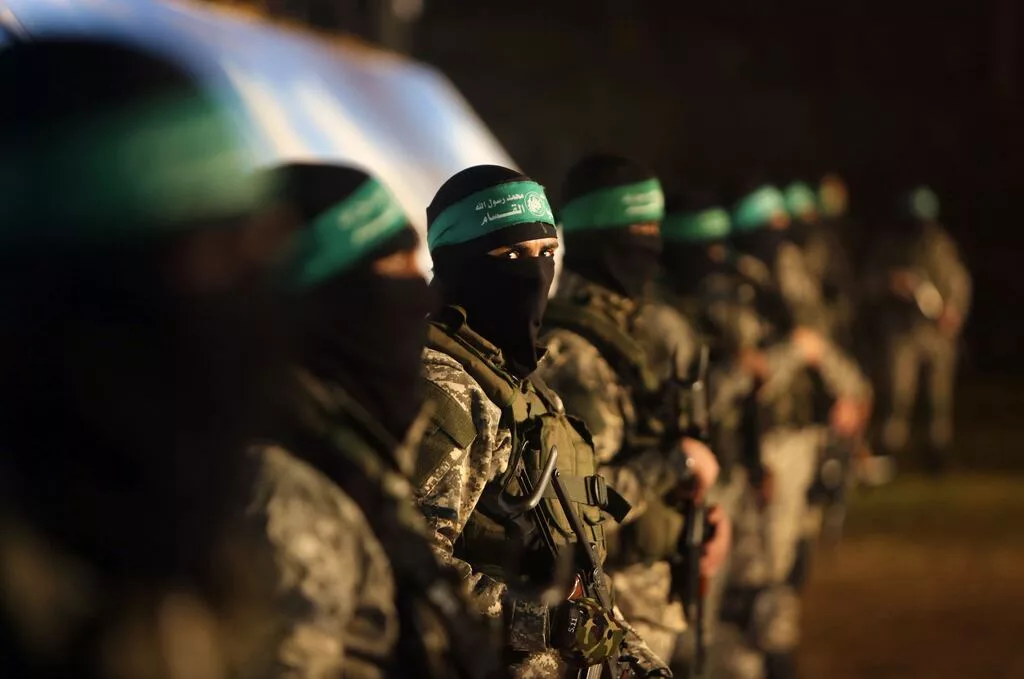
Fighters from the Izz al-Din al-Qassam Brigades, the military wing of Hamas, take part in a rally on January 31, 2016, in Gaza City.

Urban combat stands as the most complex and brutal form of irregular warfare. It drains attacking armies through intricate use of civilian environments. Engagements span streets and buildings, confusing conventional forces reliant on technological dominance and standard tactics.

Especially troublesome is the proximity of “zero‑distance” combat, which neutralizes air support and technological advantages.

In Gaza’s case, the Telegraph reported that “Palestinian resistance took some common urban defensive tactics and elevated them to a level no one had ever seen,” citing U.S. West Point urban‑warfare expert John Spencer.

Gaza, he asserted, is “one of the most difficult urban battles in history,” comparing it even with Mosul or Stalingrad.

Spencer noted that the resistance had “15 years to prepare for this moment,” dedicating itself to “turning every inch into a problem for the world’s best army” .

From Militia to Army‑Like Structure

Drawing on experiences from Gaza’s 2008 and 2014 engagements—and earlier during the Second Intifada when operations originating from Israeli settlements inside Gaza taught hard lessons—the resistance has methodically studied Israeli military maneuvers and adjusted plans accordingly.

It anticipated the possibility of a full reoccupation, even if that appeared unlikely at times, based on shifting Israeli political dynamics, the persistent siege, and periodic rounds of violence.

In recent years, the resistance has expanded recruitment, firepower, and organizational depth—evolving into a small, integrated army. The Izz al‑Din al‑Qassam Brigades, Gaza’s main military force, structurally resemble a conventional army.
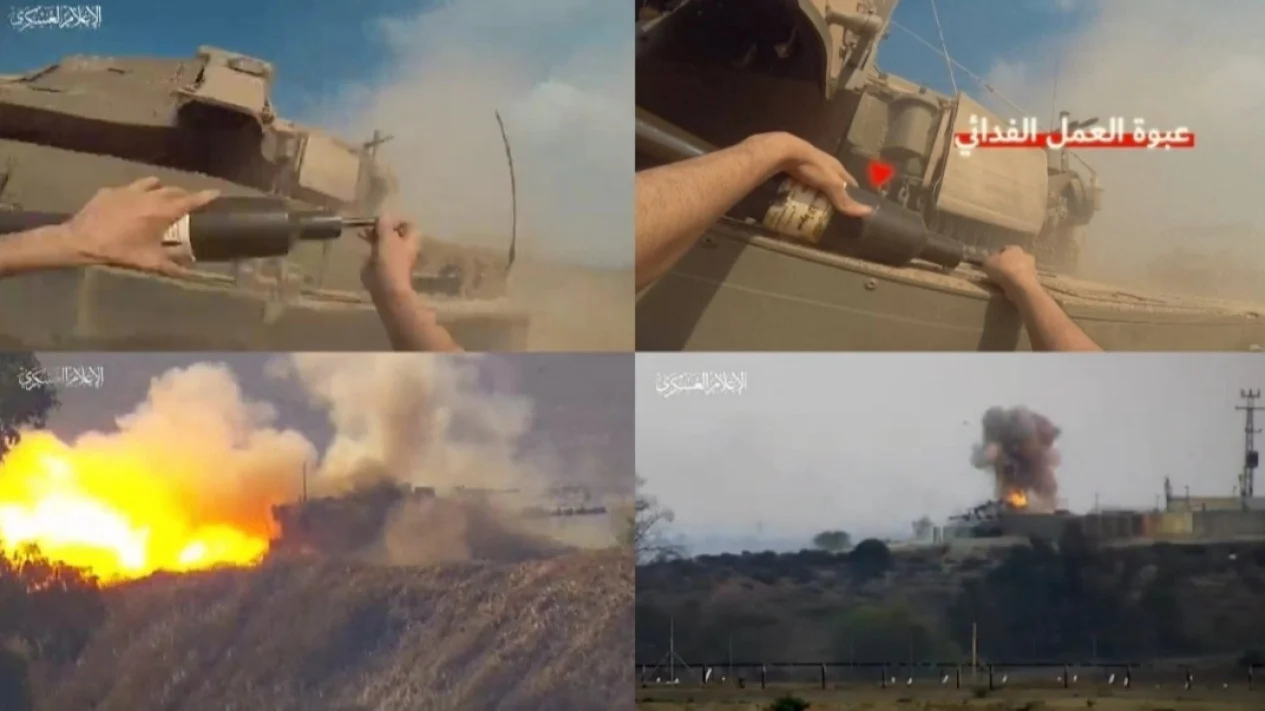
نون بوست
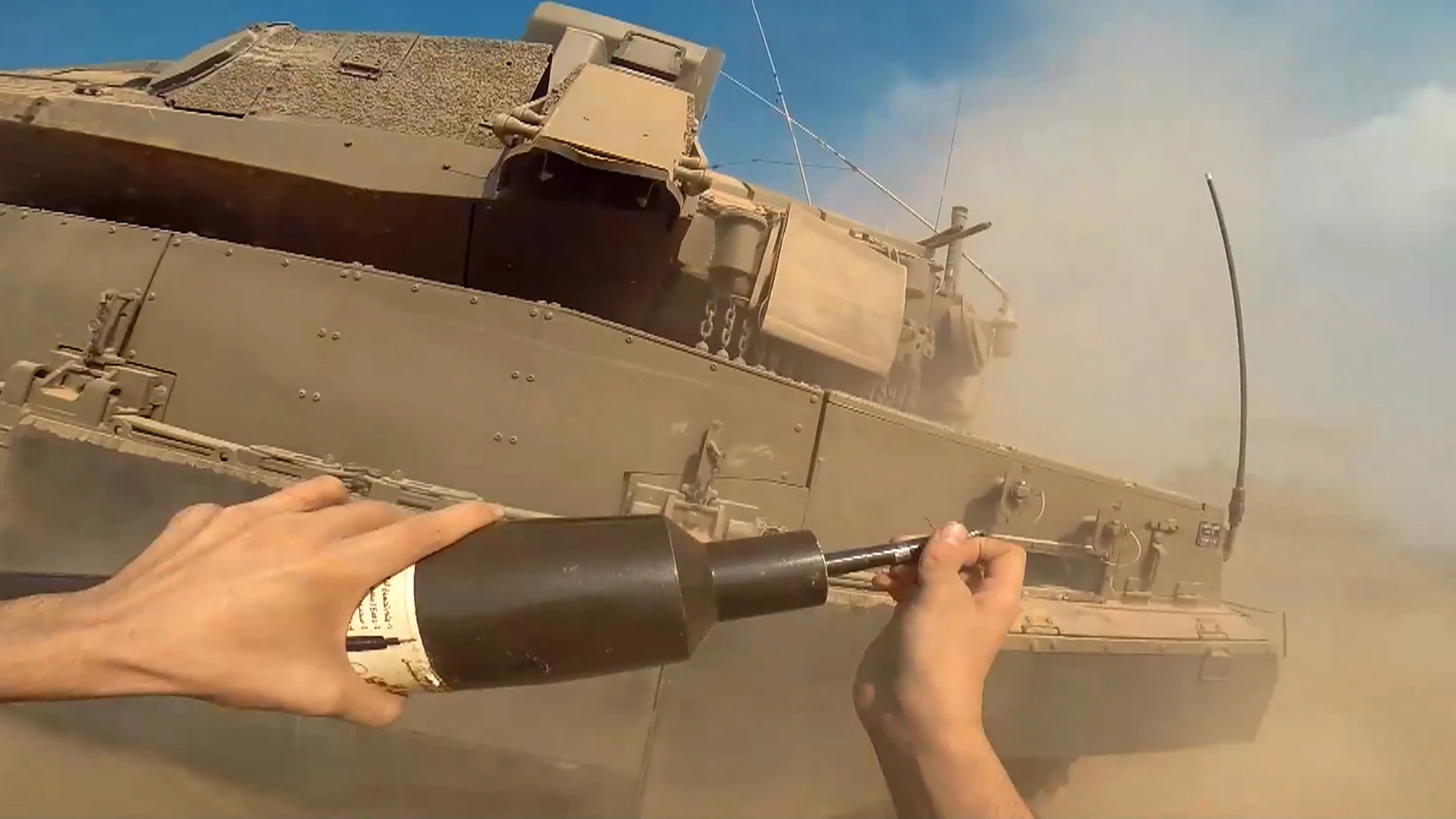
A Qassam fighter affixes an explosive device to an Israeli tank at point-blank range on November 2, 2023.

They now feature hierarchical command, specialized weapon systems, engineering, armor, artillery, and elite units. This has enabled precise operations under extremely challenging conditions.

Yet, they have retained the decentralized, non‑state militancy that makes them elusive and agile. By fusing the strengths of conventional small armies and militia fluidity—with enhanced technical, logistic, and intelligence capacities—they maintain surprise and resilience while minimizing vulnerabilities.

Gaza’s densely populated built‑environment also serves as a natural defense, complicating conventional maneuverability and amplifying the resistance’s leverage on urban terrain.

The Defensive Square Strategy

The resistance’s defense doctrine revolves around a four‑pillar “square”—each reinforcing the others to create one of the most complex modern urban‑war models:

  1. Military Squads

    • Small, flexible tactical units (5–10 fighters), each led by a commander and selected for specialized roles: armor specialists targeting tanks, combat engineers placing explosives, snipers providing cover, communications officers maintaining encrypted links, and even media specialists documenting operations for morale and narrative purposes.

  2. Combat Nodes

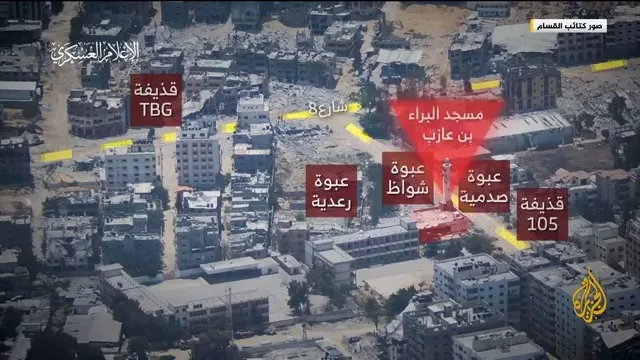
    • Fortified positions hosting coordinated units to execute tactical objectives. These nodes blend defense and offense, optimized to exploit their geographical advantages. Some nodes have remained in position for months—such as the al‑Barra ambush in Tal al-Hawa—for planned Israeli incursions. Nodes may operate independently or in sync with others during complex operations.

      نون بوست
      The coordinated ‘al-Baraa’ ambush near al-Baraa ibn Azib Mosque in the Tel al-Hawa neighborhood, southern Gaza City, on July 26, 2024.
  3. Tunnel Network

    • A vast underground system spanning tens of kilometers, invisible to Israeli intelligence and used for defense, offense, command and control, communications, resupply, launch sites, and protection of high‑value assets.

      • Defensive tunnels enable movement, ambushes, and strategic withdrawal.

      • Offensive tunnels penetrate into enemy territory, enabling surprise attacks (used extensively during the October 7, 2023, operations).

      • Command tunnels house reinforced command centers.

      • Communications tunnels carry secure wired networks.

      • Resupply tunnels connect rocket and mortar sites to ammunition and logistics.

      • Secure tunnels protect key prisoners and leadership in hardened, isolated zones.
        Foreign Affairs columnist Daphne Richmond Barr noted that Hamas’s tunnel usage is “more akin to how states use subterranean structures to protect command centers than is typical for non-state actors” .

  4. Closed Terrestrial Communications Network

    • A secure, buried cable system independent of Israeli electronic surveillance. It links combat nodes, command centers, intelligence cells, media, rocket, and artillery units. Israel’s 2018 failed Sayeret Matkal operation in Khan Younis intended to sabotage this network by planting listening devices; instead, the network remained intact and operational, even under repeated electronic and aerial attack—notably during the 2018 mission .

Risk Management & Decentralized Leadership

Understanding the dangers of centralized logistics or command, the resistance decentralized arms depots horizontally across Gaza—each brigade, battalion, and squad maintains its own weapons cache and supply line. This thwarted attempts to neutralize the structure via targeted air attacks.

They also invested heavily in human training, cultivating multi-tiered leadership. Squad commanders receive extensive training to make independent tactical decisions if communications are severed from top command. This turned each cell into a self-sufficient operational unit.

The Qassam Brigades established training academies with comprehensive curricula—military, strategic, doctrinal, ideological—that also groomed strategic thinkers to bridge leadership gaps, as revealed by leaked Israeli intelligence .

These measures preserved operational continuity despite leadership strikes, keeping units functionally in sync. The result: capabilities that outmatched expectations against a technologically dominant military force.

Gaza Redefining Urban Warfare

Gaza’s military experience, particularly during the recent “Operation Al-Aqsa Flood,” showcased the resistance’s capacity to morph an exposed, surveilled terrain into one of the world’s most complex combat theaters. Its innovations—especially the tunnel network and decentralized command—are redefining urban warfare doctrine, revealing how non-state actors adapt to hostile, infrastructure-weak environments.

Reflecting Mao Zedong’s guerrilla maxim—“When the enemy advances, we retreat; when he camps, we harass; when he tires, we attack; when he retreats, we pursue”—the resistance has consistently avoided direct engagement on the enemy’s terms, embracing Andrew Mack’s core rule: “Rebel forces should refuse to fight conventional armies according to the latter’s rules; instead on their own terms and terrain.”

A RAND report concluded that Israel’s operations since 2009 underscored the region’s strategic opacity—Gaza’s resistance has skillfully leveraged Israel’s political and economic strains, evolving Gaza into a model for unconventional warfare .
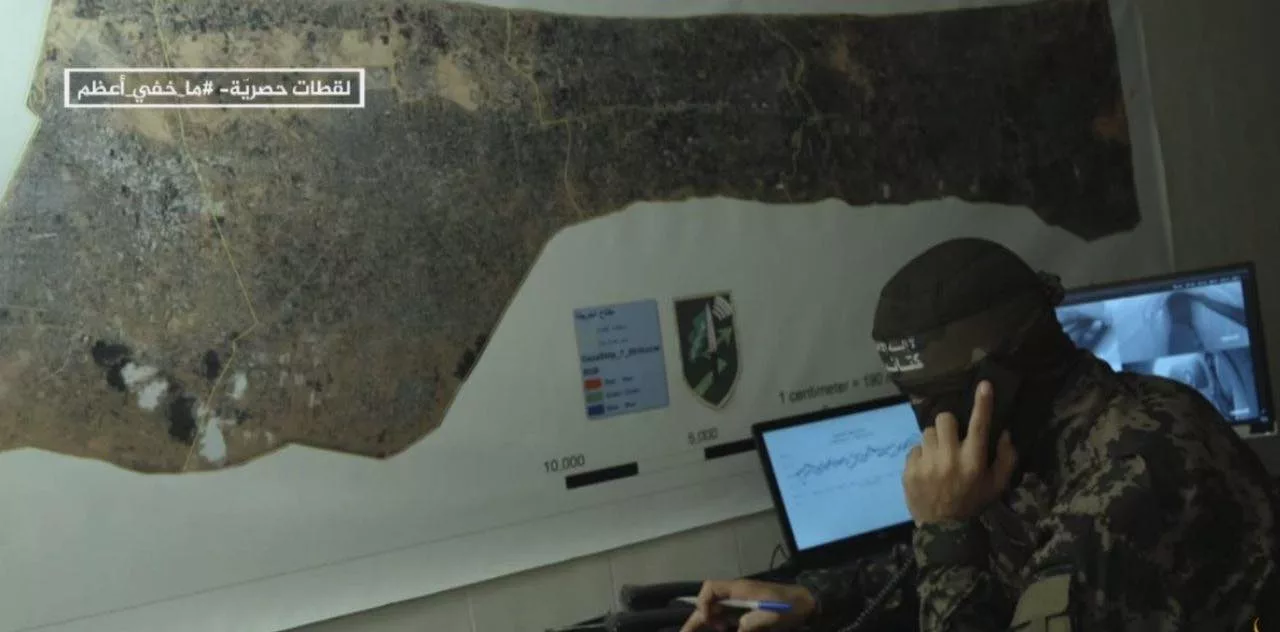
نون بوست
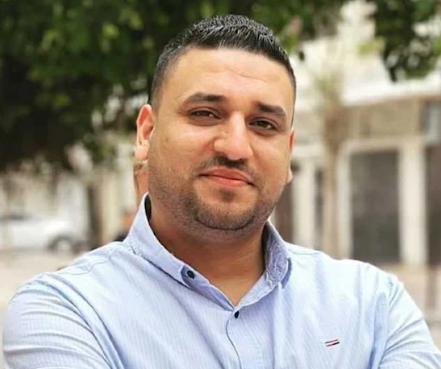
The resistance’s communications network has long been associated with commander Raed al-Attar.

Foreign Policy observed that Gaza’s tunnel network “has diminished the significance of surface operations… slowed the tempo, complicated rescue efforts…”—something Israeli military intelligence chief Tamir Hayman called “the toughest war in Israel’s history”—citing how resistance forces are entrenched both above and below ground .

Ultimately, Gaza’s conflict will be remembered as a defining case in asymmetric urban warfare. The resistance converted extreme challenges into strategic advantages, establishing a new paradigm in confronting superior armies—not only Israel’s but any technologically dominant military.

This unique experience stems from leaders forged in a crucible of siege and conflict: fighters with locally manufactured weapons, tunnels dug by bare hands, secure wired communications, strategic minds, and unwavering determination. At its core lies a profound moral dimension—a level of sacrifice and dignity that continues to inspire oppressed peoples worldwide.
Download this article as PDF
Share this Article
Facebook Twitter Whatsapp Whatsapp Telegram Email Copy Link
أحمد الطناني
By أحمد الطناني كاتب وباحث في الشأن السياسي
Follow:
Previous Article نون بوست No Shelter for Palestinians in Israel’s Wars
Next Article نون بوست Joining the Freedom Flotillas Is a Moral Duty: MyCARE’s CEO Speaks

Read More

  • U.S. Regime‑Change Policies: Why They Are Destined to Fail U.S. Regime‑Change Policies: Why They Are Destined to Fail
  • The Gulf’s Balancing Act: Iran, Israel, and Hidden Links
  • Iraq–Turkey Oil Export Treaty: Why Did Ankara Cancel It After 52 Years?
  • Syria’s Northeast on Edge: QSD Between Ankara and Damascus
  • Has Europe Changed Its Stance on Israel… or Just Its Language?
part of the design
NoonPost Weekly Newsletter

You May Also Like

U.S. Regime‑Change Policies: Why They Are Destined to Fail

U.S. Regime‑Change Policies: Why They Are Destined to Fail

إسراء سيد Esraa sayed 8 April ,2026
The Gulf’s Balancing Act: Iran, Israel, and Hidden Links

The Gulf’s Balancing Act: Iran, Israel, and Hidden Links

فريق التحرير Noon Post 8 April ,2026
Iraq–Turkey Oil Export Treaty: Why Did Ankara Cancel It After 52 Years?

Iraq–Turkey Oil Export Treaty: Why Did Ankara Cancel It After 52 Years?

فريق التحرير Noon Post 8 April ,2026

كيف يمكنك أن تعرف ضحية الإتجار بالبشر؟

فريق التحرير
Noon Post Published 7 March ,2016
Share
Not-for-Sale-e1409187633970

يقع الملايين من ضحايا الإتجار بالبشر من النساء والرجال والأطفال في أيدي المهربين كل عام، إما ليتمّ تصديرهم إلى بلاد أخرى أو إلى شبكات الإتجار بالبشر الداخلية في بلادهم، في صناعة تُعد ثاني أكثر الصناعات الإجرامية على مستوى العالم بعد تجارة المخدرات، حيث تتم التجارة بين 127 دولة مصدرة و137 دولة مستقبلة حول العالم، وذلك لاستخدامهم في مختلف الأغراض الجنسية وصناعة الأفلام الإباحية أو للأعمال الشاقة أو الأعمال المنزلية، أو في عمليات سرقة الأعضاء أو في شبكات الدعارة العالمية، وعلى الرغم من عدم دقة الإحصائيات نظرًا لعمل تلك الشبكات بسرية مبالغ فيها إلا أنه يمكن تقدير الرقم تقريبيًا بأنه واحد من بين كل 236 فردًا في العالم هو ضحية للإتجار بالبشر.

يمكننا القول بأن كل بلد حول العالم يعاني بشكل نسبي من الإتجار بالبشر، حيث يستخدم المهربون أساليب عدة في عمليات نقل الضحايا المتاجر بهم، في محاولة لإخفائهم عن الأعين وعدم التعرف عليهم حتى لا يتم كشف عملية التهريب، هذا لا يمنع من وجود علامات مميزة لضحية الإتجار بالبشر، والتي يمكن للبعض ملاحظتها في المطارات أو محطات القطارات، والتي يمكنها أحيانًا المساعدة في بقاء هؤلاء الضحايا بعيدًا عن حياة العبودية الحديثة التي يطلق عليها عالميًا الآن الإتجار بالبشر (Human Trafficking).

نون بوست

تم ملاحظة بعض العلامات التي استطاعت بعض المؤسسات التي تحارب تجارة البشر تحديدها بعد كشف العديد من الحالات المهربة في المطارات ومحطات القطار منها:

1- الضحية لا تعرف وجهة السفر: لا يمكن للضحية تحديد مكان الرحلة، ولا تفاصيلها، حيث يكون أغلب الضحايا هم ضحايا عمليات خطف في الأساس، وأحيانًا عن طريق “عمليات بيع وشراء” مع ذويهم.

2- يبدو حديث الضحية مفتعلًا أو غير حقيقي: يميل المهربون إلى تلقين الضحايا حديثًا معينًا، يبدو لأغلب الناس ولضباط المطارات ومحطات السفر مفتعلًا وغير حقيقي، فتتحدث الضحية كما أخبرها المهرب بالضبط، حيث يستغل المهرب أن الضحية لا تعرف أي شخص في المكان المتواجد فيه إلا هو، ولا تمتلك أية أموال تساعدها على الرجوع إلى بلدها، فيعتمد المهرب أن الضحية مرتبطة به، ويقوموا بالترهيب والتخويف بل وأحيانًا تحت تهديد السلاح برعب الضحية وإجبارها على التعامل بالمعايير التي يسمح لها المهرب بالتعامل بها، وهذا ما يجعل الضحية في حالة خوف دائم من التحدث لأي شخص حولهم.

3- تظهر الضحية في الأغلب تحت تأثير المخدرات أو الكحول: وبالأخص صغار السن منهم، وهم في الأغلب من يتم استخدامهم للأغراض الجنسية، كما يظهر على أجسادهم علامات الاعتداء الجسدي من علامات حرق السجائر، أو الجروح الناتجة عن الضرب بآلة حادة، كما تظهرن الفتيات منهن بثياب مثيرة لا تتناسب مطلقًا مع أعمارهن، وهو الأمر الملفت للنظر في ضحايا الإتجار بالبشر المُصدرين لشبكات الدعارة الداخلية والعالمية.

تجارة البشر هي تجارة الـ32 بليون دولار سنويًا، وهي تحتوي على العديد من الشبكات المنظمة العاملة على استيراد وتصدير البشر بين البلاد المختلفة، وتأتي بلاد الخليج العربي وتركيا والولايات المتحدة الأمريكية على رأس الدول المستقبلة، في حين تحتل معظم الدول الفقيرة وبلدان العالم النامي وشرق أوروبا مرتبة الدول المصدرة للبشر، حيث تبلغ تكلفة الضحية حول العالم ما يقارب الـ 90 دولارًا، ويُقدر عدد الضحايا بـ 800.000- 900.000 ضحية يعبرون الحدود الدولية سنويًا، بعدد يبلغ 20-30 مليون ضحية للإتجار بالبشر حول العالم الآن، يصل منهم حوالي 17.500 ضحية إلى الولايات المتحدة سنويًا.

على الرغم من أن نسبة كبيرة من ضحايا الإتجار بالبشر هم من الفتيات والنساء، إلا أن الرجال والفتيان يتم اختطافهم كذلك وإدراجهم في شبكات الدعارة أو الأفلام الإباحية، أو يتم استخدامهم كعبيد في الأشغال الشاقة أو الأعمال المنزلية، حيث يتم إرسالهم إلى الدول الفقيرة بالطلب، أو لغرض العمالة الجبرية، فالأمر لا يتوقف فقط على الإهانة الجنسية ويتطور إلى الإهانة الجسدية ومن ثم التشوه النفسي، فاحتمالية أن يعاني معظم الناجين من المهربين من أمراض نفسية وعقلية مزمنة تبدو عالية جدًا.

يبدو الأمر غريبًا بالنسبة للبعض، فلماذا يوجد طلب على تجارة الأطفال للأغراض الجنسية، قد يبدو هذا صادمًا للبعض، ولكن هناك ما يسمى  السياحة الجنسية للأطفالChild Sex Tourism، وهي سياحة تعمل على ضم الأطفال في الدعارة وممولة تجاريًا والتي أسفرت عن ارتفاع نسبة الحمل المبكر ومرض الإيدز في الولايات المتحدة وحول العالم، حيث بلغ عدد الأطفال 5.5 مليون طفل يتم استغلاله في صناعة الجنس حول العالم، طبقًا لتقارير وزارة الخارجية الأمريكية.

نون بوست

كتاب “التجارة بالجنس: دارسة في التجارة في العبودية الحديثة” للكاتب سيدهارث كارا، والذي قضى من حياته 15 عامًا في رحلات حول العالم متتبعًا قضايا الإتجار بالبشر، حيث واجه أول حالة في مخيم للاجئي البوسنة في عام 1995، سجل من خلالها الاستغلال الجنسي للاجئات في المخيمات وبيعهم من قِبل تجار في المخيمات ووعدهم بحياة أفضل خارج المخيم، قرر كارا بعدها السفر إلى الهند، بورما، تايلند، فيتنام، المملكة المتحدة، مرورًا بدول البلقان من ألبانيا ومولدوفا حتى عاد إلى الولايات المتحدة الأمريكية، وثق خلال رحلاته حالات الإتجار بالبشر من الفتيات والنساء، واصفًا قصص تلك الفتيات بعد أن حكوها له بأنفسهم.

وأخيرًا، ما الذي يجب على العامة فعله؟ كل ما عليك هو أن تثقف نفسك بهذا الأمر جيدًا، وأن تحاول استغلال وقت فراغك في مساعدة المؤسسات التي تعمل على التوعية بالإتجار بالبشر، أو مساعدتهم في برامج النقاهة سواء الجسدية أو النفسية للناجين ممن هم في حالة ما بعد الصدمة، أو في المحاولة عن كشف حالات الإتجار بالبشر.

TAGGED: الإتجار بالبشر ، الاستغلال الجنسي ، العبودية ، المهربون ، تجارة البشر
TAGGED: تجارة البشر
Download this article as PDF
Share this Article
Facebook Twitter Whatsapp Whatsapp Telegram Email Copy Link
فريق التحرير
By فريق التحرير تقارير يعدها فريق تحرير نون بوست.
Follow:
Next Article نون بوست The Stigma of “ISIS”: A Heavy Legacy Haunting Women and Children of Former Members

Read More

  • U.S. Regime‑Change Policies: Why They Are Destined to Fail U.S. Regime‑Change Policies: Why They Are Destined to Fail
  • The Gulf’s Balancing Act: Iran, Israel, and Hidden Links
  • Iraq–Turkey Oil Export Treaty: Why Did Ankara Cancel It After 52 Years?
  • Syria’s Northeast on Edge: QSD Between Ankara and Damascus
  • Has Europe Changed Its Stance on Israel… or Just Its Language?
part of the design
NoonPost Weekly Newsletter
dark

An independent media platform founded in 2013, rooted in slow journalism, producing in-depth reports, analysis, and multimedia content to offer deeper perspectives on the news, led by a diverse young team from several Arab countries.

  • Politics
  • Society
  • Rights & Liberties
  • Opinions
  • History
  • Sports
  • Education
  • Technology
  • Economy
  • Media
  • Arts & Literature
  • Entrepreneurship
  • Travel
  • Cinema & Drama
  • Food
  • Health
  • Culture
  • Latest Reports
  • Files
  • Long Reads
  • Interviews
  • Podcast
  • Interactive
  • Encyclopedia
  • In Pictures
  • About Us
  • Our Writers
  • Write for Us
  • Editorial Policy
  • Advanced Search
Some rights reserved under a Creative Commons license

Removed from favorites

Undo
Go to mobile version