NoonPost NoonPost

NoonPost

  • Home
  • Politics
  • Economy
  • Society
  • Culture
  • Files
  • Long Reads
  • Podcast
AR
Notification Show More
نون بوست
“There Are Nights I Can’t Close My Eyes”: How Gazans Are Living in Homes on the Brink of Collapse
نون بوست
From al-Jolani to Ahmad al-Shara: The Evolution of Syria’s New Leader
نون بوست
When Political Islam Receded in Egypt: Who Filled the Void?
نون بوست
An Extension of Genocide: Gaza’s Detainees Speak Out
نون بوست
A Tightrope Between Survival and Sovereignty: The Syrian Government Faces Normalization Pressures
نون بوست
American Aircraft Carriers: Has the Era of “100,000 Tons of Diplomacy” Ended?
نون بوست
U.S. Regime‑Change Policies: Why They Are Destined to Fail
نون بوست
Transformations of Israeli Judaism: Between the Victim Complex and the Colonizer’s Doctrine
نون بوست
The Gulf’s Balancing Act: Iran, Israel, and Hidden Links
نون بوست
Iraq–Turkey Oil Export Treaty: Why Did Ankara Cancel It After 52 Years?
نون بوست
Syria’s Northeast on Edge: QSD Between Ankara and Damascus
نون بوست
Has Europe Changed Its Stance on Israel… or Just Its Language?
NoonPost NoonPost
AR
Notification Show More
نون بوست
“There Are Nights I Can’t Close My Eyes”: How Gazans Are Living in Homes on the Brink of Collapse
نون بوست
From al-Jolani to Ahmad al-Shara: The Evolution of Syria’s New Leader
نون بوست
When Political Islam Receded in Egypt: Who Filled the Void?
نون بوست
An Extension of Genocide: Gaza’s Detainees Speak Out
نون بوست
A Tightrope Between Survival and Sovereignty: The Syrian Government Faces Normalization Pressures
نون بوست
American Aircraft Carriers: Has the Era of “100,000 Tons of Diplomacy” Ended?
نون بوست
U.S. Regime‑Change Policies: Why They Are Destined to Fail
نون بوست
Transformations of Israeli Judaism: Between the Victim Complex and the Colonizer’s Doctrine
نون بوست
The Gulf’s Balancing Act: Iran, Israel, and Hidden Links
نون بوست
Iraq–Turkey Oil Export Treaty: Why Did Ankara Cancel It After 52 Years?
نون بوست
Syria’s Northeast on Edge: QSD Between Ankara and Damascus
نون بوست
Has Europe Changed Its Stance on Israel… or Just Its Language?
Follow US

“Rafael”: A Weapon That Feeds on Wars and Thrives on the Blood of Genocide

سجود عوايص
Sujoud Awais Published 26 March ,2026
Share
نون بوست

In early June, Spain’s Ministry of Defense announced the suspension of a contract for the production of the Spike anti-tank missile system, intended for the country’s ground forces. The ministry also confirmed the revocation of the operating license for the Israeli defense company Rafael in Spain, and the beginning of a search for non-Israeli alternatives for military cooperation and development.

The suspended deal, worth $287 million, involved the delivery of 1,700 anti-tank missiles. In response, Rafael’s CEO, Yoav Turgeman, claimed that cooperation with Spain was proceeding as usual, stressing that replacing weapon systems after years of training is no easy task.

He asserted that the company had received no official notice of cancellation and expressed no concern over the matter, noting that Rafael currently holds orders valued at more than $8.591 billion.
نون بوست

But Rafael’s prominence in the media isn’t merely due to its swelling defense contracts. The company is deeply intertwined with Israel’s wars on Gaza, where the besieged strip serves as a live testing ground for the effectiveness and precision of its systems. Its facilities have also come under fire from Lebanese resistance forces, notably before the ceasefire at the end of last year.

Moreover, Rafael has long been a central figure in Israel’s military diplomacy, spearheading global defense partnerships and arms networking campaigns.

Rafael: The Story of Israel’s Military Self-Sufficiency

Zionist militias began producing weapons as early as 1933, relying on scavenged parts from World War II and repurposing them for their colonial designs. After the Nakba of 1948, amid international censure, Arab outrage, and a global balancing act between oil interests and Israel’s survival, the nascent state faced constraints on arms imports.

Western powers, wary of triggering a full-scale Arab military response, adopted a cautious approach. Britain halted its military support to Israel, France canceled a Mirage fighter jet deal, and the United States had not yet become a direct military supplier.

In response, Israel doubled down. It refused to sign international treaties on non-proliferation, including the NPT and conventions on chemical weapons. The Arab League, meanwhile, applied diplomatic pressure to restrict arms sales to Israel, with some states threatening to sever ties or cancel oil contracts.

Amid this isolation, David Ben-Gurion launched a secretive initiative to fuse science and arms production, aiming to secure Israeli military supremacy in the region. The mission was entrusted to Shlomo Gur, a Ukrainian-Jewish engineer who served with the Haganah during the Nakba and demonstrated advanced weapons expertise.

Gur helped establish 56 fortified settlements and conceptualized the “Tower and Stockade” strategy.

He founded and led Israel’s Science Corps, later known as HEIL HAMADAH, collaborating with Yitzhak Bentov to develop explosives and build Israel’s first rockets. This corps evolved into Unit EMET in 1952, which in 1954 became the Armament Development Authority—what is today known as Rafael.

This unit laid the groundwork for Israel’s domestic defense industry, compensating for the lack of foreign imports. By 1958, it was reorganized to supply Uzi submachine guns and rebuild French-assisted missile systems, preparing the Israeli military for the 1967 war.

Still part of Israel’s Ministry of Defense, Rafael’s mission expanded with the evolution of military science. It developed bombs, landmines, and improvised explosive devices and launched its first domestically produced air-to-air missile, the Shafrir, later used in the 1973 war.

During the 1980s and 1990s, Rafael introduced electronic jamming systems that allowed Israel to intercept enemy communications and launch coordinated operations. These systems eventually formed the basis for modern radar-guided targeting.
نون بوست
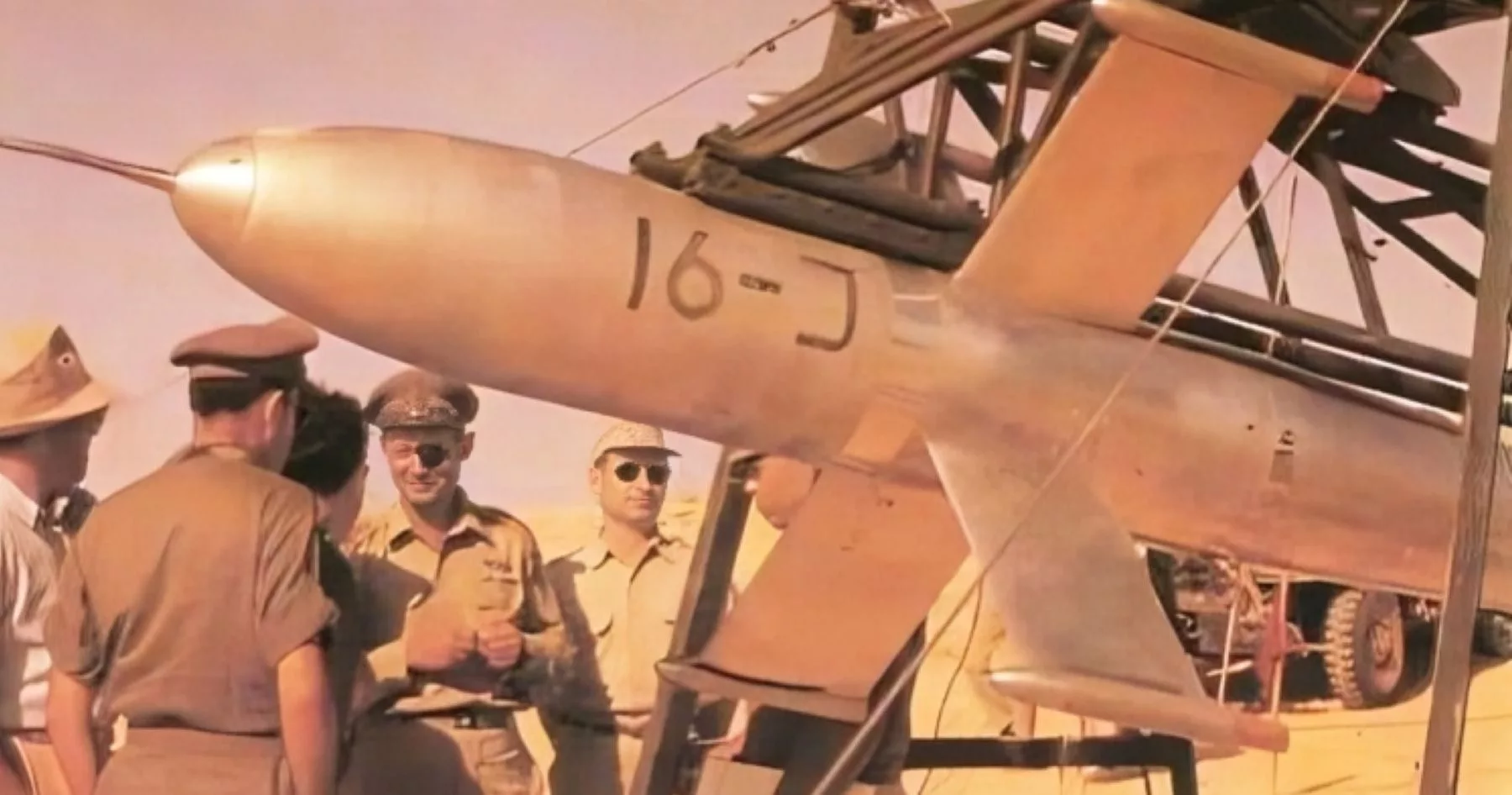
Luz missile, 1956, with Israeli Chief of Staff Moshe Dayan.

Its collaborations spanned across all military branches. With the Air Force, Rafael developed Popeye air-to-ground missiles with laser and TV-guided targeting. For ground forces, it produced anti-tank systems, including the now-renowned Spike missile.

Rafael’s talent pool consisted mainly of Eastern European Jewish scientists, many with aerospace backgrounds or prior military service. Its ranks expanded to include computing, AI, and systems engineers—among them Yoav Har-Even, a former artillery officer, and Yoav Turgeman, a retired naval officer and former executive at Israel Aerospace Industries.

From Secret Lab to Global Supplier

Despite its innovations, Rafael struggled to profit due to its tight ties with the Ministry of Defense, limiting its global marketing and export capabilities. The post-Oslo era further stifled growth, as regional tensions eased and private competitors—like Elbit Systems—emerged with fewer restrictions and greater international reach.

By 1995, Rafael was losing $120 million annually. Then-Prime Minister Yitzhak Rabin launched a restructuring campaign, transforming the firm into a government-owned limited company. Polish-born Amos Joseph, a Palmach veteran and former general turned nuclear scientist, was appointed to lead the overhaul.

Under Joseph’s leadership, Rafael began allocating 10% of its work to R&D, gained export autonomy, and entered global markets. By 2001, its sales had reached $830 million, with net profits of $37 million, marking its entry into the competitive world of international arms.

By 2006, during the war in Lebanon, Rafael deployed interception and tracking systems that elevated Israel’s air, land, and sea operations. The company rebranded as Rafael Advanced Defense Systems Ltd.

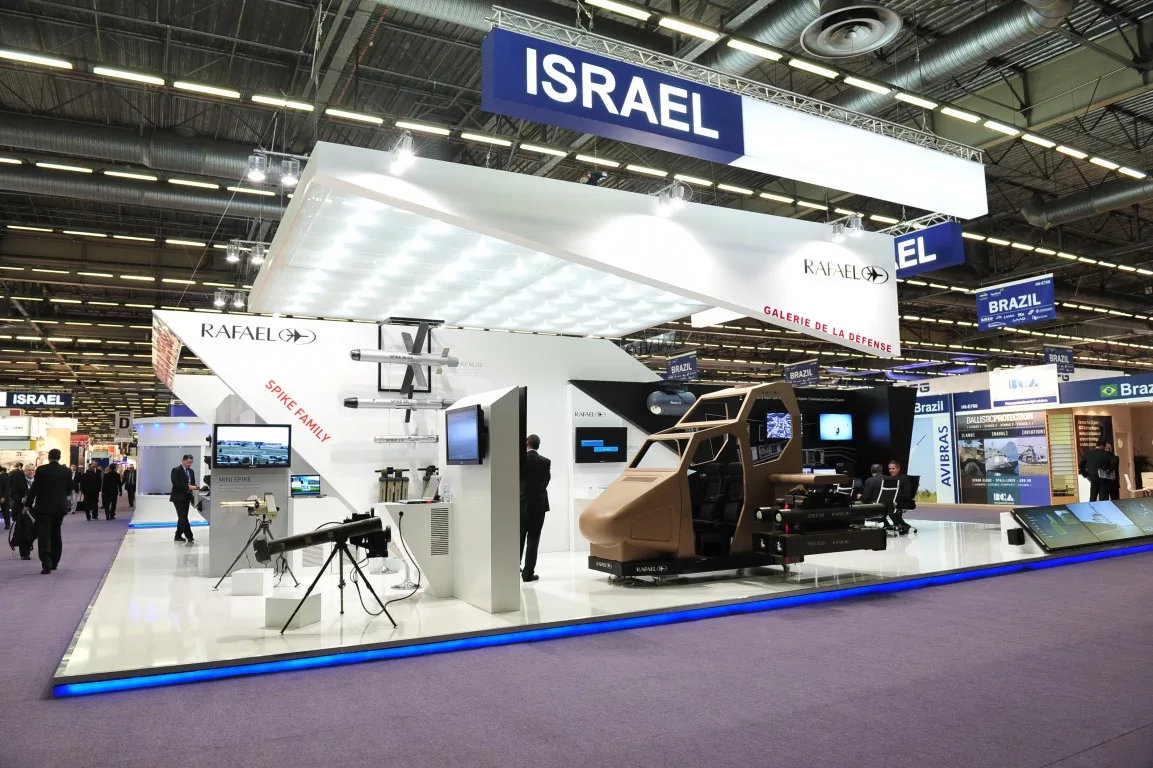
In the 2008 and 2014 Gaza wars, it showcased the Iron Dome, David’s Sling, precision-guided bombs, white phosphorus and cluster munitions, bunker busters, and more. This battlefield testing drew global buyers and catapulted Israel into the top tier of global arms suppliers—trailing only the US and Russia, and competing closely with France, Britain, and Germany.

Rafael’s competitive edge lies in its continuous exposure to warfare, the battlefield experience of its engineers, and live testing of weapons in Palestinian territories and global conflict zones. Its products are often “donated” to allies such as Ethiopia, South Sudan, Myanmar, and India.
نون بوست

By 2015, Rafael posted a net profit of $127 million, rising to $130 million in 2016, with sales reaching $2.291 billion and orders totaling $3.1 billion. A 12% rise in demand signaled growing global reliance on its systems.

In the 2021 Gaza war, the company broke records with over $10 billion in arms sales in just two weeks. These included drones, Spike missiles, half-ton and quarter-ton bombs, and four newly tested missiles—whose footage was used in promotional campaigns targeting allied nations.

On the Rubble of Genocide

In September 2024, Hezbollah rockets struck Rafael’s northern Israel headquarters for the second time during the support war. That same month, a resistance ambush in Rafah killed Daniel Mimoun Toav, son of Rafael’s deputy chairman Shlomo Toav.

Yet these blows had little impact on Rafael’s growth. Its production and weapons testing proceeded unimpeded, and global collaborations remained strong. Rafael now oversees some 40 subsidiaries across the US, Europe, India, the UAE, and Africa. Direct attacks on its headquarters have proven largely symbolic.

In 2024, net profits reached $272 million, with a 60% production surge and $4.8 billion in sales. Orders rose to $17.76 billion. Rafael ranked 36th globally among arms manufacturers, and second in Israel after Elbit Systems. Its fourth-generation Spike missiles are now used by over 39 countries.

Popeye missiles were deployed in response to Iran’s 2024 missile strike. Despite some technical criticisms, they caught the attention of Germany, which signed a $14 billion deal with Rafael. Meanwhile, Rafael continues to test its SPYDER air-defense system against Houthi missiles from Yemen, and markets the “Windbreaker” active protection system for tanks—first tested in Gaza, then in Ukraine.

Strikingly, half of Rafael’s net profits go directly to Israel’s government. Its explosive sales growth began during the final quarter of the Gaza war and continues unabated. Over half of its defense and training contracts are now international, casting doubt on European claims—such as those from Spain and Italy—about halting investments or suspending military cooperation with the firm.

Rafael’s latest project is the Iron Beam, the world’s first high-powered, open-architecture laser weapon system compatible with land, air, and naval platforms. It can intercept coin-sized objects from 10 kilometers away for just $1 per shot using electric power.
نون بوست
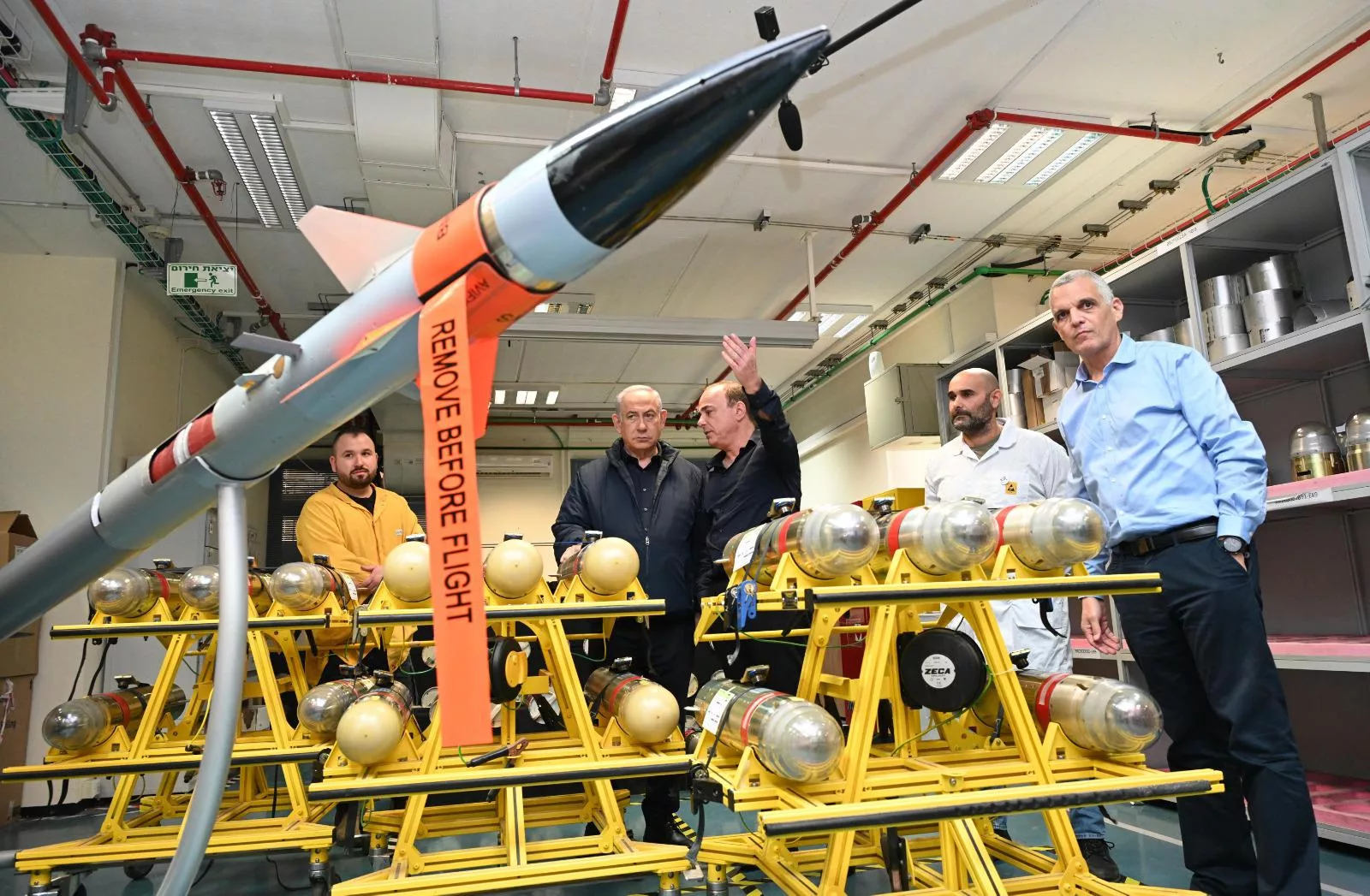
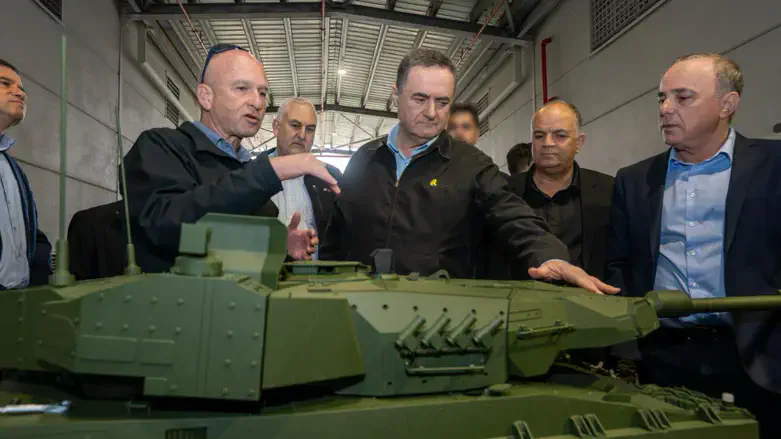
Israeli Defense Minister Israel Katz at Rafael Advanced Defense Systems Ltd., accompanied by Chairman Dr. Yuval Steinitz, CEO Yoav Turgeman, and Deputy Director General of the Ministry of Defense Itamar Graf.

This new system is set to debut at the world’s largest defense expo in Paris—ironically, amid the ongoing genocide.

In the end, Rafael’s portfolio is not just a marker of technological advancement—it is a mirror reflecting a world governed by false ethics and selective outrage. A world enamored by “smart strikes” yet indifferent to scorched bodies. While rubble still smolders, it does not rush to document war crimes or end them—but races instead to ink bigger arms deals.

In a world that feeds on carcasses, death itself becomes an engineering marvel. And in the fog of such devastation, one piercing question remains: how much more annihilation must it take to rein in a state that only thrives on explosions and ashes?

Download this article as PDF
Share this Article
Facebook Twitter Whatsapp Whatsapp Telegram Email Copy Link
سجود عوايص
By سجود عوايص باحثة في قضايا الإعلام الفلسطيني والقانون الدولي الإنساني.
Follow:
Previous Article نون بوست Dagestan: A Dormant Powder Keg Facing Russia
Next Article نون بوست “The Steadfastness Convoy”: A Civilian Lifeline to Break Gaza’s Siege – What Do We Know About It?

Read More

  • U.S. Regime‑Change Policies: Why They Are Destined to Fail U.S. Regime‑Change Policies: Why They Are Destined to Fail
  • The Gulf’s Balancing Act: Iran, Israel, and Hidden Links
  • Iraq–Turkey Oil Export Treaty: Why Did Ankara Cancel It After 52 Years?
  • Syria’s Northeast on Edge: QSD Between Ankara and Damascus
  • Has Europe Changed Its Stance on Israel… or Just Its Language?
part of the design
NoonPost Weekly Newsletter

You May Also Like

U.S. Regime‑Change Policies: Why They Are Destined to Fail

U.S. Regime‑Change Policies: Why They Are Destined to Fail

إسراء سيد Esraa sayed 8 April ,2026
The Gulf’s Balancing Act: Iran, Israel, and Hidden Links

The Gulf’s Balancing Act: Iran, Israel, and Hidden Links

فريق التحرير Noon Post 8 April ,2026
Iraq–Turkey Oil Export Treaty: Why Did Ankara Cancel It After 52 Years?

Iraq–Turkey Oil Export Treaty: Why Did Ankara Cancel It After 52 Years?

فريق التحرير Noon Post 8 April ,2026

لماذا تفشل تحالفات الرياض في المنطقة؟

أحمد التلاوي
أحمد التلاوي Published 11 March ,2016
Share
3

لا تُعتبر الزيارة التي قام بها رئيس الوزراء التركي، أحمد داوود أوغلو، إلى إيران، على مدار يومَيْن مؤخرًا هي “الخيانة” الوحيدة التي تتلقاها الرياض لسياساتها في المنطقة، فمن قبلها كان الموقف المغربي الذي وأد القمة العربية الدورية من قبل أن تُعقَد، والموقف المصري الذي للأن؛ لا يعطي الرياض ما تريده صراحة ووضوحًا في الموضوع السوري والصراع المحتدم بين الرياض وإيران.

ولا يقف الأمر عند هذه الدول؛ حيث إن الموقف متدهور في دول الخليج العربي ذاتها، التي من المفترض أنها تُعبِّر عن القرار السعودي بشكل يصفه البعض بالأوتوماتيكي؛ حيث لم تلقَ قرارات الرياض الأخيرة في صدد “حزب الله” اللبناني، الحماسة اللازمة من جانب بعض دول مجلس التعاون الخليجي، والتي لم تأبه بقرار المجلس الأخير باعتبار الحزب تنظيمًا إرهابيًّا.

على رأس هذه الدول، سلطنة عُمان، التي كانت ضمن خمس دول عربية رفضت قرار دفعت به الرياض إلى اجتماع مجلس وزراء الخارجية العرب المقرر في القاهرة الخميس، 10 مارس 2016م، والقاضي بتصنيف حزب الله اللّبناني كمنظمة إرهابية.

سيناريوهات تتكرر!

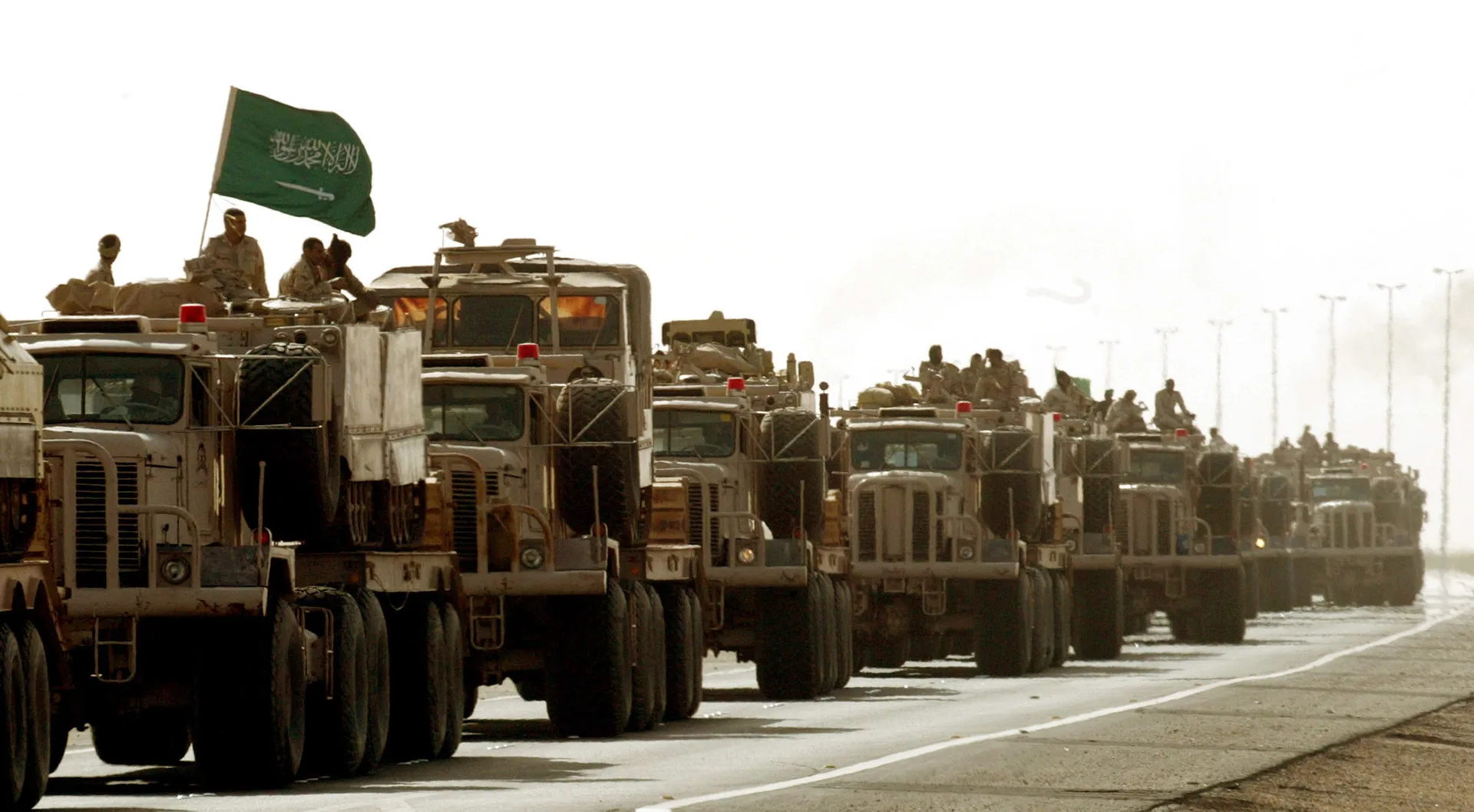
ويبدو أن سيناريو الانقسام العربي الذي وقع في العام 1990م، يتكرر عندما قررت الرياض وقتها – أيضًا – كسر الإجماع العربي إزاء قضية التدخل الأجنبي في المنطقة، واستدعاء قوة نيران غربية ودولية، كانت الأكبر منذ الحرب العالمية الثانية، من أجل إخراج صدام حسين وجيشه من الكويت، بعد احتلاله في الثاني من أغسطس من ذلك العام.

كانت المخاوف السعودية واعتبارات الأمن القومي المتعلقة بنظام آل سعود في حينه، هو المحرك الأساسي لواحدة من أسوأ هزائم العرب، بحسب الكثير من المؤرخين؛ حيث كان التدخل الأجنبي مقدمة لبدء مخطط تفكيك المنطقة العربية، بدءًا من العراق، بعد حصاره لسنوات طالت، بعد أن تم تدمير جيشه، قبل أن يتم تدمير الدولة نفسها في ربيع العام 2003م.

لم يكن الأمن القومي العربي في ذلك الوقت هو المحرك الرئيسي للتحالفات التي بنتها الرياض، وأتت بالأمريكيين والبريطانيين مرة أخرى إلى منطقة شرق السويس، بعد أكثر من ثلاثين عامًا من نجاح مصر وحركة القومية العربية في طردهم منها.

أتى الأمريكيون والبريطانيون والفرنسيون، هذه المرة لكي يبقوا، والمبرر قائم، وهو سلسلة من الأزمات الباردة والساخنة التي “تهدد الأمن والسلم الدوليَيْن” بما يوجب أن تتواجد القوى العظمى في المنطقة، لحماية مناطق النفط، وأمن إسرائيل، وطرق التجارة العالمية، واستكمال مخطط الفوضى الهدامة.

وفق الكثير من المؤرخين، كان يمكن معالجة أزمة احتلال العراق للكويت، في إطار عربي، وكانت هناك الكثير من الوساطات التي قاد بعضها الزعيم الفلسطيني الراحل، ياسر عرفات، وكادت أن تسفر عن نتائج لولا أن استبقها التحرك العسكري، في السابع عشر من يناير عام 1991م.

ومن بين أهم أدوات التحليل السياسي، التي تسمح بالمزيد من الفهم للظواهر الموجودة؛ هي المقارنة التاريخية؛ حيث يمكن من خلال المقارنات الوصول إلى القوانين التي تحكم ظواهر الواقع، والوسائل السليمة التي يمكن من خلالها التعامل بها معها، وتفادي الأخطاء، وهي طبعًا كلها أمور لكل ذي عينَيْن ممن يتمتع بالرشادة، وليس على قدر من المراهقة السياسية بطبيعة الحال.

من خلال المقارنات التاريخية؛ سوف نجد أن ذات هذا السيناريو، يتكرر في وقتنا الراهن، ويبدو أن حرائق المنطقة لا تكفي آل سعود، فبدأوا في البحث عن حرائق أخرى، فكان الإعدام غير المنطقي والمفاجئ للناشط الشيعي نمر النمر، الذي بدا وكأنه الشيطان الذي فجَّر أزمة قد تقود المنطقة إلى مجهول أكبر قد تبدو أمامه الأزمة السورية بملايين القتلى والمشردين، ومئات المليارات من الخسائر، والدمار الكامل لبلد من أهم بلدان العرب؛ بمثابة لعب أطفال!

هذه المراهقة السياسية، والإحساس المتعاظم بالذات، في مقابل تراجع القوى العربية التقليدية وراء أزماتها، وعلى رأسها مصر وسوريا والعراق، وغياب الجزائر عن الساحة العربية، بل واحتياج قوى كبرى مثل مصر للعطاء المالي والاقتصادي السعودي، مَنَحَ الفرصة للرياض لكي تتصرف كقوة عظمى، بشكل يفوق قدراتها وعوامل قوتها الذاتية.

سوء إدراك!

قادت هذه الحالة التي تعرف في العلوم السياسية بسوء الإدراك، إلى تعميق الأزمات الحالية في المنطقة، في ظل تدافع الرياض ضد عوامل وقوى عدة لا تسمح إمكانيات الرياض الاقتصادية والعسكرية، ولا تحالفاتها الخارجية، أن تتصدى لها.

وسوء الإدراك هنا يتعلق بعدد من الأمور الأساسية، والتي تتعلق في الأصل، بعوامل القوة الذاتية للدولة، وتشمل القدرات الاقتصادية، والعسكرية، وقدرتها على تبني سياسة خارجية متوازنة، وقادرة على تحقيق الأهداف المطلوبة، وفق تحالفات دائمة ومستقرة.

وفي حالة السعودية؛ فإن الرياض تدخل المعترك الحالي، باقتصاد مأزوم يعاني من مائة مليار دولار عجزًا، وتراجع في وارداته النقدية بسبب تراجع أسعار النفط.

اقتصاديًّا كذلك، نشرت وكالة “رويترز”، يوم التاسع من مارس الجاري، أن السعودية تسعى لاقتراض ما بين ستة إلى ثمانية مليارات دولار، وهي أول عملية اقتراض خارجي للحكومة السعودية منذ أكثر من عشر سنوات.

عسكريًّا، وبالرغم من امتلاك الرياض لقوة عسكرية محترفة، موزعة ما بين القوات النظامية، وقوات الحرس الوطني، التي يقودها الأمير متعب بن عبد الله بن عبد العزيز آل سعود، والتي تُعتبر صفوة القوات المسلحة السعودية، والأقوى والأحدث تسليحًا؛ إلا أنها في النهاية تعاني من عيب خطير في بنية المجتمع السعودي، وهو القدرة البشرية التي تؤهل الرياض خوض معارك في أكثر من جبهة؛ حيث لا توجد الكتلة البشرية المؤهلة لتجنيد قوة مسلحة كبيرة العدد قادرة على التعامل مع أكثر من جبهة.

إلا أن المؤشر المهم الذي نريد في هذا الموضع مناقشته، فهو ذلك الذي يتعلق بقدرة الرياض على بناء تحالفات قوية ومستقرة، تدعم سياساتها الخارجية الأكثر عدوانية، والتي يقف خلفها – وفق كل تقديرات أجهزة الاستخبارات ومراكز المعلومات الغربية – الأمير محمد بن سلمان، ولي ولي العهد، ووزير الدفاع، ونجل العاهل الحالي للبلاد، الملك سلمان بن عبد العزيز.

وبتحليل المواقف الأخيرة التي أظهرتها المعارك الدبلوماسية المختلفة التي خاضتها الرياض في الـ15 شهرًا الأخيرة التي تلت تولي الملك سلمان للسلطة؛ فإننا سوف نقف أمام علامات فشل لا يمكن أن تخطئها عين، سواء فيما يتعلق بالمؤشرات التي يمكن استخلاصها من مواقف الأطراف المختلفة، أو ما يتعلق باعتبارات الإدارة بالأهداف، وهي من أهم أدوات القياس في مجال العلوم السياسية والاجتماعية.

عواصف الرياض تعصف بتحالفاتها

من بين مظاهر ذلك، عدم انخراط أقرب تحالفات الرياض في الحرب الحالية في اليمن، مما أثر على قدرة السعودية على تحقيق أهدافها في اليمن، والتي أعلنتها الرياض منذ البداية، وهي استعادة سلطة الرئيس هادي منصور في اليمن، وبسط سلطتها على كامل التراب اليمني، والقضاء على شوكة الحوثيين، والقضاء على تهديدهم للحدود الجنوبية السعودية مع اليمن.

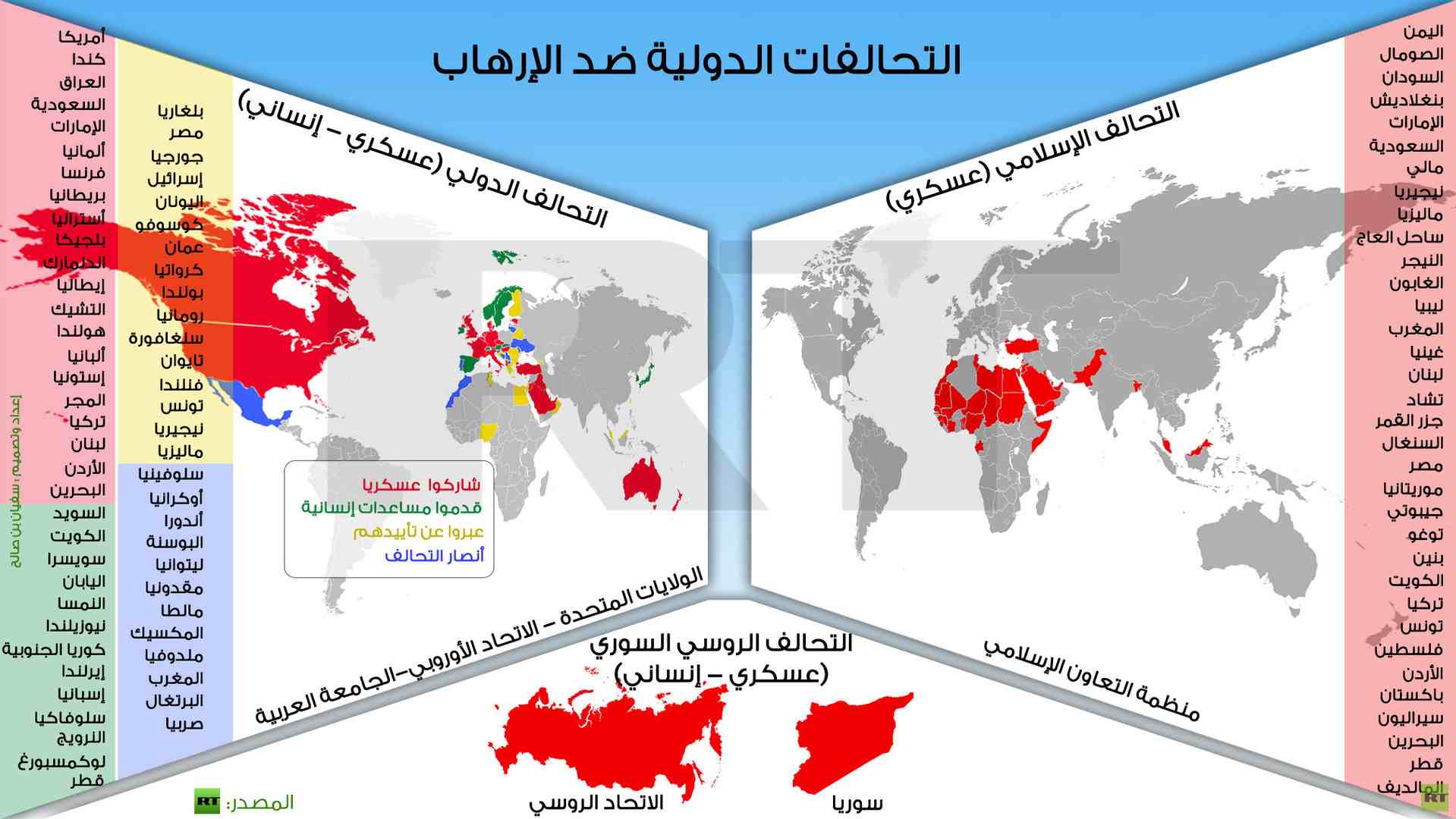
نون بوست

اضغط على الصورة للتكبير

فلم يشارك الرياض في عواصف الرياض في اليمن، سوى عدد محدود من الدول، وعندما انتقل الأمر إلى مجال الحرب البرية؛ حتى مصر؛ لم تشارك، وقلصت الإمارات من مشاركتها، بعد تصاعد خسائرها البشرية، وعقم الحرب، والتي لم تتقدم فيها ما يُسمَّى بقوات “الشرعية” كثيرًا منذ يوليو 2015م الماضي.

بقيت السودان وجيبوتي وبعض البلدان الأخرى التي لا تملك الكثير لكي تقدمه في هذا المجال، سوى كسب أرضية مع الرياض.

نفس الموقف تكرر في الأزمة السورية؛ حيث تراجع الأتراك عن تأييد خيارات الحرب البرية، ورفض المغاربة من الأصل مناقشة أي شيء يتعلق بهذا الأمر، بل وأخذت مصر وسلطنة عمان والجزائر وتونس، مواقف أبعد في الأزمة المتفاعلة بشأن “حزب الله” اللبناني، وقرارات الرياض في صدده، فرفضوا الوقوف على الموقف السعودي من اعتبار الحزب جماعة إرهابية، وهو موقف أدى إلى عدم اعتبار مؤتمر وزراء الداخلية العرب الأخير، في تونس العاصمة، للحزب كجماعة إرهابية.

قاد ذلك إلى أزمة في الموقف العربي، مماثلة لما حدث في أزمة احتلال العراق للكويت، وحرب الخليج الثانية 90/1991م، وبدا ذلك – ببساطة – في أزمة انعقاد القمة العربية المقبلة، كما بدا في سلسلة من الأزمات المكتومة في العلاقات بين دول التحالفات الهشة القائمة حاليًا في المنطقة بسبب حالة الاستقطاب التي قادت إليها السياسات السعودية وغيرها في سلسلة الأزمات التي ضربت المنطقة في السنوات الأخيرة.

الأمر الآخر المهم الذي تتجاوزه سياسات الرياض الخارجية، وهو ربما عامل فشل مهم لما تخططه فيما يخص شكل التحالفات والسياسات العامة في المنطقة، هو الموقف الدولي، وتجاوز رؤى وسياسات القوى العالمية، بالرغم من أنها – في حقيقة الأمر – العامل الأهم في حسم أزمات المنطقة.

ولقد بدا ذلك في الأزمة السورية في أكثر من مستوى؛ فالموقف الأمريكي كان حاسمًا في مسألة عدم تجاوز التسليح الذي توفره الرياض وأنقرة والدوحة للمعارضة السورية المسلحة، لسقف معين، وظل دون امتلاك قدرة هذه الفصائل لما يمكنها به التصدي لمدرعات وطائرات النظام.

كما كان الموقف الأمريكي أحد أهم العوامل التي أوقفت مخططات الرياض الطموحة لغزو بري بمساعدة الأتراك للأراضي السورية.

وحتى لو تأملنا الهدنة الحالية في سوريا؛ فسوف نجد أنها جاءت من خلال تفاهمات أمريكية وروسية فحسب، بينما فشلت القوى الإقليمية والدولية في مؤتمر الأمن العالمي في ميونيخ، في فبراير الماضي، في فرضها.

…………

قاد كل ذلك – كما تقدَّم إلى سلسلة من الأزمات الإقليمية التي تتوالد من بعضها البعض، والتي يعود قسمٌ منها إلى سوء إدراك الرياض لعدد من الأمور، أبرزها عناصر القدرة الذاتية، وسوء تقييم المشهد الإقليمي بتعقيداته.

الأهم، من وجهة نظرٍ خاصة في هذا الصدد، هو أن الرياض لا تسمح لنفسها بهامش قبول لمصالح الأطراف الأخرى، السياسية والأمنية على وجه الخصوص في منطقة مشتعلة، ومرشَّح أن تظل مشتعلة.

فتأييد المواقف السعودية من جانب مصر – على سبيل المثال –  فيما يخص الملف الإيراني؛ سوف يزيد من متاعب القاهرة الأمنية، في ظل تحكم طهران في مفاتيح العديد من الجماعات المسلحة المصنفة إرهابية، وتعادي النظام المصري.

في الكويت، كذلك، هناك حساسيات بالغة إزاء الملف الإيراني، بسبب طبيعة البلد، والتواجد الشيعي الكبير هناك، وهو تواجد له أسسه الاجتماعية، ومنظَّم سياسيًّا، ولا يريد النظام الكويتي مشكلات طائفية، في ظل كونه مستهدفًا في الأصل!

كما أن الصورة الذهنية لـ”حزب الله” اللبناني، لا تزال لدى قطاع عريض من الشعوب العربية، مرتبطة بحروبه المتواصلة ضد إسرائيل، ولما يفتَّ فيها جرائم الحزب في الحرب الدائرة رحاها حاليًا في سوريا؛ بل البعض يؤيده فيها، باعتبار أن هذا البعض لم يزل على قناعة بمحور الممانعة، وما يرتبط به من مفردات قيمية وسياسية.

الحكومات العربية الحالية، لا تريد المزيد من الحرج أمام شعوبها، في ظل تماس ملف “حزب الله” مع موضوع الصراع العربي الإسرائيلي، بينما تكفيها مشكلاتها الأمنية، وخصوصًا في المغرب العربي، الذي يواجه قنبلة موقوتة تنفجر من آنٍ لآخر، ممثلة في تنظيمات السلفية الجهادية المختلفة المتمركزة في مساحة شاسعة تبدأ من ليبيا وتنتهي عند ساحل الأطلنطي، وتتعمق جنوبًا، لكي تشمل دول الصحراء الكبرى.

هذه الاعتبارات لا تمثل للرياض شيئًا، وهو ما عرَّض تحالفاتها للانهيار، لأنه – ببساطة – إذا أردتُ أن تُطاع؛ فأمر بما يُستطاع.

ويبقى الوضع الحالي شاهدًا في النهاية، على فشل النظام الإقليمي العربي، ومظلته، ممثلة في جامعة الدول العربية، في صناعة سياسة عربية موحدة، في موقف تعثر الآراء فيه، وعثرة الرأي تردي!.

TAGGED: #عاصفة_الحزم ، الأزمة السعودية الإيرانية ، التحالف الإسلامي ، التحالف الدولي ضد داعش ، التحالف العسكري الإسلامي
Download this article as PDF
Share this Article
Facebook Twitter Whatsapp Whatsapp Telegram Email Copy Link
أحمد التلاوي
By أحمد التلاوي باحث مصري
Follow:
Next Article نون بوست The Stigma of “ISIS”: A Heavy Legacy Haunting Women and Children of Former Members

Read More

  • U.S. Regime‑Change Policies: Why They Are Destined to Fail U.S. Regime‑Change Policies: Why They Are Destined to Fail
  • The Gulf’s Balancing Act: Iran, Israel, and Hidden Links
  • Iraq–Turkey Oil Export Treaty: Why Did Ankara Cancel It After 52 Years?
  • Syria’s Northeast on Edge: QSD Between Ankara and Damascus
  • Has Europe Changed Its Stance on Israel… or Just Its Language?
part of the design
NoonPost Weekly Newsletter

You May Also Like

U.S. Regime‑Change Policies: Why They Are Destined to Fail

U.S. Regime‑Change Policies: Why They Are Destined to Fail

إسراء سيد Esraa sayed 8 April ,2026
The Gulf’s Balancing Act: Iran, Israel, and Hidden Links

The Gulf’s Balancing Act: Iran, Israel, and Hidden Links

فريق التحرير Noon Post 8 April ,2026
Iraq–Turkey Oil Export Treaty: Why Did Ankara Cancel It After 52 Years?

Iraq–Turkey Oil Export Treaty: Why Did Ankara Cancel It After 52 Years?

فريق التحرير Noon Post 8 April ,2026
dark

An independent media platform founded in 2013, rooted in slow journalism, producing in-depth reports, analysis, and multimedia content to offer deeper perspectives on the news, led by a diverse young team from several Arab countries.

  • Politics
  • Society
  • Rights & Liberties
  • Opinions
  • History
  • Sports
  • Education
  • Technology
  • Economy
  • Media
  • Arts & Literature
  • Entrepreneurship
  • Travel
  • Cinema & Drama
  • Food
  • Health
  • Culture
  • Latest Reports
  • Files
  • Long Reads
  • Interviews
  • Podcast
  • Interactive
  • Encyclopedia
  • In Pictures
  • About Us
  • Our Writers
  • Write for Us
  • Editorial Policy
  • Advanced Search
Some rights reserved under a Creative Commons license

Removed from favorites

Undo
Go to mobile version