

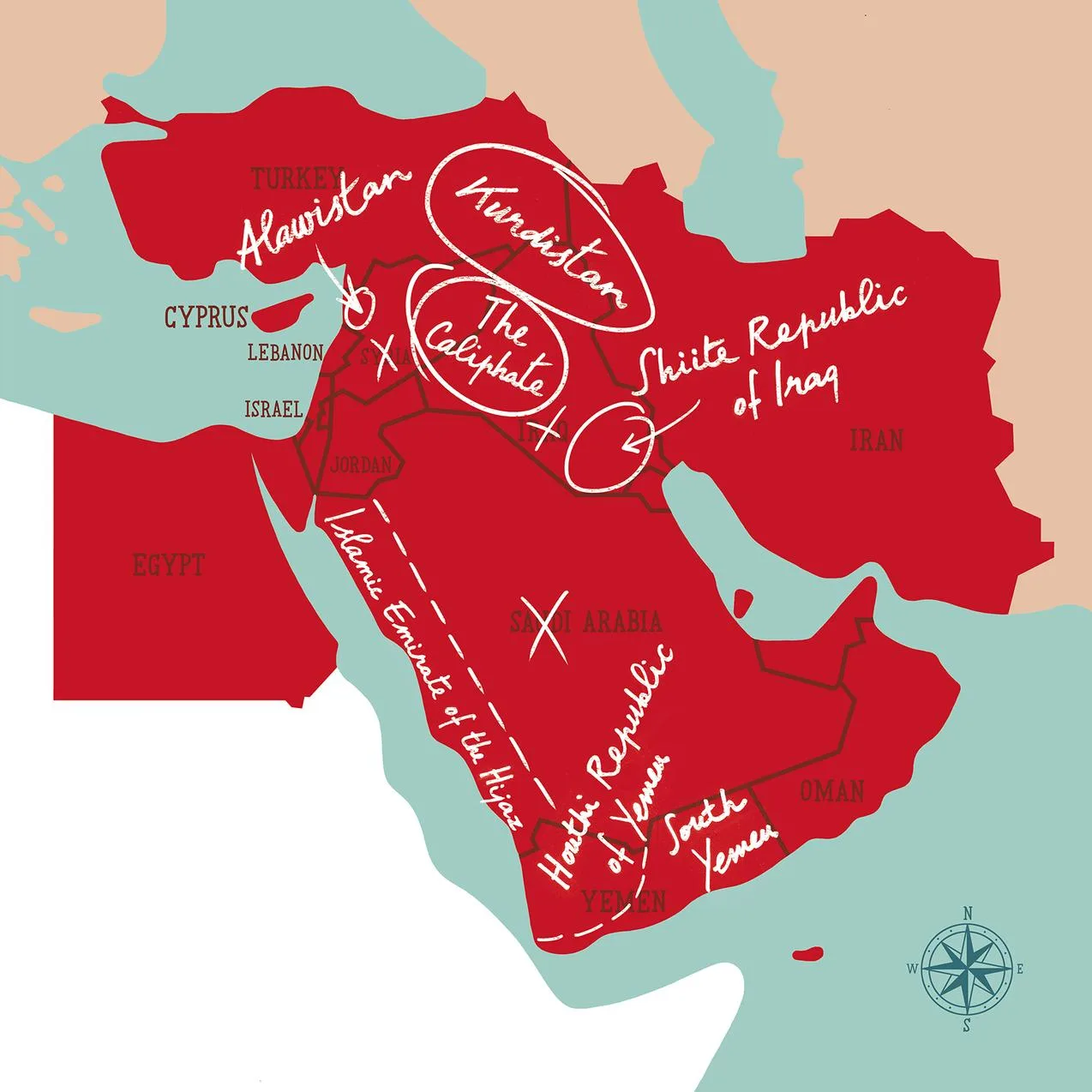
ترجمة وتحرير نون بوست
بعيد انتهاء الحرب العالمية الأولى، أخذ رئيسا الوزراء الفرنسي والبريطاني استراحة من العمل الشاق المتمثل بإعادة رسم خريطة أوروبا، لمناقشة مسألة أسهل تتمثل برسم الحدود في الشرق الأوسط الذي تمت السيطرة عليه حديثًا.
وقبل عامين، وتحديدًا في عام 1916، اتفق الحليفان الفرنسي والبريطاني على تقسيم حصص ومناطق نفوذ كل منهما في المنطقة في اتفاقية سرية عُرفت فيما بعد باسم اتفاقية سايكس – بيكو، ولكن إثر هزيمة الإمبراطورية العثمانية، شعرت المملكة المتحدة التي شاركت بالقدر الأعظم من القتال ضد الأتراك أن مكافأتها يجب أن تكون أكبر.
“قل لي ماذا تريد”، قال الفرنسي جورج كليمنصو إلى البريطاني ديفيد لويد جورج أثناء نزهتهما في حديقة السفارة الفرنسية في لندن.
“أريد الموصل”، أجاب رئيس الوزراء البريطاني.
أجاب كليمنصو “ستحصل عليها، هل تريد أي شيء آخر؟”.
وهكذا، وخلال بضع ثوان فقط، تم تقسيم المنطقة، محافظة الموصل الضخمة التي يقطنها العرب السنة والأكراد وتتمتع بالنفط الوفير، انتهت كجزء من السيطرة البريطانية على العراق، بدلًا من ضمها للسيطرة الفرنسية على سورية.
العثمانيون كانوا يديرون إمبراطورية متعددة الديانات واللغات، يحكمها سلطان واحد يحمل لقب خليفة المسلمين، وبعد أن انضمت الإمبراطورية إلى الجانب الخاسر في الحرب العظمى، شاهد العثمانيون إمبراطوريتهم يتم تفكيكها وتوزيعها على عجل من قِبل الساسة الأوروبيين الذي يجهلون جغرافية المنطقة وأعراق وأعراف قاطنيها.
بناء عليه تم تقسيم دول الشرق الأوسط في كثير من الأحيان بطريقة اصطناعية مبتدعة، وتم رسم الحدود بشكل خطوط وهمية مستقيمة غير معقولة في بعض المناطق، وعلى الرغم من ذلك حافظت المنطقة على تقسيمها منذ ذلك الحين، وبقيت الدول ضمن حدودها التي تشكلت في الحقبة الاستعمارية، وباءت المحاولات المتكررة لتوحيد عموم العرب تحت اسم القومية العربية بالفشل، كما ساهم عامل عدم التوازن الداخلي الناجم عن سوء التقسيم بعض هذه الدول، ولاسيّما في الدول المستحدثة مثل سورية والعراق، على توليد ديكتاتوريات وحشية نجحت على مدى عقود في قمع الأغلبية الثائرة وإدامة حكم الأقليات.
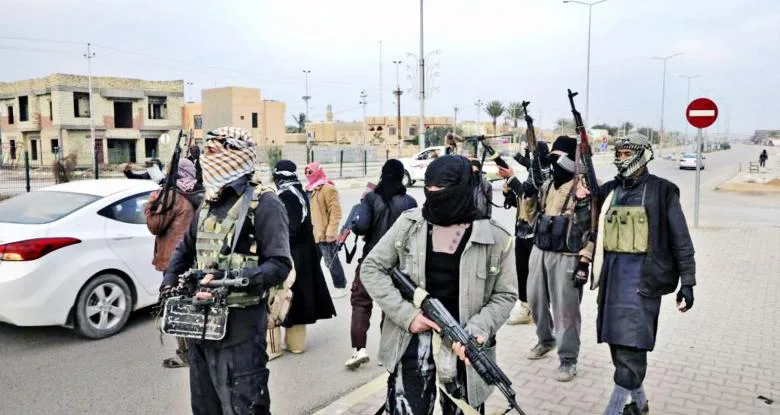
أما الآن، فإن كل هذا التقسيم الحديث نسبيًا قد ينتهي، لاسيّما أن سورية والعراق لم تعودا دولًا بالمعنى الحرفي للكلمة، فأجزاء كبيرة من كلا البلدين تقبع خارج سيطرة الحكومة المركزية، فضلًا عن انهيار المعنى الحقيقي لقومية الأمة السورية والعراقية نتيجة لهيمنة الهويات الطائفية والعرقية، وكنتيجة مباشرة لهذا الانهيار، صعدت الدولة الإسلامية، حيث نصّب أبو بكر البغدادي – زعيم الجماعة السنية المتطرفة – نفسه الخليفة الجديد، وتعهد بمحو عار مؤامرة سايكس – بيكو، وبعد خروج أتباع البغدادي من معاقلهم في سورية في الصيف الماضي وسيطرة التنظيم على الموصل، تعهد الخليفة الجديد بتدمير الحدود القديمة، وفعلًا وبعد هذا الهجوم، كان أول الإجراءات التي اتخذها تنظيم داعش يتمثل بإزالة الحواجز الجمركية بين سورية والعراق.
يقول فرانسيس ريتشاردوني، سفير الولايات المتحدة السابق لدى تركيا ومصر، والذي يعمل حاليًا في المجلس الأطلسي، وهو معهد أبحاث مقره واشنطن “ما نشهده الآن هو نهاية نظام ما بعد الإمبراطورية العثمانية، ونهاية للدول الشرعية، وتنظيم داعش هو جزء من هذا النظام الجديد، حيث جاء لملئ فراغ انهيار هذه الأنظمة”.
من الملاحظ في خضم الفوضى التي تعم منطقة الشرق الأوسط حاليًا، أن الدول التي تم إنشاء حدودها قبل قرن من الزمن على يد المستعمرين الأوروبيين، هي التي تنهار الآن، أما الدول التي تتميز بحدود أكثر تلاؤمًا مع الطبيعية والتي لها تاريخ وعادات مشتركة، فإنها استطاعت أن تتماسك حتى الآن وتحمي نفسها من انفجار داخلي مماثل، ويقول حسين حقاني الكاتب والسفير الباكستاني السابق لدى الولايات المتحدة “جزء كبير من الصراع في الشرق الأوسط ناجم عن انعدام الأمن في الدول المختلقة حديثًا، فهذه الدول تحتاج إلى اعتناق أيديولوجيات الدولة للتعويض عن عدم وجود تاريخ مشترك، وغالبًا ما تستعرض هذه الدول قوتها ضد شعبها أو جيرانها لتعزيز هويتها”.
يمكن أن نأخذ مصر كمثال عن الدول التي تتميز بحدود طبيعية وغير مصطنعة ولها تاريخ وعادات مشتركة، فهي دولة يرجع تاريخها وهويتها إلى ألوف السنين، لذا فإن أحدًا لم يشكك بالطابع المصري الأصيل للبلاد أثناء الاضطرابات التي تلت الإطاحة بالرئيس حسني مبارك في ثورة يناير 2011، وهذا أدى بطبيعة الحال إلى خروج المؤسسات المصرية من الاضطرابات بدون أضرار تذكر، كما لم تتطور أعمال العنف في مصر إلى حد الوصول إلى مستوى حرب أهلية صريحة.
مثال آخر يكمن في تركيا وإيران، الدولتان اللتان يعود تاريخهما إلى العصور الغابرة، واللتان كانتا مركزًا لإمبراطوريات عظمى سابقًا، ومن الملاحظ أيضًا أنهما خرجتا سالمتان نسبيًا من الاضطرابات التي ضربت المنطقة في السنوات الأخيرة، على الرغم من أنهما تجمعان أقليات عرقية كبيرة، بما في ذلك العرب والأكراد.
ولكن بلدان الشرق الأوسط المختلقة لم تكن بالضرورة محكومة بالفشل، وبعضها -لا سيّما الأردن – مازالت متماسكة وغير منهارة حتى الآن على الأقل، والعالم يضم أمثلة على مجموعة كبيرة من الدول متعددة الأعراق والأجناس الناجحة والمزدهرة، ابتداءًا من سويسرا مرورًا بسنغافورة وليس انتهاءًا بالولايات المتحدة، التي تعتبر دولة ناشئة نسبيًا مقارنة مع إيران على سبيل المثال.
وفي جميع هذه الحالات، تم تأسيس التراص الاجتماعي بناء على أساليب الحكم والإدارة الرشيدة والفرص الاقتصادية الكبيرة، مما جعل التنوع العرقي والديني في هذه الدول مصدر قوة اجتماعية، بدلًا من كونه محفزًا لعدم الاستقرار، أما في الشرق الأوسط، فكان الوضع على النقيض من ذلك، ومن الملاحظ – وفقًا لريتشاردوني – أن البلدان التي انهارت، كانت أساليب الحكم والإدارة فيها مروعة وسيئة للغاية.
منذ قرن من الزمان، تطلع الكثيرون بأن تتبع سورية والعراق مسار سويسرا، وفي ذاك الوقت، أرسل الرئيس الأمريكي وودرو ويلسون لجنة إلى منطقة الشرق الأوسط، لاستكشاف الدول الجديدة التي يمكن أن تنشأ من حطام الإمبراطورية العثمانية.
تحت الحكم العثماني، لم تكن سورية أو العراق كيانات منفصلة مثل اليوم، فالعراق تحت الحكم العثماني كانت مؤلفة من ثلاث محافظات هي بغداد والبصرة والموصل، وتقسيم هذه المحافظات لا يتوافق مع شكل العراق اليوم، أما سورية فكانت مؤلفة من أربع محافظات هي دمشق وبيروت وحلب ودير الزور، وهذه المحافظات كانت تضم ما يعرف حاليًا ببلدان سورية ولبنان ومعظم الأردن وفلسطين وجزء كبير من جنوب تركيا، وهذه المناطق كانت مؤلفة من خليط من الطوائف من السنة والعرب والشيعة والأكراد والتركمان والمسيحيين وكذلك العلويين والدروز.
بعد عودة لجنة الرئيس ويلسون من الشرق الأوسط والتي كانت برئاسة هنري كينغ وتشارلز كرين، قدمت نتائجها التي توصلت إليها إلى الرئيس في أغسطس من عام 1919، وحينئذ كانت أوروبا تعاني من تفكك الإمبراطوريات النمساوية والمجرية والروسية والتي كانت تبشر بولادة دول قومية جديدة قائمة على أساس عرقي، ولكن لجنة كينغ – كرين ومن خلال زيارتها تقدمت بأفكار مختلفة، حيث اقترحت تجاهل الاختلافات العرقية والدينية في الشرق الأوسط.
لجنة كينغ – كرين اقترحت أن يبقى العراق – بشكله الحالي – موحدًا لأن “الحكمة خلف بناء دولة موحدة لا تحتاج إلى تبرير في حالة بلاد ما بين النهرين”، كما اقترحوا أيضًا بناء سورية الكبرى وهي منطقة تضم اليوم لبنان والأردن وإسرائيل والأراضي الفلسطينية، وقالت اللجنة إن انهيار الحكم العثماني “يفسح المجال لبناء دولة الشرق الأدنى على الأسس الحديثة للحريات الدينية الكاملة، وذلك عن طريق الجمع عمدًا ما بين مختلف المعتقدات الدينية، وحماية حقوق الأقليات، وفي ظل هذه الحدود الحديثة سيتجانس السكان المحليون بشكل أفضل بكثير مما كانوا عليه أثناء الحكم العثماني”.
ولكن آمال أمريكا لم تتحقق، ففي سورية، تواجهت السلطات الاستعمارية الفرنسية مع الأغلبية السنية المعادية لها، مما دفعها للتودد إلى العلويين – وهم أقلية تابعة للمذهب الشيعي عانت من التمييز الطائفي إبان الحكم العثماني -، كما اختلقت فرنسا ولفترة وجيزة دولة علوية منفصلة على ما يشكل حاليًا الساحل السوري على البحر الأبيض المتوسط، وعملت على تجنيد العلويين وتسليحهم هناك.
أما في العراق، حيث يشكل الشيعة الأغلبية، تواجه الاستعمار البريطاني مع التمرد الشيعي، وقامت بريطانيا حينئذ بتطبيق ذات لعبة فرنسا في سورية ولكن بشكل معكوس، حيث اعتمدت الإدارة الجديدة بشكل غير متناسب على الأقلية العربية السنية في العراق، والتي التفت حول الملك السني الجديد للعراق، المستورد بريطانيًا من منطقة الحجاز المستقلة حديثًا عن الإمبراطورية العثمانية والتي احتلتها المملكة العربية السعودية.
هذه القرارات الفرنسية – البريطانية ساعدت على تشكيل مستقبل العراق وسورية بمجرد اندحار النظام الاستعماري، حيث استولت عائلة الأسد على سورية منذ عام 1970، واستولى صدام حسين على العراق منذ عام 1979، وعلى الرغم من الشعارات الرنانة التي تم إطلاقها في الدولتين حول الأمة العربية الواحدة، بيد أن كلا النظامين حوّلا سورية والعراق إلى بلدين تحكمهما الأقليات، العلوية في سورية والعرب السنة في العراق.
محاولات الأغلبية السنية في سورية والأغلبية الشيعية في العراق لتحدي الحكم الديكتاتوري السلطوي تم قمعها بقسوة وبلا رحمة أو هوداة، ففي عام 1982، هدّم النظام السوري بقيادة حافظ الأسد مدينة حماه على رؤوس قاطنيها من الغالبية السنية إثر الثورة الإسلامية التي عمت البلاد حينها، كما أطلق صدام حسين العنان لغضبه عندما سحق الانتفاضة الشيعية في جنوب العراق بعيد حرب الخليج في عام 1991.
في سورية اليوم، الكثير من العلويين يدعمون الرئيس العلوي بشار الأسد ضد المتمردين السنة خوفًا من أن انهيار النظام سيؤدي إلى سحق كامل المجتمع العلوي، وهذا التهديد الوجودي عززه صعود الدولة الإسلامية، والتي قدم متطرفوها السنة خيارين واضحين للعلويين والشيعة يتمثلان بالتحول إلى الطائفة السنية أو الموت.
أما في العراق، فقد عملت الحكومات الشيعية التي حكمت البلاد منذ الغزو الأمريكي في عام 2003، إلى قلب الطاولة على الحكام السابقين للبلاد عن طريق ممارسة سياسة التمييز ضد الأقلية السنية، ونتيجة لذلك، تمكّنت الدولة الإسلامية من الاستيلاء على المناطق السنية من العراق العام الماضي بالتزكية، حيث لم تواجه أي مقاومة تذكر من قِبل السكان المحليين لأنهم اعتبروها أهون الشرين.
“الحدود الإقليمية ليست القضية الوحيدة، بل أيضًا خريطة الحكم التي اختلقتها أوروبا”، يقول فالي نصر عميد كلية الدراسات الدولية المتقدمة في جامعة جونز هوبكنز ومستشار وزارة الخارجية السابق، ويضيف “القوى الاستعمارية التي احتلت دول الشرق الأوسط خلقت إدارات استعمارية مؤلفة من أقليات متعلمة ومجهزة بالرجال والسلاح والسلطة، وعندما غادرت هذه القوى الاستعمارية البلاد، تركت السلطة والديكتاتورية في أيدي هذه الأقليات”.
ويتابع الدكتور نصر بقوله “السلطة في العراق وسورية وكثير من هذه البلدان كانت منعدمة التوازن، وليس هناك صيغة مناسبة لكيفية توفيقها، فالفائزون يأبون مشاركة السلطة، والخاسرون لا يريدون التخلي عنها، إن الشرق الأوسط يمر بفترة اضطراب عظيمة، وهذه الصراع سينتهي بتكوين سياسي مختلف جدًا وربما سيأتي بتكوين إقليمي وحدودي مختلف أيضًا”.
ولكن إلى أي مدى تطمع القوى في الشرق الأوسط لإحداث هذا التغيير في التكوينات الإقليمية والحدودية؟ وإذا ما تم هذا التغيير، فكيف سيكون شكل الخريطة الجديدة للمنطقة؟
أحد الاحتمالات الصريحة لهذا التقسم تنطوي على إدخال المكون الكردي كأحد المكونات الإقليمية الجديدة، فهذه القومية تسعى لاغتنام دولة مستقلة في مناطق تجمّعها التي تشمل شرق تركيا وشمال العراق، علمًا أن هذه المنطقة الإقليمية أقرتها معاهدة سيفر قصيرة الأجل، وهي معاهدة تم توقيعها عام 1920 بين محور الحلفاء الغربيين والعثمانيين، ولكن تركيا بقيادة مصطفى كمال أتاتورك – مؤسس الدولة التركية الحديثة – تنكرت لهذه المعاهدة، وحتى وقت قريب، نفت تركيا بشكل قاطع الاعتراف بالعرق الكردي كمكون إقليمي منفصل.
الأكراد، الذين يقطنون في مناطق العراق وتركيا وسورية وإيران، استمتعوا بالفعل بعقود من الاستقلال الظاهري في ظل حكومة تتمتع بالحكم الذاتي في شمال العراق – الجزء الجبلي مما كان يومًا يشكّل محافظة الموصل العثمانية – كما أنشأ الأكراد ثلاثة كانتونات تتمتع بالحكم الذاتي في شمال سورية، ويعلّق كريم سجادبور المحلل في مؤسسة كارنيغي لشؤون الشرق الأوسط على هذا الموضوع بقوله “سأكون مندهشًا إذا لم تنشأ دولة باسم كردستان خلال الـ20 عامًا القادمة، لأنها دولة موجودة بالفعل بحكم الأمر الواقع”.
بلغتهم الخاصة وثقافتهم المشتركة، يسيطر الأكراد في العراق بالفعل على حدود إقليمهم وأمنه، ويفرضون عوائق أمام دخول العراقيين العرب إليه، كما أن الميليشيات الكردية ومنذ اندلاع الحرب الأهلية في سورية تعمل تحت شعار مشروع وطني مختلف عن مشاريع باقي مكونات الصراع السوري، “باقي الثوار يقاتلون من أجل سورية، أما نحن فلدينا كردستان الخاصة بنا، وهذا ما نهتم به فعلًا”، يقول فريد العاطي أحد المسؤولين عن الميليشيات الكردية العلمانية التي تقاتل الدولة الإسلامية بالقرب من بلدة كوباني، التي تعد أحد كانتونات الحكم الذاتي الكردية في سورية.
أما وراء المشروع الكردستاني، فإن الحدود الإقليمية للدول الجديدة تبدو بطبيعة الحال أقل وضوحًا، وذلك على الرغم من الأهوال العرقية والطائفية التي تجتاح المنطقة اليوم؛ فالغريب والمدهش في هذا السياق بأنه مهما بدت الحدود الإقليمية الحالية مختلقة ومصطنعة، بيد أن حدود دول ما بعد الإمبراطورية العثمانية أثبت مرونتها وقدرتها على الرجوع إلى شكلها ما بعد العثماني رغم التغيرات التي قد تطرأ عليها، ولبنان هو أحد الأمثلة على هذه المرونة، فهو بلد يجمع حوالي 18 طائفة دينية متناحرة، ومع ذلك نجت حدوده المرسومة فرنسيًا من التقسيم الداخلي أو الزوال الإقليمي الذي كان يلوح شبحه إبان الحرب الأهلية الدامية التي عاشها لبنان ما بين 1975 و1990، حيث تحدى البلد مرارًا التنبؤات بزواله الوشيك، وعلى الرغم من – أو ربما بسبب – تاريخ لبنان المشبع بالفتنة، بقي لبنان يتمتع بالاستقرار النسبي في ظل الاضطراب الإقليمي الذي يحيط به، وذلك على الرغم أيضًا من إغراق البلد الصغير بأكثر من مليون لاجئ سوري ممن فروا من فوضى البلد المجاور.
وفي الواقع، يمكننا القول إنه حتى في سورية والعراق الممزقتان، لاتزال المشاعر القومية على قيد الحياة، حيث يقول إياد علاوي نائب الرئيس العراقي ورئيس الوزراء السابق “لو مرت أي بلد بما مر به العراق خلال السنوات الـ12 الماضية، لتقطعت أوصاله تمامًا منذ البداية، ولكن ما أبقى البلاد على قيد الحياة هي إرادة الشعب”.
وفي سورية، يحدثنا محمد علي وهو طالب يبلغ من العمر 19 عامًا عن رد فعل السكان المحليين على وصول الدولة الإسلامية إلى مسقط رأسه في مدينة البوكمال، قرب الحدود العراقية، حيث عمد التنظيم كجزء من حملته لمحو الحدود الاستعمارية، إلى فصل البوكمال عن سورية وإدماجها إلى مقاطعة الفرات المستحدثة من قِبل الدولة الإسلامية والتي يتم إدارتها من مدينة القائم العراقية، ويقول علي “السكان هنا كانوا في البداية في منتهى السعادة لإزالة الحدود مع العراق، فلمدة 30 عامًا، لم نكن قادرين على عبور الحدود وزيارة أقاربنا على الجانب العراقي”، ولكن بعد فترة تغير مزاج السكان، ونجم عنه رد فعل وطني نتيجة لاستيائهم من إغراق العراقيين للمنطقة، وامتداد الصراع إلى البوكمال، ونقل النفط السوري المسروق عبر الحدود، ويعقّب علي على ذلك بقوله “لا نريدهم هنا، نريد إعادة إغلاق الحدود”.
إضافة إلى ما تقدم، فإن تقسيم المنطقة إلى أقاليم حدودية جديدة يعوقه مجموعة أخرى من القضايا والأسئلة، فمثلًا أين سيتم رسم خطوط الحدود الجديدة؟ وما هو الثمن الذي سيتم دفعه إثر هذا التقسيم الجديد؟
على الرغم من التطهير العرقي الجاري في السنوات الأخيرة، بيد أن السنة والشيعة مازالوا يعيشون معًا في أجزاء عديدة من العراق، بما في ذلك بغداد، كما أن أغلب السوريين السنة ما زالوا يفضلون العيش في المدن والمناطق التي يسيطر عليها نظام الأسد بدلًا من العيش في المناطق المدمرة والتي تقع تحت سيطرة المتمردين، كما يشير علاوي، نائب الرئيس العراقي، أن العديد من المجموعات القبلية التقليدية في البلاد تضم الشيعة والسنة، كما أن العديد من العائلات العراقية – وخاصة في المدن الكبرى – تشمل الطائفتين نتيجة للزيجات ما بين السنة والشيعة.
إن آخر تقسيم خضعت له المنطقة مؤخرًا والمتمثل بانقسام السودان إلى شمالي عربي وجنوبي غير عربي في عام 2011، لا يقدم مثالًا مشجعًا لصنّاع الحدود الجديدة، فجنوب السودان انزلق بسرعة عقب التقسيم إلى حرب أهلية أودت بحياة عشرات الآلاف وشردت حوالي مليوني شخص، ويعقب فواز جرجس المدرّس في كلية لندن للاقتصاد على هذا الموضوع بقوله “لا يوجد بديل ليحل محل نظام الدولة، وإذا قسّمت المنطقة، فإنك ستستبدل حرب أهلية واحدة بالعديد من الحروب الأهلية المتناثرة، وحلقة الدمار الكارثية هذه، هي بالضبط ما يمكن أن يحدث في سورية أو العراق”.
“صياغة ميثاق أو عقد اجتماعي جديد من الطبقات الدنيا وحتى العليا ضمن الحدود الحالية، هو الأمر الذي لن يحدث إلا بعد ضجر السكان من الحرب اللانهائية، وهذه الطريقة هي السبيل الوحيد لحل الأزمة”، يقول ستيفن هادلي، الذي شغل منصب مستشار الأمن القومي للرئيس الأمريكي جورج دبليو بوش، والذي يترأس الآن مجلس إدارة معهد السلام الأمريكي، ويضيف “المشكلة الحقيقية في الشرق الأوسط، لا تتمثل بانهيار حدود الدول وإنما بانهيار ما يحدث داخل هذه الحدود، فالحكومات التي تدير هذه الدول لم ترتقِ إلى السلطة بطريقة شرعية ولم تكتسب الشرعية من شعوبها مع مرور الوقت، وهذه المشاكل لا يتم حلها من خلال إعادة رسم الحدود”.
ولكن هادلي يعترف بذات الوقت، أن الوصول إلى الحلول لن يكون سهلًا، وسيتطلب الخروج من هذه الأزمات بذل جهد كبير من جيل بأكمله.
المصدر: وول ستريت جورنال