



NoonPost NoonPost

NoonPost

  • Home
  • Politics
  • Economy
  • Society
  • Culture
  • Files
  • Long Reads
  • Podcast
AR
Notification Show More
نون بوست
“There Are Nights I Can’t Close My Eyes”: How Gazans Are Living in Homes on the Brink of Collapse
نون بوست
From al-Jolani to Ahmad al-Shara: The Evolution of Syria’s New Leader
نون بوست
When Political Islam Receded in Egypt: Who Filled the Void?
نون بوست
An Extension of Genocide: Gaza’s Detainees Speak Out
نون بوست
A Tightrope Between Survival and Sovereignty: The Syrian Government Faces Normalization Pressures
نون بوست
American Aircraft Carriers: Has the Era of “100,000 Tons of Diplomacy” Ended?
نون بوست
U.S. Regime‑Change Policies: Why They Are Destined to Fail
نون بوست
Transformations of Israeli Judaism: Between the Victim Complex and the Colonizer’s Doctrine
نون بوست
The Gulf’s Balancing Act: Iran, Israel, and Hidden Links
نون بوست
Iraq–Turkey Oil Export Treaty: Why Did Ankara Cancel It After 52 Years?
نون بوست
Syria’s Northeast on Edge: QSD Between Ankara and Damascus
نون بوست
Has Europe Changed Its Stance on Israel… or Just Its Language?
NoonPost NoonPost
AR
Notification Show More
نون بوست
“There Are Nights I Can’t Close My Eyes”: How Gazans Are Living in Homes on the Brink of Collapse
نون بوست
From al-Jolani to Ahmad al-Shara: The Evolution of Syria’s New Leader
نون بوست
When Political Islam Receded in Egypt: Who Filled the Void?
نون بوست
An Extension of Genocide: Gaza’s Detainees Speak Out
نون بوست
A Tightrope Between Survival and Sovereignty: The Syrian Government Faces Normalization Pressures
نون بوست
American Aircraft Carriers: Has the Era of “100,000 Tons of Diplomacy” Ended?
نون بوست
U.S. Regime‑Change Policies: Why They Are Destined to Fail
نون بوست
Transformations of Israeli Judaism: Between the Victim Complex and the Colonizer’s Doctrine
نون بوست
The Gulf’s Balancing Act: Iran, Israel, and Hidden Links
نون بوست
Iraq–Turkey Oil Export Treaty: Why Did Ankara Cancel It After 52 Years?
نون بوست
Syria’s Northeast on Edge: QSD Between Ankara and Damascus
نون بوست
Has Europe Changed Its Stance on Israel… or Just Its Language?
Follow US

Netanyahu Opens Door to Ending the War During Doha Talks: What’s Behind This Shift?

عماد عنان
Emad Anan Published 26 March ,2026
Share
نون بوست

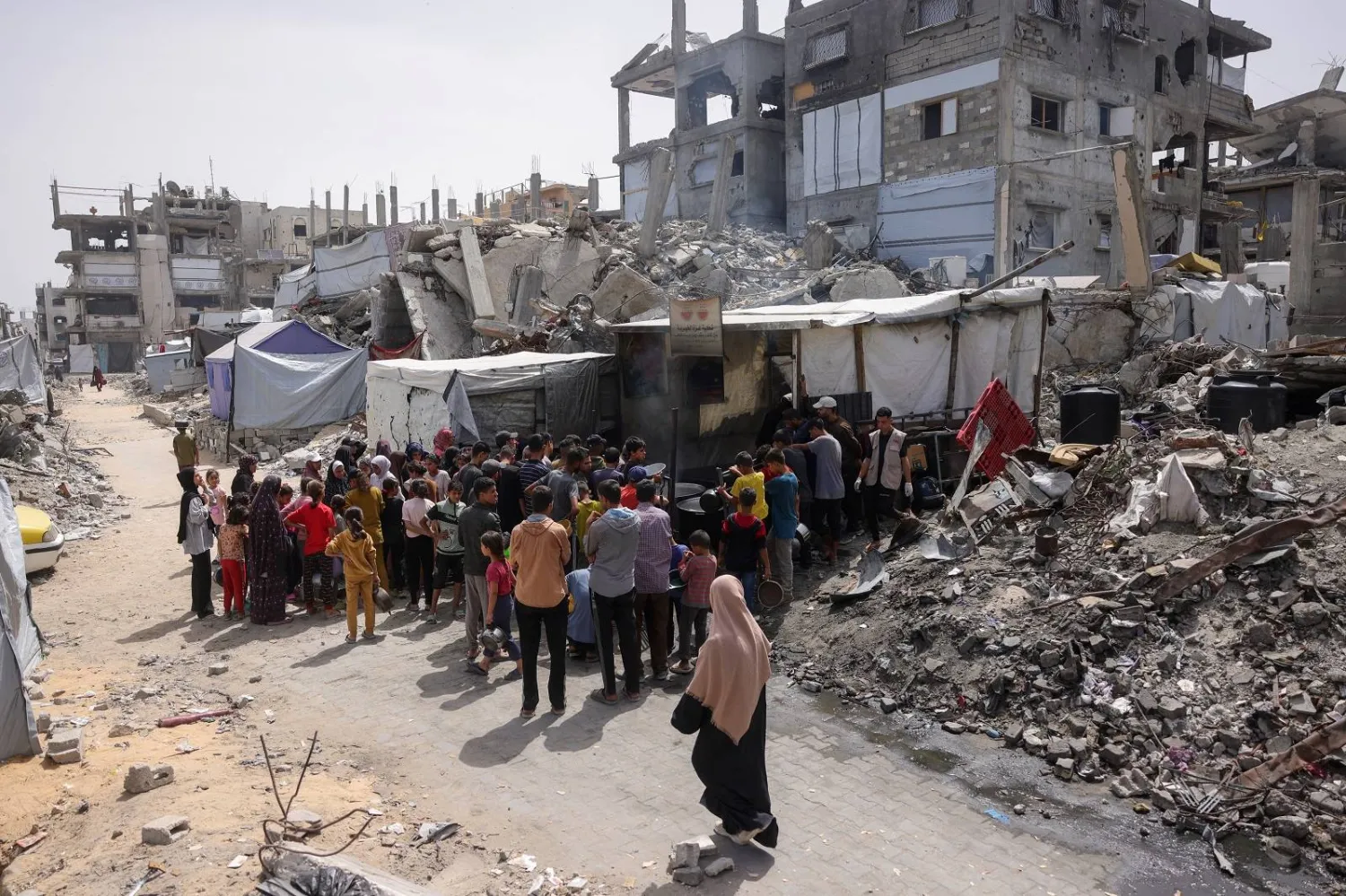
As negotiations continue in Doha over a potential ceasefire in Gaza and a new prisoner exchange deal, they run parallel to a significant escalation in Israel’s military operations on the ground.

The Israeli army has launched an intensified ground offensive in both the northern and southern regions of the Gaza Strip as part of what is being publicly referred to as “Operation Gideon’s Chariots.” The declared aim: to achieve Israel’s war objectives, eliminate Hamas, and secure the release of hostages.

Last week alone, the Israeli military targeted more than 670 sites across the Strip in a campaign that served as a prelude to the long-anticipated ground assault. The strikes resulted in over 500 deaths and many more wounded in just three days—recalling the devastating early days of a war that has now entered its nineteenth month.

Notably, the office of Israeli Prime Minister Benjamin Netanyahu, in a statement addressing developments in the Doha negotiations, confirmed that the talks include “discussions about ending the war, in addition to a proposal for a truce and the release of hostages.”

The statement, released on Sunday, May 18, further stipulated that any end to the war “must involve disarmament in Gaza and the removal of Hamas fighters.”

This marks the first time Netanyahu’s government has publicly broached the possibility of ending the war—an idea that had been strictly off the table in all previous negotiations. The shift comes despite fierce opposition from Israel’s far-right political factions, who have repeatedly threatened to resign should any negotiation include even a hint of ending the war before all stated objectives are met.

So what does this apparent reversal really signify?
نون بوست

A Crack in the Wall of Israeli Intransigence

Since Israel broke the November 2023 ceasefire, neither Netanyahu nor his government had openly entertained the idea of a full end to the war. Instead, they routinely sidestepped the issue using vague and misleading terminology—separating the concept of ending the war from any actual negotiation framework and tying it to impossible conditions, such as the total eradication of Hamas, the surrender and exile of its leadership, full disarmament, and the unconditional release of Israeli hostages.

Given this context, the Israeli government’s official, unconditional engagement in wide-ranging talks that, for the first time, seriously consider ending the war and securing a ceasefire, signals a clear breach in its once-impenetrable position. It’s a shift that should not be overlooked when assessing the future of the negotiations.

Some observers argue that the phrasing in Netanyahu’s statement—linking an end to the war with the disarmament of resistance factions, the removal of Hamas leadership, and the dismantling of its rule—means little has changed. It could, they suggest, merely be a rehash of the so-called “Wietecov Plan” Netanyahu had previously endorsed.

But from another perspective, the very fact that the issue of ending the war is now on the table—even if couched in broader terms and conditioned—represents a significant breach in the hardline position Netanyahu and the far-right have defended for months.

This could serve as a foundation for eventual talks that truly bring this brutal conflict to an end, particularly if Israel’s conditions are tackled one by one in a more pragmatic framework that reflects the evolving realities on the ground.

For instance, the demand for disarmament remains vague and could be interpreted flexibly. Similarly, the removal of Hamas leaders may be less pressing following the deaths of key figures in its top ranks and the group’s repeated declarations that it does not seek to maintain political control of Gaza.

Preliminary Agreement in Doha

Israel’s public broadcaster previously disclosed aspects of a preliminary agreement presented by the Israeli delegation now being discussed in Doha. It reportedly includes a 60-day ceasefire in Gaza and the release by Hamas of half of the living Israeli hostages. According to Israeli estimates, 58 hostages remain in Gaza, 20 of whom are believed to be alive.

In exchange, Israel would release an unspecified number of Palestinian prisoners. There are currently more than 10,000 Palestinians held in Israeli prisons.

The proposal also stipulates that the future of the war will be debated during the 60-day truce, including the possibility of disarming resistance factions and expelling their leaders from the Strip—conditions Tel Aviv continues to insist on.

Hamas and the Qatari mediator have yet to respond publicly, though Hamas has repeatedly stated that it will not surrender its weapons while Israel continues to occupy Palestinian territory.

Aid Entry Without a Vote

Coinciding with reports of the Israeli proposal in Doha, Netanyahu’s government decided to allow humanitarian aid into Gaza based on military recommendations aimed at facilitating broader military operations.

The Jerusalem Post quoted an Israeli official as saying this decision is temporary—only for one week—while distribution centers are established under the supervision of the Israeli army and U.S. firms.

Israeli Army Radio reported that the first convoy of aid was expected to enter Gaza on Monday, May 19, carrying food and medicine to be distributed by various international organizations. This comes ahead of the implementation of a new aid mechanism set to begin on May 24, according to Axios.

The U.S. outlet also noted that this marks the first aid entry in 75 days, after a complete blockade. The shipment includes flour for bakeries operated by international NGOs and medicines for hospitals. It will be delivered by the World Food Program, World Central Kitchen, and other relief agencies.

Israel’s Channel 14 revealed that the aid decision caused a major rift during the last cabinet meeting. National Security Minister Itamar Ben Gvir denounced the move, accusing Netanyahu of a grave error and claiming that any humanitarian aid only strengthens Hamas.

Israel’s public broadcaster confirmed that the decision to resume humanitarian aid deliveries was made without a formal vote, despite opposition from Finance Minister Bezalel Smotrich and others—highlighting the immense pressure Netanyahu faced to push the decision through.

Caving to International Pressure

Netanyahu justified the decision to resume aid deliveries after 75 days of complete closure by claiming it was necessary to prevent famine in Gaza. But given the widespread destruction, death, starvation, and displacement caused by the Israeli military over the past 19 months, such reasoning rings hollow.

Hebrew-language media sources indicate that the decision was a direct result of mounting pressure from Western governments—both American and European—to allow aid into the Strip amid an escalating humanitarian catastrophe.

During the recent cabinet meeting, Netanyahu admitted that former U.S. President Donald Trump was “applying heavy pressure” on him to allow the aid through. Despite opposition, especially from Finance Minister Smotrich, who threatened to resign, Netanyahu declined to put the matter to a vote, stating he had no choice.

Foreign Minister Gideon Sa’ar advocated for immediate aid delivery, citing pressure from the European Union and the threat of sanctions, even from the United States. He added that other foreign ministers had contacted him directly, and that both Democratic and Republican members of the U.S. Congress had relayed similar demands to Israel’s ambassador in Washington.

This information was later confirmed in leaked audio from the cabinet session aired by Kan Reshet Bet.

Similarly, Channel 12 reported that Netanyahu informed the security cabinet (“the Cabinet”) of political pressure from both the Republican Party and Trump himself, warning that Israel could face a serious crisis if it failed to respond appropriately. Consequently, Netanyahu saw no option but to approve the aid delivery, regardless of dissent within his coalition.

Escalating the War: A Contradictory Move

Paradoxically, while some interpret the aid decision and the diplomatic progress in Doha as signs of de-escalation, Netanyahu’s office stated that the aid delivery actually serves the goal of expanding the war effort.

According to the statement: “To enable the expansion of intensive fighting to defeat Hamas, Israel will bring in basic food supplies to ensure that famine does not take hold in Gaza. Such a crisis could jeopardize the continuation of Operation Gideon’s Chariots to defeat Hamas.”

This policy shift coincides with an intensified Israeli ground offensive as part of the operation’s first phase—an attempt by Netanyahu and far-right ministers to negotiate “under fire,” hoping that increased military pressure will compel Hamas to concede more at the table, thereby maximizing Israeli gains before potentially being forced to end the war.

Mounting pressure from the Middle East and Europe has placed the Trump administration in a political and moral bind, particularly given the former president’s repeated promises to help end the war. This has led to intensified U.S. efforts to pressure Netanyahu: either achieve all objectives swiftly or agree to a ceasefire through negotiation.

As a result, Netanyahu and his government are racing against the clock to secure a decisive military victory that he can claim as absolute. Failing that, they risk being forced into a negotiated settlement that could end the war on terms not entirely of their choosing.

The current negotiations in Doha represent a breach—however limited—in Israel’s rigid position and could lay the groundwork for a diplomatic resolution. But this depends on two key factors: sustained regional and international pressure, and the ability of the Palestinian resistance to withstand Israeli operations and prevent Netanyahu from securing battlefield wins that could strengthen his negotiating hand.

Download this article as PDF
Share this Article
Facebook Twitter Whatsapp Whatsapp Telegram Email Copy Link
عماد عنان
By عماد عنان كاتب صحفي وباحث في الإعلام الدولي
Follow:
Previous Article نون بوست History in the Colonizer’s Tongue: The “New Historians” and the Biography of the Nakba
Next Article نون بوست On the Threshold of the Nakba: The Carried Memory in the Moment of Expulsion

Read More

  • U.S. Regime‑Change Policies: Why They Are Destined to Fail U.S. Regime‑Change Policies: Why They Are Destined to Fail
  • The Gulf’s Balancing Act: Iran, Israel, and Hidden Links
  • Iraq–Turkey Oil Export Treaty: Why Did Ankara Cancel It After 52 Years?
  • Syria’s Northeast on Edge: QSD Between Ankara and Damascus
  • Has Europe Changed Its Stance on Israel… or Just Its Language?
part of the design
NoonPost Weekly Newsletter

You May Also Like

U.S. Regime‑Change Policies: Why They Are Destined to Fail

U.S. Regime‑Change Policies: Why They Are Destined to Fail

إسراء سيد Esraa sayed 8 April ,2026
The Gulf’s Balancing Act: Iran, Israel, and Hidden Links

The Gulf’s Balancing Act: Iran, Israel, and Hidden Links

فريق التحرير Noon Post 8 April ,2026
Iraq–Turkey Oil Export Treaty: Why Did Ankara Cancel It After 52 Years?

Iraq–Turkey Oil Export Treaty: Why Did Ankara Cancel It After 52 Years?

فريق التحرير Noon Post 8 April ,2026

هل تتخلى طهران عن الحوثيين مقابل الإبقاء على الأسد؟

عماد عنان
Emad Anan Published 29 March ,2016
Share
wright-iran-and-saudi-arabia-islams-rival-powers1-1200

“في رأيي أن الحوار السعودي الإيراني هو حوار بين دولتين هما على خلاف حول أمور عدة، ولا شك أن الأمور ستهدأ أو تتحسّن في المنطقة حال اتفاقهما..” بهذه الكلمات استهل سعد الحريري، رئيس تيار المستقبل اللبناني حديثه عن الوساطة الإقليمية والدولية لفتح صفحة جديدة في العلاقات بين الرياض وطهران بعد سنوات من التراشق السياسي والاقتصادي ألقى بظلاله القاتمة على المنطقة العربية والشرق أوسطية بالكامل.

العديد من الأصوات المحلية والإقليمية والدولية ناشدت الأطراف المعنية بالجلوس على مائدة المفاوضات والحوار من جديد، في محاولة لحلحلة الأزمة في الشرق الأوسط باعتبار أن السبب الرئيسي في جل هذه الأزمات يرجع للخصومة بين الرياض وطهران مما يجعل من إعادة النظر في طبيعة العلاقة بين البلدين أمرًا غاية في الأهمية.

جهود الوساطة الروسية – الباكستانية – الكويتية، فرضت العديد من علامات الاستفهام حول ما يمكن أن تتمخض عنه، لاسيما بعد تأزم الموقف بالتدخل الدولي المباشر في سوريا والعراق، وقريبا في اليمن، وهو ما دفع البعض لفرض عدد من السيناريوهات للخروج من هذا المأزق.

“نون بوست” يسعى في هذا التحليل إلى طرق أبواب الحوار بين الجانبين لمعرفة مدى واقعية بعضها وخيالية الآخر، والوقوف على أبرز السيناريوهات المقدمة لفتح صفحة جديدة في العلاقات بين البلدين، فهل تستهل العلاقات السعودية الإيرانية خطواتها نحو المصالحة بضمان الحفاظ على الأمن القومي السعودي من الناحية الجنوبية بتطويق الحوثيين وغلق منافذ الدعم لهم، في مقابل تخلي الرياض عن تعنتها في سوريا والإبقاء على الأسد لمرحلة انتقالية؟

الرياض – طهران.. تاريخ من العلاقات المتأرجحة

كان نجاح الثورة الإسلامية الإيرانية 1979م والإعلان عن الدولة الإسلامية، العلامة الفارقة في تاريخ العلاقات بين السعودية وإيران، حيث تأرجحت بعدها ما بين الهبوط والصعود، المد والجزر، حيث تحولت الرياض من التحالف مع شاه إيران محمد رضا بهلوي إلى الصدام مع مرشد الثورة روح الله الموسوي الخميني.

ثم جاء وقوف الرياض إلى جانب العراق في حربه ضد إيران، بمثابة الطعنة التي أصابت طهران في مقتل، وهو ما دفعها إلى إثارة بعض عمليات القلاقل والاضطرابات التي كانت السعودية تتهم إيران دائمًا بالوقوف ورائها، وما حدث في بعض مواسم الحج أكبر دليل على حجم الصراع بين البلدين، وتعتبر أحداث مكة في أغسطس 1987 – والتي خرج الحجاج الإيرانيون فيها بمظاهرات مؤيدة للثورة الإسلامية – منعطفًا مهمًا في العلاقة بين الدولتين ترتب عليه قطع العلاقات بينهما واستمر ذلك الانقطاع حتى عام 1991.

استمرت القطيعة بين طهران والرياض حتى وفاة الخميني ونهاية حرب الخليج الثانية (1990-1991) لتدخل العلاقات الإيرانية السعودية بعدها مرحلة من الهدوء النسبي لاسيما بعد تولي مقاليد الحكم في طهران شخصيات تنادي بحوار الحضارات وتحسين علاقات الجوار، وفي مقدمتهم رفسنجاني ومن بعده خاتمي، وكان نتيجة ذلك أن شهدت العلاقات السعودية الإيرانية درجة عالية من التطور والتنسيق والتعاون ترجم في تعدد وتبادل زيارات المسؤولين من البلدين وعلى مستوى عال، وتوجت تلك العلاقة بتوقيع اتفاقية أمنية عام 2001 شكلت محطة مهمة ليس فقط في علاقة البلدين بل في الخليج العربي بأكمله لأنها انتقلت من مرحلة البروتوكولات الدبلوماسية إلى عمق العلاقة وتأصيلها شعبيًا ورسميًا.

ثم جاء عهد أحمدي نجاد لتعود العلاقات بين البلدين إلى المربع “صفر” من جديد، حيث تشابهت علاقة البلدين في عهد نجاد مع مرحلة الخميني، وزاد في درجة تطرفها انفجار بعض الملفات الساخنة والمتمثلة في الشحن الطائفي الموجود في المنطقة، والبرنامج النووي الإيراني، وكذلك الدور الإقليمي الذي تلعبه إيران في سوريا ولبنان وفلسطين والعراق.

المصالحة بين الرياض وطهران.. لماذا؟

“تتسم التعاملات بين السعودية وإيران، على رغم انعدام الثقة والخلافات، بالواقعية والحلول الوسط، ما سينعكس على المنطقة”، كان هذا ملخص خطاب للأمين العام للأمم المتحدة بان كي مون حث فيه الرياض وطهران على التصالح والمساعدة في إنهاء التوتر في المنطقة.

أما رئيس البرلمان اللبناني نبيه بري طالب أكثر من مرة في تصريحات عدة ما بين الحين والآخر، بضرورة جلوس صنّاع القرار في طهران والرياض على مائدة المفاوضات، مؤكدًا أن استعادة العلاقات الطبيعية بين السعودية وإيران تمثل ضرورة إسلامية وعربية ولبنانية وعراقية ويمنية وبحرينية، مشددًا على أن ضمان سلامة المنطقة والخلاص من أزمتها السياسية هو في استعادة العلاقة السعودية – الإيرانية إيجابيتها.

وشاركه الرأي النائب ميشيل موسى، عضو كتلة التنمية والتحرير اللبناني، والذي أكد على التأثير القوي لكل من السعودية وإيران على الدول التي يحاربون فيها بالوكالة وهي سوريا واليمن والعراق ولبنان وغيرها من الدول التي تشهد أوضاعًا غير مستقرة، وهو ما يجسد اهتمام العديد من المحللين بمؤشر العلاقة بين هاتين القوتين الإقليميتين.

موسى أشار إلى أن الحوارات الجارية في لبنان بشأن الوصول إلى نقطة اتفاق بين تيار المستقبل وحزب الله نجحت في الإجابة عن كثير من التساؤلات، كما ساهمت في حل بعض الإشكالات، لكنه غير كاف بالشكل المطلوب، منوهًا أن أي تلاق سعودي إيراني سيسهم بشكل كبير في إزالة الغالبية العظمى من الخلافات في دول المنطقة ومنها إيران.

السعودية: نعم للتصالح لكن بشروط

بالرغم من أن فتح صفحة جديدة في العلاقات بين طهران والرياض مطلب سعودي وإن لم يتم الإعلان عنه لاسيما في ظل ما تتكبده السعودية من خسائر مادية وبشرية في اليمن وسوريا، إلا أن سعي الرياض للحفاظ على هيبتها الإقليمية، وعدم السماح لأي نفوذ إيراني بالمنطقة، دفع وزير خارجيتها، عادل الجبير، لفرض إملاءاته على طهران حال رغبتها في التصالح مع السعودية.

الجبير صرح خلال مؤتمر صحفي عقده بالرياض مؤخرًا مع نظيرته الجنوب إفريقية مايتي نكوانا ماشاباني، أن إيران إذا أرادت إقامة علاقات أفضل مع السعودية عليها تغيير سلوكها، وتصبح بلدًا عاديًا وتكف عن أن تكون بلدًا ثوريًا يسعى إلى تصدير ثورته، لافتًا إلى أن بلاده لا تريد أن يكون هناك توتر مع طهران.

إيران.. ومساعي تطويق الخصومة

بالرغم من الحرب الباردة المستعرة بين طهران والرياض منذ عقود، وسواء كانت ذا مرجعية مذهبية أو سياسية، إلا أن الأجواء الحالية تشير إلى أن إيران تبدو معنية أكثر من أي وقت مضى بالتهدئة مع مختلف الخصوم الإقليميين والدوليين للاستفادة من فرصة رفع العقوبات الاقتصادية عنها بعد إبرامها اتفاقًا مع القوى الكبرى بشأن برنامجها النووي.

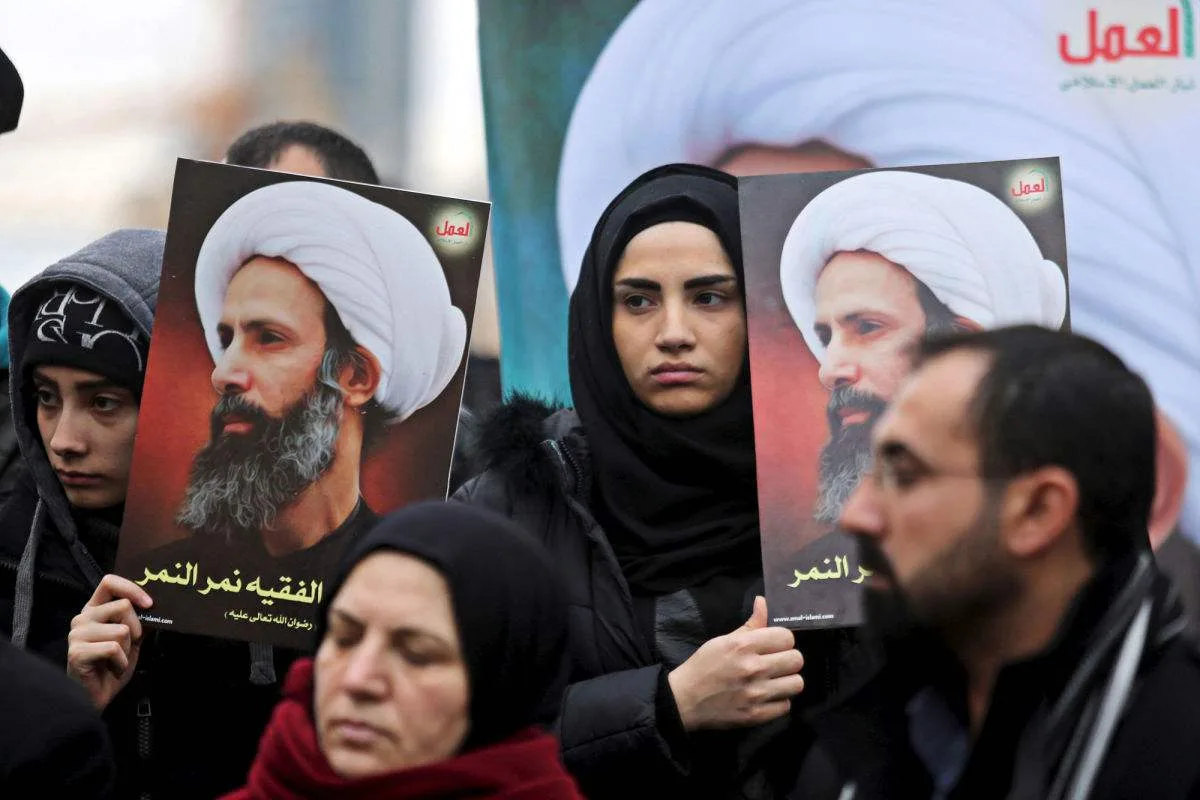
وجاء رد فعل المرشد الأعلى علي خامنئي والذي يعد الشخصية الأكبر في الهرم السياسي الإيراني حيال الاعتداء على سفارة السعودية وقنصليتها بطهران يناير الماضي على إثر إعدام رجل الدين الشيعي نمر النمر ليلوح في الأفق برغبة قوية لدى إيران في فتح الباب مع الرياض بصورة مغايرة لما كان عليه الوضع سابقًا.

خامنئي الذي علّق على حادث الاعتداء بـ “العمل السيء للغاية والمضر بمصلحة البلاد والمصالح الإسلامية” ثم من بعده وزير الخارجية جواد ظريف الذي قال إنّ المواجهة بين إيران والمملكة “ليست في مصلحة أحد”، دفعت الكثير من المحللين إلى التأكيد على رغبة طهران في ترطيب الأجواء مع السعودية.

فتح باب الحوار مع السعودية  لم يقتصر على البعد السياسي وفقط، بل هناك ضرورة ملحة تدفع إيران للاستفادة بشكل فعلي من رفع العقوبات الاقتصادية عنها، وذلك من خلال فتح قنوات حوار مع الرياض لإيجاد حل لمعضلة تهاوي أسعار النفط، ودون ذلك لن يكون لعودتها إلى سوق البترول العالمية معنى يذكر.

الوساطة الإقليمية والدولية

“نحن نعبر عن أسفنا لتأزم العلاقات بين أكبر دولتين في العالم الإسلامي، وأكثرهما نفوذا في المنطقة، وفي سوق النفط العالمية”، بهذه الكلمات كشف مصدر دبلوماسي في الخارجية الروسية عن استعداد بلاده للقيام بدور الوساطة بين طهران والرياض من الجلوس على مائدة الحوار والمفاوضات بما يذلل عقبات المصالحة بين البلدين.

ونقلت وكالة “نوفوستي” الروسية للأنباء عن ذات المصدر قوله إن موسكو كانت دائما حريصة لتكون لدى المسلمين رؤية مشتركة، لدى السنة والشيعة، في إطار منظمة التعاون الإسلامي، وكذلك في المنظمات الدولية الأخرى، ورؤية مشتركة كذلك فيما يخص المشكلات الدولية والإقليمية، بما في ذلك الأزمة السورية والوضع في منطقة الخليج.

ثم جاءت جولة رئيس الوزراء الباكستاني ووزير دفاعه للسعودية وإيران بهدف تهدئة الأجواء بين البلدين، ومن بعدها ما أعلنت عنه الكويت بصدد مساعيها للتقريب بين وجهة نظر البلدين، لتضيف حلقة جديدة من جهود الوساطة الإقليمية والدولية.. فما هي فرص نجاحها؟

محمد محسن أبو النور الباحث المتخصص في الشؤون الإيرانية، يرى أن فرص نجاح الوساطة كبيرة للغاية، وذلك لاعتبارات عديدة على رأسها ثقة البلدين في قيمة ومكانة الدول التي تسعى للوساطة.

أبو النور أشار إلى أن هذه التحركات أمر جيد في هذا التوقيت، لاسيما بعد قرار رفع المجتمع الدولي العقوبات الاقتصادية على إيران، مما سيدعم ملفاتها بالشرق الأوسط الأمر الذي سيزيد التوتر في المنطقة بشكل عام.

بدوره أشار الدكتور طارق فهمي أستاذ العلوم السياسية بجامعة القاهرة، أن ما تقوم به باكستان وروسيا والكويت ليست وساطة بمعنى إنهاء الخلاف وإنما تقريب لوجهات النظر بين السعودية وإيران، مضيفًا أن جهود التهدئة حال نجاحها قد تمثل مصدر قلق لإسرائيل وأمريكا لاسيما وهما يسعيان لإثارة القلاقل في المنطقة.

الحوثيون في مقابل الأسد

(العراق – لبنان – اليمن – سوريا) هذا هو مربع الحرب التي تخوضها السعودية وإيران بالوكالة، وبالرغم من الصراع المستعر لبسط النفوذ لكلا الدولتين في الدول الأربع، إلا أن الواقع يشير إلى أن كافة الجهود تتركز في محورين فقط، اليمن وسوريا.

تمثل اليمن بالنسبة للسعودية معركة حياة أو موت، إذ تعد اليمن الخنجر الذي قد يطعن بلاد الحرمين من الجنوب، وهو ما يمثل تهديدًا صارخًا لأمن المملكة القومي، ومن ثم نجد حجم الضغط الممارس للإطاحة بالحوثيين وفرض الاستقرار السني باليمن، من خلال تجييش الرياض لقوات الدول المجاورة فيما أطلق عليه “التحالف العربي الإسلامي” ضد علي عبدالله صالح ورجاله في اليمن.

وبالانتقال إلى الوضع في سوريا، نجد أن الأمر مختلف نسبيًا، فقد تمثل الأزمة السورية للرياض معركة مذهبية أيديولوجية في المقام الأول، قبل أن تكون معركة سياسية أمنية مباشرة، بينما يمثل الوضع لإيران معركة وجود، إذ إن الإبقاء على بشار الأسد ونظامه يعني لطهران ضمان تواجدها في المنطقة في هذه البقعة الحيوية، وهو ما يضمن لها توازنها الإقليمي الذي تسعى للحفاظ عليه.

العديد من الخبراء فرضوا بعض السيناريوهات للخروج من المأزق الحالي، في محاولة لحلحلة الأزمة في الشرق الأوسط، وتطويق المخاطر التي تهدد دول المنطقة بلا استثناء، لاسيما بعدما وضعت القوى الدولية أقدامها في المنطقة.

السيناريو الأكثر جدلاً والأقرب لترجمته على أرض الواقع يتمثل في تخلي طهران عن دعم الحوثيين في اليمن، بما يمهد سيطرة الرياض على مقاليد الأمور، وتطوق المد الحوثي لاسيما في الشمال، بما يضمن لها – الرياض – أمنها القومي من الناحية الجنوبية، في مقابل تخلي السعودية عن تعنتها في الإطاحة ببشار الأسد والقبول بمرحلة انتقالية سياسية يكون الأسد فيها رئيسًا لحين إجراء انتخابات رئاسية بعد عام ونصف أو عامين كما اتفقت موسكو وواشنطن على ذلك.

المؤشرات تقود الجميع إلى هذه السيناريو وهو ما كشفت عنه الأحداث القليلة الماضية، فالتأكيد الروسي الأمريكي على عدم مناقشة مصير الأسد في مرحلة التفاوض المقبلة، والاكتفاء بدراسة طبيعة المرحلة الانتقالية التي يجب أن تمر بها سوريا للخروج من أزمتها الراهنة، فضلاً عن انشغال تركيا بما يهدد حدودها مع الأكراد من جانب والعمليات الإرهابية في الداخل من جانب آخر، يصب في صالح هذا السيناريو.

وفي المقابل نجد أن التدخل الأممي في اليمن وفرض قرار وقف العمليات القتالية هناك وقبول السعودية بهذا القرار في مقابل اعتراض الحوثيين ورجال صالح، يضع الأخير في ورطة أمام المجتمع الدولي، في الوقت الذي تسحب فيه إيران يدها رويدا رويدا من خلال التوقف عن تزويد الحوثيين بعناصر حزب الله على عكس الوضع في سوريا، بما يعطي مؤشرًا لتطويق رجال الحوثي أمنيًا وسياسيًا – إقليميًا ودوليًا – وهو ما تسعى إليه الرياض.

فهل تشهد الفترة المقبلة صفحة جديدة بين الرياض وطهران تستهل حروفها الأولى بالحفاظ على أمن السعودية الجنوبي في اليمن بتطويق الحوثيين في مقابل الإبقاء على بشار بسوريا لفترة انتقالية؟ هذا ما ستجيب عنه الأيام القادمة.

TAGGED: أسعار النفط ، إيران والسعودية ، الشرق الأوسط ، العقوبات الاقتصادية على إيران ، العلاقات الإيرانية الخليجية
Download this article as PDF
Share this Article
Facebook Twitter Whatsapp Whatsapp Telegram Email Copy Link
عماد عنان
By عماد عنان كاتب صحفي وباحث في الإعلام الدولي
Follow:
Next Article نون بوست The Stigma of “ISIS”: A Heavy Legacy Haunting Women and Children of Former Members

Read More

  • U.S. Regime‑Change Policies: Why They Are Destined to Fail U.S. Regime‑Change Policies: Why They Are Destined to Fail
  • The Gulf’s Balancing Act: Iran, Israel, and Hidden Links
  • Iraq–Turkey Oil Export Treaty: Why Did Ankara Cancel It After 52 Years?
  • Syria’s Northeast on Edge: QSD Between Ankara and Damascus
  • Has Europe Changed Its Stance on Israel… or Just Its Language?
part of the design
NoonPost Weekly Newsletter

You May Also Like

U.S. Regime‑Change Policies: Why They Are Destined to Fail

U.S. Regime‑Change Policies: Why They Are Destined to Fail

إسراء سيد Esraa sayed 8 April ,2026
The Gulf’s Balancing Act: Iran, Israel, and Hidden Links

The Gulf’s Balancing Act: Iran, Israel, and Hidden Links

فريق التحرير Noon Post 8 April ,2026
Iraq–Turkey Oil Export Treaty: Why Did Ankara Cancel It After 52 Years?

Iraq–Turkey Oil Export Treaty: Why Did Ankara Cancel It After 52 Years?

فريق التحرير Noon Post 8 April ,2026
dark

An independent media platform founded in 2013, rooted in slow journalism, producing in-depth reports, analysis, and multimedia content to offer deeper perspectives on the news, led by a diverse young team from several Arab countries.

  • Politics
  • Society
  • Rights & Liberties
  • Opinions
  • History
  • Sports
  • Education
  • Technology
  • Economy
  • Media
  • Arts & Literature
  • Entrepreneurship
  • Travel
  • Cinema & Drama
  • Food
  • Health
  • Culture
  • Latest Reports
  • Files
  • Long Reads
  • Interviews
  • Podcast
  • Interactive
  • Encyclopedia
  • In Pictures
  • About Us
  • Our Writers
  • Write for Us
  • Editorial Policy
  • Advanced Search
Some rights reserved under a Creative Commons license

Removed from favorites

Undo
Go to mobile version