














As the new academic year began in September, observers noted a stark decline in student protests against Israel’s genocidal war in Gaza compared to the peak demonstrations on American campuses in the spring of the previous year. The number of protests and sit-ins dropped from over 3,000 to approximately 950, and student arrests fell from 3,100 to under 100 by the end of November.
This downturn reflects the success of a sweeping crackdown campaign orchestrated by American university administrations to suppress student movements supporting the Palestinian cause—a trend that began months before Donald Trump reassumed the presidency, signaling a new phase of repression masked under the guise of combating “antisemitism.”
What does this silent war on pro-Palestinian activism look like? How have threats from private donors undermined academic independence? What role has Israel and its proxies played in reshaping university policy? What shift occurred with Trump’s return to office? And what are the broader implications for student rights and the future of academia?
A Summer of Surveillance and Retribution: Universities Prepare for a Crackdown
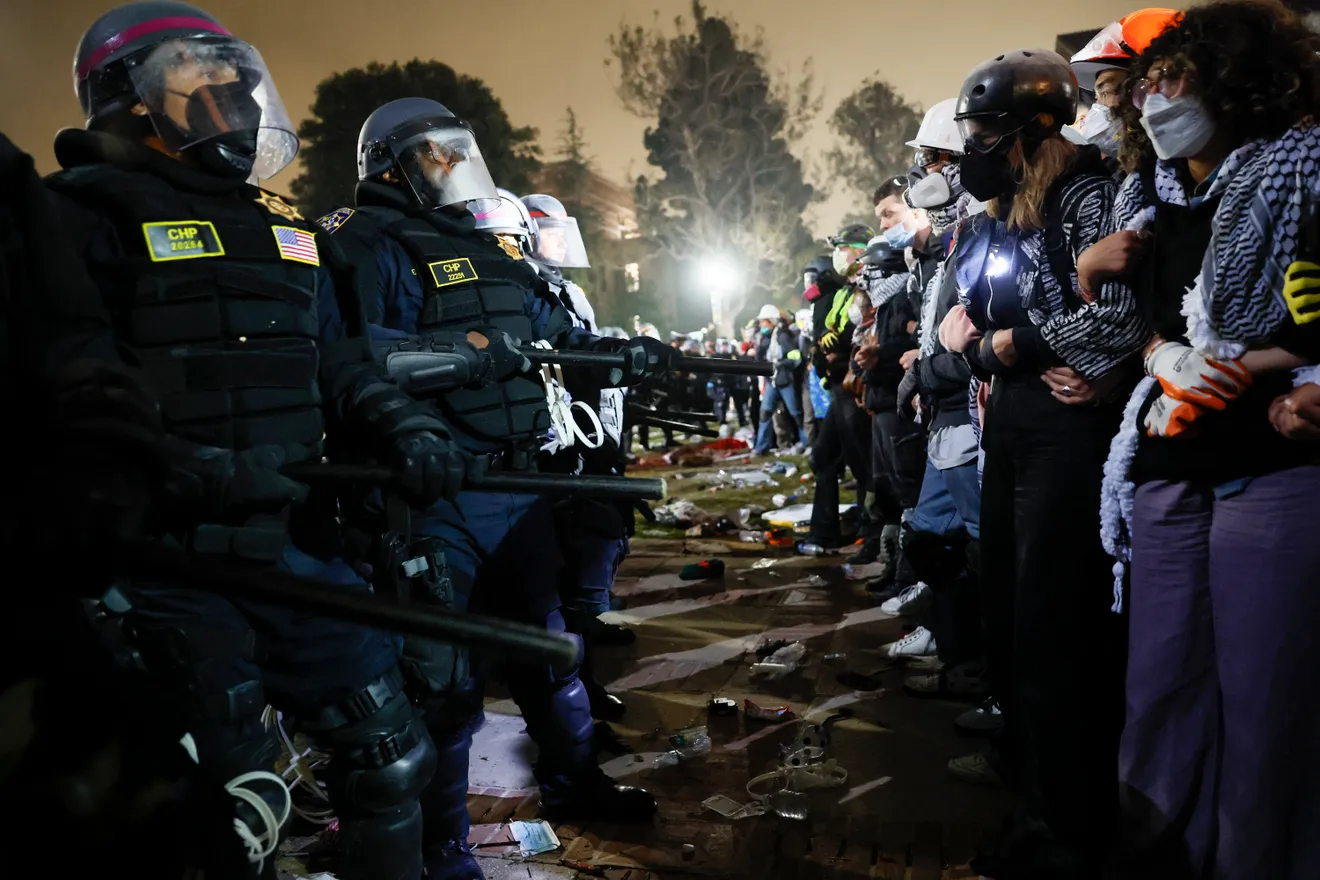
Student protests against the genocidal war in Gaza and institutional complicity by U.S. universities reached a fever pitch in April and May 2024. Student encampments sprang up at over 80 universities nationwide.
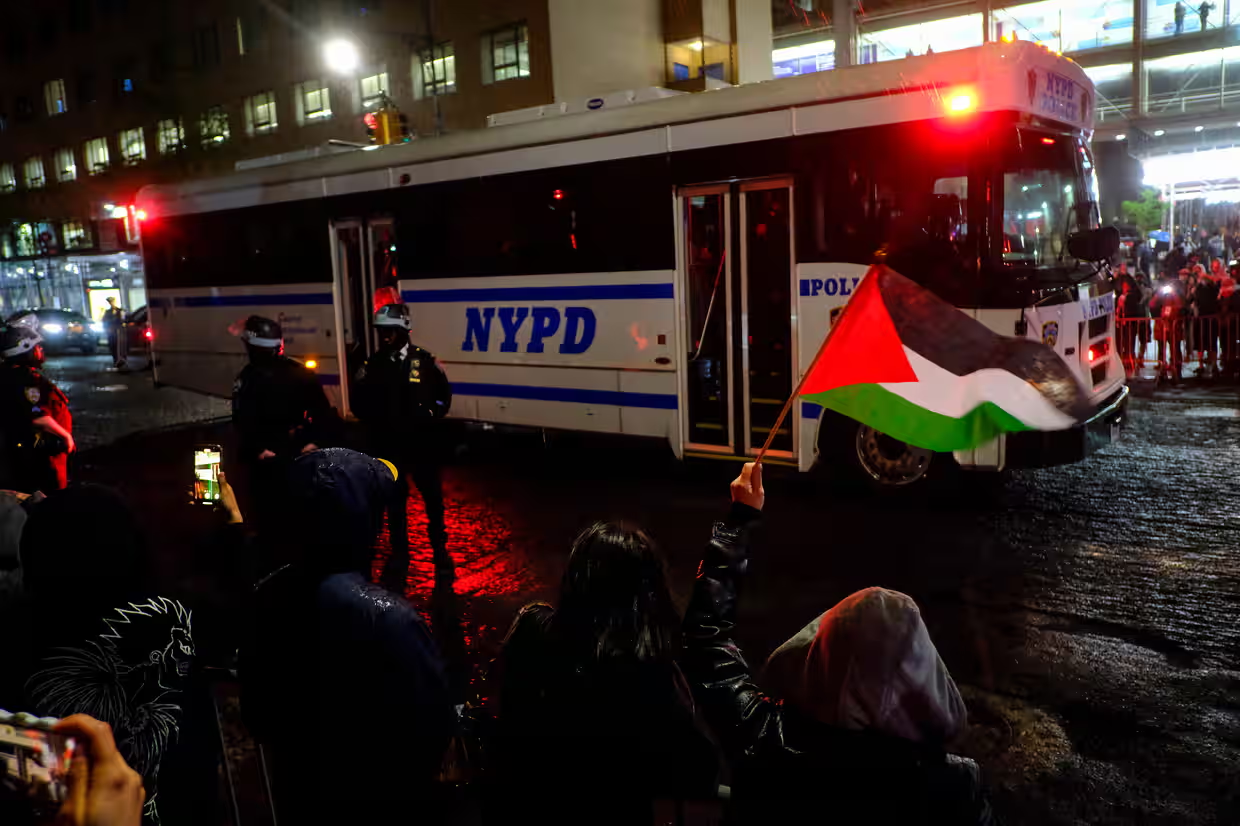
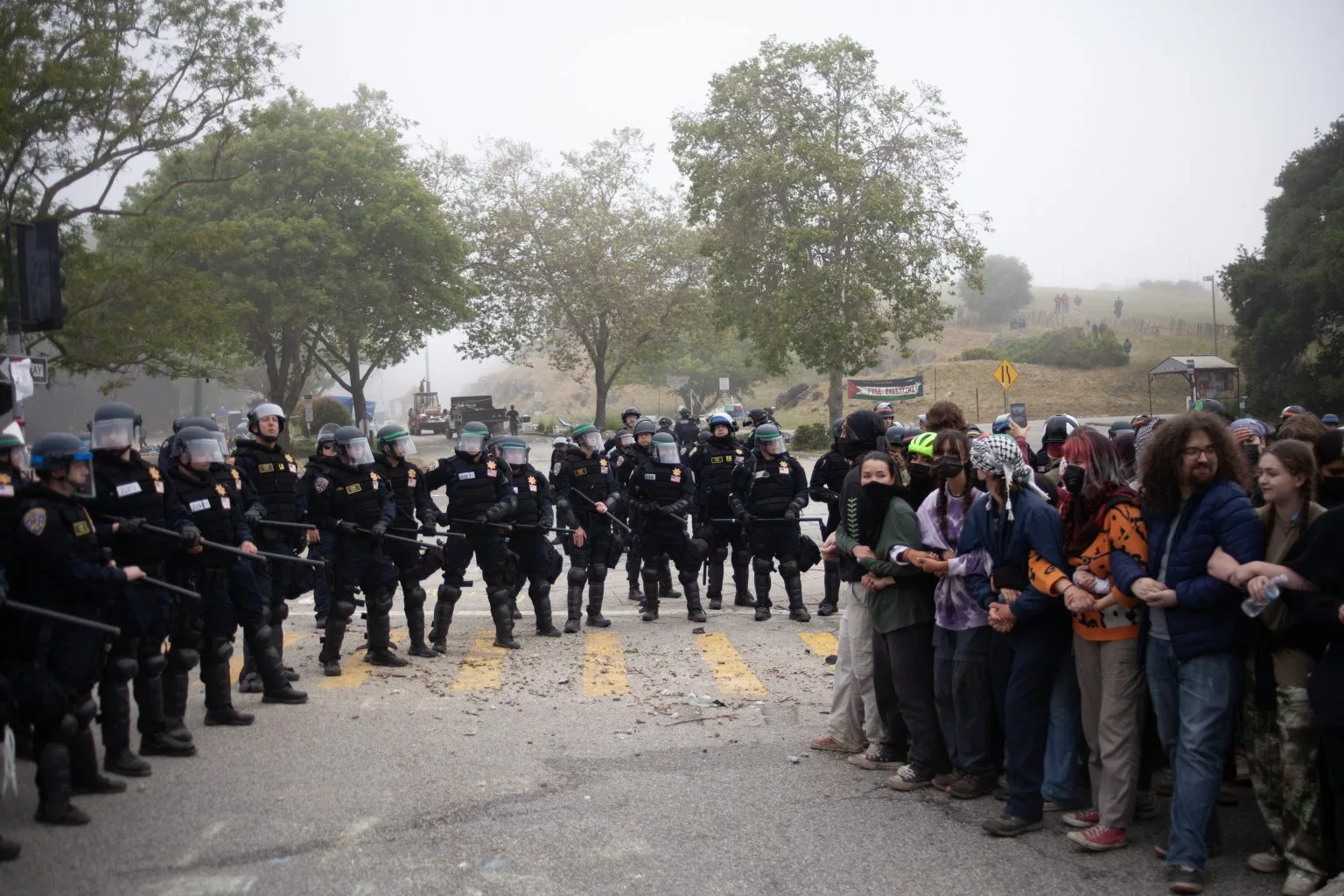
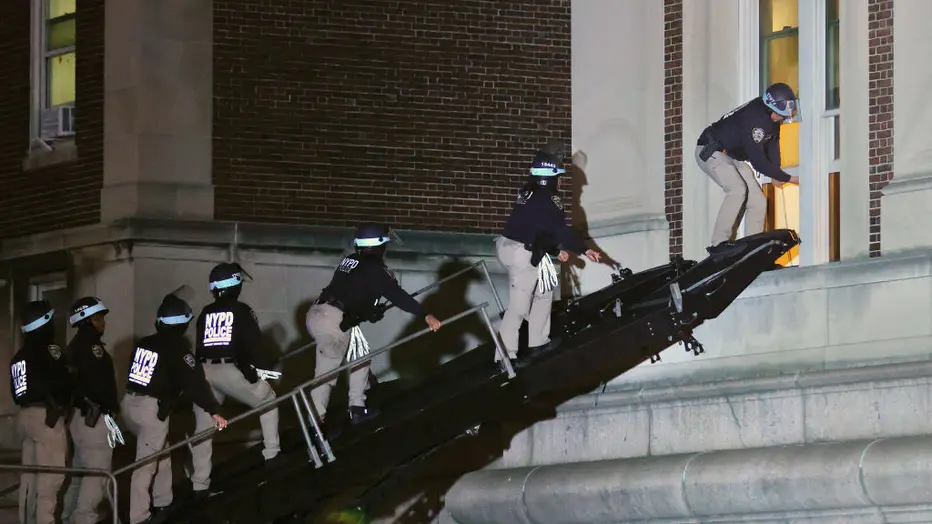
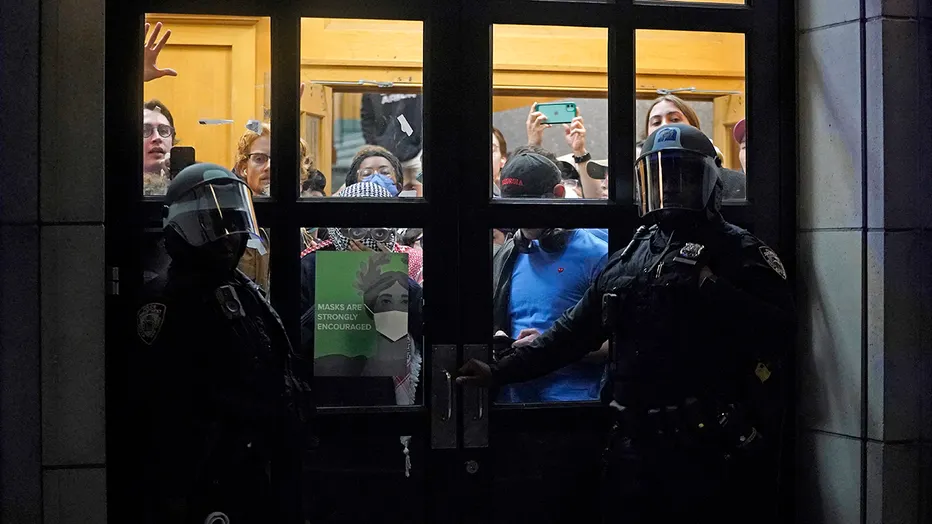
University administrations responded variably. Some, like Brown, Northwestern, and Rutgers, negotiated partial agreements with students. Others, including NYU and Columbia, took a more aggressive route, calling in city police to forcibly dismantle encampments in scenes unimaginable before October 7.
Some institutions went further. Pomona College declared an emergency, granting itself sweeping powers to restrict gatherings and demonstrations on campus.
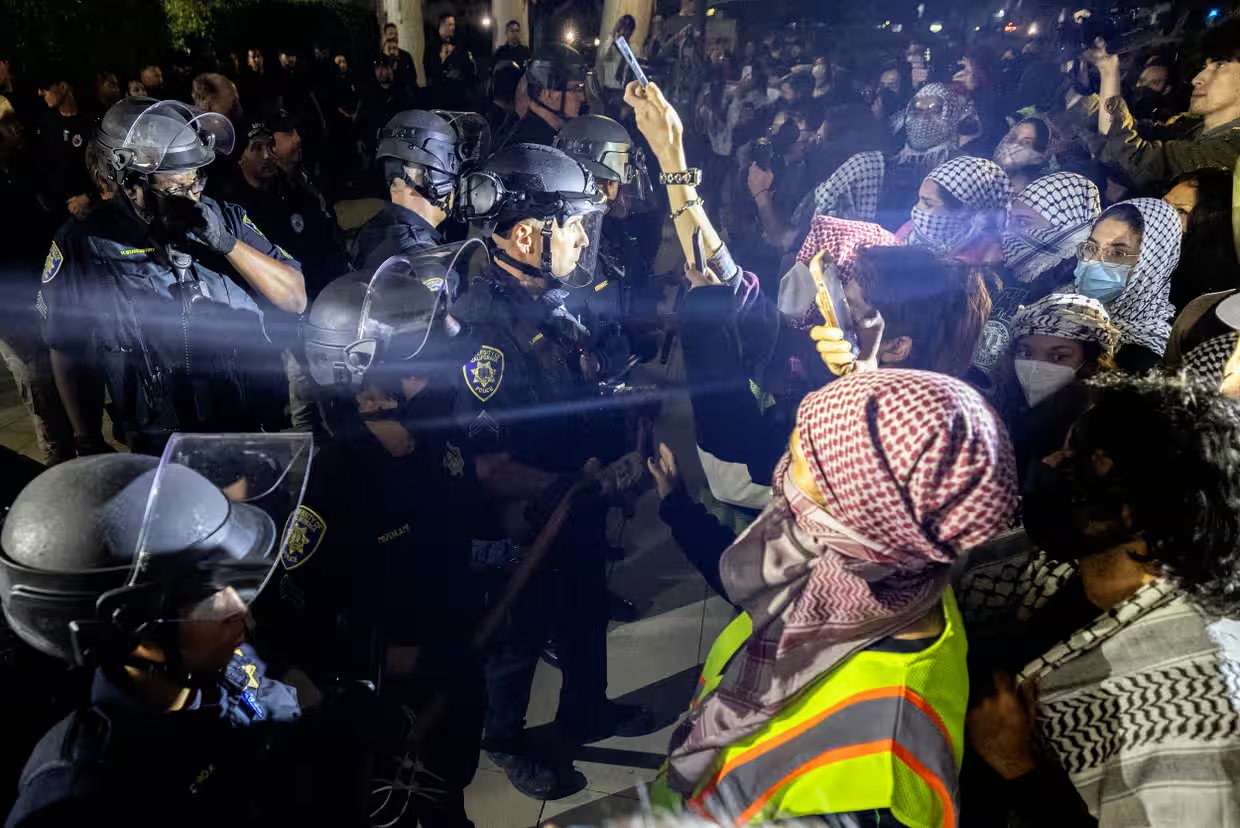
Most universities oscillated between limited engagement and repressive escalation. To quell student outrage, many shuttered campuses, transitioned to online classes, and canceled graduations. Others escalated violence: campus police carried out mass arrests, using batons and pepper spray.
As summer approached and campuses emptied, universities regrouped. Reviewing social media posts and security footage, they began disciplinary campaigns. Charges were filed, students were expelled, and some were ordered to pay exorbitant fines for supposed property damage.
At the University of Minnesota, seven students were expelled and fined $5,000 each for protesting outside Halimi Hall. NYU suspended 11 students for a year over a December demonstration in the university library.
Accusations against protesters intensified, evolving from “disruption of academic order” to charges of “threatening public safety”—moving the issue from academic protest to a political battlefield where students became targets.
Universities such as Wisconsin, California, and Pennsylvania subjected students to chaotic, intimidating disciplinary hearings lacking legal standards. Many students were left in limbo for months.
The Illusion of Neutrality: Universities as Microcosms of Occupation
By summer’s end, universities had shifted from reactive chaos to a calculated strategy to prevent future unrest. Despite variations in policy, common features emerged: increased campus militarization, heightened police presence, more punitive measures, and centralized administrative control.
This transformation was no accident. Administrations sought crisis management advice from security firms, backed by federal support and pro-Zionist groups. Their actions, cloaked in the rhetoric of “safety” and “educational integrity,” entrenched authoritarian norms under the pretense of order.
New restrictions choked student expression. Universities set strict protest times and locations, banned tents and overnight encampments, outlawed face coverings, and forbade indoor gatherings outside business hours—measures aimed at neutralizing protest potential.
At Columbia, NYPD officers stood guard outside campus on the first day of class. The university reduced access points to four and banned nearly all demonstrations.
The University of Michigan called in police to break up a protest, resulting in four arrests and two hospitalizations.
UC campuses, which spent $29 million in spring 2024 countering protests, banned encampments across 33 campuses and outlawed face coverings to unmask pro-Palestinian demonstrators.
NYU went further: it categorized Zionism as a protected identity under Title IV of the Civil Rights Act of 1964, transforming criticism of Zionism into a punishable offense.
The University of Maryland blocked a planned October 7 memorial by Students for Justice in Palestine (SJP) and Jewish Voice for Peace (JVP), asserting sole control over campus events.
Rutgers suspended SJP’s activities through the following summer. George Washington University froze JVP and six other Palestine advocacy groups. Columbia and NYU banned these groups from Instagram.
UNC’s public university system restructured its student-led honor court, placing it under administrative control to ensure harsher punishment of pro-Palestinian activists.
Many universities unified their policies under the banner of “combating antisemitism,” equating criticism of Israeli policies with hate speech. Institutions like Columbia, NYU, UC Berkeley, Harvard, and UPenn established centers and mandatory training to institutionalize this narrative.
Echoes of the War on Terror
While the militarization of campuses surged in 2024, its roots trace back to post-9/11. Through the Department of Defense’s “1033 Program,” over 100 universities armed their security forces with surplus military gear.
This integration aligned with trustees’ vision of campuses as extensions of American imperial power. Their goal: suppress student influence on university finances and policies.
In fall 2024, universities inked million-dollar security deals with local police. These enabled expanded surveillance, facial recognition, and license plate scanning powered by AI.
NYPD led the charge. In a chilling development, North Carolina police obtained a warrant to seize Instagram data from SJP, including personal details of members at state universities.
Orange County prosecutors, in coordination with universities, pursued criminal charges against students involved in spring encampments, exposing a covert alliance between academic and security institutions.
Security Networks and Student Spies: Hillel at the Heart of Campus Surveillance
Summer 2024 saw over 450 security experts gather in Atlanta for the 11th Annual Campus Safety Conference, focused almost entirely on suppressing pro-Palestinian protests.
Advisors included ex-military and intelligence figures with ties to Israeli security agencies, like Bobby Brasher, who trained in Israel. The conference promoted expanded surveillance and arming of campus security.
Pro-Zionist groups like the American Council of Trustees and Alumni distributed manuals advising universities to reject divestment demands, citing economic—not political—grounds, a framework adopted by Emerson, Purdue, and the University of Texas system.
Organizations like Hillel and the Secure Community Network launched the “Secure Campus” campaign at 50 universities. A fall 2024 workshop drew 92 universities, FBI agents, and Jewish security experts. Ten central recommendations included banning protests and ramping up surveillance.
The campaign explicitly promoted digital spying and coordination with NYPD, citing protection of Jewish students. This effectively turned campuses into microcosms of the occupation: under surveillance, silenced, and stripped of autonomy.
Other surveillance arms included the David Project, Canary Mission, AMCHA Initiative, Israel on Campus Coalition, and Students Supporting Israel—networks that monitor and harass pro-Palestinian students and faculty.
These groups tracked activists, doxed them, pushed for firings and promotion blocks, and fostered hostile environments that quashed Palestinian solidarity.
How U.S. Universities Adopted Israeli Repression Tactics
Efforts to silence pro-Palestinian voices went beyond NGOs. According to Israel’s Ynet News, the Israeli Foreign Ministry and Ministry for Diaspora Affairs led a campaign targeting U.S. students and faculty through a “naming and shaming” task force.
This campaign sought to damage employment prospects, restrict mobility, and sabotage finances for activists and their institutions—all via unofficial, deniable channels.
Its effects were swift. Harvard’s Claudine Gay and UPenn’s Liz Magill resigned. Professors at Texas Tech and Indiana University were suspended for pro-Palestine speech.
Private sector retaliation followed: students and workers sympathetic to Palestine lost jobs at law firms, galleries, and media outlets. Israel described this as a “legal agenda beyond the law,” aimed at enforcing penalties without due process, allegedly with U.S. DOJ support.
Donor pressure also rose. In one case, billionaire Leonard Blavatnik withdrew $280 million in donations from Harvard over its perceived inaction on “antisemitism.”
In New York, elite donors pressured Governor Eric Adams to deploy police against Columbia protests. One donor who maxed out campaign contributions in the same month demanded faster crackdowns.
Alliances with pro-Israel organizations led to the emergence of student arms from Zionist groups playing a role in shaping internal university structures. Chief among them was Hillel, which launched a campaign titled “Secure the Campus” across 50 American universities.
The donor group included Starbucks’ Howard Schultz, Dell’s Michael Dell, hedge funder Bill Ackman, and Josh Kushner—figures tied to pro-Israel influence networks.
Meanwhile, Israel expanded training programs for pro-Zionist students and faculty, using Hasbara Fellowships to disseminate propaganda and forge anti-Palestinian campus sentiment.
Trump’s America: Students Without a Voice
Congress jumped in early, passing the Antisemitism Awareness Act, driven by Speaker Mike Johnson. The act adopted the IHRA definition conflating anti-Zionism with antisemitism, criminalizing most pro-Palestine activism.
The real turning point came with Trump’s January return to the White House. He signed an executive order directing the Department of Education to investigate 60+ campuses over 2024 protests.
Republican-led states followed suit. In Virginia, authorities threatened to defund universities that didn’t suppress Palestinian activism. Schools like UVA and James Madison invoked obscure laws banning face coverings to unmask protesters.
Noncompliant schools paid a price. Piedmont Virginia College lost state funding for hosting a screening of the documentary Israelism, organized by SJP.
Hundreds of visas for foreign students were revoked. Cases of detention and deportation mounted, especially among Arab and Muslim students.
Columbia was hit hardest. Despite forcibly breaking up sit-ins and expelling students, it didn’t appease the Trump administration. The White House froze $400 million in grants, prompting Columbia to unveil a harsh new security plan.
The four-page internal memo imposed protest restrictions, outlawed masks, hired 36 new guards with arrest powers, and directly targeted SJP members.
More ominously, Columbia pledged to review international student admissions under presidential oversight and realign its Middle East Studies Center with pro-Israel narratives.
Thus, America’s top universities transformed from bastions of academic freedom into enforcers of political repression—delivering protesting students into the hands of their persecutors.
Knocking on the Walls of the Cistern
University crackdowns triggered widespread condemnation. The U.S. Commission on Civil Rights, UN Special Rapporteurs, and human rights monitors denounced the repression of free speech and peaceful assembly.
Domestically, groups like the ACLU, Human Rights Watch, and Amnesty International issued open letters urging university leaders to protect students from the escalating crackdown.
These warnings followed documentation of 174 student assaults across 20 campuses, pepper spray use in 17, and rubber bullet threats in 11.
The American Association of University Professors also condemned administrative overreach threatening both students and faculty.
Palestine Legal reported receiving 2,000 legal aid requests from students and faculty in 2024 alone.
Ultimately, the U.S. campaign to extinguish pro-Palestinian student movements has reached a critical juncture. Backed by government, corporate, and Israeli forces, this all-out assault mirrors Israel’s war on Gaza—not merely reacting to it, but replicating its brutal logic on American soil.


