








As the sun sets each evening, fisherman Khidr Bakr and his young son Hassan don thick winter jackets, wave goodbye to their extended family of thirty, and set out on foot carrying a modest meal and a bottle of water. They walk nearly two kilometers to reach Gaza’s seaport the heart and soul of the city reduced to rubble by Israeli airstrikes during the genocidal war on Gaza.
Bakr has been fishing for over thirty-one years, inheriting the profession from generations before him along with its perils, including relentless Israeli naval harassment, which continues to this day.
“We leave with our lives in our hands,” says the weathered 40-year-old fisherman, his face and fingers marked by the sun. “The Israelis haven’t left the sea not even the one-kilometer zone that was supposedly agreed upon in this fragile truce. Every day they shoot, arrest, and chase us, even when we’re no more than 800 meters from shore!”
Bakr is one of hundreds of Palestinian fishermen who, despite the ceasefire following Israel’s devastating war on Gaza, risk their lives to earn a living after their boats were destroyed and their only source of income stripped away.
With a trembling voice, he continues: “I risk my life to feed my family and support my 30 siblings. The Israelis left us with nothing not a single boat, not a net, not even a hook from what we’d worked with for years before this war that shattered everything.”
With a mix of pain and pride, Bakr adds, “After the Israeli occupation deliberately destroyed and burned our fishing gear, we tried to rise again using haskat al-majdaf small, handmade paddle boats built from styrofoam, originally meant just for leisure. We’ve modified them to hold nets, and now they can carry up to four people instead of just one.”
When asked if these boats are safe, he sighs, clenching his fingers. “They’re not safe. It’s you, your God, and your luck. It could capsize in the middle of the sea or crash into something… but we have no other option.”
Staring at the choppy waters, he explains, “Every day, I cast my net and wait over 15 hours in the cold and dark under gunfire. I barely catch anything compared to before the war—no sardines, no crabs, no mullet, no shrimp. What I do catch, I don’t even feed to my family because it sells for over 200 shekels per kilo. I sell it to cover daily expenses.”
Asked if he’s ever been detained by Israeli forces, he tells Noon Post: “In 2011, I was arrested and interrogated for over 24 hours. The Israeli interrogator, in broken Arabic, said to me: ‘I want to cut off your livelihood from the sea, Bakr.’ Then they released me, but kept my boat for four and a half years.”
“Israeli occupation hasn’t deterred me. Fishing runs in my family. We’re like fish if we leave the sea, we die. Despite the risks, the arrests, and everything I witness daily, I won’t give up the sea or the fish,” he says with quiet defiance.
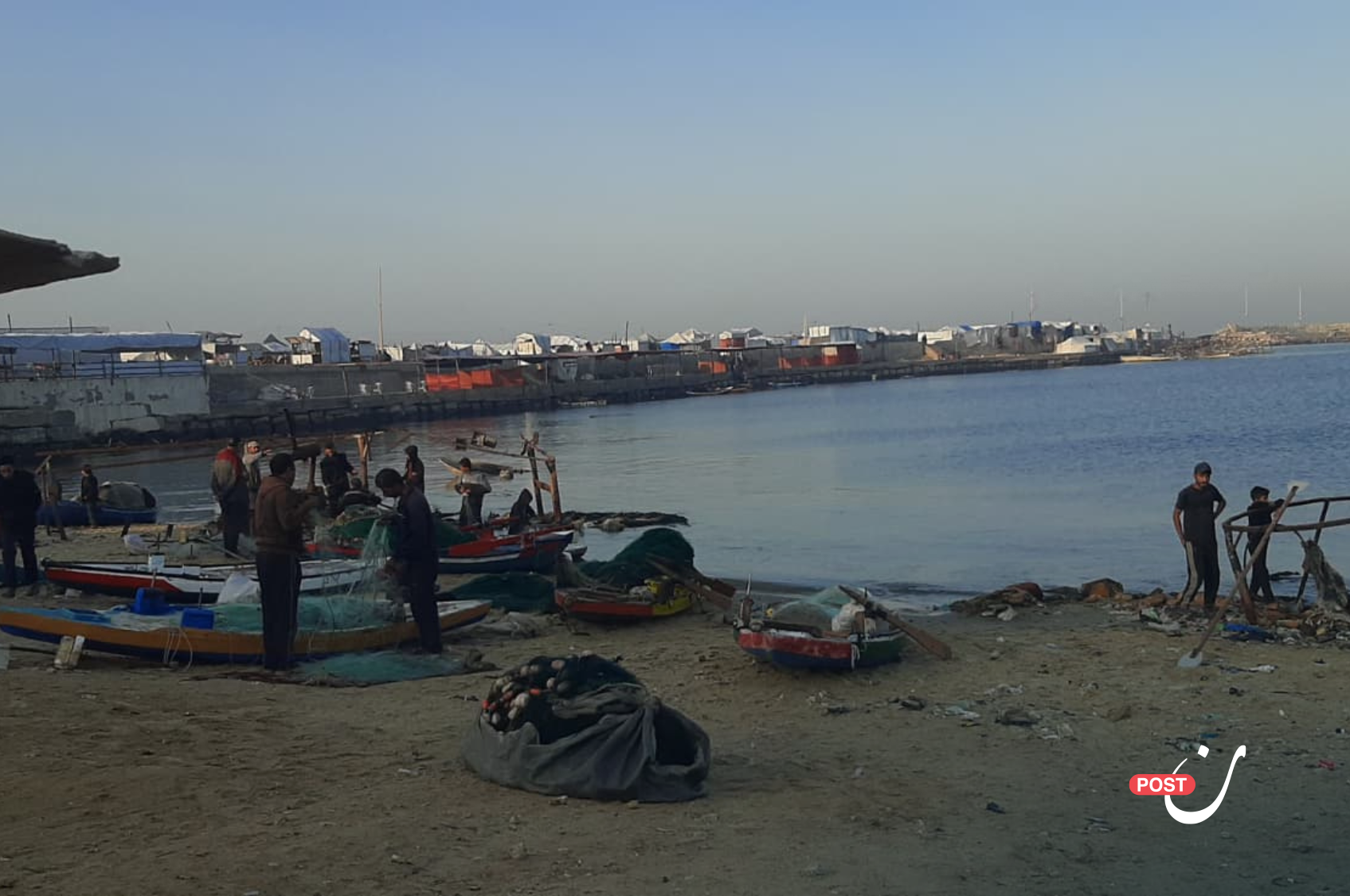
On the battered grounds of Gaza’s port, now covered in tents and rubble and permeated with the smell of salt and fish, 40-year-old father Rami Al-Kurd walks between fish stalls, asking about prices so he can buy some for his family.
“My son’s injury is what pushed me to come to the port and buy fish,” he explains. “The doctor recommended it as a natural food free from preservatives, which are more harmful than helpful these days. I bought two kilos for over 400 shekels in cash.”
He adds, “Before the war, we’d buy fish once a week and eat it with the family it was healthy and nutritious. But during the war, we haven’t tasted fish in over two and a half years because of the Israeli crackdown on fishermen.”
“Some 230 fishermen were killed while working at sea or in surrounding areas,” says Nizar Ayyash, head of the Fishermen’s Union in Gaza. “There are around 5,000 fishermen in Gaza supporting about 50,000 people. Their estimated losses exceed $75 million.”
Ayyash continues, “The fishing sector needs to be rebuilt from scratch. Over 90% of the fishermen’s equipment large and small boats, gear was destroyed during Israel’s brutal assault on Gaza that began on October 7, 2023.”
The occupation has decimated the sector’s infrastructure, including ice factories, solar power systems, night lighting, and even the fishermen’s rooms targeted by both warships and fighter jets.
Fishing was Gaza’s second-largest economic sector after agriculture. “Before the war, Gaza produced 4,000 tons of fish annually. Now, production doesn’t exceed 500 tons. Fishermen, once at the peak of their profession, have been pushed below zero,” Ayyash laments.
He adds, “The fishing sector is besieged from all directions closed crossings, bans on equipment imports forcing fishermen to try to repair their boats with the most basic tools.”
“Since the beginning of the genocidal war on Gaza,” says Dr. Salah Abdel Ati, head of the International Commission to Support Palestinian People’s Rights (ICSPR), “Palestinian fishermen have been systematically targeted when trying to reach the sea to earn a living.
Human rights organizations have documented hundreds of cases where Israeli naval forces fired on fishing boats, arbitrarily arrested fishermen, and, in some cases, threw them into the sea after restraining them while confiscating their boats and equipment.”
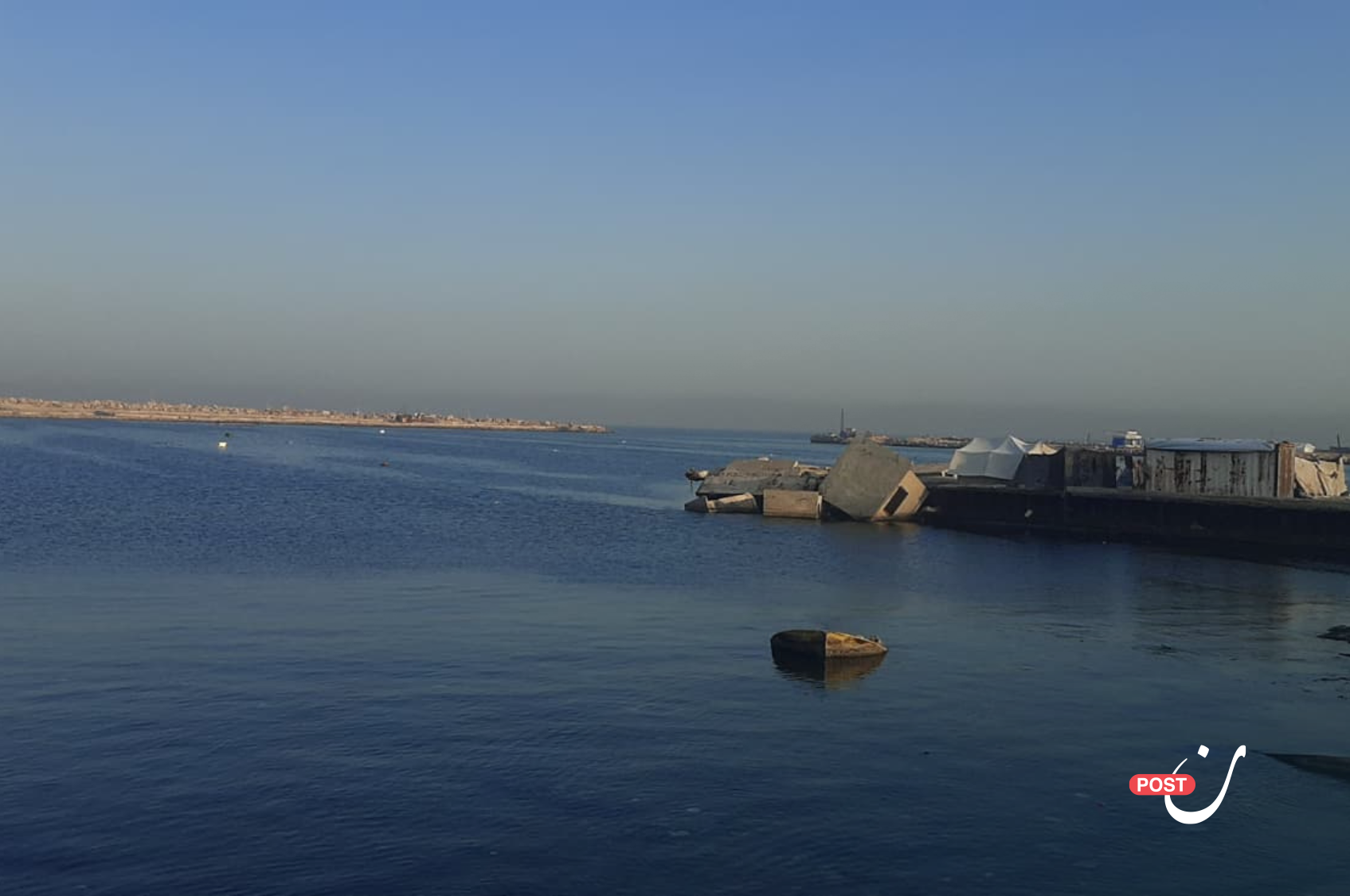
“These violations are not isolated incidents but part of a broader ‘war on the sea’ aimed at banning fishing and impoverishing fishermen,” Abdel Ati says. “Over 40 fishermen have been arrested, and 11 remain in detention.”
He notes that fish production has plummeted by over 95% compared to pre-war levels, disrupting the primary food source for thousands of families and worsening the effects of siege and famine.
“These actions amount to war crimes and crimes against humanity under international law,” Abdel Ati asserts. “Preventing fishing, destroying livelihoods, targeting civilians, and denying access to food are forms of systematic collective punishment prohibited under international humanitarian law.”
He urges, “The international community and human rights organizations must act to hold perpetrators accountable before international criminal courts, issue urgent protection orders, ensure fishermen’s right to access the sea, compensate the victims, and work to restore Gaza’s marine life.”
Despite Israeli gunboats and shrinking waters, Gaza’s fishermen continue to sail and brave the waves guided by a will that refuses to break.