





NoonPost NoonPost

NoonPost

  • Home
  • Politics
  • Economy
  • Society
  • Culture
  • Files
  • Long Reads
  • Podcast
AR
Notification Show More
نون بوست
“There Are Nights I Can’t Close My Eyes”: How Gazans Are Living in Homes on the Brink of Collapse
نون بوست
From al-Jolani to Ahmad al-Shara: The Evolution of Syria’s New Leader
نون بوست
When Political Islam Receded in Egypt: Who Filled the Void?
نون بوست
An Extension of Genocide: Gaza’s Detainees Speak Out
نون بوست
A Tightrope Between Survival and Sovereignty: The Syrian Government Faces Normalization Pressures
نون بوست
American Aircraft Carriers: Has the Era of “100,000 Tons of Diplomacy” Ended?
نون بوست
U.S. Regime‑Change Policies: Why They Are Destined to Fail
نون بوست
Transformations of Israeli Judaism: Between the Victim Complex and the Colonizer’s Doctrine
نون بوست
The Gulf’s Balancing Act: Iran, Israel, and Hidden Links
نون بوست
Iraq–Turkey Oil Export Treaty: Why Did Ankara Cancel It After 52 Years?
نون بوست
Syria’s Northeast on Edge: QSD Between Ankara and Damascus
نون بوست
Has Europe Changed Its Stance on Israel… or Just Its Language?
NoonPost NoonPost
AR
Notification Show More
نون بوست
“There Are Nights I Can’t Close My Eyes”: How Gazans Are Living in Homes on the Brink of Collapse
نون بوست
From al-Jolani to Ahmad al-Shara: The Evolution of Syria’s New Leader
نون بوست
When Political Islam Receded in Egypt: Who Filled the Void?
نون بوست
An Extension of Genocide: Gaza’s Detainees Speak Out
نون بوست
A Tightrope Between Survival and Sovereignty: The Syrian Government Faces Normalization Pressures
نون بوست
American Aircraft Carriers: Has the Era of “100,000 Tons of Diplomacy” Ended?
نون بوست
U.S. Regime‑Change Policies: Why They Are Destined to Fail
نون بوست
Transformations of Israeli Judaism: Between the Victim Complex and the Colonizer’s Doctrine
نون بوست
The Gulf’s Balancing Act: Iran, Israel, and Hidden Links
نون بوست
Iraq–Turkey Oil Export Treaty: Why Did Ankara Cancel It After 52 Years?
نون بوست
Syria’s Northeast on Edge: QSD Between Ankara and Damascus
نون بوست
Has Europe Changed Its Stance on Israel… or Just Its Language?
Follow US

Israel’s Death Penalty Bill: 6 Key Questions

فريق التحرير
Noon Post Published 26 March ,2026
Share
نون بوست
نون بوست

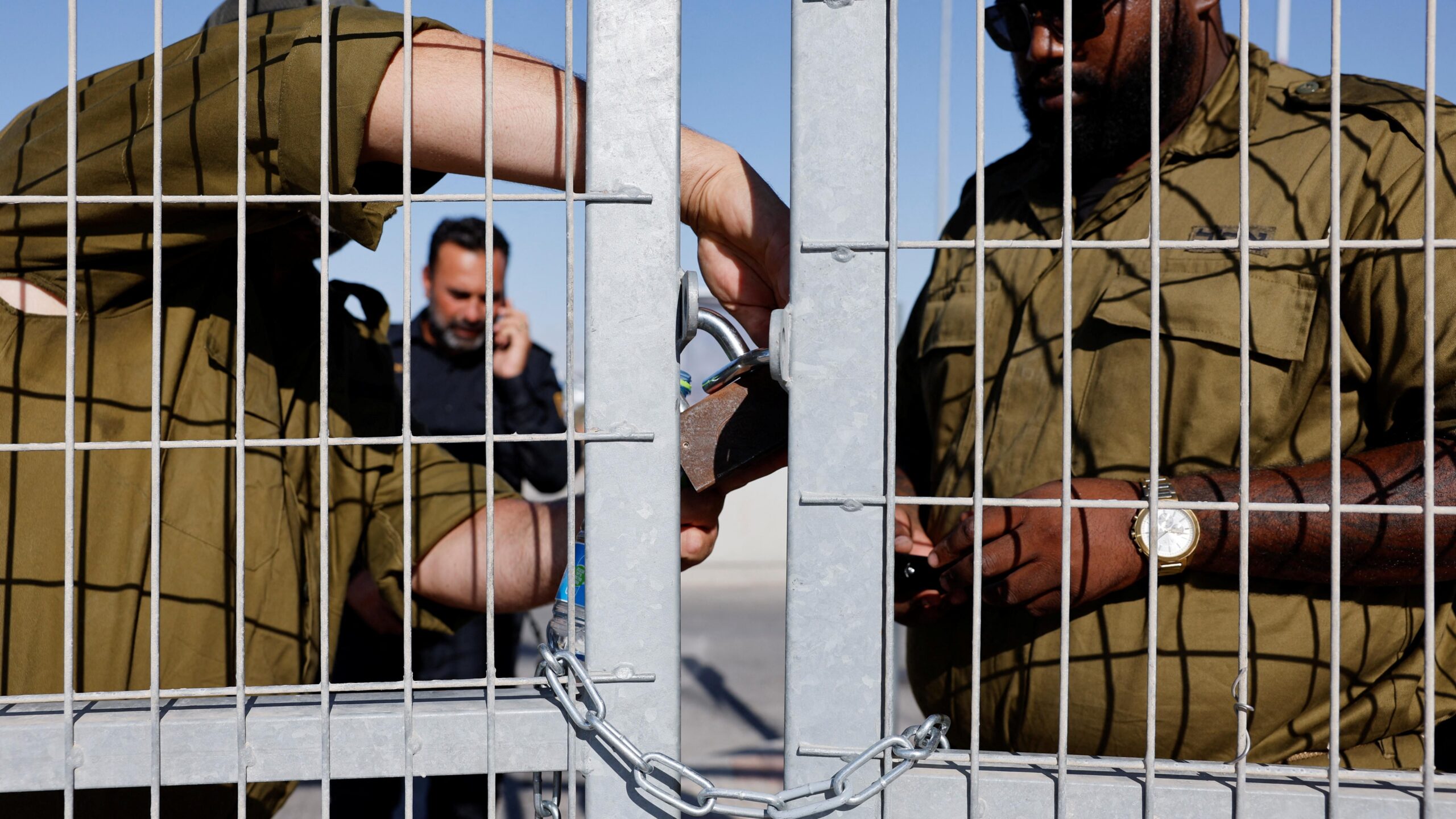
In yet another step toward transforming the prison system into a legalized apparatus of execution and institutionalized vengeance, Israeli authorities are preparing a special channel to execute Palestinian prisoners—part of what is being described as one of the most dangerous legislative initiatives in the history of Israel’s prison system.

In February 2026, Channel 13 in Israel revealed the existence of a secret plan internally dubbed the “Green Corridor,” which includes training prison guards to carry out hangings using a three-key system that ensures no single guard knows who triggered the execution.

These revelations coincide with a draft law advancing in the Knesset to legalize the execution of Palestinian prisoners. What has been uncovered about this plan so far, and how far along is the legislation?

What is the structure of the proposed law?

نون بوست

The draft under discussion in the Knesset is a legislative amendment mandating the death penalty for Palestinians “convicted of killing Israelis.” According to reports, it will initially apply to elite Hamas fighters involved in the Al-Aqsa Flood operation, with plans to expand it to anyone accused of killing Israelis.

The law distinguishes between two legal tracks:

  • Military track: Applied to residents of the West Bank and Gaza, prosecuted in military courts, and includes any act resulting in the death of an Israeli—even unintentional killings.

  • Civil track: Applied to Jewish Israelis in civil courts within Israel and East Jerusalem, but restricts executions to selective conditions based on identity.

How will the executions be carried out?

The version submitted to Israel’s so-called National Security Committee outlines the following:

  • Trials will take place before military judges.

  • Execution will be by hanging.

  • Carried out within 90 days of final sentencing.

  • The sentence can be issued without a request from the Attorney General.

  • No option for appeal.

  • No possibility of pardon or sentence reduction.

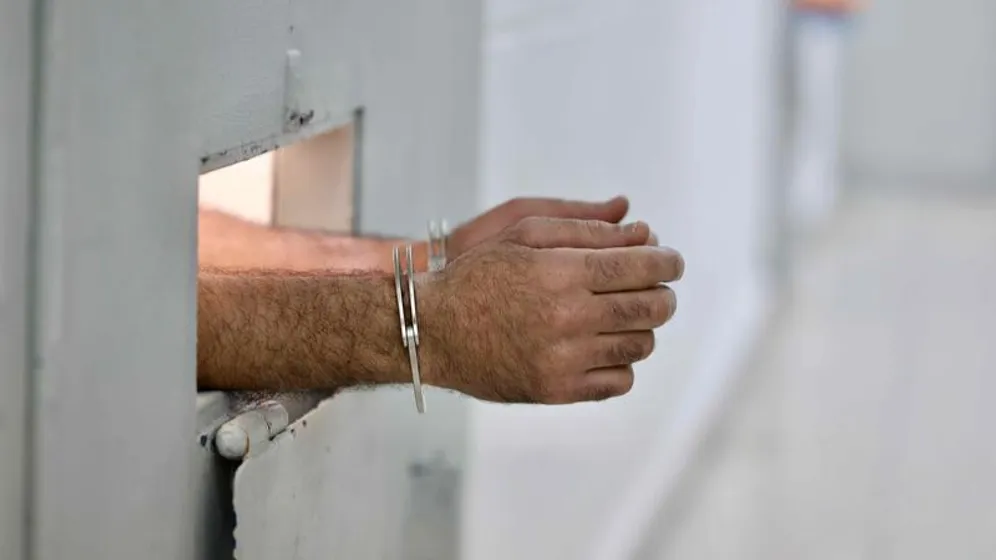
  • Prisoners sentenced to death will be held in complete isolation.

  • Only authorized “staff” may visit.

    نون بوست
    A special unit will be established in the occupation prisons tasked with carrying out executions.
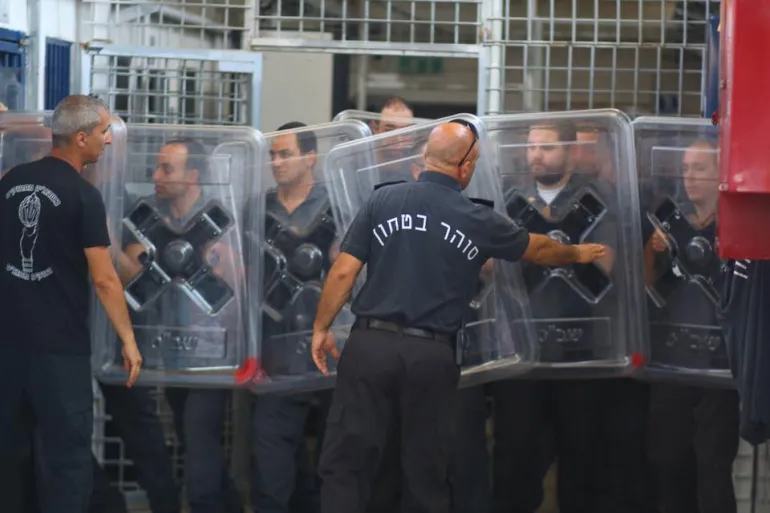
While the Knesset previously posted on X (formerly Twitter) in November 2025 that executions would be carried out via lethal injection, Haaretz reported that the actual plan mandates hanging.

According to the leaked implementation strategy, a special unit will be established within the prison system to carry out executions. Guards participating in the process receive training in an unnamed Asian country. The law grants them full immunity and ensures their identities remain confidential.

What stage is the law at?

The law has passed several legislative milestones:

  • On November 11, 2025, the Knesset passed the first reading with a 39–16 majority, sending it to the National Security Committee.

  • In January 2026, the committee held a series of extended sessions and amended the bill to replace lethal injection with hanging and tightened secrecy measures.

  • The law is expected to be brought for second and third readings in February or March 2026. National Security Minister Itamar Ben-Gvir has promised “marathon sessions” to ensure swift approval.

The far-right coalition government appears to have enough votes to pass the bill, especially with the backing of National Security Committee Chair Zvika Fogel, who claimed that executing Palestinians is a “defensive necessity.”

Why is Ben-Gvir pushing for this law?

Until now, Israel has relied on life imprisonment for Palestinians who carried out resistance attacks sometimes sentencing them to multiple life terms. Israel abolished the death penalty in 1954 and has not executed anyone since Nazi war criminal Adolf Eichmann in 1962. The proposed law marks a dramatic shift.

Ben-Gvir and his allies frame the law as a deterrent, arguing that life sentences allow for potential prisoner swaps. In reality, critics say, it extends Israel’s policy of revenge and extrajudicial killing into the prison system.

Israeli opinion polls show a majority supports executing Palestinians involved in attacks, fueled by incendiary media and political rhetoric. Nonetheless, some elements of Israel’s security establishment oppose the move.

Even within agencies like the Shin Bet, debates are not about the inherent racism of the law but about its practical consequences some fear it could lead to more Israeli abductions as Palestinians seek bargaining chips.

What are the law’s true objectives?

International law experts argue the real goal is to terrorize Palestinians further and institutionalize apartheid. The law explicitly excludes Jewish perpetrators, applying only when the victim is a Jewish Israeli. If the victim is non-Jewish or of another nationality, the law does not apply.
نون بوست
“Jews who commit acts of nationalist-motivated murder will not face the death penalty.”

One of the bill’s sponsors, MK Zvika Fogel, stated openly that “Jews who kill for nationalist reasons will not face the death penalty.”

A report by Adalah revealed that during Knesset debates, several lawmakers confirmed: “The death penalty will not apply to Jews” and that it serves as “a tool for revenge against Arabs.”

The law grants full immunity to soldiers and interrogators involved in executions, prohibits the publication of details or identities, and thus paves the way for unaccountable abuses.

Legal analysts argue this bill is part of a broader agenda by Israel’s far-right to strip Palestinians of political and human rights from forced displacement to extrajudicial killings in prison. Resisting the law is therefore not just a legal fight, but part of a wider struggle against occupation and settler colonialism.

How does international law view this?

From a legal standpoint, the bill violates international law prohibitions on cruel, inhuman, and degrading treatment. According to the United Nations, hanging is considered a form of torture.

Making the death penalty mandatory removes judicial discretion and disallows mitigating circumstances contradicting even Israel’s own Supreme Court, which has warned against capital punishment.

Human rights advocates warn the law could result in the execution of people convicted under duress or in opaque military courts with a conviction rate over 99%, often conducted in Hebrew without proper translation. This raises the risk of executing innocent people, including children, due to the lack of independent oversight.

UN human rights experts have called on Israel to withdraw the bill, describing mandatory capital punishment as a grave violation of the right to life under the International Covenant on Civil and Political Rights.

Amnesty International stated that the law would entrench apartheid and deepen anti-Palestinian discrimination, pointing out that it applies only to Arabs, as civil courts can avoid imposing the death penalty when the defendant is Jewish.

Adalah labeled the bill a war crime under international law because it punishes people based on nationality and violates protections under the Fourth Geneva Convention for occupied populations. Palestine’s Independent Commission for Human Rights called it an attempt to shatter the morale of prisoners and their families.

Ultimately, the Israeli debate around the bill is not just about a harsher punishment but about creating a legal framework that strips prisoners of their rights, eliminates appeals and pardons, and fast-tracks executions under a shroud of secrecy. In this context, a prisoner’s fate could be decided not by justice, but by politics masquerading as law.

Download this article as PDF
Share this Article
Facebook Twitter Whatsapp Whatsapp Telegram Email Copy Link
فريق التحرير
By فريق التحرير تقارير يعدها فريق تحرير نون بوست.
Follow:
Previous Article نون بوست Control and Humiliation at the Allenby Bridge: An Interview with Helmi Al-Araj
Next Article نون بوست How Egypt Secured Submarines with Israeli Consent

Read More

  • U.S. Regime‑Change Policies: Why They Are Destined to Fail U.S. Regime‑Change Policies: Why They Are Destined to Fail
  • The Gulf’s Balancing Act: Iran, Israel, and Hidden Links
  • Iraq–Turkey Oil Export Treaty: Why Did Ankara Cancel It After 52 Years?
  • Syria’s Northeast on Edge: QSD Between Ankara and Damascus
  • Has Europe Changed Its Stance on Israel… or Just Its Language?
part of the design
NoonPost Weekly Newsletter

You May Also Like

U.S. Regime‑Change Policies: Why They Are Destined to Fail

U.S. Regime‑Change Policies: Why They Are Destined to Fail

إسراء سيد Esraa sayed 8 April ,2026
The Gulf’s Balancing Act: Iran, Israel, and Hidden Links

The Gulf’s Balancing Act: Iran, Israel, and Hidden Links

فريق التحرير Noon Post 8 April ,2026
Iraq–Turkey Oil Export Treaty: Why Did Ankara Cancel It After 52 Years?

Iraq–Turkey Oil Export Treaty: Why Did Ankara Cancel It After 52 Years?

فريق التحرير Noon Post 8 April ,2026

الدبلوماسية الرياضية الفلسطينية الفاشلة

محمد عوده
محمد عوده Published 4 June ,2015
Share
f358e9a0e914ee79a59711b892991a2d

القوة الناعمة هي قوة الجذب التي تجعل من الرياضة والمنافسة فرصة مهمة لنشر القيم الوطنية وأهدافها وخصائصها وبثها للعالم، فهي وعاء كبير يمكن من خلاله بث الشعارات والتوجهات والمواقف على نطاق أوسع وأعمق.

تعتبر الألعاب الرياضية بصورة عامة وكرة القدم بصفة خاصة من أهم الأنشطة الاجتماعية المؤثرة في المجتمعات السياسية وفي العلاقات الدولية، وتنبع تلك الأهمية من طبيعة الألعاب الرياضية ذاتها كظاهرة اجتماعية تتسم باتساع قاعدتها الجماهيرية، وبإمكانية متابعتها دون الحاجة إلى قدر كبير من التعمق، والدراية المتخصصة في بعض المفاهيم.

ومن خلال توظيف الرياضة تستطيع الدولة أن تظهر مدى قوة ورسوخ الأيديولوجية السياسية التي تحكمها، وبالتالي تستطيع الدولة من خلال الألعاب الرياضية الترويج لمجموعة من القيم السياسية التي تخدم مصلحتها القومية.

ولذلك، فإن القيادة الفلسطينية أكثر من يحتاج لتلك المفاهيم والأدوات، لتوظيفها في معركتها ضد الغطرسة الإسرائيلية، فإن كانت إسرائيل تمتلك القوة العسكرية، إلا أننا كفلسطينيين نمتلك التاريخ والحق، وما علينا إلا توظيف عناصر قوتنا بأدوات مناسبة لنقهر المحتل لأرضنا.

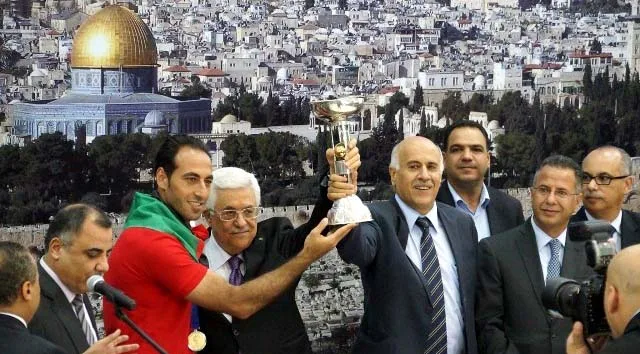
لكن الصدمة الكبيرة التي هزت كيان كل فلسطيني وكل من يتعاطف مع قضيتنا، هي في قرار الرجوب، رئيس الاتحاد الفلسطيني لكرة القدم، سحب طلب تجميد عضوية إسرائيل في الفيفا.

ولم تكن الصدمة الفلسطينية من ذلك القرار فقط، بل من عدم وضوح الموقف الفلسطيني من المنافسة بين بلاتر، إمبراطور الفيفا كما يصفه البعض، والأمير علي بن الحسين، على رئاسة “الفيفا”، فقد بدا حتى اللحظة الأخيرة أن الكف الفلسطينية تميل لبلاتر، وأن القرار بالتصويت للأمير اتُخذ في اللحظات الأخيرة، واعترف الرجوب بأنه تأخر في ذلك، برغم أن البعض شكك في صحة كلام الرجوب، لما رأوه من دفء الاحتفاء بفوز بلاتر برئاسة الفيفا.

جاءت هذه الحادثة لتكمل مسيرة الانبطاح السياسي الرسمي الفلسطيني في مواجهة عنجهية الاحتلال الإسرائيلي، وربما هي الأكثر تأثيرًا وقد نشهد ارتداداتها مستقبلًا، بسبب حاجتنا كفلسطينيين للأردن نظامًا وشعبًا، فالحادثة أخذت أبعادًا كبيرة نظرًا للهالة الإعلامية التي رافقت موقف رأس اتحاد الكرة الفلسطيني الرجوب من إسرائيل، ثم خذلانه لكل المتعاطفين معنا، وليس انتهاءً بما تحمله كرة القدم من اهتمام رسمي وشعبي كبير في العالم بأسره، فربما كانت هذه المرة الوحيدة التي احتاج فيها الأردن الصوت الفلسطيني، فإذا بالرجوب يضع الكل الفلسطيني وكأنه منزوع عن وطنيته وقوميته.

معركتنا مع الاحتلال لم تنته عند عتبات الفيفا، والفشل في هذه الجولة لا يستشرف الفشل المستقبلي، وإنما تقتضي الحالة إسناد المهام الرسمية والدبلوماسية للأكفأ، وهم كثر في وطننا، لمواصلة العمل على فضح إسرائيل وملاحقتها وفرض العزلة عليها، والعقوبات جراء الجرائم التي ارتكبتها في السابق، والجرائم المستمرة مثل الاستيطان، وهذا يتطلب تصحيح مسار الموقف الفلسطيني وشرعيته التي تآكلت نتيجة ممارسات أقل ما يمكن أن يقال فيها إنها صبيانية.

إن عدم الاجتهاد في جمع أوراق القوة والضغط، واستخدام الأدوات المناسبة لفضح الاحتلال وعزله، سيتسبب بمزيدٍ من التراجع الفلسطيني في المحافل الدولية، وستفقد القضية الفلسطينية رونقها لدى الشعوب، خصوصًا إن أسأنا التصرف تجاه بعض رموزهم واهتماماتهم، فنحن بحاجة لجهد الجميع.

وليس أقل من أن نلعب السياسة في ملاعب كرة القدم، وأن نحرز الأهداف في مرمى خصمنا، وأن نصطف كحاجز دفاعي صلب أمام مهاجمي إسرائيل ومعاونيهم، لنحقق الثبات حتى انتهاء الجولة، ونطرد خصمنا المحتل عن ملعبنا.

TAGGED: الفيفا ، انتخابات الفيفا ، تعليق عضوية إسرائيل بالفيفا ، فساد الفيفا
Download this article as PDF
Share this Article
Facebook Twitter Whatsapp Whatsapp Telegram Email Copy Link
محمد عوده
By محمد عوده باحث في الشأن الإقليمي
Follow:
Next Article نون بوست The Stigma of “ISIS”: A Heavy Legacy Haunting Women and Children of Former Members
part of the design
NoonPost Weekly Newsletter
dark

An independent media platform founded in 2013, rooted in slow journalism, producing in-depth reports, analysis, and multimedia content to offer deeper perspectives on the news, led by a diverse young team from several Arab countries.

  • Politics
  • Society
  • Rights & Liberties
  • Opinions
  • History
  • Sports
  • Education
  • Technology
  • Economy
  • Media
  • Arts & Literature
  • Entrepreneurship
  • Travel
  • Cinema & Drama
  • Food
  • Health
  • Culture
  • Latest Reports
  • Files
  • Long Reads
  • Interviews
  • Podcast
  • Interactive
  • Encyclopedia
  • In Pictures
  • About Us
  • Our Writers
  • Write for Us
  • Editorial Policy
  • Advanced Search
Some rights reserved under a Creative Commons license

Removed from favorites

Undo
Go to mobile version