NoonPost NoonPost

NoonPost

  • Home
  • Politics
  • Economy
  • Society
  • Culture
  • Files
  • Long Reads
  • Podcast
AR
Notification Show More
نون بوست
“There Are Nights I Can’t Close My Eyes”: How Gazans Are Living in Homes on the Brink of Collapse
نون بوست
From al-Jolani to Ahmad al-Shara: The Evolution of Syria’s New Leader
نون بوست
When Political Islam Receded in Egypt: Who Filled the Void?
نون بوست
An Extension of Genocide: Gaza’s Detainees Speak Out
نون بوست
A Tightrope Between Survival and Sovereignty: The Syrian Government Faces Normalization Pressures
نون بوست
American Aircraft Carriers: Has the Era of “100,000 Tons of Diplomacy” Ended?
نون بوست
U.S. Regime‑Change Policies: Why They Are Destined to Fail
نون بوست
Transformations of Israeli Judaism: Between the Victim Complex and the Colonizer’s Doctrine
نون بوست
The Gulf’s Balancing Act: Iran, Israel, and Hidden Links
نون بوست
Iraq–Turkey Oil Export Treaty: Why Did Ankara Cancel It After 52 Years?
نون بوست
Syria’s Northeast on Edge: QSD Between Ankara and Damascus
نون بوست
Has Europe Changed Its Stance on Israel… or Just Its Language?
NoonPost NoonPost
AR
Notification Show More
نون بوست
“There Are Nights I Can’t Close My Eyes”: How Gazans Are Living in Homes on the Brink of Collapse
نون بوست
From al-Jolani to Ahmad al-Shara: The Evolution of Syria’s New Leader
نون بوست
When Political Islam Receded in Egypt: Who Filled the Void?
نون بوست
An Extension of Genocide: Gaza’s Detainees Speak Out
نون بوست
A Tightrope Between Survival and Sovereignty: The Syrian Government Faces Normalization Pressures
نون بوست
American Aircraft Carriers: Has the Era of “100,000 Tons of Diplomacy” Ended?
نون بوست
U.S. Regime‑Change Policies: Why They Are Destined to Fail
نون بوست
Transformations of Israeli Judaism: Between the Victim Complex and the Colonizer’s Doctrine
نون بوست
The Gulf’s Balancing Act: Iran, Israel, and Hidden Links
نون بوست
Iraq–Turkey Oil Export Treaty: Why Did Ankara Cancel It After 52 Years?
نون بوست
Syria’s Northeast on Edge: QSD Between Ankara and Damascus
نون بوست
Has Europe Changed Its Stance on Israel… or Just Its Language?
Follow US

Is Iran Enlisting Iraqi and Lebanese Militias to Quell Protests?

فريق التحرير
Noon Post Published 26 March ,2026
Share
نون بوست
نون بوست

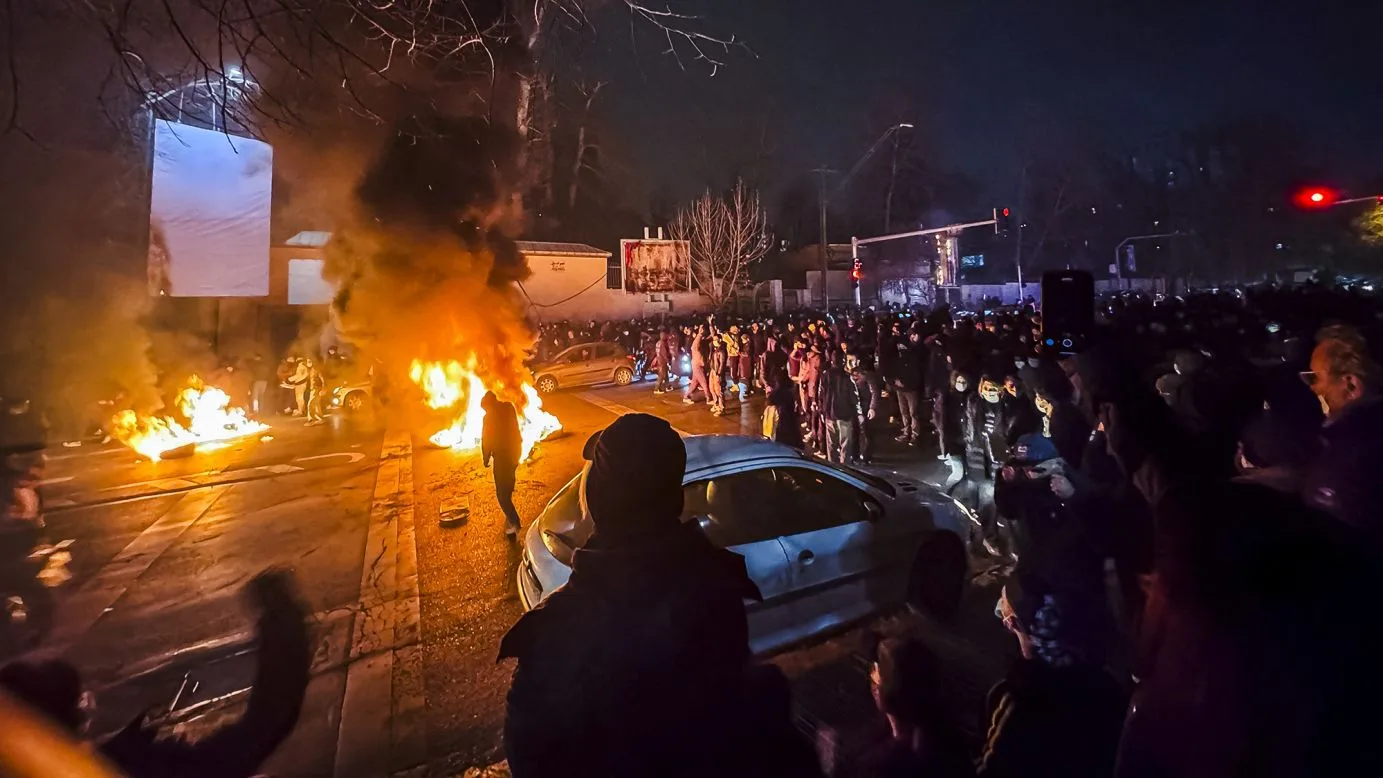
As anti-government protests sweep across all 31 provinces of Iran within just a few weeks, multiple reports suggest that Tehran has turned to allied Iraqi and Lebanese militias to help suppress the growing unrest.

Since late 2025, Iran has witnessed a wave of large-scale demonstrations fueled by economic collapse, soaring living costs, and the freefall of the national currency. What began as an outcry over deteriorating living conditions quickly escalated into politically charged demands challenging the rule of the Supreme Leader.

Clashes between protesters and security forces have so far left at least 490 demonstrators dead and over 10,600 detained within two weeks, as authorities respond with a brutal crackdown. Amid rising violence, emerging reports indicate that Tehran may be drawing on foreign allies to assist in putting down the protests.

Iraqi Militias

Opposition media outlets and intelligence sources have reported that Iran has deployed loyal Iraqi Shiite militias to reinforce its security apparatus.

According to a report by Iran International, Iraqi militias affiliated with Iran’s Islamic Revolutionary Guard Corps (IRGC) began recruiting fighters in early January 2026 to support Iranian forces in their efforts to quell the unrest.

The report states that roughly 800 Iraqi fighters have been sent to Iran so far, primarily from Kataib Hezbollah, Harakat al-Nujaba, Liwa Sayyid al-Shuhada, and the Badr Organization all components of the Popular Mobilization Forces (PMF).

The fighters reportedly entered Iran via border crossings in the provinces of Diyala, Maysan, and Basra, under the guise of religious pilgrimage trips to visit shrines in the city of Mashhad.

Once inside Iran, the combatants assembled at a military base in Ahvaz, a city in southwestern Iran under the authority of the Supreme Leader’s office, before being deployed to various regions to help suppress the escalating protests, the report added.

This is not the first time such reports have surfaced. In previous waves of unrest, demonstrators claimed to hear Arabic dialects among security personnel cracking down on protests fueling suspicions of non-Iranian involvement.

Speculation intensified following a secret, brief visit to Baghdad by Esmail Qaani, commander of the Quds Force, between January 6 and 8, 2026. During the visit, Qaani reportedly held closed-door meetings with leaders of several armed factions.

While official reports claimed the visit aimed to “resolve internal disputes” among Iraqi militias over a domestic judicial initiative to disarm them, the timing coinciding with Iran’s mass protests has raised questions about other, undisclosed objectives.

These developments come as Washington steps up pressure on Baghdad to curb the influence of Iran-aligned militias and dismantle their networks, arguing they undermine Iraqi sovereignty.

Hezbollah’s Involvement

The reports are not limited to Iraqi groups. Intelligence sources cited by Western media suggest that members of Lebanon’s Hezbollah have also crossed into Iran. Approximately 850 foreign fighters are believed to have infiltrated the country to support the crackdown, including operatives from Hezbollah and Quds Force-linked units.

A report by Fox News confirmed that Hezbollah fighters entered Iran alongside Iraqi militiamen to bolster security forces confronting the nationwide uprising.

This aligns with a formal warning from the US State Department, which expressed deep concern over reports that the Iranian regime was deploying “terrorists from Hezbollah and Iraqi militias” to repress peaceful protests.

In a post on X in Persian, the US State Department stated:

“The regime has spent billions of Iranian people’s money on terrorist proxies. Using these forces against its own citizens would constitute yet another grave betrayal of the Iranian people.”

Official Silence

Despite growing media coverage of foreign militia involvement, none of the governments concerned have issued a clear denial or confirmation. Iran, for its part, continues to accuse so-called “rioters” of receiving support from foreign powers such as the United States and Israel, while remaining silent on allegations of its own use of foreign paramilitary forces.

According to Iran International, Iraqi government officials are aware of the mobilization of fighters into Iran but have opted not to comment publicly to avoid political embarrassment.

Meanwhile, leaders of Iraqi factions have issued veiled denials and vague remarks distancing themselves from any direct involvement. Hussein Al-Okabi (also known as Al-Shihani), a senior figure in the political wing of Asaib Ahl al-Haq, stated that Iraqi factions remain committed to fundamental principles, foremost among them the religious authority in Najaf and Baghdad’s sovereignty in matters of war and peace.

Similarly, Hadi Al-Saadi, another senior Asaib Ahl al-Haq commander, said Iran is fully capable of managing its internal crises and deterring external threats without needing Iraqi intervention. He stressed that Iraqi factions have not historically functioned as automatic extensions of Iran’s deterrence apparatus unless Iraq’s own security is at risk.

If reports of Iraqi militia involvement in repressing Iranian protesters are accurate, it could further inflame public outrage against a regime accused of spending national resources on foreign militias only to bring them home to crush its own people.

In Iraq, the involvement of Iraqi fighters in killing Iranian civilians could spark domestic backlash and further embarrass a government already under intense American pressure to rein in and dismantle the militias.

As demonstrators across Iran continue to defy the security crackdown, all eyes remain on the ground for any concrete evidence confirming or disproving direct Iraqi or Lebanese involvement in suppressing the uprising.

Download this article as PDF
Share this Article
Facebook Twitter Whatsapp Whatsapp Telegram Email Copy Link
فريق التحرير
By فريق التحرير تقارير يعدها فريق تحرير نون بوست.
Follow:
Previous Article نون بوست Islands, Bases, and Ports: What the UAE Lost in Yemen in Just One Week
Next Article نون بوست “No Banned Books in the New Syria”: An Interview with Ahmad Jassem Al-Hussein, the Head of the Arab Writers Union

Read More

  • U.S. Regime‑Change Policies: Why They Are Destined to Fail U.S. Regime‑Change Policies: Why They Are Destined to Fail
  • The Gulf’s Balancing Act: Iran, Israel, and Hidden Links
  • Iraq–Turkey Oil Export Treaty: Why Did Ankara Cancel It After 52 Years?
  • Syria’s Northeast on Edge: QSD Between Ankara and Damascus
  • Has Europe Changed Its Stance on Israel… or Just Its Language?
part of the design
NoonPost Weekly Newsletter

You May Also Like

U.S. Regime‑Change Policies: Why They Are Destined to Fail

U.S. Regime‑Change Policies: Why They Are Destined to Fail

إسراء سيد Esraa sayed 8 April ,2026
The Gulf’s Balancing Act: Iran, Israel, and Hidden Links

The Gulf’s Balancing Act: Iran, Israel, and Hidden Links

فريق التحرير Noon Post 8 April ,2026
Iraq–Turkey Oil Export Treaty: Why Did Ankara Cancel It After 52 Years?

Iraq–Turkey Oil Export Treaty: Why Did Ankara Cancel It After 52 Years?

فريق التحرير Noon Post 8 April ,2026

في ليلة القدر: سناب تشات ينقل العالم إلى مكة

فريق التحرير
Noon Post Published 14 July ,2015
Share
mecca_twitter

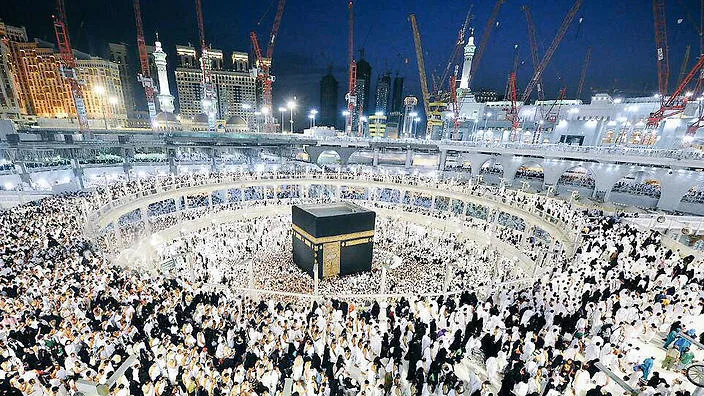
قبل أسبوع عرض تطبيق سناب شات مقاطع فيديو وصور من تل أبيب، عاصمة دولة الاحتلال الإسرائيلي؛ الأمر أثار حفيظة عشرات الآلاف من المغردين المسلمين عبر العالم، ما حداهم بإطلاق حملة لمطالبة سناب شات بتخصيص ليلة 27 من رمضان، ليعرض فيها التطبيق صورًا من مكة المكرمة في ليلة القدر، بعنوان “مكة لايف”.

المبادرة التي أطلقها الشاب السعودي أحمد الجبرين لقيت تفاعلاً واسعًا في شبكة التواصل الاجتماعي “تويتر”.

وذكر الجبرين أنه ‏دعى عبر حسابه على “سناب شات” لمطالبة شركة “سناب شات” بنشر ⁧#مكه_لايف⁩ ⁦#mecca_live⁩ في ليلة 27 من رمضان.

تكلمت في حسابي في سناب تشات عن ردود الفعل بعد ⁧#تل_ابيب_لايف⁩ من نشر هاشتاقات تطالب بغزة لايف وبعضهم هاجم شركة سناب تشات على نشرها.

— أحمد الجبرين (@Aljbreen) July 8, 2015

فكرت ليه مانتعاون ونسوي حملة نطلب من شركة ⁦

فكرت ليه مانتعاون ونسوي حملة نطلب من شركة ⁦@Snapchat⁩ نشر ⁧#مكه_لايف⁩ ⁦#mecca_live⁩ في ليلة ٢٧ من رمضان .. بيكون تأثيرها عالي جداً بإذن الله

— أحمد الجبرين (@Aljbreen) July 8, 2015


?ref_src=twsrc%5Etfw”>July 8, 2015

فكرت ليه مانتعاون ونسوي حملة نطلب من شركة ⁦

فكرت ليه مانتعاون ونسوي حملة نطلب من شركة ⁦@Snapchat⁩ نشر ⁧#مكه_لايف⁩ ⁦#mecca_live⁩ في ليلة ٢٧ من رمضان .. بيكون تأثيرها عالي جداً بإذن الله

— أحمد الجبرين (@Aljbreen) July 8, 2015


?ref_src=twsrc%5Etfw”>July 8, 2015

وسيُعد ملف فيه تغريدات جاهزة (لمن لا يجيد الانجليزية) وكل ما عليك نسخ التغريدات وارسالها لهم.

— أحمد الجبرين (@Aljbreen) July 8, 2015

إذا نجحت الحملة بتكون أكبر حملة تسويقية للإسلام والمسلمين

— أحمد الجبرين (@Aljbreen) July 8, 2015

وقام أحمد بالفعل بإرسال تغريدة لحساب سناب شات، تمت إعادة تغريدها أكثر من 5000 مرة

Hey @Snapchat
Can you imagine more than 2 million people from different countries will be in one spot at the same time
On July13 #mecca_live

— أحمد الجبرين (@Aljbreen) July 8, 2015

وخلال يوم واحد تصدر الوسمين بالعربية والإنجليزية تويتر في السعودية، وحل سابعًا في الأعلى تناولاً بالعالم بنحو ربع مليون تغريدة؛ وهو ما أدى بالشركة والتطبيق إلى الاستجابة لمطالب المغردين في نهاية المطاف.

الحمدلله نجحت حملتكم وتحقق الهدف، شركة سناب شات توافق على وضع #mecca_live

— أحمد الجبرين (@Aljbreen) July 13, 2015

واختارت إدارة التطبيق عددًا من المقاطع لنشرها لكل مستخدمي التطبيق في أنحاء العالم، يمكنك مشاهدتها في هذا الفيديو.

هذه المقاطع جلبت عشرات الآلاف من التعليقات على مواقع التواصل الاجتماعي من مسلمين وغير مسلمين تحدثوا عن تأثرهم بمشهد المسلمين في ليلة القدر.

هذه تقول بأنها ليست مسلمة لكن قصة مكة لايف جميلة جدًا، تظهر كيف أن المسلمين ليسوا كما يصورهم الإعلام، كم هو دين رائع!

أما ميريل هنا فتقول إن صور مكة لايف تجعلها ترغب أن تكون واحدة من هؤلاء! ربما يومًا ما.

جود تتساءل: هل يمكنك أن تتخيل كيف يمكن لـ2 مليون شخص أن يصطفوا كذلك بدون أن يرتبهم أحد.

#mecca_live could you imagine how the 2 million people do same thing at same time! without someone who arranges them pic.twitter.com/L5VlGdmuDc

— Wejdan (@utsa88) July 14, 2015

وتشارك العديدون صور الحرم المكي الذي صلى فيه بالأمس قرابة 2 مليون شخص.

و”سناب تشات” تطبيق الرسائل المصورة صاحب علامة الشبح المميزة، انضم لمواقع وتطبيقات التواصل الاجتماعي أواخر عام 2011 ليصبح اليوم من أكثر المواقع شهرة وشعبية بالعالم.

ويقدم التطبيق مجموعة من الخدمات تتيح لمستخدميه التقاط صور وتسجيل فيديو، وإضافة نص أو رسومات ومشاركتها مع قائمة الأصدقاء، ولكن “سناب تشات لايف” الأكثر إثارة للجدل يعتبر من أهم الخدمات التي يقدمها التطبيق للمدن، حيث يتم اختيار المناطق بشكل دوري، ويقوم السكان بنشر لقطات من حياتهم اليومية، وتتيح لهم الخدمة فرصة لنشر ثقافتهم وفعالياتهم خلال هذا اليوم. وبحسب الإحصاءات فإن مجموع مشاهدات المقاطع اليومية على سناب تشات تصل إلى 2 مليار مشاهدة يومية.

ومن المعروف أن هذه الصور ومقاطع الفيديو المرسلة على أنها “لقطات”، يعيّن المستخدمون مهلة زمنية لعرض لقطاتهم من ثانية واحدة إلى 10 ثوانٍ، وبعد ذلك ستكون مخفاة من الجهاز المتسلم وتحذف من الخوادم (سيرفرز) الخاصة بسناب تشات.


TAGGED: رمضان ، سناب شات ، مكة المكرمة ، مكة لايف
TAGGED: رمضان
Download this article as PDF
Share this Article
Facebook Twitter Whatsapp Whatsapp Telegram Email Copy Link
فريق التحرير
By فريق التحرير تقارير يعدها فريق تحرير نون بوست.
Follow:
Next Article نون بوست The Stigma of “ISIS”: A Heavy Legacy Haunting Women and Children of Former Members

Read More

  • U.S. Regime‑Change Policies: Why They Are Destined to Fail U.S. Regime‑Change Policies: Why They Are Destined to Fail
  • The Gulf’s Balancing Act: Iran, Israel, and Hidden Links
  • Iraq–Turkey Oil Export Treaty: Why Did Ankara Cancel It After 52 Years?
  • Syria’s Northeast on Edge: QSD Between Ankara and Damascus
  • Has Europe Changed Its Stance on Israel… or Just Its Language?
part of the design
NoonPost Weekly Newsletter
dark

An independent media platform founded in 2013, rooted in slow journalism, producing in-depth reports, analysis, and multimedia content to offer deeper perspectives on the news, led by a diverse young team from several Arab countries.

  • Politics
  • Society
  • Rights & Liberties
  • Opinions
  • History
  • Sports
  • Education
  • Technology
  • Economy
  • Media
  • Arts & Literature
  • Entrepreneurship
  • Travel
  • Cinema & Drama
  • Food
  • Health
  • Culture
  • Latest Reports
  • Files
  • Long Reads
  • Interviews
  • Podcast
  • Interactive
  • Encyclopedia
  • In Pictures
  • About Us
  • Our Writers
  • Write for Us
  • Editorial Policy
  • Advanced Search
Some rights reserved under a Creative Commons license

Removed from favorites

Undo
Go to mobile version