NoonPost NoonPost

NoonPost

  • Home
  • Politics
  • Economy
  • Society
  • Culture
  • Files
  • Long Reads
  • Podcast
AR
Notification Show More
نون بوست
“There Are Nights I Can’t Close My Eyes”: How Gazans Are Living in Homes on the Brink of Collapse
نون بوست
From al-Jolani to Ahmad al-Shara: The Evolution of Syria’s New Leader
نون بوست
When Political Islam Receded in Egypt: Who Filled the Void?
نون بوست
An Extension of Genocide: Gaza’s Detainees Speak Out
نون بوست
A Tightrope Between Survival and Sovereignty: The Syrian Government Faces Normalization Pressures
نون بوست
American Aircraft Carriers: Has the Era of “100,000 Tons of Diplomacy” Ended?
نون بوست
U.S. Regime‑Change Policies: Why They Are Destined to Fail
نون بوست
Transformations of Israeli Judaism: Between the Victim Complex and the Colonizer’s Doctrine
نون بوست
The Gulf’s Balancing Act: Iran, Israel, and Hidden Links
نون بوست
Iraq–Turkey Oil Export Treaty: Why Did Ankara Cancel It After 52 Years?
نون بوست
Syria’s Northeast on Edge: QSD Between Ankara and Damascus
نون بوست
Has Europe Changed Its Stance on Israel… or Just Its Language?
NoonPost NoonPost
AR
Notification Show More
نون بوست
“There Are Nights I Can’t Close My Eyes”: How Gazans Are Living in Homes on the Brink of Collapse
نون بوست
From al-Jolani to Ahmad al-Shara: The Evolution of Syria’s New Leader
نون بوست
When Political Islam Receded in Egypt: Who Filled the Void?
نون بوست
An Extension of Genocide: Gaza’s Detainees Speak Out
نون بوست
A Tightrope Between Survival and Sovereignty: The Syrian Government Faces Normalization Pressures
نون بوست
American Aircraft Carriers: Has the Era of “100,000 Tons of Diplomacy” Ended?
نون بوست
U.S. Regime‑Change Policies: Why They Are Destined to Fail
نون بوست
Transformations of Israeli Judaism: Between the Victim Complex and the Colonizer’s Doctrine
نون بوست
The Gulf’s Balancing Act: Iran, Israel, and Hidden Links
نون بوست
Iraq–Turkey Oil Export Treaty: Why Did Ankara Cancel It After 52 Years?
نون بوست
Syria’s Northeast on Edge: QSD Between Ankara and Damascus
نون بوست
Has Europe Changed Its Stance on Israel… or Just Its Language?
Follow US

Saudi Borrowing Plan: What It Reveals About the Cost of “Vision 2030”

فريق التحرير
Noon Post Published 26 March ,2026
Share
نون بوست

نون بوست

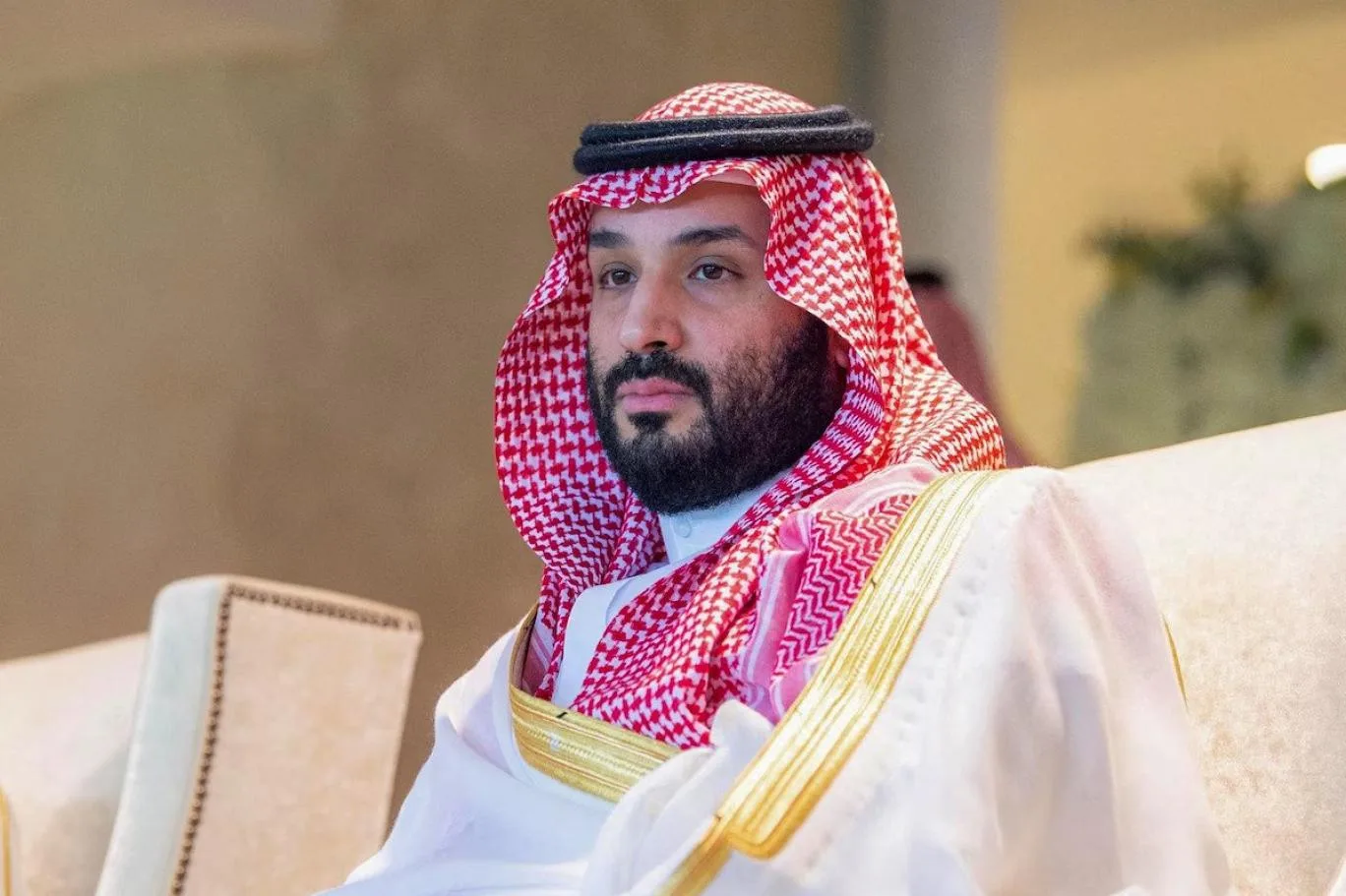
Saudi Arabia is preparing to finance its 2026 budget through unprecedented levels of borrowing, raising critical questions about the true cost of realizing its ambitious economic blueprint, Vision 2030. Finance Minister Mohammed Al-Jadaan has approved a borrowing plan for 2026 with an expected funding volume of 217 billion Saudi riyals (approximately $57.9 billion) to meet the Kingdom’s fiscal needs.

The move comes amid a projected budget deficit of 165 billion riyals ($44 billion) for 2026, in addition to outstanding debt obligations of nearly 52 billion riyals due that same year.

This trajectory highlights Saudi Arabia’s growing reliance on debt to maintain spending on large-scale development projects, even as oil revenues decline and the country’s economic transformation enters a pivotal phase.

Rising Financing Needs and Deficit Figures

Saudi Arabia’s 2026 budget figures point to a sharp increase in financing requirements due to a combination of falling oil revenues and increased spending. Following a surge in oil prices in 2022–2023, the Kingdom experienced a downturn in 2024–2025, marked by price declines and voluntary production cuts under OPEC+ agreements. These dynamics have squeezed oil income and widened the deficit gap.

As a result, the budget shortfall has grown significantly:

  • The 2025 deficit more than doubled expectations, reaching around 245 billion riyals compared to a target of 101 billion about 5.3% of GDP.

  • For 2026, the deficit is projected at 165 billion riyals (3.3% of GDP) lower than 2025 but still substantial.

This trend is not accidental but rather part of a deliberate policy. Minister Al-Jadaan has stated that the deficit is “intentional,” and that the government plans to maintain annual deficits through 2028 to support economic priorities. Public debt is expected to rise to around 1.5 trillion riyals by the end of 2025 (roughly 31.7% of GDP), up from 1.2 trillion in 2024.

Although the debt-to-GDP ratio remains moderate compared to other nations, experts caution that it increases the Kingdom’s fiscal sensitivity to further oil price shocks.

Nevertheless, low debt levels and substantial foreign reserves currently provide Saudi Arabia with room to maneuver, offering a cushion to continue borrowing in the near term.

Borrowing to Fund Economic Transformation

The planned deficits are driven by the Kingdom’s determination to finance Vision 2030 transformation projects despite oil market volatility. Now at the midpoint of a roadmap launched in 2016, Saudi Arabia requires hundreds of billions of dollars in public investment to diversify its economy away from oil.

With the 2026 budget, the Kingdom enters the “third phase” of Vision 2030. Accordingly, the government is maintaining expansionary spending on key sectors to sustain non-oil growth momentum even if it means covering the deficit through debt.

The annual borrowing plan indicates that funding will come from a mix of sources:

  • 20–30% from domestic debt markets

  • 25–30% from international markets

  • 50% through private sector partnerships

This approach reflects the leadership’s conviction that aggressive public spending today even at the cost of a deficit will yield a profound economic transformation by 2030.

Project Delays and Shifting Priorities

However, despite the Kingdom’s commitment to financing its bold vision, recent developments indicate a shift in spending and implementation priorities following challenges in some mega-projects that have proven either unfeasible or economically unsound.

Several flagship projects have faced delays and cost overruns—most notably the futuristic NEOM city and the luxury Sindalah Island resort, along with other high-end real estate ventures.

Notably, the 2026 budget makes no specific mention of these futuristic cities and islands, signaling a possible shift in strategy after mounting reports of implementation setbacks.

According to Reuters, the government and the $925 billion Public Investment Fund (PIF) are pivoting away from the real estate-centric investment focus of the past decade.

Instead, the emphasis is now shifting to strategic sectors such as logistics, mining, artificial intelligence, and religious tourism areas expected to deliver faster and more sustainable returns.

Minister Al-Jadaan confirmed that projects are being re-evaluated to ensure they generate the desired returns within realistic timeframes. Some initiatives previously described as overly ambitious are being scaled back to more achievable goals.

Deficit Pressures and Potential Measures

The widening deficit and increased borrowing raise questions about whether fiscal measures might be needed to curb debt growth or boost non-oil revenues.

In recent years, Saudi Arabia has made tough choices to bolster its treasury, including:

  • Tripling the value-added tax (VAT) from 5% to 15% in 2020 during the peak of the COVID-19 crisis and the oil price collapse a rate that has not been reversed.

  • Broadening its revenue base through indirect taxes and fees, such as excise taxes and levies on expatriates and state-owned enterprises.

  • Enhancing public spending efficiency, championed through institutions like the Expenditure and Projects Efficiency Authority (EXPRO) and the official narrative of “spending quality” in the 2026 budget statement.

However, in practice, fiscal discipline remains limited, as long as policy continues to emphasize spending on mega-events, entertainment, and large-scale projects.

Vision’s Price Tag: Investment or Risk?

Ultimately, Saudi Arabia’s plan to finance the 2026 deficit through borrowing underscores the steep cost of realizing Vision 2030 and its sweeping economic ambitions. The Kingdom is betting that today’s “intentional” deficits are strategic investments in a prosperous, diversified future hoping that the payoff in non-oil growth will materialize in the coming years.

Yet this equation carries calculated risks. The sustainability of this approach depends on rigorous fiscal management and effective project execution within a defined timeline.

Economists acknowledge Saudi Arabia’s current strengths a relatively low public debt burden and vast foreign assets as key buffers against short-term financial shocks. Still, they emphasize the importance of locking in multi-year spending commitments to ensure long-term sustainability.

The Kingdom will need to strike a careful balance between generously investing to realize Vision 2030 and avoiding a debt burden that could strain the economy in the future. Given the volatility and unpredictability of oil markets, success on this path will hinge on the adaptability and prudence of Saudi Arabia’s fiscal policies.

Download this article as PDF
Share this Article
Facebook Twitter Whatsapp Whatsapp Telegram Email Copy Link
فريق التحرير
By فريق التحرير تقارير يعدها فريق تحرير نون بوست.
Follow:
Previous Article نون بوست A US-Brokered Joint Mechanism: What Have Syria and Israel Agreed On?
Next Article نون بوست How Oil Is Redrawing Politics Between Baghdad, Erbil, and Ankara

Read More

  • U.S. Regime‑Change Policies: Why They Are Destined to Fail U.S. Regime‑Change Policies: Why They Are Destined to Fail
  • The Gulf’s Balancing Act: Iran, Israel, and Hidden Links
  • Iraq–Turkey Oil Export Treaty: Why Did Ankara Cancel It After 52 Years?
  • Syria’s Northeast on Edge: QSD Between Ankara and Damascus
  • Has Europe Changed Its Stance on Israel… or Just Its Language?
part of the design
NoonPost Weekly Newsletter

You May Also Like

U.S. Regime‑Change Policies: Why They Are Destined to Fail

U.S. Regime‑Change Policies: Why They Are Destined to Fail

إسراء سيد Esraa sayed 8 April ,2026
The Gulf’s Balancing Act: Iran, Israel, and Hidden Links

The Gulf’s Balancing Act: Iran, Israel, and Hidden Links

فريق التحرير Noon Post 8 April ,2026
Iraq–Turkey Oil Export Treaty: Why Did Ankara Cancel It After 52 Years?

Iraq–Turkey Oil Export Treaty: Why Did Ankara Cancel It After 52 Years?

فريق التحرير Noon Post 8 April ,2026

وتستمر لعنة ميسي مع الأرجنتين

أيهم المدرس
أيهم المدرس Published 23 July ,2015
Share
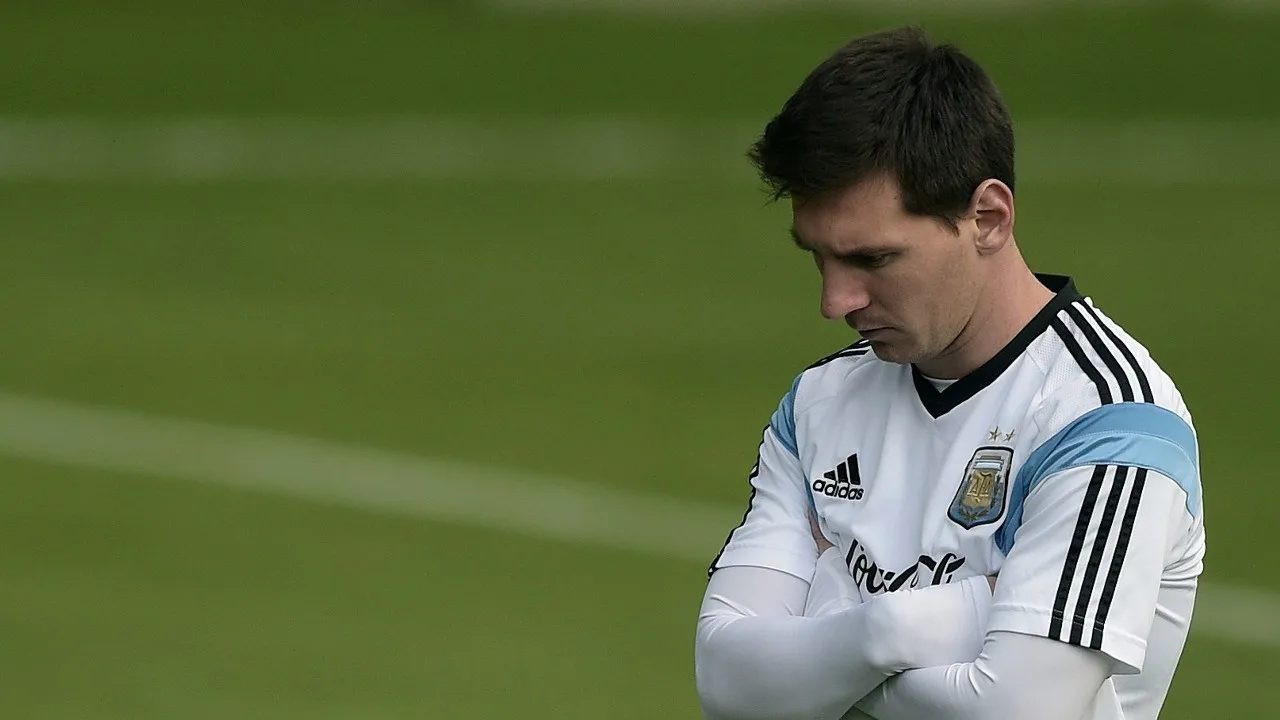
messi-sad

مذنبٌ أم بريء؟

مرة أخرى خسر ميسي الرهان، وسقط في امتحانٍ جديدٍ مع منتخب بلاده بالخسارة في نهائي كوبا أمريكا، ليتكرر إحباط كأس العالم الماضية وما سبقها من مسابقاتٍ، غاب التوفيق فيها عن ميسي ورفاقه، لتبقى شمس البطولات والألقاب غاربة عن سماء التانغو، ويبقى عداد الإنجازات الدولية للأسطورة الحية ميسي واقفًا عند نقطة الصفر، بعكس حاله مع نادي برشلونة، الذي حقق معه من الإنجازات والألقاب ما لا يعد ولا يحصى، الأمر الذي أثار حفيظة بعض النقاد والصحفيين الأرجنتينيين، الذين عادت أقلامهم للتحول إلى سياطٍ تجلد كابتن منتخب بلادهم، وتتهمه بالتقصير في أداء الواجب الوطني، مما حدا بالنجم المصدوم إلى إعلان سخطه وحنقه الذي وصل إلى حد التلميح بالاعتزال الدولي، رغم أنه مازال في بداية ربيعه الثامن والعشرين!

فماذا عن قصة نحس ميسي مع الأرجنتين؟ وهل للنقاد الحق في اتهاماتهم له بالتخاذل؟ أم أن الرجل برئ من ذلك براءة الذئب من دم يوسف؟ وفي جميع الأحوال، ما هي الأسباب التي أدت إلى ذلك النحس المزمن؟ وهل من علاجٍ ناجعٍ له؟ فلنناقش ونرى..

بداية القصة

نون بوست

ليس بإمكاننا في أي حالٍ من الأحوال نسب فترة فراغ البطولات التي يمر بها المنتخب الأرجنتيني إلى لاعبٍ بعينه، حتى ولو كان بحجم ميسي، فمنتخب التانغو يعيش فترة صيامٍ عن الألقاب، بدأت قبل حتى أن يلمس ليو أول كرة في حياته! وتحديدًا منذ عام 1993 عندما أحرز جيل غابرييل باتيستوتا لقب كوبا أمريكا للمرة الـ14 في تاريخ الأرجنتين، وحينها كان ميسي لايزال طفلًا في السادسة من عمره، وانتظر زهاء 12 عامًا أخرى حتى حظي بشرف تمثيل منتخب بلاده لأول مرةٍ، وذلك يوم الـ17 من أغسطس عام 2005، خلال مباراةٍ وديةٍ جمعت منتخب بلاده بالمجر في بودابست، حين شارك كبديلٍ للمهاجم ليساندرو لوبيز، ولم يمكث في الملعب أكثر من 44 ثانية تعرض بعدها للطرد المباشر إثر تدخله العنيف بالكوع على لاعبٍ مجري، لتكون البداية كارثيةً ولا تبشر بالخير، تمامًا كحال مستهل مبارياته الرسمية – غير الودية – مع المنتخب، والتي جاءت عام 2005 أيضًا ضمن تصفيات كأس العالم، وسقط حينها منتخب بلاده أمام الباراغواي في أسنسيون بهدفٍ وحيد، أما أول أهدافه الدولية فتأخرت حتى مشاركته السادسة، وجاءت خلال مباراة وديةٍ أمام منتخب كرواتيا في الأول من شهر مارس عام 2006، وارتبطت هي الأخرى بذكرى سيئة، حيث خسر منتخب التانغو حينها بثلاثة أهدافٍ لهدفين.

مشاركاتٌ وخيبات

نون بوست

أولى البطولات الكبرى التي شارك بها ميسي مع منتخب بلاده كانت كأس العالم عام 2006 في ألمانيا، وحينها لم يكن قد تجاوز الـ19 من عمره، ورغم إحرازه هدفًا أمام صربيا في ثاني مباريات الدور الأول، جعله أصغر من يسجل للأرجنتين عبر تاريخها في كؤوس العالم، إلا أنه لم يكن عنصرًا أساسيًا في تشكيلة خوسيه بيكرمان، التي خرجت بصعوبةٍ من الدور ربع النهائي إثر الخسارة بركلات الترجيح أمام ألمانيا المضيفة.

وبعدها بعام واحدٍ، تواجد “البرغوث” كما يُلقب، مع منتخب بلاده في فينزويلا لخوض غمار بطولة كوبا أمريكا، وكان حينها أصغر لاعبٍ في فريقه، الذي استطاع شق طريقه نحو المباراة النهائية، بعد تألق ميسي بتسجيله هدفين وصناعته مثلهما، ولكن الختام لم يكن مسكًا، بل كان حنظلًا، إذ تعرض ميسي ورفاقه إلى هزيمةٍ مريرةٍ أمام غريمه التقليدي البرازيلي، بثلاثة أهدافٍ نظيفة.

وفي مونديال جنوب أفريقيا عام 2010، لم ينجح الأسطورة مارادونا في نقل نجاحاته كلاعبٍ إلى فريقه كمدرب، فقد انقاد أبناء التانغو إلى خسارةٍ تاريخيةٍ في ربع النهائي على يد الماكينات الألمانية برباعيةٍ مذلةٍ، ودعوا من خلالها المونديال الأفريقي دون أية بصمةٍ تذكر، سوى أن نجمهم ليو ميسي، هداف هدافي أوروبا وأحسن لاعبٍ في العالم حينها، لم ينجح في تسجيل ولو هدفٍ واحدٍ خلال خمس مبارياتٍ خاضها في البطولة.

واستمر صيام ميسي عن التهديف في البطولات الكبرى، ففشل مرةً أخرى في تسجيل أي هدفٍ في نسخة عام 2011 من كوبا أمريكا، رغم إقامتها في ربوع بلاده الأرجنتين، التي ودعت المنافسات مبكرًا من الدور الثاني، إثر خسارتها بركلات الترجيح أمام منتخب الأورغواي.

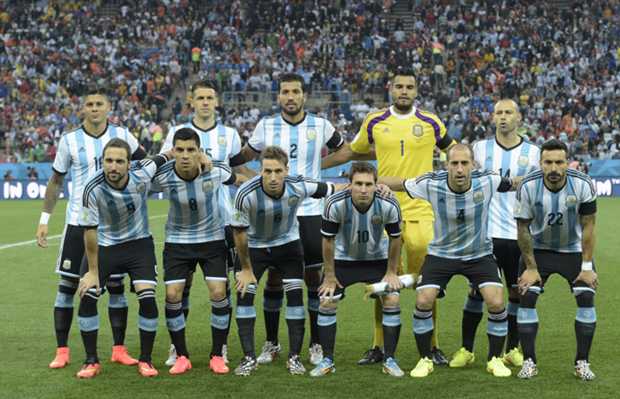
أما في كأس العالم الماضية التي جرت في البرازيل عام 2014، فقد قدم الأرجنتينيون – بقيادة المدرب أليخاندرو سابيا – عروضًا طيبةً في الدور الأول، الذي تألق خلاله البرغوث بتسجيله أربعة أهدافٍ في ثلاث مبارياتٍ، مما دعا الجميع للاعتقاد بأنها بطولة ميسي، وأن ماكينته التهديفية لن ترحم أحدًا، ولكن الذي حصل كان العكس، فقد توقفت أهدافه تمامًا بعد الدور الأول، فلم ينجح في التسجيل خلال مبارياته الثلاث قبل النهائي الحلم، الذي تحول إلى كابوسٍ لميسي ورفاقه، بعد تجرعهم علقم الهزيمة أمام منتخب المانشافت بهدف غوتزة في الوقت الإضافي الثاني، لتتكرس العقدة الألمانية عند أبناء التانغو، بعد توقف مسيرتهم المونديالية أمامهم بالذات للمرة الثالثة تواليًا.

وفي بطولة كوبا أمريكا الأخيرة التي استضافتها تشيلي، تكرر مسلسل الإحباط الأرجنتيني مع الكابتن ميسي، فلم ينجح في تسجيل أكثر من هدفٍ يتيم من ركلة جزاء في الدور الأول، خلال البطولة بأكملها، ولو أنه صنع ثلاثة أهدافٍ في نصف النهائي الذي انتهى بسداسية آرجنتينية في مرمى الباراغواي، ولكن نحس أبناء التانغو في البطولات استمر، وصيام برغوثهم عن التسجيل في المباريات النهائية استمر، فسقطوا مجددًا في النهائي أمام تشيلي هذه المرة بركلات الترجيح.

بقي أن نذكر أن قصة النحس بين ميسي والأرجنتين خاصةٌ بالمنتخب الأول فقط، فقد حقق الرجل لقب كأس العالم مع منتخب الأرجنتين للشباب عام 2005، كما أحرز الميدالية الذهبية رفقة المنتخب الأرجنتيني الأوليمبي (تحت 23 عامًا) في منافسات كرة القدم ضمن أولمبياد بكين 2008.

سرّ اللّعنة

نون بوست

إذا حاولنا البحث عن سبب هذه اللعنة المستمرة، واستقصاء السر الكامن خلف هذا التناقض الصارخ بين مسيرة ليو ميسي مع منتخب بلاده، ونظيرتها مع ناديه برشلونة، نجد أن العامل المعنوي هو ضالتنا المفقودة، فميسي من نوعية اللاعبين الذين تظهر الآثار النفسية على أدائهم بشدة، فإذا كان مرتاحًا مطمئن البال قدم أفضل ما لديه، أما إن كان قلقًا كليل الفؤاد، فإنه يظهر مهزوزًا شارد الذهن، بعيدًا تمامًا عن مستوياته الرائعة التي لطالما سحر بها أعين المشاهدين مع ناديه برشلونة، الذي يحرص بدوره من خلال جميع كوادره، إداريين ومدربين وحتى لاعبين، على إبقاء ميسي في أفضل حالةٍ معنويةً، من خلال تلبية جميع مطالبه الرياضية وغير الرياضية، والتي وصلت إلى حد التدخل في شؤون التعاقدات والاستغناءات وتعيين المدربين، كل ذلك في سبيل إرضاء النجم الذي يحقق للنادي مكاسب رياضية واقتصادية لا تعد ولا تحصى، أما في الأرجنتين فالحال مختلف بعض الشيء، فرغم اهتمام المعنيين فيه بإرضاء جوهرتهم ميسي، إلا أنهم لم يستطيعوا فرض طاعته على لاعبي الفريق من حوله، وكلنا يذكر كأس العالم 2010 والخلاف الصامت بين ميسي وهيغواين، والآخر المعلن بينه وبين تيفيز فيما سبق، هذه الخلافات حصل مثلها بالفعل في برشلونة بين ميسي من جهةٍ، وبين نجومٍ كبار كرونالدينيو وإيتو وابراهيموفيتش ودافيد فيا من جهة أخرى، جميع هذه الأسماء انتهى بهم المطاف خارج أسوار النادي الكتالوني لأنهم شقوا عصا الطاعة لميسي، وجيء بغيرهم من النجوم ليكونوا في خدمته! وهذا الأمر غير ممكن بالطبع في المنتخب الأرجنتيني بسبب محدودية الأسماء.

وهكذا، تبقى معادلة تألق ميسي مع منتخب بلاده صعبة التحقيق عصية على الحل في المدى المنظور، وتبقى أجواء منتخب التانغو مشحونة بالقلق والتوتر مع استمرار فشل أسطورتهم في نقل مستوياته الخارقة ونجاحاته الباهرة إلى صفوفهم، ليبقى هو المتهم الأول في هذا الفشل من قبل عددٍ غير قليل من النقاد والصحفيين وحتى الجمهور الأرجنتيني، الذين يحملونه دون غيره وزر تلك اللعنة المزمنة، ومعهم في ذلك كل الحق، طالما استمر البرغوث في تناقضه الغريب والمريب.

TAGGED: الاتحاد الدولي لكرة القدم ، القارة اللاتينية ، برشلونة ، كأس العالم ، منتخب الأرجنتين
TAGGED: كرة القدم
Download this article as PDF
Share this Article
Facebook Twitter Whatsapp Whatsapp Telegram Email Copy Link
أيهم المدرس
By أيهم المدرس كاتب سوري مهتم بالشأن الرياضي
Follow:
Next Article نون بوست The Stigma of “ISIS”: A Heavy Legacy Haunting Women and Children of Former Members
part of the design
NoonPost Weekly Newsletter
dark

An independent media platform founded in 2013, rooted in slow journalism, producing in-depth reports, analysis, and multimedia content to offer deeper perspectives on the news, led by a diverse young team from several Arab countries.

  • Politics
  • Society
  • Rights & Liberties
  • Opinions
  • History
  • Sports
  • Education
  • Technology
  • Economy
  • Media
  • Arts & Literature
  • Entrepreneurship
  • Travel
  • Cinema & Drama
  • Food
  • Health
  • Culture
  • Latest Reports
  • Files
  • Long Reads
  • Interviews
  • Podcast
  • Interactive
  • Encyclopedia
  • In Pictures
  • About Us
  • Our Writers
  • Write for Us
  • Editorial Policy
  • Advanced Search
Some rights reserved under a Creative Commons license

Removed from favorites

Undo
Go to mobile version