NoonPost NoonPost

NoonPost

  • Home
  • Politics
  • Economy
  • Society
  • Culture
  • Files
  • Long Reads
  • Podcast
AR
Notification Show More
نون بوست
“There Are Nights I Can’t Close My Eyes”: How Gazans Are Living in Homes on the Brink of Collapse
نون بوست
From al-Jolani to Ahmad al-Shara: The Evolution of Syria’s New Leader
نون بوست
When Political Islam Receded in Egypt: Who Filled the Void?
نون بوست
An Extension of Genocide: Gaza’s Detainees Speak Out
نون بوست
A Tightrope Between Survival and Sovereignty: The Syrian Government Faces Normalization Pressures
نون بوست
American Aircraft Carriers: Has the Era of “100,000 Tons of Diplomacy” Ended?
نون بوست
U.S. Regime‑Change Policies: Why They Are Destined to Fail
نون بوست
Transformations of Israeli Judaism: Between the Victim Complex and the Colonizer’s Doctrine
نون بوست
The Gulf’s Balancing Act: Iran, Israel, and Hidden Links
نون بوست
Iraq–Turkey Oil Export Treaty: Why Did Ankara Cancel It After 52 Years?
نون بوست
Syria’s Northeast on Edge: QSD Between Ankara and Damascus
نون بوست
Has Europe Changed Its Stance on Israel… or Just Its Language?
NoonPost NoonPost
AR
Notification Show More
نون بوست
“There Are Nights I Can’t Close My Eyes”: How Gazans Are Living in Homes on the Brink of Collapse
نون بوست
From al-Jolani to Ahmad al-Shara: The Evolution of Syria’s New Leader
نون بوست
When Political Islam Receded in Egypt: Who Filled the Void?
نون بوست
An Extension of Genocide: Gaza’s Detainees Speak Out
نون بوست
A Tightrope Between Survival and Sovereignty: The Syrian Government Faces Normalization Pressures
نون بوست
American Aircraft Carriers: Has the Era of “100,000 Tons of Diplomacy” Ended?
نون بوست
U.S. Regime‑Change Policies: Why They Are Destined to Fail
نون بوست
Transformations of Israeli Judaism: Between the Victim Complex and the Colonizer’s Doctrine
نون بوست
The Gulf’s Balancing Act: Iran, Israel, and Hidden Links
نون بوست
Iraq–Turkey Oil Export Treaty: Why Did Ankara Cancel It After 52 Years?
نون بوست
Syria’s Northeast on Edge: QSD Between Ankara and Damascus
نون بوست
Has Europe Changed Its Stance on Israel… or Just Its Language?
Follow US

A Slow Return to the Suez Canal: Why Are Shipping and Insurance Giants Still Hesitant?

فريق التحرير
Noon Post Published 26 March ,2026
Share
نون بوست
نون بوست

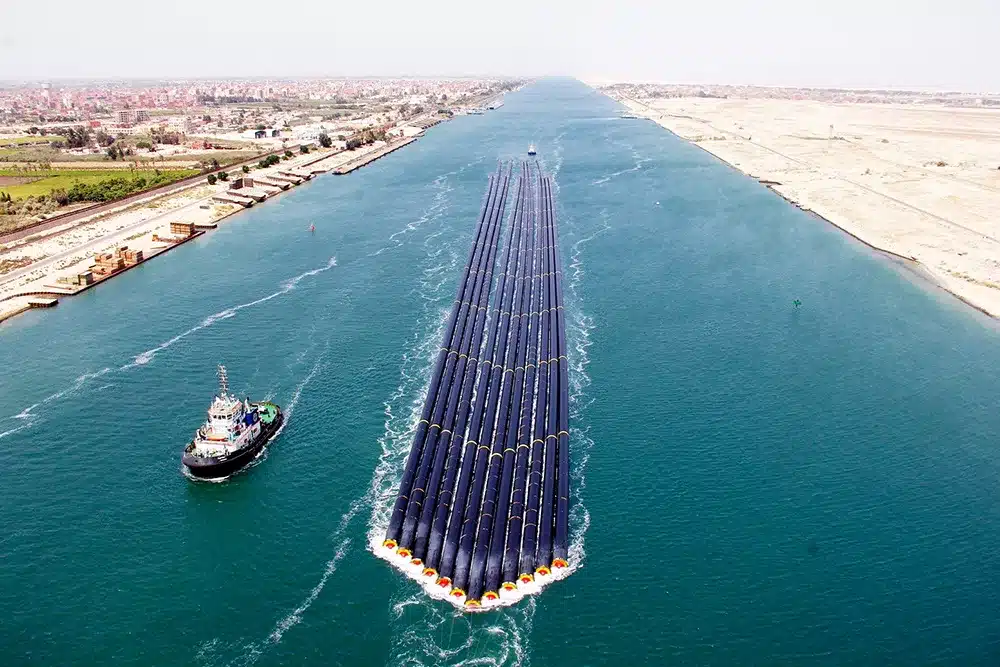
Two years after most container ships and tankers rerouted via the Cape of Good Hope to avoid Houthi attacks in the Red Sea, signs of relative calm in late 2025 have prompted some companies to tentatively consider returning to Egypt’s Suez Canal.

The Suez Canal and the Red Sea remain vital arteries of global trade. Yet, the path to normalization remains fraught with risks and costs, with potential bottlenecks and market disruption if all operators return at once. The real question is not whether traffic will resume, but when, how, and under what conditions?

Crisis by the Numbers

Scale of the withdrawal: The Suez Canal and Red Sea account for roughly 12–15% of global trade. As Houthi attacks surged from November 2023 to mid-2025, with more than 190 incidents container traffic through the canal dropped by 90% by early 2025 compared to early 2023.

Longer voyages and soaring fuel costs: Shipping lines were forced to detour around the Cape of Good Hope, southwest of South Africa, adding 10–15 days to Asia-Europe routes and increasing fuel consumption by around 40%. By 2024, the extended journey caused shipping costs to surge fivefold.

Insurance premiums and evolving threats: Marine insurance in London jumped from less than 0.1% of a ship’s value to 0.7–1% by mid-2025 translating to an extra $360,000 per voyage for a large crude oil tanker.

Economic toll on Egypt: Revenue from the Suez Canal plummeted by over 50% in 2024. Oil and refined product flows fell to around 3.9 million barrels per day down from 7.9 million in 2023. Egyptian President Abdel Fattah el-Sisi stated that canal revenues dropped by more than $7 billion due to the ongoing threats.

Signs of a Return — and What’s Driving It

Relative calm: Following a ceasefire agreement in Gaza and a halt in Houthi attacks on shipping, the International Maritime Organization recorded 28 daily ship transits through the Bab el-Mandeb strait compared to over 70 before the crisis.

By October 2025, Suez Canal revenues had risen 14.2% year-on-year, with 229 ships transiting in the same month the highest monthly figure since the onset of the crisis.

Pioneering returnees: France-based global shipping firm CMA CGM announced the relaunch of its INDAMEX service through the Suez Canal. Its vessel CMA CGM Verdi is scheduled to sail from Karachi to New York on January 15, 2026 marking the first ultra-large container ship (17,000 TEUs) to transit the canal in two years.

Cautious responses from others: Despite cautious optimism, major global players like Maersk and Hapag-Lloyd have yet to set firm return dates. Israeli shipping firm Zim said it would wait for insurance green lights before resuming canal transits. Maersk emphasized crew safety as its top priority and ruled out a rapid return.

Why a Swift Return Remains Unlikely

Persisting risks: Future decisions hinge on the perceived capability and intent of the Houthis to resume attacks. Data firm Xeneta, which monitors shipping rates and contracts, said operators won’t return on the basis of ceasefire statements alone they want “tangible proof” and insurance-backed guarantees. A lack of trust continues to delay a full-scale return.

Insurance hesitation: Insurers are reluctant to assume liability, especially with the marine insurance market now more adept at identifying high-risk targets. Vessels linked to Israel, the UK, or the US face steeper premiums.

Global firm Howden Insurance warned that risk pricing could remain elevated for years and that resuming direct oil shipments through the Red Sea could take “seasons, not weeks.”

Market pressures: Zim’s CEO noted that a return to the Suez would flood the market with container vessels at a time when new orders are already straining demand ships on order represent around 31% of the global fleet, potentially driving prices downward.

Realigned alliances: Dutch financial group ING reported that the Gemini Alliance a partnership between Maersk and Hapag-Lloyd—aims for 90% schedule reliability. The alliance is unlikely to disrupt its new network structure unless long-term stability is assured.

Market Impact and Freight Rate Dynamics

Rising overcapacity: According to Xeneta analysts, a rapid return to the Suez route could inject 20–30% additional capacity on Asia–Europe corridors, erasing the impact of the longer Cape route.

Meanwhile, the global fleet expanded by 10% in 2024 and is projected to grow another 6% in 2025 setting the stage for a supply glut that could push spot freight rates from $1,744 per forty-foot container back to pre-crisis levels.

Temporary spike, followed by a drop: A report by US-based logistics platform AJOT forecast that a surge in shipping capacity could initially cause fresh congestion at European ports briefly lifting rates but once schedules stabilize, oversupply will likely cause sharp rate declines.

2026 Scenarios

Gradual return: Experts anticipate some lines may resume Suez transits by December 2025 or early 2026 if calm persists. However, a full recovery may stretch into late 2026. The situation, they say, is like a partially repaired bridge drivers tend to wait before crossing to ensure it’s structurally sound.

Continued caution and insurance hikes: Trade intelligence firm Kpler argued that halting attacks isn’t enough escalations could quickly resume without a broader political resolution. Insurance caution will persist. If attacks resume, premiums could surge again and the region could be reclassified as high-risk.

Climate commitments at stake: Logistics experts warn that a hasty return could undermine emissions-reduction goals. The longer Cape route raised emissions by 40%. A phased return allows time to adopt cleaner fuels and develop greener infrastructure helping the industry stay aligned with International Maritime Organization climate targets.

Download this article as PDF
Share this Article
Facebook Twitter Whatsapp Whatsapp Telegram Email Copy Link
فريق التحرير
By فريق التحرير تقارير يعدها فريق تحرير نون بوست.
Follow:
Previous Article نون بوست Nikolay Mladenov: The Edge‑Management Man in Gaza — Why Is He Being Recycled Today?
Next Article نون بوست Secession or Normalization: What Role for Israel in Southern Yemen?

Read More

  • U.S. Regime‑Change Policies: Why They Are Destined to Fail U.S. Regime‑Change Policies: Why They Are Destined to Fail
  • The Gulf’s Balancing Act: Iran, Israel, and Hidden Links
  • Iraq–Turkey Oil Export Treaty: Why Did Ankara Cancel It After 52 Years?
  • Syria’s Northeast on Edge: QSD Between Ankara and Damascus
  • Has Europe Changed Its Stance on Israel… or Just Its Language?
part of the design
NoonPost Weekly Newsletter

You May Also Like

U.S. Regime‑Change Policies: Why They Are Destined to Fail

U.S. Regime‑Change Policies: Why They Are Destined to Fail

إسراء سيد Esraa sayed 8 April ,2026
The Gulf’s Balancing Act: Iran, Israel, and Hidden Links

The Gulf’s Balancing Act: Iran, Israel, and Hidden Links

فريق التحرير Noon Post 8 April ,2026
Iraq–Turkey Oil Export Treaty: Why Did Ankara Cancel It After 52 Years?

Iraq–Turkey Oil Export Treaty: Why Did Ankara Cancel It After 52 Years?

فريق التحرير Noon Post 8 April ,2026

المنتخب السوري لكرة القدم بين ماضٍ فقير وحاضرٍ مرير

أيهم المدرس
أيهم المدرس Published 3 September ,2015
Share
1-108023532

المأساة:

ككاتبٍ مختصٍّ بالشأن الرياضي، كثيرة كانت المرات التي أمسكت فيها قلمي محاولاً كتابة موضوع يتحدث عن منتخب بلادي لكرة القدم، وغزيرة كانت الدموع التي ذرفتها وأنا أحاول ذلك!

وهأنذا أعيد الكرّة اليوم، على أمل أن أتمكن من كبح جماح عواطفي، والمضي بالمقال في سياقٍ موضوعي رياضي بحت، بعيدًا عن الخوض في عمق مأساة بلادي، التي انطبق عليها قول الشاعر: تِـلكَ الـمُصِيبَةُ أَنسَت ما تَقَدَّمَها .. وَمـا لَـها مِن طِوَالِ الدَّهرِ نِسيانُ.

ذكرياتٌ في البال

نون بوست

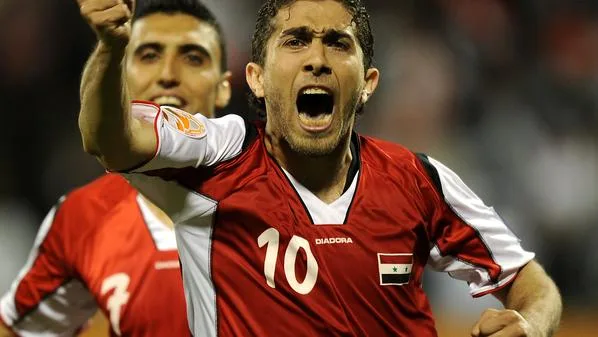
رغم شعبها الذي يعشق كرة القدم حتى النخاع، ومواهبها التي لا تكاد تخلو حقبة تاريخية منها، لا تتمتع سورية بماضٍ كروي مشرقٍ على صعيد المنتخب الوطني، ربما بسبب شح الموارد وضعف الاهتمام الرسمي الذي لا تعد الرياضة عمومًا من أولوياته، أو بسبب انتشار البيروقراطية والمحسوبيات في بلدٍ ضربت جذور الفساد عميقًا في تاريخه وطالت جميع مفاصل حياته، ولم تكن كرة القدم استثناءً، فرغم قدم تأسيس اتحاد الكرة نسبيًا – عام 1936 -، ليس للمنتخب السوري الأول من إنجازات تذكر على الصعيدين العالمي والقاري، فتاريخه مع البطولة الكروية الأهم (كأس العالم) عامر بالخيبات المتكررة والخروج الدائم من الأدوار التصفوية، التي كانت أفضل جولاته فيها خلال تصفيات مونديال المكسيك عام 1986، عندما بلغ الدور النهائي من تصفيات القارة الأسيوية وخسر حينها بطاقة التأهل لصالح شقيقه العراقي.

أما على صعيد كأس أمم أسيا فالحال ليس أفضل بكثير، إذ لم يستطع منتخب “نسور قاسيون” تجاوز دور المجموعات في مشاركاته الخمس ضمن النهائيات، والتي كان أولها عام 1980، حيث سجل منتخب سورية الوطني تواجده الأول في المحافل الكروية الكبرى.

وتبقى ذاكرة السوريين محتفظة بذكريات بطولات كأس العرب، التي يحظى المنتخب السوري في سجلاتها باسم يذكر، فهو وصيف ثلاث نسخ منها أعوام (1963، 1966، و1988)، كما أنه يمتلك في خزائنه لقب بطل مسابقة كرة القدم في دورة الألعاب العربية التي أقيمت عام 1957 في لبنان، إضافةً إلى حلوله وصيفًا في مناسبتين عامي 1953 و1997.

كما تعتبر بطولة غرب أسيا من المسابقات المفضلة لدى المنتخب السوري، فهو استطاع الوصول إلى مركز الوصافة فيها مرتين عامي 2000 و2004، قبل أن يتمكن من إحراز لقبه الوحيد فيها عام 2012، في البطولة التي أقيمت في الكويت وفاز في مباراتها النهائية على شقيقه العراقي.

وعلى الرغم من تصنيفها كبطولة للفئات السنية لا للمنتخبات الأولى، تحتل الميدالية الذهبية التي أحرزها المنتخب الأولمبي (تحت 23 عامًا) ضمن فعاليات دورة ألعاب البحر الأبيض المتوسط التي استضافتها اللاذقية عام 1987، حيزًا هامًا في ذاكرة الجمهور السوري الذي مازال يذكر نجوم تلك الحقبة بكل خير.

المنتخب في زمن الحرب

نون بوست

ألقت الأحداث المأساوية التي عاشتها سورية – ولم تزل – بأوزارها الرهيبة على الجسد الرياضي، ولاسيما كرة القدم، فتوقفت بطولة الدوري فيها مراتٍ عديدةٍ، قبل أن تُتخذ القرارات بحصر مباريات الدوري ضمن تجمعات تقام في ملاعب العاصمة دمشق واللاذقية دون جمهور، كما شهدت الفترة ذاتها هجرة عددٍ كبير من اللاعبين السوريين الذين هربوا من ويلات الحرب نحو بلدانٍ أكثر أمنًا.

أما فيما يتعلق بالمنتخب الوطني الأول، فبعد بلوغه عام 2011 نهائيات أمم أسيا للمرة الخامسة في تاريخه ووداعه منافساتها من الدور الأول كالمعتاد، توقفت عجلة مشاركاته الدولية تمامًا، فعاش حوالي عامين من الركود والابتعاد عن المباريات الرسمية والودية، قبل أن تشهد بداية مشاركاته في تصفيات كأس العالم الأخيرة فضيحة كروية مدوية، تمثلت باستبعاده عن المنافسة من قِبل الفيفا، نتيجة مخالفة تنظيمية سببها إشراك اللاعب جورج مراد، المسجل ضمن لوائح المنتخب السويدي!

ولم تكن مشاركته في تصفيات أمم أسيا الماضية بأفضل حالًا، فودع منافساتها مبكرًا بعد تعرضه لأربع هزائم من أصل ست مبارياتٍ لعبها خلال مرحلة التصفيات، مما أدى لهبوطه إلى أدنى مركز في تاريخه على سلم التصنيف الشهري لمنتخبات الفيفا، وهو المركز 152 عالميًا، وذلك في سبتمبر من عام 2014.

بعدها سعى المعنيون في اتحاد الكرة إلى لملمة شتات المنتخب من جديد، في محاولةٍ للاستفادة من الخبرات التي كسبها اللاعبون السوريون إثر احترافهم الخارجي، فنجحوا منذ أواخر العام الماضي في تحقيق عدة انتصارات ودية على منتخبات تفوقهم تصنيفًا كماليزيا وإندونيسيا والأردن وعُمان وطاجيكستان، مما أدى إلى ارتقائهم على سلم تصنيف الفيفا ليحتلوا المركز الـ14 أسيويًا والـ117 عالميًا، مما خولهم دخول قرعة التصفيات المشتركة لكأس العالم 2018 وكأس أمم أسيا 2019 وهم في الصف الثاني تصنيفيًا، فوقعوا ضمن المجموعة الخامسة إلى جانب منتخبات: اليابان، سنغافورة، كمبوديا، وأفغانستان، حيث استهلوا مبارياتهم شهر يونيو الماضي بفوزٍ عريضٍ على أفغانستان قوامه نصف دستة من الأهداف، في المباراة التي اضطروا لخوضها في مدينة مشهد الإيرانية، تنفيذًا لقرار الفيفا بحظر إقامة المباريات في سورية بسبب أحداث العنف التي تشهدها.

أجيال

نون بوست

يمثل جيل الثمانينيات ومطلع التسعينيات بما احتواه من مواهب ممتازة، الحقبة الذهبية في تاريخ المنتخب السوري، فمال تزال أسماء كمروان مدراتي، كيفورك مارديكيان، جهاد الأشرفي، عبد القادر كردغلي، وليد أبو السل، مالك شكوحي، نزار محروس، جورج خوري، ومناف رمضان، تحمل أطيب الذكريات في قلوب الجمهور السوري العاشق للكرة، ومن بعدهم برز جيل آخر من الموهوبين، على رأسهم الهداف الرائع عبد اللطيف الحلو، والمدفعجي الشهير محمد عفش، والجوكر المشاكس علي الشيخ ديب، والصخرة رضوان الشيخ حسن، ومن ورائهم جاء دور جيل أبطال أسيا للشباب عام 1994، كنهاد البوشي، نادر جوخدار، خالد الظاهر، وعمار ريحاوي، الذين استمر تألقهم حتى منتصف الألفية الجديدة التي شهدت كذلك بروز أسماء كعارف الآغا، سيد بيازيد، وماهر السيد.

وبالحديث عن أبرز لاعبي الحقبة الحالية، نجد أسماءً تألقت بشدة ولكن بريقها خفت مؤخرًا، كفراس الخطيب، عاطف جنيات، عبد الفتاح الآغا، وجهاد الحسين، وأخرى مستمرة في تميزها وهي تشكل عماد المنتخب الحالي: كعبد الرزاق حسين، سنحاريب ملكي، رجا رافع، وائل عيان، نديم الصباغ، والحارس مصعب بلحوس، إضافةً إلى الهداف اللامع عمر السومة، الذي حالت المواقف السياسية بينه وبين الانضمام للمنتخب، شأنه شأن العديد من اللاعبين الآخرين.

أمل

وهكذا، تستمر عجلة الكرة السورية بالدوران بين ماضٍ فقيرٍ محدود الإنجازات، وحاضرٍ مريرٍ أنهكته الحروب والنزاعات، على أمل أن يمن الله – سبحانه وتعالى – بالفرج على البلاد والعباد، فيعود للسماء إزرقاقها وصفاؤها، وللملاعب إخضرارها ورونقها، وتشرق شمس السلام، لتنير أرض الشام، وتحضن بدفئها قلوب الأنام، التي أعيتها الكروب والآلام.

TAGGED: المنتخب السوري كرة القدم ، بطولة أمم أسيا ، كأس العالم ، كرة القدم السورية
TAGGED: كرة القدم
Download this article as PDF
Share this Article
Facebook Twitter Whatsapp Whatsapp Telegram Email Copy Link
أيهم المدرس
By أيهم المدرس كاتب سوري مهتم بالشأن الرياضي
Follow:
Next Article نون بوست The Stigma of “ISIS”: A Heavy Legacy Haunting Women and Children of Former Members

Read More

  • U.S. Regime‑Change Policies: Why They Are Destined to Fail U.S. Regime‑Change Policies: Why They Are Destined to Fail
  • The Gulf’s Balancing Act: Iran, Israel, and Hidden Links
  • Iraq–Turkey Oil Export Treaty: Why Did Ankara Cancel It After 52 Years?
  • Syria’s Northeast on Edge: QSD Between Ankara and Damascus
  • Has Europe Changed Its Stance on Israel… or Just Its Language?
part of the design
NoonPost Weekly Newsletter
dark

An independent media platform founded in 2013, rooted in slow journalism, producing in-depth reports, analysis, and multimedia content to offer deeper perspectives on the news, led by a diverse young team from several Arab countries.

  • Politics
  • Society
  • Rights & Liberties
  • Opinions
  • History
  • Sports
  • Education
  • Technology
  • Economy
  • Media
  • Arts & Literature
  • Entrepreneurship
  • Travel
  • Cinema & Drama
  • Food
  • Health
  • Culture
  • Latest Reports
  • Files
  • Long Reads
  • Interviews
  • Podcast
  • Interactive
  • Encyclopedia
  • In Pictures
  • About Us
  • Our Writers
  • Write for Us
  • Editorial Policy
  • Advanced Search
Some rights reserved under a Creative Commons license

Removed from favorites

Undo
Go to mobile version