NoonPost NoonPost

NoonPost

  • Home
  • Politics
  • Economy
  • Society
  • Culture
  • Files
  • Long Reads
  • Podcast
AR
Notification Show More
نون بوست
“There Are Nights I Can’t Close My Eyes”: How Gazans Are Living in Homes on the Brink of Collapse
نون بوست
From al-Jolani to Ahmad al-Shara: The Evolution of Syria’s New Leader
نون بوست
When Political Islam Receded in Egypt: Who Filled the Void?
نون بوست
An Extension of Genocide: Gaza’s Detainees Speak Out
نون بوست
A Tightrope Between Survival and Sovereignty: The Syrian Government Faces Normalization Pressures
نون بوست
American Aircraft Carriers: Has the Era of “100,000 Tons of Diplomacy” Ended?
نون بوست
U.S. Regime‑Change Policies: Why They Are Destined to Fail
نون بوست
Transformations of Israeli Judaism: Between the Victim Complex and the Colonizer’s Doctrine
نون بوست
The Gulf’s Balancing Act: Iran, Israel, and Hidden Links
نون بوست
Iraq–Turkey Oil Export Treaty: Why Did Ankara Cancel It After 52 Years?
نون بوست
Syria’s Northeast on Edge: QSD Between Ankara and Damascus
نون بوست
Has Europe Changed Its Stance on Israel… or Just Its Language?
NoonPost NoonPost
AR
Notification Show More
نون بوست
“There Are Nights I Can’t Close My Eyes”: How Gazans Are Living in Homes on the Brink of Collapse
نون بوست
From al-Jolani to Ahmad al-Shara: The Evolution of Syria’s New Leader
نون بوست
When Political Islam Receded in Egypt: Who Filled the Void?
نون بوست
An Extension of Genocide: Gaza’s Detainees Speak Out
نون بوست
A Tightrope Between Survival and Sovereignty: The Syrian Government Faces Normalization Pressures
نون بوست
American Aircraft Carriers: Has the Era of “100,000 Tons of Diplomacy” Ended?
نون بوست
U.S. Regime‑Change Policies: Why They Are Destined to Fail
نون بوست
Transformations of Israeli Judaism: Between the Victim Complex and the Colonizer’s Doctrine
نون بوست
The Gulf’s Balancing Act: Iran, Israel, and Hidden Links
نون بوست
Iraq–Turkey Oil Export Treaty: Why Did Ankara Cancel It After 52 Years?
نون بوست
Syria’s Northeast on Edge: QSD Between Ankara and Damascus
نون بوست
Has Europe Changed Its Stance on Israel… or Just Its Language?
Follow US

The Interim Gaza Committee: Who’s Behind It?

فريق التحرير
Noon Post Published 26 March ,2026
Share
نون بوست
نون بوست

The United States is preparing to establish an interim committee to govern the Gaza Strip, alongside a “Peace Council” that will oversee it. The plan, expected to be launched by December 15, 2025, is designed as an administrative and service-oriented framework that would maintain Israeli control two years after a campaign widely described as genocidal.

According to the Israeli newspaper Haaretz, the announcement comes following discussions between Washington and its allies about who will be responsible for providing basic services in the territory, given Israel’s rejection of any role for either the Palestinian Authority or Hamas.

Objectives and Mandate of the Committee

The establishment of a politically neutral, service-focused committee is part of the second phase of President Donald Trump’s plan for Gaza’s future, Haaretz reports. According to the draft U.S. ceasefire agreement circulated since September 2025, the committee’s goals include:

  • Managing Basic Services: Providing electricity, water, healthcare, and humanitarian aid to Gaza residents through a civilian body with international backing. Some drafts suggest the committee would also oversee civilian ministries and operate key infrastructure.

  • Coordinating Reconstruction: Working with donor countries and UN agencies to raise funds and oversee the rebuilding of homes and destroyed infrastructure. However, this remains theoretical given Israel’s resistance to full-scale reconstruction, favoring limited development in areas under its control such as the proposed “Green Rafah” project.

  • Border Management and Aid Coordination: Monitoring the entry of goods through crossings with Israel and Egypt under a new agreement, and ensuring that humanitarian aid flows without obstruction.

  • Laying the Groundwork for a Permanent Palestinian Administration: The interim committee is expected to operate for 6 to 12 months, after which an internationally acceptable local authority would be established either via UN-supervised elections or through a political agreement between the Palestinian Authority and other factions (though Israel opposes this).

Gaza Administrative Committee

The Peace Council, which will supervise the committee’s work, will be led by representatives from several countries. According to Haaretz and other American media outlets, the composition is as follows:

  • Chair of the Council: U.S. President Donald Trump

  • Council Member: Saudi Crown Prince Mohammed bin Salman

  • Previously Proposed Chair: Former UK Prime Minister Tony Blair

Details about the composition of the Gaza Administrative Committee remain limited. Drafts of the U.S. plan refer to a group of independent Palestinian figures, mainly technocrats in health, economics, and public administration, who are internationally acceptable.
نون بوست
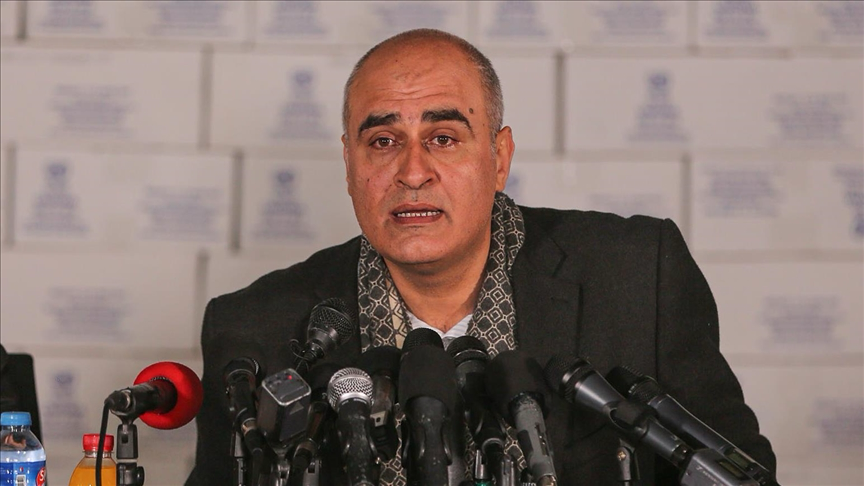
Hebrew media outlets have put forward the name of Amjad al-Shawa to head the interim committee for managing the Gaza Strip.

Israeli media outlets reported in October 2025 that one name floated for leading the committee is Amjad Shawa, Director General of the Palestinian NGO Network. Some reports claimed Hamas selected him, but he denied any such communication, and the movement has not officially announced any position on the matter.

Some reports mention the possible inclusion of UN and EU representatives on an advisory council. Egypt and Qatar are lobbying for roles in appointing some committee members to ensure Hamas and other factions are not entirely alienated.

However, Washington has insisted that the committee will include no members from either Hamas or the Palestinian Authority, with communications to those entities to be managed through separate mechanisms.

Key Stakeholder Positions

  • Palestinian Authority: It has rejected the idea of a foreign-appointed interim committee, calling it a blow to national legitimacy. It has reiterated its readiness to return to Gaza through a national unity government.

  • Palestinian Factions: They view the committee as an effort to institutionalize U.S.–Israeli guardianship over Gaza and insist that the only viable path forward is a comprehensive Palestinian dialogue leading to a unified national leadership.

  • Regional Actors (Egypt, Qatar, Turkey, Jordan, Saudi Arabia): Positions vary some support forming the committee provided they have input in selecting members, see it as a step toward reinstating the Palestinian Authority, and consider it part of a broader solution. Others oppose the imposition of an externally engineered structure and call for an elected Palestinian government.

  • United Nations: It has pledged to provide international legitimacy to the committee and contribute technical and financial support through its agencies.

Is the Committee a Substitute for Hamas and the PA, or a Transitional Phase?

Initial leaks from Washington suggest the committee is intended as a transitional body to fill the administrative vacuum in Gaza. However, Israel sees it as a potential long-term alternative to governing the Strip if it proves capable of managing services.
نون بوست
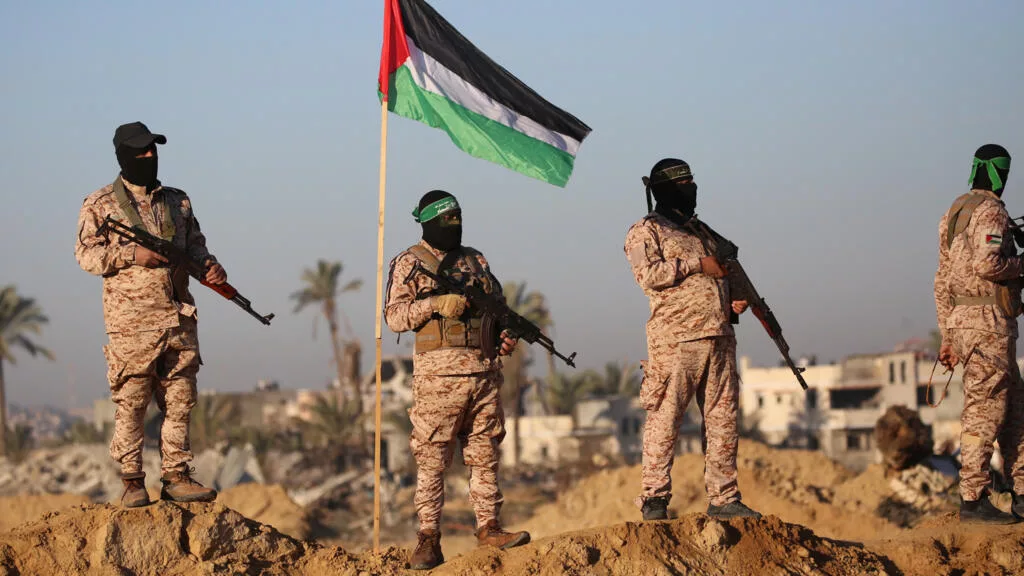
Israel sees the interim committee as a means to prevent Hamas from returning to power in the Gaza Strip.

Arab states have shown relative openness to the idea, partly because they acknowledge the current weakness of the Palestinian Authority in Gaza and share Washington’s interest in sidelining Hamas.

The committee is thus being proposed as a mechanism to remove Hamas from the scene and entrench Israeli security control over Gaza.

Israel has indicated it does not oppose a civilian committee handling daily affairs—so long as it excludes Hamas and PA figures and cooperates with Israeli authorities in controlling borders and preventing weapons smuggling.

According to Haaretz, Israeli officials believe the interim committee could prevent Hamas from reclaiming power in Gaza while relieving Israel of the burden of directly managing the lives of over two million Palestinians.

Legal and Political Framework

Legally, the Peace Council and the Palestinian committee derive their mandate from UN Security Council Resolution 2803, which grants the council “international legal personality as a transitional body,” responsible for outlining the reconstruction framework and overseeing funding. The resolution authorizes cooperating states to form a stabilization force and specialized civil bodies to manage crossings and services.

However, the resolution notably omits any clear provisions for Palestinian self-determination or a binding timeline for statehood, merely calling for “creating conditions” for such outcomes following reforms to the Palestinian Authority.

Politically, the United States retains a central role. It authored the plan, passed the resolution in the Security Council, appoints the Peace Council’s leadership, and leads the formation of the international stabilization force and the reconstruction financing effort.

The UN’s role appears more technical and legal, offering legitimacy and operational support through its agencies an arrangement that some international actors have criticized as a new form of U.S.-led multilateral trusteeship.

Operational Challenges

  • Security and Arms Control: The civilian committee will lack military capacity and will have to rely either on an international monitoring force or continued Israeli military presence both of which could undermine Palestinian acceptance of the new structure and make it appear as a front for occupation.

  • Crossings Management: This remains a major challenge given Israel’s stringent security conditions and vetting of travelers. The committee will need to coordinate closely with both Israel and Egypt to ensure the steady flow of goods.

  • Basic Services: The scale of infrastructure destruction poses an immense obstacle. Without electricity, water, and sewage systems, the committee will struggle to fulfill its promises amid ongoing Israeli obstruction of reconstruction efforts.

Possible Scenarios

  1. Success as a Transitional Body: In this scenario, U.S., Arab, and Palestinian stakeholders agree on committee members. The body operates effectively for a limited time and gradually transfers authority to a Palestinian government. This would require Israeli concessions and strong international support.

  2. Consolidation of U.S.–Israeli Control: The committee functions as a nominal administrator while Israel maintains control over territory and crossings. Hamas and other factions continue to reject the arrangement, clashes persist, and Gaza falls under de facto international trusteeship, prolonging civilian suffering.

  3. Committee Fails to Materialize: Political resistance from factions and the PA, combined with internal dissent or refusal by Palestinian figures to join, leads to Washington’s inability to form the committee. Gaza remains in a state of administrative vacuum, with deteriorating humanitarian and security conditions.

  4. An Arab Alternative: Arab states, led by Egypt and Qatar, form their own Gaza administration committee with backing from the Arab League. This could serve as a middle ground between the U.S.-backed body and the Palestinian Authority and might receive broader support from Palestinian factions, though it would likely face Israeli opposition.

Download this article as PDF
Share this Article
Facebook Twitter Whatsapp Whatsapp Telegram Email Copy Link
فريق التحرير
By فريق التحرير تقارير يعدها فريق تحرير نون بوست.
Follow:
Previous Article نون بوست Layers of Cultures: The Making of Moroccan Identity
Next Article نون بوست “Bashan Pioneers”: Israelis Falsify Geography and Distort History to Occupy Syria

Read More

  • U.S. Regime‑Change Policies: Why They Are Destined to Fail U.S. Regime‑Change Policies: Why They Are Destined to Fail
  • The Gulf’s Balancing Act: Iran, Israel, and Hidden Links
  • Iraq–Turkey Oil Export Treaty: Why Did Ankara Cancel It After 52 Years?
  • Syria’s Northeast on Edge: QSD Between Ankara and Damascus
  • Has Europe Changed Its Stance on Israel… or Just Its Language?
part of the design
NoonPost Weekly Newsletter

You May Also Like

U.S. Regime‑Change Policies: Why They Are Destined to Fail

U.S. Regime‑Change Policies: Why They Are Destined to Fail

إسراء سيد Esraa sayed 8 April ,2026
The Gulf’s Balancing Act: Iran, Israel, and Hidden Links

The Gulf’s Balancing Act: Iran, Israel, and Hidden Links

فريق التحرير Noon Post 8 April ,2026
Iraq–Turkey Oil Export Treaty: Why Did Ankara Cancel It After 52 Years?

Iraq–Turkey Oil Export Treaty: Why Did Ankara Cancel It After 52 Years?

فريق التحرير Noon Post 8 April ,2026

تعديل الدستور و”ميراث الفرعون”

عبد الرحيم محمود
عبد الرحيم محمود Published 20 September ,2015
Share
a1416935007

لو عدنا للوراء قليلاً، وشاهدنا تسجيلات وحملات الدعاية التي قام أنصار الجنرال خلالها بتسويق الدستور الذي دشنوه، سنجد كيف كانوا يبشرون الشعب بأعظم دستور في تاريخ مصر بل والعالم، وأنه لم يأت غيره بمثل هذه الحقوق والحريات والمؤسسية والاستجابة لطموحات ثورتين، خلافًا لـ “دستور الإخوان” الذي يحوي كل الشرور.

ثم كان لهم ما أرادوا، وقاموا بتمرير الدستور الذي يفخرون بنسبة تصويته العالية، والتي جاءت في جانب منها نتيجة ضعف المشاركة من ناحية وأن من ذهب هم المؤيدون، وتحت تأثير آلة الدعاية وحالة الاستقطاب، والنظر إليه أنه اللبنة الأولى في تثبيت أولى دعائم أركان النظام القديم الجديد وصورة مصر أمام العالم الذي لم يحسم قطاع كبير منه، وقتها، موقفه من جدلية “ثورة 30 يونيو” و”الانقلاب العسكري”.

غير أنه بمجرد خروج الجنرال السيسي من وراء الستار كحاكم فعلي مع بقية جنرالات المجلس العسكري منذ 3 يوليو 2013، وتولي السلطة بشكل مباشر ومعلن، تغيرت النغمة، وبات ثمة حملة دعائية ممنهجة تعمد إلى تعبئة الرأى العام ضد الدستور، والإصرار على أنه يجب تغييره لتفادي ما به من عوار وأهواء قام بها أصحاب الأجندات الذين كانوا بالأمس وطنين مخلصين وشركاء ثورة 30 يونيو.

وتزداد وتيرة كيل الاتهامات للدستور وتشويهه هذه الفترة، من قِبل شخصيات عليها ألف علامة استفهام ومن دائرة الجنرال، ما يعني ببساطة أنها لا تتصرف من عندها أو تطوعًا، خاصة أن ثمة خطابًا موحدًا، ورغم أن الدستور دون المستوى الذي يضمن دولة مدنية ديمقراطية حديثة تترسخ فيها مبادئ دولة القانون والمؤسسات والمواطنة، وكُتب بأهواء الجنرال ورجاله ولصالحهم مثلما فعل الإخوان تمامًا، مع مجموعة من الشعارات عن الحرية والعدل الاجتماعي تتناقض مع الأساس الاستبدادي داخله.

وبات “أعظم دستور” وهو ذات وصف الإخوان لدستورهم، يُوصف أنه “معرقل للإنجازات ويهدد الاستقرار، ويقيد صلاحيات الرئيس الذي نثق فيه وحده، وأنه غير واقعي بتخصيص نسب في الموازنة للتعليم والصحة ورعاية الفلاح”.

هذه الأصوات التى تتعالى في وسائل الإعلام الموجهة الحكومية والخاصة ليست إلا صدى لرغبات الجنرال الذي لم يخف في تصريحاته الأخيرة ضيقه بالدستور، ووصفه بأنه طموح أكثر من اللازم، وكُتب بنوايا حسنة ، أي أنه غير مناسب وغير واقعي، فيما سبق ووصف عبد الله السناوي أحد الكتاب الموالين له والمقربين منه هذه المرحلة بأنها تشهد وضعًا لا دستوريًا وتجميدًا للدستور وخروجًا عليه، وهو تعبير دقيق عن واقع الحال في مصر في هذه الحقبة السوداء.

وهذا الموقف له ما يبرر، حيث غسيل الأدمغة للجماهير للقبول بما لا يجب قبوله وبجريمة العبث في دستور على سوءاته لم يطبق أصلاً، والذي يصح وصفه بـ “الاستبدادي العسكري” بما يحويه من جرائم في حق الوطن والمواطن.

حيث حانت ساعة الحقيقة وكشف الأقنعة، مع الاقتراب من استحقاق الانتخابات البرلمانية التى جرى تأجيلها كثيرًا، حتى يتم تهيئة الأجواء لسيطرة الجنرال على مفاصل الدولة، بما يسهل له عملية توجيه مسار البلاد، وكل المؤسسات بما فيها البرلمان، وتحديد من يجب أن يدخل ويكون في زمرة الموالين، ومن ينبغي أن نسمح له بمعارضة من داخل النظام كما كان الحال طوال الوقت، مع استمرار جدلية الاستقطاب والصراع بين المدني والديني، بين “الثوري” و”الفلول”، وتحديد أولويات عمل البرلمان الغائب منذ حوالي 4 سنوات، وجعل أجندته يتصدرها تعديل الدستور، وليس مراجعة ورفض قرارات الجنرال التي صنع منها قوانين في غفلة من الزمن تنحاز ضد حقوق وحريات المصريين.

ولاشك أن كل تفصيلة في مواقف وخطاب وتصرفات الجنرال تؤكد أنه ابن نظام السادات/ مبارك المخلص، ووريث هذه التركة “الفساد، الاستبداد والتبعية”، حتى في التوجه لتعديل الدستور لتكريس سلطاته أكثر، ورفض أي وصاية أو رقابة أو مشاركة في الحكم، ولو صورية وعلى الورق، ومسايرة طموحه هو ورغباته، وليس ما يخص جموع الشعب أو غالبيتهم، رغم أن الدستور ليس مثاليًا، ووضعته لجنة موالية للسلطة العسكرية الحاكمة، ويمكن تأويل كثير من مواده بما يخدم النظام الاستبدادي ويكرس امتيازات وصلاحيات للمؤسسة العسكرية واسعة غير موجودة في أي مكان في العالم، ويؤمن العصف بالمعارضين وتحويلهم لمحاكمات عسكرية، مع عدم توجه واضح منحاز ضد اللصوص والمفسدين والرأسمالية المستغلة الجشعة، كما أن الواقع السلطوي الاستبدادي وميراث أو ثقافة الفرعون المسيطرة على الشعب أكثر من الحاكم أقوى، وتجعل أي مواد دستورية بلا قيمة وحبر على ورق، وحتى القانون إن لم يكن على الهوى ويحقق أهداف السلطة وشبكات المصالح يتم تعديله فورًا أو إصدار قانون جديد، حتى لو لم يتماش مع الدستور.

ونعود ونؤكد أن الدستور قوته وقيمته تنبع من احترامه؛ فالدستور بدون قوة وإرادة شعبية تحميه وتجعله المرجعية الوحيدة والملزمة للجميع كبيرًا كان أم صغيرًا، مجرد شعارات جوفاء وطموحات لشعب يتذمر بالليل، ويشكو سوء حاله، ويسبح بحمد الحاكم في الصباح وينتظر الجلاد أن يكون قاضيًا عادلاً ينصفه.

TAGGED: الإخوان المسلمون في مصر ، الاستفتاء على الدستور ، الحكم العسكري ، الدستور المصري
TAGGED: دستور مصر
Download this article as PDF
Share this Article
Facebook Twitter Whatsapp Whatsapp Telegram Email Copy Link
عبد الرحيم محمود
By عبد الرحيم محمود كاتب صحفي ومحلل سياسي مصري
Follow:
Next Article نون بوست The Stigma of “ISIS”: A Heavy Legacy Haunting Women and Children of Former Members

Read More

  • U.S. Regime‑Change Policies: Why They Are Destined to Fail U.S. Regime‑Change Policies: Why They Are Destined to Fail
  • The Gulf’s Balancing Act: Iran, Israel, and Hidden Links
  • Iraq–Turkey Oil Export Treaty: Why Did Ankara Cancel It After 52 Years?
  • Syria’s Northeast on Edge: QSD Between Ankara and Damascus
  • Has Europe Changed Its Stance on Israel… or Just Its Language?
part of the design
NoonPost Weekly Newsletter
dark

An independent media platform founded in 2013, rooted in slow journalism, producing in-depth reports, analysis, and multimedia content to offer deeper perspectives on the news, led by a diverse young team from several Arab countries.

  • Politics
  • Society
  • Rights & Liberties
  • Opinions
  • History
  • Sports
  • Education
  • Technology
  • Economy
  • Media
  • Arts & Literature
  • Entrepreneurship
  • Travel
  • Cinema & Drama
  • Food
  • Health
  • Culture
  • Latest Reports
  • Files
  • Long Reads
  • Interviews
  • Podcast
  • Interactive
  • Encyclopedia
  • In Pictures
  • About Us
  • Our Writers
  • Write for Us
  • Editorial Policy
  • Advanced Search
Some rights reserved under a Creative Commons license

Removed from favorites

Undo
Go to mobile version