NoonPost NoonPost

NoonPost

  • Home
  • Politics
  • Economy
  • Society
  • Culture
  • Files
  • Long Reads
  • Podcast
AR
Notification Show More
نون بوست
“There Are Nights I Can’t Close My Eyes”: How Gazans Are Living in Homes on the Brink of Collapse
نون بوست
From al-Jolani to Ahmad al-Shara: The Evolution of Syria’s New Leader
نون بوست
When Political Islam Receded in Egypt: Who Filled the Void?
نون بوست
An Extension of Genocide: Gaza’s Detainees Speak Out
نون بوست
A Tightrope Between Survival and Sovereignty: The Syrian Government Faces Normalization Pressures
نون بوست
American Aircraft Carriers: Has the Era of “100,000 Tons of Diplomacy” Ended?
نون بوست
U.S. Regime‑Change Policies: Why They Are Destined to Fail
نون بوست
Transformations of Israeli Judaism: Between the Victim Complex and the Colonizer’s Doctrine
نون بوست
The Gulf’s Balancing Act: Iran, Israel, and Hidden Links
نون بوست
Iraq–Turkey Oil Export Treaty: Why Did Ankara Cancel It After 52 Years?
نون بوست
Syria’s Northeast on Edge: QSD Between Ankara and Damascus
نون بوست
Has Europe Changed Its Stance on Israel… or Just Its Language?
NoonPost NoonPost
AR
Notification Show More
نون بوست
“There Are Nights I Can’t Close My Eyes”: How Gazans Are Living in Homes on the Brink of Collapse
نون بوست
From al-Jolani to Ahmad al-Shara: The Evolution of Syria’s New Leader
نون بوست
When Political Islam Receded in Egypt: Who Filled the Void?
نون بوست
An Extension of Genocide: Gaza’s Detainees Speak Out
نون بوست
A Tightrope Between Survival and Sovereignty: The Syrian Government Faces Normalization Pressures
نون بوست
American Aircraft Carriers: Has the Era of “100,000 Tons of Diplomacy” Ended?
نون بوست
U.S. Regime‑Change Policies: Why They Are Destined to Fail
نون بوست
Transformations of Israeli Judaism: Between the Victim Complex and the Colonizer’s Doctrine
نون بوست
The Gulf’s Balancing Act: Iran, Israel, and Hidden Links
نون بوست
Iraq–Turkey Oil Export Treaty: Why Did Ankara Cancel It After 52 Years?
نون بوست
Syria’s Northeast on Edge: QSD Between Ankara and Damascus
نون بوست
Has Europe Changed Its Stance on Israel… or Just Its Language?
Follow US

Beit Jinn… A Testing Ground for Netanyahu’s Policies

حسن إبراهيم
Hasan Ebrahim Published 26 March ,2026
Share
نون بوست
نون بوست

In what stands as the first direct gun‑battle of its kind in the town of Beit Jin on the outskirts of Damascus between residents and Israeli soldiers multiple Israeli narratives have emerged regarding who was behind the incident.

The first accused “the Islamic Group” in Lebanon, only for that group to swiftly deny any connection, just days after Israeli media had circulated claims of Islamic factions operating in southern Syria.

The second Israeli version of events alleges that some of those organizing attacks in Syria against Israel were working for the General Intelligence Directorate of the regime of Syrian President Ahmad al‑Sharʿ a claim attributed by Israeli media to sources described as “security and high‑level.”

A third narrative, reportedly from a “regional source,” speaks of confessions by individuals arrested during the operation, admitting ties to the Hamas, Iran, and the Hezbollah, and to having received funding to arm themselves and carry out assaults against Israel.

All recent Israeli accounts remained within the sphere of accusing Islamic groups and movements. This followed public remarks by Israeli War Minister Yisrael Katz, who referenced the presence of the Houthis in southern Syria a claim at odds with Damascus’ insistence that Syrian territory poses no threat to any party, and casting doubt on the coherence of the security narrative between the two capitals as their stalled security agreement shows.

Massacre in Beit Jinn

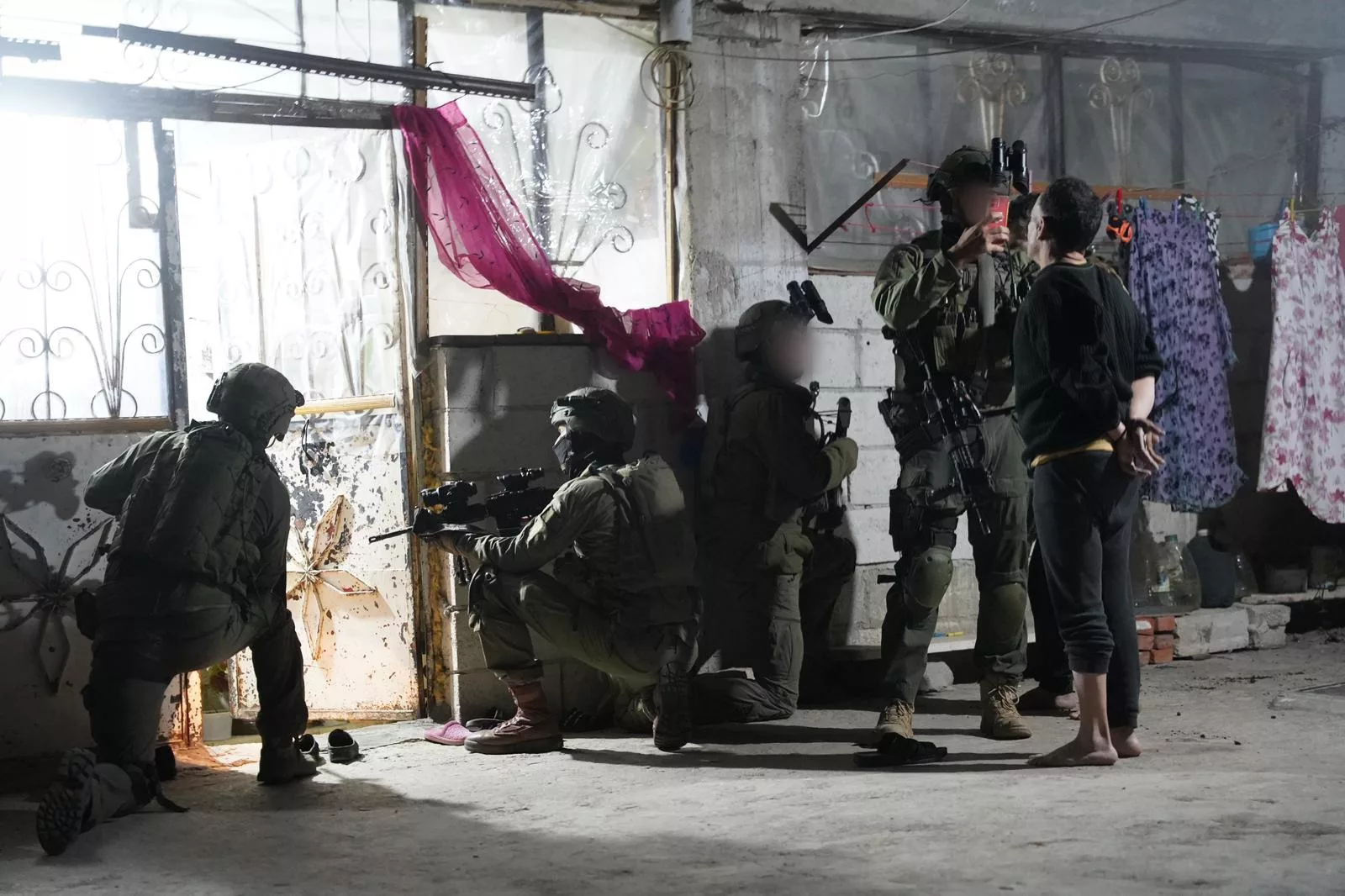
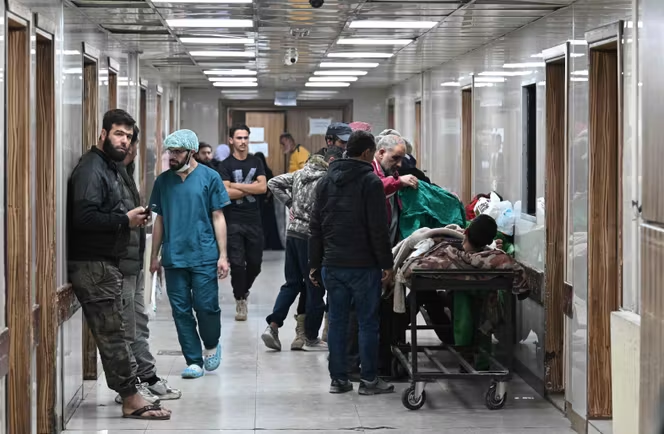
At dawn on Friday, November 28, Israeli forces launched an incursion into Beit Jin under the pretext of arresting individuals purportedly affiliated with “the Islamic Group.” The incursion quickly escalated into direct firefights with residents and bombardment of residential districts, resulting in the deaths of 13 people and injuring 24 others including women and children.
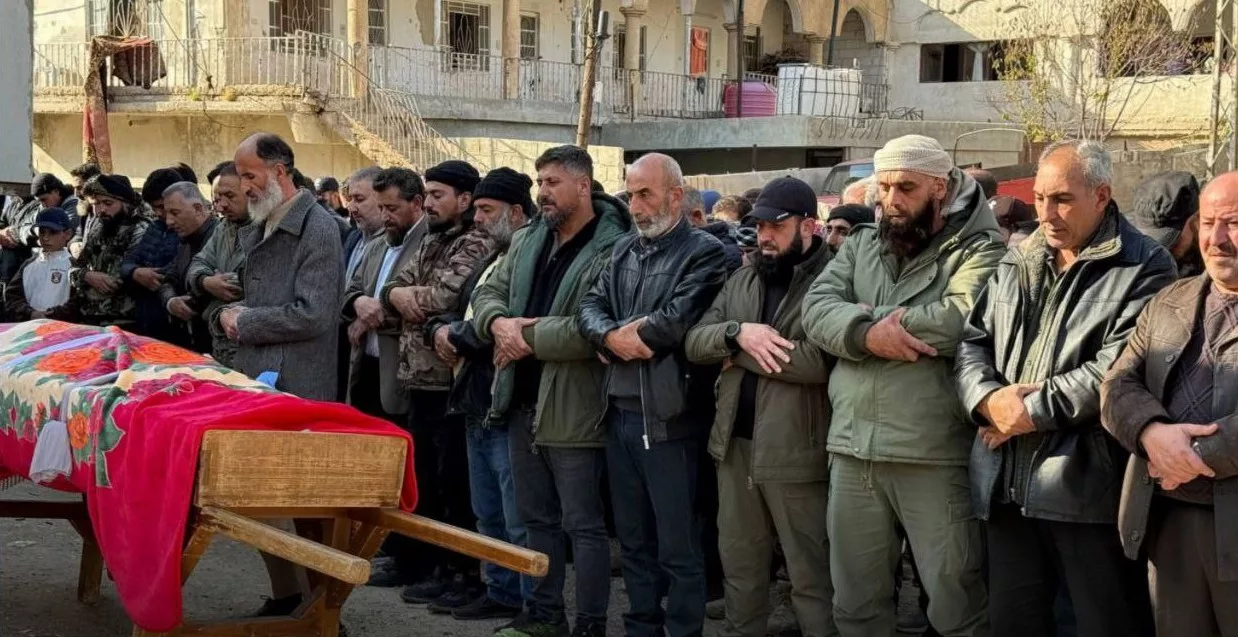
نون بوست
Funeral prayers for the martyrs who died as a result of the Israeli attack on the town of Beit Jinn in the Damascus countryside, November 28, 2025 (Damascus countryside governorate).

The Israeli occupation army announced it had detained three individuals it claimed were linked to “the Islamic Group,” and said that six of its soldiers were injured. Other Israeli media sources reported as many as 13 soldiers wounded.

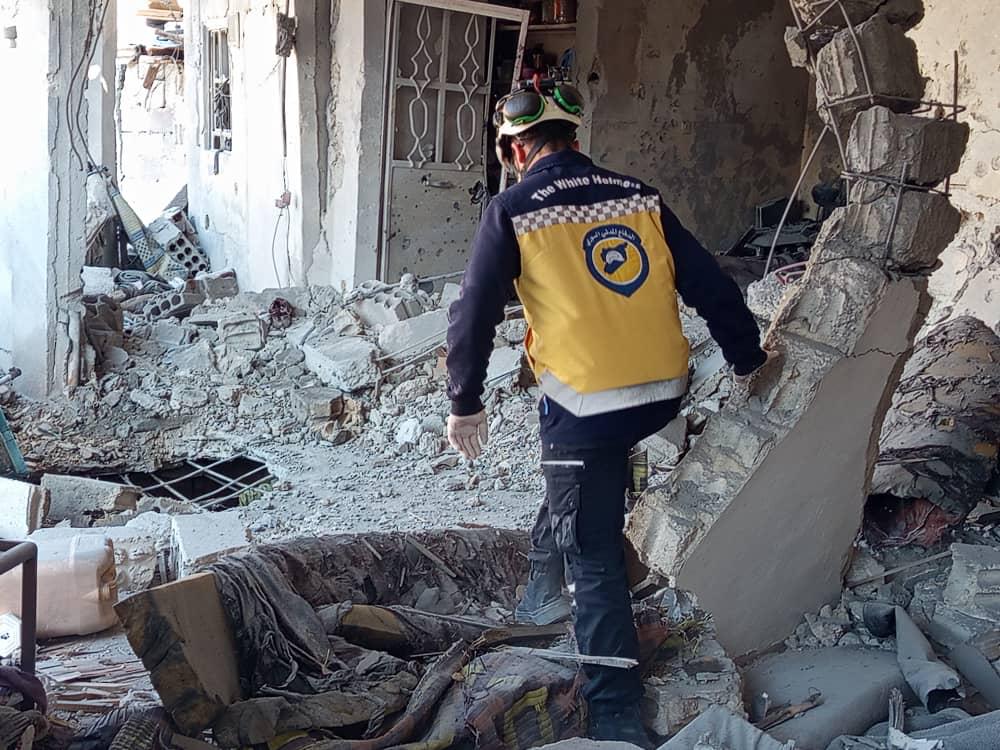
According to Syrian civil defense sources, one Israeli military vehicle was struck inside Beit Jin. Civil‑defense teams were initially unable to enter the town because Israeli drone sorties targeted any movement at the town’s entrances, prompting civilian displacement as people fled in fear of further abuses and escalating violence.

While these clashes marked the first of their kind in Beit Jin, they are part of a broader pattern of sustained Israeli escalation in Syria since the fall of the regime of Bashar al‑Assad especially in the south where Israeli forces carried out repeated incursions, established military posts, razed land, and conducted arrests and killings that claimed civilian lives.
نون بوست
Wounded people at Al-Mowasat Hospital in Damascus following an operation carried out by Israeli forces in the town of Beit Jinn in the Damascus countryside, November 28, 2025 (Louay Bishara / AFP)

On the other side, the new Syrian administration continues to pledge a political path and adherence to international law. The Syrian Ministry of Foreign Affairs condemned what happened in Beit Jin as a “fully constituted crime and a blatant criminal attack on civilians and their property, a horrific massacre.”

It called on the United Nations, the Arab League, and the United Nations Security Council to take urgent, firm action to halt repeated Israeli aggression and violations.

Following the Israeli attack came waves of condemnation from a host of states and regional and international organizations including the European Union, the United Kingdom, Turkey, Saudi Arabia, Kuwait, Qatar, Jordan, the Arab League, the Gulf Cooperation Council, the United Nations in addition to denunciations from Hamas, the Islamic Jihad Movement in Palestine, and the Muslim Brotherhood in Syria.

Implications and Signals

Despite an intensification of Israeli military operations in Syria since the fall of Assad’s regime on December 8, 2024 including incursions, arrests, and similar clashes in towns like Koiya west of Daraa, which claimed seven lives in March the Beit Jin operation represents the broadest ground incursion by Israel into the town.

What made it distinct was the scale of the fighting and the use of attack helicopters.
نون بوست
The Syrian Civil Defense inspects the aftermath of the Israeli bombing of Beit Jinn town in the Damascus countryside, November 28, 2025 (Syrian Civil Defense)

This uptick comes at a time when the new Syrian administration is pursuing a policy of “zeroing out problems,” aiming to bolster Syria’s regional status and reengage with the international arena including efforts to revive relations with Washington.

It also seeks to secure a security agreement with Israel, a process derailed by Israeli demands to open a “humanitarian corridor” to Suwayda Province.

Notably, on November 19, Israeli Prime Minister Benjamin Netanyahu visited an advanced position within the buffer zone in southern Syria, accompanied by senior officials an act Damascus labeled “illegal” and a violation of Syrian sovereignty.

During his meeting with troops there, Netanyahu declared: “This mission could evolve at any moment we rely on you.”

According to Syrian‑Israeli relations analyst Khaled Khalil, what transpired in Beit Jin constitutes a crime and a flagrant violation of international laws and norms part of a broader strategy by Israel’s far‑right, serving both ideological and personal aims of Netanyahu.

Khalil told “Noon Post” that the escalation in Beit Jin has three dimensions: first, a disruption of ongoing regional power balances with Syria forging new alliances while Israel swims against the tide; second, a derailment of prior diplomatic and negotiating efforts between Damascus and Tel Aviv; and third, a cheap propaganda ploy by Netanyahu to buttress his election campaign a tactic he argues contradicts the “new U.S. Middle East architecture.”

He adds that Israel is giving Damascus an ultimatum: war or surrender. Given the Syrian regime’s limited capabilities, fragile transitional phase, and near‑total collapse of its military deterrence, Damascus opted for a strategic approach: negotiations and diplomatic pressure aimed at reaching a security agreement that would halt Israeli attacks and allow reconstruction at home.

In contrast, Israel is practicing outright duplicity: negotiating while simultaneously launching blatant, unprecedented incursions exploiting current conditions to preempt emerging regional understandings. According to Khalil, Israel is alarmed and anxious about the rapprochement between Syria and the U.S., especially after al‑Sharʿ’s visit to the White House.

A report by the Jusoor Center for Studies concludes that the Beit Jin operation carried a number of messages Israel sought to deliver, encapsulated in five main points:

  1. Opposition to policies of the U.S. administration under Donald Trump toward the new Syrian government viewing any lifting or suspension of sanctions prior to a signed peace deal as premature, and aiming to control the pace of Damascus–Washington relations.

  2. Rejection of the joint Russian–Turkish–Syrian patrol conducted south of Syria on November 17, and any Turkish presence or partial security accord.

  3. Exploitation of minority unrest after protests by Alawite communities along the Syrian coast and in Homs portraying support for minorities to showcase the regime’s weakness and encourage continued rebellion.

  4. Rolling back the new government’s achievements destabilizing security, preventing economic recovery and international reintegration.

  5. Interference in the domestic and foreign policy of the new government pressuring Damascus to sign a peace treaty as other Arab states have, rather than reverting to the 1974 Disengagement Agreement or modifications of existing security rules.

“Manufacturing a Sunni Enemy” to Weaken Syria

After President Assad fled to Russia, Israel stepped up its military operations across Syria justifying strikes on military capabilities and arms depots under the pretext of preventing their seizure by “extremists,” as well as citing the need to protect its security and to counter growing Turkish influence among other reasons such as supposedly defending the Druze in tense areas like Sahnaya and Suwayda.

Talk of Islamic groups active in southern Syria began surfacing publicly recently, only to be denied both by the groups themselves and by the Syrian government. For example, the Islamic Jihad Movement in Palestine dismissed as “entirely fabricated” the claims by Israeli media about bolstered military capabilities inside Syria.

Likewise, the Lebanese “Islamic Group” denied any link to the Beit Jin operation.

Responding to Israel’s allegations, Syria’s ambassador to the United Nations, Ibrahim al‑olabi, said Syria would not accept such “spurious excuses,” calling talk of Houthi presence in southern Syria “a flight of fantasy.”

Syrian Information Minister Hamza al‑Mustafa, who visited Beit Jin after the attack, asserted that Israel is trying to impose faits accomplis in southern Syria since the fall of Assad’s regime, and that the “counter‑aggression” came in response to Israeli calculations stressing that Netanyahu’s extremist government seeks to provoke the Syrian government into confrontation.

According to Khalil, Israel has escalated its media campaign against Syria over the past two weeks, with Yisrael Katz presenting contradictory stories about alleged infiltrations accusing groups ranging from the Islamic State of Iraq and the Levant (ISIS), the Houthis, Iran, and Palestinian factions.

After the Beit Jin operation, a new narrative emerged, blaming members of the Lebanese “Islamic Group” which the group denied.

Khalil argues this confusion reflects Israel’s attempt to manufacture a new Sunni enemy amid rising sectarian and identity‑based discourse targeting Syria.

The conflicting narratives, he says, underscore Israeli disarray: the escalation does not stem from credible national‑security threats, but from political considerations tied to the far‑right and to Netanyahu’s electoral ambitions.

He adds that the contradictory Israeli stories reveal the military‑intelligence failure of the operation Israeli authorities were surprised by the spontaneous and unplanned popular backlash. Israeli media, according to him, denied that there was any ambush or intelligence check or carefully prepared operation.

Meanwhile, researcher Mohammad Suleiman at the Jusoor Center asserts that Israel is deploying a narrative attributing the region’s instability to alleged terrorist activity real or fabricated to rationalize its recent frequent incursions, which no longer hold credible justification before the international community.

Suleiman argues this narrative is also geared toward pressuring the Syrian government by suggesting it fails to track and pursue terrorist groups inside its territory allowing Israel to depict its operations as “self‑defence.”

This boosts Israel’s political and security pressure on Damascus, which Israel still deems unstable. The ultimate goal, he says, is to impose a security agreement that ensures a depopulated buffer zone avoiding revisiting occupied territories like the Golan or parts of Quneitra.

Suleiman adds that Israel is exploiting tensions in the south and recent events in Suwayda to garner sympathy from the U.S., which faces mounting pressure to stop violations and incursions inside Syria thereby weakening Syria’s position before Washington, Ankara, Moscow, and Arab states, and encouraging the international community to accept a narrative of southern Syria as a security threat run by Islamic factions a claim rooted more in politics than reality.

The approach also appears aimed at undermining Syrian–American ties and preventing the lifting of sanctions once promised by former U.S. President Donald Trump.

What Comes Next?

After the Beit Jin attack, Israel’s Channel 13 reported that Tel Aviv is considering a large‑scale operation against the regime of Ahmad al‑Sharʿ, should it confirm involvement of any of his men. The incident could push the Israeli military to shift tactics on the Syrian border scaling back ground arrests and pivoting toward intensified targeted aerial assassinations.

Khalil says the popular resistance reaction in Beit Jin had a significant impact on Israel’s strategic plans, prompting reconsideration of its intervention and aggression tactics in Syria.

He predicts a sharp escalation ahead, given the sensitive timing with about ten months remaining in Netanyahu’s current term, which could bring unexpected developments as he seeks an “honorable exit.”

As for Syria, the country is undergoing a delicate foundational transition phase. Yet its future remains key since it aligns with new regional security equations and American visions for a Middle East distanced from perpetual conflict, while safeguarding the interests of Israel’s allies, notably Turkey and Saudi Arabia.

Syria remains the lynchpin, standing against the brashness and arrogance embodied by Netanyahu.

Meanwhile, researcher Mohammad Suleiman warns that what happened in Beit Jin could trigger a wave of increased Israeli incursions in the short term, with a likelihood of further escalation in those areas.

At the same time, Damascus is banking on its regional alliances with Turkey, Russia, Gulf states, and the United States to exert counter‑pressure. If successful, Tel Aviv may be forced to scale down military aggression to preserve its interests with Washington.

International relations expert Mahmoud Aloush argues that Israel will, as usual, attempt to exploit the Beit Jin massacre to reinforce its security narrative. But the incident has unnerved Israel despite its posture because turning against local southern Syrian communities through bloodshed is birthing an environment increasingly ready for resistance and long‑term mobilization.

The vacuum that Israel aims to sustain in southern Syria cannot be filled alone, he says. Israel may be adept at manufacturing enemies but over time it finds itself trapped in managing them.

Meanwhile, researcher Abd al‑Rahman al‑Hajj considers that ongoing Israeli incursions into Syrian soil, alongside the lack of direct governmental response, inevitably lead to the rise of local resistance.

People are defending their dignity and lives as they did in Beit Jin and previously in other regions such as Daraa affirming that every Israeli intrusion prompts stronger, more organized reaction.

Download this article as PDF
Share this Article
Facebook Twitter Whatsapp Whatsapp Telegram Email Copy Link
حسن إبراهيم
By حسن إبراهيم صحفي سوري
Follow:
Previous Article نون بوست “Deterrence of Aggression”: Four Years in the Shadows and Eleven Days That Ended Half a Century of Assad Rule
Next Article نون بوست Sudan’s War Tests Europe’s Values: Will Principles Prevail Over Politics?

Read More

  • U.S. Regime‑Change Policies: Why They Are Destined to Fail U.S. Regime‑Change Policies: Why They Are Destined to Fail
  • The Gulf’s Balancing Act: Iran, Israel, and Hidden Links
  • Iraq–Turkey Oil Export Treaty: Why Did Ankara Cancel It After 52 Years?
  • Syria’s Northeast on Edge: QSD Between Ankara and Damascus
  • Has Europe Changed Its Stance on Israel… or Just Its Language?
part of the design
NoonPost Weekly Newsletter

You May Also Like

U.S. Regime‑Change Policies: Why They Are Destined to Fail

U.S. Regime‑Change Policies: Why They Are Destined to Fail

إسراء سيد Esraa sayed 8 April ,2026
The Gulf’s Balancing Act: Iran, Israel, and Hidden Links

The Gulf’s Balancing Act: Iran, Israel, and Hidden Links

فريق التحرير Noon Post 8 April ,2026
Iraq–Turkey Oil Export Treaty: Why Did Ankara Cancel It After 52 Years?

Iraq–Turkey Oil Export Treaty: Why Did Ankara Cancel It After 52 Years?

فريق التحرير Noon Post 8 April ,2026

هل لبَّى قانون الانتخاب الجديد مطالب الأردنيين؟

محمود الكيلاني
محمود الكيلاني Published 30 September ,2015
Share
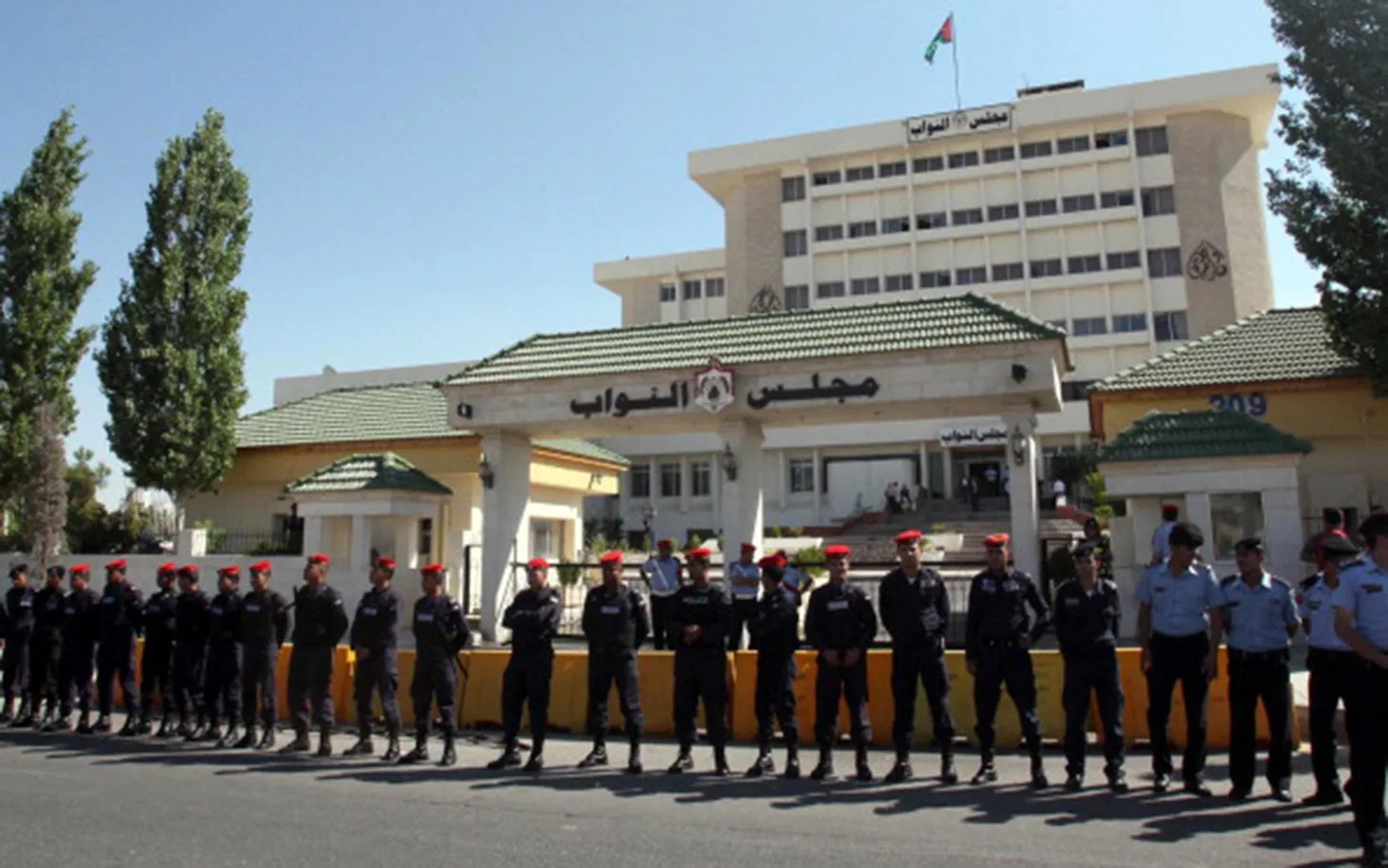
JordanP09102013

لم تلبث الفرحة بمسودة قانون الانتخاب، التي طرحتها الحكومة، طويلًا، ليعود الحديث مجددًا عن ضرورة إجراء تعديلات هامة على القانون لإلغاء أثر قانون الصوت الواحد على المشاركة الشعبية والحياة الحزبية في البلاد.

يستعرض هذا الملف الخاص قراءة شاملة وصورة أكثر وضوحًا للقراء حول مسودة قانون الانتخاب؛ وموقف الأحزاب والنواب منها، والملاحظات الدستورية التي أعقبت إعلانها، وذلك بتتبع أهم ما نُشر من تصريحات رسمية ومقالات وتقارير إعلامية في هذا الشأن.

وجهة النظر الحكومية

أعلن رئيس الوزراء عبدالله النسور في 31 أغسطس الفائت عن مسودة مشروع قانون الانتخاب، واصفًا إياه بأنه شبيه بقانون انتخاب عام 1989، وأكد النسور في المؤتمر الصحفي، الذي عقده في المركز الثقافي، أن مشروع قانون الانتخابات الجديد سينقل الأردن خطوات إلى الأمام، وسيجذر ما سبق من إصلاحات، ويفتح الأفق لتطوير الحياة الحزبية وتشكيل حكومات برلمانية.

من جانبه، وزير الشؤون السياسية والبرلمانية الدكتور خالد الكلالدة قال إن “الهدف من مشروع قانون الانتخاب تمثيل جميع القوى السياسية للمشاركة في رسم ملامح المشهد السياسي القادم، حتى تكون جميعها تحت دائرة الضوء للمواطن”، وأوضح الكلالدة في اللقاء الحواري، الذي نظمه حزب جبهة العمل الإسلامي بفرع محافظة إربد، أن هذا المشروع الذي خرج بنظام القائمة النسبية المفتوحة على مستوى المحافظة يعد تتويجًا لمراجعة القوانين الناظمة للحياة السياسية، وسلسلة القوانين الإصلاحية، مبينًا أن اللجنة المكلفة بإعداد القانون كانت على اطلاع كامل بآراء مختلف القوى السياسية والحزبية ومؤسسات المجتمع المدني.

بدوره، استهجن الناطق الرسمي باسم الحكومة، الدكتور محمد المومني، عدم وجود قبول كافٍ لقانون الانتخاب من قِبل بعض الأحزاب، جاء حديث المومني تعليقًا على ما أفضت إليه خلاصات اجتماع لـ20 حزبًا في 2 سبتمبر الجاري، انتقدت القانون وطالبت بنظام انتخابي مختلط، وبرده من مجلس النواب.

وأضاف المومني أن مسودة قانون الانتخاب التي أقرها مجلس الوزراء تعد قفزة بالاتجاه الصحيح وخطوة إصلاحية مدروسة بشكل جيد، وتستجيب لما عانت منه الحياة السياسية خاصة المطالبات التي كانت تحث على إلغاء الصوت الواحد، وحول الانتقادات التي طالت مسودة مشروع القانون فيما يتعلق بإمكانية حدوث احتقانات و”تخوينات” من أبناء القائمة الواحدة؛ بأن كل مقترع سيصوت لصالح قريبه أو من يخصه ويترك باقي القائمة، اعتبر الوزير أن “هذا فيه كثير من المغالطة”، وتساءل “هل يعقل أن المقترع سيصوت بدافع الحمية ولن يصوت إلا لقريبه أو من يخصه؟”، بحسب تقرير لوكالة عمون.

قانون الانتخاب بعيون الأحزاب

طالبت الأحزاب مجلس النواب برد القانون، وإعداد آخر جديد يعتمد النظام المختلط؛ بحيث يتضمن قوائم عامة أو وطنية يرتبط تشكيلها بالأحزاب السياسية بشكل حصري.

وقال حمزة منصور، الأمين العام السابق لحزب جبهة العمل الإسلامي، “إن البيئة السياسية في البلاد غير مشجعة على المشاركة في العمل السياسي”، لافتًا النظر إلى ما اعتبره “حالة التضييق على الحريات العامة، واعتقال الناشطين السياسيين، التي تمارسها الحكومة ضد أعضاء الحزب”.

وأضاف منصور في حديثه لـ”قدس برس”، على هامش ندوة “المشاركة السياسية في العالم العربي” التي نظمها مركز دراسات الشرق الأوسط في عمّان، أن مسودة قانون الانتخاب التي طرحتها الحكومة “لا تلبي طموحات الأحزاب الأردنية”، منوهًا إلى أنها “لم تكن النموذج المطلوب، وأن الحكومة حاولت من خلاله المزاوجة بين قانون انتخاب عام 1989 والقانون السابق، المعروف باسم قانون القوائم”.

وحول مشاركة الحركة الإسلامية في الانتخابات القادمة، قال منصور “إن الحركة الإسلامية تنتظر التعديلات التي ستجري على مسودة القانون، وليس بإمكان الحزب طرح موقفه من المشاركة في الانتخابات من عدمه قبل النظر في التعديلات النهائية على القانون”.

بدورها، استعرضت صحيفة الشاهد الأسبوعية آراء الأمناء العامين للأحزاب في تقريرها المنشور في 9 سبتمبر الحالي تحت عنوان “قانون الانتخاب كما تراه الأحزاب”.

أمين العام لحزب الوحدة الشعبية دكتور سعيد ذياب قال “إن القانون أخفق في الوصول للمطلب الأشمل بالنسبة للأحزاب التي تطالب بقائمة على المستوى الوطني من ناحية، والتمثيل النسبي على مستوى الوطني، وهذا يعتبر ثغرة في هذا القانون بعد 22 سنة من المطالبة بإلغاء قانون الصوت الواحد”.

من جانبه، قال أمين عام حزب البعث العربي الاشتراكي محمد الحمصي، إن الحزب مازال يدرس القانون ولم يصل إلى موقف واضح منه سواء بالتأييد أو الرفض، وفي حال وصلوا إلى موقف معين سيصدرون بيانًا يوضح وجهة نظرهم، ورأى أمين عام حزب التجمع الوطني محمد العبادي مجرد مغادرة مربع الصوت الواحد تعتبر خطوة إيجابية؛ لكن المسودة كما طُرحت لا ترتقي إلى رؤى القوى الوطنية الأردنية لإنجاز قانون انتخاب عصري يترجم أفكار وبرامج سياسية.

وألمح أمين عام الحزب الشيوعي، دكتور منير حمارنة، إلى أهمية القانون وإيجابيته بتخليه عن الصوت الواحد، وأبدى أمين عام حزب البعث التقدمي، فؤاد دبور، تحفظه على ما يتعلق بالقائمة الوطنية، بالإضافة إلى تقسيم الدوائر، خاصة الدوائر الكبيرة كعمان وإربد وهذا سيضعف العمل الحزبي.

وفوّض المجلس المركزي لحزب التيار الوطني مكتبه التنفيذي وقيادة الحزب اتخاذ الموقف الذي يراه مناسبًا إزاء مشروع قانون الانتخاب الجديد الذي أعلنته الحكومة، ودعا أمين عام الحزب عبدالهادي المجالي إلى إجراء تمرينًا حقيقيًا حول كيفية التعامل مع القانون الجديد، والاستفادة منه على نطاق واسع في المرحلة المقبلة.

ومن جهتها، أوضحت عبلة أبو علبة، أمين عام حزب الشعب الديمقراطي، في حديثها لـ”الشاهد” أن مشروع قانون الانتخابات النيابية لم يرق إلى مستوى الإصلاح السياسي المنشود، ولن يسهم، فيما لو أقرّ في مجلس الأمة، في توفير بيئة سياسية صالحة لمرحلة الحكومات البرلمانية المنتخبة.

موقف النواب من القانون

رأى الكاتب في صحيفة الغد، فهد الخيطان، أن أداء مجلس النواب كان “قويًا وممتعًا” في جلسته التاريخية التي خُصصت لمناقشة مشروع قانون الانتخاب، وانتهت بموافقة الأغلبية على إحالته للجنة القانونية.

وفي تصريحات لـ”جفرا نيوز”، عبَّر النائب محمد فلاح العبادي عن عدم رضاه عن قانون الانتخاب، مشيرًا إلى أنه يعيد إنتاج الصوت الواحد من خلال القوائم النسبية نفسها، وحصر إرادة الناخب في قائمة واحدة، وأضاف أن هذا القانون سيضعف مشاركة عمل الأحزاب السياسية، ويحرمها من تشكيل توافقات تنعكس إيجابًا على البرلمان القادم، وأوضح أن الأحزاب لن تكون قادرة على حصد أكثر من خمسة آلاف صوت انتخابي مهما كانت شعبيتها، مشيرًا إلى وجود شبهة دستورية في القانون وثغرة قانونية يجب مراجعتها وحلها قبل أن يقع فيها المجلس الثامن عشر المقبل.

وانتقد النائب علي السنيد مشروع قانون الانتخاب المُقدم من قِبل الحكومة، واصفًا إياه بأنه قانون يعاني من إشكالية عند التطبيق وسيعيد تجزيء الواقع الأردني ودفع قوى غير مدنية إلى واجهة التمثيل، ولا يخدم التوجهات الديمقراطية للدولة الأردنية، جاء ذلك عبر بيان للسنيد نشره موقع جراسا نيوز في 20 سبتمبر الجاري.

من جانبه، قال النائب جميل النمري إن قانون الانتخاب الجديد يأخذ الأردن إلى استقرار سياسي وتشريعي، ويساعد الأحزاب إذا تحالفت بمتانة على الوصول إلى مجلس النواب، وأضاف النمري خلال جلسة حوارية حول مشروع قانون الانتخاب نظمها حزب الإصلاح في 16 سبتمبر الجاري، أن “النظام الانتخابي سيلغي البطاقة الانتخابية لأنها إذا فُقدت تحتاج إلى إجراءات إدارية روتينية وطويلة”، مشيرًا إلى لجنة الحوار الوطني التي شكلتها الحكومة عام 2011 أوصت به، وضمت بين أعضائها ممثلين عن الأحزاب والنقابات، أعيان، نواب سابقين، متقاعدين عسكريين، مدنيين، وممثلي عن المجتمعات المحلية وعن مناطق واسعة في المملكة، بحسب وكالة بترا.

ملاحظات دستورية

الفقيه الدستوري الأستاذ الدكتور محمد الحموري قال إن مسودة القانون الجديد تشكل خطوة إصلاحية إلى الأمام، وأوضح الحموري، “إلا أنه لا يجوز أن نخلط بين النظام الانتخابي الوارد في المسودة، وبين النظام الانتخابي الذي قامت على أساسه انتخابات عام 1989، لأنه لا صلة ولا شبه من أي نوع بين النظامين”.

وفنّد الحموري في مقاله “ملاحظات على مسودة قانون الانتخاب”، المنشور في موقع عمون رأيه بالتفصيل، مشيرًا إلى أن الملاحظات على مسودة القانون نوعان، النوع الأول: مدى الملاءمة في النظام الانتخابي الذي جاءت به النصوص، وهذه تدخل في باب المسائل الاجتهادية حول من هو الأفضل، والنوع الثاني: هي الملاحظات المتعلقة بالسلامة الدستورية لما ورد في بعض نصوص المسودة.

ونصح الحموري الحكومة بتجنب فكرة القائمة النسبية، لأنها مخالفة للدستور حتمًا، وأن تأخذ بنظام القائمة التي يستطيع بموجبها الناخب أن يختار مرشحين بعدد لا يتجاوز عدد المقاعد المخصصة لدائرته الانتخابية، “أي أن يكون للناخب التصويت لقائمة انتخابية يضعها بكامل حريته، دون أن يُفرض عليه التصويت لقائمة أعدّها له غيره، فهذا الطريق لا يخالف أحكام الدستور”.

وأشار الكاتب في صحيفة الغد موسى شتيوي إلى ما وصفها بـ”بعض القضايا المبهمة أو التي لم يعالجها القانون” وذلك في مقاله الذي حمل عنوان “ملاحظات إضافية على مشروع قانون الانتخاب”.

وقال شتيوي “إن القانون غلّظ العقوبات المفروضة على المال السياسي، سواءً كان ذلك من جانب المرشحين أو الناخبين أنفسهم، وهذا شيء إيجابي؛ لكن الإشكالية في استخدام المال السياسي ليست في العقوبات، وإنما في آلية ضبط الذين يستخدمون هذا المال في الانتخابات”، ورأى بتضمين القانون لسقوف الدعاية الانتخابية “حاجة مُلحة” للجم دور المال السياسي في الانتخابات، والمساهمة في تحقيق العدالة الانتخابية بين المرشحين، ما سيترك أثرًا إيجابيًا على مجمل العملية، وأحد أهم السبل لاستعادة ثقة المواطنين هو إشراك القضاة في الإشراف على العملية الانتخابية.

وزاد شتيوي تنص الفقرة “ج” من المادة 47 من مشروع القانون على أنه إذا تساوت نسبة الأصوات بين قائمتين أو بين مرشحين اثنين أو أكثر، فيجري رئيس اللجنة قرعة بينهما، واحتمالية حدوث ذلك قد تكون مستبعدة، لكن القرعة ليست حلًا ديمقراطيًا لهذه المشكلة، والأصل هو أن تتم إعادة الانتخابات بين المتساوين بالأصوات حتى يعطى حق للناخب بالمفاضلة، وعدم تركها للحظ أو الصدفة، وفق قوله.

المصدر: أردن الإخبارية

TAGGED: الأحزاب الأردنية ، الإصلاح في الأردن ، البرلمان الأردني ، الحريات في الأردن ، الدستور
Download this article as PDF
Share this Article
Facebook Twitter Whatsapp Whatsapp Telegram Email Copy Link
محمود الكيلاني
By محمود الكيلاني صحفي ومحرر بشبكة أردن الإخبارية
Follow:
Next Article نون بوست The Stigma of “ISIS”: A Heavy Legacy Haunting Women and Children of Former Members

Read More

  • U.S. Regime‑Change Policies: Why They Are Destined to Fail U.S. Regime‑Change Policies: Why They Are Destined to Fail
  • The Gulf’s Balancing Act: Iran, Israel, and Hidden Links
  • Iraq–Turkey Oil Export Treaty: Why Did Ankara Cancel It After 52 Years?
  • Syria’s Northeast on Edge: QSD Between Ankara and Damascus
  • Has Europe Changed Its Stance on Israel… or Just Its Language?
part of the design
NoonPost Weekly Newsletter

You May Also Like

U.S. Regime‑Change Policies: Why They Are Destined to Fail

U.S. Regime‑Change Policies: Why They Are Destined to Fail

إسراء سيد Esraa sayed 8 April ,2026
The Gulf’s Balancing Act: Iran, Israel, and Hidden Links

The Gulf’s Balancing Act: Iran, Israel, and Hidden Links

فريق التحرير Noon Post 8 April ,2026
Iraq–Turkey Oil Export Treaty: Why Did Ankara Cancel It After 52 Years?

Iraq–Turkey Oil Export Treaty: Why Did Ankara Cancel It After 52 Years?

فريق التحرير Noon Post 8 April ,2026
dark

An independent media platform founded in 2013, rooted in slow journalism, producing in-depth reports, analysis, and multimedia content to offer deeper perspectives on the news, led by a diverse young team from several Arab countries.

  • Politics
  • Society
  • Rights & Liberties
  • Opinions
  • History
  • Sports
  • Education
  • Technology
  • Economy
  • Media
  • Arts & Literature
  • Entrepreneurship
  • Travel
  • Cinema & Drama
  • Food
  • Health
  • Culture
  • Latest Reports
  • Files
  • Long Reads
  • Interviews
  • Podcast
  • Interactive
  • Encyclopedia
  • In Pictures
  • About Us
  • Our Writers
  • Write for Us
  • Editorial Policy
  • Advanced Search
Some rights reserved under a Creative Commons license

Removed from favorites

Undo
Go to mobile version