NoonPost NoonPost

NoonPost

  • Home
  • Politics
  • Economy
  • Society
  • Culture
  • Files
  • Long Reads
  • Podcast
AR
Notification Show More
نون بوست
“There Are Nights I Can’t Close My Eyes”: How Gazans Are Living in Homes on the Brink of Collapse
نون بوست
From al-Jolani to Ahmad al-Shara: The Evolution of Syria’s New Leader
نون بوست
When Political Islam Receded in Egypt: Who Filled the Void?
نون بوست
An Extension of Genocide: Gaza’s Detainees Speak Out
نون بوست
A Tightrope Between Survival and Sovereignty: The Syrian Government Faces Normalization Pressures
نون بوست
American Aircraft Carriers: Has the Era of “100,000 Tons of Diplomacy” Ended?
نون بوست
U.S. Regime‑Change Policies: Why They Are Destined to Fail
نون بوست
Transformations of Israeli Judaism: Between the Victim Complex and the Colonizer’s Doctrine
نون بوست
The Gulf’s Balancing Act: Iran, Israel, and Hidden Links
نون بوست
Iraq–Turkey Oil Export Treaty: Why Did Ankara Cancel It After 52 Years?
نون بوست
Syria’s Northeast on Edge: QSD Between Ankara and Damascus
نون بوست
Has Europe Changed Its Stance on Israel… or Just Its Language?
NoonPost NoonPost
AR
Notification Show More
نون بوست
“There Are Nights I Can’t Close My Eyes”: How Gazans Are Living in Homes on the Brink of Collapse
نون بوست
From al-Jolani to Ahmad al-Shara: The Evolution of Syria’s New Leader
نون بوست
When Political Islam Receded in Egypt: Who Filled the Void?
نون بوست
An Extension of Genocide: Gaza’s Detainees Speak Out
نون بوست
A Tightrope Between Survival and Sovereignty: The Syrian Government Faces Normalization Pressures
نون بوست
American Aircraft Carriers: Has the Era of “100,000 Tons of Diplomacy” Ended?
نون بوست
U.S. Regime‑Change Policies: Why They Are Destined to Fail
نون بوست
Transformations of Israeli Judaism: Between the Victim Complex and the Colonizer’s Doctrine
نون بوست
The Gulf’s Balancing Act: Iran, Israel, and Hidden Links
نون بوست
Iraq–Turkey Oil Export Treaty: Why Did Ankara Cancel It After 52 Years?
نون بوست
Syria’s Northeast on Edge: QSD Between Ankara and Damascus
نون بوست
Has Europe Changed Its Stance on Israel… or Just Its Language?
Follow US

Interview with Salah Khawaja: Inside Israel’s Expanding Settlement and Annexation Plan

سندس بعيرات
Sondos Published 26 March ,2026
Share
نون بوست
نون بوست

Amid the rapid expansion of Israeli settlements in the West Bank and Jerusalem, and the daily land seizures carried out by Israeli occupation authorities, questions are once again being raised about the fate of Palestinian land and the prospects for national sovereignty.

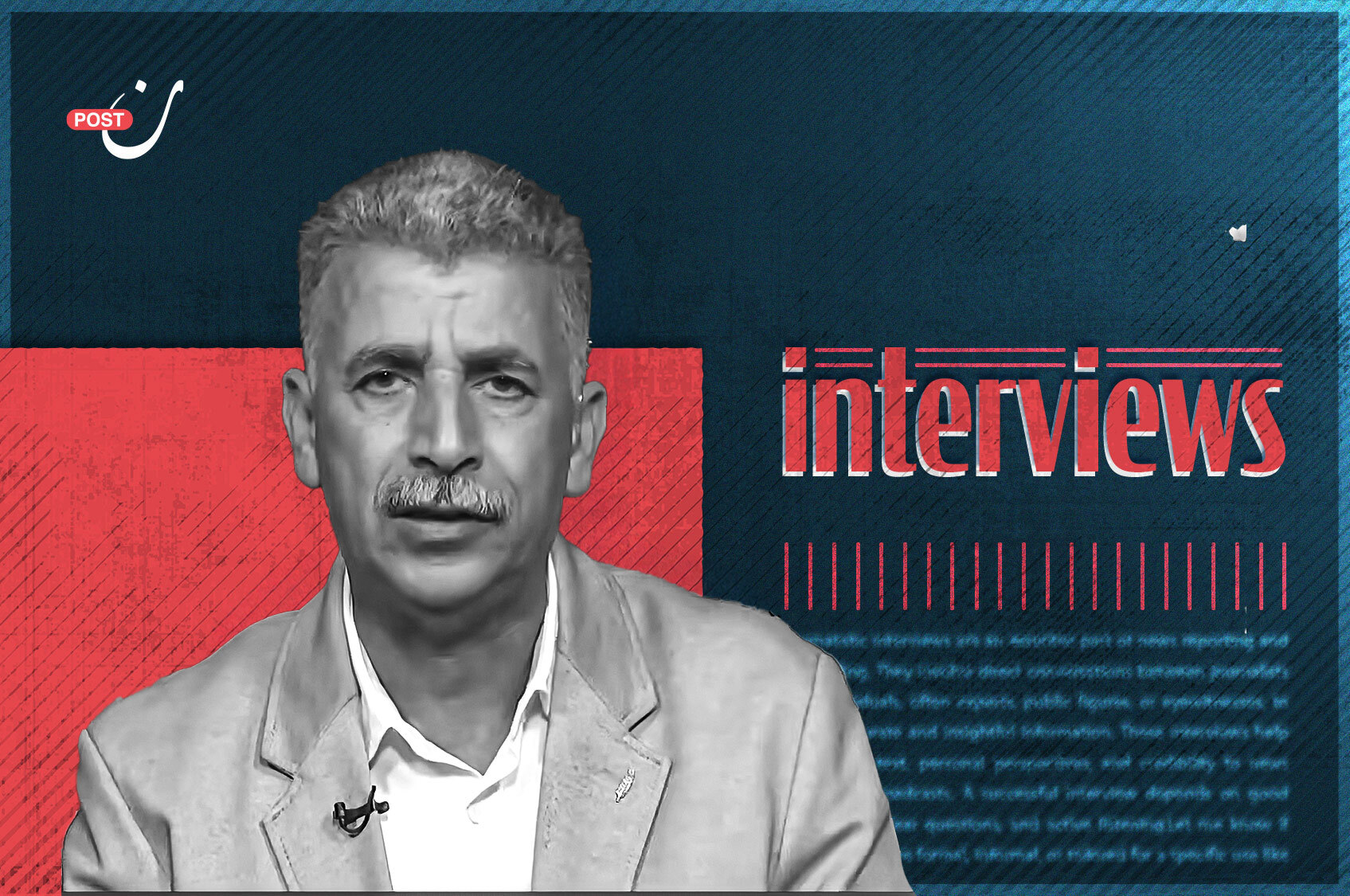
In this exclusive interview with Noon Post, Salah Khawaja, Director of the Central Region Office at the Palestinian Authority’s Anti-Wall and Settlement Commission, offers a deep analysis of the challenges Palestinians face on the ground.

He unveils Israel’s settler-colonial goals, the international implications of these policies, and possible strategies for resisting expansion and confronting the occupation in defense of Palestinian land and rights.

To what extent do recent settlement tenders and daily Israeli land seizures undermine U.S. claims that no formal annexation is taking place?

Annexation didn’t begin with Trump’s declarations or recent U.S. statements it has been effectively underway since 1967, when Israel first expelled residents from Jerusalem’s Moroccan Quarter.

With the launch of the Alon Plan in 1967, aimed at isolating Gaza from the West Bank, annexing Jerusalem, and controlling the Jordan Valley which makes up about 29% of the West Bank the annexation process was already in motion.

The continuation of Israeli policies and successive governments’ strategies are aimed at imposing new facts on the ground in the West Bank, Judaizing it, and preventing the establishment of a Palestinian state. American claims denying annexation are politically meaningless and serve only to placate public and international outrage.

Meanwhile, the U.S. continues to support and arm Israel. After October 7, over 97,000 weapons were distributed to settlers something Ben-Gvir publicly boasted about.

Thus, U.S. rhetoric denying annexation is misleading and contradicts its full support for Israeli occupation and settlement expansion.

How does continued settlement expansion lay the groundwork for annexation in the West Bank?

Settlement expansion aims to alter the geographic and demographic reality of the West Bank. Israel isn’t simply building scattered outposts it’s targeting the entire territory, especially Area C, which makes up 63% of the West Bank under the Oslo Accords.

This is the real-world implementation of the Zionist movement’s vision: to crush the Palestinian dream of statehood and build a settler state in its place. The settlement enterprise forms the actual foundation of the annexation project.

What is the aim of accelerating settlement tenders at this stage?

The primary objective is to entrench the “Greater Jerusalem” project, which has been a top priority for Israeli governments since Rabin’s era. Recently, Netanyahu, Smotrich, and Ben-Gvir appeared in Ma’ale Adumim to announce the start of the “E1 project,” a key component of the Greater Jerusalem plan.

The proposed law by Lieberman to annex Ma’ale Adumim into Israeli “sovereignty” reveals the intent to impose unilateral realities. This acceleration also reflects political rivalry within Israel, with parties vying for public support by championing settlement expansion.

What is the government’s strategic goal in establishing and expanding settlements in key areas?

The Israeli government aims to strengthen settler presence and assert control over Palestinian land and natural resources agricultural land, water springs, grazing areas, and nature reserves. This turns Palestinian villages into isolated enclaves resembling open-air prisons.

Recent administrative annexation efforts in areas like Nabi Samuel, Beit Iksa, and Al-Khalaila in northwest Jerusalem demonstrate a clear vision to depopulate Palestinian land and redraw the map to suit the settlement project.

What legal pretexts does Israel use to justify land confiscation?

The occupation relies on a wide legal apparatus about 81 laws passed by the Knesset to legitimize land grabs, including:

  • Absentee Property Law

  • Classification of land as “abandoned” or “unused”

  • Nature reserves designation

  • Military training zones

  • Roads linking settlements

  • Public utility regulations

These tools are constantly expanded to give legal cover to the ongoing seizure of Palestinian land.

How much land is estimated to be taken for settlements?

Israeli authorities currently control around 42% of the West Bank, treating much of it as “uninhabited” and ready for development. The breakdown includes:

  • 8% allocated to settlement master plans

  • 14% for grazing outposts

  • 11% seized behind the separation wall

  • The rest is used for military training, checkpoints, and road infrastructure

This highlights the deep entrenchment of settlements across the West Bank.

Are the new tenders and land grabs part of the Greater Jerusalem project? Will they create new demographic realities?

Absolutely. These efforts are central to a long-term plan to establish Greater Jerusalem. The plan includes building 356 new settlement units and approving 209 more in settlements like Gush Etzion and Giv’at Ze’ev.

The goal is to expand the settlement footprint to cover 12% of the West Bank, linking West and East Jerusalem through Ma’ale Adumim and extending to the Dead Sea, south to Gush Etzion, and north to Qalandia airport once a Palestinian airport before 1948. Israel has declared plans to turn it into a settlement for religious extremists.

This will erase Palestinian presence in buffer zones and create a vast, closed-off settler bloc in Jerusalem.

Is Area C the only target, or are Areas A and B also affected?

Though Area C is the primary focus, Areas A and B under Palestinian Authority control per the Oslo Accords are not spared. These regions face constant settler incursions, land grabs, and Israeli military raids.

This is part of a broader strategy by Netanyahu, Smotrich, and Ben-Gvir to assert “sovereignty” over all West Bank territory. The plan includes targeting water sources, nature reserves, and heritage sites. Smotrich even claimed that 2,562 archaeological sites are “biblical areas” that must be “liberated” from Palestinians.

How does shifting the burden of proof of land ownership to Palestinians facilitate Israeli land grabs?

Requiring Palestinians to prove land ownership is one of the most dangerous legal tactics. Settlers exploit the legal system particularly during emergencies like the Gaza war to expand control. The Land Settlement Law facilitates this process under the guise of “administrative sovereignty” in Area C.

It allows settlers to establish grazing and residential outposts -even in Area B- as seen in places like Atara and Birzeit. Legal structures are used as tools to dispossess Palestinians, turning every land claim into an uphill battle.

What can Palestinians do to protect land ownership under these new policies?

We’re in a stage of resistance, not political solutions. This demands mobilization of all forms of popular struggle legal and grassroots. The defense of Palestinian identity, sanctity, and sovereignty requires determined activism.

Like in the recent olive harvest season, when Palestinians reclaimed threatened lands, the message is clear: We will resist. Protecting the land is a fight for existence.

How does Israel use military orders to seize land under security pretexts?

Thousands of dunams are being seized under the guise of military necessity. In the last year alone, 56,000 dunams were taken, and over 42,000 more by late 2025, often under coordinated efforts to enforce military orders.

In places like the village of Al-Taybeh, land initially seized for “security” ends up as permanent settlements proving these claims are a cover for expansion.

What are “buffer zones” and how many exist in the West Bank?

Israel uses buffer and isolated zones to surround settlements and sever Palestinian land from adjacent areas. These zones, often extending over 100 meters, now include over 23 buffer areas. Entire villages, like those west of Jerusalem, are enclosed by fences, checkpoints, and walls.

Families like Abu Ghraib’s in Beit Ijza live behind walls with limited access controlled by biometric gates. Villages like Duma in Nablus are cut off from neighbors, becoming isolated islands under occupation control.

Are buffer zones meant to establish new borders?

Yes. The separation wall alone isolated 11% of the West Bank. Despite Israel’s claims of agricultural access, these lands are now under full settler control especially in the fertile north (Jenin, Qalqilya, Tulkarm, Salfit).

How do these buffer zones affect movement and access?

They’re used to forcibly displace Palestinians, turning empty lands into settler projects. Military orders restrict access, isolating villages and blocking access to farmland, turning daily life into a struggle.

What’s the impact of relocating Hamra checkpoint to Ein Shibli village?

Moving it 2km east effectively puts thousands of dunams under Israeli control. Palestinians can no longer access lands in Mak-houl and Hadidiya. It’s a strategy to imprison Palestinians within narrow spaces, cut off from farmland and other communities.

Is Israel building a settler state to rival Tel Aviv in the West Bank?

Clearly. In East Ramallah villages like Ramon and Kafr Malik, seized lands are three times larger than Tel Aviv. Israel controls over 2.2 million dunams in the West Bank about 42% of the territory.

Ma’ale Adumim alone spans 61 square km nearly equal to Tel Aviv’s 63. When combined with areas east of Ramallah, settlement space dwarfs Tel Aviv.

The West Bank is being transformed into a web of settlement blocs, all linked to Israel’s 1948 territory. This is a unified colonial project, driven by the settler-led Israeli government.

What is Israel signaling through continued construction despite denying annexation?

The message is clear: Israel is building “Greater Israel.” This is not just about Palestine, but a broader project to dominate the region under long-term settler colonialism.

Are these tenders a challenge to international law and the UN?

Absolutely. They represent a blatant disregard for international norms. Some Arab states’ proposals further delegitimize Palestinian rights. The international system is failing, often acting as an enabler of Israeli policies. Trump, for example, has become an informal spokesperson for Netanyahu.

Palestinians must shift strategies, rally global allies, and push parliaments and governments to adopt accountability measures.

What should the international community do?

The International Criminal Court must open a file on settlements as war crimes under the Rome Statute. The UN must enforce the 2004 ICJ ruling declaring the wall illegal and demanding reparations.

But so far, global standards are applied inconsistently due to U.S. influence. The solution lies in unity through national strategy, grassroots resistance, and a global solidarity network capable of challenging the occupation narrative and regaining international momentum.

Download this article as PDF
Share this Article
Facebook Twitter Whatsapp Whatsapp Telegram Email Copy Link
سندس بعيرات
By سندس بعيرات صحفية فلسطينية من رام الله
Follow:
Previous Article نون بوست Who Cares for Gaza’s War Orphans?
Next Article نون بوست After the PKK: How the Kurdish Party Map Is Shifting?

Read More

  • U.S. Regime‑Change Policies: Why They Are Destined to Fail U.S. Regime‑Change Policies: Why They Are Destined to Fail
  • The Gulf’s Balancing Act: Iran, Israel, and Hidden Links
  • Iraq–Turkey Oil Export Treaty: Why Did Ankara Cancel It After 52 Years?
  • Syria’s Northeast on Edge: QSD Between Ankara and Damascus
  • Has Europe Changed Its Stance on Israel… or Just Its Language?
part of the design
NoonPost Weekly Newsletter

You May Also Like

U.S. Regime‑Change Policies: Why They Are Destined to Fail

U.S. Regime‑Change Policies: Why They Are Destined to Fail

إسراء سيد Esraa sayed 8 April ,2026
The Gulf’s Balancing Act: Iran, Israel, and Hidden Links

The Gulf’s Balancing Act: Iran, Israel, and Hidden Links

فريق التحرير Noon Post 8 April ,2026
Iraq–Turkey Oil Export Treaty: Why Did Ankara Cancel It After 52 Years?

Iraq–Turkey Oil Export Treaty: Why Did Ankara Cancel It After 52 Years?

فريق التحرير Noon Post 8 April ,2026

سلسلة الأفضل: نجومنا العرب في أوروبا

أيهم المدرس
أيهم المدرس Published 23 October ,2015
Share
maxresdefault

“حبايبنا عاملين إيه”

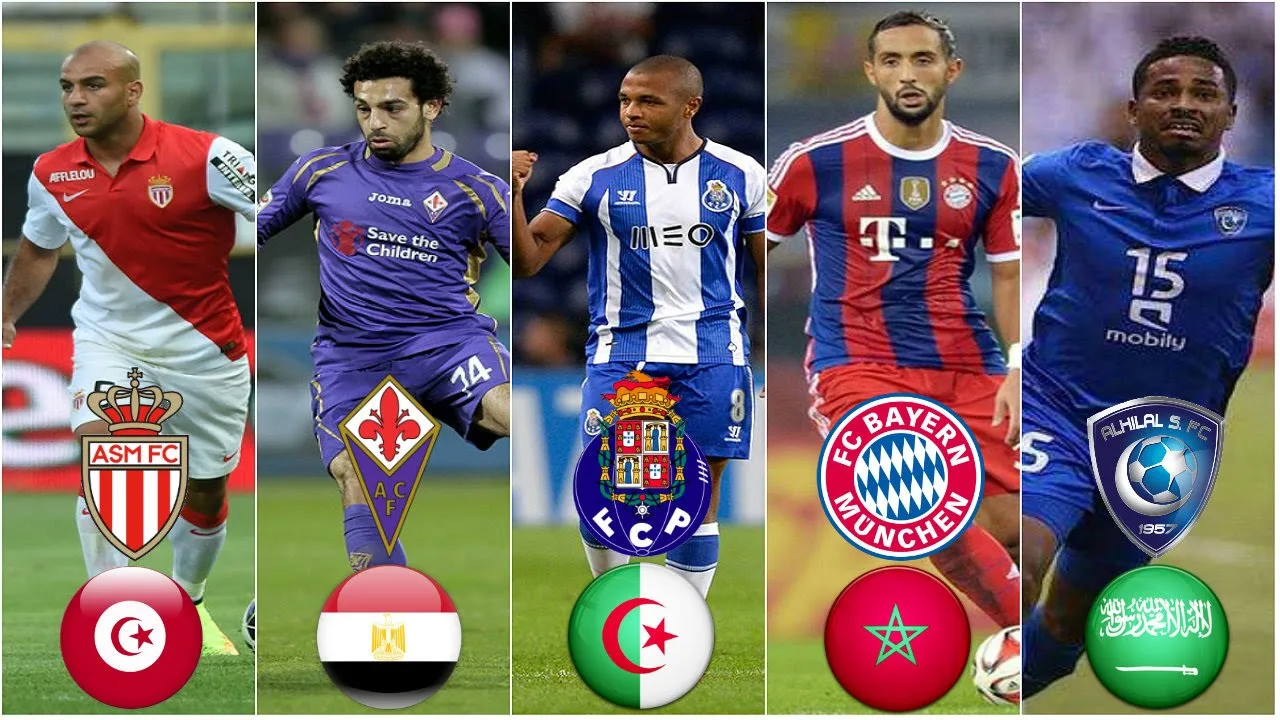
بعد أن تعرفنا في الحلقات الست السابقة من “سلسلة الأفضل” على نجوم الماضي والحاضر في جميع مراكز اللعب، رأينا أن نفرد هذه الحلقة للحديث عن نوارسنا المهاجرة، وأعني: نجومنا العرب المحترفين في الملاعب الأوروبية، لنقلب “ألبوم” الذكريات ونستحضر أحلى اللحظات التي عاشها أبناء جلدتنا مع أندية القارة العجوز عبر أحقاب التاريخ الرياضي، وصولًا إلى حقبتنا الحالية التي أصبحت فيها كبرى الدوريات الأوروبية تعج بالمحترفين العرب، سواء ممن ولدوا على الأرض العربية من المحيط إلى الخليج ثم ذهبوا للاحتراف في أوروبا، أو ممن لم ينسهم مسقط رأسهم هناك جذورهم العربية، فآثروا اللعب لمنتخبات بلدانهم الأصلية، فاستحقوا احترامنا ومحبتنا، بعكس من فضلوا اللعب لمنتخبات البلدان التي يعيشون فيها، متنكرين لأصولهم وأرض أجدادهم، ومفضلين إغراءات المال والشهرة عليها، وعليه فهم لا يستحقون الذكر ضمن موضوع خصصناه فقط لمن عشقوا أوطانهم، وأخلصوا لتراب آبائهم وأجدادهم، فسرهم أن يرتدوا قمصانًا نقشت عليها بلغة الضاد حروف أوطان أحبتهم شعوبها، وشجعتهم جماهيرها، وتاقت دومًا لمتابعتهم واستقصاء أخبارهم حتى وهم في الغربة، فهم “حبايبنا” الذين نذكرهم كلما سمعنا السيدة نجاة الصغيرة تشدو بأغنيتها الشهيرة:

حبايبنا عاملين إيه … في الغربة وأخباركم إيه

مرتاحين ولا تعبانين … فرحانين ولا زعلانين

مشتاقين ليكم مشتاقين

نوارسنا المهاجرة بين الماضي والحاضر

نون بوست

يذكر التاريخ اسم المغربي العربي بن مبارك، بوصفه أول لاعب عربي احترف في أوروبا، وكان ذلك عام 1938 حين لعب لمارسيليا الفرنسي موسمًا واحدًا فقط، عاد بعده إلى بلاده بسبب اندلاع الحرب العالمية الثانية، ليعود بعد انتهائها إلى فرنسا فيلعب مع نادي ستاد فرانسيس ثلاثة مواسم، ثم يذهب إلى إسبانيا للعب في صفوف أتليتكو مدريد، حيث تألق بشدة وقادهم لإحراز لقب الليغا مرتين متتاليتين عامي 1950 و1951، هذا اللاعب الرائع الذي يعرف بلقب “الجوهرة السوداء” قبل بيليه، لم يلعب قط للمنتخب المغربي بل مثل المنتخب الفرنسي، ولكن ذلك لم يكن عن قلة وفاء وانتماء، بل نتيجة تأخر تأسيس المنتخب المغربي حتى عام 1957، وحينها تولى هو بنفسه مسؤولية تدريب أسود الأطلس بعد اعتزاله اللعب تمامًا.

وشهدت حقبة السبعينات بزوغ النجم الجزائري مصطفى دحلب، الذي تألق في صفوف باريس سان جيرمان مدة عشر سنوات وتحول إلى أحد أيقوناته الخالدة، ومن بعده برز جيل الثمانينات بقيادة الحارس المغربي بادو الزاكي الذي لعب لريـال مايوركا الإسباني، ومواطنه عزيز بودربالة الذي لعب لسيون السويسري، إضافةً للنجم الجزائري الشهير رابح مادجر، الذي تألق في بورتو البرتغالي وقاده لإحراز لقب دوري أبطال أوروبا، بتسجيله هدف الكعب الشهير في مرمى بايرن ميونيخ في نهائي عام 1987.

وتزايدت أهمية محترفينا العرب في أوروبا خلال التسعينات، فبرز الجزائريان عبد الحفيظ تسفاوت وموسى صايب مع أوكسير الفرنسي، ومواطنهما علي بن عربية مع عدة أندية فرنسية كموناكو، سان جيرمان وبوردو، الذي توج معه كأفضل لاعب في الدوري الفرنسي عام 1998، كما تألق في الفترة ذاتها المدافع المصري هاني رمزي مع فيردر بريمن وكايزر سلاوترن الألمانيين، والتونسي عادل السليمي مع فرايبورغ الألماني، إضافةً إلى الثلاثي المغربي: نور الدين النايبت، مصطفى الحجي، وصلاح الدين بصير، الذين لعبوا في صفوف لاكورونيا الإسباني أواخر التسعينات.

واستمر تألق أغلب نجوم التسعينيات في الألفية الجديدة، مع ظهور نجوم عربية أخرى سطعت في سماء أوروبا، كالمصري أحمد حسام ميدو والتونسي حاتم الطرابلسي مع أياكس الهولندي، واللبنانيين رضا عنتر ويوسف محمد مع فرايبورغ وكولن الألمانيين، والجزائري مجيد بوقرة مع غلاسكو رينجرز الإسكتلندي، ومواطنه رفيق صايفي مع تروا ولوريان الفرنسيين، والمصري محمد زيدان مع دورتموند الألماني، والمغربي محمد اليعقوبي مع أوساسونا الإسباني، والتونسي ياسين الشيخاوي مع زيوريخ السويسري، إضافةً إلى الحارس العماني علي الحبسي مع ويغان الإنجليزي.

وفي السنوات الأخيرة الماضية، تزايد عدد نجومنا العرب في الدوريات الأوروبية بشكل كبير، حتى أصبح من النادر أن تخلو بطولة محلية أوروبية من الأسماء العربية المؤثرة، وسنقوم فيما يلي بذكر أهم هذه الأسماء في كل دوري على حده:

في الدوري الإسباني

نون بوست

من المغرب: نور الدين أمرابط، عدنان تيغادويني، وهاشم مستور (مالقا) – يوسف العربي(غرناطة) – زهير فضال (ليفانتي) – فيصل فجر (لاكورونيا) – نبيل الزهر (لاس بالماس) – ياسين بونو (زاراغوزا).

من الجزائر: سفيان فيغولي (فالنسيا) – نبيل غيلاس (ليفانتي) –  مدحي لحسن (خيتافي) – فؤاد قادير (بيتيس) – رشيد آيت عثمان (خيخون).

من تونس: أيمن عبد النور (فالنسيا).

في الدوري الإنجليزي

من الجزائر: رياض محرز (ليستر) –  نبيل بن طالب (توتنهام) – سعيد بن كلام وعدلان قديورة (واتفورد).

من المغرب: مروان الشماخ (كريستال بالاس).

من مصر: أحمد المحمدي (هال سيتي).

في الدوري الإيطالي

من الجزائر: فوزي غلام (نابولي) – سفير تايدر (بولونيا)- جمال مصباح (سامبدوريا).

من المغرب: عمر قادوري (نابولي) – أشرف لزعر وعبد الحميد الكوثري (باليرمو).

من مصر: محمد صلاح (روما).

من ليبيا: أحمد بن علي (باليرمو).

من العراق: علي عدنان (أودنيزي).

في الدوري الألماني

من المغرب: المهدي بن عطية (بايرن ميونيخ).

من تونس: أنيس بن حتيرة (هيرتا برلين).

من لبنان: جوان عمري (فرانكفورت).

في الدوري الفرنسي

من الجزائر: رشيد غزال (ليون) – رياض بودبوز (مونبلييه) – سعيد بن رحمة (نيس) – مهدي زيفان (رين) – وليد مسلوب (لوريان) – عيسى ماندي (ريمس) – مهدي مصطفى (باستيا).

من المغرب: نبيل ضرار (موناكو) – عبد العزيز برادة (مارسيليا) – منير عبادي (ليل) – كريم آية فانا (مونبلييه) – فؤاد شفيق (لوفال) – ياسين بامو (نانت) – فهد موفي (ليون).

من تونس: وهبي الخزري (بوردو) – جمال السايحي (مونبلييه).

من موريتانيا: ديالو جويديلي (نانسي) – عبدول با (لينس).

في الدوري البرتغالي

من المغرب: عادل تاعرابت ومهدي كارسيلا (بنفيكا) – زكريا لبيض (س لشبونة).

من ليبيا: جمال محمد (جيل فيسنتي) – محمد الشبلي وحمدو المصري (ف سيتوبال).

من الجزائر: ياسين إبراهيمي (بورتو) – إسلام سليماني (س لشبونة).

من مصر: أحمد حسن كوكا (براغا).

في الدوري الهولندي

من المغرب: أسامة طنان (هيراكليس) – كريم الأحمدي (فاينورد) – حكيم زياش (تفينتي) – رشدي أشنطيح (فيتسة) – منير الحمداوي (ألكمار).

في الدوري التركي

من المغرب: عاطف شحشوح (سيفاس) – مصطفى الكبير (غنسلر بيرجلي).

من الجزائر: رايس مبولحي (أنطاليا سبور) – كارل ميدجاني (طرابزون).

من العراق: ضرغام إسماعيل (ريزا سبور).

من سورية: سنحاريب ملكي (قاسم باشا).

في دوريات أخرى

من المغرب: يونس بلهندة (دينامو كييف الأوكراني) – مبارك بوصوفة (لوكموتيف الروسي) – حسين خرجة (ستيوا بخارست الروماني) – مانويل داكوستا (أولومبياكوس اليوناني) – إسماعيل عيساتي (غروزني الروسي) – أحمد المسعودي (لياج البلجيكي).

من مصر: محمد النني (بازل السويسري) – محمود حسن تريزيغيه (أندرلخت البلجيكي).

من الجزائر: العربي سوداني (دينامو زغرب الكرواتي) – رفيق جبور (إيك أثينا اليوناني).

من تونس: أمين الشرميتي (زيوريخ السويسري).

من الأردن: طاهر بواب (كرايوفا الروماني).

أفضل عشرة محترفين عرب “حالياً”

نون بوست

من بين نجومنا العرب الذين لاتزال الملاعب الأوروبية والعالمية تشهد على تألقهم، انتخبنا الأسماء العشرة التالية التي رأينا أنها الأكثر تميزًا في الوقت الراهن، وذلك بناءً على عطائهم مع أنديتهم خلال الموسمين الماضي والحالي، مع أخذ اسم النادي وقوة الدوري الذي يلعبون ضمنه في الحسبان، دون أن ينقص ذلك – بالطبع – من قيمة وتميز بقية نوارسنا المهاجرة، سواءً ممن سردنا أسماءهم ضمن الفقرات السابقة، أو ممن لم تسعفنا الذاكرة والمساحة المتاحة لذكرهم:

– محمد صلاح (مصر – روما): ميسي المصري وسندباد اللاعبين العرب، لم توثر كثرة تنقلاته بين الأندية على جودته وعطائه، بل صقلت تجربته ليصبح لاعبًا من الطراز العالمي، يقود هجوم نادي العاصمة الإيطالية بكل اقتدار منذ مطلع الموسم الحالي.

– ياسين ابراهيمي (الجزائر – بورتو): هو رابح مادجر الجديد بحسب الصحف البرتغالية، التي شبهت ما فعله محارب الصحراء مع نادي التنانين الموسم الماضي حين قادهم إلى ربع نهائي دوري الأبطال، بما فعله نجم الثمانينات الذي قادهم إلى التتويج باللقب عام 1987.

– أيمن عبد النور (تونس – فالنسيا): قدم الموسم الماضي مع موناكو الفرنسي ما جعله مصنفًا ضمن نخبة أفضل مدافعي القارة الأوروبية، فتلقفه نادي الخفافيش هذا الموسم، لتعويض رحيل الأرجنتيني أوتاميندي في قيادة خط دفاعه إلى جانب شكيردان مصطفي.

– المهدي بن عطية (المغرب – بايرن ميونيخ): يحظى بثقة مدربه غوارديولا، الذي يرى فيه الشريك الأمثل لبواتينغ في قيادة دفاع كتيبة أبطال البوندسليغا، ولكن كثرة إصاباته أثرت على مشاركاته، دون أن تلغي دوره الكبير مع الفريق عندما يكون في أفضل حالاته البدنية.

– سفيان فيغولي (الجزائر – فالنسيا): ازدادت أهميته كثيرًا في موسمه الرابع مع خفافيش الميستايا، ليصبح القائد الحقيقي لعملياتهم الهجومية، وصاحب الفضل الأكبر في إعادتهم للمشاركة في دوري الأبطال هذا العام، بعد احتلالهم المركز الرابع في ليغا الموسم الماضي

– فوزي غلام (الجزائر – نابولي): في الموسم الماضي تحت قيادة بينيتيز، والحالي تحت قيادة ساري، لايزال الظهير الجزائري الأيسر محافظًا على جودته ومستواه الرفيع مع فريق الجنوب الإيطالي، مما وضعه ضمن نخبة أفضل لاعبي مركزه في السيري آ.

– إسلام سليماني (الجزائر – سبورتنغ لشبونة): هداف فريقه حامل لقب كأس البرتغال الموسم الماضي، لاتزال إسهاماته الهجومية حاضرةً بقوة مع فريق العاصمة البرتغالية، الذي يبدو منافسًا جديًا على لقب الدوري الحالي تحت قيادة جورجي جيسوس.

– رياض محرز (الجزائر – ليستر سيتي): المفاجأة السارة في كتيبة ليستر سيتي، نجح في تسجيل انطلاقة ممتازة مع فريقه هذا الموسم، بإحرازه خمسة أهداف في المباريات الثمان الأولى، ليصبح مطلبًا لكبار أندية البريمير ليغ التي رأت فيه مشروع هداف يعد بالكثير.

– نبيل ضرار (المغرب – موناكو): قدم صانع الألعاب المغربي أداءً ممتازًا مع فريق الإمارة ثالث الدوري الفرنسي الموسم المنصرم، وتألق معه في دوري الأبطال بعد مغامرة فريدة انتهت عند ربع النهائي، وتابع أداءه المتزن هذا العام، ليستحق مكانًا ضمن قائمة الأفضل.

– وهبي الخزري (تونس – بوردو): حصد الإعجاب مع فريقه الخمري منذ أول مواسمه معه، فنجح في تسجيل تسعة أهداف رغم كونه صانع ألعاب، وتابع تميزه الموسم الحالي، فأحرز أربعة أهداف في ثماني مشاركات، جاذبًا إليه أنظار كبار أندية فرنسا والقارة العجوز.

TAGGED: الدوري الإسباني ، الدوري الإيطالي ، الدوري الفرنسي لكرة القدم ، كرة القدم الأوروبية ، لاعبو كرة القدم العرب
TAGGED: كرة القدم
Download this article as PDF
Share this Article
Facebook Twitter Whatsapp Whatsapp Telegram Email Copy Link
أيهم المدرس
By أيهم المدرس كاتب سوري مهتم بالشأن الرياضي
Follow:
Next Article نون بوست The Stigma of “ISIS”: A Heavy Legacy Haunting Women and Children of Former Members

Read More

  • U.S. Regime‑Change Policies: Why They Are Destined to Fail U.S. Regime‑Change Policies: Why They Are Destined to Fail
  • The Gulf’s Balancing Act: Iran, Israel, and Hidden Links
  • Iraq–Turkey Oil Export Treaty: Why Did Ankara Cancel It After 52 Years?
  • Syria’s Northeast on Edge: QSD Between Ankara and Damascus
  • Has Europe Changed Its Stance on Israel… or Just Its Language?
part of the design
NoonPost Weekly Newsletter
dark

An independent media platform founded in 2013, rooted in slow journalism, producing in-depth reports, analysis, and multimedia content to offer deeper perspectives on the news, led by a diverse young team from several Arab countries.

  • Politics
  • Society
  • Rights & Liberties
  • Opinions
  • History
  • Sports
  • Education
  • Technology
  • Economy
  • Media
  • Arts & Literature
  • Entrepreneurship
  • Travel
  • Cinema & Drama
  • Food
  • Health
  • Culture
  • Latest Reports
  • Files
  • Long Reads
  • Interviews
  • Podcast
  • Interactive
  • Encyclopedia
  • In Pictures
  • About Us
  • Our Writers
  • Write for Us
  • Editorial Policy
  • Advanced Search
Some rights reserved under a Creative Commons license

Removed from favorites

Undo
Go to mobile version