NoonPost NoonPost

NoonPost

  • Home
  • Politics
  • Economy
  • Society
  • Culture
  • Files
  • Long Reads
  • Podcast
AR
Notification Show More
نون بوست
“There Are Nights I Can’t Close My Eyes”: How Gazans Are Living in Homes on the Brink of Collapse
نون بوست
From al-Jolani to Ahmad al-Shara: The Evolution of Syria’s New Leader
نون بوست
When Political Islam Receded in Egypt: Who Filled the Void?
نون بوست
An Extension of Genocide: Gaza’s Detainees Speak Out
نون بوست
A Tightrope Between Survival and Sovereignty: The Syrian Government Faces Normalization Pressures
نون بوست
American Aircraft Carriers: Has the Era of “100,000 Tons of Diplomacy” Ended?
نون بوست
U.S. Regime‑Change Policies: Why They Are Destined to Fail
نون بوست
Transformations of Israeli Judaism: Between the Victim Complex and the Colonizer’s Doctrine
نون بوست
The Gulf’s Balancing Act: Iran, Israel, and Hidden Links
نون بوست
Iraq–Turkey Oil Export Treaty: Why Did Ankara Cancel It After 52 Years?
نون بوست
Syria’s Northeast on Edge: QSD Between Ankara and Damascus
نون بوست
Has Europe Changed Its Stance on Israel… or Just Its Language?
NoonPost NoonPost
AR
Notification Show More
نون بوست
“There Are Nights I Can’t Close My Eyes”: How Gazans Are Living in Homes on the Brink of Collapse
نون بوست
From al-Jolani to Ahmad al-Shara: The Evolution of Syria’s New Leader
نون بوست
When Political Islam Receded in Egypt: Who Filled the Void?
نون بوست
An Extension of Genocide: Gaza’s Detainees Speak Out
نون بوست
A Tightrope Between Survival and Sovereignty: The Syrian Government Faces Normalization Pressures
نون بوست
American Aircraft Carriers: Has the Era of “100,000 Tons of Diplomacy” Ended?
نون بوست
U.S. Regime‑Change Policies: Why They Are Destined to Fail
نون بوست
Transformations of Israeli Judaism: Between the Victim Complex and the Colonizer’s Doctrine
نون بوست
The Gulf’s Balancing Act: Iran, Israel, and Hidden Links
نون بوست
Iraq–Turkey Oil Export Treaty: Why Did Ankara Cancel It After 52 Years?
نون بوست
Syria’s Northeast on Edge: QSD Between Ankara and Damascus
نون بوست
Has Europe Changed Its Stance on Israel… or Just Its Language?
Follow US

How the United Nations Lost Its Influence in Yemen

فريق التحرير
Noon Post Published 26 March ,2026
Share
نون بوست
نون بوست

On October 9, Abdullah Shamsan Al-Akhaly, an IT worker with the UN High Commissioner for Refugees (UNHCR), passed away unexpectedly in Sana’a from a heart attack. In the days leading up to his death, the young Yemeni had expressed to family members his fear of being detained by the Houthi movement (Ansar Allah) at any moment due to his work with a UN-affiliated agency.

That persistent anxiety took a heavy toll on him, as he watched colleagues being arbitrarily arrested by the Houthis, often without knowing the charges.

“I thought my friend was just anxious,” said “M.H.,” a friend of Abdullah’s, in an interview with Noon Post. “I never imagined that fear would be the cause of his death.”

Since seizing control of the Yemeni capital, the Houthis have significantly restricted the operations of UN personnel and other international aid and development organizations.

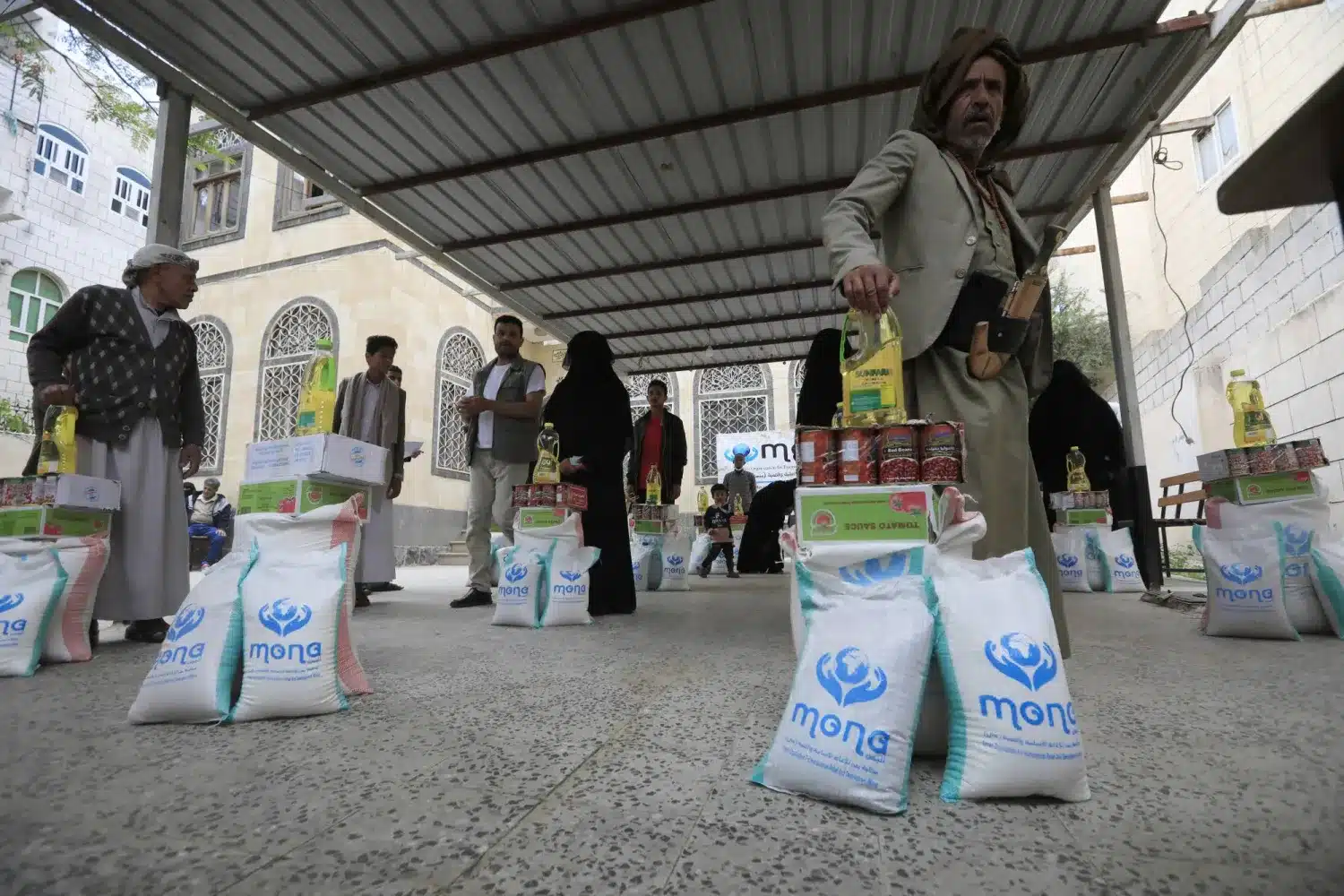
No activities can be carried out in Houthi-controlled areas without prior approval from the “Supreme Council for the Management and Coordination of Humanitarian Affairs” (SCMCHA), a body the group created to monitor and limit aid operations, dictate the list of beneficiaries, and enforce the use of Houthi-aligned local partners. But their tightening grip has not stopped there.

According to human rights advocates, these restrictions have intensified over the past five years. A human rights report states that the Houthis have seized an estimated $9 billion in aid distributed by the UN and international relief agencies in areas under their control.

Recently, a spike in arrests and violations targeting local UN employees has been reported in Sana’a and other regions. According to UN spokesperson Stéphane Dujarric, 53 staff members are currently detained by the Houthis, with some held since 2021.

These repeated detentions raise numerous questions about the Houthis’ motivations:
Why are they targeting UN staff? What impact does this have on aid efforts in their territory? Are these actions solely rooted in Yemen’s internal conflict, or do they reflect broader political and security agendas? Another question also looms: are these arrests linked to recent Israeli airstrikes on Houthi positions?

Humanitarian Staff or Spies?

In June 2024, the Houthis defended their arrest of several UN staffers in Sana’a by accusing the UN of violating its operational agreements in Yemen. Mohammed Ali al-Houthi, a senior political figure in the movement, declared: “We condemn the US for planting its spies under the guise of humanitarian and diplomatic work,” claiming his group had “evidence and documents” proving espionage activities by UN employees.

He said this evidence would only be shared with a third party that respects national sovereignty and demanded an explanation from the UN for what he called “unjustified behavior.”

Then in late August, the Houthis arrested dozens of UN workers on suspicions of involvement in the alleged Israeli assassination of Ahmed Al-Rahwi, Prime Minister of the Houthi government in Sana’a, and several cabinet members. In response, the UN announced on September 26 that it was drastically scaling down operations in Houthi areas, except for life-saving assistance.

On October 16, the Houthis announced the death of their Chief of Staff, Abdulkarim Al-Ghamari, in an Israeli airstrike. Following the announcement, Houthi leader Abdulmalik Al-Houthi delivered a televised speech accusing the United States and Israel of using “spy cells embedded within WFP and UNICEF” to carry out criminal operations.

He claimed these cells were highly trained, equipped with sensitive surveillance technology, and provided intelligence that contributed to the targeted killings of his government’s leaders.

Al-Houthi went on to allege that the detained UN employees had used advanced surveillance devices typically employed by global intelligence agencies and warned that “no one will protect humanitarian workers from accountability.”

Political analyst Abdulmajid Al-Salahi argues that these arrests are not isolated incidents or purely security-related. Rather, he sees them as part of a broader Houthi strategy to assert absolute control over all activity within their territory including humanitarian and diplomatic operations.

“The Houthis are sending a clear message: they are the sole authority that must be obeyed,” Al-Salahi told Noon Post. “They also want to silence international witnesses to their abuses.”

UN spokesperson Stéphane Dujarric noted on the organization’s website that Houthi-controlled areas have recorded 28 cases of polio, emphasizing the growing urgency of protecting children and implicitly calling for the resumption of UN activities in those areas.

Dr. Fares Al-Beel, head of the Future Yemen Center for Strategic Studies, told Noon Post that the Houthis are not genuinely concerned with the well-being of Yemenis or with maintaining humanitarian operations, despite the immense impact such aid has had. Instead, the group seeks to control the distribution of aid for its military and economic gain.

Al-Beel argues that once the Houthis no longer found value in the aid, they resorted to detaining aid workers as a means of blackmailing the UN and international community into accepting their terms, particularly as global criticism of their violations intensifies.

A Bargaining Chip

Last month, UN Secretary-General António Guterres met with Yemeni Presidential Leadership Council President Rashad Al-Alimi and announced new measures to protect humanitarian staff in Yemen, including relocating UN offices to the southern city of Aden.

However, Yemeni officials remain skeptical, arguing that the UN’s responses to Houthi violations are often short-lived and reactionary. They cite the UN’s March 2025 reversal of a previous decision to suspend operations in Houthi territory after just one week of suspension.

Deputy Minister of Human Rights Nabil Abdulhafeez told Noon Post that the Yemeni government has been urging the UN to move its headquarters to Aden for eight years, but the organization has repeatedly declined, citing the fact that its primary office has been in Sana’a since before the war began.

Researcher Fares Al-Beel echoed this sentiment, saying the UN’s weak stance toward Houthi abuses is partly due to its deference to major world powers, which, in his words, have been “indulgent” with the group encouraging further defiance of international resolutions and norms.

According to observers, the UN has opted for a cautious, balanced approach to dealing with the Houthis, fearing that any escalation could lead to the expulsion of its staff or a complete halt of its programs in northern Yemen potentially affecting millions in need.

Bureaucratic inertia within the UN further slows its decision-making, says political analyst Abdulmajid Al-Salahi. He also points to an uncomfortable truth: the majority of detainees are Yemeni nationals, and thus do not receive the same level of international urgency or advocacy that foreign staff would.

In conclusion, Al-Salahi believes the Houthis are likely to use the detention of UN employees as a bargaining chip in upcoming negotiations whether with the UN envoy or regional powers.

He anticipates a gradual or conditional release of some detainees in exchange for humanitarian or political concessions. But he sees no lasting resolution in the near term, as the Houthis understand that these arrests give them valuable leverage in any future dialogue.

Download this article as PDF
Share this Article
Facebook Twitter Whatsapp Whatsapp Telegram Email Copy Link
فريق التحرير
By فريق التحرير تقارير يعدها فريق تحرير نون بوست.
Follow:
Previous Article نون بوست The Gaza Reconstruction Cake: Who Will Build It? Who Will Fund It? And At What Cost?
Next Article نون بوست Is Israel Entering a Phase of Academic Isolation?

Read More

  • U.S. Regime‑Change Policies: Why They Are Destined to Fail U.S. Regime‑Change Policies: Why They Are Destined to Fail
  • The Gulf’s Balancing Act: Iran, Israel, and Hidden Links
  • Iraq–Turkey Oil Export Treaty: Why Did Ankara Cancel It After 52 Years?
  • Syria’s Northeast on Edge: QSD Between Ankara and Damascus
  • Has Europe Changed Its Stance on Israel… or Just Its Language?
part of the design
NoonPost Weekly Newsletter

You May Also Like

U.S. Regime‑Change Policies: Why They Are Destined to Fail

U.S. Regime‑Change Policies: Why They Are Destined to Fail

إسراء سيد Esraa sayed 8 April ,2026
The Gulf’s Balancing Act: Iran, Israel, and Hidden Links

The Gulf’s Balancing Act: Iran, Israel, and Hidden Links

فريق التحرير Noon Post 8 April ,2026
Iraq–Turkey Oil Export Treaty: Why Did Ankara Cancel It After 52 Years?

Iraq–Turkey Oil Export Treaty: Why Did Ankara Cancel It After 52 Years?

فريق التحرير Noon Post 8 April ,2026

ما الذي تعنيه هجمات مالي؟

جو بيني
جو بيني Published 23 November ,2015
Share
BN-LK018_AQMALI_P_20151122174832

ترجمة وتحرير نون بوست

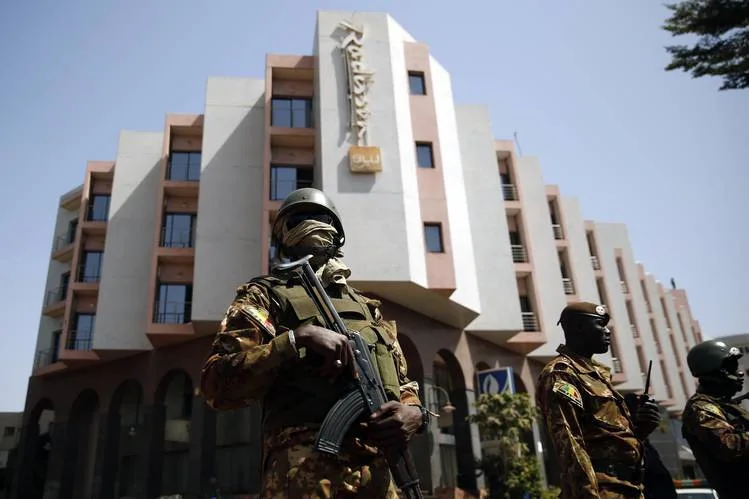
في غرفة تم نهبها في الطابق الثالث، كان التلفاز يبث ما تعرضه قناة فرانس 24 الإخبارية، حول صور الهجوم الإرهابي في فرنسا، وفي غرفة في الطابق الرابع، كانت نصف ساندويتش الدجاج موضوعة بمواجهة جواز سفر رجل تركي على الطاولة بجانب السرير، وفي الرواق المجاور، كانت القوات الفرنسية العاملة ضمن بعثة الأمم المتحدة، تلج داخل الغرفة التي غرقت ستائرها بلون الدماء الأحمر.

عندما اقتحم مسلحون فندق راديسون بلو في عاصمة مالي، باماكو، صباح يوم الجمعة وقتلوا 19 شخصًا على الأقل، وجهوا ضربتهم إلى صميم المنشأة التي تربط غرب أفريقيا مع بقية العالم؛ ففندق راديسون هو أفضل فندق في باماكو، وهويات وجنسيات ضحايا هذا الهجوم تعطينا لمحة عن الدول التي تتشاطر الحصص في المعركة التي تخوضها ضد الإرهاب في المنطقة.

ثلاثة مسؤولين تنفيذيين من الصين كانوا برحلة عمل بخصوص خطة، تبلغ قيمتها 1.5 مليار دولار، لتطوير السكك الحديدية القائمة منذ الحقبة الاستعمارية لربط دولة مالي غير الساحلية بميناء داكار البحري في دولة السنغال المجاورة، لقوا مصرعهم جرّاء الهجوم، ومن بين القتلى أيضًا، 6 موظفين روسيين ضمن شركة شحن بالطيران تخدم الجيش الفرنسي وبعثة الأمم المتحدة في مالي، مستشارة التنمية في أمريكا، أنيتا داتار، المسؤول البرلماني البلجيكي، جيفري ديودونيه، بالإضافة إلى مواطنين من إسرائيل ومالي والسنغال.

خلال أحداث راديسون، تم احتجاز رجال أعمال من الهند، جنبًا إلى جنب مع موظفي الخطوط الجوية التركية والخطوط الجوية الفرنسية لساعات ضمن الفندق، قبل أن تأتي القوات الخاصة المالية لنجدتهم، كما اضطر أغنى رجل في أفريقيا، أليكو دانجوتي، لنشر تغريدة على تويتر لنفي التقارير الأولية التي كانت تشير إلى أنه كان أيضًا من بين الرهائن.

مالي، التي تتعافى لتوها من سنوات الصدمة السابقة التي شهدت خلالها انقلابًا، احتلالًا جهاديًا، تدخلًا عسكريًا فرنسيًا، ومهمة ضخمة للأمم المتحدة، لديها الكثير لتخسره إن أحجم المستثمرون والدبلوماسيون الدوليون عن الاستمثار ضمنها؛ ففندق راديسون كان يعتبر مكانًا آمنًا للسكن، ولكن الآن، لم يعد يوجد ملاذات آمنة.

“صفقة السكك الحديدية مع الصينيين ستتوقف وستوضع على لائحة الانتظار، ومن المحتمل أن يحجم المستثمرون عن العمل في مالي”، قال مامادو كوليبالي، الذي يرأس منظمة أصحاب العمل في مالي.

الطابع الدولي للهجوم استقطب إدانات سريعة ومتلاحقة، سواء من الرئيس الأمريكي باراك أوباما، وكذلك من رؤساء فرنسا، فرانسوا هولاند، وروسيا، فلاديمير بوتين، والصين، شي جين بينغ، وعلى الرغم من أن مالي ليس غريبة عن مشهد التشدد الجهادي، ولكن هذه المرة الأولى التي تضرب فيها الهجمات الجهادية مركز السلطة في البلاد بصورة مباشرة.

احتلت فروع تنظيم القاعدة في بلاد المغرب الإسلامي شمال البلاد لمدة 9 أشهر في عام 2012، حيث فرضوا أنفسهم ضمن المجتمعات المحلية وخلقوا علاقات لم تنقطع أو تنتهي حتى الآن، وفي عام 2013، طردت القوات الفرنسية الجهاديين من المناطق التي احتلوها، ولكن منذ ذلك الحين تدهورت الأوضاع الأمنية، وباشرت الهجمات الإرهابية بالظهور جنوبي البلاد، في المناطق التي كانت، غير ما مرة، تعتبر آمنة ومستقرة.

على الحدود الشمالية لمالي، أفضى فراغ السلطة الذي أعقب تدخل حلف شمال الأطلسي “الناتو” في ليبيا، إلى انفلات أمني سمح بحرية تنقل وانتقال الأسلحة، مما أدى إلى ظفر الجماعات الجهادية بتأثير أكبر ضمن المنطقة.

أعلنت مجموعة إرهابية تدعى باسم المرابطون، بقيادة الجهادي المخضرم الجزائري مختار بلمختار، مسؤوليتها عن الهجوم الأخير في فندق راديسون، علمًا أنه وفي أغسطس المنصرم، هاجمت الجماعة المتحالفة مع تنظيم القاعدة فندقًا في مدينة سيفيري وسط مالي، مما أسفر عن مقتل 17 شخصًا، ويشير محلل أمني تابع للأمم المتحدة، طلب عدم الكشف عن هويته كونه غير مخول بالتحدث إلى الصحافة، بأن الذخائر والتكتيكات كانت مماثلة في كلا الاعتدائين.

وفقًا للمحلل الأمني، الجهاديون الذين شاركوا سابقًا في احتلال مالي عام 2012، والذين اختفوا عندما تدخلت القوات الفرنسية، “ظهروا اليوم، ولكن مع مجندين جدد”، ويضيف الخبير موضحًا بأن هذا الهجوم على المدنيين في أفخم فندق في باماكو، قد يكون ردًا على هجمات الدولة الإسلامية الأخيرة، في محاولة من الموالين لتنظيم القاعدة لإثبات وجودهم ضمن الساحة الجهادية العالمية، التي شهدت أحداثًا متسارعة مؤخرًا.

هذا النوع من الاعتداءات، الذي تنفذه مجموعة صغيرة مستعدة للموت ومسلحة ببضع بنادق كلاشنكوف وبعض القنابل اليدوية، أصبحت بالتأكيد الطريقة المثلى المستحدثة لعمل الإرهاب العالمي، حيث أجبر خطر وقوع هجمات مماثلة في بلجيكا الحكومة هناك لإغلاق بروكسل، في قلب أوروبا، بشكل فعلي.

ولكن في مالي، حيث تعد قبضة الحكومة الأمنية أكثر ضعفًا، مثل هذا الخيار لا يكاد يكون ممكنًا، فسهولة الحصول على الأسلحة الهجومية في مالي يعني أنه “طالما يوجد أناس على استعداد للانخراط في مهمات انتحارية، فإن هذا النوع من الهجمات سيستمر بالحدوث وسيكون من الصعب للغاية أن يتم إيقافه”، وفقًا لما قاله المحلل الأمني.

بحلول نهاية يوم الجمعة، تجمعت الجماهير الفضولية على طول الشارع الموصل إلى فندق راديسون، وباشروا بتصوير حركة الجنود وعمال الإنقاذ عبر هواتفهم الذكية، وعندما ظهرت وحدة القوات المالية الخاصة بعد انتهائها من مهمة الإنقاذ في وقت متأخر من اليوم، هتف الحشد فرحًا، وانخرطوا بهتاف جماعي “مالي! مالي! مالي!”.

بين دقيقة وأخرى تغيّر المزاج العام بشكل مفاجئ من الكآبة والرعب إلى الفرح والفخر، “لولا الجهود المغوارة لجنود مالي، لكانت الأمور اتجهت نحو سيناريو أسوأ من ذاك الذي حصل بكثير”، قال أحد الموجودين، وصاح رجل آخر “نحن فخورون بجيشنا”، هذه الكلمات نادرًا ما قد تسمعها في بلد اضطر لترجي فرنسا، المستعمر السابق لمالي، لتهب لمساعدتها في عام 2013.

“من شبه المستحيل أن نمنع وقوع مثل هذه الهجمات” قال كوليبالي، وأضاف، “الأهم من ذلك يتمثل بالطريقة التي ندير من خلالها تداعيات هذه الهجمات”.

كنظرائهم في أوروبا، تكافح حكومات غرب أفريقيا للتعامل مع التهديد الذي تخلقه الجماعات الجهادية، كبوكو حرام في نيجيريا وتنظيم القاعدة وفروعه في مالي، الذين قتلوا الأشخاص دون تمييز لسنوات، وأحبطوا باستمرار جميع الجهود الغربية والأفريقية للقضاء عليهم، ولكن قوات الأمن في مالي والحشد المتحمس الذي تجمع لإظهار دعمه وتضامنه مع هذه القوات، بتروا انتصارات هذه الجماعات في هذه المرة.

المصدر: نيويورك تايمز

TAGGED: الأمم المتحدة ، التنظيمات الإرهابية ، الهجمات الإرهابية ، تنظيم الدولة ، تنظيم القاعدة
Download this article as PDF
Share this Article
Facebook Twitter Whatsapp Whatsapp Telegram Email Copy Link
جو بيني
By جو بيني مؤسس موقع الأخبار الأفريقي Sahelien.com
Follow:
Next Article نون بوست The Stigma of “ISIS”: A Heavy Legacy Haunting Women and Children of Former Members

Read More

  • U.S. Regime‑Change Policies: Why They Are Destined to Fail U.S. Regime‑Change Policies: Why They Are Destined to Fail
  • The Gulf’s Balancing Act: Iran, Israel, and Hidden Links
  • Iraq–Turkey Oil Export Treaty: Why Did Ankara Cancel It After 52 Years?
  • Syria’s Northeast on Edge: QSD Between Ankara and Damascus
  • Has Europe Changed Its Stance on Israel… or Just Its Language?
part of the design
NoonPost Weekly Newsletter

You May Also Like

U.S. Regime‑Change Policies: Why They Are Destined to Fail

U.S. Regime‑Change Policies: Why They Are Destined to Fail

إسراء سيد Esraa sayed 8 April ,2026
The Gulf’s Balancing Act: Iran, Israel, and Hidden Links

The Gulf’s Balancing Act: Iran, Israel, and Hidden Links

فريق التحرير Noon Post 8 April ,2026
Iraq–Turkey Oil Export Treaty: Why Did Ankara Cancel It After 52 Years?

Iraq–Turkey Oil Export Treaty: Why Did Ankara Cancel It After 52 Years?

فريق التحرير Noon Post 8 April ,2026
dark

An independent media platform founded in 2013, rooted in slow journalism, producing in-depth reports, analysis, and multimedia content to offer deeper perspectives on the news, led by a diverse young team from several Arab countries.

  • Politics
  • Society
  • Rights & Liberties
  • Opinions
  • History
  • Sports
  • Education
  • Technology
  • Economy
  • Media
  • Arts & Literature
  • Entrepreneurship
  • Travel
  • Cinema & Drama
  • Food
  • Health
  • Culture
  • Latest Reports
  • Files
  • Long Reads
  • Interviews
  • Podcast
  • Interactive
  • Encyclopedia
  • In Pictures
  • About Us
  • Our Writers
  • Write for Us
  • Editorial Policy
  • Advanced Search
Some rights reserved under a Creative Commons license

Removed from favorites

Undo
Go to mobile version