NoonPost NoonPost

NoonPost

  • Home
  • Politics
  • Economy
  • Society
  • Culture
  • Files
  • Long Reads
  • Podcast
AR
Notification Show More
نون بوست
“There Are Nights I Can’t Close My Eyes”: How Gazans Are Living in Homes on the Brink of Collapse
نون بوست
From al-Jolani to Ahmad al-Shara: The Evolution of Syria’s New Leader
نون بوست
When Political Islam Receded in Egypt: Who Filled the Void?
نون بوست
An Extension of Genocide: Gaza’s Detainees Speak Out
نون بوست
A Tightrope Between Survival and Sovereignty: The Syrian Government Faces Normalization Pressures
نون بوست
American Aircraft Carriers: Has the Era of “100,000 Tons of Diplomacy” Ended?
نون بوست
U.S. Regime‑Change Policies: Why They Are Destined to Fail
نون بوست
Transformations of Israeli Judaism: Between the Victim Complex and the Colonizer’s Doctrine
نون بوست
The Gulf’s Balancing Act: Iran, Israel, and Hidden Links
نون بوست
Iraq–Turkey Oil Export Treaty: Why Did Ankara Cancel It After 52 Years?
نون بوست
Syria’s Northeast on Edge: QSD Between Ankara and Damascus
نون بوست
Has Europe Changed Its Stance on Israel… or Just Its Language?
NoonPost NoonPost
AR
Notification Show More
نون بوست
“There Are Nights I Can’t Close My Eyes”: How Gazans Are Living in Homes on the Brink of Collapse
نون بوست
From al-Jolani to Ahmad al-Shara: The Evolution of Syria’s New Leader
نون بوست
When Political Islam Receded in Egypt: Who Filled the Void?
نون بوست
An Extension of Genocide: Gaza’s Detainees Speak Out
نون بوست
A Tightrope Between Survival and Sovereignty: The Syrian Government Faces Normalization Pressures
نون بوست
American Aircraft Carriers: Has the Era of “100,000 Tons of Diplomacy” Ended?
نون بوست
U.S. Regime‑Change Policies: Why They Are Destined to Fail
نون بوست
Transformations of Israeli Judaism: Between the Victim Complex and the Colonizer’s Doctrine
نون بوست
The Gulf’s Balancing Act: Iran, Israel, and Hidden Links
نون بوست
Iraq–Turkey Oil Export Treaty: Why Did Ankara Cancel It After 52 Years?
نون بوست
Syria’s Northeast on Edge: QSD Between Ankara and Damascus
نون بوست
Has Europe Changed Its Stance on Israel… or Just Its Language?
Follow US

Sudan: Who Benefits from the Fragmentation of Civil Forces?

فريق التحرير
Noon Post Published 26 March ,2026
Share
نون بوست
نون بوست

War erupted in Sudan just as the country’s civilian forces were preparing to assume power from the military and the Rapid Support Forces (RSF). The internationally facilitated political process was nearing its end, with all contentious issues resolved except for military matters related to leadership, command, and integration timelines.

These unresolved military issues, coupled with mounting tension between the army and the RSF, ultimately led to the outbreak of conflict on April 15, 2023. At the time, there was consensus including among the leaders of the army and RSF on the necessity of transferring authority to civilian leadership.

Today, the notion of a civilian transition is barely mentioned. The war has introduced new crises, chief among them the ongoing fragmentation of Sudan’s civil forces. Initially divided over the causes of the conflict, they have since splintered further, their mobility crippled by the absence of basic freedoms, and their members targeted by assassinations and arbitrary arrests.

Civil forces whether aligned with the warring parties or advocating for a peaceful resolution have been effectively paralyzed, unable to offer new ideas. Inside Sudan, simply raising issues related to ending the war, democratic transition, or human rights has become a criminal offense, with individuals jailed under accusations of collusion with the enemy.

The First Victims

Sudan’s journey from dreams of democratic transition to a grim reality dominated by militarization has allowed the warring parties to seek legitimacy through armed force. A key consequence of the civil forces’ disintegration has been the transformation of the country into fragmented, unstable territories.

Initial cracks began to show when elements of the protest movement which had opposed the October 25, 2021 coup led by both the army and RSF aligned with the army, citing the need to preserve the state. Their stance is rooted in longstanding opposition to the RSF, which they had long demanded be dismantled, referring to it as the “Janjaweed” a militia from which the RSF emerged.

Other parts of the protest movement shifted focus toward documenting violations and delivering food and medical aid in conflict zones under the banner of “Emergency Rooms.”

During its occupation of Khartoum, the RSF targeted these Emergency Rooms arresting, torturing, and even executing members while looting donated supplies. When the army later regained control of Khartoum, it similarly banned these operations though looting was less reported requiring prior approval for any activities.

Today, most protest movement activities have vanished. These decentralized neighborhood-based committees once mobilized tens of thousands, especially in Khartoum, which, despite widespread devastation, retains its political weight.

A Chain of Splits

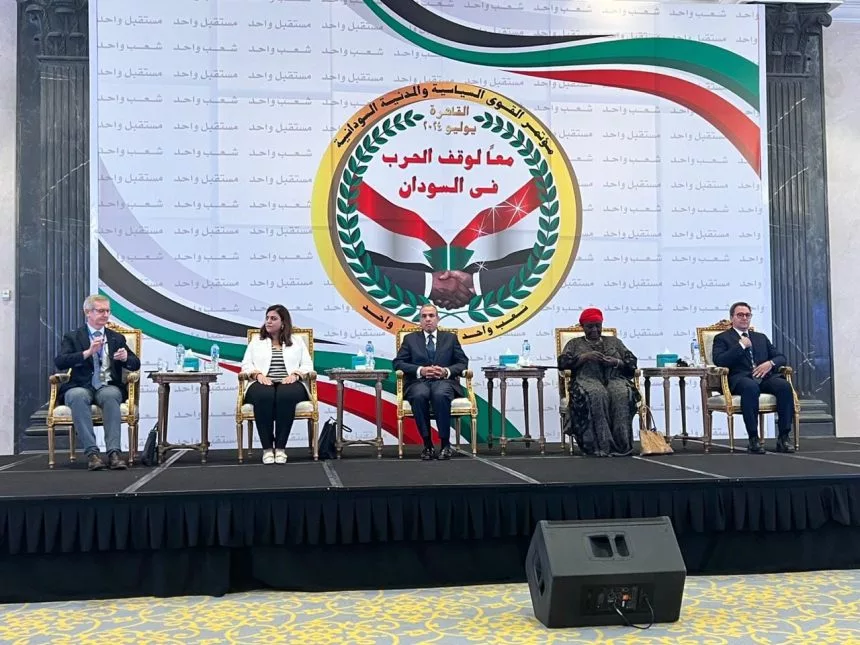
The Coordination of Democratic Civil Forces (Taqaddum), a coalition formed after the war comprising major political actors most notably the Forces of Freedom and Change, armed groups, elements of the protest movement, and civil society initially sought to rally anti-war factions. However, it quickly succumbed to division.

Debates over forming a government-in-exile fractured the coalition into two camps. One sided with the RSF and moved toward forming a parallel government, while the other, led by former Prime Minister Abdalla Hamdok, formed the Democratic Civil Alliance for Revolutionary Forces, known as “Samoood” (Steadfastness).

Yet even this new alliance showed signs of fragmentation. The Democratic Revolutionary Current, led by Yasir Arman, suspended its participation in some coalition bodies over organizational disputes.

The alliance continues to call for a peaceful end to the conflict and a political process to return power to civilians but without a clear path to achieve these goals. Nor has it managed to present a compelling narrative addressing the consequences of war: competing governments, expanding militia influence, humanitarian catastrophe, widespread violations, and mass displacement.

The reality, though not necessarily pessimistic, suggests that a coalition unable to prevent its own members from siding with militias to form a rival government thus endangering Sudan’s unity may be powerless to enact change, particularly amid deep mistrust from both the army and the RSF.

Adding to the pressure, the Attorney General has filed capital charges against leaders of the Samoood alliance, including Hamdok, severely hampering the civil forces’ ability to engage in political discourse.

Political parties have been similarly fractured. The Unionist Gathering has split into factions—one aligned with the army, the other opposing the war. Leaders have also defected from the Sudanese Congress Party to join the RSF.

The National Umma Party has divided into three currents: one led by retired army general Fadlallah Barma Nasser siding with the RSF on tribal grounds; another supporting the army for state-preservation reasons; and a third rejecting the war and calling for a comprehensive political solution.

These divisions have effectively dismantled Sudan’s civilian landscape. No force can now credibly claim to represent the Sudanese street or offer a unified roadmap to end the war.

Fear of Accountability

Legal expert Tareq Abdullah argues that both warring sides are more invested in dismantling the civil forces than fighting each other militarily. Neither side wants an active civil society questioning sources of war funding whether gold mines, taxes, oil, or foreign support.

He told Noon Post that both camps have courted political factions that echo their pro-war narratives: the army’s supporters argue it must be backed to preserve the state, while RSF-aligned voices invoke “marginalization theory” to justify rebellion, even as the group’s pretexts for initiating conflict have unraveled.

Political analyst Al-Fadil Mohiuddin adds that neither side is interested in issues such as civil rights, democratic transition, political pluralism, or freedom of expression.

He told Noon Post that military leaders fear that ending the war would expose them to accountability for wartime abuses and result in the loss of power to civilians. Therefore, their preferred strategy is to dismantle civil forces criminalizing, persecuting their members, and elevating militias as defenders of the homeland.

He cited repeated comments by Sovereignty Council head and army commander Abdel Fattah al-Burhan, who has said politicians will be welcomed back once they “come to their senses”a statement that frames them as criminals even when they call for an end to a war that has devastated all aspects of life, including communal cohesion.

The Future Is Violence

Today, no civil group opposing the war whether in army- or RSF-held areas can hold organizing conferences, public forums, or protests. They are left with social media and scattered media appearances.

With most civilian and political leaders opposing the conflict now based abroad in countries like Ethiopia, Uganda, and Kenya warring parties and their allies dominate the public sphere, broadcasting pro-war narratives, glorifying battles, pushing recruitment, and spreading fear.

The absence of a third voice advocating for political resolution has turned militarization into a way of life and shrunk hope for a safe future. More alarmingly, decisions affecting millions of Sudanese—including the fundamental right to life—are now driven solely by battlefield developments, fostering authoritarianism and making violence the primary source of legitimacy.

For now, Sudanese civilians face a stark binary: submit to military authority or succumb to militia dominance. This deepens polarization and narrow loyalties, undermining any sense of national identity as the country morphs into a patchwork of contested zones.

The collapse of civil forces has left Sudan vulnerable to external interference. This was evident in the absence of political parties and coalitions from the African Union’s recent consultations, and in preparations for talks scheduled for October.

In the end, the dismantling of Sudan’s civil and political forces is not merely a consequence of war it is a deliberate objective now realized. Violence has become the sole source of legitimacy, and the public sphere has transformed from a place of dialogue into a space of forced allegiance. Those who reject the war and call for unconditional peace are now criminalized.

Download this article as PDF
Share this Article
Facebook Twitter Whatsapp Whatsapp Telegram Email Copy Link
فريق التحرير
By فريق التحرير تقارير يعدها فريق تحرير نون بوست.
Follow:
Previous Article نون بوست What Comes After the Pardon of Alaa Abdel Fattah?
Next Article نون بوست Financial Siege on Gaza: PayPal Account Bans Deepen the Crisis

Read More

  • U.S. Regime‑Change Policies: Why They Are Destined to Fail U.S. Regime‑Change Policies: Why They Are Destined to Fail
  • The Gulf’s Balancing Act: Iran, Israel, and Hidden Links
  • Iraq–Turkey Oil Export Treaty: Why Did Ankara Cancel It After 52 Years?
  • Syria’s Northeast on Edge: QSD Between Ankara and Damascus
  • Has Europe Changed Its Stance on Israel… or Just Its Language?
part of the design
NoonPost Weekly Newsletter

You May Also Like

U.S. Regime‑Change Policies: Why They Are Destined to Fail

U.S. Regime‑Change Policies: Why They Are Destined to Fail

إسراء سيد Esraa sayed 8 April ,2026
The Gulf’s Balancing Act: Iran, Israel, and Hidden Links

The Gulf’s Balancing Act: Iran, Israel, and Hidden Links

فريق التحرير Noon Post 8 April ,2026
Iraq–Turkey Oil Export Treaty: Why Did Ankara Cancel It After 52 Years?

Iraq–Turkey Oil Export Treaty: Why Did Ankara Cancel It After 52 Years?

فريق التحرير Noon Post 8 April ,2026

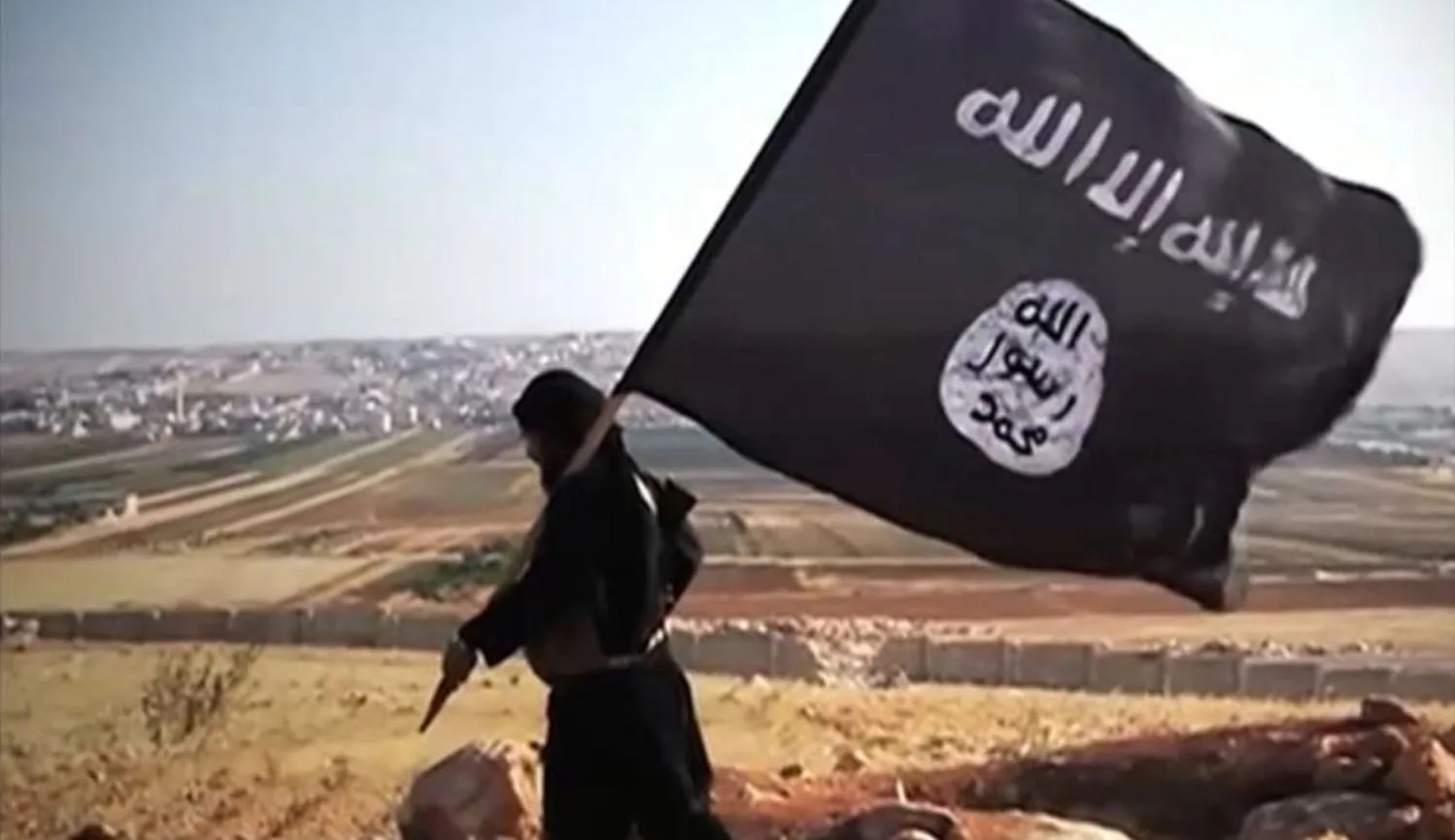
أصبح لداعش تطبيق على أندرويد

فريق التحرير
Noon Post Published 16 December ,2015
Share
a1444730796

استخدمت معظم المجموعات الجهادية في الماضي وسائل التواصل الاجتماعي المتوفرة للتواصل فيما بينها ونشر دعاياتهم الإعلامية على الملأ، كانت تلك الوسائل هي المسيرات الحاشدة وتوزيع المنشورات، وإقامة المهرجانات الخطابية.

وبعد تأسيس الدولة الإسلامية في العراق والشام المعروفة بـ “داعش” عام 2014 اعتُبرت المجموعة الجهادية الأغنى في العالم من بين كل المجموعات الجهادية العابرة للحدود، والتي باتت تسيطر اليوم على ثلث مساحتي العراق وسوريا أي خمسة أضعاف مساحة جمهورية لبنان وتقدّر مدخولاته من 2 إلى 3 مليون دولار يوميًا تأتي من مبيعات النفط بشكل أساسي.

منذ بزوغ التنظيم ظهرت معه آلته الإعلامية “الهوليودية” لتسبق صيته حتى بات الإعلاميون ينتظرون الأفلام التي سيصدرها لتقصي الطرق التي يستخدمها التنظيم في التصوير والتسجيل والدوبلاج والمونتاج، والجدير بالملاحظة أنه امتلك الموارد البشرية الحاذقة الأجنبية المختصة بتصميم الأفلام والعروض، بالإضافة لامتلاكه المعدات اللازمة للتصوير والصوت وغيرها، حتى ظهر التنظيم بحلة جديدة وارتدى ثوب الأفلام الأمريكية في الإخراج السينمائي ليفاجئ مريديه ويدب العزم بمقاتليه، وفعلت ما لم تفعله باقي التنظيمات من حيث طريقة الإعدامات الغريبة والمستهجنة على مستوى البشرية حيث ظهر التنظيم في أكثر من مرة وهو يعدم رهائن لديه بعدة طرق منها الحرق بالنار والإغراق بالماء والقتل بالكهرباء وغيرها من طرق وحشية ينكى لها الجبين، استخدم التنظيم هذه الوسائل لإرهاب الأعداء وإجبارهم على الاعترف به بقوة السلاح بعدما أصبح للتنظيم أركان الدولة (السكان والأرض والموارد).

لم تغفل الدولة الإسلامية أهم وسيلة للتواصل في القرن الواحد والعشرين للدخول إلى عقول الشباب ومحاولة جذبهم تجاه أجندة التنظيم وطموحاته وإطلاق الوعود بالحياة النزيهة والفارهة من خلال إستراتيجية إعلامية موجهة للشباب، وحسب موقع theconversation.com فإن الفيسبوك هو أكبر قاعدة إلكترونية تجمع الشباب المعجبين بالدولة والداعمين لها والمجندين تستخدمها الدولة لتحريضهم على ممارسة العنف عن طريق الدعاية الإعلامية والدعاوي الإسلامية.

آخر اكتشافات التنظيم وابتكاراته هو إصدار تطبيق جوال للأندرويد يضع فيه الأخبار والفيديوهات ويعرض إعدامات الرهائن ويبث من خلاله انتصارات المعارك التي يشنها بالإضافة لتقاريره الإعلامية، في سبيل شحذ همم مقاتليه وطمأنة حاضنته الشعبية في المناطق التي يسيطر عليها وجذب متطوعين جدد للقتال معه من بلدان مختلفة.

التطبيق المسمى “أخبار أعماق” تم اكتشافه من قِبل مجموعة “غوست لتقنيات الأمن والقرصنة”، وحسبما ذكرت المجموعة صُمم التطبيق من خلال برمجية الولوج الانسيابي مما يتيح لمجموعات الدولة التي تخوض المعارك وتقتل وتدمر وتنتهك الأعراض، ترويج دعايتها الإعلامية من خلال التطبيق حتى يبقى التنظيم يحافظ على صفته التقنية ومواكبة الحداثة من جهة وليبقى السكان والمقاتلون على اطلاع بالأخبار والفيديوهات وآخر المنشورات الجديدة التي تؤمنّها “وكالة أعماق” الذراع الإعلامي الأبرز للتنظيم.

الجدير بالذكر أن التطبيق لا يعمل سوى في المناطق التي يسيطر عليها التنظيم ولا يمكن تحميله من سوق غوغل للتطبيقات لأنه غير متوفر، ويتلقى التطبيق التحديثات للإصدارات الجديدة بشكل أوتوماتيكي حالما يرسل المطورون المختصون بتطوير التطبيق التحديثات الجديدة.

يتم تحميل التطبيق من خلال رابط يتم تداوله بين المنتمين للتنظيم من خلال برنامج التيليغرام وطرق تواصل أخرى مشفّرة، فالتنظيم يحرص على استخدام وسائل تواصل مشفّرة وبدرجة عالية من الخصوصية والحماية؛ فتطبيق التليغرام يؤّمن لهم هذه الخاصية ويمكن تحميله على أي جهاز ويتيح إرسال رسائل نصية لمستخدميه بدرجة عالية من الخصوصية، وحتى الآن على الأقل لا يمكن تحميل تطبيق “أخبار أعماق” إلا على أجهزة الأندرويد فقط.

حرص تنظيم الدولة الإسلامية على أن يكون المقاتلون على تواصل فيما بينهم من خلال استخدام أعلى تقنية موجودة ولكن من خلال شبكات ووسائل محمية ومشفرة، فوفّر شبكة تواصل اجتماعي تدعى “كتاب الخلافة” خاصة للمجاهدين ليكونوا على اطّلاع بما يجري في تويتر وفيسبوك ويوتيوب.

وعندما يتعلق الأمر بتنفيذ الهجمات الإرهابية فإن الدولة الإسلامية تستخدم تطبيقات تؤمّن مراسلة مشفرة  بالإضافة إلى التيليغرام – كيك وسورسبوست وويكر – التي تعد من البرامج الصعب اختراقها.

ختامًا مجموعة غوست لتقنيات الأمن هي لتنسيق عمليات القرصنة بين القراصنة والتي تشابه مجموعة “أنونيموس” التي تركّز فقط على محاربة الإرهاب، وتدّعي بأنها أنهت أكثر من مئة ألف حساب متطرف من وسائل التواصل الاجتماعي المستخدمة من قِبل المجموعات الإرهابية لتجنيد الأعضاء، وكانت قد صرحت مؤخرًا أن 11 ديسمبر سيكون “اليوم العالمي للسخرية من مسلحي داعش” بهدف نشر رسومات كرتونية وتعبيرات ساخرة للاستهزاء من مسلحي التنظيم والدولة الإسلامية.

TAGGED: أندرويد ، إدارة داعش ، إعلام داعش ، فيسبوك ، وسائل التواصل الاجتماعي
TAGGED: داعش
Download this article as PDF
Share this Article
Facebook Twitter Whatsapp Whatsapp Telegram Email Copy Link
فريق التحرير
By فريق التحرير تقارير يعدها فريق تحرير نون بوست.
Follow:
Next Article نون بوست The Stigma of “ISIS”: A Heavy Legacy Haunting Women and Children of Former Members

Read More

  • U.S. Regime‑Change Policies: Why They Are Destined to Fail U.S. Regime‑Change Policies: Why They Are Destined to Fail
  • The Gulf’s Balancing Act: Iran, Israel, and Hidden Links
  • Iraq–Turkey Oil Export Treaty: Why Did Ankara Cancel It After 52 Years?
  • Syria’s Northeast on Edge: QSD Between Ankara and Damascus
  • Has Europe Changed Its Stance on Israel… or Just Its Language?
part of the design
NoonPost Weekly Newsletter
dark

An independent media platform founded in 2013, rooted in slow journalism, producing in-depth reports, analysis, and multimedia content to offer deeper perspectives on the news, led by a diverse young team from several Arab countries.

  • Politics
  • Society
  • Rights & Liberties
  • Opinions
  • History
  • Sports
  • Education
  • Technology
  • Economy
  • Media
  • Arts & Literature
  • Entrepreneurship
  • Travel
  • Cinema & Drama
  • Food
  • Health
  • Culture
  • Latest Reports
  • Files
  • Long Reads
  • Interviews
  • Podcast
  • Interactive
  • Encyclopedia
  • In Pictures
  • About Us
  • Our Writers
  • Write for Us
  • Editorial Policy
  • Advanced Search
Some rights reserved under a Creative Commons license

Removed from favorites

Undo
Go to mobile version