NoonPost NoonPost

NoonPost

  • Home
  • Politics
  • Economy
  • Society
  • Culture
  • Files
  • Long Reads
  • Podcast
AR
Notification Show More
نون بوست
“There Are Nights I Can’t Close My Eyes”: How Gazans Are Living in Homes on the Brink of Collapse
نون بوست
From al-Jolani to Ahmad al-Shara: The Evolution of Syria’s New Leader
نون بوست
When Political Islam Receded in Egypt: Who Filled the Void?
نون بوست
An Extension of Genocide: Gaza’s Detainees Speak Out
نون بوست
A Tightrope Between Survival and Sovereignty: The Syrian Government Faces Normalization Pressures
نون بوست
American Aircraft Carriers: Has the Era of “100,000 Tons of Diplomacy” Ended?
نون بوست
U.S. Regime‑Change Policies: Why They Are Destined to Fail
نون بوست
Transformations of Israeli Judaism: Between the Victim Complex and the Colonizer’s Doctrine
نون بوست
The Gulf’s Balancing Act: Iran, Israel, and Hidden Links
نون بوست
Iraq–Turkey Oil Export Treaty: Why Did Ankara Cancel It After 52 Years?
نون بوست
Syria’s Northeast on Edge: QSD Between Ankara and Damascus
نون بوست
Has Europe Changed Its Stance on Israel… or Just Its Language?
NoonPost NoonPost
AR
Notification Show More
نون بوست
“There Are Nights I Can’t Close My Eyes”: How Gazans Are Living in Homes on the Brink of Collapse
نون بوست
From al-Jolani to Ahmad al-Shara: The Evolution of Syria’s New Leader
نون بوست
When Political Islam Receded in Egypt: Who Filled the Void?
نون بوست
An Extension of Genocide: Gaza’s Detainees Speak Out
نون بوست
A Tightrope Between Survival and Sovereignty: The Syrian Government Faces Normalization Pressures
نون بوست
American Aircraft Carriers: Has the Era of “100,000 Tons of Diplomacy” Ended?
نون بوست
U.S. Regime‑Change Policies: Why They Are Destined to Fail
نون بوست
Transformations of Israeli Judaism: Between the Victim Complex and the Colonizer’s Doctrine
نون بوست
The Gulf’s Balancing Act: Iran, Israel, and Hidden Links
نون بوست
Iraq–Turkey Oil Export Treaty: Why Did Ankara Cancel It After 52 Years?
نون بوست
Syria’s Northeast on Edge: QSD Between Ankara and Damascus
نون بوست
Has Europe Changed Its Stance on Israel… or Just Its Language?
Follow US

From Protest to Partition? Suwayda’s Bold Defiance of Damascus

حسن إبراهيم
Hasan Ebrahim Published 26 March ,2026
Share
نون بوست
نون بوست

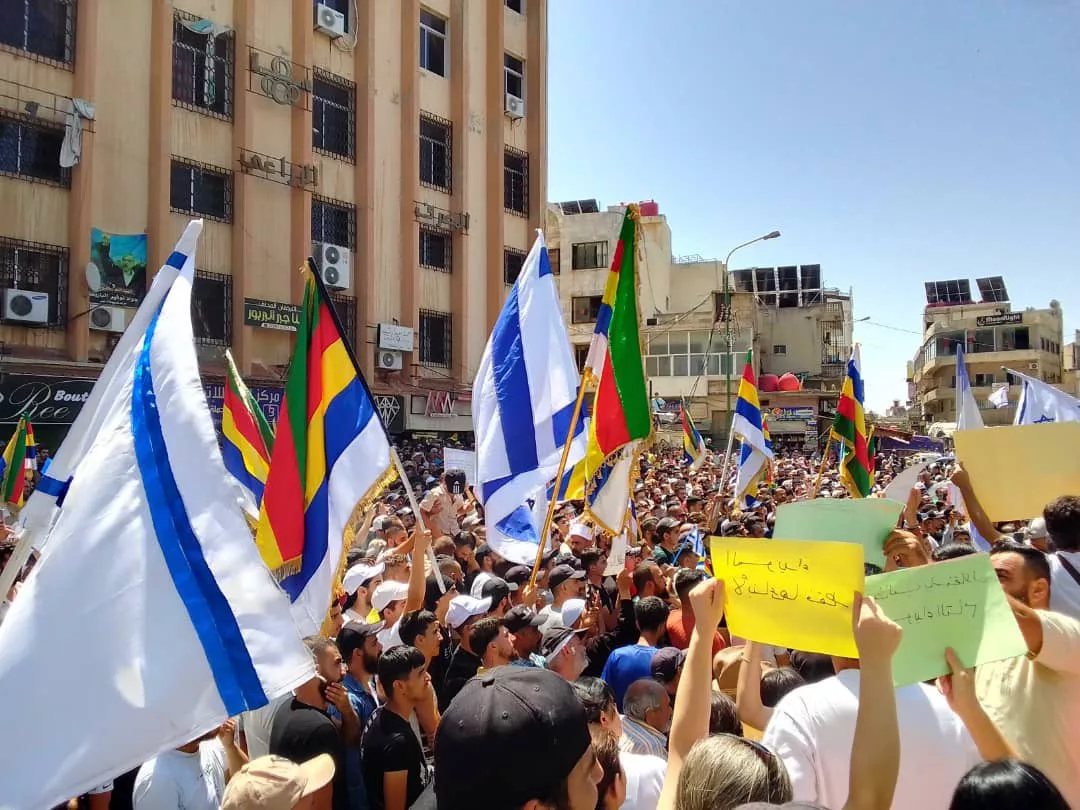
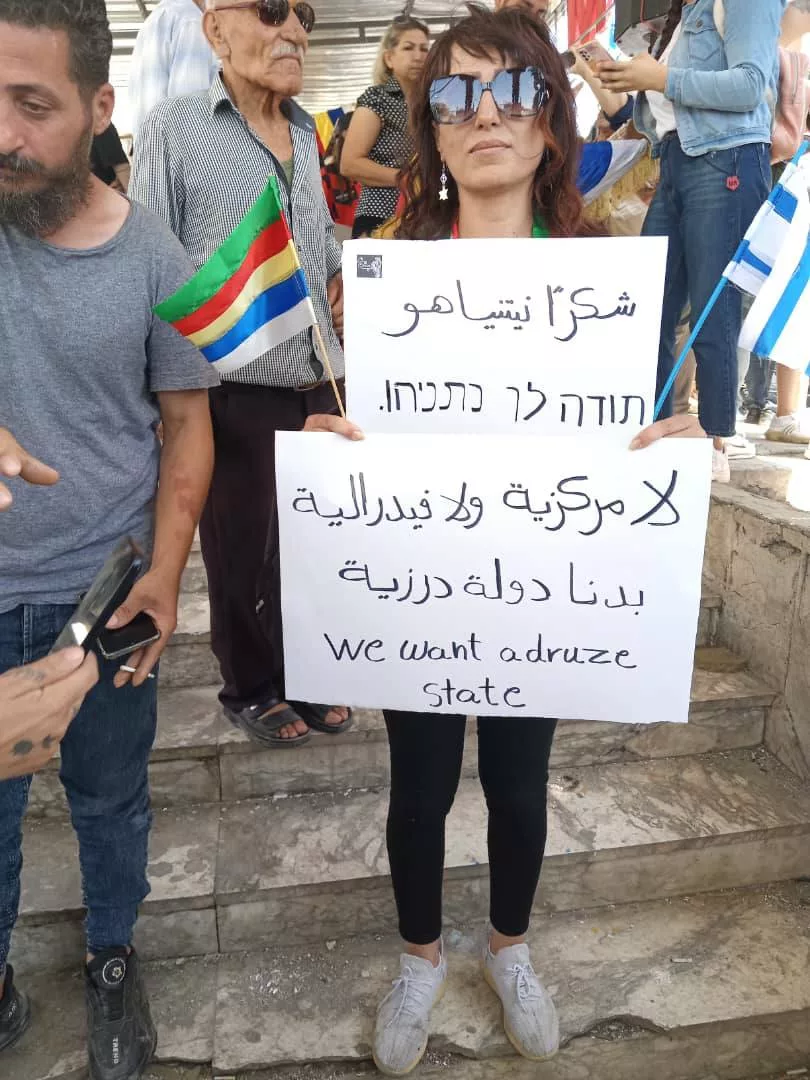
In an unprecedented development, Syria’s southern province of Suwayda has witnessed demonstrations demanding “complete independence from Syria and the right to self-determination,” with protesters waving both Israeli flags and flags of the Druze community. This marks the first time calls for full secession from Syria have been made so explicitly on the streets.

The protests, held on August 16, firmly rejected the ideas of federalism and decentralization, instead stressing the demand for full independence. These demonstrations came just four days after a joint Jordanian-Syrian-American meeting, which reaffirmed that Suwayda is an integral part of Syria and emphasized the importance of safeguarding the rights and representation of its people in shaping the country’s future.

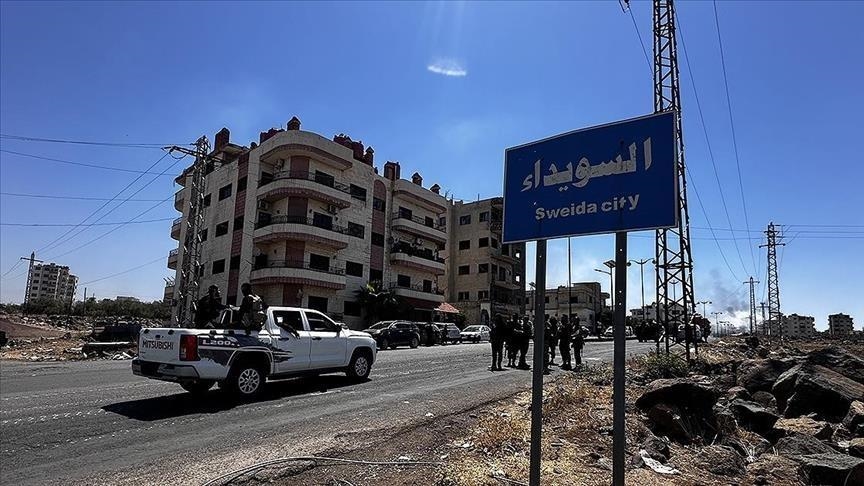
This sharp escalation in rhetoric follows deadly clashes in Suwayda in July, which included human rights violations committed by both Druze and Bedouin factions, as well as government security forces. The spiritual leader of the Druze community, Sheikh Hikmat al-Hijri, repeatedly called for “international protection” and even appealed to Israel for intervention.

The call for independence further complicates the already fraught situation in southern Syria and narrows the prospects for dialogue—particularly in light of direct Israeli involvement, including airstrikes targeting Syrian security forces and reaching sensitive sites in Damascus. These developments have intensified the crisis and raised the stakes for both Suwayda and Syria as a whole.

A Complex Reality in Suwayda

Following the fall of Bashar al-Assad’s regime on December 8, 2024, Sheikh Hikmat al-Hijri refrained from immediately taking a definitive stance toward the new Syrian administration. Over time, however, he grew increasingly critical, labeling it as exclusionary and unrepresentative of Suwayda’s people, and referring to it as a “terrorist, one-color government.”

The Druze religious leadership in Suwayda became divided in its stance toward the government. Tensions escalated further after a national dialogue conference organized by the government in February. Al-Hijri, in response, called for international intervention to ensure that the process yields a civil state founded on the separation of powers and the rule of law.

By mid-July, violent confrontations had erupted in Suwayda, resulting in the deaths of at least 1,013 Syrians from all sides, according to the Syrian Network for Human Rights. The clashes involved local factions, government forces, and Bedouin tribal groups, alongside Israeli strikes targeting Syrian military positions.

Despite multiple ceasefire announcements, the fighting persisted, prompting international and regional mediation that culminated in a new agreement between Syria and Israel, brokered by the United States and endorsed by Turkey, Jordan, and other neighboring states, on July 19.

On August 9, the three senior Druze religious leaders in Suwayda issued statements opposing the Syrian government, with Sheikh Yusuf Jarbou’ and Sheikh Hammoud al-Hanawi aligning their positions with that of Sheikh al-Hijri.

Trilateral Meeting to Contain the Crisis

In a bid to de-escalate tensions, a tripartite meeting was held on August 12 in the Jordanian capital, Amman, involving Syrian Foreign Minister Asaad al-Shibani, his Jordanian counterpart Ayman Safadi, and U.S. Special Envoy for Syria Thomas Barak.

The meeting concluded with an agreement to form a trilateral working group comprising Damascus, Amman, and Washington to support the Syrian government’s efforts to stabilize Suwayda and enforce the ceasefire.

The parties reaffirmed Suwayda’s status as an inseparable part of Syria and pledged to ensure its residents’ rights and representation. The Syrian government also committed to:

  • Conducting comprehensive investigations and holding all perpetrators of crimes and violations accountable;

  • Cooperating with relevant UN agencies in the investigation process;

  • Increasing the flow of humanitarian aid throughout Suwayda, in coordination with the UN;

  • Restoring disrupted public services and rehabilitating affected areas;

  • Welcoming international contributions to support these efforts;

  • Facilitating the return of displaced residents;

  • Initiating community reconciliation processes to restore civil peace.

This meeting built upon the Amman talks held on July 19, which initially produced the ceasefire agreement.

Government Perspective on Secession

Although calls for secession had not previously been voiced so overtly, Sheikh al-Hijri denied seeking independence as recently as March. However, recent developments suggest a growing inclination toward organized rebellion or even separation.

In a move reflecting this shift, Al-Jumhuriya Net reported that Khaldoun al-Hijri, a relative of Sheikh al-Hijri and his representative abroad, met with U.S. officials in Washington in February 2025.

He reportedly proposed a plan for armed rebellion against President Ahmad al-Shara’s government, to be led by Druze forces in Suwayda, in coordination with the Syrian Democratic Forces (SDF) in the east and Alawite factions from the coastal region, with Israeli backing.

From the outset, the transitional military administration that ousted Assad had emphasized Syria’s territorial unity. President Ahmad al-Shara has reiterated this point, stating that the transitional government is committed to restoring full national sovereignty under a single, unified authority.
نون بوست

During a meeting with community leaders from Idlib on August 13, al-Shara dismissed the notion of Syria’s division, stating, “There is no real threat of partition—only desires by some to create cantons. But politically, logically, and traditionally, such a scenario is impossible.”

Al-Shara argued that partition is virtually unfeasible in Syria, warning that redrawing borders could trigger similar crises in other countries. He described advocates of partition as politically naive dreamers, saying such ideas often lead to disastrous consequences.

He accused some groups of seeking support from regional powers like Israel to pursue division, but stressed the near impossibility of such plans, particularly in the densely populated south. “Any invader would have to station a policeman at every doorstep,” he remarked.

“Marginal Voices Influenced by Violations”

The independence protests took place in Karama Square and in the northern town of Shahba. Many observers argue that these demonstrations do not reflect the majority view in Suwayda but are instead a reaction to abuses by government forces.

There have been increasing reports of a crackdown on dissenting voices opposed to Sheikh al-Hijri’s position. “Syria Now” reported that armed groups loyal to al-Hijri stormed two Druze religious shrines in Ain al-Zaman and Sahwat al-Blat, assaulted Sheikhs Jarbou’ and al-Hanawi, and raised Israeli flags and photos of al-Hijri over the shrines.

Political analyst Darwish Khalifa told NoonPost that the heated rhetoric and mutual accusations among various Syrian factions exacerbated by polarizing discourse on social media have created a charged atmosphere in Suwayda, fostering calls for internationalization of the crisis and fueling secessionist sentiments among some in the Druze community.

However, Khalifa stressed that these demands do not reflect the views of Suwayda’s broader population, which includes Druze, Christians, and tribal groups. He noted that previous unrest in Druze-populated areas such as Jaramana, Sahnaya, and parts of the coastal region has heightened concerns among other communities about their future in the new Syria.

Political analyst and Jusoor Center executive director Wael Alwan argued that current developments in Suwayda should not be seen as genuine calls for independence. Instead, he described them as predictable reactions from certain local segments in the wake of intense violence.

Israel’s Leverage in Negotiations

Israel remains one of the most influential external actors in southern Syria. Since Assad’s fall, Israel has stepped up its military operations in Syria, citing various concerns including the need to prevent weapons from falling into extremist hands, protect its citizens, and counter rising Turkish influence.

During recent clashes in Jaramana, Sahnaya, and Suwayda in May, Israel invoked its commitment to “protect the Druze” and launched multiple airstrikes. Its involvement intensified again after the latest Suwayda clashes.

Amid these developments, reports emerged of secret negotiations between Syria and Israel. On July 7, U.S. envoy Thomas Barak confirmed that the Syrian government had initiated dialogue with Israel.

A follow-up meeting between Syrian and Israeli officials took place on July 24, lasting four hours and focusing on security arrangements in southern Syria. It marked the highest-level contact between the two sides in over 25 years.

According to Alwan, Israel is leveraging the Suwayda crisis as a bargaining chip in ongoing negotiations. He doubts there’s a serious push for separation or formal ties with Israel, describing the involvement as “tactical” rather than strategic.

He emphasized that while Israel sees political value in exploiting the current climate especially amid negotiations it is unlikely to translate into lasting political or social consequences in Syria, particularly if the crisis is seen as circumstantial.

Khalifa, meanwhile, warned that Israel is pursuing a broader strategy of demographic fragmentation in Syria, noting that the Netanyahu government places particular emphasis on the Druze population due to its proximity and the presence of approximately 150,000 Druze citizens in Israel, some 15% of whom serve in the military.

Dialogue as a Path Forward

President al-Shara emphasized that local governance in Suwayda and elsewhere must be grounded in national unity and disarmament under state authority, while leaving room for dialogue on other matters.

In a television interview on August 16, presidential media adviser Ahmad Muwaffaq Zaidan reaffirmed that the government’s position is one of reconciliation and negotiation. He called on Syria’s intellectual elite to recognize the dangers posed by secessionist demands and work toward a national consensus.

Alwan argued that Suwayda’s crisis requires broad engagement, not just from the central government but also from civil society, which he sees as the missing actor in Syria’s political transformation. He stressed the need for genuine, inclusive dialogue that could pave the way for a sustainable solution.

He also emphasized the importance of civil society’s role in shaping Syria’s new social contract and constitution, asserting that it must play a central part in rebuilding the nation.
نون بوست

Khalifa, for his part, called on the Syrian government to quickly launch a comprehensive national initiative to rebuild trust across all communities. He proposed an internationally guaranteed political process, starting with a binding national dialogue and transitional justice framework, alongside drafting a new constitution that guarantees basic rights and individual freedoms.

He urged the government to present this vision ahead of President al-Shara’s upcoming address at the United Nations General Assembly in September, warning that failure to act swiftly could encourage more separatist movements and foreign interventions further threatening Syria’s fragile national fabric.

Download this article as PDF
Share this Article
Facebook Twitter Whatsapp Whatsapp Telegram Email Copy Link
حسن إبراهيم
By حسن إبراهيم صحفي سوري
Follow:
Previous Article نون بوست Gaza’s Frozen Visas: A Mirror of America’s Double Standards
Next Article نون بوست Public Condemnation, Secret Support: The UK’s True Face in the Gaza War

Read More

  • U.S. Regime‑Change Policies: Why They Are Destined to Fail U.S. Regime‑Change Policies: Why They Are Destined to Fail
  • The Gulf’s Balancing Act: Iran, Israel, and Hidden Links
  • Iraq–Turkey Oil Export Treaty: Why Did Ankara Cancel It After 52 Years?
  • Syria’s Northeast on Edge: QSD Between Ankara and Damascus
  • Has Europe Changed Its Stance on Israel… or Just Its Language?
part of the design
NoonPost Weekly Newsletter

You May Also Like

U.S. Regime‑Change Policies: Why They Are Destined to Fail

U.S. Regime‑Change Policies: Why They Are Destined to Fail

إسراء سيد Esraa sayed 8 April ,2026
The Gulf’s Balancing Act: Iran, Israel, and Hidden Links

The Gulf’s Balancing Act: Iran, Israel, and Hidden Links

فريق التحرير Noon Post 8 April ,2026
Iraq–Turkey Oil Export Treaty: Why Did Ankara Cancel It After 52 Years?

Iraq–Turkey Oil Export Treaty: Why Did Ankara Cancel It After 52 Years?

فريق التحرير Noon Post 8 April ,2026

ماذا بعد دخول الاتفاق النووي الإيراني حيز التنفيذ؟

فريق التحرير
Noon Post Published 17 January ,2016
Share
305

أصدر وزير الخارجية الأمريكي، جون كيري، بيانًا أعلن فيه أن الولايات المتحدة رفعت العقوبات المفروضة على إيران بسبب برنامجها النووي إثر دخول الاتفاق الموقع معها من قِبل القوى الغربية حيز التنفيذ.

كذلك أعلنت وزيرة خارجية الاتحاد الأوروبي، فيديريكا موغيريني، وهي تستضيف وزير الخارجية الإيراني محمد جواد ظريف في فيينا، أن المجتمع الدولي رفع كافة العقوبات الاقتصادية التي ارتبطت بنشاط طهران النووي، وذلك تنفيذًا للاتفاق النووي الذي وقع في 14 يوليو من العام الماضي.

هذا الإجراء الغربي هو بمثابة اعتراف رسمي بالتزام الجانب الإيران بتعهداته بشأن البرنامج النووي، بعدما شككت جهات في الغرب بمدى التزام طهران بما وقعت عليه في اتفاق فيينا، عبرت عن ذلك الوكالة الدولية للطاقة الذرية في إعطائها الضوء الأخضر لدخول الاتفاق حيز التنفيذ، بعدما أعلنت أن إيران التزمت بما تعهدت به في الحد من برنامجها النووي.

الغرب بدأ بالفعل في الإجراءات الرسمية المتعلقة برفع العقوبات الدولية عن إيران، حيث وجه الرئيس الأمريكي، باراك أوباما، رسالة للكونجرس، يُعلن فيها تفاصيل القرارات الرئاسية السابقة التي تم إلغاؤها بقرار رئاسي تنفيذي جديد بعد التزام إيران بتقليص برنامجها النووي. 

هذه القرارات التي تحدث عنها أوباما بالإلغاء هي تلك التي اتخذت في عهده في الأعوام 2010 و2011 و2012 باستثناء القرار التنفيذي الأول لعام 1995، والتي كانت تتضمن الحظر على الشركات الأمريكية التبادل الاقتصادي مع شركات البترول والغاز الإيرانية.

ماذا يعني دخول الاتفاق حيز التنفيذ؟

دخول الاتفاق النووي حيز التنفيذ بعد توقيعه يعني التزام طهران بشحن كميات من اليورانيوم المخصب إلى روسيا وهو ما يعني إشارة البدء في تطبيق الاتفاق باعتبار هذا الشرط على رأس قائمة شروط فرضها الاتفاق النووي، يأتي بعدها التزام آخر وهو خضوع البرنامج النووي الإيراني للرقابة الدولية من الآن وصاعدًا.

وعلى الجانب الآخر التزامت القوى الدولية التي كانت بمثابة الطرف الآخر في توقيع الاتفاق النووي برفع العقوبات الاقتصادية التي أعلنتها الأمم المتحدة والولايات المتحدة والاتحاد الأوروبي في العام 2006، والتي تشددت بعد ذلك في السنوات التالية على قطاعات أساسية بعينها في الاقتصاد الإيراني مثل الدفاع والنفط والمالية.

على أن يمتد الرفع الكامل للعقوبات على عشر سنوات قادمة، مع بقاء في الإمكان إعادة فرض هذه العقوبات طوال 15 عامًا في حال ثبوت عدم وفاء إيران ببقية التزاماتها.

هذه العقوبات المرفوعة عن طهران تعني أن إيران ستحصل على سيولة مالية كانت مجمدة لدى الغرب قدرها مسؤولون أمريكيون بخمسين مليار دولار، بعد أن تُسدد طهران ديونها، كما سيتمكن الأسطول الإيراني الجوي من شراء طائرات تجارية بشرط عدم استخدامها في الأنشطة العسكرية، كما سيفتح إلغاء العقوبات باب حرية التجارة بين الشركات الغربية ونظيرتها الإيرانية.

كما قامت واشنطن تبعًا لرفع الحظر عن إيران بشطب 400 شخص وكيان من لوائحها السوداء كانوا قد اتهموا بانتهاك التشريع الأمريكي بشأن العقوبات المرتبطة ببرنامج إيران النووي، والذي يحظر التعامل التجاري مع إيران.

ناهيك عن إلغاء الحظر النفطي من جهة أخرى الذي تستعد له إيران منذ عدة شهور، في محاولة لغزو السوق الأوروبي القديم الذي فقدته عقب حظر استيراد النفط منها، وهو الأمر الذي يتطلب سياسة خارجية مرنة تخدم طموحات إيران الاقتصادية في أوروبا، حيث تنتوي إيران البدء في غزو سوق البتروكيماويات الأوروبي، ما سيعود عليها بأرباح تُقدر بنحو 2.5 مليار دولار سنويًا على الأقل، بعيدًا عن القطاعات الاقتصادية الأخرى.

بوادر حسن النية بين أطراف الاتفاق النووي

بوادر حسن النية كانت متوافرة بكثرة لدى أطراف الصفقة، كان آخرها الإعلان الإيراني عن إطلاق سراح أربعة مواطنين إيرانيين يحملون الجنسية الأمريكية كانوا محتجزين لدى طهران، مقابل سبعة سجناء إيرانيين تحتجزهم واشنطن، فيما أعلن مسؤول أمريكي أن بلاده أسقطت التهم عن 14 إيرانيًا إضافيًا في صفقة التبادل.

هذه المشاهد غير المألوفة بين البلدين تعضدت بعد إفراج إيران عن بحارة أمريكيين احتجزتهم لعدة ساعات وتم الإفراج عنهم بالطرق الدبلوماسية التي أشادت بها قيادات البلدين.

حيث تمثل هذه الخطوات تحولًا جوهريًا في السياسة الأمريكية والإيرانية على حد سواء خلال السنوات الخمس الماضية، فلم تكن أزمة البحارة الأمريكيين تمر بهذه السلاسة، ولما شهدت الخطوات الأمريكية مؤخرًا تراجعًا عن ملاحقة التجارة غير المشروعة مع إيران قضائيًا، لولا دخول الطرفين في عهد جديد تم الإعلان عنه مع القوى الكبرى ببدء رفع العقوبات الاقتصادية عن طهران.

وماذا بعد؟

أعلنت إيران في 14 من يناير الماضي على لسان رئيسها حسن روحاني سحب قلب مفاعل آراك العامل بالماء الثقيل، في حين تحول حديث روحاني عن “الازدهارالاقتصادي” الذي سيصيب إيران مع دخول عملية رفع العقوبات حيز التنفيذ، وبعدها بيومين، دخل الاتفاق حيز التنفيذ بعد موافقة الوكالة الدولية للطاقة الذرية، ما أدى إلى رفع العقوبات الاقتصادية المفروضة على إيران.

ما يعني أن إيران سال لعابها اقتصاديًا في مقابل التخلي عن مشروعها القومي الأول، بعدما أعلنت الوكالة الدولية للطاقة الذرية أن إيران فككت عدة مفاعلات كانت سببًا لكوابيس عالمية، باستثناء واحد من أهمها، وهو مفاعل “آراك”.

هذا المفاعل الذي قامت إيران بتفكيك قلبه وملئه بالأسمنت، وهو ما يعني بشكل جلي أنه لا يمكن استخدامه مجددًا، في خطوة لا يمكن التراجع عنها، وهو ما كان أيضًا بمثابة إعلان إيران تخليها عن حلم “القنبلة النووية” حيث أن أكثر من 90% من الرؤوس النووية لا تبنى من اليورانيوم، بل من البلوتونيوم، وهو الذي كان متواجدًا في مفاعل “آراك” للمياه الثقيلة.

لكن إيران قامت بدفن مشروع العمر النووي وعيناها تنظر إلى ثاني أكبر مخزون من الغاز، وثالث أكبر مخزون من النفط في العالم، الذي سيدر تصديره مليارات دولارات في الخزانة الإيرانية التي عانت ويلات الحصار طوال العقود الماضية.

كما تنتظر إيران قرابة 200:150 مليار دولار من مبيعات نفطية سابقة مجمدة، تأكد بالفعل الإفراج عن قرابة 50 مليار دولار منها، وهو ما فتح تساؤلات من عدة جبهات عن مصير تلك الأموال وكيف ستستخدمها القيادة الإيرانية.

وجهة نظر أمريكية اقتصادية ترى أن إيران لن تكون لديها رفاهية صرف هذه الأموال على سياستها الخارجية في الوقت الحالي، بمعنى تمويل أنشطة الجماعات المرتبطة بمشروعها خارج إيران، لكن على الأقل في هذه الفترة سيكون عليها أن تعيد إحياء صناعة قطاع النفط والغاز المتهالك بفعل العقوبات، ويحتاج ذلك ما قيمتة 200 مليار دولار.

بينما يرى خصوم إيران خاصة من السعوديين والإسرائيليين أن الأموال التي ستتدفق على الخزينة الإيرانية، سيكون من شأنها أن تطيل أمد الصراع في الشرق الأوسط، بعد إتاحة الفرصة لإيران لزيادة تمويلها للجماعات المسلحة في المنطقة، فيما ذهب البعض للتشكيك في نية إيران التخلي عن برنامجها النووي، خاصة الخصم الإسرائيلي.

حيث أكد رئيس الوزراء الإسرائيلي، بنيامين نتنياهو، في تصريحات عقب دخول الاتفاق النووي حيز التنفيذ إن”إيران لم تتخل عن طموحاتها بامتلاك أسلحة نووية، رغم توقيعها على الاتفاق النووي مع مجموعة دول (5+1)”، كما أضاف أن “إسرائيل ستواصل متابعة تطبيق الاتفاق النووي الإيراني، وستحذر من أي خرق له”.

مشيرًا إلى أنه: “حتى بعد توقيعها على الاتفاق النووي، لم تنبذ إيران طموحاتها لامتلاك الأسلحة النووية، وهي تواصل العمل على زعزعة الاستقرار في الشرق الأوسط، وعلى ممارسة الإرهاب في شتى أرجاء العالم انتهاكًا لتعهداتها الدولية”.

فيما ذهب، ديفيد بلير، كبير المراسلين الأجانب في صحفية التلغراف البريطانية للقول: إن “التاريخ والزمن وحده الكفيل بمعرفة ما ستنفذه إيران فعليًا من اتفاقاتها مع الدول الكبرى فيما يتعلق ببرنامجها النووي”.

وهو الأمر الذي ذهبت إليه أيضًا هيلاري كلينتون مرشحة الحزب الديمقراطي المحتملة لانتخابات الرئاسة الأمريكية، والتي حثت على فرض عقوبات جديدة على طهران بسبب برنامجها للصواريخ الباليستية.

حيث أعلنت أنه في حالة انتخابها رئيسة للولايات المتحدة في الانتخابات القادمة سيكون موقفها بشأن إيران هو “عدم الثقة والتحقق”، مضيفة أن: “إيران مازالت تنتهك قرارات مجلس الأمن الدولي ببرنامجها للصواريخ الباليستية الذي يجب أن يواجه بتحديد عقوبات جديدة وبتصميم حازم”.

بينما ينتظر الجميع التحركات الإيرانية التي ستكذب هذه التكهنات أو تصدقها فيما يمكن أن تفعله عقب إنجاز هذا الاتفاق التاريخي، حيث يسمح الاتفاق بهامش كبير من المناورة لدى الإيرانيين لم يكن موجودًا في السابق، والذي بالطبع سيكون له التأثير الأكبر في مشروعها التوسعي في المنطقة، وهو ما يعني أن الشرق الأوسط مقبل على مرحلة تنافسية بين مشروع إيران وفي مقابله المشروع السعودي الذي يتأهب لهذه اللحظة منذ عدة أشهر.

TAGGED: الاتفاق النووي الإيراني ، الاقتصاد الإيراني ، البرنامج النووي الإيراني ، العقوبات الاقتصادية على إيران ، العلاقات الأمريكية الإيرانية
TAGGED: الاتفاق النووي الإيراني
Download this article as PDF
Share this Article
Facebook Twitter Whatsapp Whatsapp Telegram Email Copy Link
فريق التحرير
By فريق التحرير تقارير يعدها فريق تحرير نون بوست.
Follow:
Next Article نون بوست The Stigma of “ISIS”: A Heavy Legacy Haunting Women and Children of Former Members

Read More

  • U.S. Regime‑Change Policies: Why They Are Destined to Fail U.S. Regime‑Change Policies: Why They Are Destined to Fail
  • The Gulf’s Balancing Act: Iran, Israel, and Hidden Links
  • Iraq–Turkey Oil Export Treaty: Why Did Ankara Cancel It After 52 Years?
  • Syria’s Northeast on Edge: QSD Between Ankara and Damascus
  • Has Europe Changed Its Stance on Israel… or Just Its Language?
part of the design
NoonPost Weekly Newsletter
dark

An independent media platform founded in 2013, rooted in slow journalism, producing in-depth reports, analysis, and multimedia content to offer deeper perspectives on the news, led by a diverse young team from several Arab countries.

  • Politics
  • Society
  • Rights & Liberties
  • Opinions
  • History
  • Sports
  • Education
  • Technology
  • Economy
  • Media
  • Arts & Literature
  • Entrepreneurship
  • Travel
  • Cinema & Drama
  • Food
  • Health
  • Culture
  • Latest Reports
  • Files
  • Long Reads
  • Interviews
  • Podcast
  • Interactive
  • Encyclopedia
  • In Pictures
  • About Us
  • Our Writers
  • Write for Us
  • Editorial Policy
  • Advanced Search
Some rights reserved under a Creative Commons license

Removed from favorites

Undo
Go to mobile version