
NoonPost NoonPost

NoonPost

  • Home
  • Politics
  • Economy
  • Society
  • Culture
  • Files
  • Long Reads
  • Podcast
AR
Notification Show More
نون بوست
“There Are Nights I Can’t Close My Eyes”: How Gazans Are Living in Homes on the Brink of Collapse
نون بوست
From al-Jolani to Ahmad al-Shara: The Evolution of Syria’s New Leader
نون بوست
When Political Islam Receded in Egypt: Who Filled the Void?
نون بوست
An Extension of Genocide: Gaza’s Detainees Speak Out
نون بوست
A Tightrope Between Survival and Sovereignty: The Syrian Government Faces Normalization Pressures
نون بوست
American Aircraft Carriers: Has the Era of “100,000 Tons of Diplomacy” Ended?
نون بوست
U.S. Regime‑Change Policies: Why They Are Destined to Fail
نون بوست
Transformations of Israeli Judaism: Between the Victim Complex and the Colonizer’s Doctrine
نون بوست
The Gulf’s Balancing Act: Iran, Israel, and Hidden Links
نون بوست
Iraq–Turkey Oil Export Treaty: Why Did Ankara Cancel It After 52 Years?
نون بوست
Syria’s Northeast on Edge: QSD Between Ankara and Damascus
نون بوست
Has Europe Changed Its Stance on Israel… or Just Its Language?
NoonPost NoonPost
AR
Notification Show More
نون بوست
“There Are Nights I Can’t Close My Eyes”: How Gazans Are Living in Homes on the Brink of Collapse
نون بوست
From al-Jolani to Ahmad al-Shara: The Evolution of Syria’s New Leader
نون بوست
When Political Islam Receded in Egypt: Who Filled the Void?
نون بوست
An Extension of Genocide: Gaza’s Detainees Speak Out
نون بوست
A Tightrope Between Survival and Sovereignty: The Syrian Government Faces Normalization Pressures
نون بوست
American Aircraft Carriers: Has the Era of “100,000 Tons of Diplomacy” Ended?
نون بوست
U.S. Regime‑Change Policies: Why They Are Destined to Fail
نون بوست
Transformations of Israeli Judaism: Between the Victim Complex and the Colonizer’s Doctrine
نون بوست
The Gulf’s Balancing Act: Iran, Israel, and Hidden Links
نون بوست
Iraq–Turkey Oil Export Treaty: Why Did Ankara Cancel It After 52 Years?
نون بوست
Syria’s Northeast on Edge: QSD Between Ankara and Damascus
نون بوست
Has Europe Changed Its Stance on Israel… or Just Its Language?
Follow US

The Settlers: Israeli Atrocities Are Not Limited to Gaza

فريق التحرير
Noon Post Published 26 March ,2026
Share
نون بوست
نون بوست

These lines are written as yet another announcement is made about the “continuation of the US-backed Israeli war on Gaza,” and as Israeli Prime Minister Benjamin Netanyahu calls for “full occupation.” This war has so far claimed the lives of more than sixty thousand Palestinians. Its supporters insist that it is solely a response to the events of October 7.

Yet the BBC documentary The Settlers subtly and indirectly challenges that narrative—not least because its events unfold far from Gaza, and because it reveals the entrenched Israeli settler view across all of Palestine: that its people are “not human like us.”

The film’s central theme—the dehumanization of Arabs and Palestinians—emerges as its most important point. Directed by British filmmaker Louis Theroux, The Settlers stands as a historical and factual visual record that perhaps could only have been made by someone outside the Arab world.

Theroux travels to the occupied West Bank to speak directly with settlers, seeking to understand life there, and by extension, across all of Palestine. The testimonies he captures are startling for Western audiences, laying bare the mindset of Israeli settlers.

The film focuses on settler expansion in the West Bank—a central region that makes up roughly 21 percent of Palestine. After remaining under Arab control with Gaza following the Nakba and the 1948 defeat, settlements began to grow there after the 1967 war, pushing Palestinians out.

Today, according to the film, more than 700,000 Jewish Israeli settlers live in the West Bank. Theroux interviews settlers from across the globe—Russians, Americans, European Jews—who all insist the land is theirs because “history says so,” and that it does not belong to “camel herders,” their slur for Arabs.

This diverse mix of settlers could not be united without a common narrative to justify their shared presence. The film probes this narrative—not to absolve them, but to understand it before condemning it.

The obvious question arises: Why focus on settlers in the West Bank while thousands of Palestinians are dying daily in nearby Gaza? The answer: because the occupation’s violence is not confined to Gaza. It unfolds in multiple, continuous contexts. The film shows that these assaults happen without any clear provocation—driven instead by a persistent desire to seize all the land by force.

“Camel herders” outside civilization

Zionism’s cornerstone is the removal of Arabs from the category of the fully human. The settlers in the film repeatedly frame Palestinians as “camel herders outside civilization,” implying that getting rid of them—by any means—might even be desirable.

The film’s imagery mirrors stereotypes found in global pop culture. Theroux draws a parallel to a fleeting moment in the Hollywood film Fantastic Four, where the camera sweeps across the globe and depicts an Arab country with nothing more than a camel in the desert—reducing an entire civilization to a symbol of backwardness.

The camel, in this framing, is not a cultural emblem but an emblem of regression. Arabs are presented as folklore outside modernity—Bedouins or armed tribes—never as participants in contemporary life. This lens applies as much to Syria, Lebanon, Yemen, Sudan, and Morocco as it does to Palestine.

One settler woman—dubbed the “Mother of the Settlers”—states in the film that Palestinians should go to Canada, Turkey, or anywhere else outside “Israel.” She calls for “cleansing” the land of “savage camel herders” for the supposed benefit of all.

This visual and rhetorical framing of Arabs as outside civilization serves to legitimize their displacement, much as America once dehumanized Native Americans as “savages,” embedding that stereotype globally through cinema and policy alike. Such narratives make it easier to ignore or even justify daily massacres that should outrage humanity.

Not far from Gaza

The film opens with an Israeli man showing Theroux a map and asserting that the West Bank belongs to Israel. He labels its Arabs “jihadis.” When Theroux asks whether there are Palestinians who are not jihadists, the man replies, “History says so.”

In another scene, a teenage girl explains her acceptance of violence against Arabs by repeating, “History says this is our land.”

Historian Ilan Pappé notes in The Idea of Israel: A History of Power and Knowledge that the absence of any mention of the Palestinian tragedy in Israeli schoolbooks reflects a broader orientalist perspective: Palestinians are portrayed as an insignificant footnote in a promised land awaiting redemption.

This mindset fuels the settler movement’s drive for total dominance. At the forefront is Daniela Weiss, the “Mother of the Settlers,” who has pushed for full West Bank annexation since the aftermath of the 1967 war. She goes further, declaring that all of Palestine—and even lands “from the river to the river,” including Turkey and Saudi Arabia—should be under Israeli control.

Violence without context

The film’s sixty minutes make clear that this is not just about Palestinians—it is about any Arab who might face an enemy that does not see them as human, and who will use any means to expel them.

The Arab silence in the face of what is happening in the West Bank and Gaza is doubly shameful, for the danger will not stop there.

Although Theroux does not give equal space to Palestinian voices, his footage still documents the daily violence settlers inflict—killing neighbors, seizing more land, all amid Arab and global silence.

One scene shows a Palestinian family harvesting olives on their own land. Soldiers harass them, fully aware they own the land and carry no weapons. Theroux objects—only to be ordered to leave or face arrest.

The film is free of music. It alternates between wide shots of the land and close-ups of faces to expose the repetition of lies, allowing the settlers’ own words to condemn them. It begins and ends with the same point: Israel’s “historical” claims have no clear origin, but they drive a relentless campaign to make the land comfortable for settlers.

The Settlers underscores a critical point: to frame Gaza’s destruction as solely a result of October 7 is to ignore the broader, ongoing campaign of dispossession and killing. Even in the absence of conflict, the drive to eradicate Palestinians continues.

The film serves as evidence that coexistence with mercenary settlers is impossible, and that targeting will persist—with or without October 7.

Download this article as PDF
Share this Article
Facebook Twitter Whatsapp Whatsapp Telegram Email Copy Link
فريق التحرير
By فريق التحرير تقارير يعدها فريق تحرير نون بوست.
Follow:
Previous Article نون بوست Assassination of Anas al-Sharif: A Final Attempt to Silence the Truth
Next Article نون بوست Turkey Develops Sudan’s Ports: Is the Red Sea Closing to the UAE?

Read More

  • U.S. Regime‑Change Policies: Why They Are Destined to Fail U.S. Regime‑Change Policies: Why They Are Destined to Fail
  • The Gulf’s Balancing Act: Iran, Israel, and Hidden Links
  • Iraq–Turkey Oil Export Treaty: Why Did Ankara Cancel It After 52 Years?
  • Syria’s Northeast on Edge: QSD Between Ankara and Damascus
  • Has Europe Changed Its Stance on Israel… or Just Its Language?
part of the design
NoonPost Weekly Newsletter

You May Also Like

U.S. Regime‑Change Policies: Why They Are Destined to Fail

U.S. Regime‑Change Policies: Why They Are Destined to Fail

إسراء سيد Esraa sayed 8 April ,2026
The Gulf’s Balancing Act: Iran, Israel, and Hidden Links

The Gulf’s Balancing Act: Iran, Israel, and Hidden Links

فريق التحرير Noon Post 8 April ,2026
Iraq–Turkey Oil Export Treaty: Why Did Ankara Cancel It After 52 Years?

Iraq–Turkey Oil Export Treaty: Why Did Ankara Cancel It After 52 Years?

فريق التحرير Noon Post 8 April ,2026

المصلحة الاقتصادية المتبادلة لدول الخليج مع الصين والمكسيك

مناف قومان
مناف قومان Published 21 January ,2016
Share
4c7f09b4434dd8f7150ae25ce61666d3_w950_h1250

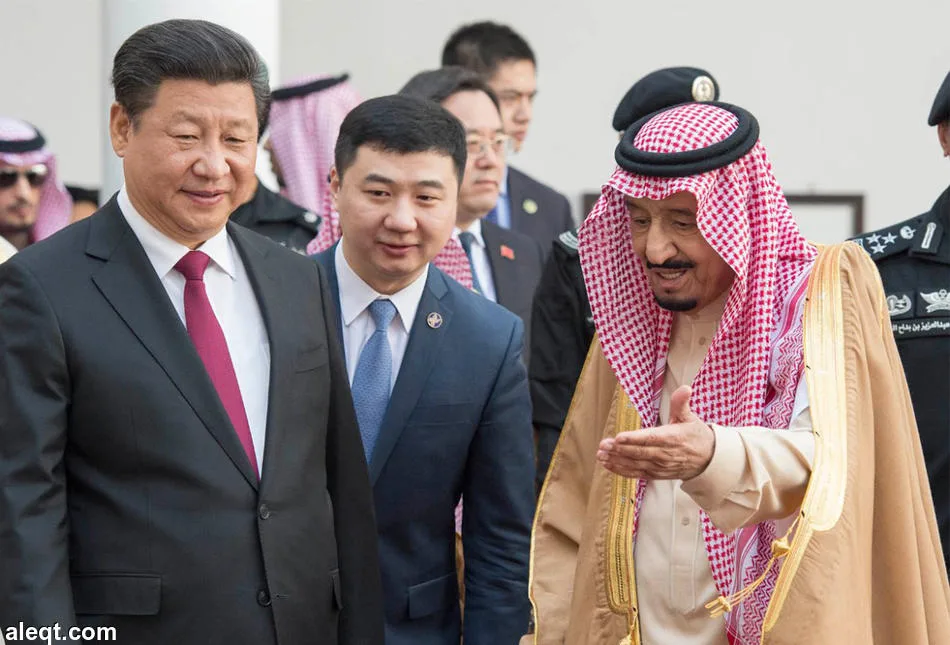
لبى الرئيس الصيني تشي جين بينغ دعوة ملك المملكة العربية السعودية سلمان بن عبد العزيز لزيارة المملكة في 19 يناير، وتكللت الزيارة بعد يومين من المباحثات بين الجانبين إلى الارتقاء بعلاقتهما إلى الشراكة الإستراتيجية وتعزيز التعاون بينهما في ستة مجالات جاء ذكرها في بيان مشترك صدر يوم أمس الأربعاء تطرق إلى أوجه التعاون بين الرياض وبكين شملت مجالات سياسية واقتصادية وتجارية وثقافية وإنسانية وعسكرية وأمنية وفي مجال الطاقة ومكافحة الإرهاب على المستويين الإقليمي والدولي.

وقد بدأ منحى السياسة الخارجية السعودية يشهد توجهًا لتوسيع علاقاتها مع الدول القطبية غير الولايات المتحدة الأمريكية بعد الاتفاق النووي الإيراني مع دول الخمسة +1، لذلك تنظر السعودية للصين كلاعب مهم على الساحة الدولية تتطلع لإقامة علاقة إستراتيجية طويلة المدى معها، ويأتي هذا التوجه على إثر ابتعاد السياسة الأوبامية عن الخليج وتوجها نحو إيران بعد عقد الاتفاق النووي وبدء سريان رفع العقوبات الأممية عن طهران مطلع هذا العام.

القلق السعودي من طهران لم يخفت بعد التطمينات الأمريكية لدول الخليج وبشكل خاص السعودية حول الاتفاق النووي، حيث جاء على لسان وزير الخارجية السعودية عادل الجبير  تصريحات صحفية حول حق المملكة في “السعي لامتلاك القنبلة النووية إذا حصلت إيران على واحدة”، وقال إن رفع العقوبات عن طهران سيكون له تأثيرات سلبية إذا استخدمت إيران الأموال في “أنشطة شائنة”.

في حين رد وزير الخارجية الأمريكي جون كيري في مقابلة على شاشة CNN على تصريحات الجبير عن نية السعودية امتلاك السلاح النووي إذا امتلكته إيران بقوله سيتم فرض عقوبات على السعودية كما فُرضت على إيران إذا فكرت بامتلاك السلاح النووي، وأضاف كيري: “لا يمكن لدولة شراء قنبلة نووية من السوق هكذا، لأن هناك الكثير من القوانين الخاصة بحظر الانتشار النووي، وسيكون هناك تداعيات كبيرة لأي خطوة من هذا النوع، والسعودية تدرك ذلك، وتعرف أن أمرًا مماثلاً لن يكون ممكنًا، ولن يكون أمرًا سهلاً؛ لأن المملكة عندها ستمر بكل الأمور التي مرت بها إيران وستخضع للتدقيق والتفتيش الدولي”.

الكاتب والباحث المتخصص بشؤون الشرق الأوسط جابر الصيادي قال لـ “نون بوست” معقبًا حول زيارة الرئيس الصيني ومن قبلها المكسيكي إلى المملكة إنها ” تسعى إلى توطيد علاقتها السياسية مع دول فاعلة على الساحة الدولية، لاسيما بعد الانكفاء الأمريكي وتوقيع الاتفاق النووي الإيراني، وفي المقابل، تسعى الصين لتوسيع نطاق شراكتها الإستراتيجية مع دول منطقة الشرق الأوسط، وبشكل خاص مع السعودية، كونها تشكل سوقًا مفتوحًا ومهمًا للصناعات الصينية”.

حملت الزيارة طابعًا اقتصاديًا، وأهم اتفاقية تم التوقيع عليها بين البلدين هي إنشاء مفاعل نووي ذي حرارة عالية يبرد بالغاز، ويرى الكاتب والصحفي السوري إيراهيم العلبي مصرّحا لـ “نون بوست” أن طابع الزيارة كان اقتصاديًا بامتياز، ففيما يبدو أن السعودية تسعى لاستمالة الصين وإبعادها عن النفط الإيراني من ناحية والاستفادة من خبراتها وإمكانياتها في مجال الطاقة النووية، كما أن السعودية تسعى أيضًا إلى التصعيد الدبلوماسي والسياسي ضد إيران يرافقه تحركات على المستويات الاقتصادية والإعلامية والعلاقات العامة”.

ويضيف العلبي لـ “نون بوست” أن “تمتين علاقة الخليج بأمريكا اللاتينية هو امتداد لإستراتيجية الدول الخليجية بقيادة الرياض لتوسيع آفاق التحالفات والعلاقات ولأن أمريكا اللاتينية ينظر إليها باعتبارها ساحة للنشاطات الإيرانية منذ عقود”.

 ومن أجل حرمان إيران من تصدير نفطها إلى الصين سعت السعودية إلى تعزيز علاقات التعاون مع الصين في مجال الطاقة وأكد الرئيس الصيني وقوف بلاده إلى جانب السعودية بعد تقديرها للدور البارز الذي تلعبه المملكة لضمان استقرار أسواق البترول العالمية باعتبارها مصدرًا آمنًا وموثوقًا لتأمين واردات البترول للأسواق العالمية.

فيما يرى الصيادي أن “السعودية تحاول أن تتجاوز أزمتها الاقتصادية الناتجة عن تدهور أسعار النفط، بالبحث عن مصادر مالية أخرى، عبر بناء شراكات اقتصادية ومشاريع تنموية كما ظهر في زيارة الرئيس الصيني وقبلها الرئيس المكسيكي للمملكة”، حسبما أفاد لـ “نون بوست”.

وكان الرئيس المكسيكي “أنريكي بينيا نييتو” قد قام بزيارة المملكة العربية السعودية في 17 من هذا الشهر وأجرى الطرفان خلالها مباحثات وتم عقد 9 اتفاقيات ومذكرات تفاهم وبرنامج تعاون فني بين حكومتي المملكة العربية السعودية والمكسيك في مجالات السياحة والتعاون الأمني وقطاع الطاقة وبرنامجًا للتعاون الفني في مجال المواصفات والمقايييس والجودة واتفاقيات عامة في المجالات الاقتصادية والتجارية والاستثمارية والتعليمية وغيرها حسب ما أوردته صحيفة اليوم الإلكترونية.

وتابع الرئيس المكسيكي جولته الخليجية إلى الإمارات وعقد عدة مباحثات مع نائب رئيس الدولة محمد بن راشد آل مكتوم وعقد عدة اتفاقيات تجارية واستثمارية مع الجانب الإماراتي.

الاتفاقيات الموقعة وطابع الزيارة مع الرئيس المكسيكي يُحاكي بشكل ما الزيارة والاتفاقيات الموقعة بين المملكة والرئيس الصيني، إذ أن هناك سعي حثيث ظاهر من جانب المملكة لاستقطاب شركاء دوليين وإعادة بناء الثقة وتطوير العلاقات الإستراتيجية للضغط على طهران في التأثير على اقتصادها وتقليص دورها الإقليمي بعد جرعة الأمل التي حصلت عليها من توقيع الاتفاق النووي ورفع العقوبات عنها.

من الزاوية الأخرى فإن كلاً من الصين أو المكسيك تمران بأزمات اقتصادية  وتحاولان البحث عن شركاء دوليين في الخليج؛ فالصين تعاني من تباطؤ في النمو لم تشهده منذ ربع قرن، فعلى ثلاثة عقود حافظت الصين على معدلات نمو تقترب من 10% ومنذ عام 2010 بدأ الاقتصاد الصيني بالانكماش ما أدى لهبوط تدريجي في النمو حيث وصلت نسبة النمو في العام 2014 إلى 7.4% وفي الربع الثالث من العام الماضي سجل نموًا بنسبة 6.9%، ما أثار حفيظة المستثمرين وتسبب في موجة هلع في الأسواق أدت لانخفاضات في أسواق البورصات العربية والدولية حيث فقدت الصناديق السيادية السبعة الكبرى في العالم أكثر من 700 مليار دولار خلال الربع الثالث من العام 2015 نتيجة للأزمة الصينية.

سبب المخاوف العالمية والعربية على وجه الخصوص من الأزمة الصينية أن الصين تعد ثاني أكبر مستورد للنفط في العالم، فإذا انخفضت معدلات النمو لديها سيؤدي إلى تقليص طلبها للنفط وبالتالي هبوط أسعار النفط، كما أن الصين تعد أكبر مستهلك للعديد من المنتجات والسلع على مستوى العالم، وهي من جهة أخرى المستقبل الأول للاستثمارات الأجنبية على مستوى العالم حيث يشير تقرير الاستثمار العالمي 2015 إلى أنها تلقت نحو 129 مليار دولار من الاستثمارات الأجنبية المباشرة عام 2014 كما أنها ثاني أهم دولة مصدرة للاستثمارات المباشرة بعد الولايات المتحدة حيث خرجت منها استثمارات مباشرة لدول أخرى بقيمة 116 مليار دولار عام 2014.

لذلك فهي تسعى هذا العام للقيام بمزيد من الاستثمارات في دول المنطقة العربية والأفريقية لتحفيز اقتصادها على النمو وإعادة الثقة إليه من قِبل المستثمرين المحليين والأجانب.

وبالمثل مع حالة المكسيك التي تعاني من انخفاض سعر النفط وعودة قوة الدولار الأمريكي التي ستساعد على خروج الأموال الأجنبية عائدة إلى الولايات المتحدة بعد أن ساهمت في نهضة المكسيك وغيرها من الدول الناشئة في الأعوام التسعة الماضية، فتوجهها إلى دول الخليج ينطلق من الانفتاح على العالم وتعزيز الروابط الاقتصادية مع بلدان الخليج العربي والعمل على استكشاف الفرص لبناء علاقات اقتصادية وتجارية مستدامة بينها وبين دول الخليج في مختلف المجالات، فبحسب كلام الرئيس المكسيكي في منتدى الأعمال الإماراتي المكسيكي فإن المكسيك وقعت اتفاقيات تجارة مشتركة مع11 دولة وبالتالي فإن التصدير للمكسيك يتيح فرصا لنحو 46 سوقًا مختلفة والوصول إلى 140 مليون مستهلك.   

في النهاية الزيارات التي قامت بها كل من الصين والمكسيك إلى دول الخليج العربي في مقدمتها السعودية تقوم على أساس المصلحة الاقتصادية المتبادلة للطرفين، فكل طرف يحتاج الطرف الآخر لتعزيز اقتصاده بسبب ما يحيط به من مشاكل اقتصادية كل حسب بلده.  

TAGGED: التبادل التجاري ، التعاون المشترك ، زيارة الرئيس الصيني للسعودية ، زيارة الرئيس المكسيكي للسعودية
TAGGED: اقتصاد الخليج
Download this article as PDF
Share this Article
Facebook Twitter Whatsapp Whatsapp Telegram Email Copy Link
مناف قومان
By مناف قومان كاتب سوري، ماجستير اقتصاد سياسي في الشرق الأوسط
Follow:
Next Article نون بوست The Stigma of “ISIS”: A Heavy Legacy Haunting Women and Children of Former Members

Read More

  • U.S. Regime‑Change Policies: Why They Are Destined to Fail U.S. Regime‑Change Policies: Why They Are Destined to Fail
  • The Gulf’s Balancing Act: Iran, Israel, and Hidden Links
  • Iraq–Turkey Oil Export Treaty: Why Did Ankara Cancel It After 52 Years?
  • Syria’s Northeast on Edge: QSD Between Ankara and Damascus
  • Has Europe Changed Its Stance on Israel… or Just Its Language?
part of the design
NoonPost Weekly Newsletter
dark

An independent media platform founded in 2013, rooted in slow journalism, producing in-depth reports, analysis, and multimedia content to offer deeper perspectives on the news, led by a diverse young team from several Arab countries.

  • Politics
  • Society
  • Rights & Liberties
  • Opinions
  • History
  • Sports
  • Education
  • Technology
  • Economy
  • Media
  • Arts & Literature
  • Entrepreneurship
  • Travel
  • Cinema & Drama
  • Food
  • Health
  • Culture
  • Latest Reports
  • Files
  • Long Reads
  • Interviews
  • Podcast
  • Interactive
  • Encyclopedia
  • In Pictures
  • About Us
  • Our Writers
  • Write for Us
  • Editorial Policy
  • Advanced Search
Some rights reserved under a Creative Commons license

Removed from favorites

Undo
Go to mobile version