






يمكنك أن تلحظ أحيانًا ذلك الشعور الممض لدى سكان الأقاليم عند تعاملهم مع أهل العاصمة؛ ربما بسبب العجرفة التي يجابهون بها، أو في الحالات غير المباشرة، يكون بسبب ميل أهل العاصمة إلى التمركز حول ذواتهم مقارنة بسكان الأقاليم! يرجع هذا إلى مركزية القاهرة مما يجعلها تستأثر بجل الخدمات والاهتمام من قبل الدولة، بالإضافة للحجم الكبير للمدينة مما يجعل التفاعلات الاجتماعية أكثر سرعة وقوة وتأثيرًا عن المدن الصغيرة في الأقاليم، بالإضافة إلى عامل التنوع الاجتماعي والتاريخي والثقافي، يضاف إلى ذلك كله اهتمام المراكز الاقتصادية الرئيسية بالتواجد في العواصم لكي تضمن موقعًا قريبًا من مراكز اتخاذ القرار، يترتب على كل ما سبق – في أغلب الأحوال – اتساع الأفق وارتفاع نسبة الذكاء التقني لدى سكان العاصمة في مقابل نظائرهم في الأقاليم، حيث “عقول الناس تتناسب طرديًا مع أحجام مدنهم”، تظهر هذه المشكلة في كل دول العالم التي تتسم بالمركزية مثل فرنسا على سبيل المثال، حتى المركزية على مستوى النطاقات، والتي تحدث لأسباب مشابهة كما في ألمانيا حيث الفارق بين مدن شرق ألمانيا وغربها شديد الوضوح، وحتى اليوم يمكنك أن تلمح تلك النعرة المتكبرة على لسان مواطني غرب ألمانيا أثناء حديثهم عن مدينة شرقية حتى وإن كانوا غير واعين بذلك، لكن حالة القاهرة تجاوزت مجرد كونها حالة من المركزية للعاصمة في مقابل الأقاليم، تحولت القاهرة إلى دولة صغيرة لا تكفي ميزانية الدولة لمعالجة مشاكلها وحدها.
تبدو العبارة السابقة مبالغة قليلاً لكنها حقيقية للأسف، وواقعة غرق شواطىء الإسكندرية في الصرف الصحي في أوائل الثمانينات ليست بعيدة بسبب تركيز الإنفاق العام للدولة في ذلك العام على حل مشاكل الصرف في القاهرة عازمين على إنشاء مشروع شديد الضخامة – استخدمت الدعايا الحكومية حينها مصطلحات مثل أكبر مشروع للصرف الصحي في العالم – مما استهلك الجزء الأكبر من الميزانية المطروحة لحل المشكلة وترك الإسكندرية تواجه بنيتها التحتية القديمة بدون أى محاولات للدعم! نقول هذا بالطبع بغض النظر عن التساؤل حول مدى كفاءة توجيه الإنفاق لحل المشكلة والتساؤل عن حدوث سرقات وإهدار للأموال العامة أثناء عملية الإصلاح.
هكذا يبدو ظاهريًا أنه من المحتم الهروب من إطار هذه المدينة التي تحولت إلى دولة داخل الدولة تقوم بابتلاع كافة مواردها! وعليه تظهر أفكار بناء عاصمة جديدة بوصفها فكرة عبقرية ستعيد لمصر مكانتها العظيمة بين دول العالم وتعطي دفعة قوية تمكننا من مواكبة الحركة الاقتصادية العالمية الحالية إلى آخر هذا الهراء الإعلامي.
شيّد قصورك ع المزارع .. من كدنا وعمل إيدينا
هنا يجب أن نتوقف قليلاً لنتحدث عن الدولة، عندما نستخدم مصطلح دولة فإننا نقصد حالة معينة مرتبطة بوجود مجموعة كبيرة من المؤسسات التي تطورت بمرور الزمن، لكي تواكب حاجات مجتمع يصبو إلى التقدم على المستويات المعيشية المختلفة؛ مثل الاقتصاد، والسياسة، والاجتماع، والعمران، و .. إلى آخر هذه المجالات المختلفة التي تقوم مؤسسات الدولة بتنظيمها، حتى وإن تم هذا من خلال رفع يد الدولة عن عملية التنظيم تلك، إذا ارتأى المجتمع ذلك، وقد شهدت مصر بالفعل فترات زمنية وجِد فيها كيان يمكننا أن ندعوه بالدولة، ربما مع بعض التحفظ، لكن في نهاية الأمر سيتم نقده من خلال أدبيات “الدولة” في الفلسفة والاجتماع السياسي، إحدى هذه الحالات كمثال كانت دولة محمد علي أو دولة عبد الناصر؛ اهتم محمد علي بإقامة دولة بالفعل، حتى مع الوضع في الاعتبار كافة العناصر التي حالت دون قيامها بشكل كفء، مثل استخدامه لكل ما أمكنه من آليات الضبط والتنظيم مع القوة العسكرية لفرضها على المجتمع، كذلك كان عبد الناصر، تكفي حقيقة أن مخططات تنمية محور قناة السويس – التي يتكشفها كل رئيس جديد بمنتهى العبقرية – والطريق الدائري حول القاهرة وبعض المدن الجديدة وتنمية محور العلمين، كلها صُممت في عهد عبد الناصر بالفعل، لكن مستقرها الأخير كان أدراج المكاتب لأسباب مرتبطة بعمليات ضبط وتنظيم المجتمع، من خلال كل وسائل الضبط الأمنية والفاشية التي تراءت إلى خياله مما جعله يفضل عدم التوسع في العمران والإبقاء على كل شيء داخل حيز قدرته على التحكم الكامل.
يمكننا أن نقول إن عبد الناصر كان فاشلاً، مجرد شخص سلطوي فاشل حاول بشدة إقامة دولة، حتى إن الدولة تضخمت في نفسه إلى درجة أنه نسي لما كان يحاول أن يقيمها بالأساس، ونحن ننحي هنا العنصر الأيديولوجي من الحسابات تمامًا، ونتحدث فقط عن معنى وجود الدولة كآلية تستخدم في تحقيق تقدم مادي من حيث الخدمات، لهذا ليس من العدل أن ننظر إلى الأمور بنفس الأسلوب في الحالة المعاصرة حيث لا يمكننا الآن أن نجد الدولة أصلاً في حياتنا اليومية، وفيما يخص ما يمارس في المصالح الحكومية من أعمال فإنه يحدث بسبب القصور الذاتي والاعتياد فقط أو “أكل العيش” في حالات أخرى، لكن حقيقة الأمر أن الحياة اليومية تُدار بالكامل بدون هذه المصالح أو أحيانًا عن طريق تحييدها باستخدام أوراق مزورة أو تجاوزات قانونية، يتم التغاضي عنها بعد دفع حفنة من الأموال لأحد الموظفين، ينطبق الأمر كذلك على الحالة الأمنية؛ هناك قضية أمنية واحدة تشغل النخبة الحاكمة هي القضاء على التجمعات النظامية التي تفعّل روابط اجتماعية يمكنها أن تسبب قلقًا تجاه المصالح الاجتماعية والاقتصادية للنخبة الحاكمة، أما بقية الممارسات الأمنية فتبدو كلها عشوائية وتلقائية تمامًا من قِبل أفراد الأمن بشكل مباشر، يبدو الأمر وكأنه تعبير رخيص عن الفحولة والقوة والسلطة، ليس من الصعب تبين هذه النفسية في أسلوب الحركة والكلام، ومحاولات الظهور المستمرة في المجال العام وافتعال المشكلات الصغيرة على مستويات شخصية من أجل الانتصار في معارك يومية صغيرة تكسبهم نشوة السلطة، لكنها ليست عملية أمنية فاشية منظمة كما كانت في عهد عبد الناصر على سبيل المثال أو في الدول الفاشية الأخرى.

وعصابة واسمها دولة..
على هذا الوضع يصبح النظر إلى الأمور بوصفها دولة فاشية تتحكم في شعب مغلوب على أمره تزويرًا، ما نراه هو نخبة تمتلك العلاقات والمال والقوة، في مقابل الشعب الأدنى على جميع المستويات، وعلى خلاف التصنيفات الأيديولوجية الضيقة فالواقع لا ينقسم كما نرى بين أشرار وأخيار، إنما بين “أشرار” بشكل واضح ونقي تمامًا، وهي من اللحظات النادرة التي يحدث فيها هذا، وعلى الجبهة الأخرى يوجد “الفاشلون” بمقياس الكفاءة سواء كانوا أخيارًا أو أشرارًا، حيث يبدو أن لعبة الواقع في هذه المرحلة ليست هى تعقيد الظروف وصعوبة إطلاق الحكم القيمي وإنما تكمن الصعوبة، فيما نرى، في وضع مقابلات ليست بالضرورة أضدادًا لبعضها، فربما يكون سبب هذا الفشل العزوف عن الشر بصفة عامة عند البعض أو أنه مجرد قلة كفاءة في ممارسة الشر مما يمنع الوصول إلى الجبهة الأولى بالإضافة إلى ما يتضمنه ذلك من طيف بيني واسع، واللجوء إلى إضفاء صفة قيمية كـ “الشر” على جانب النخبة الحاكمة أمر ضروري في هذه اللحظة، فوضعها الحالي بوصفها مجرد “نخبة” و”حاكمة” يعتبر تزويرًا وتضليلًا، والسبب في ذلك هو ذاته السبب الذي جعلنا ننفي صفة الدولة عن الواقع الحالي.
ليس السبب في نزع صفة الدولة هو مجرد عدم تواجدها في المجال العام بصفتها الخدمية فقط، إنما بشكل رئيسي هو المحاولات الدؤوبة لهذه النخبة للإضرار بكل موارد البلاد واحتقار المجال العام على كل المستويات! ظل الأمر غير مفهوم لي لفترة طويلة من الزمن! لمَ يقوم الحاكم بالإضرار ببلده بهذا الإصرار؟! كيف يعتبر نفسه حاكمًا بينما يحتقر المجال العام بهذا الشكل؟! لا نتحدث عن إضرار كالسرقة مثلا أو المحسوبية واعتماد الوساطات كأسلوب وحيد للحصول على الخدمات أو حتى السيطرة على المجال العام بما يساعده على ترسيخ حكمه، بل نشير إلى الإضرار الجسيم الذي يحدث لكل ما من شأنه أن يكون أحد الموارد الجوهرية للبلاد، الإضرار بما يمكنه هو شخصيًا أن يتكسب منه! يحدث هذا على جميع مستويات البنية التحتية وحتى الهبات الجغرافية والتاريخية وكمثال شديد البساطة على هذا حالة محمية “البرلس الطبيعية”.
في بحيرتنا المليانة بحيرتنا .. بتنوح الريح
قامت إحدى الصحفيات بعمل تقرير استقصائي عن حالة بحيرة البرلس وأتبعته بفيلم تسجيلي عن القضية ذاتها عُرض مؤخرًا في السفارة البريطانية في عرض مغلق.
تبلغ مساحة هذه البحيرة 420 كيلومتر مربع وكانت تنتج ثلث الثروة السمكية في مصر، في الوقت الحالي، تصب في هذه البحيرة جميع المصارف الصناعية والزراعية والصحية الموجودة في الدلتا وحتى محافظة الجيزة جنوبًا!! في هذا التقرير نعرف أن محافظ كفر الشيخ الأسبق زكي عابدين أنشأ مزارع سمكية في منطقة “يد بحري” على طريق الإسكندرية وقام ببيعها لكبار التجار! من المثير أن أسماك هذه المزارع أسماك ملوثة تتغذى على فضلات الحيوانات، يتحدث نائب رئيس مجلس المدينة عن عدم وجود أى تلوث في البحيرة! كذلك تخرج البيانات الناتجة عن زيارات محمد عزت عجوة – المحافظ السابق لكفر الشيخ – نافية وجود أي تلوث في البحيرة ومؤكدة أن البحيرة تتمتع ببيئة جيدة ونظيفة! وهو ما يناقض التقرير السنوي لبرنامج “الرصد البيئي” التابع لوزارة الدولة لشؤون البيئة الخاص ببحيرة البرلس لعام 2013، في النهاية فالبحيرة التي كانت تنتج متوسط 15 نوعًا مختلفًا من الأسماك، بكمية تقدر بثلث إنتاج مصر من الثورة السمكية أصبحت تنتج نوعين فقط!
لا نشير هنا إلى تشريد الصيادين وسوء أحوالهم الصحية والاقتصادية مثلاً نتيجة الممارسات الفاشية لحكومة فاشلة، وإنما نتحدث عن الإضرار بمورد جالب لغذاء ذي جودة عالية، وأيضًا جالب للأموال التي يمكن أن تسرقها النخبة الحاكمة فيما بعد، حال قيام عناصر من الحكومة بممارسات غير قانونية كالسرقة أو الاختلاس أو الدخول في صفقات مشبوهة لتحصيل مكاسب شخصية أو أشياء من هذا القبيل، لكنها على العكس تقوم بتدميره وبيعه للحصول على المقابل المادى المباشر والسريع مما يجعلها الآن لا تملك مصدرًا كافيًا للثروة السمكية وتضطر لأن تحمل نفسها أعباء اقتصادية أكبر لاستيراد الأسماك، حيث تعتبر مصر المستورد الأول للأسماك في الشرق الأوسط، وعلى المستوى الأكبر تضطر إلى عقد قمة اقتصادية كبيرة تستجدي فيها الأموال من الدول والشركات متعددة الجنسيات لتساهم في دعم مصر.

كل جاهليتكم رديئة..
من غير المفهوم أن تقوم حكومة ما بتعمد الإضرار بمواردها بهذا الشكل المباشر والعنيف! ليس من الصعب منطقيًا ملاحظة العلاقة بين جودة ما تريد أن تتحصل على مكاسب شخصية منه وبين جودة ما ستحصل عليه في النهاية، عندما تسرق فقيرًا فلن تحصل على شيء، والأسوأ أن تسرق فاشلًا فلن تحصل إلا على الرداءة، لماذا تبدو شوارع القاهرة الجديدة بهذا السوء على الرغم مما يفترض أن تكونه القاهرة الجديدة من ضاحية تجمع النخبة الحاكمة؟! لماذا يتم إنشاء مقرات لشركات متعددة الجنسيات ذات رأس مال شديد الضخامة على هذه الشوارع؟! كيف يتم إنشاء مركز تجاري مثل داون تاون ومقر لشركة EMC2 على هذا الشارع الضيق والرديء في كل عناصره الإنشائية؟! سيكون من المضلل هنا أن يتحول الحديث إلى مساحة من النقاش العلمي نتحدث فيها مع الخبراء الإنشائيين كي يخبرونا عن نسبة البيتومين الواجب إضافتها على الأسفلت أو التحدث مع مخططي المدن عن عرض الشارع المناسب وكيفية توزيع أماكن الانتظار للسيارات، لسنا في مجال الحديث العلمي هنا، ما نواجهه هنا هو محاولات شديدة الأنانية وضيق الأفق لكسب بعض المصالح الشخصية المباشرة كالأموال مثلاً مع احتقار شديد للمجال العام وهو نهج اللصوص الصغار وليس حكام الدول الأشرار مثلًا.
على نفس النهج المعتاد يجري بناء شركات كبيرة ومراكز تجارية تمارس نشاطاتها الربحية شديدة المباشرة دون الاهتمام بالنسق العام الذي تجري فيه هذه المعاملات، المتجول المطلع على المجتمعات المسورة – التي تدعى اصطلاحًا كومباوند – في القاهرة الجديدة سيجد مستويات عجيبة من الرداءة والتي يتكلف المواطن “النخبة” الكثير من الأموال لكي يحصل عليها، مشروع “مدينتي” على سبيل المثال لا الحصر يتم التسويق له بوصفه (مدينة عالمية على أرض مصرية) مساحة هذه المدينة تزيد قليلًا على مساحة مدينة المنصورة وهو أمر غير معقول عمرانيًا! فعلى الجانب الآخر من الكرة الأرضية تقوم الدول بتنفيذ ما يسمى بالـ walkable city أو مدن للمشاه، هذا على مستوى الدولة بالطبع وليس على مستوى القطاع الخاص كما هو الحال في مصر! يبلغ سعر المتر الواحد 12800 جنيه في آخر حي أُعلن عن أسعاره في مدينتي، هذا ولم يتم إنشاء حوالي ثلثي المدينة بعد! هذا السعر الضخم يقابله رداءة غير مفهومة على مستوى الإنشاءات على سبيل المثال فصافي ارتفاع الشقق السكنية في أحد أغلى الأحياء يبلغ 2.65 مترًا!! يقوم المقاولون بهذه الخدعة الرديئة أملًا في الحصول على دور زائد لزيادة أرباحهم، فإذا قاموا بتوفير 30 سم من كل دور، أي يصبح ارتفاع الدور 270 سم، مضروبًا في تسعة أدوار يصبح النتيجة توفير مكان لدور زائد بارتفاع 270 سم مما يتيح بناء عشرة أدوار بدلًا من تسعة، لكن ما الذي يدفع مجموعة طلعت مصطفي للقيام بهذا الأمر في ارتفاع خمسة أو ستة أدوار! لاشيء سوى الرداءة! هذا مثال وحيد على مستوى الرداءة التي تحياها نخبة مصر، يمكن البحث عن أمور أخرى كالتصميم العمراني لهذه المجتمعات ومستوى التشطيب الداخلي والخارجي والكثير من العوامل الأخرى، مع هذا تعتبر مدينة كمدينتي تمثيلًا للطبقة المتوسطة العليا وليس الطبقة العليا ويظهر ذلك في طبيعة الخدمات التي يشوبها طابع المؤسساتية كوسائل المواصلات على سبيل المثال، أما مجتمعات أخرى مثل القطامية هايتس أو أليجريا في مدينة الشيخ زايد هي ما يمكنه تمثيل سلوك الطبقات العليا وهي مجتمعات لا تخلو من الرداءة أيضًا، فمثال كالقطامية هايتس يحوي ملاعب للجولف بما يعنيه هذا من استهلاك شديد لمياه الري خصوصًا في الأجواء الحارة في مصر، لكن صعوبة إيصال المياه إلى موقع الملاعب تسبب في موت النباتات تمامًا وهبوط السوق العقاري إلى أدنى مستوياته على الإطلاق حتى قامت الحكومة ببناء محطات جديدة لرفع المياه! السبب في ذلك هو أن القاهرة الجديدة تقع على منطقة مرتفعة تبلغ في بعض المناطق كالتجمع الخامس مثلاً ارتفاعًا أعلى من المقطم!
ياكل دراعك ودراعي .. ويسرق الكحل من العين
ما الذي يتسبب في هذه المستويات من الرداءة حتى فيما يخص بمجتمعات النخب؟ السبب في رأيي الشخصي هو أن هذه النخب لا تسلك سلوك حكام الدول الأشرار وإنما تسلك سلوك اللصوص الحمقى، لصوص يقومون بإحراق البيوت قبل سرقتها! لماذا لا يقوم محافظ الدقهلية بتجميل مدينة المنصورة وتحويلها إلى ما أطلق عليها منذ زمن “عروس النيل”! لا نتحدث عن أداء واجبه كمحافظ تجاه محافظته إنما نتحدث عن المنطقة التي يعيش هو شخصيًا فيها! نتحدث عن محافظ فاسد وفاشل لا يهتم بمحافظته ويقوم بالاهتمام بنفسه والمنطقة التي يعيش فيها فقط إلا أنه لم يستطع أن يرقى إلى هذا المستوى من الشر، المنصورة هي أصغر مدن المحافظة من حيث المساحة حتى إن بعض القرى تفوقها مساحة! إلا أنه من العجيب أن حال بنيتها التحتية يسوء بشكل مضطرد وسريع! وجميع من يمثل الدولة في المنصورة سواء المحليات أو المحافظة يقع عليه الضرر بشكل مباشر.
لا يمكننا تصور هذه الرداءة في إطار الدولة الأمنية القمعية الشريرة التي تقوم بخنق المجال العام واتخاذ قرارات ديكتاتورية فاشية تلغي من حريات مواطنيها.
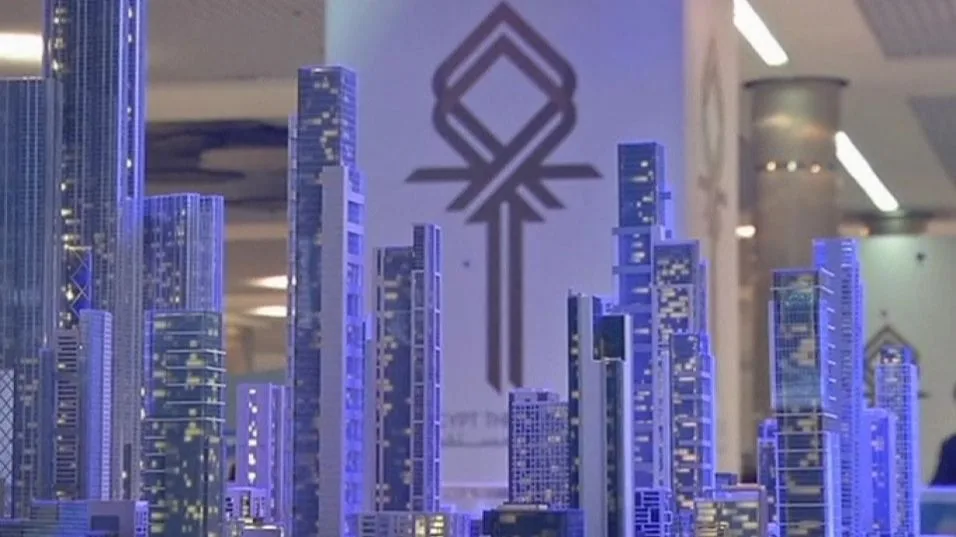
من المثير أن هذه النخبة شديدة الرداءة تمارس احتقارًا غير مفهوم للمجال العام، هذا الاحتقار يمارس بشكل بنيوي في كل سلوكياتهم وعلى جميع المستويات، إذا قمنا برؤية الوضع بوصفه فريقين أحدهما أكثر قوة بما لا يقاس وبعيدًا عن مصطلحات مثل “الدولة” والحكومة والسلطة التشريعية .. إلخ، فإن هذه النخبة التي تملك كل شيء تعتقد بشكل ضمني القدرة على فعل ما تشاء بشرط ابتعاد الغوغاء من الفريق الآخر عن الصورة، وتمتد حالة الاحتقار تلك إلى درجة أنها لا تتصور احتياجها إلى دراسات جادة لفعل أى شيء، نخبة تتميز بامتلاكها كل عناصر القوة المادية والرمزية لكنها شديدة الجهل، تمتد هذه الممارسات الاحتقارية في جميع المستويات التي تتحرك فيها النخبة، منذ العناصر العمرانية شديدة الصغر في الشوارع وحتى الإعلان عن بناء عاصمة كاملة جديدة على مسطح أكبر من مجموع مساحات أكبر ثلاث مدن أنشئت من العدم في العصر الحديث؛ برازيليا، وإسلام آباد، وتشانديجار، تحوي متنزهًا على مسطح يبلغ ضعف مساحة هايد بارك ومدينة ملاه على مساحة تصل إلى أربعة أضعاف مساحة ديزني لاند في سبع سنوات فقط، يبدأ الاحتقار من أدنى مستوى عمراني ممكن كإهدار المال العام في مشروعات ليس لها معنى! كمشروع اللوحات المعدنية للسيارات والذي – كالعادة – فشل مؤخرًا ليبدأوا في إعادة استخدام الأرقام القديمة مرة أخرى أو إهدار أموال الشعب في مشروع أوتوبيس النقل العام الجديد، الذي يتضمن ما يسمى بـ “المحطة الناطقة، خدمة Wi-Fi، مواعيد للحركة، الكارت الذكي”، لا يمكن تخيل وجود سياق محترم خرجت فيه هذه المشاريع بأية حال، هذه مشروعات ليس لها أي علاقة بأي متطلبات واقعية، لكن هل يصعب تخيل وجود صفقة ستحقق مكاسب مادية مباشرة لبعض المسؤولين من وراء هذا المشروع، والذي عندما ناقشوا فكرته وأبدى أحدهم تساؤلًا بخصوص جدواه أو عدم مناسبته فكان الرد مثلًا شيئًا من قبيل “هما يعنى بيفهموا حاجه!”، وبعيدًا عن التكهنات فعملية إنشاء سور معدني في شارع للمشاه كشارع ماري جرجس عند محطة مترو الأنفاق حتى يفصل بين السياح وبين الذاهبين إلى منطقة كوم غراب، لا يمكن تفسيرها إلا من قبيل الاحتقار!

ومجلس الشعب الميمون .. وفلاحينه أفندية
الأسطى فيه لابس ببيون .. وشعاره تحيا الملوخية
هكذا يصبح من الغريب التوجه لهذه النخبة بخطاب مضمونه التساؤل وانتقاد اتخاذهم قرار بناء العاصمة بدون وجود برلمان أو بقرار فردي أو أشياء من هذا القبيل كما فعل بعض الأكاديميين مثل دكتور خالد فهمي! ومع هذا المستوى من الرداءة التي وصلت إلى منازلهم الشخصية يصبح من غير المفهوم السؤال عن وجود أبحاث ودراسات في أي مشروع تبدأه هذه النخبة! هل تعتقد أن الجهل متفشٍ في الطبقات الدنيا والوسطى في المجتمع المصرى نتيجة عدم اهتمام الحكومة بالتعليم؟! يؤسفني أن أشير إلى أنك مخطئ في التقدير! ليس الجهل سببه عدم اهتمام النخبة بتعليم الآخر إنما بسبب جهل النخبة أصلًا! النخبة التي لم تستطع أن تُنشئ مشروعًا كالقطامية هايتس بشكل جيد! النخبة التي تتكلم بهذه الطريقة السوقية التي سمعناها في تسريبات مكتب السيسي ليس في مقدورها تجاهل تعليم الآخر لأنها غير متعلمة أصلًا، النخبة التي تحب ملاعب الجولف والأبراج الزجاجية لكنها لا تعرف كيف يتم إنشاءها، هذه نخبة جاهلة لكنها، فقط، تملك عناصر تجعلها أكثر كفاءة! لطالما كان الجنود في الجيش أكثر كفاءة من الشعراء لكن هذا لا يجعل لهم وزنًا في تاريخ الإنسانية! من هذا المنطلق يصبح من غير المفهوم بالنسبة لي أن يؤخذ رأيي أو تتم دعوتي لكتابة مقال ما عن تلك العاصمة بوصفي متخصصًا!
لكن بالرغم من ذلك كله سأحاول النظر إلى العاصمة من وجهة نظر عمرانية في المقال القادم بإذن الله.
للاطلاع على الجزء الثاني من هذا المقال، اضغط هنا