




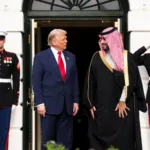


In June 2025, a large-scale military confrontation erupted between Tel Aviv and Tehran, later dubbed the “12-Day War.” The conflict saw intensive Israeli and American strikes targeting nuclear, missile, and civilian facilities deep inside Iran, while Tehran responded by launching barrages of ballistic missiles.
The strikes inflicted severe damage on Iran’s nuclear and missile infrastructure, temporarily degrading Tehran’s capabilities. In the aftermath of the war, and amid renewed tensions in early 2026, Hebrew and international media outlets began reporting on a new and updated “target bank” inside Iran.
Recent reports suggest that the US administration, led by President Donald Trump, has finalized the outlines of a “decisive” military plan that includes a list of potential targets, while deliberately keeping its threats vague in public.
Targeted Leadership Figures
The 2026 target bank reportedly includes several senior figures within Iran’s ruling system, with the aim of crippling Tehran’s ability to manage any organized response. According to Israel Hayom, the most prominent names include:
1. Ali Khamenei – Supreme Leader:
The ultimate decision-maker on Iran’s nuclear program and regional militia support, Khamenei tops the list of potential targets and is described in Hebrew media as “target number one.” Reports suggest that assassinating him would constitute a “political earthquake” capable of shaking the foundations of the Iranian regime, particularly amid recurring reports that he has been sheltering in fortified bunkers in recent months in anticipation of a possible strike.
2. Mohammad Pakpour – Commander of the Islamic Revolutionary Guard Corps (IRGC):
Pakpour assumed his post after the previous IRGC leadership was eliminated during the 2025 war. He is now considered a key military target, with the goal of creating a leadership vacuum within Iran’s elite forces. Also reportedly on the list are senior generals close to Khamenei, including Gholam Ali Rashid, Amir Hatami, and Abdolrahim Mousavi, whose targeting is seen as a means to paralyze Iran’s armed forces command structure.
3. Gholamreza Soleimani – Commander of the Basij Forces:
The head of the civilian militia affiliated with the IRGC, Soleimani has reportedly been placed on the US assassination list due to his central role in suppressing domestic protests. Targeting him is intended to undermine one of the regime’s most critical tools of internal control.
4. Esmail Qaani – Commander of the Quds Force:
The external operations arm of the IRGC, the Quds Force oversees Iran’s regional activities. Despite skepticism among some observers about Qaani’s capabilities compared with his predecessor, Qassem Soleimani, analysts argue that assassinating him would significantly weaken Tehran’s ability to manage allied militias across the region and carry out retaliatory operations abroad.
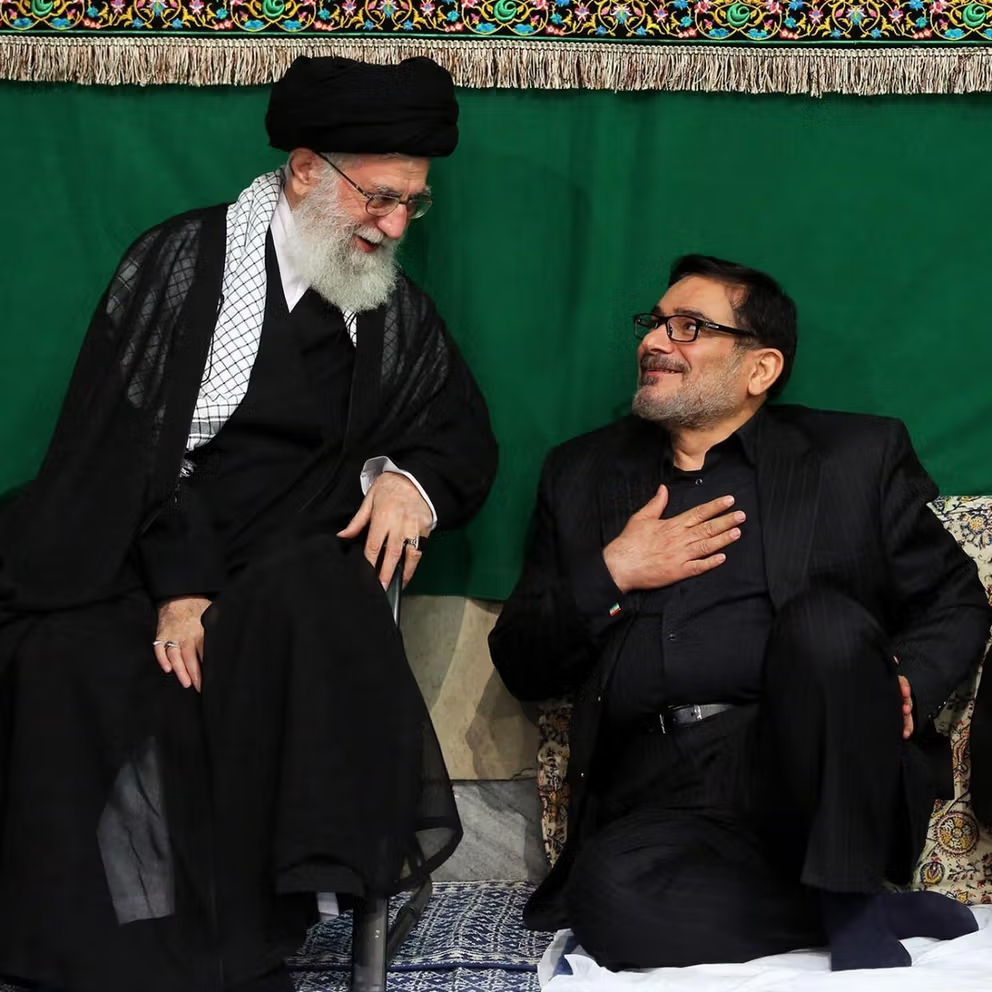
5. Ali Shamkhani – Senior Adviser to the Supreme Leader:
A leading figure overseeing Iran’s security and nuclear policy files, Shamkhani is often described as the “architect” of the nuclear dossier and a close confidant of Khamenei. He survived an assassination attempt during the 12-day war after being wounded in an Israeli strike, keeping him firmly on the current list of potential targets.
Strategic Sites Under Consideration
Beyond individuals, the updated target list includes vital sites and strategic facilities whose destruction would significantly weaken Iran’s military and economic capacity:
1. Government and Security Headquarters in Tehran:
These include the headquarters of Iran’s Supreme National Security Council, command centers of the IRGC, the Basij, police, and intelligence services, as well as the headquarters of the National Iranian Oil Company. Located in the heart of Tehran, these sovereign sites are considered prime targets as they represent the regime’s security and economic decision-making centers.
2. Oil Infrastructure:
Oil reserves and energy facilities in western Iran particularly in Khuzestan Province near the Iraqi border are also viewed as potential targets. Striking these installations could deal a devastating blow to Iran’s already strained economy, with estimates suggesting that damaging oil stockpiles would dramatically exacerbate Tehran’s economic crisis.
3. Nuclear Sites Under Rehabilitation:
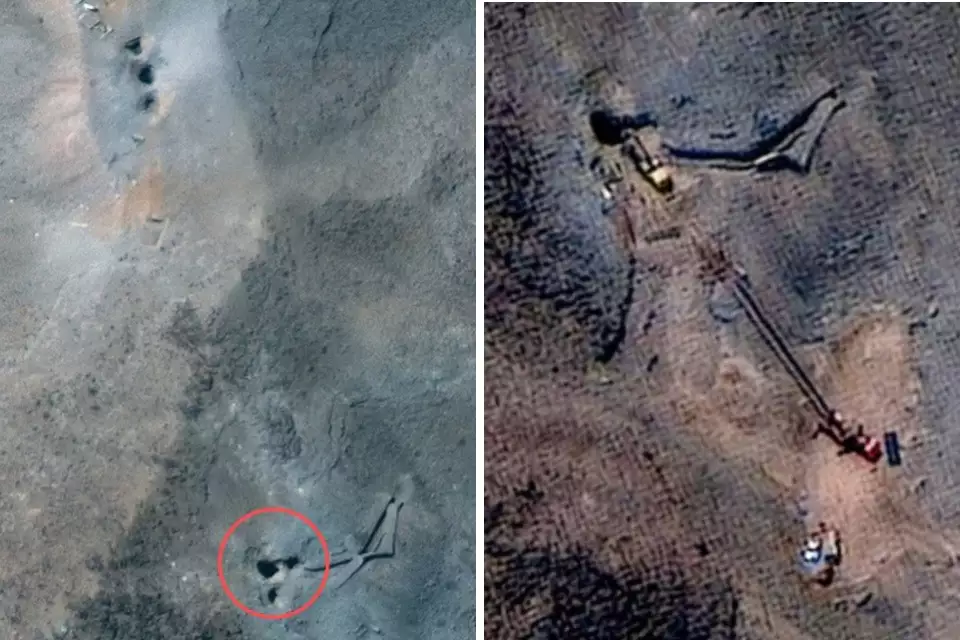
Despite previous strikes, Iran’s nuclear facilities remain a top priority for military planners in Washington and Tel Aviv. Chief among them is the Parchin military base southeast of Tehran, linked to nuclear technology development. Recent satellite imagery has revealed what analysts describe as “suspicious” engineering activity, suggesting efforts to develop nuclear weapon detonation mechanisms.
Although Iran has repaired some damage to its nuclear facilities since the 2025 war, the Washington-based Institute for Science and International Security reports that Tehran faces serious difficulties in fully restoring its former capabilities. As a result, enrichment and nuclear manufacturing sites such as Fordow and Natanz remain among the most urgent targets in any comprehensive preemptive strike.
4. Ballistic Missile Bases and Facilities:
US plans also place Iran’s growing missile capabilities squarely in their sights. In recent months, Tehran has worked to expand its ballistic missile arsenal, particularly after vulnerabilities were exposed during the previous war. Reports indicate that missile launch platforms and production facilities are “within the target circle” of any potential US strike.
While the Israeli Air Force bombed several missile launch sites in western Iran during the 2025 conflict, Washington is now considering a broader assault to prevent Iran from deploying ballistic missiles in any large-scale retaliation.
Previous Target Bank: Sites Already Hit
Several Iranian sites previously considered high-priority targets may now be off the table after being destroyed or disabled in earlier confrontations though some may be retargeted amid uncertainty over the extent of the damage. These include:
-
Fordow Uranium Enrichment Facility: An underground site near Qom, struck in June 2025, with conflicting assessments of the damage sustained.
-
Natanz Nuclear Facility: Iran’s largest uranium enrichment site, targeted by intensive airstrikes in 2025 that crippled much of its operational capacity and reportedly set Iran’s nuclear program back by years, according to official US statements.
-
Isfahan Nuclear Technology Center: A major research and industrial complex linked to the nuclear fuel cycle, also bombed during the 2025 war.
-
Arak Heavy Water Reactor: An unfinished reactor used to produce plutonium, whose construction was significantly delayed after being struck in the latest confrontation.
-
Ballistic Missile Production and Storage Facilities: Several IRGC-affiliated factories and depots were destroyed during the 2025 war. While these strikes reduced Iran’s missile stockpile, they did not entirely prevent Tehran from launching retaliatory missile attacks at the time.

Satellite images of the Fordow facility show the pace of engineering work accelerating (Reuters).
Overall, the current target bank appears focused on the upper echelons of Iran’s leadership and on sensitive sovereign and military installations that remain intact. Information emerging from Hebrew and international media suggests that any new escalation could involve striking these remaining assets with the aim of crippling Iran’s nuclear and missile capabilities and deterring Tehran from mounting any counterattack.


