




In the wake of Israel’s military campaign against Iran last June, questions have surged over the role of Iran’s regional allies amid the shifting geopolitical landscape. Chief among them are Iraq’s armed factions—particularly those loyal to Iran and largely integrated into the Popular Mobilization Forces (PMF)—which have sought to redefine their strategic posture.
These groups now aim to balance their formal structure within the PMF and their ideological alignment as part of the so-called “Axis of Resistance” led by Iran.
Iran’s decision not to activate its regional proxies during the latest confrontation with Israel gave the Iraqi government an opening to rein in these factions and secure their adherence to Baghdad’s official stance of non-involvement. However, this restraint also triggered a series of internal political dynamics, especially after the ceasefire between Iran and Israel, which are beginning to reshape Iraq’s political equation.
Iraq’s political forces—including Shiite factions with military wings—understand the urgency of reorganizing ahead of the upcoming parliamentary elections in November. These groups are recalibrating their internal and external strategies, mindful of both domestic power balances and Iran’s own interest in a stable Iraq.
Tehran, too, appears invested in ensuring the political viability of its Iraqi allies post-election, aiming to preserve their relevance both within Iraq and the broader regional order. Nevertheless, new circumstances are compelling a reassessment of the PMF’s future within Iraq.
Starting with American Pressure
The ongoing U.S. pressure campaign against electronic payment companies like Mastercard and Qi Card—responsible for disbursing salaries to PMF fighters—reveals a deeper American strategy targeting Iran-backed factions. A significant portion of these fighters receive state-sanctioned salaries through the PMF structure.
While these companies cite concerns raised by the U.S. Treasury over the smuggling of funds via smart cards—allegedly used by influential PMF figures to transfer money abroad—this explanation only partially reveals the underlying reality.
The more critical point is that the Trump administration sees the current regional context, particularly Iran’s weakened position, as ripe for reshaping Iraq’s armed factions. Previous efforts to disarm or integrate these groups into Iraq’s formal security apparatus largely failed.
Now, Washington appears to be pursuing economic leverage—cutting off financial resources to induce internal fragmentation or force fighters to seek alternative livelihoods.
Still, it remains far from certain whether this strategy will succeed. American policymakers acknowledge that the situation in Iraq differs significantly from Lebanon’s Hezbollah or Gaza’s Hamas. Thus, Washington seems inclined to pursue long-term, soft-power tactics that avoid provoking violent retaliation against U.S. or allied interests. The Trump administration appears increasingly committed to this low-intensity approach moving forward.
Rising Tensions with the Kurdistan Region
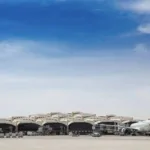
Recent tensions between Baghdad and the Kurdistan Regional Government (KRG) have exposed deep security rifts, especially following a July 4 statement from the KRG accusing PMF-linked factions of launching drone attacks on several Kurdish cities, including Erbil International Airport. The accusation prompted sharp political reactions from leaders within the Coordination Framework, Iraq’s dominant Shiite bloc.
Although such accusations are not new, this episode marks a shift. Iranian media reported that the drone operators involved in the first day of the Israeli assault had crossed into Iraqi Kurdistan from Iran with help from local collaborators—suggesting Tehran’s direct involvement in the current Baghdad-Erbil dispute.
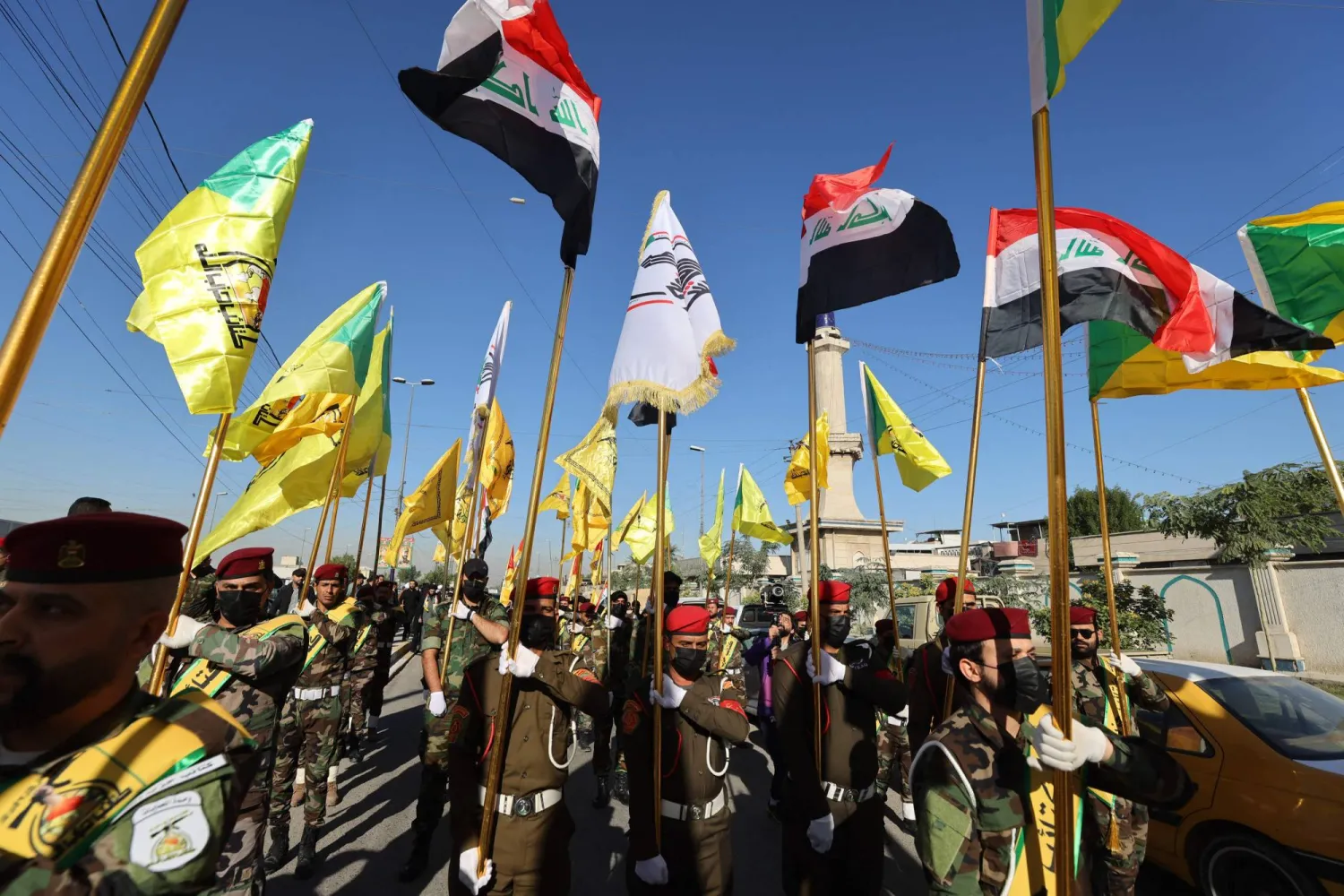
The PMF now finds itself at the center of this security crisis. The Kurdish accusations coincide with explicit demands for the withdrawal of PMF forces from all disputed areas between Baghdad and Erbil. The KRG’s political influence in Washington also plays a role, potentially encouraging a more aggressive U.S.
stance against the PMF. This could give Washington fresh justification to pressure Baghdad into restructuring these factions.
Iraqi political leaders are trying to defuse the crisis. A telling sign was the July 6 visit by Parliamentary Speaker Mahmoud al-Mashhadani to Erbil, reflecting Baghdad’s growing urgency in managing the fallout.
Calls for Disarmament Intensify
Recent calls to disarm Iraq’s armed factions have added fuel to the fire. On July 5, prominent Shiite cleric Abdul-Mahdi al-Karbalai, speaking on behalf of the Najaf religious authority, urged disarmament during his Friday sermon. That same day, influential cleric Muqtada al-Sadr issued a similar call.
In response, Kata’ib Hezbollah’s military spokesperson, Abu Ali al-Askari, issued a strong statement rejecting the proposals, accusing them of aligning with U.S. and Israeli efforts to dismantle the “resistance.”
What makes these calls particularly potent is their timing amid Iran’s strained regional position—and the fact that they come from heavyweight Shiite religious authorities. This underscores that the debate over armed factions transcends the issue of weaponry; it cuts to the core of their future existence.
The organizational and ideological intertwining of these groups means that any discussion about arms control is also a conversation about their survival.
While the factions argue that their weapons are justified by the continued U.S. presence and broader regional threats, it’s clear they are under unprecedented pressure. Much of this pressure stems from Iran’s post-Gaza war retreat from multiple regional arenas, leaving its allies to navigate growing threats on their own.
The future of the PMF and its associated factions will likely dominate Iraq’s political discourse in the months ahead. The viability of their continued presence will hinge on Iran’s ability to maintain its regional influence. A strong Iran could secure their place in the political order; a weakened Iran may leave them exposed to intensifying domestic and international pressures.


