






هذا التقرير متاح أيضًا بـ العربية
The escalation between the Houthi group and Saudi Arabia has entered a critical phase after Ansar Allah (the Houthis) announced a ban on Saudi maritime navigation in response to the ban Riyadh imposed on Yemeni airports, amid warnings of a slide into a new round of confrontation that could herald broader regional escalation at a time when the region is witnessing rapid upheaval against the backdrop of the US-Iran confrontation.
The latest escalation began notably on July 13, when the Houthis targeted sites in southern Saudi Arabia in response to the bombing of the runway at Sanaa airport to prevent an Iranian plane from landing. This was followed by the group’s threat to target Saudi oil facilities and airports, before the situation developed into the announcement of a maritime ban on Saudi shipping. The Saudi-led Arab coalition responded by taking measures to protect vessels and stressing that it would deal “firmly” with any threat targeting them.
The current Houthi-Saudi escalation cannot be read as merely a passing round of tension on Yemen’s borders. Its dimensions extend beyond Yemen’s geographic framework and are tied to the broader regional context, especially as the US-Iran confrontation enters a new phase of escalation.
This raises a host of questions about the significance of opening the Yemeni front at this sensitive moment, and whether the Houthi group, with Iran behind it, is seeking to expand the arenas of regional pressure and reshuffle the cards of conflict in the region, or whether this is limited to reactions linked to field developments inside Yemen.
An important context: the significance of timing
This escalation comes as the Iranian-American confrontation enters an extremely sensitive turning point, after a period of relative calm in which the negotiating and diplomatic track had a prominent presence, before diplomatic efforts faltered because of differing views on a number of issues, including the Strait of Hormuz, leaving the talks at a near standstill.
In this context, the United States did not confine itself to conventional military operations targeting military sites and facilities. It expanded the scope of its operations to include infrastructure, energy and electricity facilities, public services and bridges in cities in southern Iran and along the coastal strip, producing harsh humanitarian repercussions that affected tens of thousands of residents in those areas.
Amid the “war of attrition” the two sides are waging, Tehran has in turn begun considering options that go beyond traditional patterns of response. Intensifying attacks on US bases in Gulf states no longer appears sufficient to achieve deterrence, nor does broadening the threat to Gulf security by targeting infrastructure or shifting escalation to areas beyond the Gulf, such as Jordan and the Gulf of Aqaba, seem to be the most effective option at this stage.
Hence the thinking has turned to options with greater impact, capable of disrupting global trade and threatening the international economy — a wager Tehran appears to be relying on at this stage. In this framework, the Bab el-Mandeb Strait has resurfaced as one of the most important logistical pressure cards Iran may resort to, through its allies, in an attempt to impose a mutual deterrence equation with the United States.
Igniting the Yemeni front: what does Tehran want?
The expansion of the confrontation with the United States from the Gulf to the Saudi arena does not appear to have come about randomly. Rather, it reflects a calculated move led by Tehran to achieve a set of objectives, foremost among them sending a message to Washington and its allies in the region that the confrontation will not remain confined within Iranian territory, but can be expanded to include other regional arenas that are more sensitive and consequential.
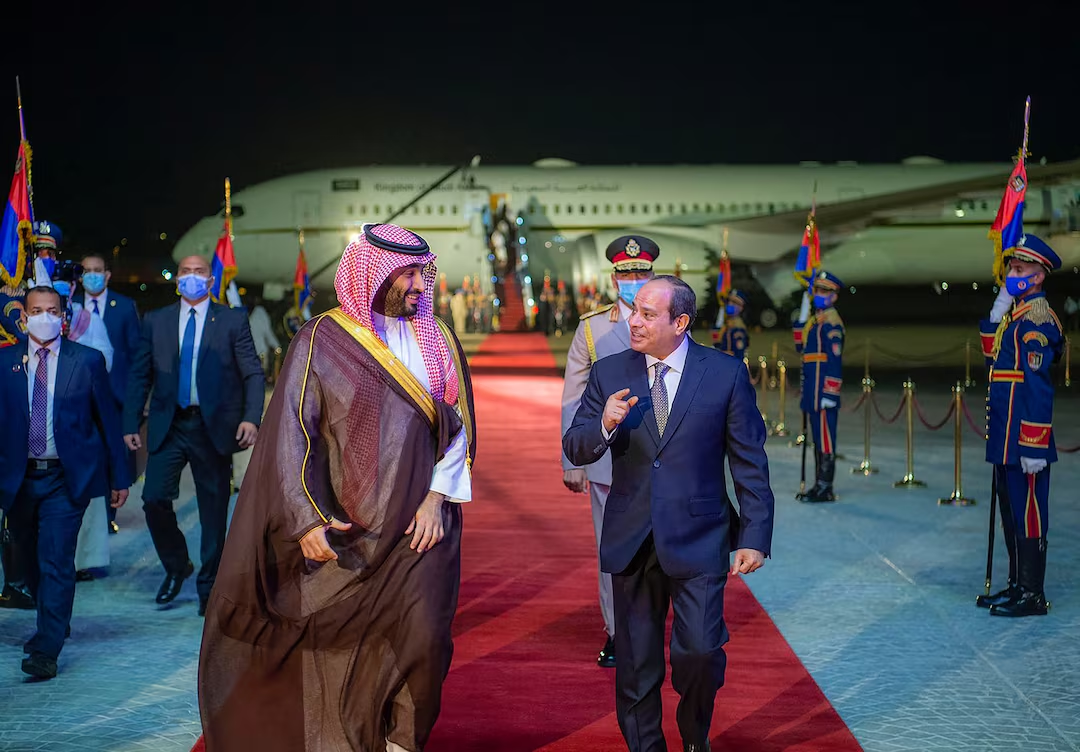
Although Riyadh has been among the capitals most keen to keep channels of communication and diplomacy open with Tehran in recent years, the Iranian leadership still views with concern the possibility that the kingdom could provide logistical support or facilities to the United States in its military operations. From this perspective, the Houthi escalation is read as an early warning message to Saudi Arabia that any involvement alongside Washington would place Saudi airports, oil facilities, energy infrastructure and logistical targets within the range of Houthi missiles and drones.
At the same time, Tehran is seeking, in line with the popular saying “beat the tied one so the loose one will fear,” to send deterrent messages to the rest of the Gulf states that any cooperation with the United States in military operations against Iran will not come without a cost. Saudi Arabia was chosen as the arena for these messages because it is the largest and most politically and economically influential Gulf state, so that the impact of the message extends to the other Gulf capitals and pushes them to reconsider any potential involvement in the confrontation alongside Washington.
Bab el-Mandeb: the strategic card in waiting
The current confrontation has revealed Iran’s skill in employing geopolitics as a tool of deterrence and a pressure card in major crises. It began with the use of the Strait of Hormuz card, when the Revolutionary Guard closed the strait to maritime traffic on March 4, causing widespread disruption to energy supplies and global supply chains and unsettling the calculations of markets and concerned states.
Before that, Tehran had indirectly hinted at the possibility of resorting to other pressure cards no less sensitive, such as bringing in other support arenas to back it in Lebanon and Iraq, as well as Yemen, and reviving certain files such as the Bab el-Mandeb Strait. But it appears to have preferred to hold on to this card depending on the course of the war and the calculations of phased escalation.
And today, with the confrontation with the United States reaching unprecedented levels after shifting to the targeting of Iranian infrastructure, Tehran appears to be seriously considering activating this card. Reuters reported, citing two senior Iranian sources and a knowledgeable regional source, that Iran has in fact asked the Houthis to prepare to close Bab el-Mandeb if the United States targets infrastructure inside Iran.
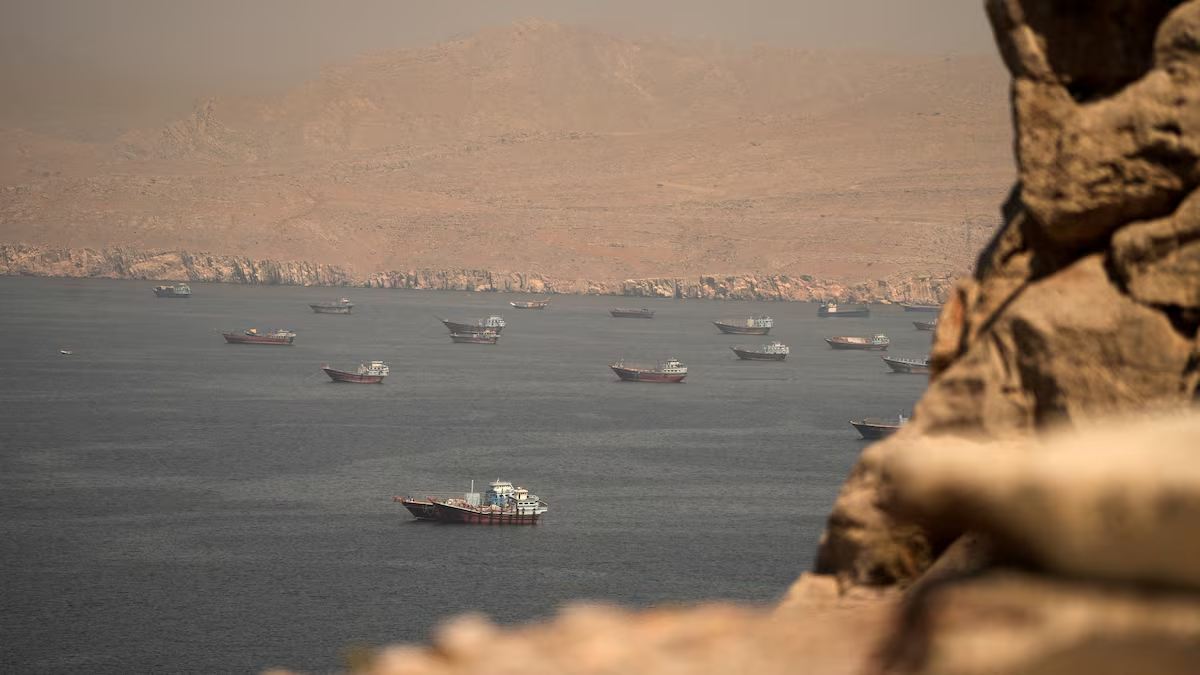
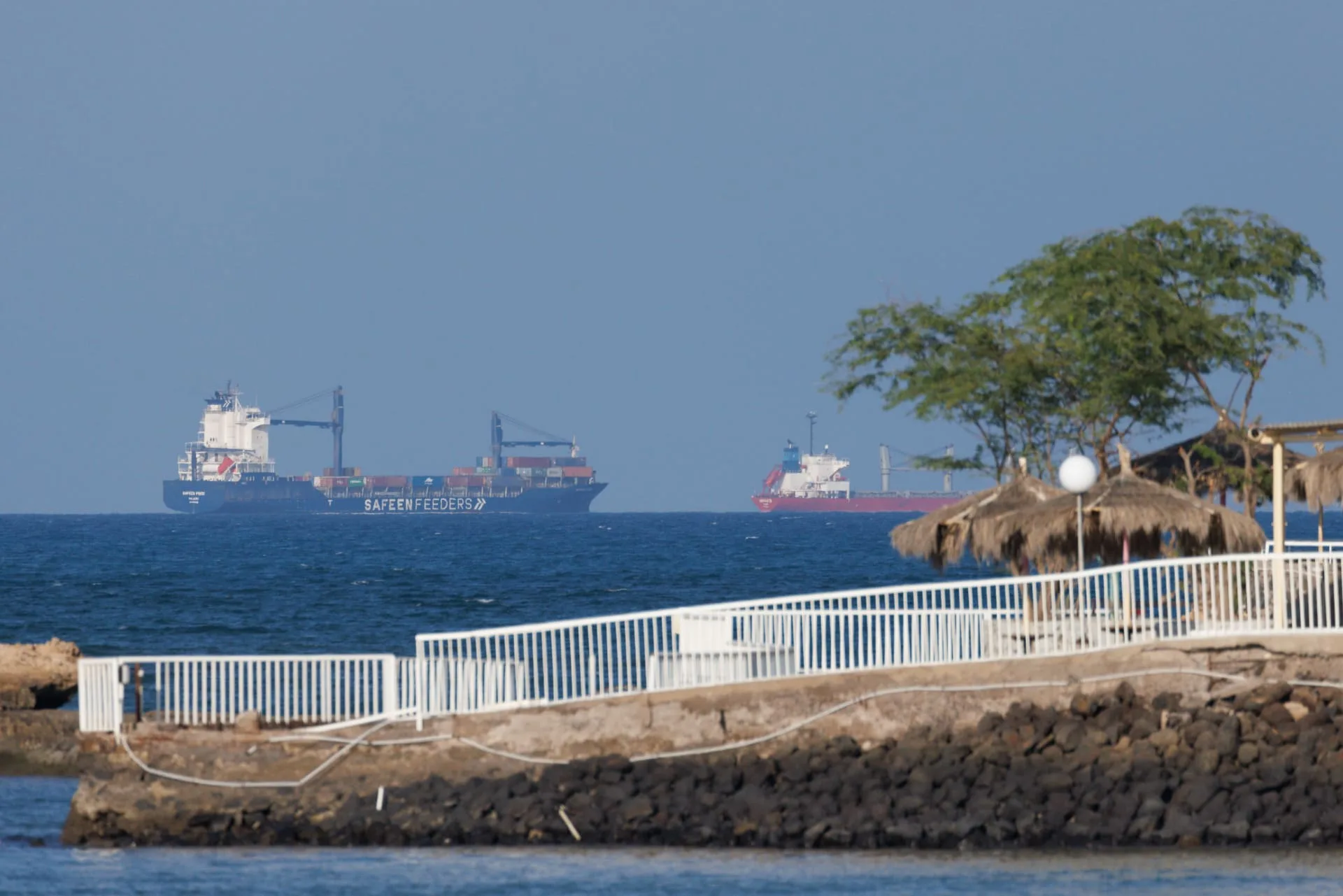
Bab el-Mandeb occupies a position of immense importance in the global economic equation. Alongside the Strait of Hormuz, it is one of the most important strategic corridors for energy flows and international trade. Shipping through it was already affected over the past year as a result of Houthi attacks in the Red Sea since the outbreak of the Gaza war, with the volume of oil passing through the strait falling from about 8.7 million barrels per day in 2023 to about 4.2 million barrels per day in 2025 a drop of nearly half.
Bab el-Mandeb is the main southern gateway to the Red Sea, and any threat to navigation there would directly affect ships heading to Saudi ports while also driving up insurance and shipping costs, creating an effective pressure card on Riyadh that, according to the Iranian wager, could push it to pressure the United States or reassess its position on the war.
In this context, Tehran appears to be adopting a strategy of “playing all the cards,” known as an “all-in policy,” by threatening to use both Hormuz and Bab el-Mandeb at the same time. If this threat moves from the level of political messaging to actual implementation, it could deal a severe blow to the global economy and paralyze international trade on a wide scale a step that looks more like a strategic gamble than merely a political pressure card.
What about the Houthis?
Despite the clear strategic connection one that reaches the point of dependency between the Houthi group and Iran, the group is seeking through this escalation to achieve gains that go beyond serving the Iranian agenda. It is working to cement new equations of influence that strengthen its presence in the Yemeni scene and entrench its authority on the ground.
Imposing a maritime blockade on Saudi Arabia could also help bolster its legitimacy among its supporters and establish it as a key player that cannot be bypassed in any negotiations or arrangements related to the post-escalation phase.
The phrase used by the group’s leader, Abdul-Malik al-Houthi, when he said, “Airports for airports, ports for ports, and blockade for blockade,” reveals that the goal is not limited to managing this round of escalation or merely responding to Iranian calculations. It goes beyond that to imposing a new negotiating equation that places Saudi Arabia before the option of making concessions in exchange for halting the threats, thereby raising the ceiling of negotiations on the Yemeni file and giving the group additional pressure cards.
Although the Houthis constantly insist through their usual populist slogans that their decision is independent and stems from a purely national approach, the timing of the escalation in Bab el-Mandeb alongside what Reuters revealed days ago, citing Iranian sources, about Tehran’s request that the group prepare to close the strait if Iranian infrastructure comes under US attack, raises questions about the limits of that decision’s independence.
It reinforces the impression that what is happening in the Yemeni arena has become closely intertwined with regional calculations, making it more complex and difficult to separate the Yemeni and Iranian dimensions.
All-out war or an exchange of messages?
From a purely pragmatic standpoint, it does not appear that Riyadh, Tehran or the Houthi group wants this escalation to continue, given the highly sensitive regional moment and the heavy costs all sides would bear without exception. But the mounting pressure facing Iran and, behind it, the Houthis could push them to ignite this front temporarily in order to secure quick gains and send specific political and security messages.
Despite the intensity of the political and media sparring between the Saudi-led Arab coalition and the Houthi group, this round of escalation appears, most likely, to be governed by a relatively low ceiling, limited to an exchange of messages and the display of pressure cards, without sliding into a full-scale confrontation that none of the parties appears ready to bear the cost of at present.
But that does not mean the scenario of broad escalation is entirely unlikely. The situation could quickly slide into open war if the Houthis, with Iran behind them, cross red lines by directly targeting Saudi ships or oil tankers, or by carrying out large-scale attacks on facilities and logistical infrastructure inside the kingdom.
At that point, Riyadh could find itself facing more decisive options, raising the prospect of the scene slipping into a more dangerous and complex phase.
In sum, Tehran appears to have delivered its messages, just as the Houthis have succeeded in delivering theirs as well. That makes it likely that the diplomatic track will regain prominence in the coming period through mediation and regional moves aimed at containing the tension, pushing the parties to step back, and preventing the region from sliding into a confrontation that no one wants and from which no side would emerge victorious.