










هذا التقرير متاح أيضًا بـ العربية
On the evening of May 11, 2026, the Israeli Knesset approved a law establishing a special military court in Jerusalem to try Palestinian prisoners whom “Israel” accuses of participating in the October 7, 2023 attack.
The law passed by a majority of 93 votes with no opposition, and grants the court the authority to impose the death penalty, along with special arrangements for the attendance of prisoners and their lawyers and for broadcasting the hearings, in a step that turns the judiciary into a tool of political revenge under pressure from the Israeli right, the families of those killed, and public opinion.
1. What court did the Knesset approve?
According to Yedioth Ahronoth, each panel consists of three judges, provided that at least one of them is the president of a military court or a judge in a district court serving in the reserves. If a death sentence is issued, the ruling is automatically referred to an appellate panel headed by a retired Supreme Court judge.
The bill was introduced by Constitution Committee chairman Simcha Rothman of the “Religious Zionism” party in cooperation with Knesset member Yulia Malinovsky of the “Yisrael Beiteinu” party, with the support of Justice Minister Yariv Levin.
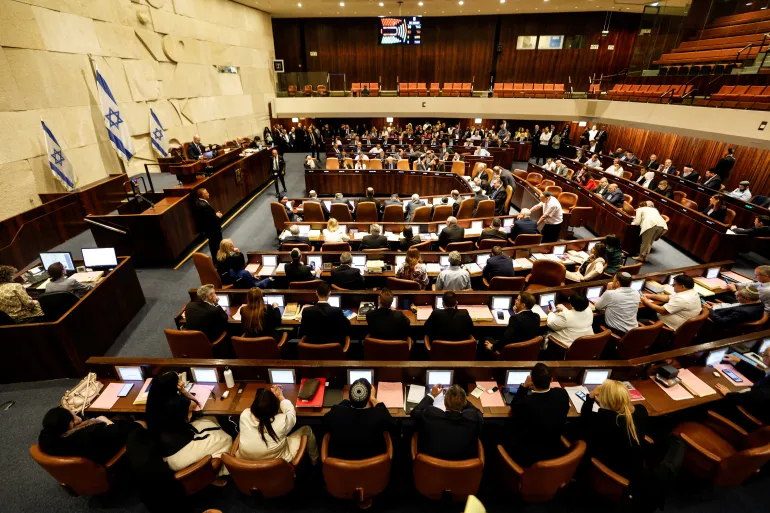
The Israeli justification claims that the court is necessary to try those whom Israeli propaganda describes as the “perpetrators of the October 7 massacre” and to ensure public hearings.
But singling it out for a specific category and event, with exceptional powers including the death penalty and public broadcasting, makes it closer to a special punitive track designed for Palestinian prisoners than to a normal court.
2. Who will be tried before it?
It targets the law targets those whom “Israel” has arrested on the claim that they participated in the October 7 attack. Israeli reports here speak of hundreds of detainees who may face indictments.
The newspaper Yedioth Ahronoth said the number could exceed 400 “suspects,” while large numbers of Palestinians have remained detained since the war on Gaza without clear indictments.
The occupation government is focusing in particular on those it describes as members of the “Hamas elite/Qassam Brigades” whom it says took part in Operation Al-Aqsa Flood. The court’s jurisdiction extends to those whom “Israel” says were arrested during the attack or afterward in direct connection to the events of October 7.
3. How will the trials be conducted?
The sessions will be held in Jerusalem, and “Israel” says some of them will be public or available for broadcast under the pretext of transparency.
And prisoners will participate in most sessions via video from inside prisons, with their personal attendance required at specific stages such as the presentation of the indictment and response to it, giving testimony, and hearing the verdict, while allowing those whom “Israel” describes as “survivors of the attack” and relatives of those killed to attend or follow the sessions.
As for the defense, Israeli reports indicate that it will not be through the Israeli Public Defender’s Office, but rather through lawyers selected by the court or appointed by it in accordance with the “constraints of the law.”
And Yedioth Ahronoth spoke of special arrangements regarding defense costs, including charging the Palestinian Authority with the cost in specific cases, under restrictions that raise serious concerns about the prisoner’s right to choose independent counsel.
Reports also point to the possibility of using what it claims are “secret evidence” or “sensitive materials,” which could restrict the defense’s ability to examine evidence and cross-examine witnesses.
Therefore, the question is not only about where the court will be held or what form it will take, but whether the Palestinian prisoner will actually receive a full right of defense before a court originally created to try him within a charged, retaliatory context.
4. What charges is “Israel” preparing?
No final and comprehensive indictments have been announced yet, but the available information indicates that the Israeli prosecution is preparing to bring a broad package of charges including: “premeditated murder, kidnapping, participation in the October 7 attack, membership in a banned organization, and charges related to anti-terrorism laws.”
Israeli sources say the prosecution may include (fabricated) charges such as “sexual assaults” and “looting property,” in addition to relying on exceptional laws such as the 1950 Genocide Prevention Law or laws related to “crimes against the Jewish people,” as they put it.
The prosecution may also resort to the language of “war crimes” or “crimes against humanity,” although the use of these concepts inside Israeli military courts remains tied to the occupation’s legal and political calculations.
From a Palestinian perspective, the danger of expanding the list of charges lies in giving “Israel” cover to market the harshest punishments, instead of dealing with prisoners in accordance with the guarantees of international law and the rights of the defense.
5. What penalties are expected?
The special court can impose severe penalties, including life imprisonment and lengthy cumulative sentences, but the most dangerous aspect of the law is that it grants the court the authority to impose the death penalty.
According to Israeli reports , a death sentence can be issued by the court panel, with an automatic appeal if such a ruling is handed down before a special appellate panel.
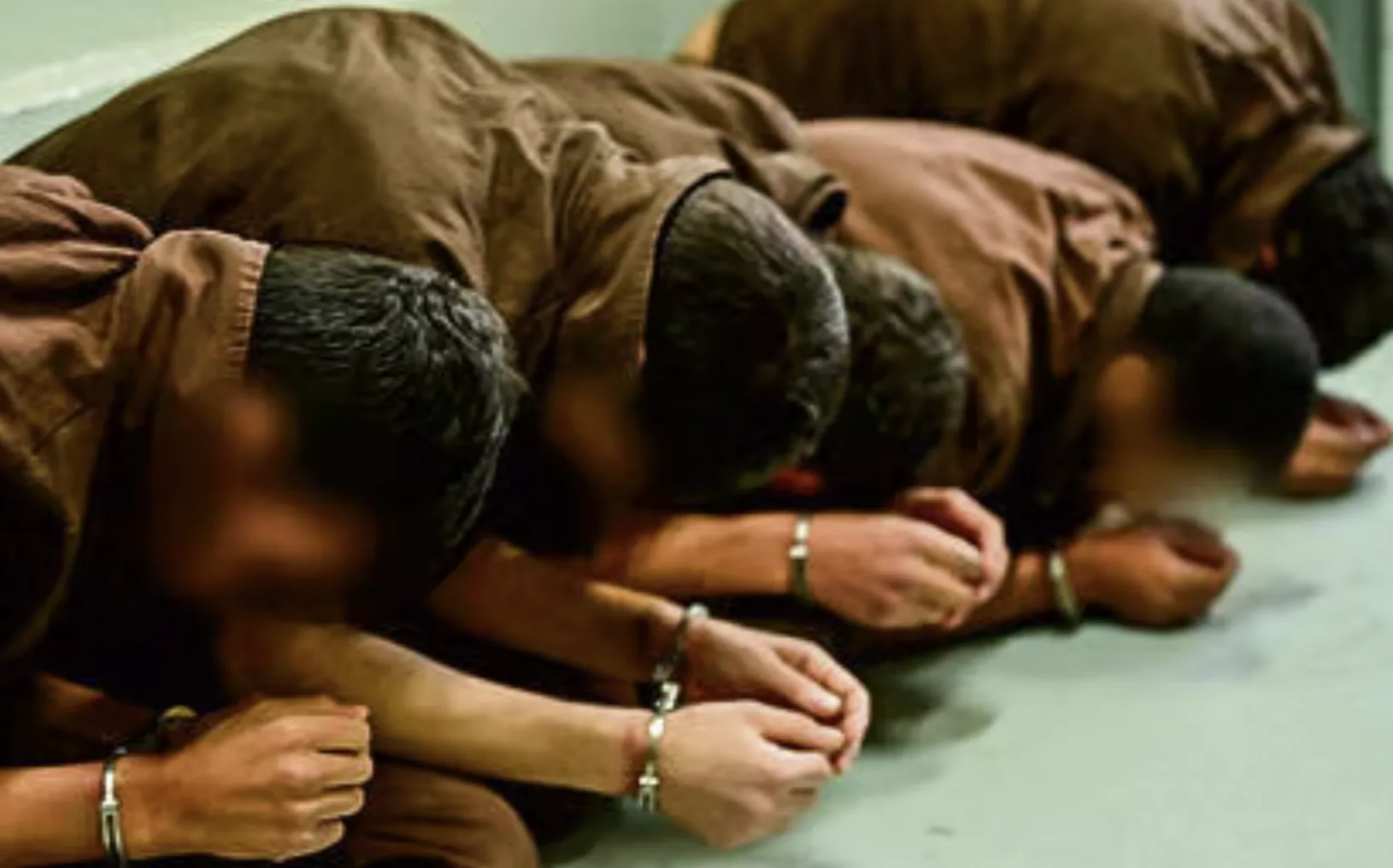
AndYedioth Ahronoth also notes that the law includes restrictions on including those convicted in future exchange deals, turning the court into a tool for managing the prisoner file rather than merely a judicial track.
This point clearly reveals the political dimension of the law: “Israel” does not only want to issue sentences, but also wants to remove these prisoners from any future exchange equation and tie their fate to an internal punitive path.
6. What is the court’s connection to the death penalty law?
The Knesset passed the death penalty law on March 30, 2026, expanding the possibility of imposing this punishment in cases targeting Palestinians almost exclusively, prompting UN High Commissioner for Human Rights Volker Türk to warn against the legislation and call for its repeal.
As for the October 7 court law, it creates a special track for prisoners whom “Israel” accuses of participating in the attack, but it converges with the death penalty law in its political outcome: making the ultimate punishment a practical option against Palestinian prisoners.
In other words, the new court is not itself the general death penalty law, but it may become one of its most important avenues of implementation.
For this reason, the Israeli right sees the court as a practical step toward reinstating the death penalty, while Palestinian rights organizations consider the two laws to be two sides of the same path: using the judiciary to codify revenge against prisoners under the banners of “justice” and “documenting” the alleged crimes.
7. Why does the court raise legal and human rights concerns?
The concerns stem from the fact that the court is exceptional and designated for a specific category, not merely because it is a new court. It targets specific Palestinian prisoners in a highly charged political context, combining public broadcasting, participation via video, restrictions on the defense, and the possibility of what “Israel” calls alleged secret or sensitive materials being used.
Many of these prisoners have also been held since 2023 without clear indictments or completed trials, which reveals the retaliatory nature of the coming steps, especially if the prisoners are later transferred to a court created specifically for them after their detention.
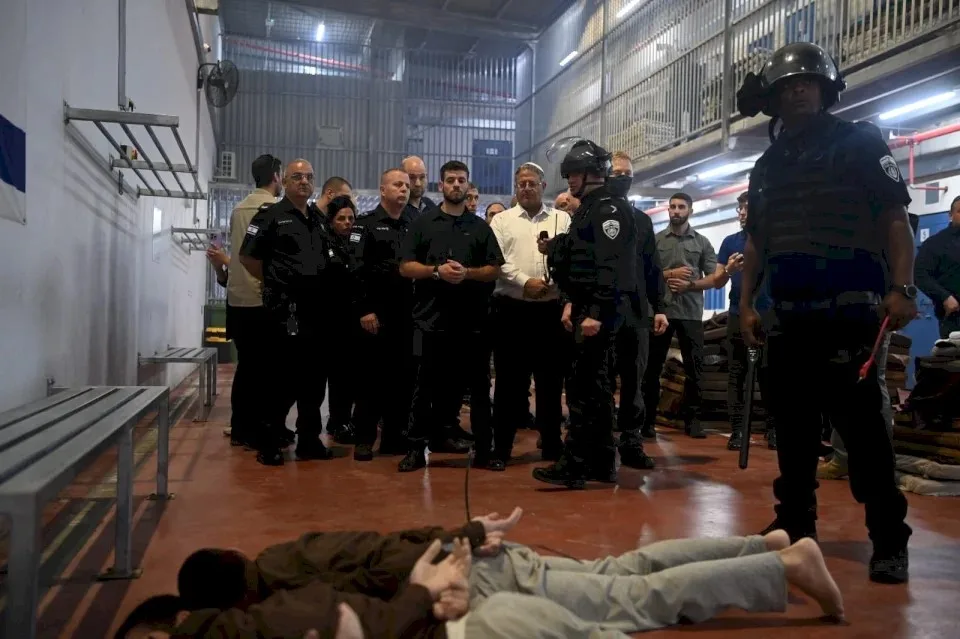
andwarned Israeli, Palestinian, and international human rights organizations have generally warned of the erosion of fair trial guarantees in the cases of Palestinian prisoners, and of the use of military courts to justify political punishment.
Concerns are growing with talk of secret evidence and the possibility that some materials may be presented without allowing the defense to fully examine them. If this is combined with broadcasting the sessions, the attendance of the families of Israelis killed, and public opinion pressure, the court becomes closer to a political platform for cementing the occupation’s narrative of October 7.
8. What does “Israel” want politically from the court?
The court carries several political objectives:
First, “Israel” seeks to entrench its official narrative of October 7 as an event that warrants a special court, in a way that resembles building a judicial and political memory that serves the occupation’s narrative before its public and the world.
Second, the court gives the families of Israelis killed a public platform to follow the trials, and allows the government to say it is not leaving the matter to time or prisoner exchange deals. In this sense, the court serves an internal Israeli need for revenge and political reassurance, especially after years of anger and pressure on the government.
Third, the court serves the Israeli right on the issue of execution. National Security Minister Itamar Ben-Gvir and far-right parties have long pushed toward carrying out this punishment against Palestinian prisoners, while the new law gives them a special judicial path that could achieve part of this goal.
Fourth, the court allows the government to unify broad segments of Israeli politics around the October 7 file. The broad vote in favor of the law sends an internal and external message that the political establishment wants a special path for these prisoners, even if it differs on other details of the war and politics.