







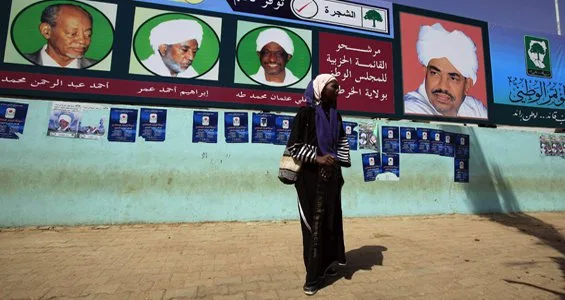
تتصاعد في الأفق السياسي السوداني الأزمة بين مكوناته السياسية من الأحزاب التي دخلت في حوار وطني مع الحكومة السودانية الحالية، التي يقودها حزب المؤتمر الوطني الحاكم تحت إمرة رئيس الجمهورية الحالي، عمر البشير، وذلك على إثر تصميم المؤتمر الوطني على إجراء الانتخابات العامة بموعدها الحالي دون تأخير كما طلبت قوى المعارضة الرئيسية في السودان.
برر النظام السوداني هذا الإصرار بوجود استحقاقات دستورية تلزمه بإجراء الانتخابات الرئاسية والبرلمانية في موعدها، ما أدى إلى تعرض العملية الانتخابية في السودان، التي تجري في يومها الثاني، لانتقادات عديدة من قِبل جماعات محلية ودولية معنية بحماية الحريات وحقوق الإنسان، وكذلك من الأحزاب المعارضة للرئيس، والتي أعربت عن خشيتها من تدهور الأوضاع الأمنية في البلاد؛ بسبب إصرار النظام على المضي قدمًا في هذا الانتخابات وتجاهل دعوات المعارضة بتأجيلها، بالإضافة إلى تأكيد المعارضة احتمالية حدوث تزوير في الانتخابات الحالية.
المعارضة المقاطعة للانتخابات تؤكد أن كل المؤشرات تدل على عدم جدوى إجراء الانتخابات السودانية في هذا التوقيت، نتيجة للكثير من الأزمات السياسية المتراكمة، وأن مثل هذه الانتخابات بهذا الأسلوب، هو آخر ما يحتاجه السودان لحل أزماته، التي تحتاج إلى أولويات أهمها التوافق السياسي للخروج بالبلاد من الأزمات التي تعصف به، بينما يُصر حزب المؤتمر الوطني الحاكم، على تجديد جولة سياسية أخرى من خلال الانتخابات، التي أكدت المعارضة أنها جولة مكررة لما حدث في انتخابات عام 2010، التي ترتبت عليها كارثة حلت بالسودان أدت لتقسيمه إلى شطرين، والحكومة الحالية تنتظر بعد انتخابات 2015 كارثة جديدة.
المتابعون للوضع السياسي السوداني أكدوا على أهمية التفريق بين قيام الانتخابات بالنسبة للسلطة الحاكمة متمثلة في حزب المؤتمر الوطني الحاكم، وبين أهميتها باعتبارها حتمية لتأسيس حكم ديمقراطي حقيقي، خاصة وأن غياب الديمقراطية كان الأمر الغالب على الفترة الماضية بالبلاد؛ وهو ما أدى بها للوضع الحالي وتراكم الأزمات السياسية.
بينما المقاطعين لهذه الانتخابات يرون نظام البشير يريد جعلها مسحوقًا تجميليًا، يخفي من خلفه الإخفاقات الكثيرة التي تعتريه، حيث قضى الرجل أكثر من 25 عامًا في الحكم، وهي أطول فترة يمكثها رئيس في حكم السودان، بينما المؤتمر الوطني الحاكم يرى ضرورة استمرار البشير لولاية قادمة، وأن دعوات التغيير يجب ألا تنحصر في الدعوة لتغيير الرئيس، إذ ترى المعارضة أن التغيير محور مهم في خطط مواجهة أزمات البلاد، كما يمثل فرصة مواتية أمام تعاطي المجتمع الدولي مع حكومة جديدة، غير تلك التي تحمل صورة ذهنية سيئة عند الغرب.
هناك طرف ثالث بين المعارضة والنظام في السودان يرى أن الانتخابات هي الوسيلة التي تمكن المواطنين من المشاركة في عملية اتخاذ القرارات، وعن طريقها يمكن لهم قبول أو رفض الخيارات السياسية، وفي الوقت ذاته قبول أو رفض من يطرحون هذه الخيارات، إذ ينظر هذا الفريق إلى أمر الانتخابات باعتبارها من الناحية النظرية، وبمعزل عن تأويل أهداف ونوايا الحزب الحاكم، تفرق نفسها لكونها محصلة لحالة ديمقراطية ولكن لا يؤخذ الأمر هكذا على عواهله، فمن المفترض أن تتوفر في هذا الانتخابات شروط وضمانات وحريات وحقوق ثابتة وهو أمر محل شك بالتأكيد.
يصر النظام الحاكم في السودان، بقيادة الجنرال عمر البشير على إجراء هذه الانتخابات في سياق ملابسات يدرك الجميع أن نتيجتها ستكون محسومة لصالح المؤتمر الوطني، فيما ستظل الأزمات تتجدد، وتعيد إنتاج نفسها مع كل حدث سياسي، حيث يبدو واضحًا تمامًا، أن نظام الخرطوم أصبح لا يأبه لمخرجات الحلول الوطنية التي تخرج من الحوارات الوطنية التي يجريها النظام بنفسه، فالمعارضة ترى النظام لا يلتزم بما تقتضيه هذه الحلول من تسويات وتنازلات، فإجراء الانتخابات من وجهة نظر المعارضة ضرورة للنظام السوداني فقط، لاكتساب شرعية جديدة وليست ضرورة للسودان نهائيًا.
المطالبة بتأجيل الانتخابات لعامين إلى حين تهيئة الأجواء السياسية المناسبة لإجرائها، بناء على مقترح أمريكي صاغه المبعوث الأمريكي السابق إلى السودان برينستون ليمان، قوبلت برفض عنيف جملة وتفصيلاً، حيث صرح النظام أنه يرفض هذه الإملاءات والتدخل السافر في الشأن الداخلي السوداني.
النظام يروج إلى فشل هذه المقاطعة بإعلانه أن ثمة 44 حزبًا سودانيًا مشاركًا في الانتخابات بكافة مستوياتها المختلفة (رئاسية، برلمانية، ومجالس تشريعية ولائية)، لكن الحقيقة أن الحزب الوحيد الذي يعرفه السودانيين هو حزب المؤتمر الوطني الحاكم، بينما الأحزاب الأخرى التي تمثل الصوت العالي للمعارضة، كحزب الأمة القومي بزعامة الصادق المهدي، وحزب المؤتمر الشعبي المنشق عن الحزب الحاكم بزعامة حسن الترابي، وقوى الإجماع الوطني التي تضم عدة أحزاب سودانية معارضة، اتخذت جميعها موقف المعارضة وقالت إنها ترفض منح النظام شرعية جديدة.
الأجواء غير مهيأة على الإطلاق وحزب المؤتمرالوطني يستغل مقدرات الدولة، والبلاد تعيش حالة انعدام للحريات السياسية، والحرب لاتزال قائمة في عدد من الأقاليم السودانية، التي يعتبر مواطنوها الانتخابات ترفًا، والنظام يأتي بعد هذا كله ليتحدث عن انتخابات حرة نزيهة، هكذا تحدث لوسائل الإعلام، الناطق باسم تحالف قوى الإجماع الوطني أبو بكر يوسف، الذي أكد أن الحزب الحاكم في محادثاته الأخيرة مع قوى “نداء السودان” التي من ضمنها قوى الإجماع الوطني التي أُقيمت في العاصمة الإثيوبية أديس أبابا، لم تخرج بشيء إلا بمزيد من تفلت النظام من تعهداته التي أطاحت بمصداقيته، حيث عمد النظام للحديث عن تأجيل الحوار الوطني إلى ما بعد الانتخابات ليفرض واقعًا سياسيًا جديدًا لمدة خمس سنوات أخرى.
النظام يتهم المعارضة بالهروب من الاستحقاقات الشعبية، واستمراء المعارضة الكلامية فحسب دون الفعل السياسي، كما أن تصريحات النظام كلها تصب في اتجاه فشل دعوات المقاطعة، وأن الانتخابات تشهد تنافسية حادة، كما صرح حزب المؤتمر الوطني والذي سمى “حزب الاتحاد الديمقراطي” كأبرز منافسيه، لكن الملاحظ أن هذا المنافس الذي سماه حزب المؤتمر الوطني الحاكم يدعم بالأساس ترشح البشير لولاية قادمة بالرغم من تواجد ممثلين للحزب في الانتخابات، وهو ما أطلقت عليه المعارضة كوميديا سياسية.
النظام السوداني يريد أن يكتسب مزيدًا من الشرعية والوقت بهذه الانتخابات، التي تمثل له شريان حياة لاستمرار المؤتمر الوطني الحاكم في نهجه الحاكم بالبلاد، والتي من غيرها قد يواجه أزمة في شرعية بقائه، خاصة وأنه لا يثق في الحوارات الوطنية ولا في مخرجاتها، حيث يريد أن يدخل هذه الحوارات الشكلية وهو مطمئن إلى أن مخرجات هذه الحوارات لن تقضي بإبعاد الحزب الحاكم عن السلطة، وإنما إجراء بعض التغييرات الشكلية في بنية السلطة والحكم، تمتص تصعيد المعارضين له.
بيد أن الأزمة السودانية لا يمكن تلخيصها في النظام فحسب، فالمعارضة المنقسمة على نفسها تعلن في الظاهر عدائها الشديد للنظام ويعقد قياداتها اجتماعات شبه دورية مع قادة الحزب الحاكم لإجراء تفاهمات ما، أعطت هذه التصرفات السياسية صورة ذهنية محبطة لدى جمهور الشعب السوداني، خاصة من الشباب الذي يرى أن قيادات المعارضة كانت في الحكم قبيل مجيء المؤتمر الوطني الحاكم ولكنهم لم يكونوا أحسن حالاً من النظام الحالي، كما يرون أن جل معارضتهم الآن تخضع لمواءمات سياسية تفرغ دعواتهم من الجدية المطلوبة لإجراء تغيير حقيقي في السودان.