




In the aftermath of the fall of the Assad regime and Syria’s entry into a post-liberation phase, mosques have rapidly and profoundly reclaimed their place in public life. After decades of restrictions and security surveillance, these religious spaces have regained their freedom, emerging as open arenas for worship, education, dialogue, and social support. Today, they play a pivotal role in rebuilding trust between society and religious institutions.
In the initial months following liberation, mosques across the country witnessed a broad revival of religious study circles and open lessons. Educational initiatives were launched, targeting all age groups from children and youth to women and the elderly. These included literacy workshops, language classes, life skills and technical training programs, as well as seminars and forums addressing social, cultural, and political issues.
As these activities expanded, mosques transitioned from spontaneous initiatives to more structured operations. Weekly and monthly programs were introduced, with dedicated spaces for children and sports activities for youth.
A new generation of independent scholars and young reformers has emerged individuals combining religious education with social engagement turning mosques into dynamic agents in Syria’s cultural and educational recovery.
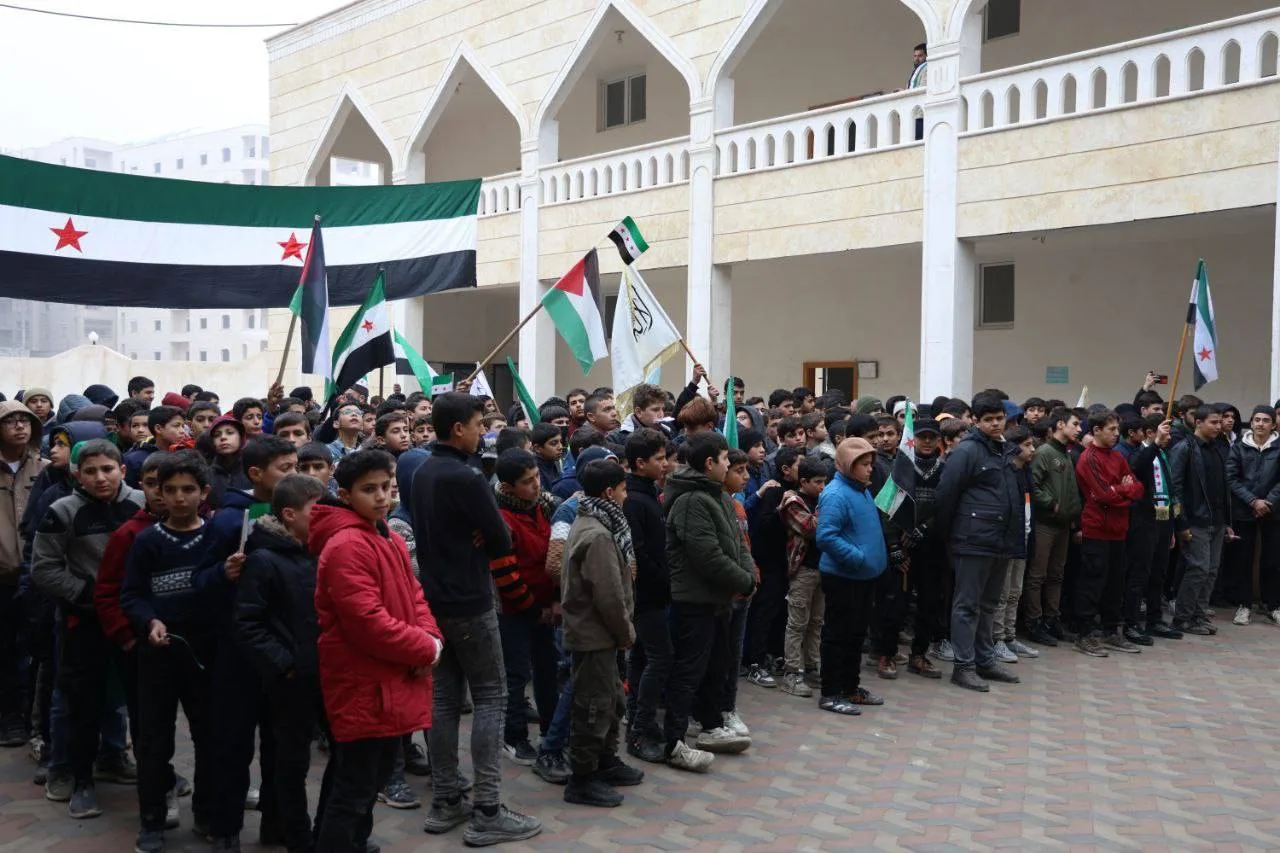
This evolution has also brought about a qualitative shift in religious discourse. Messages from the pulpit have been reshaped to address contemporary challenges using interactive formats, including open dialogues between imams and youth, and embracing digital media and modern communication tools.
In religious education, new secondary schools and institutes have been established across multiple provinces including girls’ schools in Daraa, Damascus, and Homs with qualified educators recruited to develop modern curricula.
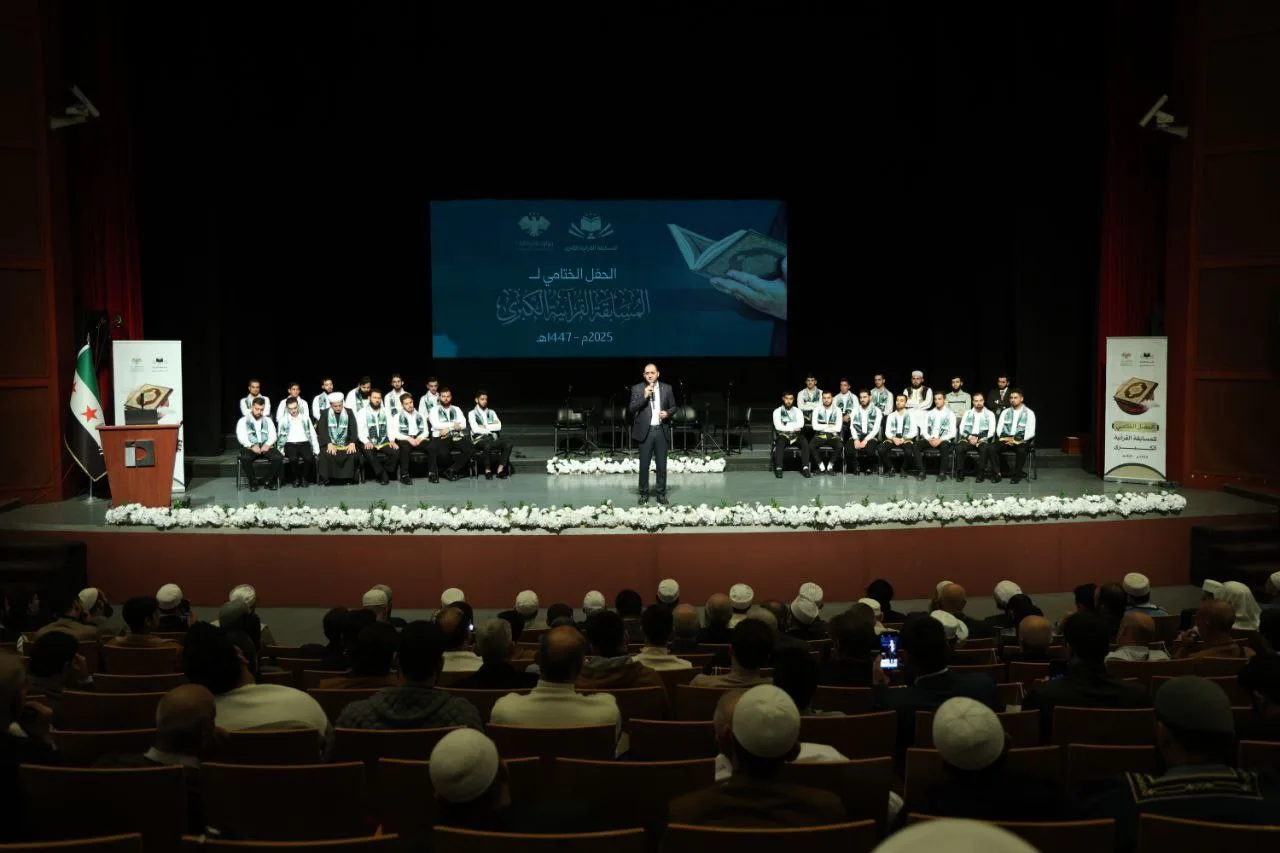
Major Quranic competitions have taken place at the provincial level, culminating in celebratory events in Damascus. Nationwide campaigns such as “Seeking the Blessings of the Heavens” have coincided with mosque reconstruction efforts especially of historical mosques and the revitalization of endowment libraries.
The Ministry of Religious Endowments (Awqaf) has also prioritized expanding women’s roles in religious and educational activities, through the opening of new girls’ schools and the organization of female-led seminars and training sessions.
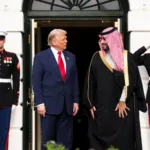
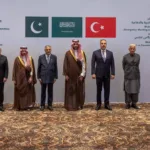
On the international front, the Ministry has reemerged on the global stage with official visits to countries such as Saudi Arabia, Turkey, Malaysia, Indonesia, Brazil, and Mauritania. These diplomatic engagements have boosted Syria’s standing in the broader Islamic world and opened doors for global academic and religious collaboration.
This report offers a comprehensive overview of the evolving role of mosques in post-liberation Syria highlighting transformations in religious discourse, the broadening of mosque functions, and how these spaces are becoming vibrant centers of worship, education, culture, and community service.
Topics of Mosques After Liberation
Following the fall of the Assad regime, Syrian mosques began undergoing a qualitative transformation in their role and function. Traditional religious lessons expanded to address contemporary issues affecting daily life, including women’s rights, citizenship, and the intersection of religion and politics. This shift gave mosque discourse a practical, reality-based dimension aligned with modern societal challenges.
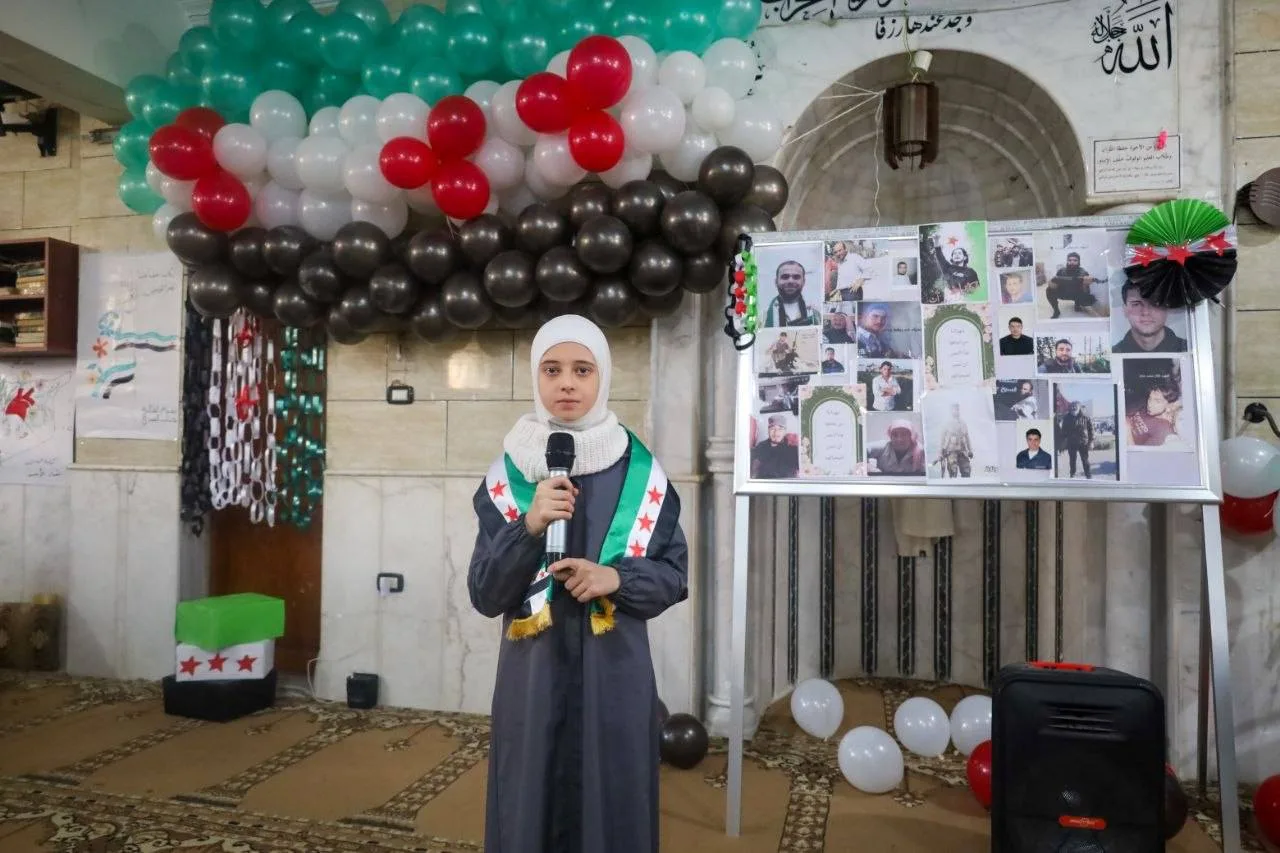
In the early months after liberation, mosques hosted specialized lectures and study sessions to deepen religious understanding. These included detailed explorations of jurisprudence, hadith sciences, Qur’anic interpretation, and the Prophet’s biography, alongside workshops on political ethics and leadership development.
The scope of mosque activities further evolved to include cultural forums, youth dialogues with imams, and discussions on post-victory responsibilities and the role of society in safeguarding hard-won gains and rebuilding a new Syria.
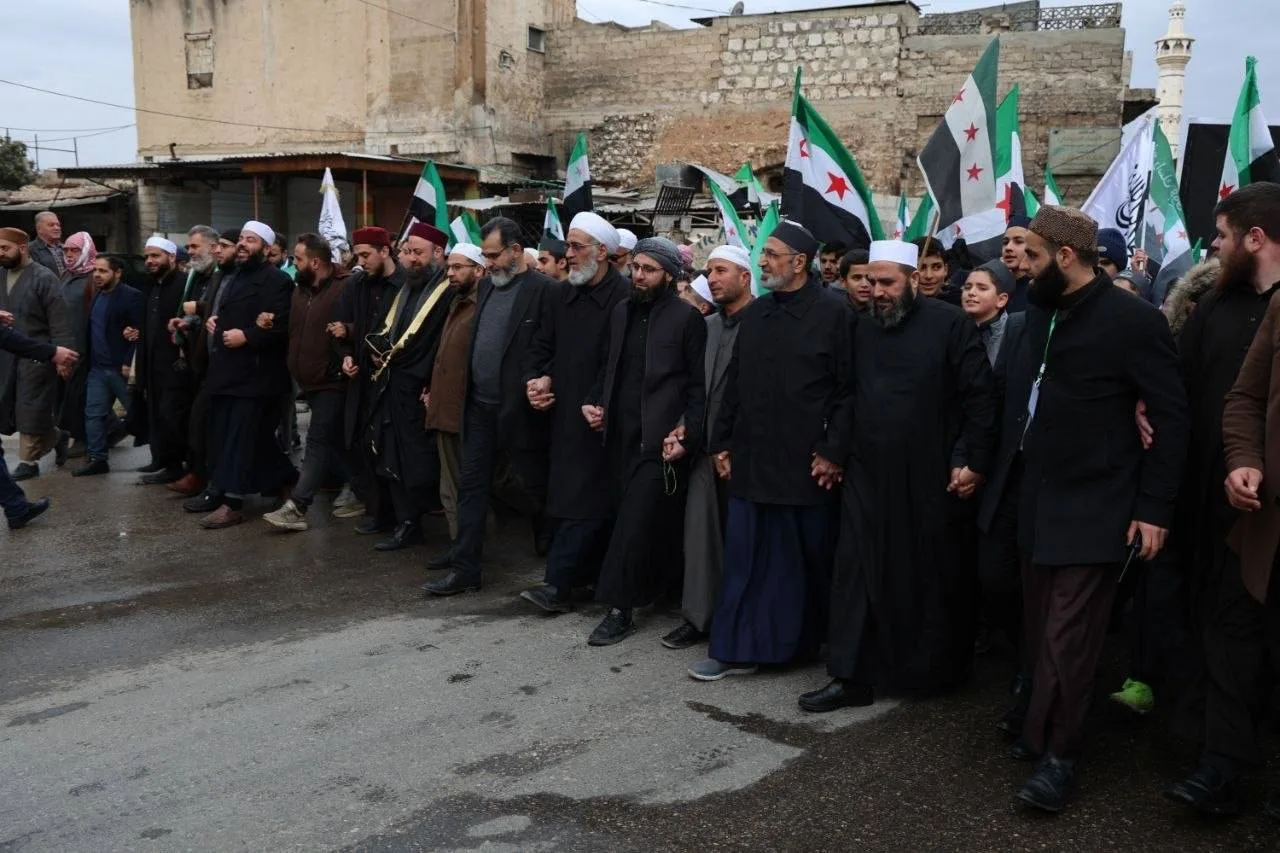
Friday sermons adopted an inclusive and reassuring tone. At Omar ibn al-Khattab Mosque in Homs, the tragedy and resilience of the people of Ghouta were commemorated. In the Umayyad Mosque in Damascus, the sermon introduced a proposed “Moral Charter for the New Syria,” emphasizing every citizen’s responsibility to build a just society.
At Al-Anwar Mosque in Aleppo, sermons focused on the significance and impact of speech in Islam, while the Great Umayyad Mosque featured a sermon titled “A Year Since Victory Damascus Remains a Fortress for the Nation,” urging the preservation of gains and national unity.
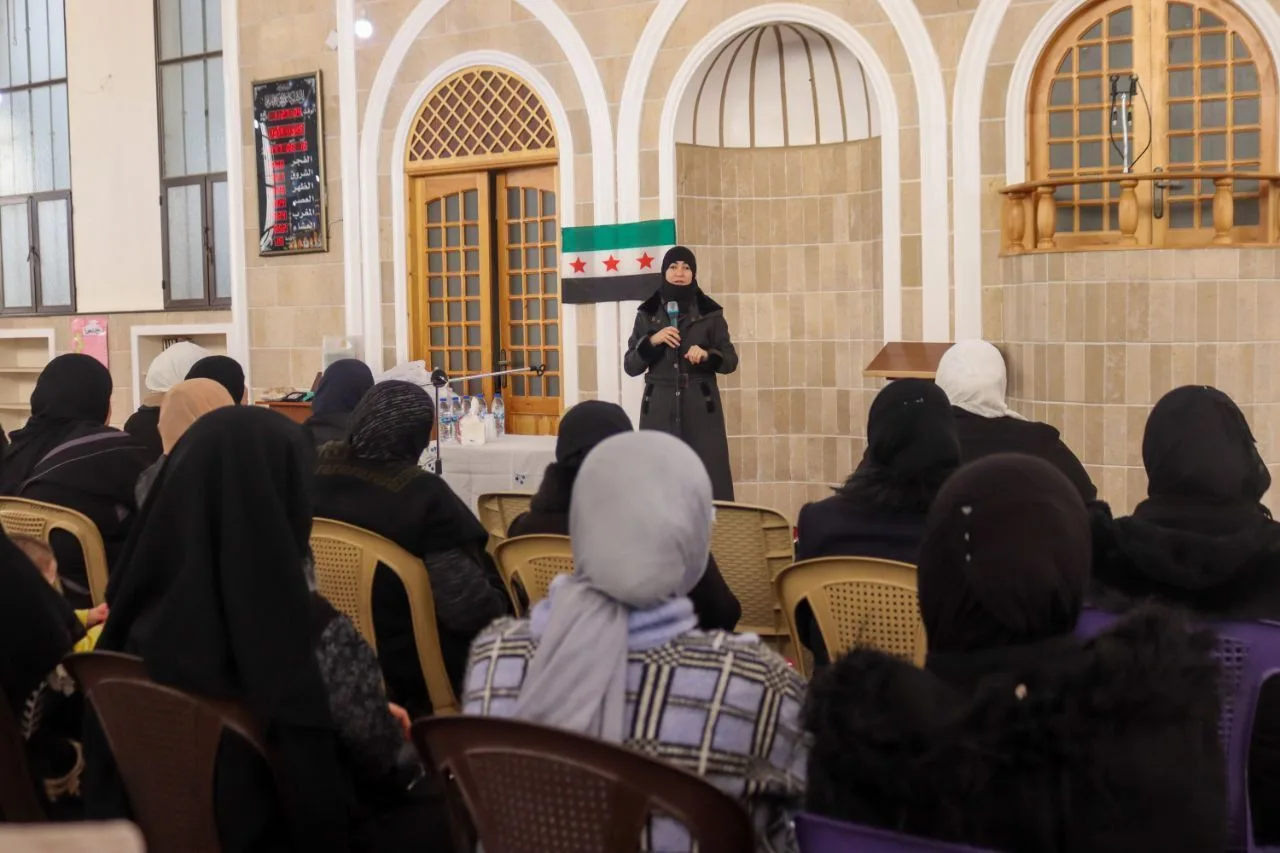
Sheikh Abdul Qadir Othman used the pulpit to promote values of belonging and post-victory civic responsibility, emphasizing awareness as a cornerstone for rebuilding local communities.
Many sermons carried messages of unity and celebrated victory as the culmination of a patient people’s sacrifices. Notable among these were Sheikh Abdullah Tarsha’s sermon on “Community Responsibility After Victory” at Al-Rahman Mosque in Idlib and a sermon at the Umayyad Mosque in Damascus addressing divine protection over the people of al-Sham.
Mosques also worked to deepen community identity by honoring the memory of fallen heroes. One such initiative was the “Best Story of a Martyr” contest, which aimed to integrate the collective memory of the revolution into mosque activities—though the competition sparked some debate due to ambiguities in its title.
Numerous mosques hosted meetings with former detainees who shared their harrowing experiences under the Assad regime. These gatherings marked a significant shift, with mosques becoming public venues for awareness, memory, and survival narratives.
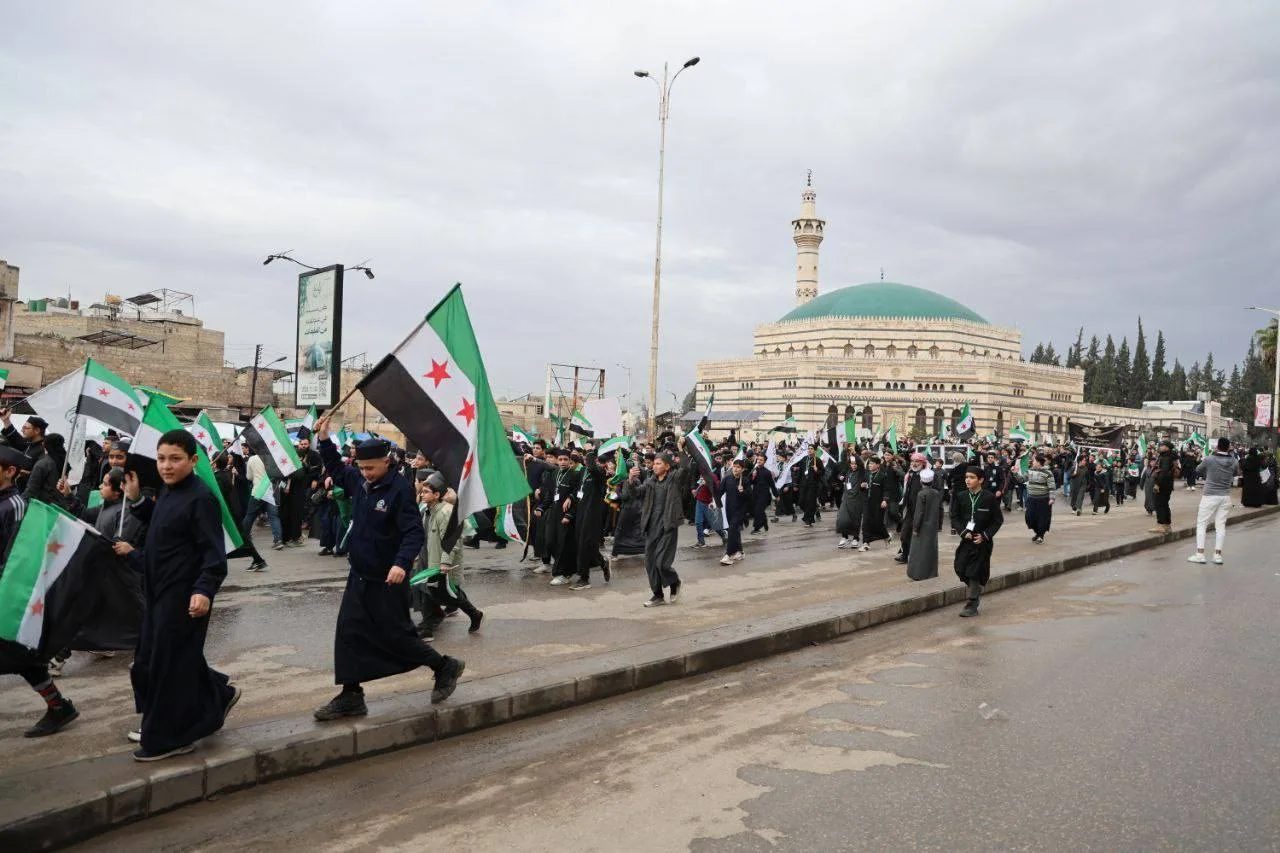
In parallel, mosques transformed into dynamic spaces for intellectual and educational development, targeting children, youth, and women alike. Dedicated areas were established for women’s and youth activities, while the Ministry of Religious Endowments launched programs and discussion circles focusing on citizens’ rights and duties, and linking religious values to citizenship, justice, and social responsibility.
The transformation in mosque discourse became increasingly evident as it moved from traditional preaching toward a deeper intellectual and ethical grounding of statehood and civic identity.
An example was the symposium titled “Building the Nation: Syria as a Model,” which invoked the Prophet’s civic leadership in Medina as a foundation for a pluralistic, contract-based society built on shared values.
Academic Revival and Leadership Development
Across Syria’s provinces, mosques experienced a renaissance in scholarly and outreach activity. Lessons and lectures ranged from classical Islamic sciences to contemporary themes such as political ethics, civic responsibility, leadership training, and engaging with differing viewpoints. Scholars and preachers from a variety of backgrounds contributed to this lively and unprecedentedly diverse religious scene.
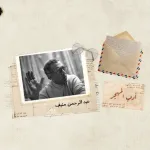
Events included lectures by Dr. Abdul Karim Bakkar on “Foundations of Coexistence for Building a Strong State”, Sheikh Abdul Razzaq al-Mahdi’s sessions on hadith terminology in Hama, and Sheikh Qasim al-Shahadat’s lessons on spiritual purification in Daraa.
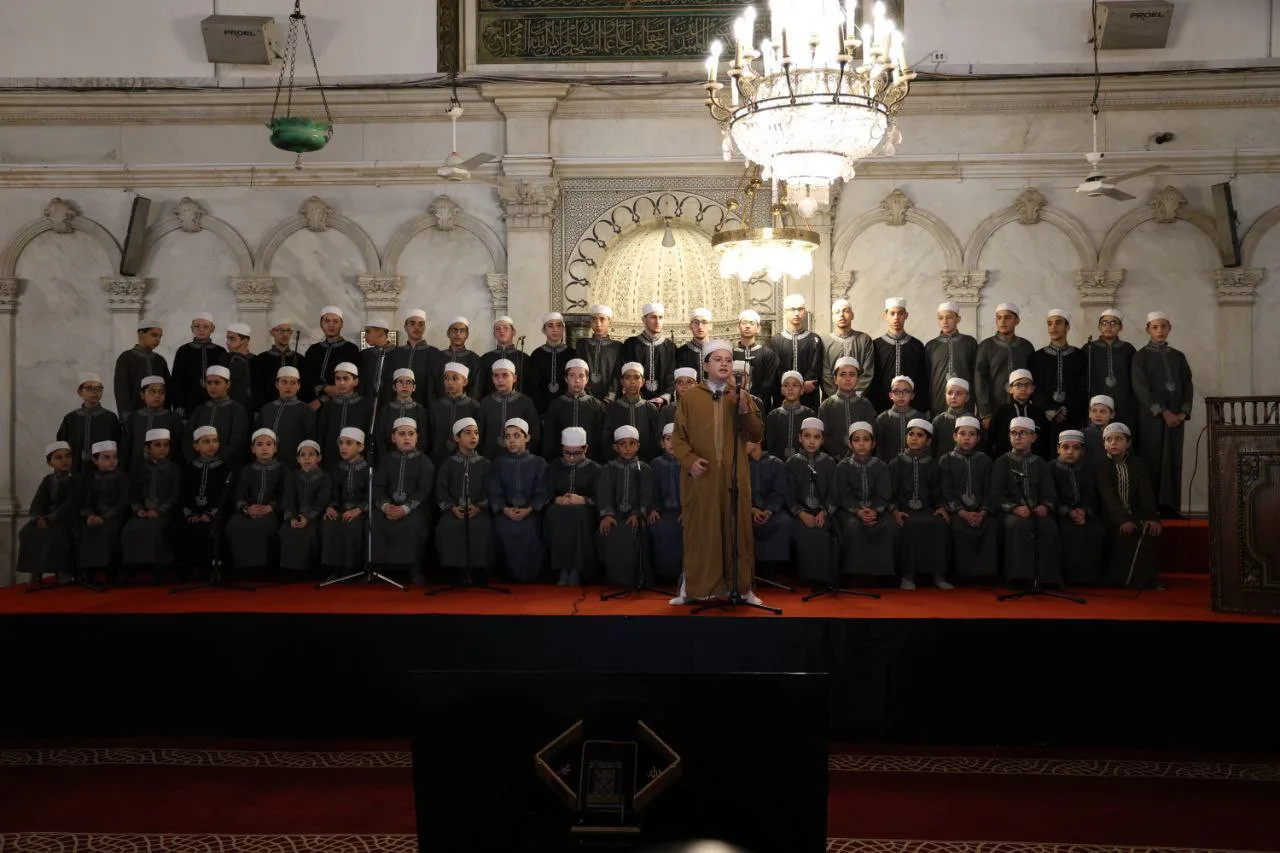
Dr. Issam Abdul Mola offered a course on political jurisprudence, while Sheikh Ghazi al-Touba addressed the ethical traits of scholars. Additional lectures delved into contemporary issues, jurisprudential debates, and educational leadership.
The Directorate of Mosque Affairs hosted weekly series on classical texts, including Dr. Muhammad Deeb al-Abbas’s commentary on Mukhtasar al-Majmoo’, and study circles on the Forty Hadith of al-Nawawi. Courses on dialogue, persuasive communication, and religious outreach were also organized.
Symbolic and commemorative events continued to deepen the community connection to mosques. These included the “New Hijri Year” seminar, the “Don’t Be a Conformist” sermon in Idlib, and the “Stars of the Scholars” lecture series featuring the life of Imam Abdullah ibn al-Mubarak.
Quranic Competitions and Revival of Hadith Sciences
Qur’an memorization circles expanded nationwide, supported by large-scale competitions culminating in final ceremonies in Damascus. Schools such as the Sheikh Abdul Qader Badran Girls’ Religious School in Douma held public exhibitions. Initiatives like “Knights of Fajr” recognized young congregants’ commitment to dawn prayer, and Qur’an students enjoyed recreational trips.
Exhibitions on the life of Prophet Muhammad were held in Aleppo, Hama, Latakia, and Homs. Titled “In the Prophet, I Find My Role Model,” these emphasized practical application of the Prophetic tradition in daily life.
Advanced training in Qur’anic sciences included Tajwid, Rasm al-Mushaf, and ijazah certification. Specialized programs such as “The Most Effective Methodology in Quranic Education” and “Mastery (Ihkam)” targeted teachers and supervisors.
The landmark “Introduction to the Complete Jazariyah” and a new course in Qur’anic script marked a transition to institutionalized Quranic education.
The revival of hadith studies was equally remarkable. The Umayyad Mosque resumed public readings of Muwatta Imam Malik and launched Sahih al-Bukhari assemblies.
These gatherings reaffirmed the role of Damascus as a hub for Islamic scholarship. This momentum culminated in the First Global Hadith Conference, launching a global Bukhari project under the slogan “Bilad al-Sham: The Radiant Legacy of Prophethood.”
Family Education and the Role of Women
The Ministry of Endowments expanded family education through marriage preparation courses, girls’ reading programs, and mosque-based sports leagues. Programs such as “Forming the Family Reformer” introduced psychological and religious counseling.
Academic support, digital tools, and interactive education were used to empower all age groups from young students to adult learners.
Women’s contributions grew significantly. Programs such as “A Woman Builds a Nation” and “Say: Work” showcased female leadership in religious and educational spheres. Lectures, forums, and workshops addressed family, identity, communication, and societal challenges, establishing women as key actors in mosque-centered social renewal.
Redefining the Ministry’s Role
The Ministry of Endowments emerged as a fully institutional actor, integrating religious education with national development. Schools were opened in rural areas, curricula were updated, and centralized strategies aligned religious learning with the values of the new Syrian state.
Field visits and staff training programs were conducted across governorates. Sermons promoted unity, rain prayers were held, and charitable outreach such as hospital donations and Ramadan initiatives reinforced mosques’ civic presence.
The Ministry launched the digital platform “Irshad” for online sermons and religious consultations, inaugurated new buildings, and showcased initiatives at the Damascus International Fair. It adopted a pluralistic approach to Islamic traditions, supporting theological inclusion across Sunni schools Salafi, Sufi, and Ash‘ari while discouraging sectarian rhetoric.
Together, these efforts mark a clear transition in Syria’s religious landscape. Mosques have become multifaceted institutions blending worship, education, culture, and service. The Ministry of Religious Endowments has redefined itself as a partner in rebuilding the Syrian individual and society.
Mosques are no longer passive or restricted spaces. They are now dynamic engines of spiritual renewal, national consciousness, and social cohesion offering Syrians a sense of unity and purpose in the post-liberation era.


