

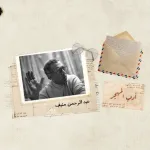






On the 675th day of Israel’s war of annihilation in Gaza, the media arena lost one of its most fearless voices with the killing of Palestinian journalist Anas al-Sharif, Al Jazeera’s correspondent, in an Israeli strike that targeted the journalists’ tent near al-Shifa Hospital.
He was fulfilling his professional duty, documenting atrocities and conveying the truth. The strike also injured his colleagues — correspondent Mohammed Qreiqa and cameramen Ibrahim Zahir and Mohammed Noufel — sparking a wave of condemnation.
Al Jazeera issued a statement holding the Israeli army and government responsible for the deaths of its correspondents, calling it “a deliberate attack on press freedom.” The network noted the incident occurred amid an ongoing “humanitarian catastrophe” in Gaza, adding that Anas and several colleagues had previously faced incitement and threats from Israeli military officials.
With his death, the number of journalists killed in Gaza rises to 238 — a grim toll reflecting the price media professionals pay, carrying their cameras and voices into the heart of tragedy to bear witness until their final moments.
Anas al-Sharif: A Symbol of Truth in Gaza
Anas was more than a field correspondent — he was a symbol of courage in one of the world’s most dangerous reporting environments. From the outset of his career, he went where others stepped back, determined to expose Israeli brutality and reveal the scale of Palestinian suffering to the world.
Born in 1996 in the Jabalia refugee camp in northern Gaza, Anas grew up in the city of Jabalia, attending UNRWA and Palestinian Ministry of Education schools. In 2014, he enrolled at Al-Aqsa University, graduating with a degree in radio and television in 2018. He began his career volunteering with the North Media Network before joining Al Jazeera as a correspondent.
As his reporting gained prominence, Anas became a clear target for the Israeli military. He faced repeated death threats and public accusations from Israeli ministers, alleging ties to Hamas — charges he denied. Undeterred, he continued covering the war on the ground.
The war claimed dozens of his family members, including his father, who was killed in an Israeli airstrike on December 11, 2023, during a bombing campaign that devastated residential neighborhoods. He returned to reporting within hours, refusing to be silenced by grief.
Anas held a special place in the hearts of Palestinians and supporters worldwide. Millions followed his coverage for its accuracy and integrity. In Gaza, he was a steadfast voice for its people amid global silence.
A Direct Strike at the Word
On Sunday evening, the area around al-Shifa Hospital became the scene of another targeted killing of Palestinian journalists. An Israeli drone struck the journalists’ tent, fully aware it served as shelter for media crews.
The attack killed Anas, journalist Mohammed al-Khaldi, cameraman Moamen Aliwa, and seven others, according to al-Shifa Medical Complex director Dr. Mohammed Abu Salmiya.
Anas’s final appearance on air came just hours before his death, during Al Jazeera’s noon news bulletin, reporting on the rising death toll from hunger and malnutrition, especially among children.
In a subsequent statement, the Israeli army admitted targeting Anas, claiming he was “a terrorist disguised as a journalist” and a Hamas cell leader. These allegations echoed months of incitement against him following his extensive coverage of Gaza’s starvation crisis.
The army asserted it had “intelligence and documents” proving his Hamas affiliation, citing alleged lists, training records, phone directories, and payroll files as “conclusive evidence.”
This narrative aligned with repeated attacks on Anas by Israeli military spokesperson Avichay Adraee, who had publicly targeted him three times since the war began. The last such attack came in late July 2025, when Adraee accused him of being “one of six Al Jazeera journalists affiliated with Hamas or Islamic Jihad” — claims the network categorically denied. Anas had described these accusations as “incitement” and an attempt to silence him.
Global Outcry and Condemnation
The killing drew sharp condemnation from media and human rights circles worldwide, seen as a blatant assault on truth and press freedom. Organizations including Reporters Without Borders and the Committee to Protect Journalists denounced the attack, noting that killing journalists in Gaza has become a systematic policy to conceal events on the ground.
In the UK, the assistant general secretary of the National Union of Journalists called the killings “another horrific act in the war on journalism,” describing them as a direct targeting of Al Jazeera.
At the United Nations, Irene Khan, the special rapporteur on freedom of opinion and expression, said the Israeli army “is trying to kill the truth but will not succeed,” calling Anas “a courageous journalist” who had told her personally of his resolve to keep exposing reality despite the risks.
In the United States, the National Press Club expressed deep sorrow, with its president calling Anas “a distinguished journalist” and noting he was among more than 200 journalists killed since the war began.
In Palestine, Hamas mourned Anas and Mohammed Qreiqa, calling their killing “a barbaric crime that exceeds all bounds of fascism and brutality,” warning it could pave the way for a major atrocity in Gaza City. The movement urged the international community, particularly the UN Security Council, to condemn the killings and take immediate action to halt unprecedented violations of international law and hold Israeli leaders accountable.
A Final Testament
“If these words reach you, know that Israel has succeeded in killing me and silencing my voice. God knows I gave everything in me to be a pillar and a voice for my people, from the moment I opened my eyes in the alleys of Jabalia camp. My hope was to live long enough to return with my family and loved ones to occupied Asqalan, but God’s will was done.”
With these words, Anas Jamal al-Sharif departed, leaving behind a testament to Palestine and Gaza’s people, urging the defense of its oppressed children who never had the chance to dream or live in safety, their bodies crushed under thousands of tons of Israeli bombs and missiles.
“I entrust you with Palestine, the jewel of the Muslim crown and the heartbeat of every free soul in this world. Do not let chains silence you, nor borders halt you. Be the bridges toward liberating the land and its people, until the sun of dignity and freedom rises over our stolen homeland.”


