










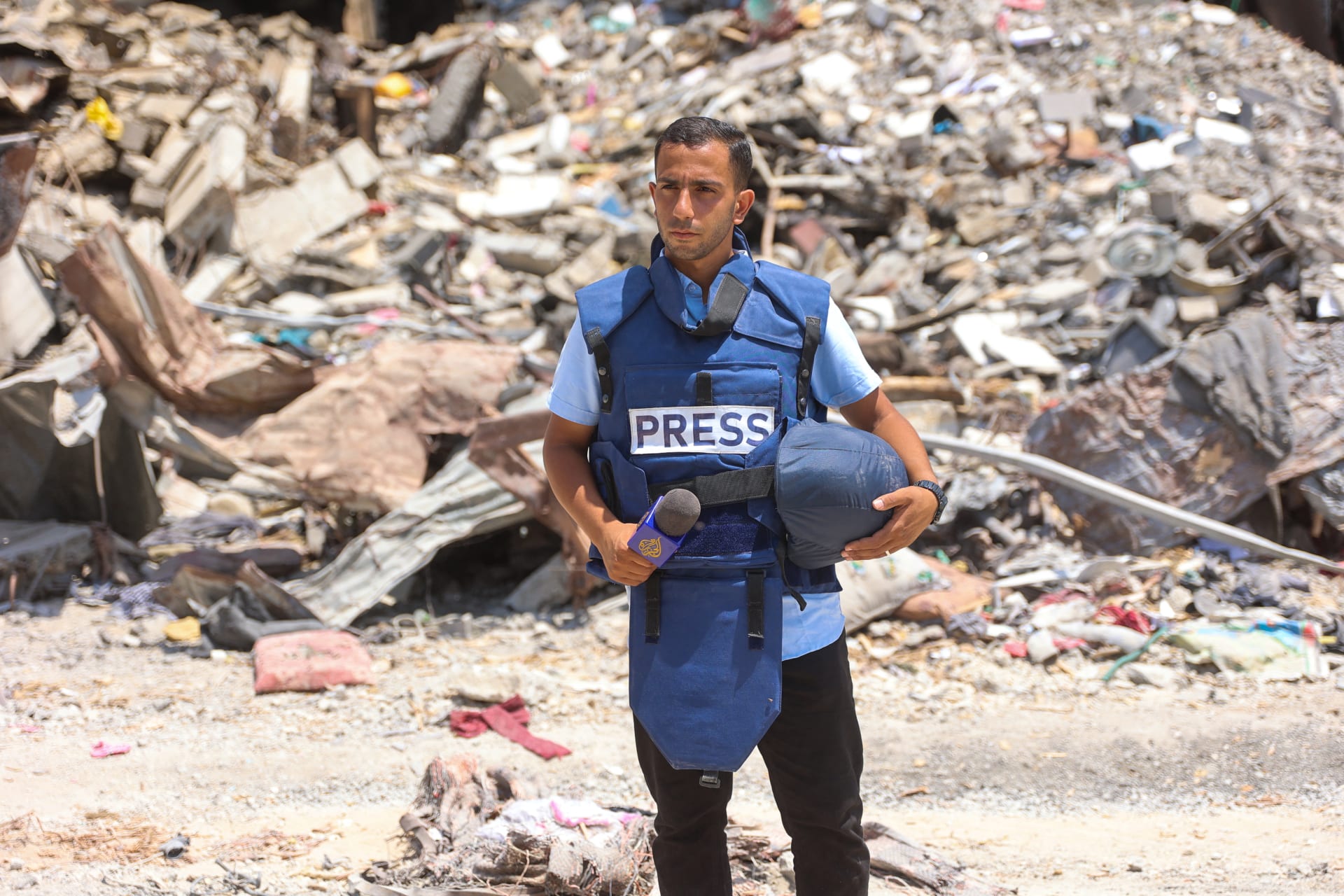
In the early days of the Israeli war on the Gaza Strip, Anas al-Sharif appeared on Al Jazeera’s screen — slight in build, without helmet or vest — at a time when the network’s most prominent journalists were scrambling to cover the overwhelming flood of breaking news and broadcast it to the world.
His first appearances were hesitant, almost shy, as though he had been handed the overflow of sorrow and tragedy. But one by one, the senior correspondents withdrew — killed, wounded, or forced to leave — until Anas, with a voice forged by loss and steeled with defiance, became the Arab world’s foremost eye on the unfolding genocide.
Like every Palestinian journalist who allows his lens to capture Palestinian suffering without diplomatic trimming, Anas endured mounting Israeli threats. But uniquely, he also faced attacks from Arab online smear campaigns — an effort to justify his killing before it happened.
He knew he would not survive. And yet he stayed, until an Israeli airstrike took his life, silencing the last confident voice from Gaza and dimming Palestinian hopes for survival or a truce — hopes that Anas, with his voice and quick movements through the crowds, had so vividly embodied.
What follows is a brief journey through the short life of Anas al-Sharif, swallowed by the genocide he covered, and a reflection on how his assassination aligns with Israel’s strategic interest in imposing full military occupation on the Strip — and the echoes of his loss across Palestine and the Arab world.
“We Survived by a Miracle”
In past interviews describing the horrors of the genocide, Anas would often repeat: “We survived by a miracle,” his survival itself fueling a stubborn resolve to continue reporting to the world.
Lighthearted moments with him were rare, found only in brief truces when he removed his helmet and vest, before donning them again — until the final time, when an Israeli airstrike struck the journalists’ tent near al-Shifa Hospital in Gaza on August 11, killing him along with a full Al Jazeera crew.
Anas was born in Jabalia refugee camp in northern Gaza in 1996. He attended UNRWA schools, graduated from the College of Media at Al-Aqsa University, volunteered at a local media network, and eventually became Al Jazeera’s northern Gaza correspondent.
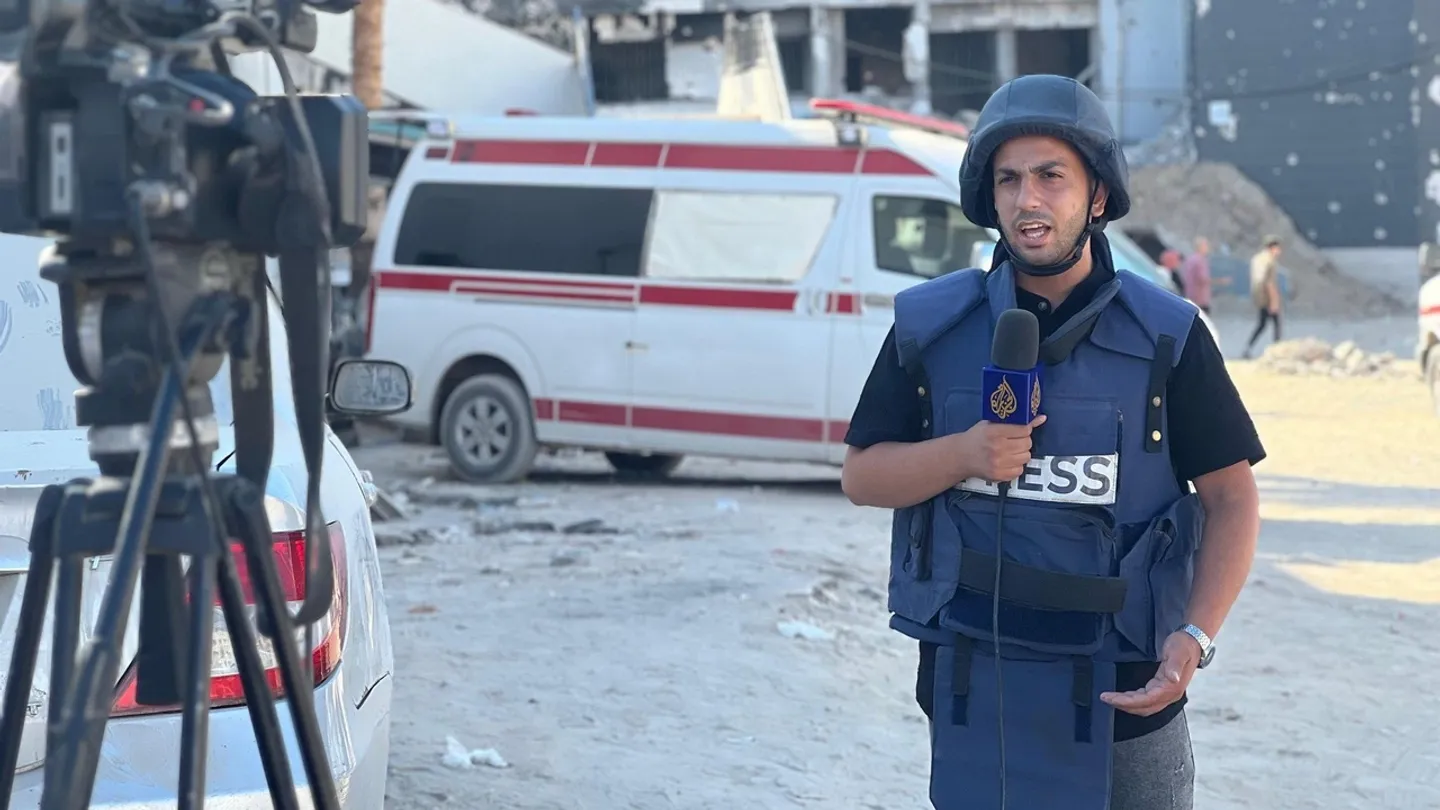
He rose to prominence only after October 7, 2023, when most journalists — Palestinian, Arab, and foreign — were forced to evacuate before Israel’s ground invasion began at the end of that month.
His defining moment came in his steadfast coverage from the north, bringing live images from places no one else could reach, documenting massacre after massacre despite severe shortages of journalistic equipment, basic supplies, and amid an almost total communications blackout.
Threats and Targeting
This visibility drew the attention of the Israeli military. He received direct threats via calls and messages, alongside defamation campaigns accusing him of Hamas affiliation.
Ordered to leave the north, he refused. In December 2023, an airstrike destroyed his family home, killing his ailing father; the rest of the family had evacuated earlier.
A month later, on January 22, 2024, he was deliberately targeted while trying to get an internet signal to send a live report. Shrapnel tore into his back despite his clearly marked press vest.
From the Indonesian Hospital to al-Shifa to Kamal Adwan, he and the Al Jazeera team documented what others could not: the wounded, the sick, the bereaved. His voice often reached the scene before the cameras, and his presence amid exhausted civilians became a familiar sight.
In January 2025, during live coverage of prisoner exchanges between Palestinian resistance and the Red Cross, he removed his helmet and vest in a rare respite, saying: “Now, I can finally take off this helmet that has weighed me down, and my vest has become part of my body.” Palestinians lifted him on their shoulders in celebration.
Facing the Machine of Genocide
During the truce, Anas’s voice became synonymous with dignity and pride. He moved from square to square, mourning fallen journalist colleagues, documenting displaced Palestinians’ return to the north only to find rubble and unburied remains — and mourning his father among them.
After the truce, Israeli threats against him escalated, accompanied by widespread political and media defamation. In July, the UN Special Rapporteur condemned these threats as “dangerous attempts to silence the last surviving Al Jazeera journalist in northern Gaza,” rejecting Israeli claims that he was a Hamas member and warning against undermining local journalists’ role in documenting atrocities.
Alone Before the Killing Machine
Being “the last surviving Al Jazeera journalist” was a heavy burden. He had already said farewell to colleagues killed in recent months: Ismail al-Ghoul, Rami al-Rifai, Ismail Abu Hatab, Yahya Sbeih, Samar Abu Daqa, Saad Abu Nabhan, Ahmad al-Louh, Duha Sharaf, Hussam Shabat, and others.
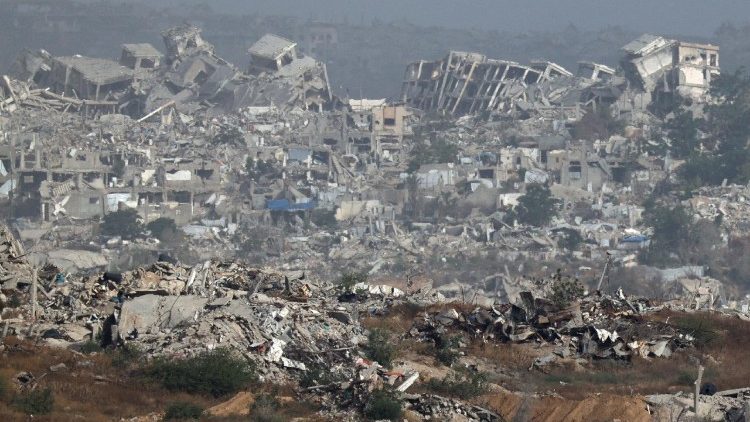
On August 11, Anas’s name was added to the list of 237 Palestinian journalists killed by Israeli fire. The army variously called it a mistake, promised investigations, or bluntly admitted to silencing what it called “Hamas’s media voice” — all under the cover of Western political and media complicity.
The Sun of Truth Sets
With his death, the noose around Gaza’s voices tightened further. Israel’s government approved full military occupation of the Strip, paving the way by allowing only a select few — notably Fox News — to enter under military escort, while barring all other foreign journalists.
Israel’s Supreme Court upheld these restrictions, rejecting appeals from international press associations.
Terror and Justification
The killing of a young journalist who covered one of the most brutal wars of the modern era — leaving behind two small children — epitomized the extent of Israeli impunity. The military accused him of being a Hamas operative since 2013, using journalism as cover for “terrorist activities” — allegations Al Jazeera categorically rejected as dangerous and unfounded.
Anas knew such charges were a prelude to his assassination. He prepared his will in advance, later posted on his X account: “If you are reading this, it means Israel has succeeded in killing me and silencing my voice. Do not abandon Gaza.”
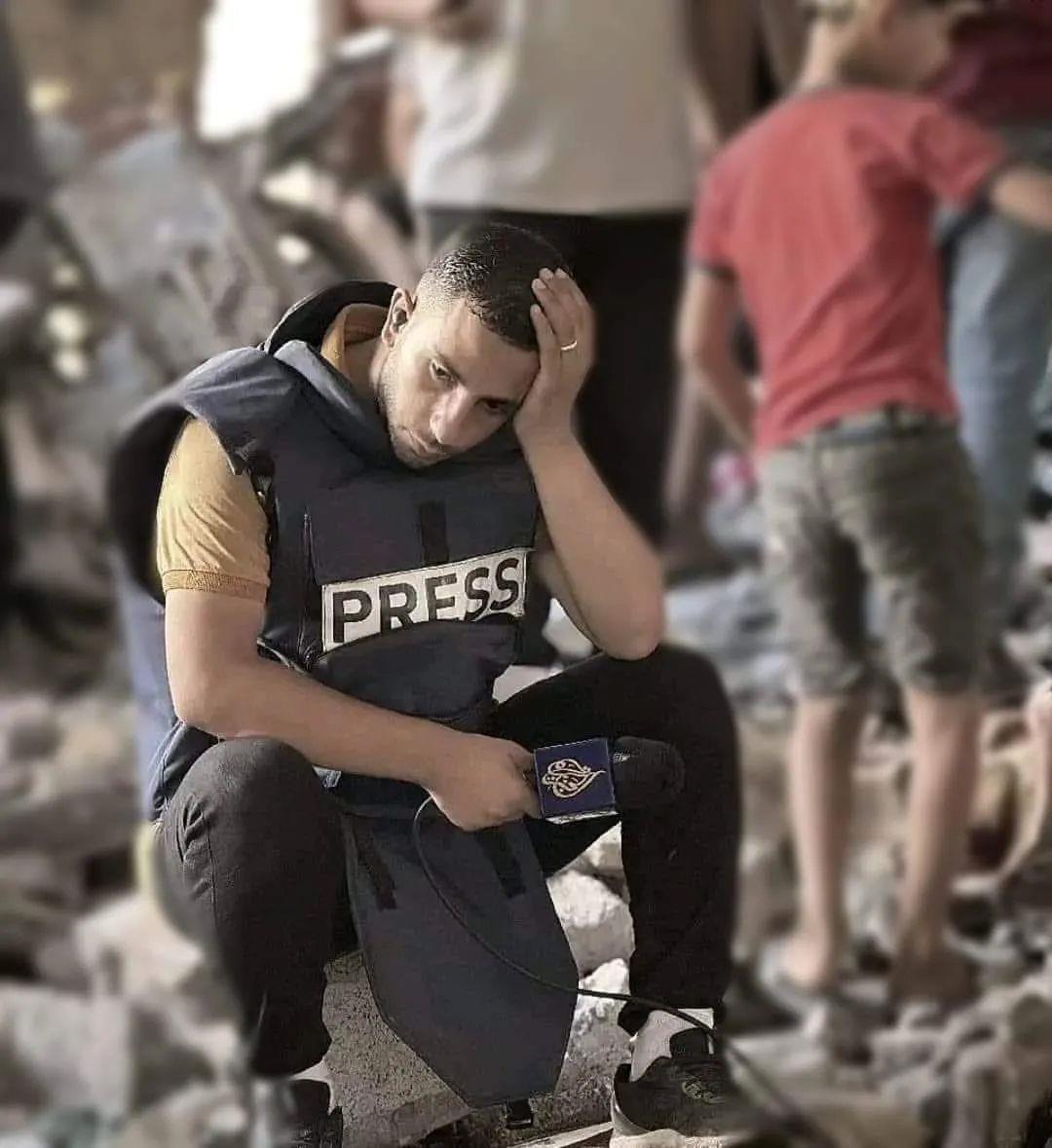
In his final months, he documented starvation, attacks on aid convoys, and the deaths of children from hunger, thirst, and disease. Israeli journalists openly celebrated his killing; Channel 12’s Amit Segal wrote: “I waited for this news for a long, long time.”
Journalist unions and press freedom groups condemned the killing and called for accountability. Al Jazeera held Israel fully responsible, calling it “a deliberate attack on press freedom.”
The Bitter Truth
The bitter truth is that a young journalist spent his final days hungry, under a tattered tent outside a shattered hospital, facing an entire political and media machine determined to criminalize his commitment to his people’s dignity. When he died with five others, it drew only statements of condemnation.
The shocking truth is that Israeli journalists, armed with weapons and cameras, can broadcast their narrative daily to global audiences, while many Arab press associations hesitated even to mourn him.
Anas summed up his life’s purpose in his will: “God knows I gave everything I had to be a pillar and a voice for my people, ever since I opened my eyes in the alleys and streets of Jabalia refugee camp.”
Now, there is no absolution for us, no elegy — and no voice left in Gaza.


