


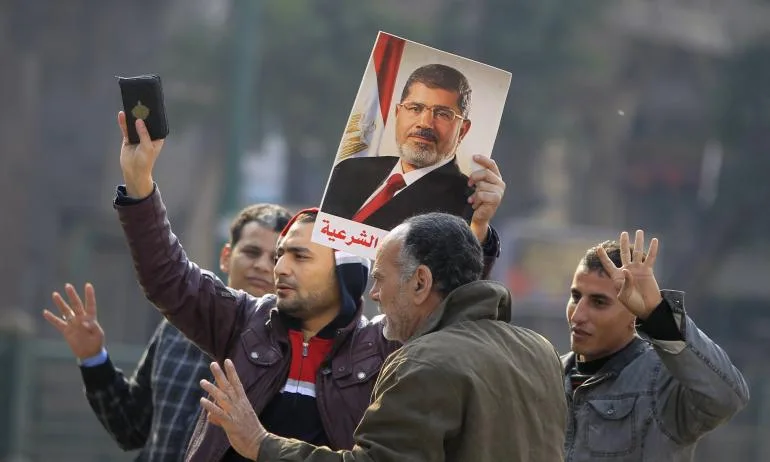
يمر أبناء وقيادات جماعة الإخوان المسلمين في مصر بمأزق كبير يعوق مسيرتهم في مواجهة الانقلاب العسكري والذي يهدد ببقاء الحال كما هو عليه لأعوام قادمة لن يتغير فيها شيء، وستظل قوى الانقلاب في مكانها على كراسي الحكم بوجوه وأشخاص مختلفين، كما أن أبناء الجماعة سيظلون في خانة المعارضة وربما يبقى وصفهم بالإرهاب، والذي نجح عبدالفتاح السيسي في إلصاقه بهم، مرافقًا لهم لعقود قادمة سيتم من خلالها استخدامه من أجل زيادة عمليات التنكيل بهم.
وتواجه الجماعة الآن في فترة من أهم فتراتها العديد من المشاكل التي تتطلب تغيير طريقة التفكير فيما يتعلق بفن وطريقة التعامل مع سلطات الانقلاب العسكري.
شرعنة الانقلاب
إن نجاح قوى الانقلاب الداخلية والخارجية الداعمة له في تحقيق العديد من المكاسب على الأرض؛ أكسبها العديد من النقاط فيما يتعلق بمحاولة شرعنة انقلاب عسكري واضح وتحويله إلى سلطة شرعية داخليًا بشكل تدريجي وذلك عن طريق دستور وانتخابات وحملات إعلامية ضخمة جعلت من كل ما حدث منذ مظاهرات 30 يونيو 2013 يبدو في زي شرعي وديموقراطي.
ما يُبقي قيادات الانقلاب العسكري في مصر في أماكنهم في سدة الحكم هو نجاحهم في كسب حاضنة شعبية واسعة النطاق تدعمهم في ممارستهم تجاه جماعة الإخوان المسلمين من ناحية، ومن ناحية أخرى فقد نجح الانقلاب العسكري في مصر في تحييد الداعمين له فيما يتعلق بالقرارات الاقتصادية والسياسية التي يتخذها.
فمشروع علاج الإديز بـ”الكفتة” ومشروع الفرع الجديد لقناة السويس ومشروع القاهرة الجديدة وغيرها من الاختراعات والمشاريع التي روج لها الانقلاب العسكري في مصر ثم اكتشف بعدها المواطن المصري الداعم للانقلاب بأنها سراب في الصحراء وأنه مجرد متفرج يجلس ليشاهد فقرة الساحر مع يقينه التام أن كل ما يفعله عبارة عن خدع وألعاب خفة أكدت أن ما حدث وما سيحدث مجددًا من الانقلاب والمشاريع الخيالية التي سوف يتم الترويج لها في المستقبل لن تلقى أية معارضة ولو بسيطة من قِبل الداعمين له وأن أقصى ما يمكن أن يفعلوه عند اكتشاف الخدعة هو البقاء في خانة الحياد دون تبرير أو تصفيق.
بناء على ذلك، تعتبر الحاضنة الشعبية للانقلاب العسكري هي أهم الدعائم التي يرتكز عليها قادة الانقلاب كما أنها أهم شرعية يمكنهم الحصول عليها حتى لو ظلت بعض الدول والمنظمات هنا وهناك تندد بما يحدث في مصر.
الروتين في مناهضة الانقلاب
ما يعيب الحراك الثوري الحالي في مصر تحوله بشكل أو بآخر إلى عملية روتينية لا تقدم ولا تؤخر شيء، وحتى ذلك الرأي الذي يقول بأن تلك المظاهرات تنهك الدولة وتنهك أفراد الداخلية وتعمل على استنزاف أموال الدولة لم يعد صحيحًا لعاملين:
العامل الاقتصادي
إن الدولة لن تصل بأي شكل من الأشكال لدرجة الإفلاس الاقتصادي عن طريق المظاهرات التي تجوب الشوارع وتهتف باسم الحرية والشرعية، فمن ناحية، لن يتوقف التدفق الدولي للأموال في مصر باعتبارها ضمن منظومة رأس المال العالمية؛ مما يجعل العديد من الدول والشركات متعددة الجنسيات تعمل جاهدة لكي لا تخسر سوقًا هامًا كالسوق المصري، ومن ناحية أخرى فإن المشاريع الوهمية التي يبيعها الانقلاب العسكري في مصر تدفع بالعديد من المصريين بضخ أموالهم مما يساهم في تعويض أية خسائر بسيطة يتسبب فيها معارضو الانقلاب بمظاهراتهم.
كما أن الصورة التي رسمها قادة الانقلاب في مصر ساعدت على إبراز حالة من حالات الاستقرار السياسي مما عمل على رفع المؤشر الإيجابي للاقتصاد المصري لدى بعض الدول والوكالات المختصة.
فمثلًا، خلال الأسبوع الماضي قامت وكالة موديز للتصنيفات الائتمانية بتصنيفها للسندات السيادية المصرية بالعملة الاجنبية إلى “B2″ من”B3” وسقف الودائع بالعملة الاجنبية إلى “Caa1” من “Caa2” وسقف مخاطر العملة المحلية إلى “Ba2” من “Ba3”.
وبغض النظر عن المعاني الاقتصادية لذلك التصنيف إلا أن البيان الصادر عن الوكالة يشير إلى عدة عوامل من أهمها توقعات بأن التحسن الأخير في نمو الاقتصاد المصري واستقرار الاقتصاد على المستوى الكلى سيكون مستدامًا، كما أكد البيان على استقرار صافى احتياطيات مصر من النقد الأجنبي عند 15.5 مليار دولار بنهاية فبرايرالماضي، مما يوفر تغطية واسعة تتيح سداد الديون الخارجية المستحقة على مصر في عام 2015.
إستراتيجية القمع الجديدة
بعد مرور أكثر من عام ونصف على فض اعتصام رابعة أصبح من الواضح جدًا تطور الأداء القمعي لجهاز الداخلية في التعامل مع المظاهرات المناهضة للانقلاب.
إن بقاءك لعدة ساعات أمام شاشات القنوات الفضائية المناهضة للانقلاب والتي تنقل المظاهرات بشكل دوري يجعلك تتأكد من أن سياسة الداخلية الجديدة تعتمد على مراكز القوة والضعف في جغرافية المدن المصرية.
فبعد أن كانت قوات الداخلية تعمل على قمع أي شكل من أشكال التظاهر في مختلف أنحاء الجمهورية بعد الفض مباشرة، أصبحت الآن تعمل على منع المظاهرات في بعض الأماكن الحيوية وعدم السماح بها بأي شكل من الأشكال لدرجة أن هناك بعض الأحياء في القاهرة يتمنى مناهضو الانقلاب فيها أن تستمر المسيرة لخمسة دقائق فقط!
في نفس الوقت تُطلق قوات الداخلية العنان لمناهضي الانقلاب في التظاهر والتجول في الشوارع في مسيرات متوسطة الحجم في الأماكن التي لا تسبب أية ضرر للدولة فتتركهم يصولوا ويجولوا حتى تُستنفز قواهم ثم يعودوا إلى منازلهم فيتم إلقاء القبض عليهم بدون أي مجهود وذلك غالبًا ما يحدث في الأقاليم والمدن والمراكز الصغيرة.
ساعدت تلك السياسة الجديدة في تنظيم صفوف الداخلية وترتيب أولوياتها مما ينفي الرأي القائل بأن المسيرات تنهك الداخلية، بل إنها ساعدت في زيادة عدد المعتقلين بشكل ملحوظ في الفترة الأخيرة سواء عن طريق التركيز على مناطق معينة وعدم الاهتمام بأخرى أو عن طريق الاعتماد على شبكة كبيرة من البلطجية والمواطنين الشرفاء من أبناء الحاضنة الشعبية للانقلاب.
إن ذلك الروتين في معارضة الانقلاب جعل المظاهرات والمسيرات من الأعمال اليومية لأي فرد مناهض للانقلاب والذي لم يعد يجدي بأي شكل من الأشكال.
بل إن تحوّل أشكال المعارضة إلى روتين يومي وأسبوعي بدأ يفكك من الكتلة المنظمة المناهضة للانقلاب نفسها إما بعد إدراك عدم جدوى الحراك الحالي في الشارع المصري مما دفع بالعديد من الأحزاب السياسية بالانسحاب من التحالف الوطني لدعم الشرعية كحزب الوطن والراية والفضيلة وأحزاب أخرى، أو بالشعور بالملل والذي أصاب العديد من مناهضي الانقلاب الذين لا يقعون في الدائرة الأولى التي يطالها الأذى والتي كانت مشاركتهم تعاطفًا مع ما حدث في رابعة لكن تلك المشاركة بدأت في التراجع يومًا بعد يوم وهو ما ينعكس على قلة الأعداد التي تتظاهر الآن.
أين تكمن الأزمة الحالية؟
إن الأزمة الحالية، والتي تواجه مناهضي الانقلاب وعلى رأسهم جماعة الإخوان المسلمين، هي أن ما قام به عبدالفتاح السيسي في الثالث من يونيو وانقلابه العسكري على كل ما في الدولة من صور المدنية جاء بخطوة جريئة عقبها خطوة أجرأ في فض ميدان رابعة بشكل مبالغ في من الجراءة والعنف في القتل أمام الكاميرات المحلية والعالمية جعل من أية خطوة دون نفس المستوى من الجرأة والشجاعة من الطرف المقابل المتمثل في الجماعة مجرد حالة من حالات التسكين الذاتي وإسكات الضمير.
تكمن الأزمة الحالية في أن الجماعة لا تملك الجرأة على اتخاذ أي قرار حقيقي يمكن أي يكسر حالة الروتين الحالية بشكل كامل، فالأزمة الآن لا تحتاج إلى شكل جديدة من أشكال “إبداع الاحتجاج” إنما تحتاج إلى مسار جديد من عدة مسارات لا تملك الجماعة حتى الآن الجرأة والشجاعة على البدأ فيه وهنا تكمن المشكلة الرئيسية.
إن المسارات المتاحة الآن أمام الجماعة تتطلب حالة من حالات الثورة الذاتية كي يولد الجرأة والشجاعة المطلوبة للنظر في كيفية البدأ في أحد المسارين التاليين:
الحسم بالمقاومة الشعبية
الحديث عن حسم هنا والبدأ في تشكيل قوة ضاربة جديدة لا يعني أبدًا بعض العمليات النوعية في الأقسام أو عمليات تفجيرية لسيارات الضباط والكمائن الشرطية من قِبل بعض المجموعات الصغيرة غير المنظمة، إنما يعني اتخاذ قرار واضح بتوظيف كل جهود الجماعة في ذلك المسار الذي سيحتاج إلى إعداد ليس بالهين ولن يكون في يوم وليلة.
عند حدوث ذلك يمكن أن تحدث ثورة حقيقية بدون الوصول لمرحلة الحرب بمفهومها المعروف إنما ستكون في نفس إطار العمليات النوعية التي تستهدف أهداف بعينها لكن مع الأخذ في الاعتبار توسيع نطاق المستهدف من تلك العمليات وزيادة كثافتها بشكل كبير لكي تجد نفسك خلال أشهر قليلة قد استهدفت عدد لا بأس به من المحاكم والأقسام ورجال القضاء ووكلاء النيابة ورجال الشرطة والجيش مما سوف يساعد على تحقيق مكاسب حقيقية على الأرض.
إن بقاء الجماعة في خندق السلمية بهذا الشكل ومحاولة إمساك العصاه من النصف بترك المجال أمام بعض الشباب في القيام بالعمليات هنا وهناك لن يُذهب العسكر كما أنه سيخسر زخمه بعد مرور الوقت شأنه شأن المسيرات والمظاهرات.
سيكون النجاح في ذلك الخيار هو الوصول لنقطة ما قبل الحرب مباشرة، أي أن الجماعة لن تقوم بمواجهة الداخلية بشكل مباشر ولكن بشكل مباغت وواسع النطاق على شكل موجات ترتفع في بعض الأوقات لتتخلص من الكثير من رؤوس الفساد في بضعة أيام ثم الهدوء للتحضير للموجة القادمة من العمليات.
المصالحة وإعادة بناء الصفوف
المسار الثاني أمام الجماعة والتي تحاول قيادات الانقلاب الدفع ناحيته بممارسة الضغوط عليها في شكل أحكام قضائية قاسية هو مسار المصالحة والانخراط من جديد في العملية السياسية وترتيب الصفوف من أجل العمل على خطة طويلة المدى من أجل العودة إلى نقطة ما بعد الثورة وما قبل الانقلاب مرة أخرى.
الشجاعة المطلوبة من قيادات الجماعة الآن لاتخاذ قرار مثل هذا تكاد تكون معدومة، فعلى مدار عام ونصف قامت قيادات الجماعة بتعبئة وشحن أفرادها تجاه مسار الاحتجاج والقصاص للدم وغيرها من الشعارات التي تحول مع الوقت لعقيدة راسخة في نفوس مناهضي الانقلاب من كافة الشرائح العمرية والاجتماعية المختلفة.
وبغض النظر عن مدى الاتفاق مع هذا المسار، إلا أن نجاحه يعتمد بشكل أساسي على إقناع القواعد بالمصالحة والحصول على ضمانات حقيقية من قادة الانقلاب بالإفراج عن كافة المعتقلين وإلغاء كل التهم والأحكام الصادرة بحقهم وإيقاف حمام الدم في السجون والشوارع المصرية مع ضمان وقف الحملة الإعلامية ضد الجماعة.
إن أيًا من المسارين يتطلبان شجاعة ليست لدى قيادات الجماعة الآن وحتى الحديث عن مسارات مختلفة لن يجدي بدون حسم واضح من الجماعة تجاه مسار معين والعمل على شحن القوة البشرية والفكرية للجماعة في ذلك المسار والتركيز عليه دون غيره حتى تحقيقه.
ليس من العيب إطلاقًا أن نتعلم من قادة الانقلاب كيف يكون التركيز على مسار معين وكيف تكون الشجاعة في تطبيقه وتحمل أية عواقب تترتب عليه، فقد اتخذ السيسي قرارًا جريئًا بالانقلاب على الصناديق الانتخابية كلها وصمم على قراره حتى وصل إلى سدة الحكم، كما أنه قرر في وقت من الأوقات أن يتحدى كل معنى من معاني الإنسانية ويقتل المعتصمين حتى وصل لمرحلة قتل الآلاف منهم أمام العالم كله ولم يعبأ بأي شيء سوى أنه حقق هدفه وجعل ميدان رابعة خال من المعتصمين.
تحتاج الجماعة للتحلي بالشجاعة الكاملة التي تمكّنها من بدأ مرحلة جديدة من مراحل صراعها من العسكر في مصر واتخاذ قرار قوي وحاسم تجاه أحد المسارين السابقين هذا إن أرادت تغيير المعادلة في مصر ووقلب موازين المعركة، أو أخذ خطوة للوراء والبدء في معركة جديدة من نوع آخر، أما إن أرادت أن يبقى الحال كما هو عليه فلا يوجد أفضل مما تفعله الآن لضمان ذلك.