







On June 30, 2022, tens of thousands of Sudanese protesters took to the streets in a mass demonstration called for by the opposition and a number of trade and social organizations, demanding an end to the military coup orchestrated by both wings of the military establishment: the Sudanese Armed Forces and the Rapid Support Forces (RSF).
On October 25 of the same year, the military dismissed the civilian government, arrested several ministers and activists, and seized full control of the political scene, crushing the hopes for a civilian-led state that protesters had been demanding since their uprising on December 19, 2018.
The Sudanese people fought hard for their dream of a civilian government that would free them from decades of military rule and its oppressive consequences. Just as that dream seemed within reach, the very partners in the military coup pulled the rug from beneath everyone’s feet.
On April 15, 2023, Sudan entered a new phase of conflict a full-scale military confrontation that began as a power struggle between Army Commander Abdel Fattah al-Burhan and RSF leader Mohamed Hamdan Dagalo (known as Hemeti).
But it quickly turned into a brutal war against civilians, shattering not just the dream of a democratic civilian state but the hope of life itself.
The warring parties backed by regional and international powers have spared no effort in their use of banned weapons and perpetration of horrific human rights violations. What was once a fertile land has been turned into a wasteland, forcing millions to flee in one of the largest waves of forced migration the resource-rich country has seen in decades.
Now, more than 13 months into this bloody conflict that has dismantled the state, fractured families, and erected both physical and emotional barriers between loved ones is the dream of return still alive in the hearts of Sudanese refugees? Is there any real hope of ending the war? And if so, how strong is that hope?
A Worsening Situation
The news filtering out of Sudan whether through media reports or stories shared among the displaced paints a bleak picture: the collapse of infrastructure, the unlivable conditions, and the transformation of a nation rich in agriculture and minerals into scorched earth.
Khalid Mirghani, a 50-year-old Sudanese lawyer living in the United States for over 15 years, says the daily updates he receives from family and friends in Khartoum and Omdurman depict a catastrophic situation. “What’s happening is a complete dismantling of the state and a deliberate, systematic assault on the basics of life,” he told Noon Post.
Mirghani added that in the past three months, conditions have deteriorated dramatically armed raids on homes, looting, forced expulsions, and killings of anyone who defies the warring factions. “Life there has become impossible,” he said.
He urged his relatives to leave the country immediately if they had the chance, stressing that the idea of returning or hoping for peace has become a mere illusion.
A similar view was shared by Umm Mohammed, an elderly Sudanese woman now living in Giza, Egypt. She recalled fleeing Khartoum in August last year, expecting to return within two or three months. But as the situation worsened month after month, her dream of going back faded. “My house was destroyed, looted. I have nowhere to return to,” she said.
Instead of preparing to go back, she’s now urging her relatives in Khartoum to do whatever they can to escape. “Burhan and Hemeti are fighting for their own gains,” she added, “and millions of Sudanese have been displaced by their reckless ambitions.”
Settling In for the Long Haul
“When I realized this would go on for a long time, I had to adjust,” said Abdelrahman, a 55-year-old teacher at a Sudanese consulate-affiliated school in Giza. Like many others, he initially believed the war would be short-lived. But as the destruction deepened, many refugees began launching small businesses to support their families.
Abdelrahman noted that the street where he lives in the Al-Haram area of Giza now hosts over 15 Sudanese-owned shops including restaurants, spice stores, barbershops, and service offices. “Sudanese people have even started competing with Egyptians in some commercial sectors, and they’ve earned the trust of many locals,” he explained.
He also transferred his children to a school run by the Sudanese consulate. In the past year alone, several such schools have opened to accommodate the influx of Sudanese students. “Everything points to a long-term stay,” he said, citing the ongoing war and the massive reconstruction that lies ahead.
Despite these hardships, some still dream of returning. Human rights lawyer Hassan Abdelrahman, a member of the Arab Lawyers Union, said: “As grim as things are, I’ll return the moment there’s an opportunity.” Living in Egypt, he said, is tough due to high costs and occasional exploitation.
He had to flee his home in Bahri, one of Sudan’s most industrialized cities, when armed groups arrived and ordered residents to leave or face death. The news he receives from relatives is disheartening, and he suspects there is an international scheme to dismantle Sudan “The actors are known,” he said. But even amid despair, he insists, “I’ll go back once I see even a glimmer of hope.”
A Trail of Devastation
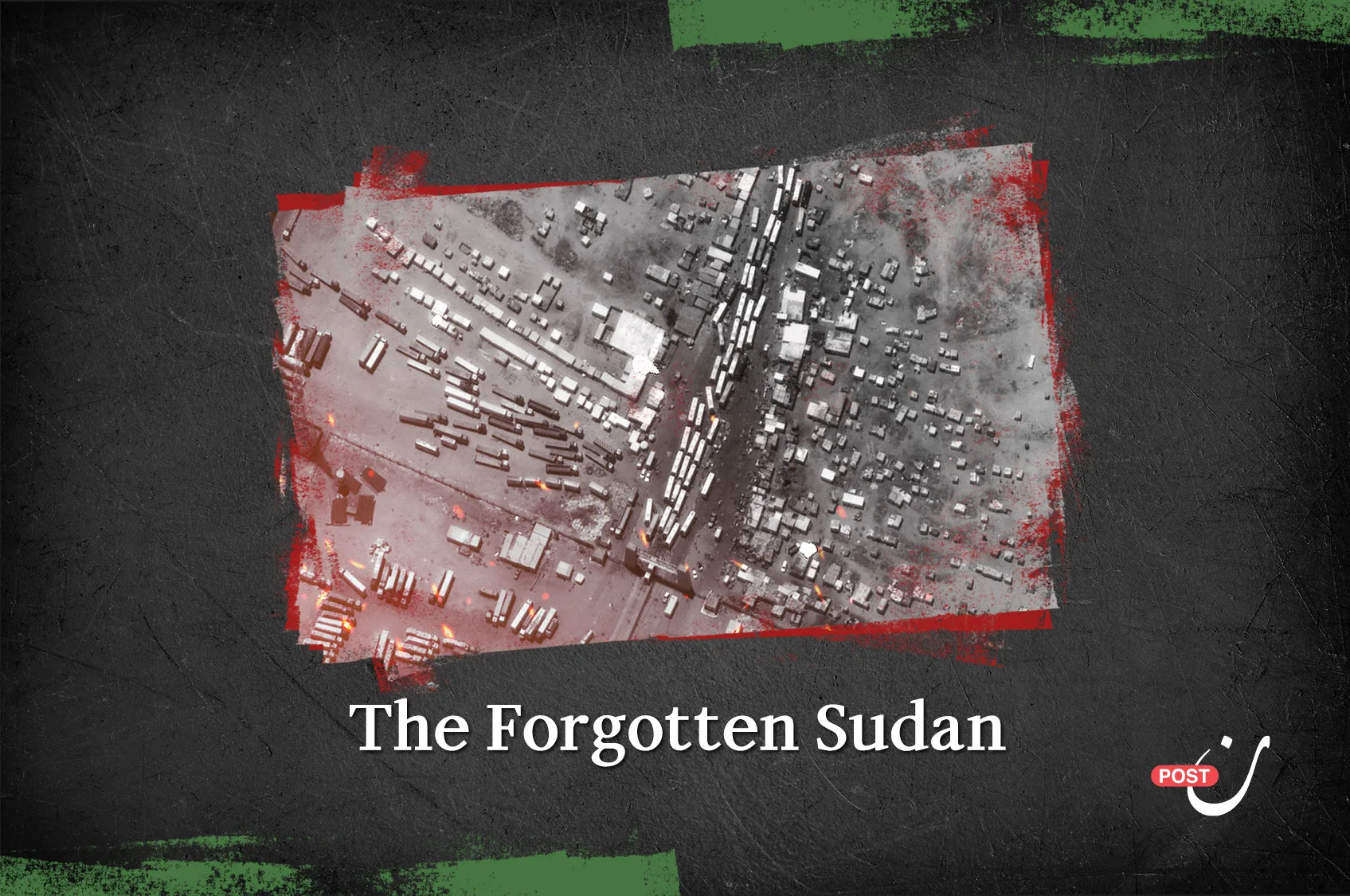
Since the war began in mid-April 2023, Sudan has suffered staggering losses both human and material plunging the country into one of the worst humanitarian crises in decades, as the world’s media and political leadership largely look away.
While United Nations estimates put the death toll at 15,000, the International Rescue Committee suggests the real number could be ten times higher up to 150,000.
Over 12 million people have been displaced inside and outside Sudan, and around 25 million more than half the population of 44 million are in urgent need of humanitarian assistance and protection. Eighteen million face acute food insecurity due to shortages of food, water, medicine, and fuel.
The war has nearly obliterated the Sudanese economy. Direct economic losses are estimated at over $100 billion. More than 90% of factories have been destroyed, 75% of the service sector is inoperable, and 70% of agricultural activity has halted an especially harsh blow given that agriculture and industry are the primary sources of employment in the country.
Amid this economic, humanitarian, political, and social catastrophe with the country’s population being drained and foreign agendas running rampant the generals continue their destruction under the guise of patriotism and national interest.
Diplomatic efforts to resolve the conflict remain tepid at best, as Sudan teeters dangerously close to collapse, threatening to drag the entire region into an uncertain and perilous future.