















Yemen is grappling with one of the world’s most complex humanitarian crises, where a devastating convergence of armed conflict, economic blockade, landmines, and crumbling essential services has upended the lives of millions of displaced people across the country.
Among the most harrowing consequences is the widespread malnutrition crisis, endangering children, women, and the elderly—especially in besieged areas like Abs District and Hajjah Governorate.
Malnutrition in Yemen is not just about weight loss. It severely compromises immunity, exacerbates chronic diseases, and leaves individuals defenseless against the brutal conditions surrounding them.
One-year-old Maryam Saeed lies on a rusted metal bed in a corner of a dilapidated clinic on the outskirts of Hajjah. Her fragile body is barely covered by a faded cloth, her breathing is labored, and tears stream silently down her mother’s face as she watches the pulse monitor flicker.
Her father, Saeed, recounts how the symptoms began two months ago: “At first, I thought it was just a minor illness. But when I saw her body go limp and she couldn’t stand or crawl, I knew it was far more serious,” he says, his voice heavy with grief.
Desperate to save his daughter, Saeed tried to reach the nearest clinic. But the roads were blocked—either by fighting or landmines—forcing him to carry her on foot for more than 15 kilometers along treacherous dirt paths. When he finally arrived, he found a clinic barely functioning: no medicines, no working diagnostic equipment.
Emaciation Amid Scarce Aid
Shaimaa, a mother in one of the displacement camps, shares the suffering she and her children endure. “Most of the children here are thin, their faces pale from hunger. They have no strength to play or laugh. Mine are wasting away, and sometimes they get sick, but we can’t take them to the hospital—there’s no medicine, no resources,” she says with sorrow.
“The aid we get is very limited,” she adds. “Sometimes we go days without enough food, and that just makes the kids weaker. I’m terrified for them. Malnutrition doesn’t just make them frail—it exposes them to all kinds of diseases. And I can’t do anything for them. We’re just waiting, hoping organizations will help us more.”
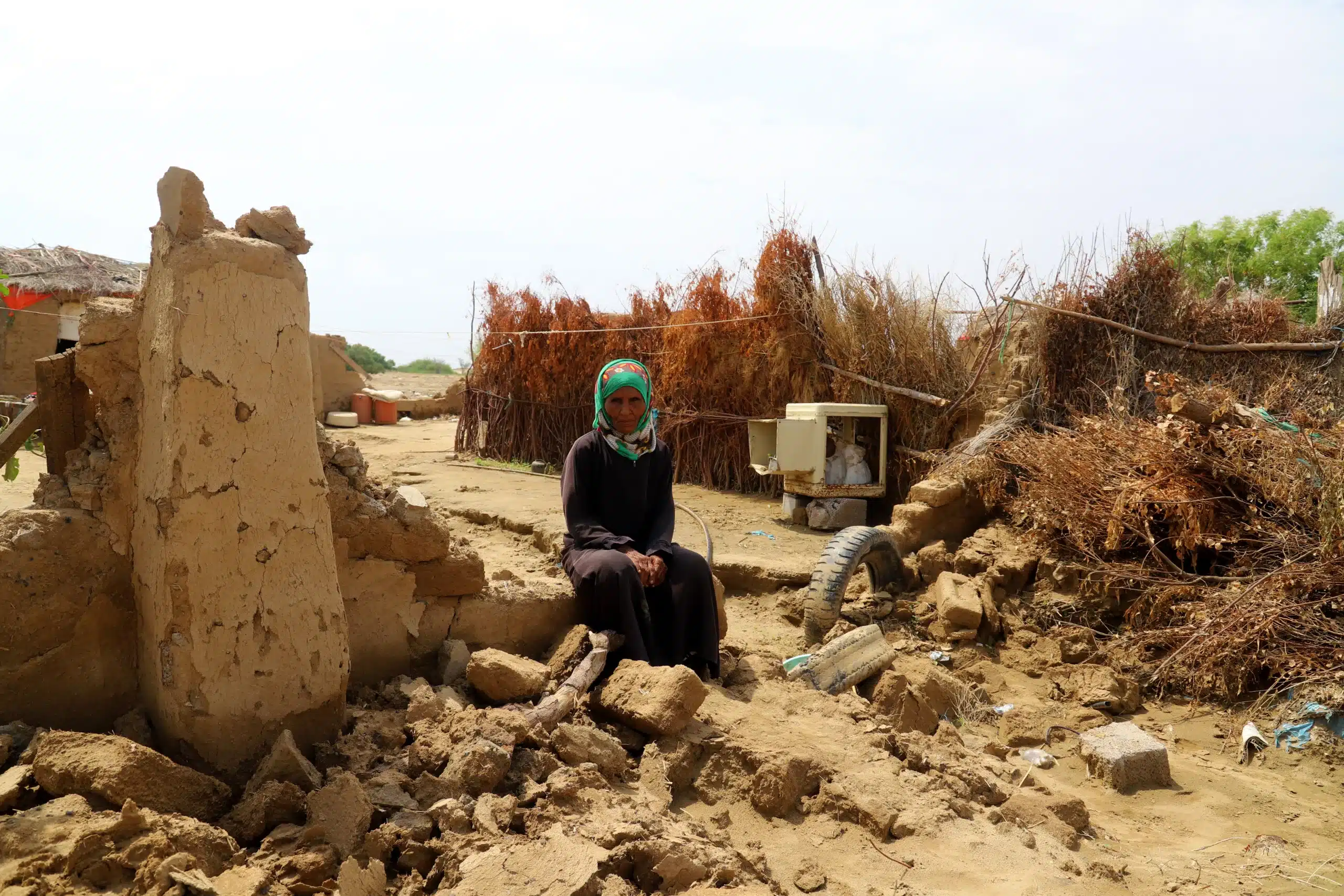
Abdullah, another displaced resident, describes his daily struggle to access clean water. “We barely get two jerrycans a day. And it’s not just water—sometimes we go entire days without food. The humanitarian agencies we relied on have disappeared. We can go two or even three days without a single meal.”
On healthcare, Abdullah says: “There are clinics in the camp, but they’re useless—no medicine, no real treatment. The doctor just gives advice. Hunger is killing us and our children.”
International Warnings of a Looming Catastrophe
With famine-like conditions and malnutrition spreading, international organizations continue to sound the alarm over Yemen’s worsening humanitarian situation, particularly for vulnerable groups such as women and children.
UN Under-Secretary-General for Humanitarian Affairs, Tom Fletcher, warned that the crisis is spiraling. Half of all children in Yemen are malnourished, including 600,000 suffering from severe acute malnutrition.
Fletcher added that only 69% of children under one year of age have received full immunizations, while 20% have received none contributing to the spread of deadly diseases like cholera and measles.
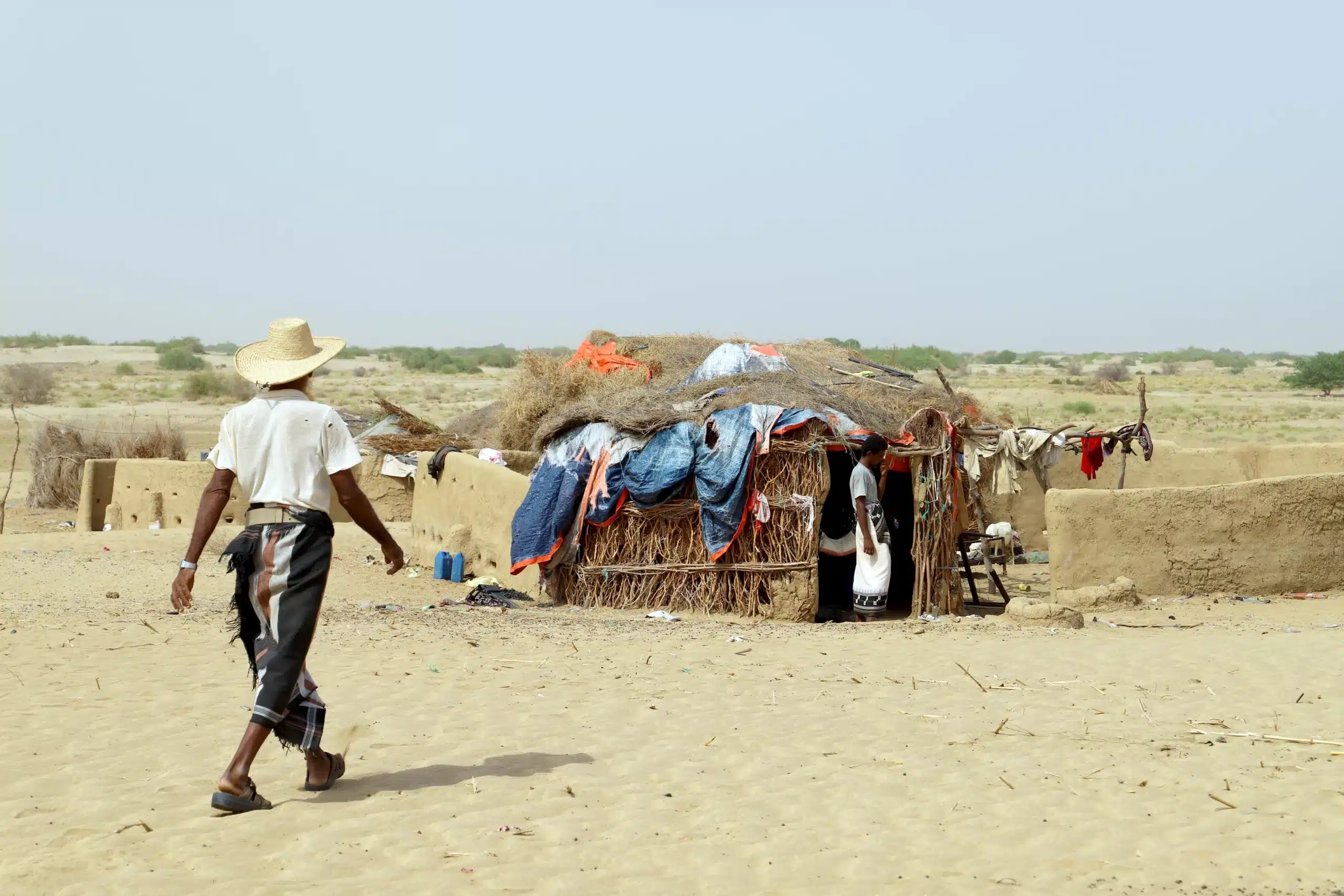
Last year, Yemen accounted for over one-third of the world’s cholera cases, with rising mortality rates amid a food crisis affecting 1.4 million pregnant and breastfeeding women.
He also revealed that 9.6 million women and girls urgently need food assistance and healthcare, yet the 2025 humanitarian response plan has received only 9% of required funding. This shortfall threatens to shut down nearly 400 health facilities, cutting off care for 7 million people.
UNICEF has similarly warned that the malnutrition crisis is not merely a health issue—it’s a generational catastrophe. The numbers paint a bleak picture: 2.2 million Yemeni children suffer from acute malnutrition, including about 540,000 in life-threatening condition.
Only 15% of children are receiving the minimum adequate diet for survival and healthy development. Meanwhile, roughly 80% of Yemenis are burdened by debt and struggling to afford basic necessities like food, water, transportation, and healthcare.
Political Exploitation Worsens the Crisis
Speaking to Noon Post, Abdu Massawi, Director of the Executive Unit for Internally Displaced Persons in Hajjah, said the humanitarian situation—particularly concerning food security and malnutrition among the displaced—has reached an alarming level.
He criticized humanitarian agencies for limiting their efforts to emergency responses, without integrating long-term, sustainable strategies into their plans.
Massawi explained that drastic funding cuts have led to reduced food distributions, many of which no longer include a full nutritional basket suitable for an entire family. This violates basic humanitarian standards.
He also pointed to worsening conditions in Hajjah, particularly in Abs District, due to Houthi extortion. Aid workers and recipients alike face threats unless they comply with the group’s demands, including mandatory payments from aid organizations.
Reports from international agencies, including the World Food Program and the Red Cross, have documented how Houthi forces redirect aid from civilians to their fighters. This has forced some programs to halt operations, leading to increased malnutrition and even death.
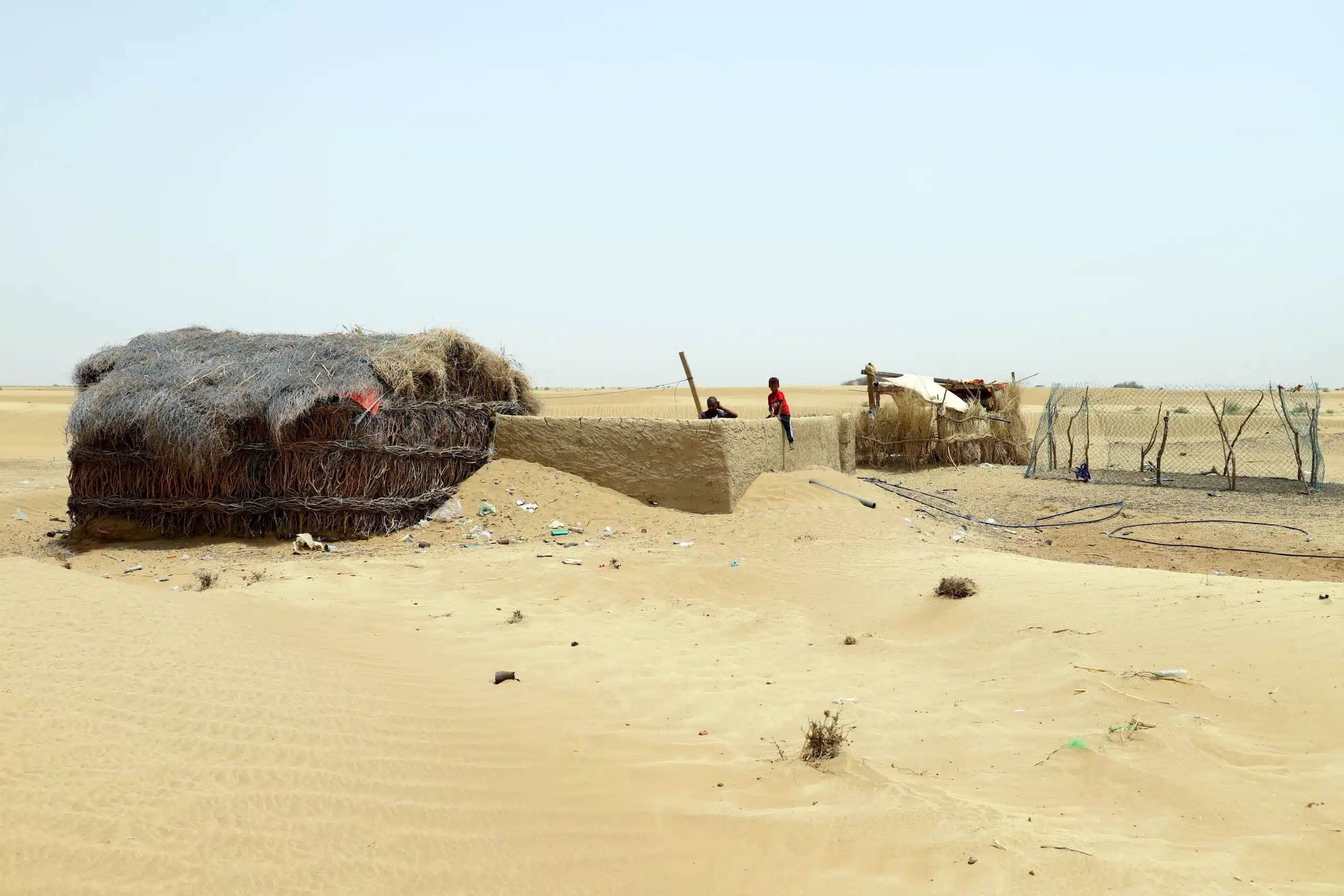
Massawi urged the international community and donors to boost funding and enforce the distribution of balanced food baskets that can sustain a family for a full month. He also called for the removal of Houthi control over humanitarian aid to ensure that assistance reaches those who need it without interference or exploitation.
UNICEF, for its part, has launched a multi-sectoral campaign in Yemen to combat the worsening crisis. Due to ongoing conflict and economic collapse, millions of children are suffering from severe acute malnutrition. Yemen now has one of the highest rates of acute malnutrition in the world.
Between 2022 and 2024, over 600,000 children under five became severely malnourished, including 120,000 in critical condition. This surge is driven by the spread of disease, food insecurity, poor sanitation, and insufficient access to clean water and healthcare.
Yemen on the Brink of Famine
Dr. Ihab Al-Qurashi, a researcher in humanitarian and political affairs, told Noon Post that malnutrition has become the deadliest threat facing Yemenis in decades—more lethal than the war itself.
During a visit to districts like Harad, Midi, Abs, and Bani Hassan, he witnessed catastrophic living conditions and widespread disease, especially among displaced populations lacking food, water, and healthcare. These areas are encircled by Houthi forces and mined, making humanitarian access possible only via the Saudi-Yemeni border—an added layer of hardship.
Al-Qurashi likened malnutrition to a “contract killer,” citing a UNDP and University of Denver report showing that, by 2019, one Yemeni child under five was dying every 12 minutes—totaling 131,000 deaths from malnutrition, compared to 102,000 from direct conflict. By 2022, the frequency rose to one child every 7 minutes, with 316,000 cumulative deaths from hunger—far outpacing war fatalities.
Looking ahead to 2030, projections suggest an even darker scenario: 1.8 million total deaths in Yemen, 1.48 million of them children under five due to hunger. Just 296,000 would result from direct conflict.
“These numbers prove Yemen is entering famine,” Al-Qurashi said, highlighting IPC Phase 5 hotspots like Hajjah and Al-Hudaydah. “But the world remains largely unaware, thanks to intentional media blackouts and international complicity.”
He urged the UN-appointed Quartet to fulfill its legal and moral responsibilities under Chapter VII of the UN Charter and called on Yemen’s internationally recognized government to present a truthful depiction of the humanitarian disaster—and to tackle the malnutrition crisis head-on.
As this bleak picture unfolds, new dimensions of the crisis continue to emerge. Médecins Sans Frontières (MSF) has warned of rising malnutrition rates and growing pressure on Yemen’s already fragile healthcare system.
Between January 2022 and December 2024, MSF treated over 35,000 malnourished children in five key governorates, including Hajjah and Al-Hudaydah.
The worsening situation, exacerbated by reduced food aid, weak infrastructure, and low vaccination coverage, threatens the lives of thousands of children across the country.


