







هذا التقرير متاح أيضًا بـ العربية
The armed attack that targeted the Islamic Center in the Clairemont neighborhood of San Diego, in Southern California, on Monday, May 18, and left five people dead, including the two attackers, sparked a wide wave of debate and concern inside the United States whether because of its exceptional nature compared with recent years, or because of the sensitivity of its timing amid a climate of mounting tension and polarization.
San Diego police are treating the incident as a “possible hate crime until proven otherwise,” while preliminary information indicates that the perpetrators—two teenagers aged 19 and 17—took their own lives inside their vehicle after carrying out the attack by shooting themselves. Three others were killed, including a security guard at the center who was described in media reports as a “hero” after managing to limit the scale of the catastrophe and prevent a higher death toll by confronting the attackers.
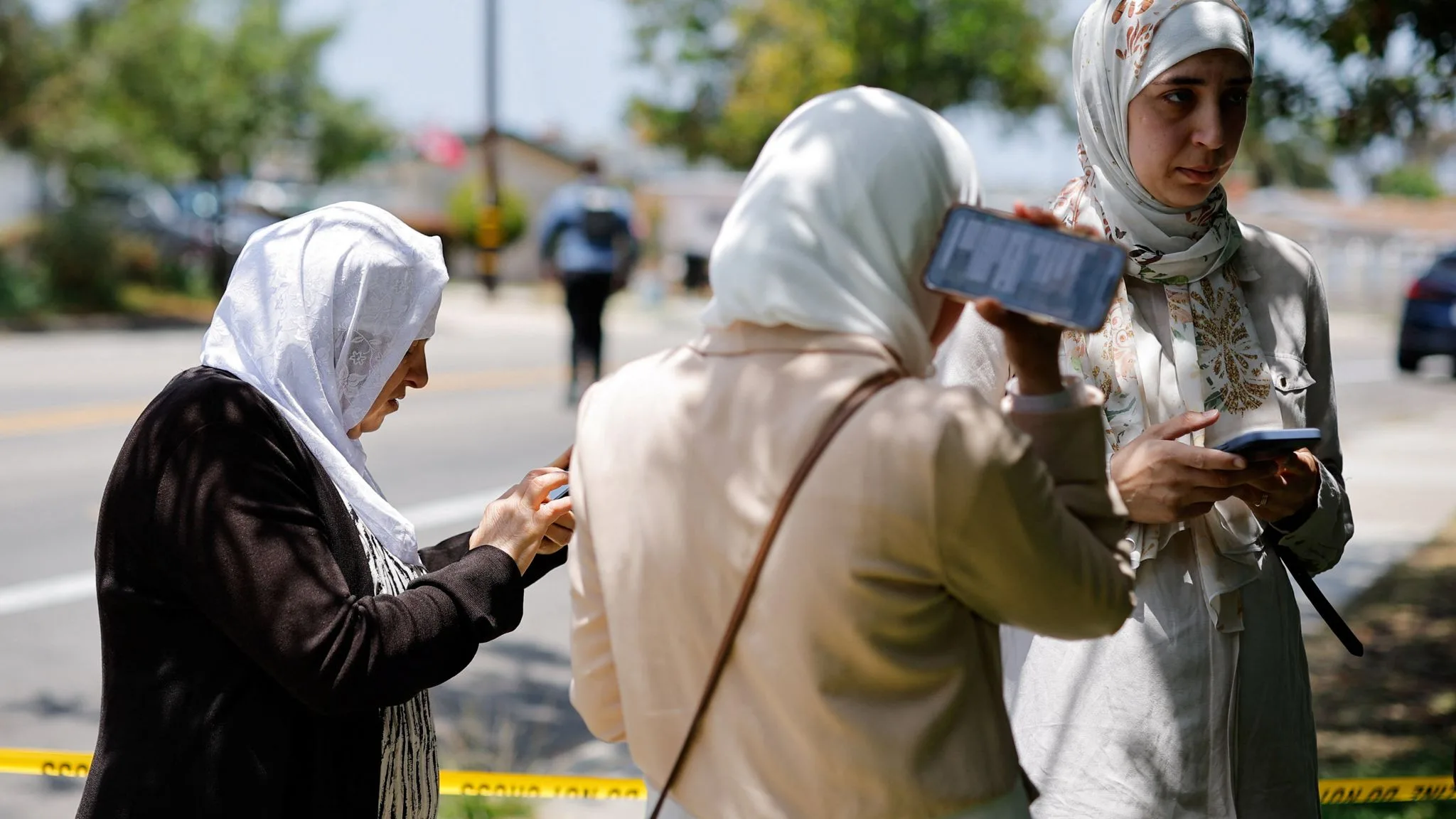
The Islamic Center of San Diego is the largest in the county, housing the region’s biggest mosque along with multiple educational and service facilities, including Al-Rashid School, which specializes in teaching Arabic, Islamic studies, and Quran memorization. Its role also extends beyond the religious sphere through educational and humanitarian services for various groups and contributions to supporting the local community.
The attack is being viewed as one of the most dangerous assaults targeting an Islamic institution in America in recent years, making it difficult to read as an isolated criminal incident. Rather, it falls within a broader context tied to the rise of hate speech and internal polarization, as well as the sensitivity of the current political and regional climate—carrying implications that go beyond the security dimension to deeper political, social, and cultural ones.
An Unprecedented Tragedy… What Happened?
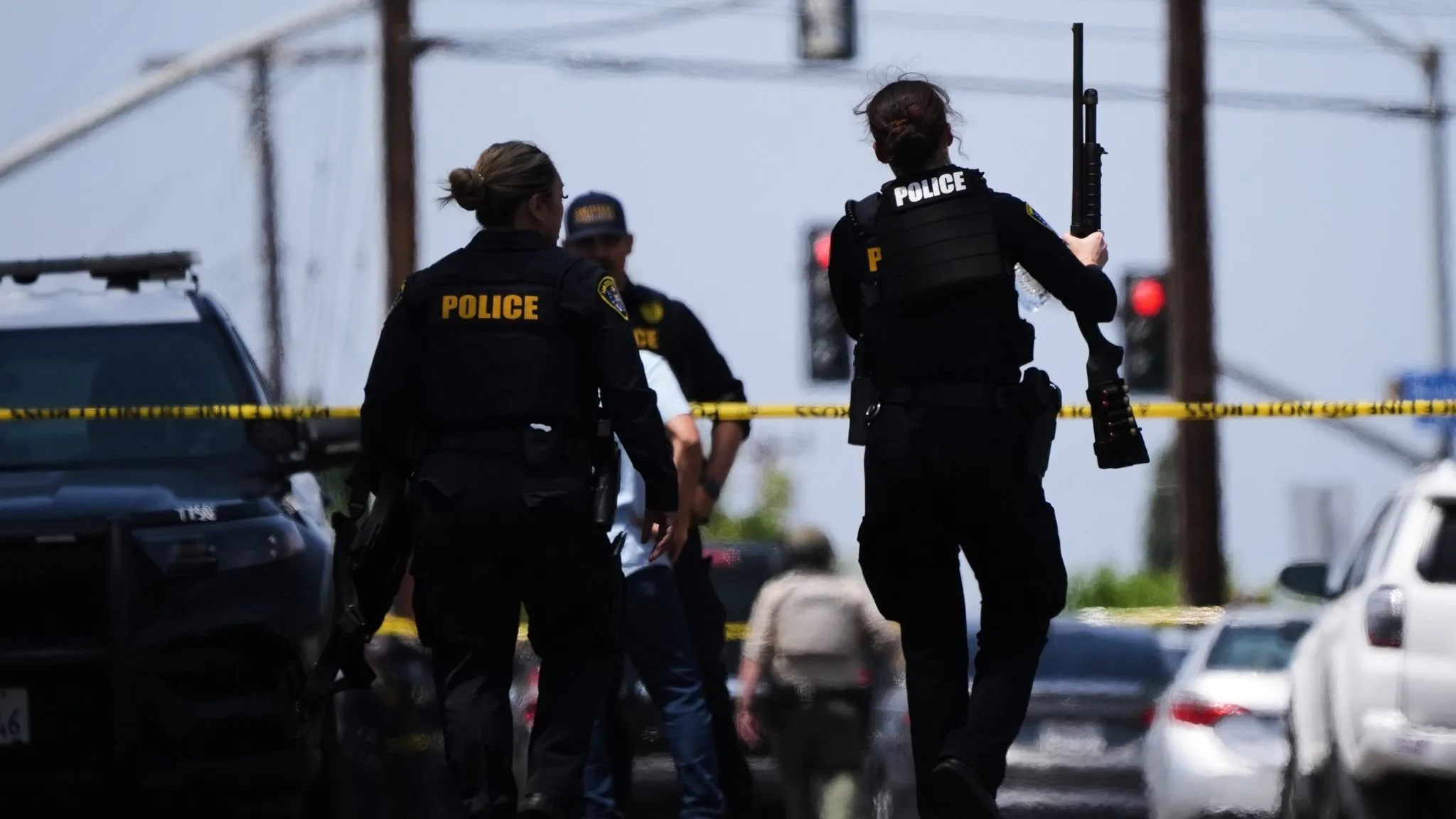
The attack took place Monday afternoon, when the usual calm in the residential neighborhood where the Islamic center is located—about 14 kilometers north of downtown San Diego—turned into a sudden bloody scene after two armed young men stormed the center and opened fire directly on those inside, killing two people in the first moments of the attack.
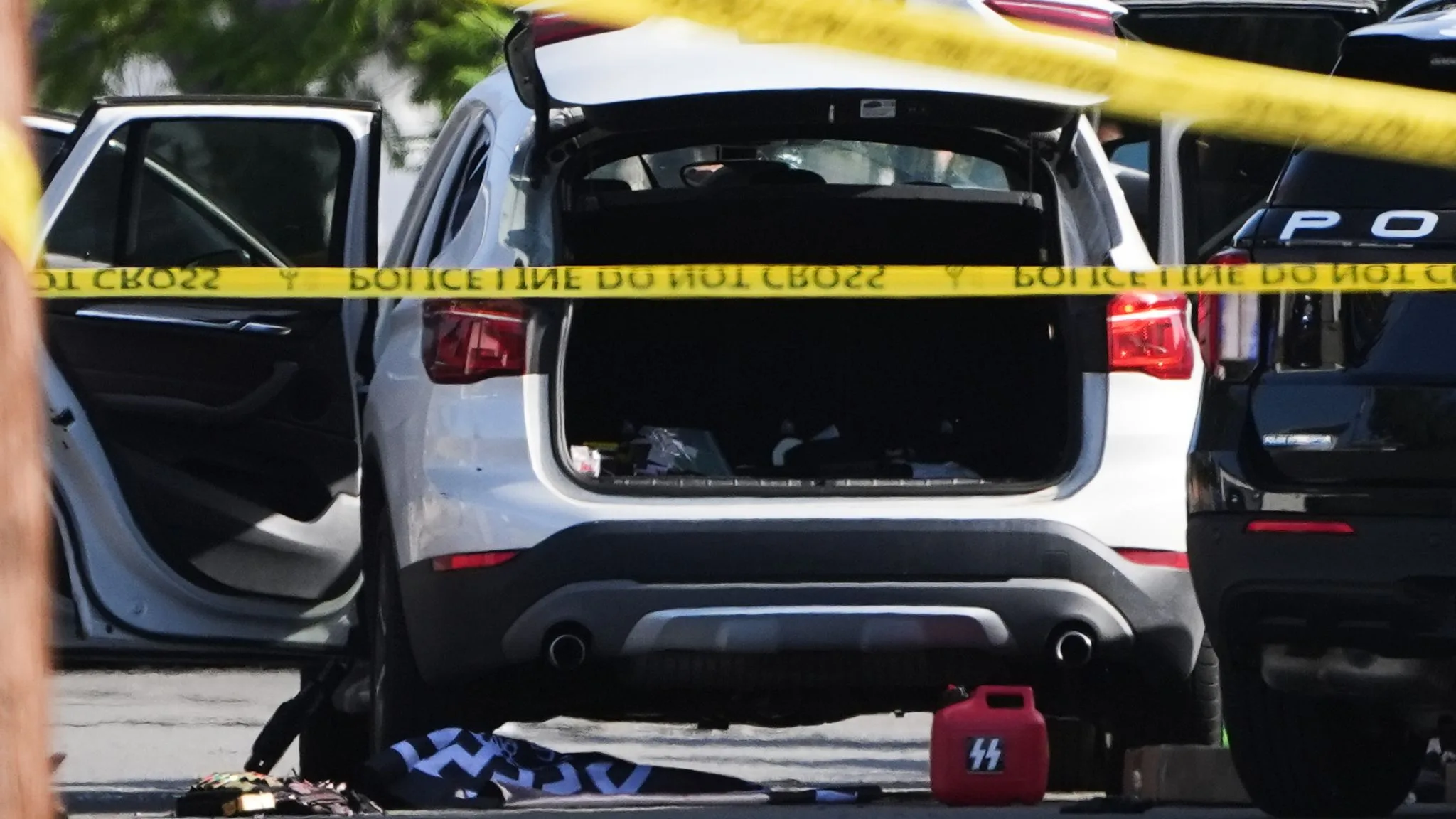
According to the police account, the center’s security guard tried to confront the attackers in an attempt to prevent the assault from spreading to larger numbers of worshippers and students, before he too was killed in the confrontation. Police later confirmed that the two perpetrators died from their injuries after shooting themselves inside their vehicle, noting that police officers did not take part in the shooting.
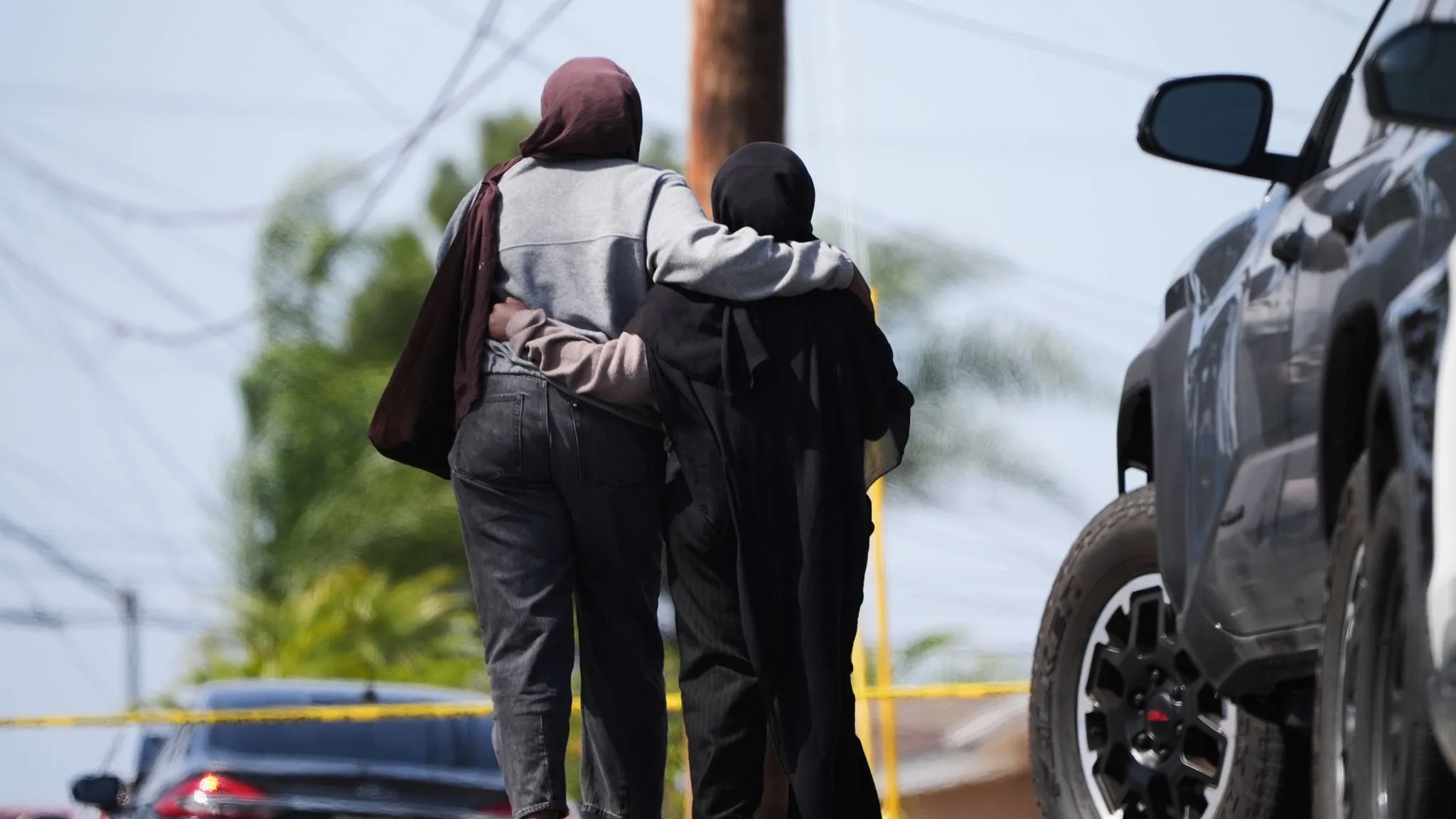
In the first official comment from the center’s administration, Islamic Center director Imam Taha Hassanein said in an emotional message to the community that all children, staff members, and teachers were able to leave the building safely, adding: “We have never witnessed a tragedy like this before.” He stressed that the local community is living in a state of shock and deep grief, saying: “At this moment, all I can say is that we are praying and standing in solidarity with all the families in our community here.”
He also described the targeting of the center as “deeply shameful,” considering an attack on houses of worship to be far more than a passing security incident.
What heightened the sensitivity of the incident and broadened its media and social resonance was that the attack did not target just a mosque, but the largest Islamic center in the county a comprehensive institution that includes a school and programs dedicated to children, in addition to community and service activities open to different segments of society.
The presence of children inside the building at the moment of the attack also gave the incident a deeply affecting psychological and humanitarian dimension, especially with the scenes of the children’s mass evacuation, which quickly became one of the most prominent symbolic images circulating in media coverage of the attack.
Sensitive Timing
The incident cannot be read in isolation from its highly sensitive timing, as it came at the height of international tension accompanying the U.S. war against Iran, and amid the escalating political and media rhetoric of President Donald Trump, based on sharp polarization and the reproduction of ideological and cultural divisions within American society. These conditions have cast a clear shadow over the U.S. domestic scene—not only economically due to the repercussions of war and rising prices, but also intellectually and socially as a result of escalating hardline rhetoric and growing political tension.
In this context, the repeated rhetoric portraying Iran—in the Trumpian narrative—as a model of an “extremist Islamic state” appears to be an influential factor in shaping the public mood, especially among segments of youth and teenagers who have grown up over the past decade amid the rise of the populist right and growing waves of Islamophobia, in addition to ongoing attempts to link Muslims in general to geopolitical conflicts in the Middle East within ideological and media narratives that have become more present and influential in the American public sphere.
The timing of the attack also carries added symbolic significance as it coincides with the beginning of the Hajj season, with all the religious sanctity that represents for Muslims around the world. This gives the incident dimensions that go beyond the security aspect, allowing it also to be read as a message of intimidation directed at the American Muslim community amid a tense climate fueled by religious and nationalist polarization reinforced by hardline right-wing populist rhetoric in recent years.
Hate Crime
Although part of the American media dealt cautiously with describing the incident as a “full-fledged hate crime,” the information revealed by police and preliminary investigations appeared clearer in pointing to the ideological background and extremist motives behind the attack. According to San Diego police, authorities received a report from the mother of one of the suspects stating that her underage son had gone missing, along with weapons from the house and her personal car, noting that he had been with another person before carrying out the attack.
In the same context, CNN revealed that investigators found racist and hateful phrases written on the weapon of one of the perpetrators, in addition to a farewell message left by the other attacker in which he expressed pride in what he described as “racial superiority.” U.S. authorities have not yet announced the full content of those messages or their final details.
These indicators reflect a troubling state of transformation that American society has witnessed in recent years, especially under the Trump administration, amid rising internal polarization and the spread of hate speech and extremism across social media platforms—phenomena that have been markedly reinforced by the rise of right-wing populist rhetoric, growing narratives based on fearmongering and intimidation, and escalating Islamophobia.
The media and societal handling of the incident revealed the breadth of concern inside the United States over the cumulative effects of this hardline political and cultural climate, which has gradually contributed to deepening social divisions and reproducing new patterns of violence based on hatred and discrimination.
Trump in a Bind
Such incidents, at such a highly sensitive moment, place additional political and security pressure on the Trump administration, especially in light of the sharp rhetoric adopted by the U.S. president in recent times toward a number of countries and Islamic groups, whether in the context of the war against Iran or within his broader approach to Middle East issues.
In this context, the U.S. administration appears to face a highly complex test: either to limit itself to treating the incident as a hate crime of a limited domestic nature, in an attempt to prevent its political and media repercussions from expanding, or to confront mounting criticism linking the climate of escalation and polarization fueled by hardline political rhetoric since 2017 to the growing manifestations of hatred and targeting of Muslim communities inside the United States.
The incident also raises broader questions about the possible repercussions of this climate on America’s image and foreign interests, especially amid fears that hardline rhetoric could affect the conditions of religious communities and minorities within American society, and what that may entail in terms of deepening internal division and polarization.
While the U.S. president avoided delving into the dimensions of the incident, contenting himself with describing it as “horrific,” observers saw this position as reflecting a state of caution and political confusion at a time when public anger is intensifying as a result of the domestic and foreign policies of the U.S. administration, which critics blame for increasing economic and social pressures on the American citizen, in addition to damaging the image of the United States on the international stage.
The Gaza War from Afar
Alongside the war against Iran as one of the main contexts surrounding the incident, the Gaza war also emerges as one of the motivating factors whose impact on the American domestic climate is difficult to ignore. It has become hard to separate incidents like this from the charged political and media environment produced by the war and its accumulated repercussions within American society.
Since the outbreak of the war in October 2023, America has witnessed a noticeable rise in hate crimes against Arabs and Muslims, alongside escalating incitement campaigns and polarizing rhetoric on social media platforms, especially those linked to the Palestinian cause.
That rhetoric—driven, of course, by the Zionist lobby—has contributed to creating a more tense environment on both the racial and cultural levels, alongside growing Islamophobic discourse and attempts to link Islamic identity to geopolitical conflicts in the Middle East, making any attack targeting an Islamic institution automatically read within this broader context.
Although there are no direct indicators linking the Gaza war to the attack in organizational or operational terms, it remains part of the political and psychological climate that has contributed to the rise of this type of violence in recent times, especially as social division within the United States has deepened over the backdrop of the American position supporting Israel.
The unlimited political and military support Washington has provided to Tel Aviv, despite widespread accusations against Israeli occupation forces of committing violations against civilians in Gaza, has also contributed to reshaping the public mood among broad sectors of Western public opinion, which has become more sympathetic to Palestinians and more critical of Israeli policies compared with previous years.
In sum, it appears that Trump’s bet on keeping the geopolitical tensions he helped inflame beyond U.S. borders—particularly in the Middle East—separate from the American domestic scene has become highly fragile. Growing signs, and what incidents like the California attack reflect, reveal that the repercussions of those conflicts have gradually begun to find their way into American society itself, whether through rising internal polarization or the growth of hate crimes and tensions tied to identity and religion.
These developments reinforce fears that Trumpist policies based on escalation and hardline approaches may impose a growing cost on America—not only in terms of its international image and moral standing, but also in terms of its internal cohesion and social security. At a time when observers fear America’s blind bias toward Israel—which, alongside hardline rhetoric on Middle East issues, has contributed to creating a more tense environment inside the United States—the country may end up paying the price politically and socially in the coming period.