












هذا التقرير متاح أيضًا بـ العربية
While the swords of the Abbasids were pursuing the Umayyads, the young prince Abd al-Rahman ibn Muawiya managed to save himself and flee toward Africa. From there, he shrewdly exploited the turbulent internal conditions that were then shaking al-Andalus, rallying the support of the Yemenis and the Berbers, and then crossed the strait and landed on the coast of Elvira in Rabi’ al-Thani 138 AH / 755 CE, filled with hope of realizing his dream of establishing a Umayyad state in that land.
His arrival inaugurated a new era in the history of al-Andalus. With his victory over Yusuf al-Fihri at the Battle of al-Musarah, he turned the page on the era of governors, burdened by conflict and war, entered Cordoba in triumph, and laid the cornerstone of his independent emirate in 756 CE.
During his 33-year reign, “Abd al-Rahman al-Dakhil” devoted himself to consolidating the pillars of his state and suppressing internal revolts against his rule. He also excelled in implanting the eastern Umayyad model into the Andalusi environment, and his successors followed his path in preserving the unity of the country and confronting the ambitions of the Christian kingdoms to the north.
With the accession of Abd al-Rahman ibn al-Hakam (822–852 CE), al-Andalus reached an advanced stage of urbanity and prosperity. Agriculture, industry, and trade flourished, the state’s military power grew stronger, and it succeeded in repelling the Norman invasions in 230 AH / 844 CE.
In the 10th century CE, the state reached the peak of its glory when declared Abd al-Rahman al-Nasir established the caliphate in 316 AH, seeking to demonstrate the strength of his state and its parity with the great powers. In this era, Cordoba became a beacon for Europe with its lit streets, libraries, and bimaristans, rivaling Baghdad and Cairo in its urban and cultural prosperity. Andalusi historians agree that the era of the Umayyad state in Cordoba represented a political and civilizational zenith that the country never reached in any other period of its history.
Features of the Umayyad State in al-Andalus
On the political level, the Umayyad state in al-Andalus was based on a hereditary system of rule centered on the prince’s designation of the most suitable successor. The succession process began with a private oath of allegiance in the palace, followed by a public one. Power was concentrated in the hands of the emir, assisted by the hajib (the second man in the state), and an administrative apparatus that included ministers, scribes, and city governors, in addition to the sahib al-madina, who was responsible for the security of the Country.
Administratively, al-Andalus under Umayyad rule was divided into a group of districts and cities administered by officials appointed by the emir. To ensure the stability of rule and reduce the influence of traditional power centers, the state relied on the Saqaliba in sensitive posts and the private guard.
Militarily, al-Andalus under the Umayyads waged a prolonged struggle with the Christian kingdoms in the north, beginning with repelling Charlemagne’s attack on Zaragoza and culminating in the defeat of the Normans in 230 AH. It succeeded in developing a professional standing army, especially under Abd al-Rahman al-Nasir (912–961 CE).
Abd al-Rahman al-Nasir also fortified the southern coasts and annexed the Maghrebi ports facing al-Andalus in Melilla, Ceuta, and Tangier to confront external threats, in addition to supporting the Berbers hostile to the Fatimids in the Maghreb. This development was accompanied by a flourishing in military industries, with Toledo emerging as a center for weapons manufacturing and shipyards being established in Seville.
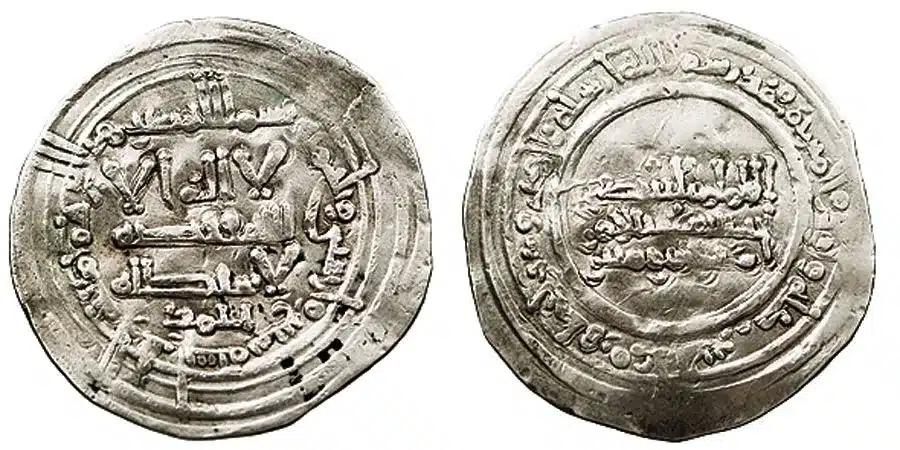
Economically, al-Andalus reached the height of its prosperity under the Umayyads, witnessing an advanced agricultural renaissance based on sophisticated irrigation systems such as waterwheels, canals, and dams. Industry also thrived, especially in textiles and ceramics, while internal and external trade flourished to the point that the Cordoban dinar became a currency circulated in Europe and the East. The state’s sources of income were diverse, ranging from land tax, jizya, zakat, taxes, spoils, and commercial duties.
The state’s strength was not confined to the material sphere, but also extended to the diplomatic sphere, where it established a broad network of relations with major powers. The Umayyad court received embassies from Byzantium and Europe, and even welcomed kings seeking alliance and support.
Andalusi Society Under Umayyad Rule
In his book The History of Muslims in al-Andalus, Dr. Suhayl Takkoush reviews how Andalusi society under Umayyad rule was a mixture of ethnic identities and politically, socially, and economically contradictory affiliations. In that period, Andalusi society consisted of Arabs, Berbers, Saqaliba, Muwallads, Mozarabs, and Jews, each tending to settle in particular areas. Arabs were predominant in Cordoba, Muwallads were numerous in Seville and Toledo, and Berbers predominated in Granada, Carmona, and Malaga.
Since the conquest (93 AH), the Arabs formed the ruling class and dominated the upper echelons of the state. Alongside them, the Berbers represented the striking force in the army, and their military weight increased, especially in the Amirid era. The Saqaliba also played a pivotal role in affairs of governance. Meanwhile, the Muwallads (the indigenous inhabitants who converted to Islam) constituted the majority of the population and stood out in scholarly fields.
The Mozarabs (Christians) and Jews lived within a framework of tolerance that allowed them to practice their rites and manage their own affairs. The Mozarabs adopted the Arabic language and culture, worked in agriculture and some crafts, and participated to varying degrees in administration. As for the Jews, they excelled in commercial activity, especially in the trade of luxury goods such as silk and spices, in addition to their distinction in certain crafts such as jewelry-making and medicine.
The Cultural and Scientific Renaissance
The people of al-Andalus were marked by religiosity and conservatism, and initially the Awza’i school prevailed from the time of the conquest. Then, during the reign of Emir Hisham ibn Abd al-Rahman (788–796 CE), jurists returning from their scholarly journeys to the East introduced the Maliki school, which then came to dominate the juristic scene in al-Andalus.
Historians affirm that Bilad al-Sham was a fundamental source of religious and scholarly life in al-Andalus. Many Andalusi scholars traveled there to draw from the knowledge of its scholars, then returned to spread the sciences of the Qur’an, hadith, and recitations throughout al-Andalus. These scholarly ties also bore fruit in the rise of exceptional scholars who rivaled their peers in the East, foremost among them Baqi ibn Makhlad al-Qurtubi.
Figures from the East also arrived in al-Andalus, perhaps the most famous of whom was “Ziryab“, who had a major impact during the reign of Abd al-Rahman II. He not only developed singing and music by adding the fifth string to the oud, but also introduced the principles of elegance and table etiquette, and these arts later passed from al-Andalus to Europe.
In fact, the Umayyad era in al-Andalus witnessed creativity across a broad spectrum of knowledge, including poetry, prose, history, linguistics, and biography. Andalusi creativity did not stop there, but went further into innovation with the emergence of new arts such as the muwashshahat, whose first foundations were laid by Muqaddam ibn Mu’afa al-Qabri. That period also saw the rise of encyclopedic figures who left a lasting mark, foremost among them Ibn Abd Rabbih, author of Al-‘Iqd al-Farid.
As for the civil sciences, the Andalusians under Umayyad rule contributed to mathematics and astronomy, while Andalusi physicians sat atop the throne of medicine, to the point that European kings came to Cordoba seeking treatment. Abu al-Qasim al-Zahrawi emerged as the greatest surgeon of the Middle Ages through his invention of more than 200 surgical instruments. In astronomy and mathematics, Maslama al-Majriti excelled through his efforts in separating precious metals and developing astronomical tables, joined in this distinction by al-Zarqali, Ibn al-Samh, and Ibn al-Saffar.
In chemistry, Abbas ibn Firnas excelled alongside his famous attempt at flight. Despite the restrictions and accusations of heresy leveled by some jurists against those engaged in philosophy, brilliant philosophers such as Ibn Masarra succeeded in laying intellectual foundations that reconciled eastern philosophy with the Andalusi environment. Likewise, female education enjoyed considerable attention in Umayyad al-Andalus, and many women worked in kuttabs.
At the institutional level, Cordoba was a center of educational attraction thanks to its schools and libraries. Abd al-Rahman al-Dakhil laid the foundations of the scholarly movement by building schools whose curricula included religious sciences, medicine, mathematics, and literature, while the Great Mosque of Cordoba retained a pivotal role as a major beacon of learning.
In fact, the Umayyad princes and caliphs played a pivotal role in shaping that renaissance. Emir Abd al-Rahman ibn al-Hakam was obsessed with collecting books and copying them from the East, and the Umayyads were not content merely with patronage; among them were poets, historians, and linguists.
The Urban Space in al-Andalus
Urban development in al-Andalus during the Umayyad era embodied a comprehensive civilizational renaissance reflecting the strength and prestige of the state. The Umayyad princes and caliphs of al-Andalus devoted great attention to architecture and civil construction, allocating vast budgets to them.
The civilizational construction of the Umayyad period took shape in a comprehensive strategy that was not limited to military fortifications such as citadels, forts, and walls, but extended to include the construction of integrated cities and civil facilities such as baths, aqueducts, and gardens, as well as the establishment of mints and bimaristans (hospitals), in addition to paving streets and lighting them at night. Cordoba in the 10th century CE was described as the richest and most beautiful city in Europe.
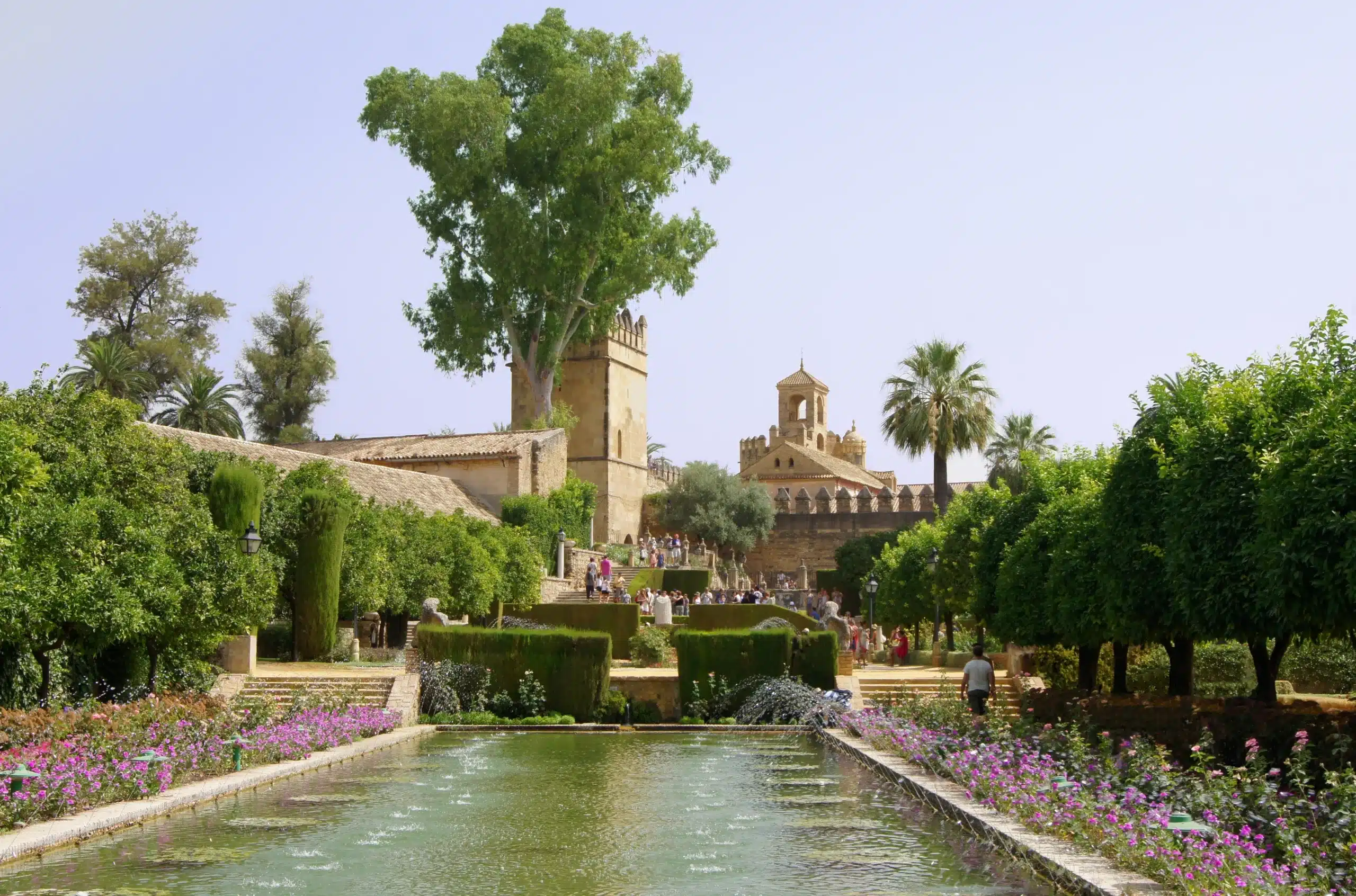
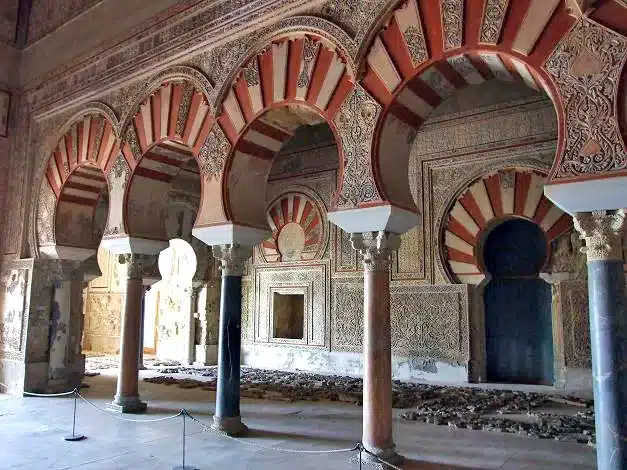
Historians documented the prosperity of Cordoba, which contained thousands of houses and hundreds of mosques, baths, shops, and inns, making the Roman Bridge, the Great Mosque, and Madinat al-Zahra living testimonies to the height of architectural creativity that blended eastern authenticity with Andalusi innovation.
The Great Mosque of Cordoba is considered the jewel of this architectural legacy. Its first foundation stone was laid by Abd al-Rahman al-Dakhil in 170 AH in imitation of the Umayyad Mosque in Damascus, and it underwent successive expansions during the reigns of Abd al-Rahman II, al-Mustansir, and Hajib al-Mansur. To this day, the mosque remains a living witness to that glory, and it was inscribed as a World Heritage Site in 1984.
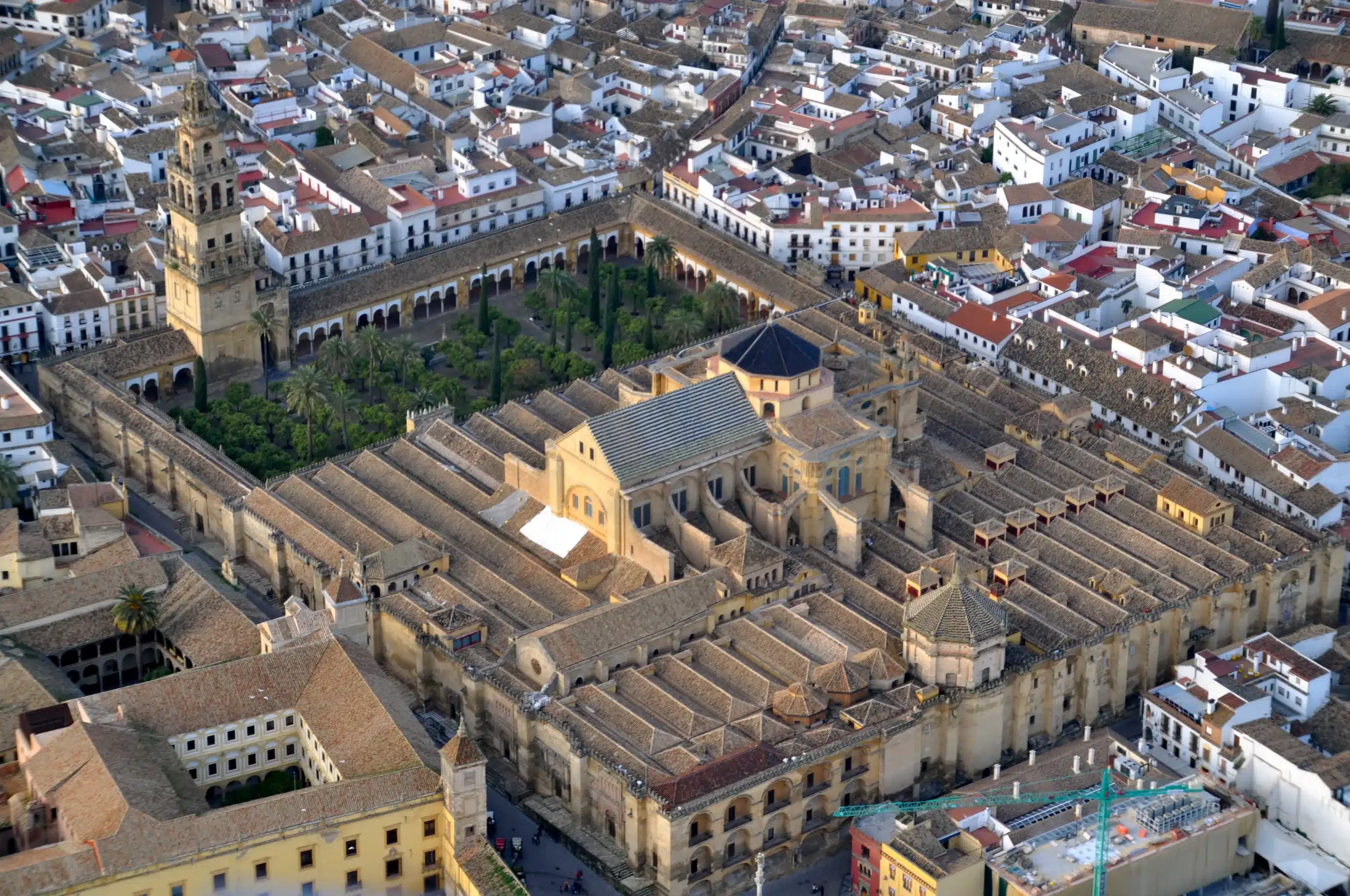
In parallel with religious architecture, the princes established the munya (parks and private palaces), beginning with “Rusafa al-Dakhil,” built by Emir Abd al-Rahman al-Dakhil and named after the Rusafa of his grandfather Hisham ibn Abd al-Malik ibn Marwan, then “Munyat Nasr,” built by Abd al-Rahman II (822–852 CE), which received Byzantine embassies, all the way to Munyat Quntish, Munyat al-Na’ura, al-Munya al-Mushafiyya, and “al-Munya al-Amiriyya”—all palaces and compounds containing gardens and plants, most of them brought from the East.
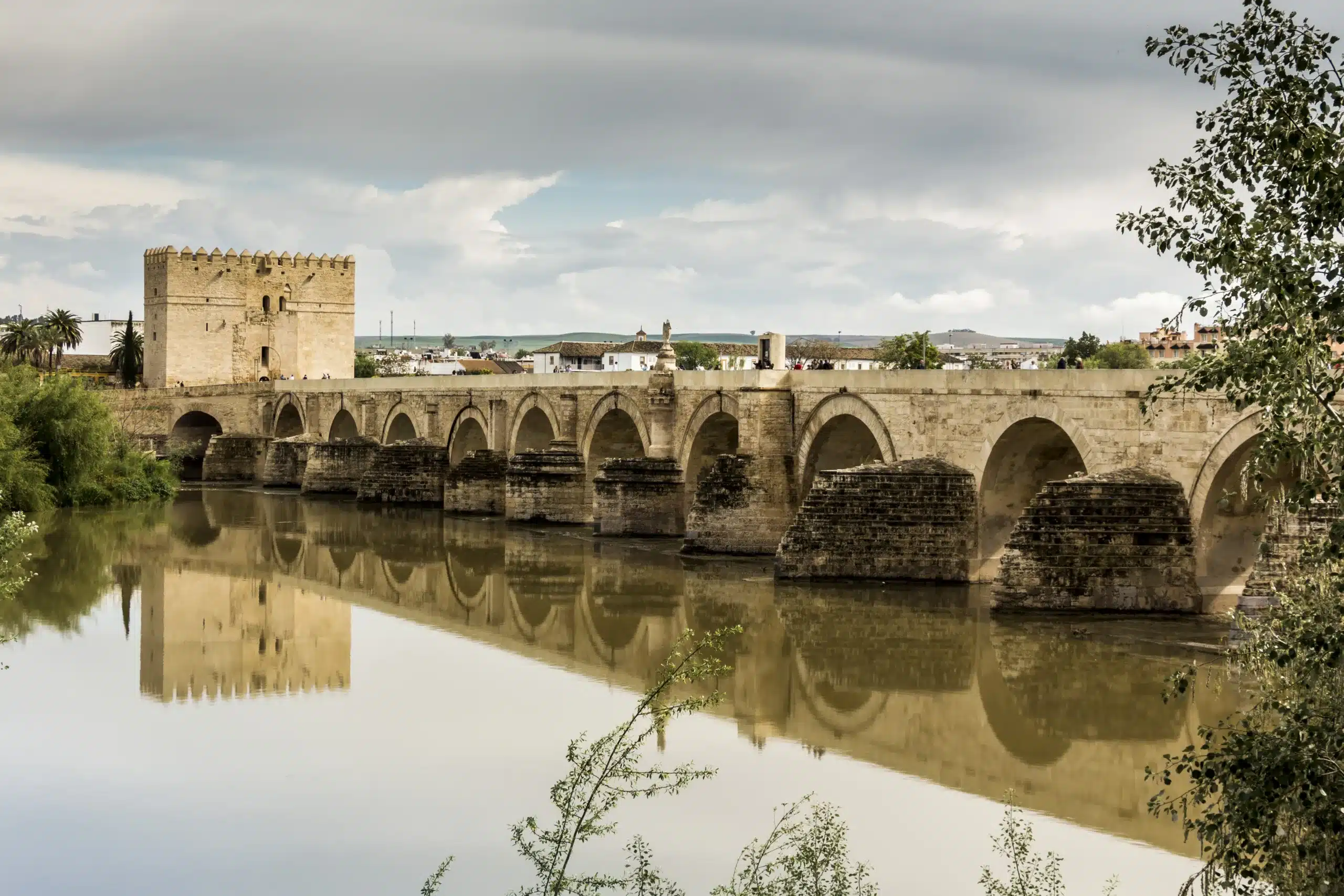
Urban development also encompassed public and service facilities, as organized markets spread through cities and villages, while Seville and Granada became famous for their splendid baths. The health sector likewise witnessed a major renaissance with the establishment of advanced bimaristans; Cordoba alone contained fifty hospitals in the 4th century AH, including specialized departments even for mental illnesses.
As a result of the population explosion witnessed by Cordoba, Abd al-Rahman al-Nasir built in 325 AH / 936 CE the city of “al-Zahra” on the western side of the capital, to serve as a new seat and a base for managing the affairs of the state. Its construction took about forty years, and it was an architectural masterpiece containing lavish palace complexes such as the “al-Mu’nis Palace,” the “Caliphal Palace,” and the “Zahra Palace,” and was equipped with advanced facilities including military barracks, mints, and water and sewage systems.
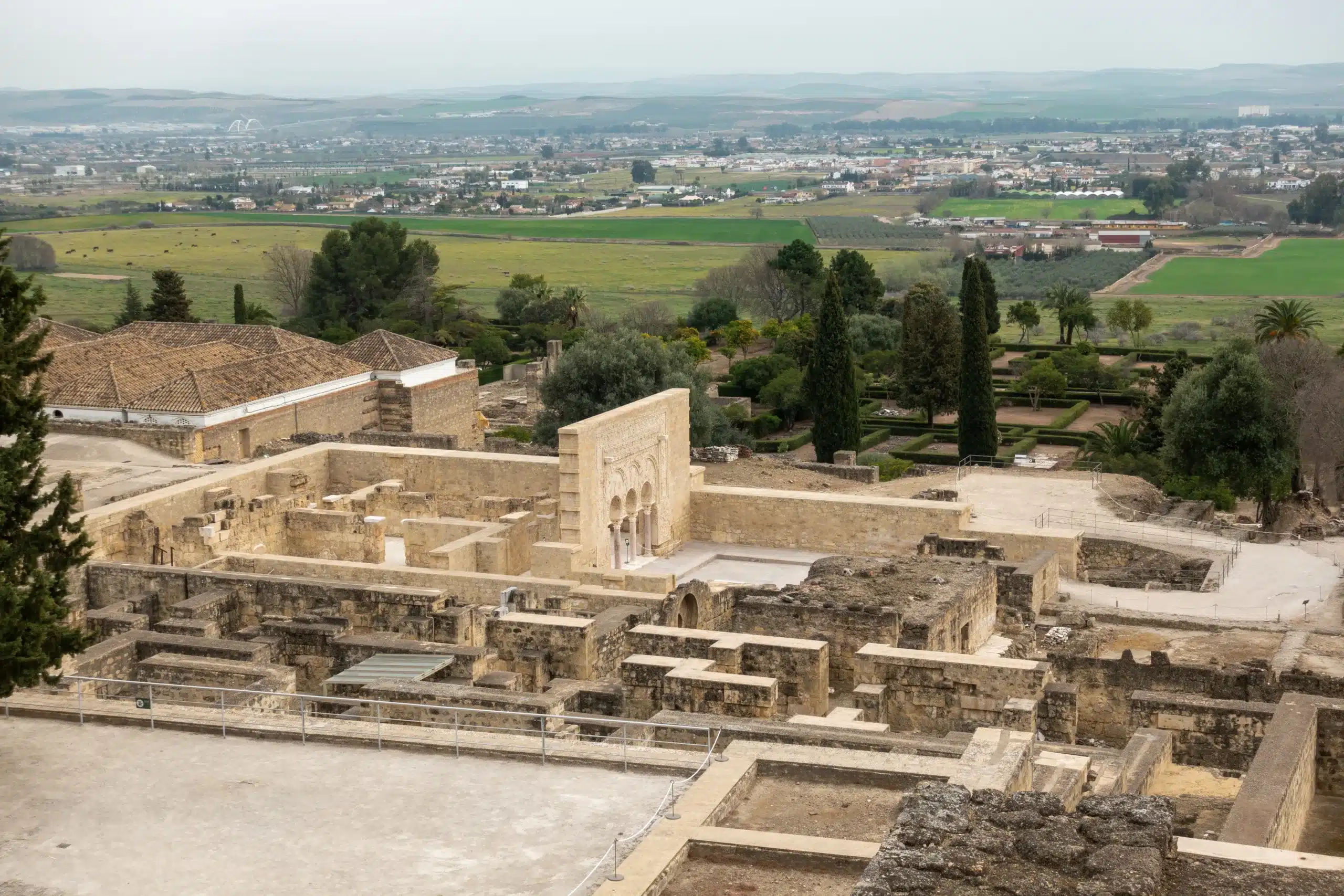
And the story of Madinat al-Zahra occupies a lofty place in the architectural and artistic history of al-Andalus, although its political standing later declined in favor of the city of “al-Zahira,” which al-Mansur ibn Abi Amir built in 368 AH to serve as the center of his power.
From the Height of Glory to the Chaos of the Taifa Kingdoms
The history of the Umayyad state in al-Andalus can be divided into three chronological phases: it began with the era of zenith and consolidation (756–976 CE), then moved to the Amirid regency (976–1009 CE), and ended in a great fitna (1009–1031 CE) that tore the state apart and turned it into a mosaic of small kingdoms.
The Umayyad state in al-Andalus reached the height of its power during the reigns of Abd al-Rahman al-Nasir and his son al-Hakam al-Mustansir. In this period, power was concentrated in the hands of a strong central administration, and the Umayyads restored their naval prestige, with al-Nasir making the Andalusi fleet a force in the Mediterranean.
With the death of al-Hakam al-Mustansir and the accession of the child Hisham II, a power vacuum emerged that was exploited by Hajib Muhammad ibn Abi Amir (al-Mansur), who monopolized power, turned the caliph into a puppet, and established a state within the state. Despite the military strength, stability, and economic prosperity that characterized the era of Ibn Abi Amir and his son, this parallel system weakened the traditional role of the Umayyad order.
Environmental and economic factors then combined—among them drought that struck the agricultural sector and social conflicts among Arabs, Berbers, and Saqaliba—to destabilize the country, alongside the ongoing struggle with the Christian kingdoms. The situation exploded when “Sanchuelo” (al-Mansur’s son) tried to force the caliph to name him heir apparent.
This ambition ignited a major fitna and a war that lasted two decades, during which the Umayyad princes, the Berbers, and others contended for power, until the Umayyad caliphate in al-Andalus fell in 1031 CE. On its ruins arose a new political order known as the Taifa kings, as provincial rulers became independent in the territories under their control and adopted royal titles. At one stage of this system, there were thirty-nine states.
The political presence of the Umayyad caliphate in al-Andalus came to an end in 1031 CE, but its civilizational radiance refused to fade. To this day, many enduring antiquities of the Umayyad state remain in al-Andalus, and Cordoba has endured in the memory of history as the most splendid Umayyad dream that illuminated the western reaches of the earth, and as a living witness to a glory that withstood the tempests of time and politics.