







هذا التقرير متاح أيضًا بـ العربية
Several areas in Hasakah province are witnessing a large wave of migration toward cities in other parts of Syria and abroad, driven by poverty, unemployment, and the collapse of services. Residents are leaving their villages in search of work opportunities or a place that can offer better living conditions.
Since Syrian government forces took control of large parts of the province that had been under the control of the Syrian Democratic Forces, or SDF, a new reality has emerged that has effectively divided Hasakah into two areas: one under the authority of the Syrian government and the other controlled by the SDF.
The withdrawal of self-administration institutions from the southern and western countryside has led to the suspension of most service facilities, leaving vast areas without institutions capable of meeting residents’ basic needs.
The new Syrian authorities are trying to reorganize the areas that have recently come under their control, but improvement remains limited. These areas had already suffered for years from marginalization and weak services under SDF rule, only for their residents now to find themselves facing an even more deteriorated reality, with continued shortages of water, electricity, jobs, and aid.
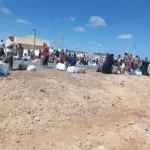
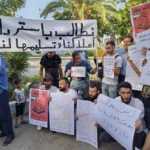
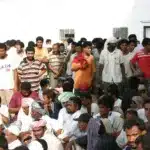
Over the past few days, moving videos documenting the departure of young men and families from rural Hasakah have spread across social media, once again drawing attention to the worsening humanitarian crisis in the Jazira region. The footage showed residents leaving their villages and homes in search of a livelihood in other Syrian provinces or in neighboring countries, including Lebanon and Turkey.
The displacement wave is concentrated in the southern and western countryside, particularly in the area stretching from Mount Abdulaziz to the towns of al-Shaddadi and Markada and the villages south of al-Radd. The fact that residents celebrate the digging of a water well or the arrival of limited food aid reveals the scale of deprivation the region is enduring, and the depth of the crisis pushing it toward rapid depopulation.
This scene brings Hasakah’s long history of migration back into focus, after the province has over past decades become one of Syria’s most population-expelling regions, as a result of marginalization, declining development, and the accumulation of economic and service crises.
Hopes blown away
These poor economic and service conditions come in the wake of major field and administrative changes that Hasakah province witnessed at the beginning of this year, 2026. The Syrian army established control over most of the southern and eastern countryside and parts of the western countryside, while the Syrian Democratic Forces, or SDF, pulled back to major cities such as Hasakah and Qamishli.
Following the Jan. 29, 2026 agreement between the Syrian government and the SDF, a gradual process began last February aimed at integrating military, security, and service institutions into government ministerial structures. As effective administration of a number of villages and towns was transferred to government institutions, residents were optimistic and hoped for a rapid improvement in basic services and the rehabilitation of infrastructure.
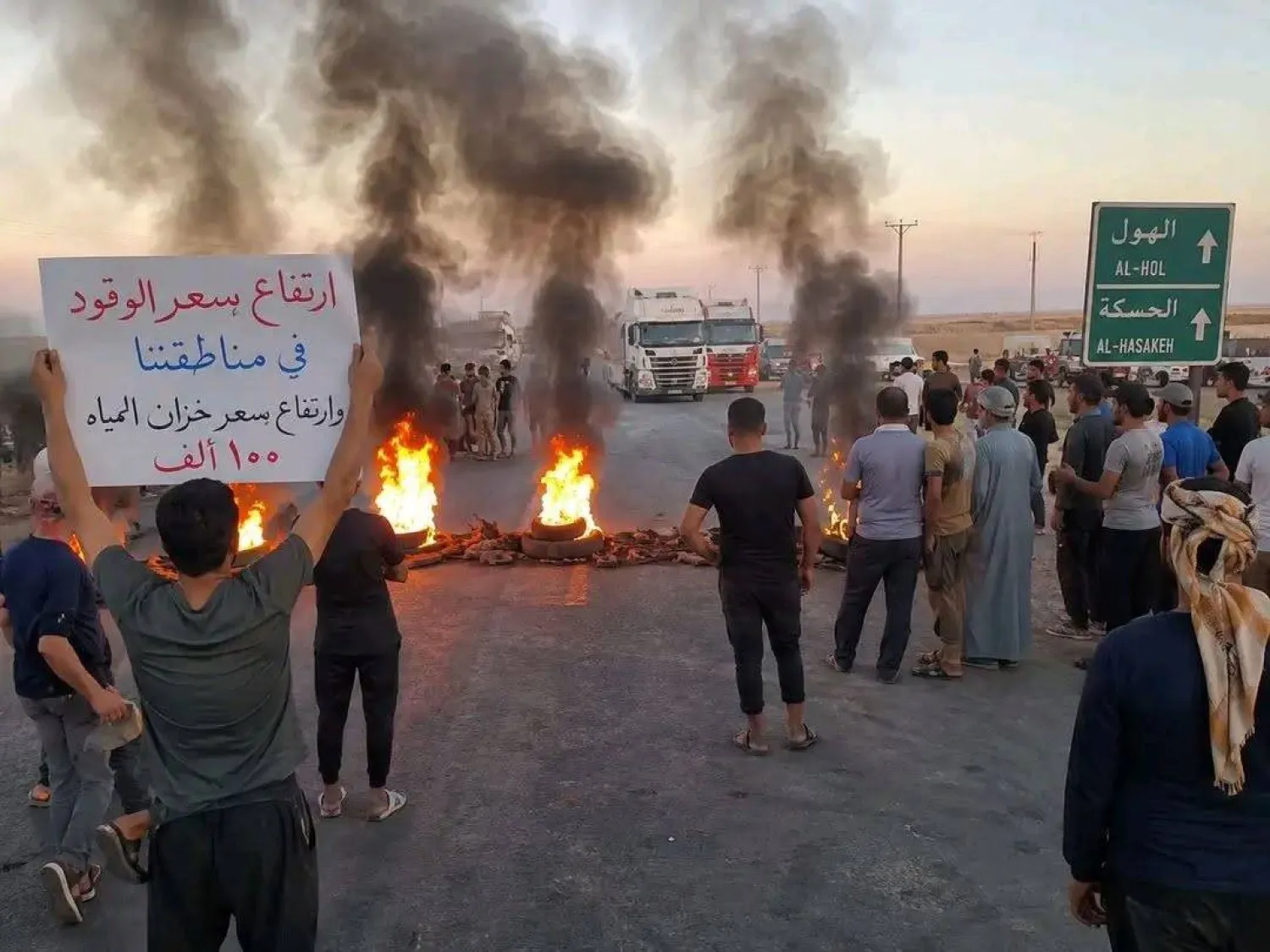
But the reality on the ground remains far removed from those expectations, as conditions have continued to deteriorate economically, in services, and in security, increasing pressure on residents without tangible solutions.
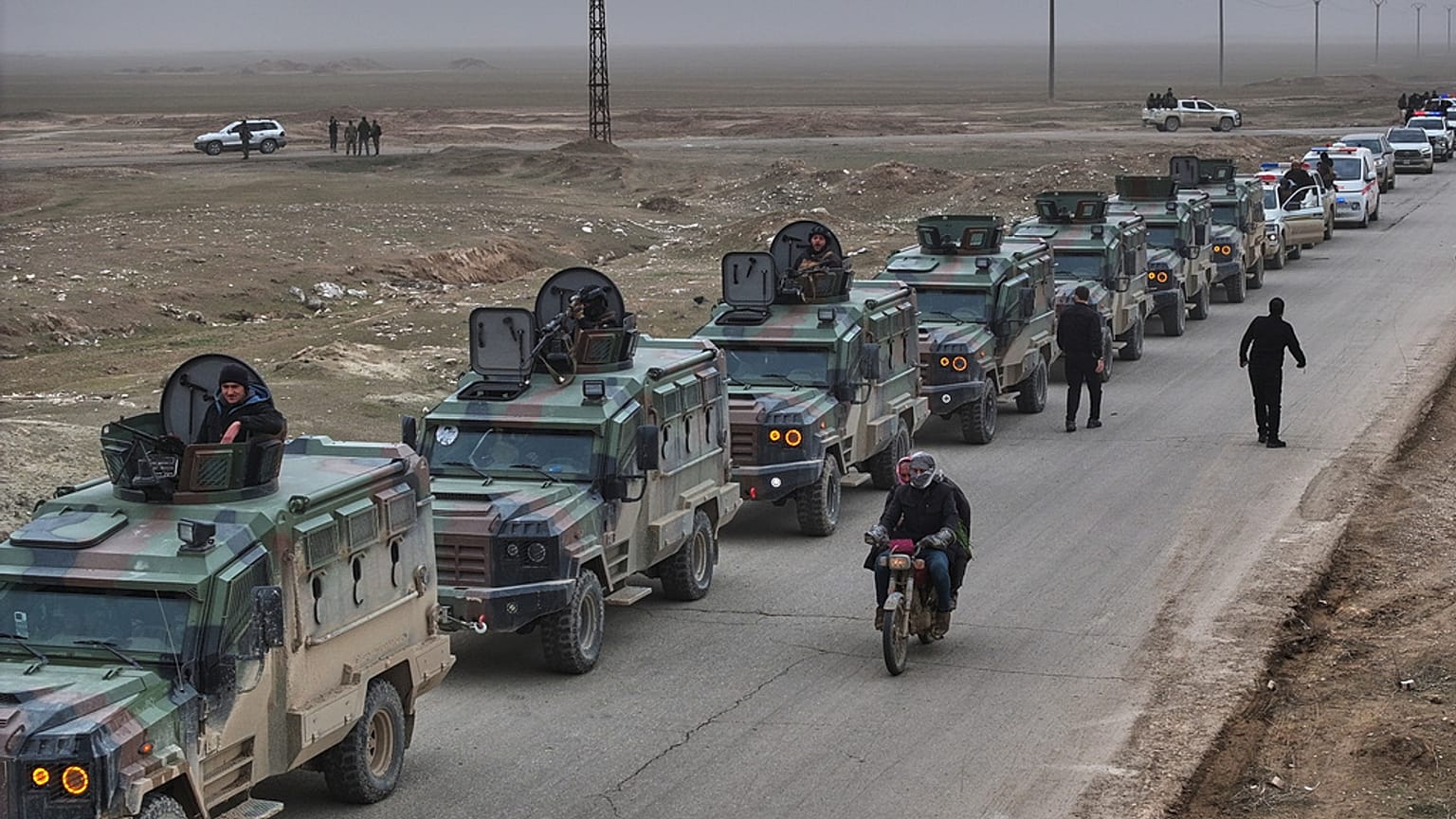
As for the integration process, it is still moving very slowly, despite official statements that appear encouraging in substance. On the ground, two governments are effectively managing the scene, while zones of control remain divided and separate from one another, and the Kurdish People’s Protection Units (YPG) still exist, along with their security apparatus.
Most of the staff of institutions that had belonged to the so-called self-administration are still the same people previously appointed, while integration so far has been limited to formalities and nominal inclusion within the Syrian state payroll. To this day, not a single Hasakah resident has returned to his home in the city or in areas controlled by the Kurdish People’s Protection Units (YPG), and most of the displaced are still waiting for the results of the announced integration.
Jabal Abdul Aziz without services
In Hasakah, the scenes are similar across its various rural areas, with dozens of residents leaving daily for an uncertain fate. Most migrant convoys set out from areas west of the province, where the villages of Jabal Abdul Aziz are located. There, the humanitarian suffering of residents is worsening, as nearly 50,000 people live in dozens of villages scattered across the mountain.
The unemployment crisis dominates the scene, amid the absence of even the minimum requirements for life. Water is scarce and frequently cut off, and securing it has become a financial burden and a daily drain. Many families are now forced to buy water from private tankers at high prices or rely on private wells.
The crisis does not stop there, but extends deep into the education and health sectors. Schools that recently resumed operations are suffering from a severe shortage of textbooks and basic supplies. On the health front, the subdistrict’s only health center lacks medicines and medical equipment, and its role is limited to treating fractures and colds, Adham, a resident of the area, told NoonPost.
Adham said: “This deteriorating situation in the health sector is now forcing patients, especially the elderly and those with chronic illnesses, to endure the hardship of traveling long distances to the cities of Hasakah or Damascus, amid rising transportation costs. Even getting to Hasakah is difficult because of SDF checkpoints there, which place restrictions on those coming from areas under Syrian government control.”
He added: “Municipalities are suffering near-total paralysis due to the lack of vehicles and service machinery, forcing municipal employees to carry out tasks by hand, while most of them still have not been paid salaries to this day, threatening the continuity of service work.”
The same scenes are repeated in southern rural Hasakah, where al-Shaddadi and its surrounding areas are concerned, as the government presence there remains timid in terms of security and services, and is focused, in general, around the oil fields.
Migration as the only option
As government forces began taking control of large parts of Hasakah and the Syrian Democratic Forces, or SDF, retreated, most tribal members serving under the militia’s banner laid down their weapons and refrained from engaging in combat, leading to a broad collective defection process amid cheers welcoming the Syrian army’s entry into their areas.
Marwan, a former SDF fighter who defected from the militia in the al-Shaddadi area shortly before government forces took control of it, said: “Those defectors did not expect to be excluded from joining the new security and military institutions. These young men, whose number is around 10,000 Arab fighters, had hoped to join the military establishment of the new state, but most of them were rejected.
Today, they are stranded and living on the margins in an area dominated by unemployment and poverty, and most of them are now heading toward Lebanon and Turkey through smuggling routes.”
He added: “Unlike the fighters who remained in the ranks of the SDF militia, most of them were integrated into the Interior and Defense Ministries, while some were given permanent jobs within their own areas.”
On the other hand, vast areas of rural Hasakah depend on agricultural activity and livestock raising, but the sharp rise in production input prices, the decline in economic activity, and successive years of drought have made securing a stable source of income an almost impossible challenge. Unemployment has now become the most prominent problem facing young people.
Agricultural work is no longer able to provide enough income to cover high living costs, while the new government is not supporting the agricultural sector, resulting in a losing season for farmers. People are unable to secure their daily bread, and so they find themselves forced to migrate and leave the region, as the only available option.
This continued demographic hemorrhaging of young people leaves a profound impact on the families who remain, as they depend on their sons to cover daily expenses. Destinations vary: some head to other Syrian provinces for seasonal agricultural work or freelance labor, such as Hauran and the Damascus countryside, while others choose to travel through smuggling routes to Lebanon or Turkey in search of any job opportunity that might improve their difficult living conditions.
From time to time, reports emerge of young men from Hasakah being severely beaten, or even killed, by Turkish border guards after attempting to cross the border wall. Nothing has changed in their living conditions in their own areas; the suffering continues, and they have no options but migration.
These poor conditions are confirmed by international reports painting a grim picture of the humanitarian situation across the country. The United Nations Population Fund said that about 1.2 million people in Syria are in urgent need of immediate assistance, including 295,000 women of childbearing age, as a result of simultaneous humanitarian crises the country has witnessed since the beginning of 2026.
In its report covering the period from the beginning of May to the end of June 2026, the agency explained that previous combat operations in Aleppo and northeastern Syria, along with severe flooding that struck the Euphrates River basin, placed enormous pressure beyond the capacity of public services to absorb. Although the fund raised the value of its emergency appeal for Aleppo and northeastern Syria to $7.5 million, available funding through June did not exceed 36 percent of the required amount, deepening the humanitarian gap.
Government responsibility as a last lifeline
In fact, migration is not limited to Hasakah alone. Deir Ezzor province is also witnessing, at the same time, a new wave of migration from several of its areas. Hundreds are now selling their property and heading toward the Damascus countryside and Aleppo for the same reasons found in Hasakah, amid the absence of any government action in this regard.
Curbing the hemorrhaging migration of young people from rural Hasakah or other areas of the Jazira requires a package of immediate measures to stimulate the local economy and improve the service environment, such as supporting the agricultural and service sectors, providing fuel, accelerating the rehabilitation of water and electricity networks, and supplying municipalities with the necessary machinery. But what is happening is the opposite, unfortunately, as the government’s current handling of these sectors is aimed first and foremost at revenue extraction, which deepens the problem.
Overall, this harsh suffering and difficult living reality are not confined to rural Hasakah alone, but extend to broad parts of villages and areas in eastern Syria in Raqqa and Deir Ezzor, which are experiencing similar crises, whether security-related or across various service sectors.
In the end, emergency stopgap solutions cannot improve conditions in Hasakah or elsewhere. Nor are individual initiatives and local donation drives sufficient today. Responsibility lies first and foremost with the government authorities, which are required to move urgently and swiftly to relieve residents and secure the basic necessities of life.
Keeping people in their villages and on their land, and providing them with a dignified life, is the highest and noblest duty above all else, to prevent rural Hasakah and the Jazira more broadly from turning into abandoned areas devoid of life.
This would otherwise repeat the previous scenarios that devastated the region, reducing it to ruin and a forgotten area living on the margins, merely a storehouse whose resources are drained for the benefit of the center.