









هذا التقرير متاح أيضًا بـ العربية
Andy Burnham reached the pinnacle of a political career on July 20, 2026, that spanned a quarter-century of parliamentary work, ministerial portfolios under Tony Blair and Gordon Brown, and then leadership of Greater Manchester. With his election as Labour Party leader and King Charles III asking him to form a government, he set a precedent in British history, as he moved from heading a local authority to the very top of executive power, becoming the seventh prime minister the country has had in a single decade.
Burnham was sworn in on the same day Keir Starmer announced his resignation. He entered 10 Downing Street amid public enthusiasm, and Al Jazeera correspondents noted that Burnham delivered his first speech in a break with tradition, dispensing with the podium and written notes and speaking off the cuff.
In that first speech, Burnham pledged to pull British politics out of the cycle of failure and pessimism that has persisted for a decade, stressing that this moment marks a major turning point for launching the country’s biggest political and economic change in 40 years.
The 56-year-old Burnham’s profile has taken on growing importance with his arrival at the head of government. From that point, this report seeks to answer a set of fundamental questions: Who is Andy Burnham? What are the defining features of his political project? And to what extent could his convictions and past record shape Britain’s policies, especially toward Muslims, immigration, and the Palestinian cause?
The beginnings of Andy Burnham
Burnham was born on Jan. 7, 1970, in the Liverpool suburb of Aintree to a father who worked as a telecommunications engineer and a mother who worked as a receptionist. He grew up as one of three brothers in the village of Culcheth, between Liverpool and Manchester, and was educated in local state Catholic schools.
Burnham’s early political awareness reflects the impact of Britain’s economic transformations and the miners’ strike of the 1980s, which led him to join the Labour Party at the age of 14.
As for his religious and social background, Burnham explains that he is “Catholic by upbringing, not particularly religious.” He also says Catholic social teaching forms the basis of his political views, while also pointing to his attachment to the values and foundations instilled by the Catholic schools where his children are educated.
In 1988, Burnham — who describes himself as having been “a bit of a tearaway in the mid-1980s” — moved south to study English literature at Fitzwilliam College, Cambridge, and graduated with upper-second-class honors in 1991 during an economic recession that left its mark on his outlook.
During that period, Burnham recounts that he felt there was a stark contrast between the world of the capital and that of his northern home. He also met during that time his Dutch-born life partner, Marie-France van Heel. They later married in 2000 and had three children.
After graduating, Burnham headed to London, where he worked between 1991 and 1994 as a researcher and journalist at Baltic Publishing, paving the way for his real political start by working as a researcher in the office of MP Tessa Jowell in 1994.
Andy Burnham’s rise within the Labour Party
After a career path that began with his joining the Transport and General Workers’ Union in 1995, and after holding administrative and advisory posts in the National Health Service Confederation, Burnham was appointed in 1998 as an adviser to Culture, Media and Sport Secretary Chris Smith..
In 2001, Burnham was elected to Parliament for the first time at the age of 31, representing Leigh in Greater Manchester, a seat he held for 16 years.
At this stage, he took his first step into government when he was appointed in 2003 as parliamentary secretary to Home Secretary David Blunkett, beginning a rapid climb through ministerial posts under the governments of Tony Blair and Gordon Brown. He served as chief secretary to the Treasury (2007-2008), followed by secretary of state for culture, media and sport (2008-2009), before being appointed health secretary from 2009 to 2010.
Politically and economically during that period, Burnham embraced free-market economic policies and supported the 2003 invasion of Iraq, a decision he later expressed regret over, describing it in his 2024 book as “the worst experience of his parliamentary career.”
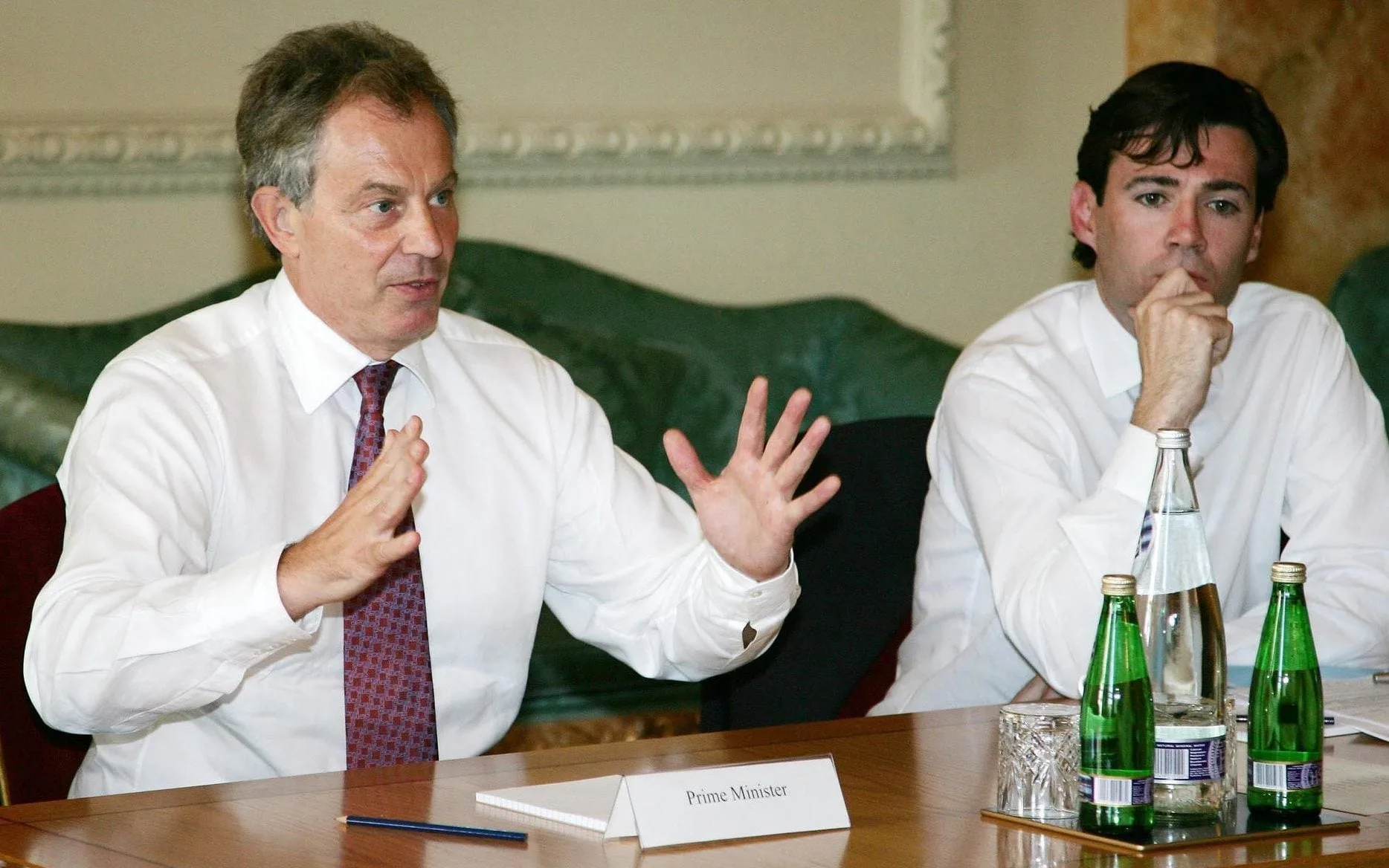
By contrast, the Hillsborough disaster of 1989, which killed 97 Liverpool fans, marked a turning point in Burnham’s career. On the 20th anniversary of the tragedy in 2009, Burnham pressed then-Prime Minister Gordon Brown to open an inquiry that led to the creation of the Hillsborough Panel. That step elevated Burnham to heroic status in the eyes of the bereaved families. According to historian Charlotte Wildman, that moment cemented his standing as a politician who genuinely listens to citizens and defends their causes.
Burnham remained active, serving as shadow health secretary between 2011 and 2015. He ran for the Labour leadership twice, in 2010 and 2015, but lost both times. Later, he was appointed shadow home secretary under Jeremy Corbyn.
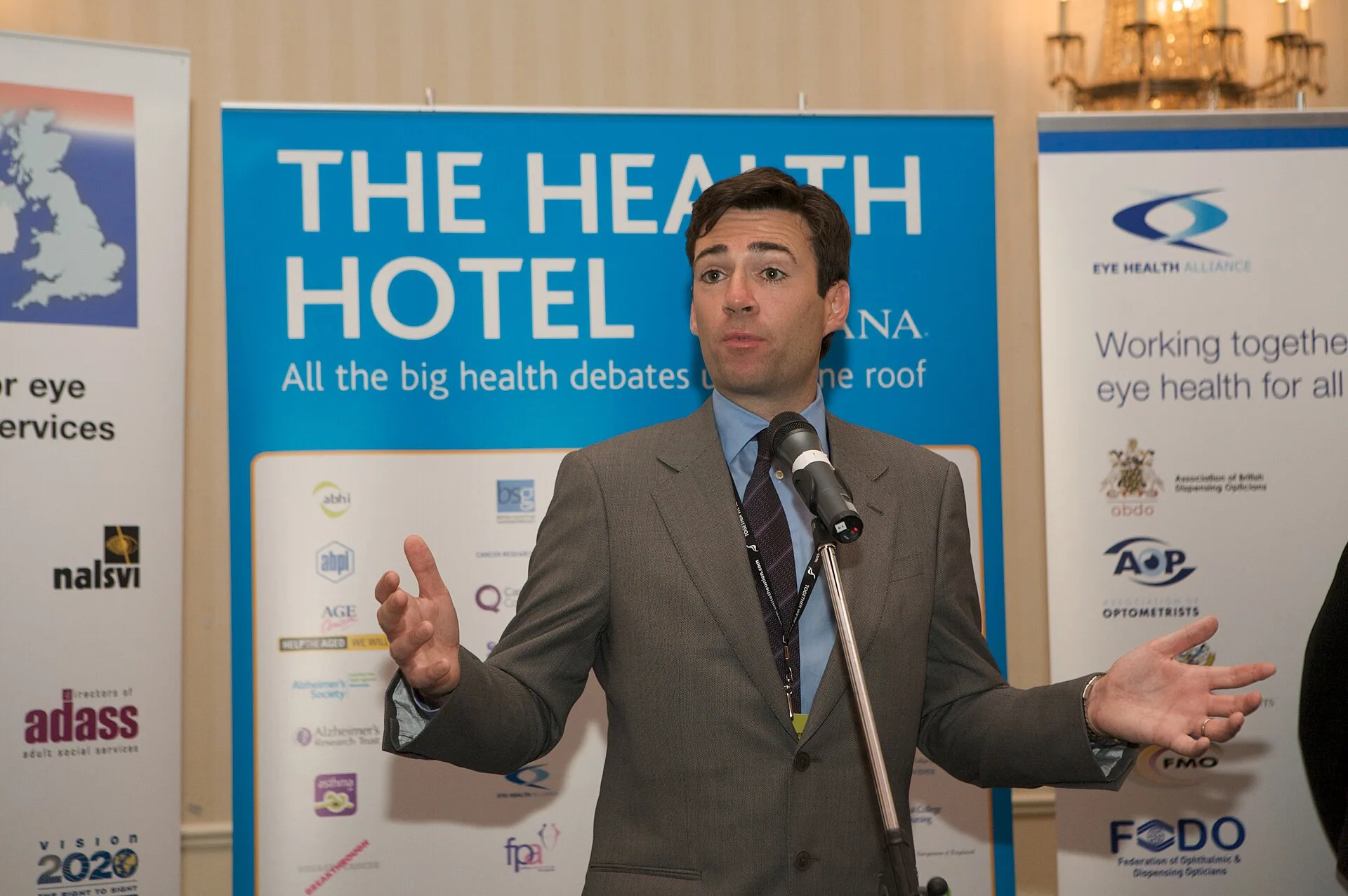
Manchester: The stop that made his leadership
The most significant turning point in Burnham’s career came when he resigned from Parliament in 2016 to run for mayor of Greater Manchester, which he won in May 2017. Since then, he has been reelected for two additional terms, in 2021 and 2024, becoming the first politician to win the post three consecutive times.
During his time leading Greater Manchester, Burnham established a model of local governance based on decentralization and devolving powers from the center to the region — a vision he dubbed “Mancunianism,” rooted in his belief that excessive state centralization is the root cause of the widening economic gap between the capital and the rest of Britain’s regions.
He succeeded over his three terms as mayor of Manchester in improving the management of health and social services, and his name became associated with a sweeping overhaul of public transport, as he reorganized the bus and tram networks.
Alongside that, he led efforts to tackle homelessness, dedicating part of his salary to support housing programs for the homeless. He also played a prominent role in managing the fallout from the Covid-19 pandemic, reinforcing his standing as a politician focused on social and service-related problems more than ideological battles.
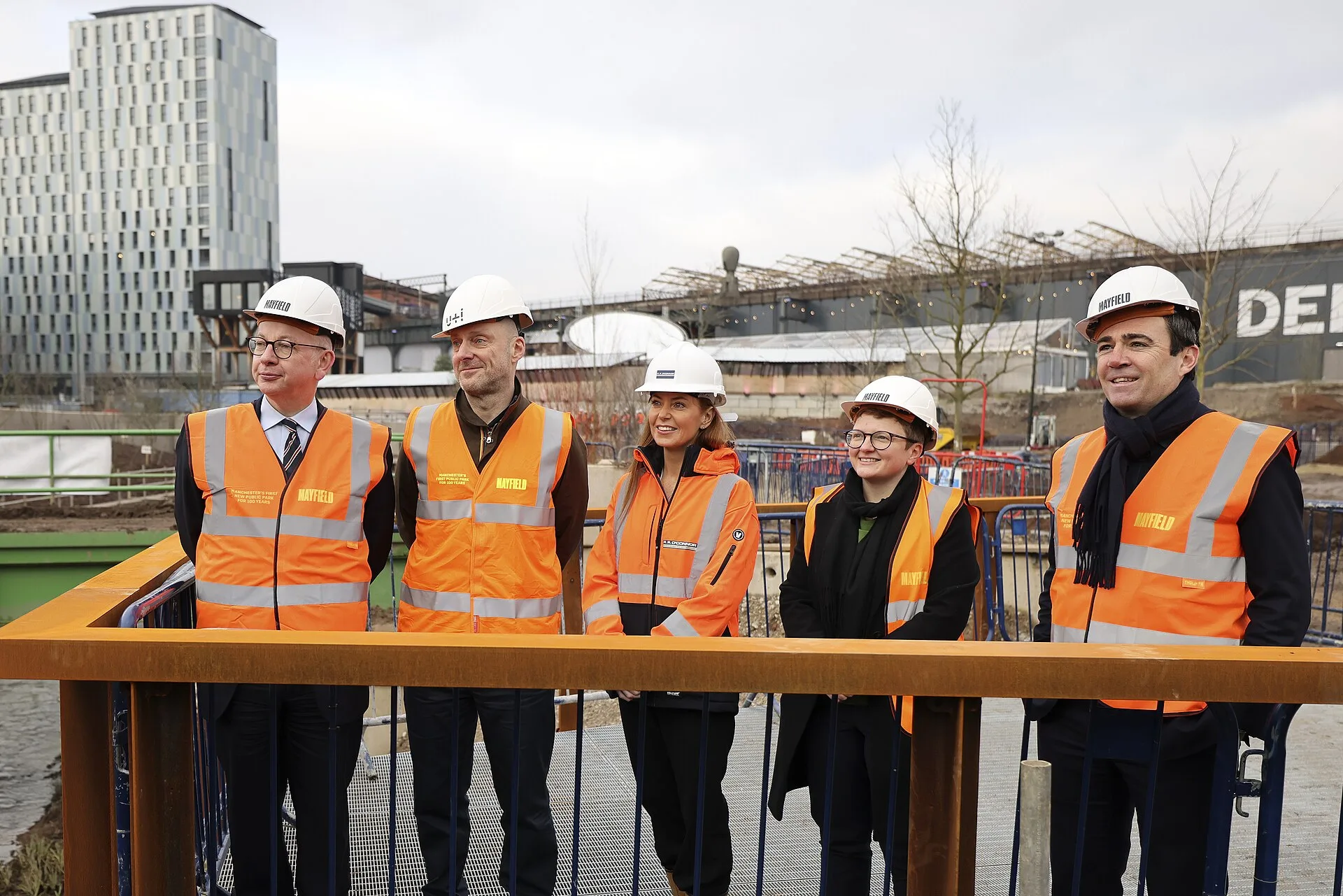
Thanks to those efforts, Burnham gained broad popularity and was nicknamed the “King of the North,” while Manchester became under his administration one of Britain’s fastest-growing cities in terms of investment and urban development. That helped boost his popularity within the Labour Party, to the point that several opinion polls described him as one of the most popular politicians.
Political philosophy and ideological orientations
At the intellectual level, Burnham describes himself as a “socialist” belonging to Labour’s “soft left,” and describes his political project as “pro-business socialism” that combines social justice with support for investment and the private sector. He has also rejected nationalist and populist tendencies, calling them “an ugly face of politics.”
In foreign policy, he said in 2025 that he hopes Britain will rejoin the European Union within his lifetime. He also maintained his support for Britain’s commitments within NATO and backed continued military and financial aid to Ukraine. At the same time, however, he criticized the US-Israeli war against Iran in 2026, warning against repeating the mistakes of the 2003 Iraq war.
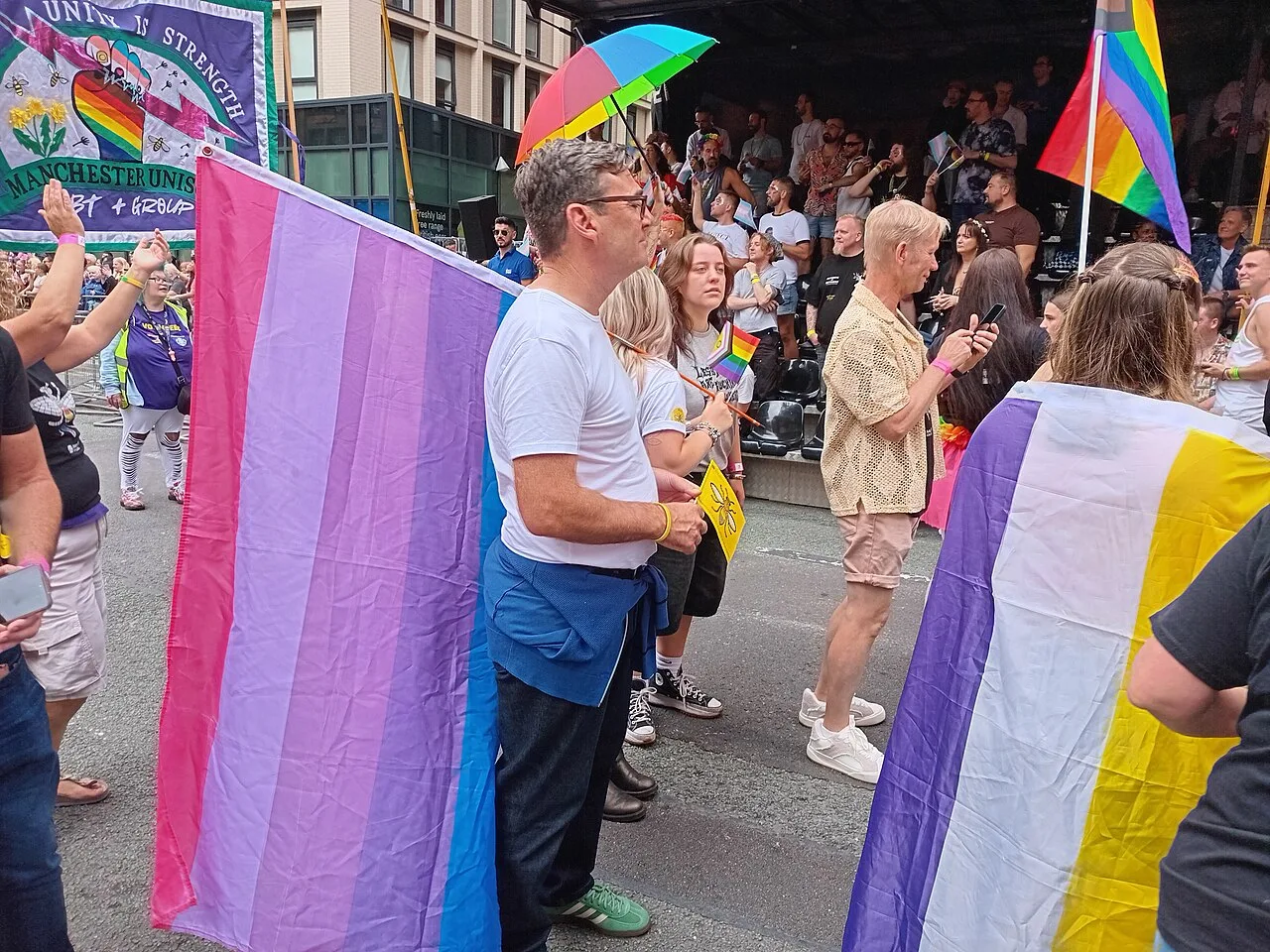
On social issues, Burnham holds relatively liberal positions. He supported legalizing same-sex marriage in 2013 and has on several occasions declared his support for the transgender community. Away from politics, Burnham is known for his passion for running and often appears wearing an Everton shirt, alongside his deep love of Manchester music from the 1980s.
He has also built a notable presence on social media platforms, where he films spontaneous and sometimes sarcastic videos to respond to critics and share aspects of his daily life and interests, such as football and food, while communicating directly with voters. He is also seen as a more gifted speaker than Starmer.
Burnham’s position on the Palestinian-Israeli conflict
Burnham’s positions on the Palestinian cause and Israel have passed through shifting phases that reflect changes in his political mood. In 2012, he visited the West Bank with Labour Friends of Palestine and described the establishment of a Palestinian state as “a right, not a gift,” while condemning Israeli settlements in the West Bank. Burnham has long supported a two-state solution.
However, during the 2015 Labour leadership race, he joined Labour Friends of Israel, praised Israel as “a democracy with a long history of protecting minorities and advancing civil rights,” and pledged that Israel would be his first foreign visit if he won. He also described the BDS movement as “spiteful.”
With the outbreak of the events of Oct. 7, 2023, and the ensuing war on the Gaza Strip, Burnham condemned Hamas and the events of Oct. 7, 2023, but he criticized the approach of his predecessor Keir Starmer, who defended the Israeli position, and announced that if he took office as prime minister, Britain would move toward imposing additional sanctions on Israeli individuals and entities.
He also said that Benjamin Netanyahu’s government is making a two-state solution impossible, accusing Israel of continuing to violate the ceasefire and kill innocent Palestinians. He called for considering more sanctions on those involved in violence in Gaza, and also declared his full support for imposing restrictions on arms licenses to Israel, to ensure the Israeli occupation army does not use British weapons in Gaza or the West Bank.
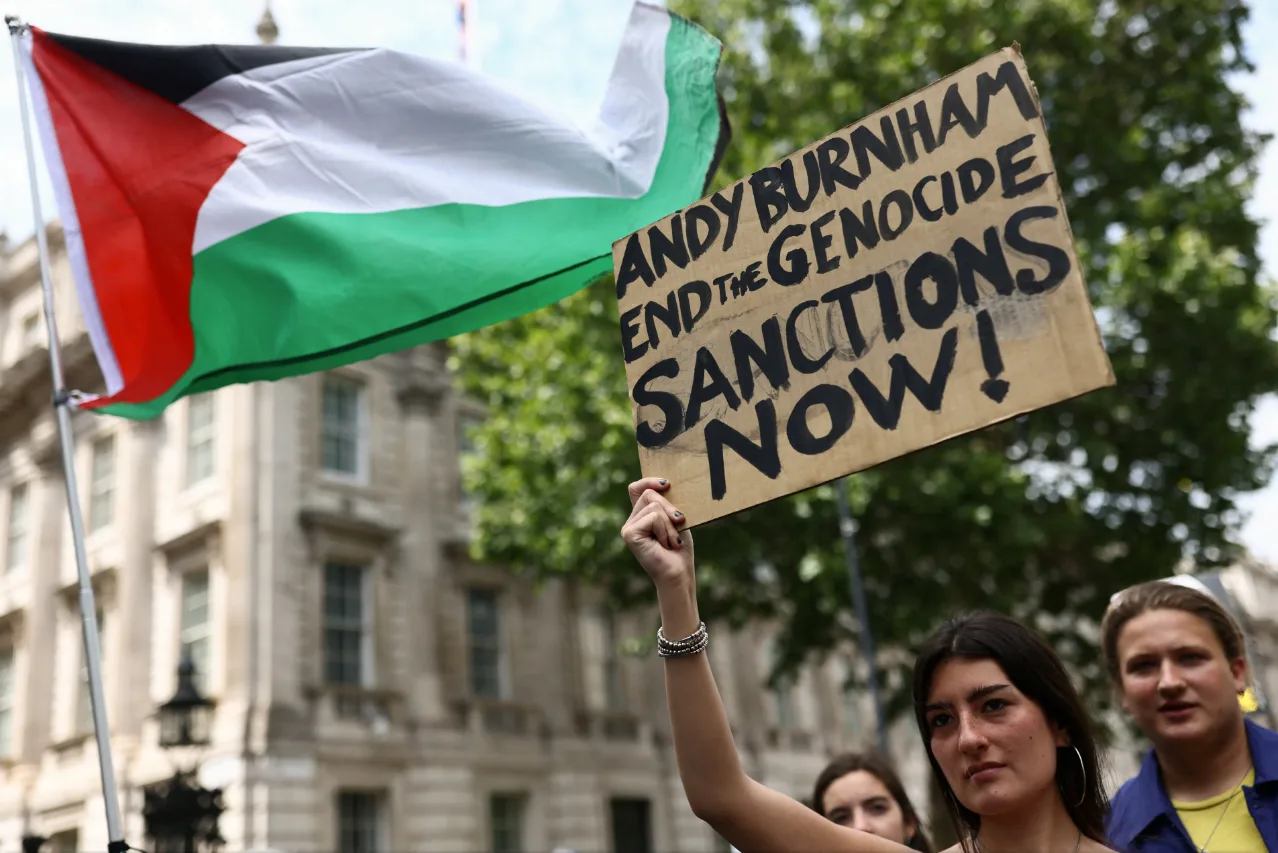
These positions sparked mixed reactions. He faced angry criticism from some Jewish groups, while on the other hand he was criticized by pro-Palestinian groups for his categorical refusal to describe what is happening in Gaza as genocide. As a result of this continuing ambiguity in his positions, an investigation by The Muslim Vote said it did not give him a clear rating and described his position on the latest war on Gaza as “unclear.”
Jonathan Tonge, a professor of political science, believes Burnham may take a different path from Starmer on the Palestinian issue, while academic and political analyst Anand Menon believes Burnham appears less biased toward Israel than Starmer, but at the same time describes him as a pragmatist inclined to adjust his positions in line with political changes and surrounding circumstances.
Burnham’s positions on immigration
Burnham’s positions on immigration have evolved over the course of his political career. In 2015 and 2016, when he served as shadow home secretary, he rejected a bill that would have required landlords to verify the legal status of tenants or help deport undocumented immigrants.
But his positions have shifted in recent years, as he has become more supportive of tougher measures to combat irregular migration, particularly by targeting human smuggling networks and strengthening enforcement of immigration laws. He has also expressed support for policies aimed at reducing immigration and linking legal migration to the needs of the economy and labor market.
This shift comes amid the continuing pressures facing the United Kingdom as a result of rising migration levels, with people continuing to flee wars, conflicts, political persecution, and economic crises.
According to several reports, Burnham is likely to adopt a policy that combines tighter border controls, faster asylum procedures, and pursuit of human smuggling networks, while avoiding hardline rhetoric that conflates regular and irregular migration.
Burnham’s position on British Muslims
Greater Manchester is home to one of the largest Muslim communities in the United Kingdom, and during his tenure as mayor of Greater Manchester from 2017 to 2026, Burnham adopted a policy based on integrating Muslim communities and institutions as partners in managing local affairs.
Many reports indicate that Burnham enjoys popularity among Muslims in the United Kingdom. He maintained regular contact with leaders of the Muslim community at public events, especially during Ramadan, sent greetings to Muslims, and on more than one occasion stressed the importance of the Muslim community’s contribution to Manchester’s public life.
Burnham has also taken clear positions in condemning attacks targeting Muslims and their places of worship. Following the attack on Manchester Central Mosque during Ramadan in February 2026, he issued a statement describing the incident as deeply concerning for Muslim communities across the city, and announced his intention to visit the mosque to meet members of the community. He also instructed Greater Manchester Police to strengthen its security presence around all mosques in the city.
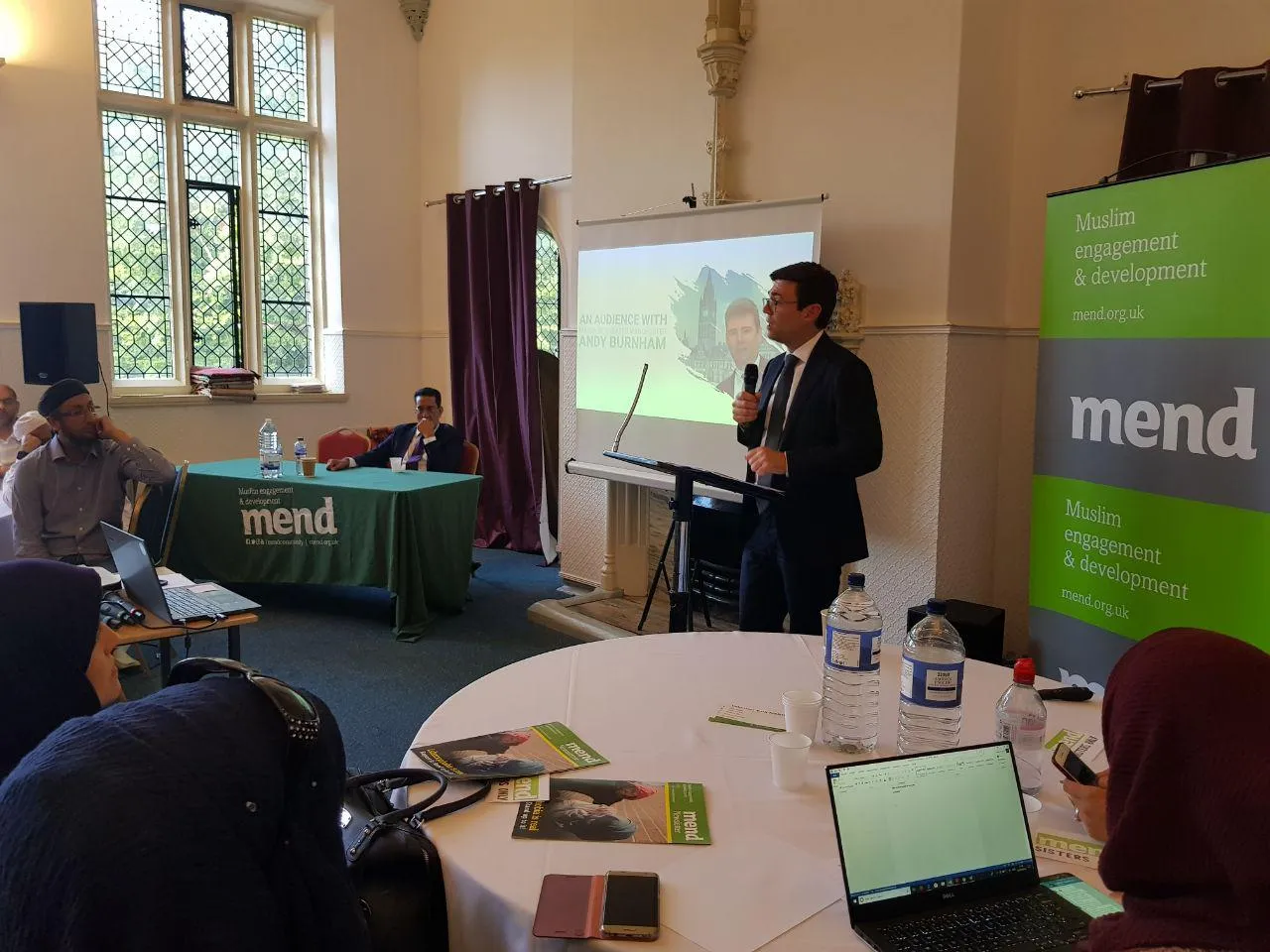
Testimonies from a number of Muslim community leaders in Manchester indicate that Burnham enjoys a degree of trust. In an interview with Hyphen, Hammad Khan, imam of Manchester Central Mosque, praised Burnham’s character, recalling their first direct cooperation during the Covid-19 pandemic, when the Greater Manchester authority moved quickly to meet the needs of mosques.
Khan added that Burnham showed a genuine interest in understanding the needs of the Muslim community. He also praised his swift response after the Manchester Central Mosque incident, describing him as a politician who “always tries to bring people together and does not build his policies on division.”
He is also seen as being close to prominent figures within the Labour Muslim Network, such as Ali Milani, which is viewed as one of the factors that helped keep channels of communication open between him and segments of British Muslims.
However, the support Burnham enjoys in Muslim circles cannot be described as absolute. While he has built a positive image among some local Islamic leaders in Manchester thanks to his cooperation with the community and his concern for mosque security, positions have been more reserved regarding his stance on the war in Gaza, and activists criticized him for refusing to describe what is happening in Gaza as genocide.
The challenges facing Burnham
Burnham took the reins of power in what is considered one of the country’s most complex periods in recent decades, finding himself confronted with a heavy legacy economically and politically inherited from his predecessor Keir Starmer. These challenges coincide with a continuing decline suffered by the Labour Party in opinion polls for about a year and a half, alongside the rise of the right-wing populist Reform UK party.
Domestically, Burnham’s government faces an economy suffering from weak growth and stagnation stretching back nearly two decades, along with rising levels of public debt and borrowing, continuing structural crises in health services, and pressures stemming from the rising cost of living and energy prices exacerbated by the wars in Ukraine and Iran.
In his first speech after becoming prime minister, Burnham pledged to pursue a path different from his predecessor’s, placing the cost-of-living crisis and economic revival at the top of his priorities. He announced his intention to cut VAT and launch an economic program aimed at lowering living costs, improving public services, and raising living standards.
Photo: Burnham during a meeting of mayors with Prime Minister Keir Starmer, July 2024 (10 Downing Street).
Alongside his talk of achieving equal opportunity across the United Kingdom’s regions, and ending the gap between London and the rest of the country economically and socially, especially the northern towns and coastal areas that have long suffered from marginalization.
Burnham’s economic project is based on expanding decentralization and transferring more powers and resources to local governments, while restoring some services that were privatized during the 1980s.
Along with reviving British industry, expanding public housing, and nationalizing some public utilities. He also seeks to apply the model known as “Mancunianism,” based on using both public and private investment to develop transport, housing, and infrastructure.
Despite the ambition of this program, a number of observers believe its implementation will run up against major financial and political constraints, given high public debt, limited room for government spending, elevated debt-servicing costs, and the complexities of the British economy — meaning tangible results on the ground will take years, not months.
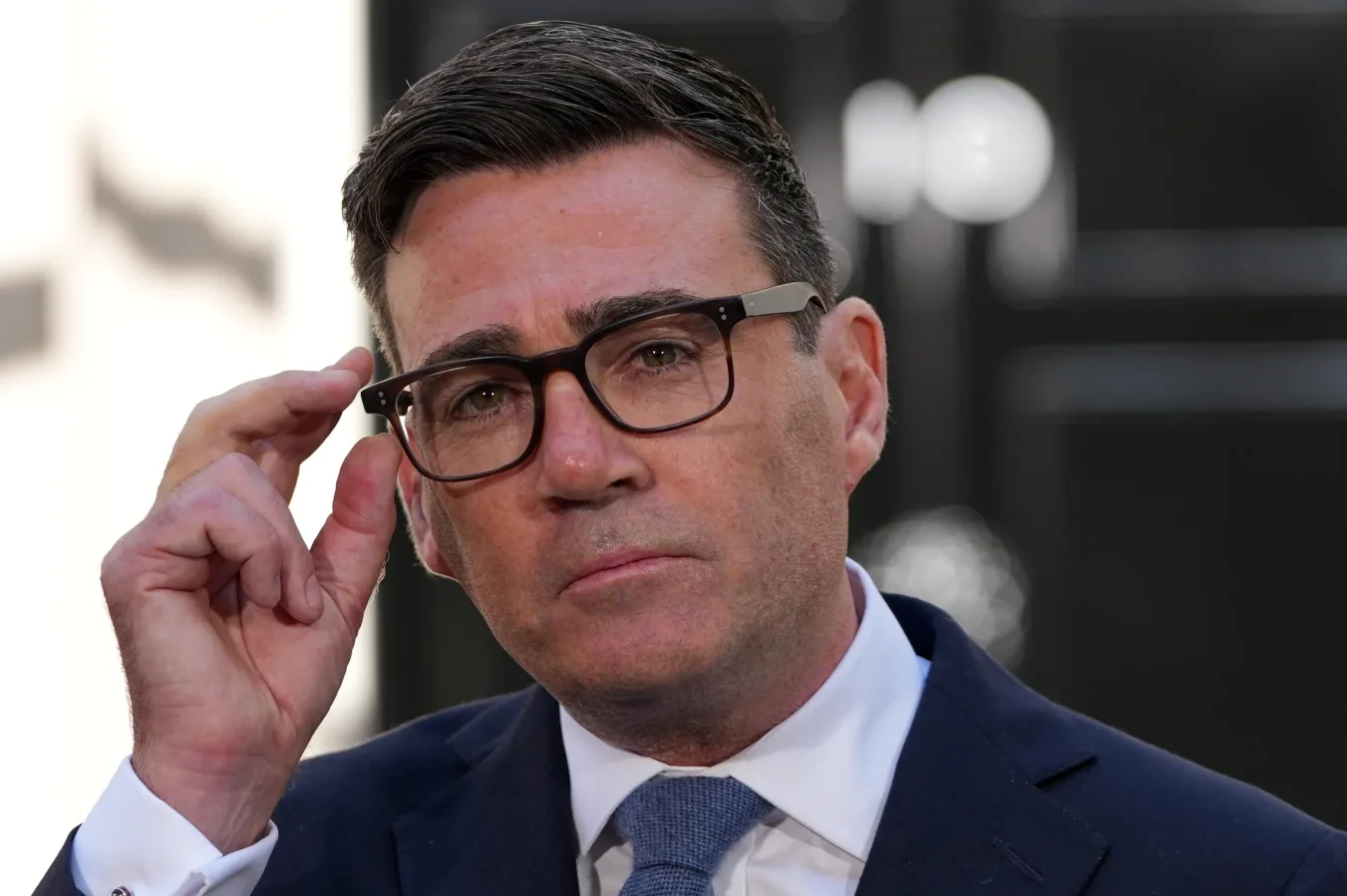
In foreign policy, meanwhile, Burnham enters government with limited experience in international politics compared with his extensive experience in local administration. His critics believe he lacks sufficient experience in foreign affairs, national security, and defense policy compared with his local and service-related files.
He also faces the challenge of building a strong partnership with the US president, amid continuing pressure to increase defense spending during the continuing Russian war in Ukraine, alongside resetting the relationship with the European bloc and dealing with the conflicts in Ukraine and Iran.
In this context, Burnham affirmed his commitment to continuing support for NATO, maintaining Britain’s nuclear deterrent, and continuing to provide military and political support to Ukraine. He also stressed his commitment to the “special relationship” with the United States, while declaring his readiness to deal with President Trump.
This orientation was reflected early in the first phone call he held with Trump after taking office, as he was careful to adopt a calm diplomatic tone. He also agreed to the use of British military bases in some US strikes on Iran.
Some analysts doubt Burnham will move to break with Washington, suggesting he is more likely to pursue a calmer and more balanced approach than his predecessor. Meanwhile, British media reports indicated that the new prime minister has no desire to introduce radical or fundamental shifts in the country’s foreign policy constants.
As for relations with Russia and dealing with China, estimates suggest Burnham’s policy will remain largely within the traditional frameworks embraced by the Labour Party, without radical changes.
By contrast, Burnham’s opponents were quick to cast doubt on his ability to deliver on his promises. Experts believe his time as prime minister may not last long, as he faces the same difficulties that confronted his predecessor. Reform UK also argued that his recent speeches offered no clear economic plan and amounted only to political slogans.
Some of Burnham’s critics also believe that leading a government providing services to 70 million people is an extraordinarily difficult task, suggesting Burnham will face broader problems and entirely different issues from the experience of a leader who spent his career managing a region of no more than 3 million people.
Some analysts argue that the greatest challenge facing Burnham lies in the high bar of promises he made during his campaign to reach the premiership, which could raise public expectations and leave his government exposed to swift criticism if it fails to deliver tangible results within a short period of time.